Attractions and Places To See in Parco Regionale Dell'Aveto - Top 20
Attractions and places to see in Parco Regionale Dell'Aveto are found within the Ligurian Apennines, offering a diverse landscape of natural features and cultural sites. Established in 1995, the park protects significant geological, faunal, and floral diversity. It encompasses three distinct valleys—Aveto, Sturla, and Graveglia—each with unique characteristics ranging from high-mountain landscapes to preserved rural areas. The park provides opportunities to explore mountains, lakes, and historical landmarks.
Best attractions and places to see in Parco Regionale Dell'Aveto
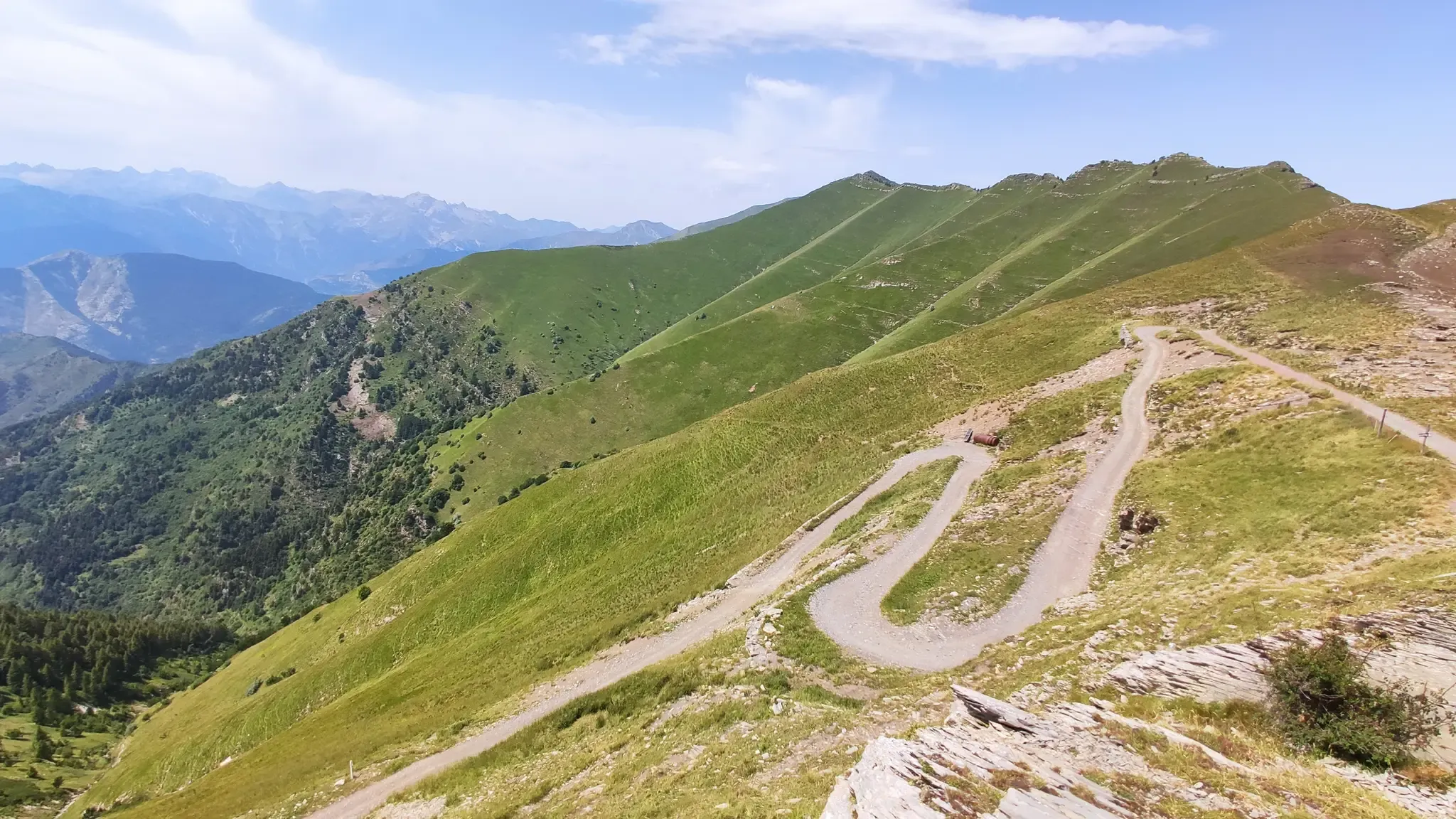
- The most popular attractions is Forcella Pass, a mountain pass that offers views through Val Sturla to the coast. It serves as a watershed between maritime Liguria and the mountainous hinterland, with a recently maintained paved road.
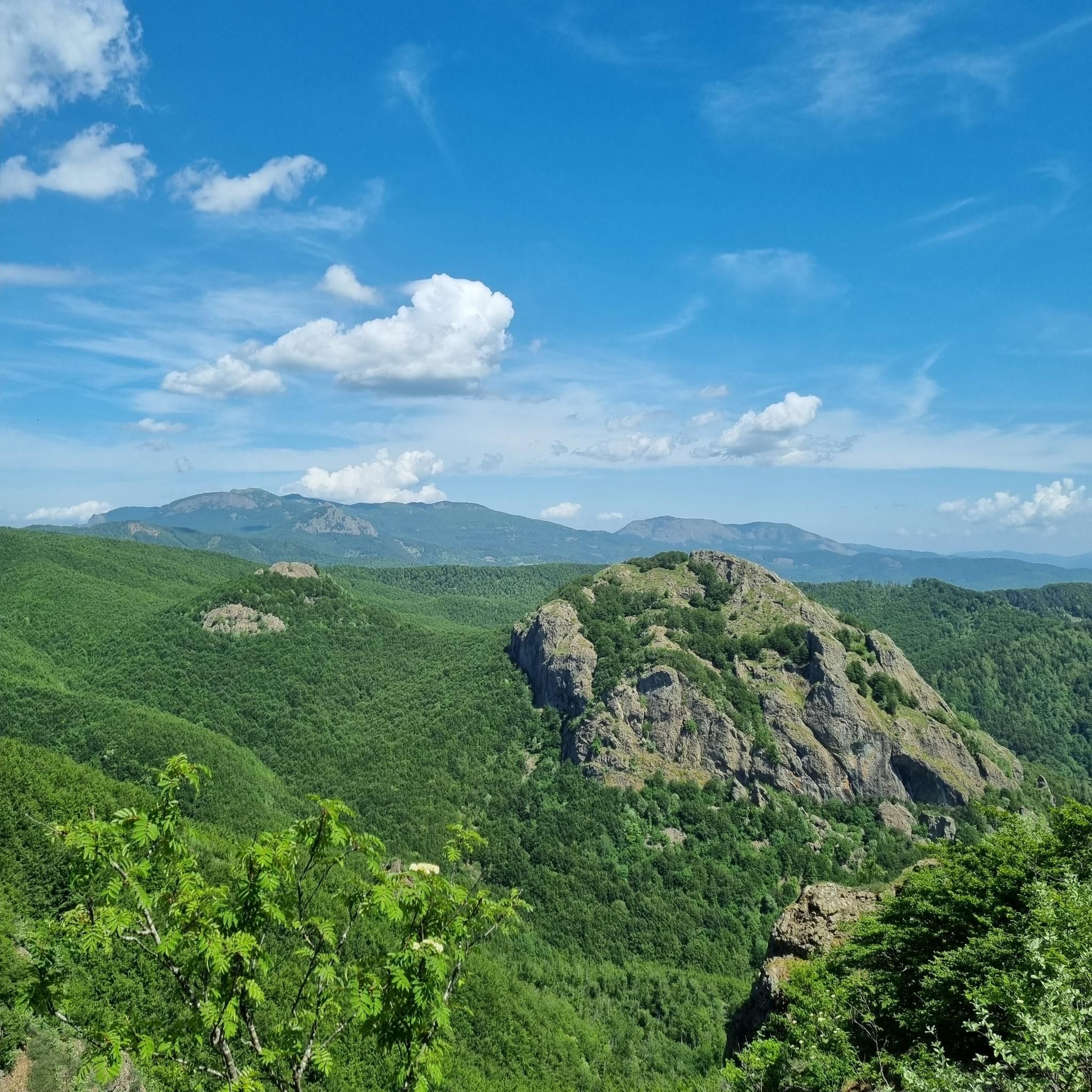
- Another must-see spot is Pietra Borghese, a natural monument known for its unique geological composition. This rock formation contains abundant magnetite, which can affect compasses, and is an outcrop of peridotites, among the oldest rocks in Italy.
- Visitors also love Ventarola Refuge, a hut located in an ancient village at 846 meters above sea level. The village features well-preserved stone houses and served as an important link between the Ligurian Riviera and the Po Valley.
- Parco Regionale Dell'Aveto is known for its mountain peaks, glacial lakes, and historical sites. Visitors can explore a variety of attractions, from geological marvels to ancient villages and mines.
- The attractions in Parco Regionale Dell'Aveto are appreciated by the komoot community, with 88 upvotes and 47 photos shared across the highlights.
Last updated: July 5, 2026
Forcella Pass
Highlight • Mountain Pass
The climb is very gentle throughout and winds in countless curves to the pass. The wide road can be expected that here with a larger traffic volume is to be expected. But that is deceptive, only on weekends here is a little more motorized traffic on the way. Sunday trippers on the way to the beautiful hinterland.
The climb is worth not only because it is the easiest access to the lonely and rewarding hinterland of Liguria and nearby Emilia-Romagna. The pass offers just on the top kilometers also a fantastic view through the Val Sturla to the coast.
Translated by Google •
Tip by

Pietra Borghese
Highlight • Natural Monument
Many legends circulate about its origin: among these, one that depicts it as a meteorite with an ever-burning fire inside and the home of a gigantic snake.
In reality, it represents a true geological jewel: it is in fact an outcrop of peridotites.
We are talking about lherzolitic peridotites (the name derives from the Lherz Massif, an Alpine peridotite complex in the French Pyrenees), rocks from the subcontinental mantle that progressively rose, surfacing on the bottom of an ancient ocean (the Ligurian-Piedmont Ocean) during the extensional processes that caused it to open.
These rocks, radiometrically dated approximately 2.5 billion years, are among the oldest in Italy
Translated by Google •
Tip by

Sign up now to discover places like this
Get recommendations on the best single tracks, peaks, & plenty of other exciting outdoor places.
Sign up for free
Ventarola Refuge
Highlight • Mountain Hut
Translated by Google •
Tip by

Giacopiane Dam and Lake
Highlight • Lake
Translated by Google •
Tip by

Rifugio Malga Zanoni
Highlight • Mountain Hut
malgazanoni.org
Translated by Google •
Tip by

Sign up for free to discover even more attractions in Parco Regionale Dell'Aveto.
Sign up for free
Already have an account?
Start today with a free account
Your next adventure awaits.
Login or Signup
Popular around Parco Regionale Dell'Aveto
Other adventures in Parco Regionale Dell'Aveto

Tips from the Community

It's really worth it. Too bad about the limitation of the €10 toll road and the difficulty in paying it: scan QR code, install App, create an account (if you have network available), understand what and how to pay, etc..... All in 15-20' if you're lucky.
0
0

Pria Burgheisa (Pietra Borghese) is a massive outcrop of mantle peridotites, among the best-known and most significant in the area. It lies on the southwestern edge of the Prato Mollo plateau, on the southern slopes of Mount Aiona, at an altitude of 1,465 m. It is a geosite of considerable petrographic, mineralogical, and regional geological interest, allowing us to study the evolution of a portion of the lithospheric mantle subsequently involved in the Apennine orogeny. The outcrop has a highly irregular shape: 30 m long, 10 m wide at its maximum, and 7–8 m high. The rocks are dark in color, ranging from blackish to brownish; the mass is affected by three main fracture systems, more or less orthogonal to each other, which fragment it into numerous square-shaped blocks. The surface of the blocks has a pitted appearance, as the pyroxene crystals, more resistant to erosion than olivine, remain prominent. At the outcrop, mantle foliation is evident, due to the presence of frequent pyroxenite bands. Source: Liguria Geosite Registry.
0
0

Not far from the Aiona–Pratomollo Refuge, near the dirt road, you come across Pietra Borghese, a truly unique rocky outcrop. At first glance, it may seem like a simple dark mass that emerges from the pastures, but it is actually a very ancient rock, among the oldest in Italy: it is over two billion years old and actually comes from the Earth's mantle. Its composition, rich in magnetite, causes compasses to go crazy in the surrounding area, and it is not uncommon for its summit to be struck by lightning during storms. Some legends have also developed around this stone, including one that wants it to be a meteorite that fell from the sky. In reality, its true charm lies in its deep geological origin, which tells an ancient story linked to the birth of the Apennines and the disappearance of a prehistoric ocean.
0
0

a sweet beer and off we go again
1
0

A little way away from the hustle and bustle of the beach promenades but still easy to reach by car. Don't forget to pay the parking fee down there beforehand. A gigantic view over the lake and, with a bit of luck, wild horses in the woods make this easy circular walk a great experience.
0
0
February 15, 1945, La Squazza Massacre: On February 14, 1945, an Alpine soldier from Monterosa, a certain Mantovani, was in the La Squazza area (municipality of Borzonasca), heading towards the Forcella pass, where a contingent of Alpine soldiers was stationed. Some partisans recognized him as the one who had seen the mine system being laid around the Forcella stronghold. They then decided to capture him to get him to reveal the operation and exact location of the minefield and organized an ambush. But, while they were ordering him to “put your hands up!”, a group of German soldiers appeared on the road and a firefight ensued, during which Mantovani (probably shot by a Nazi) and a German were fatally shot. The partisans suffered no losses. The Nazi-fascist retaliation was immediate and ferocious and on February 15, ten partisans were taken from the prisons of Chiavari and transported on a truck to La Squazza, where they were murdered. The then deputy commissioner of the “Coduri”, “Miro” recounts that the ten partisans who were shot were left for three days in full view of everyone, with no one being allowed to attend to the funeral. The owner of the hotel in La Squazza, however, had approached the martyrs to try to bring them some, vain, help. "Miro" himself, when the news reached him, was charged, together with "Baffo", sent by the Area Command, to go to the site of the massacre to proceed with the identification of the bodies. Having arrived near La Squazza by chance, after having been targeted by mortar fire from the Alpine troops of Forcella, the two partisans took advantage of the guidance of an elderly local lady and her daughter, whom they met on the path, who collaborated with them until they got closer to the site of the massacre.
0
0
Ventarola is a very small village, with some beautiful stone houses. One of these has been renovated and transformed into a refuge, available to those who travel the Alta Via dei Monti Liguri. However, upon reservation, the refuge is also available for bikers who want to stop in Ventarola.
0
0

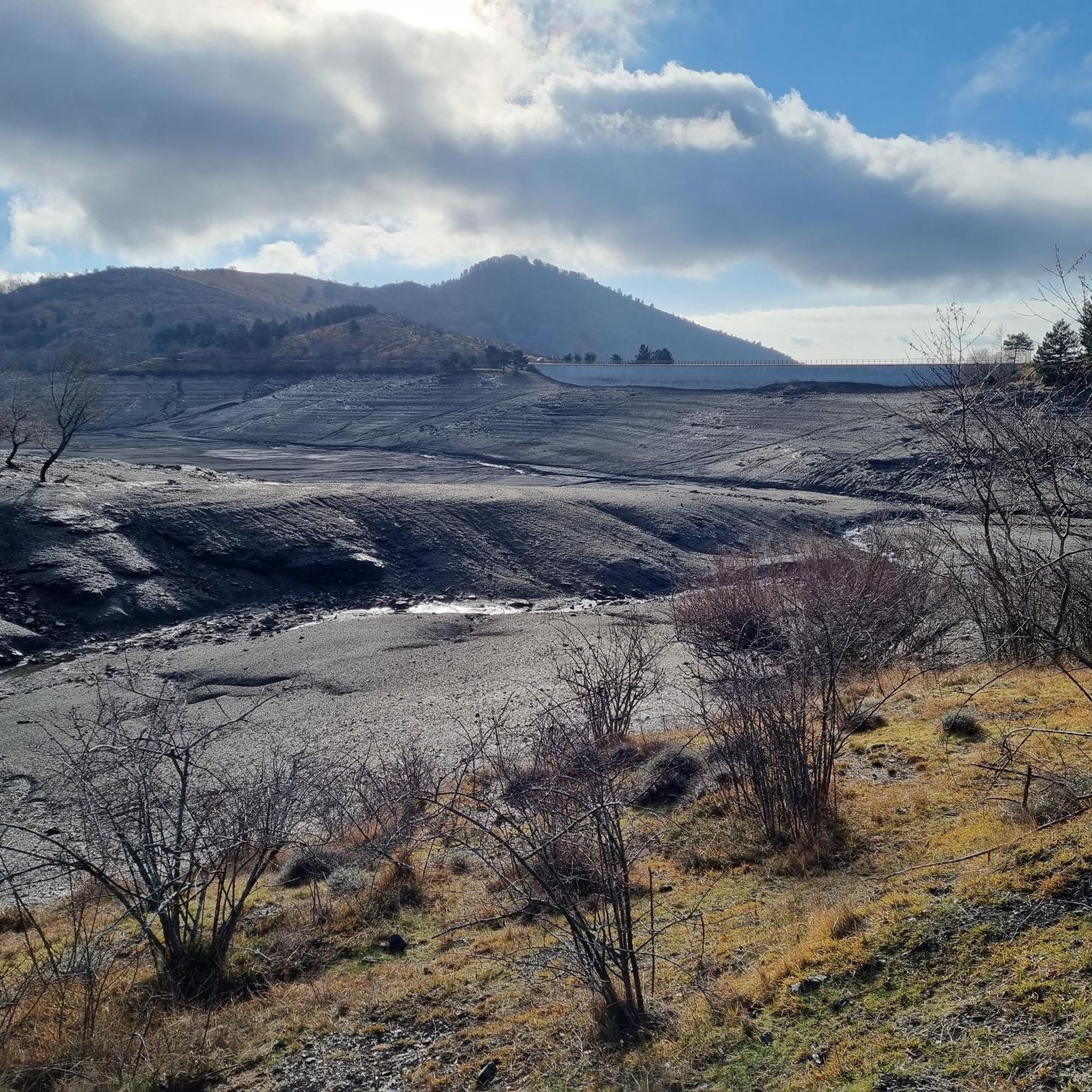
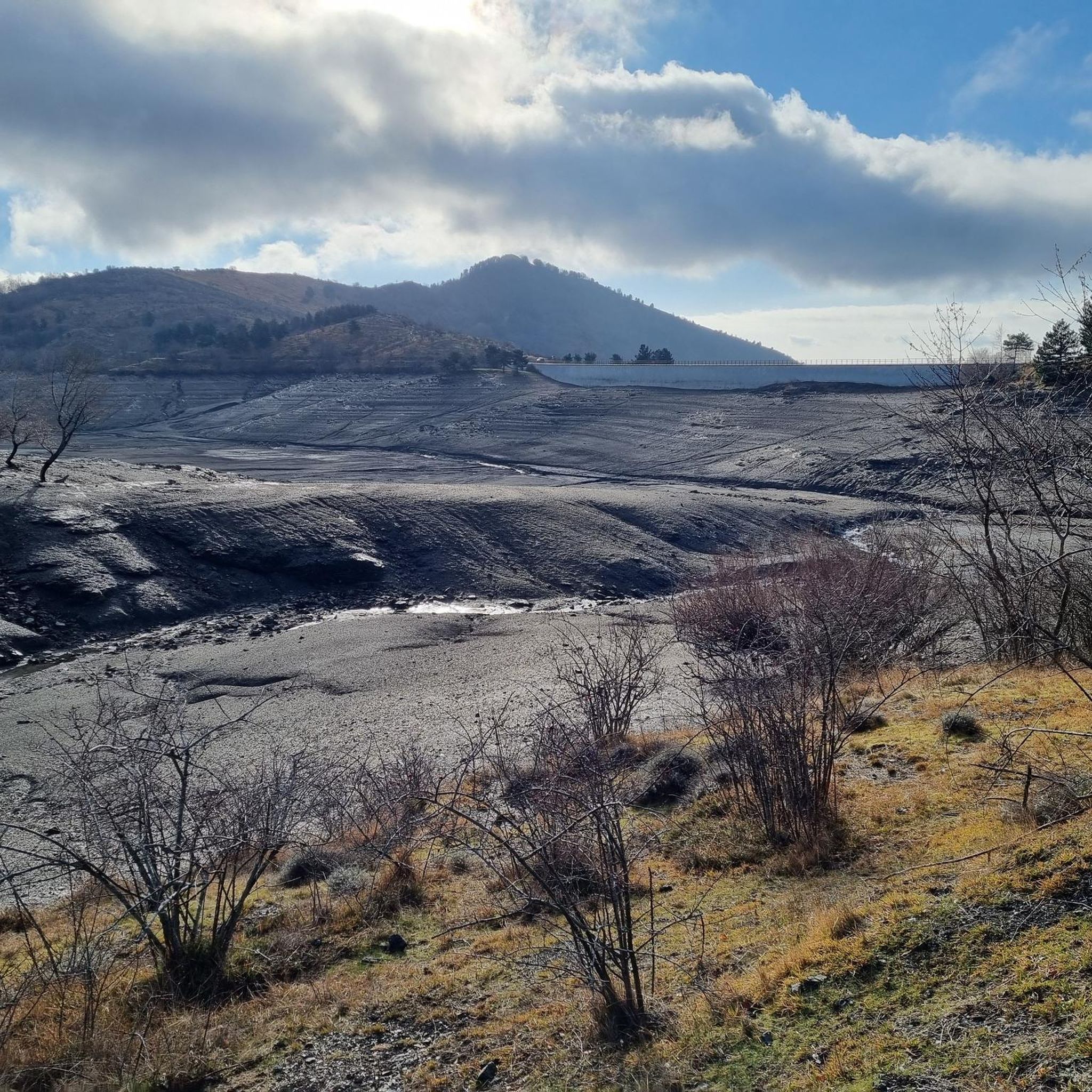
A lake to be enjoyed with your eyes as it is extremely dangerous. Since it was emptied for maintenance work, many "quicksand" danger signs have appeared... and you have to believe it! It is very dangerous to even get close to the banks.
0
0
Frequently Asked Questions
What natural features can I explore in Parco Regionale Dell'Aveto?
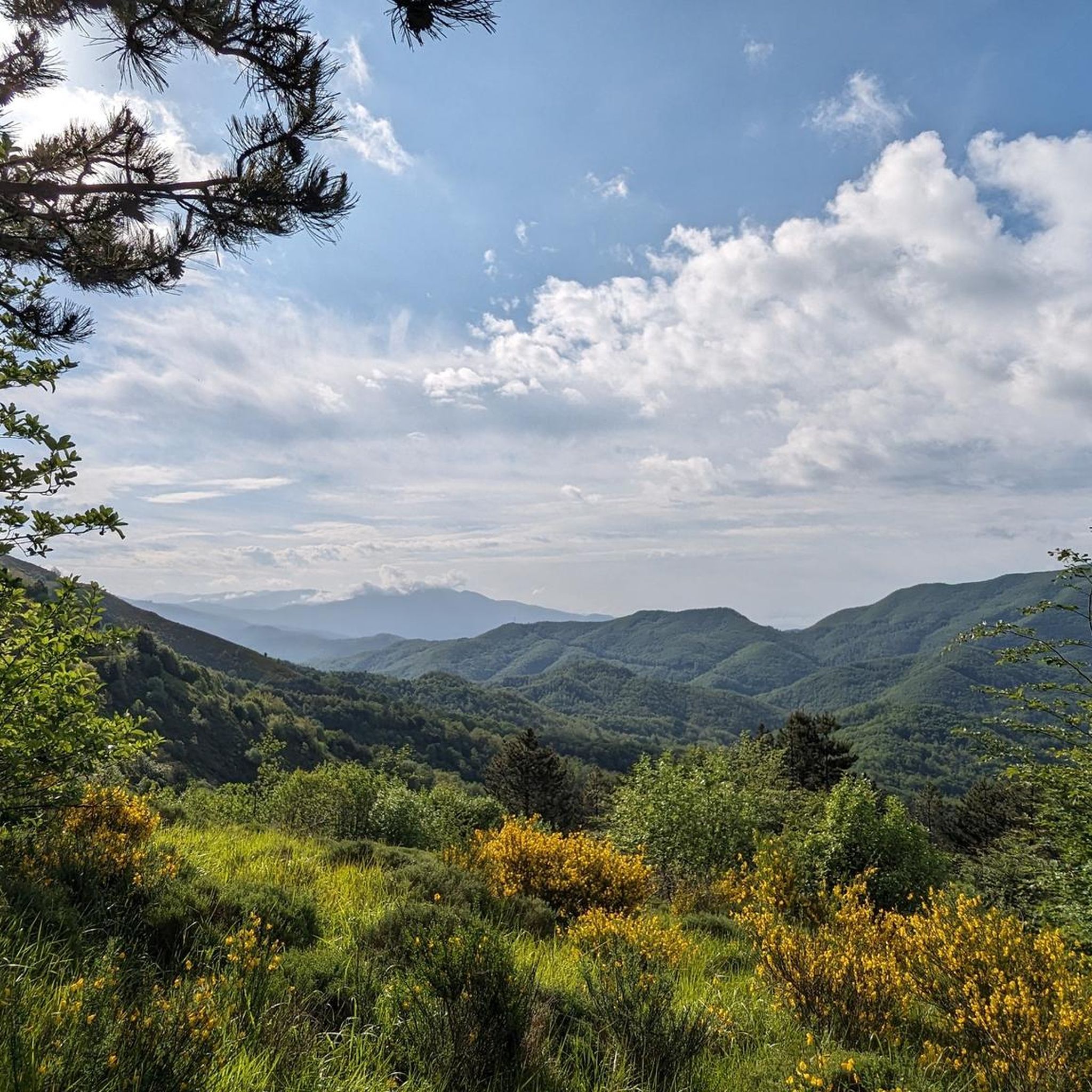
The park boasts diverse natural features, including several significant mountain peaks like Monte Penna (1,735 m) and Monte Aiona (1,701 m), offering spectacular panoramic views. You can also visit picturesque glacial lakes such as Lame Lakes and Lago di Giacopiane. The park encompasses three distinct valleys—Aveto, Sturla, and Graveglia—each with unique landscapes, from high-mountain beech woods to meadows and olive groves.
Are there easy hiking trails suitable for beginners in Parco Regionale Dell'Aveto?
Yes, there are several easy hiking options. For instance, you can find routes like the Lake Giacopiane Loop or the Lago di Giacopiane – loop in the Parco Naturale Regionale dell'Aveto. These are generally well-suited for those looking for less strenuous walks. You can find more easy hikes in the park on the Easy hikes in Parco Regionale Dell'Aveto guide.
What historical or cultural sites are there to visit in Parco Regionale Dell'Aveto?
The park is rich in history. You can explore the Ventarola Village, an ancient settlement with well-preserved stone houses. Another significant site is the Gambatesa Mine, once Europe's largest manganese mine, now a museum. Don't miss the Santo Stefano d'Aveto castle, built in 1164, or the ancient Abbey of Borzone, dating back to the seventh century.
Where can I find panoramic views in Parco Regionale Dell'Aveto?
For breathtaking views, head to Forcella Pass, which offers extensive vistas through Val Sturla all the way to the coast. Mountain peaks like Monte Aiona also provide spectacular panoramic views. Additionally, Rifugio Malga Zanoni, located at 1,100 meters, serves as an excellent viewpoint.
Are there family-friendly activities or attractions in Parco Regionale Dell'Aveto?
While specific 'family_friendly' highlights are limited, the park offers many opportunities for families to enjoy nature. Easy hiking trails around Lago di Giacopiane are suitable for families. Exploring the historic Ventarola Village or visiting the Gambatesa Mine can also be engaging for children interested in history and geology.
What unique geological sites can I find in Parco Regionale Dell'Aveto?
A truly unique geological site is Pietra Borghese. This rock formation contains abundant magnetite, which can cause compasses to malfunction, and is an outcrop of peridotites, among the oldest rocks in Italy. Local legends also surround this mysterious stone.
What are the main mountain peaks in Parco Regionale Dell'Aveto?
The park is home to some of the highest mountains in the Ligurian Apennines. The most prominent is Monte Penna (1,735 m), followed by Monte Aiona (1,701 m). Other notable peaks include Monte Zatta (1,406 m) and Monte Ramaceto (1,345 m), all offering various hiking opportunities.
What outdoor activities can I do near these attractions?
Parco Regionale Dell'Aveto is ideal for various outdoor activities. You can enjoy extensive hiking and trekking, including sections of the Alta Via dei Monti Liguri. Mountain biking is also popular, with trails like the Monte Zatta Loop. For more options, explore the Hiking in Parco Regionale Dell'Aveto guide or the MTB Trails in Parco Regionale Dell'Aveto guide.
Are there any museums in Parco Regionale Dell'Aveto?
Yes, the park offers a couple of interesting museums. You can visit the Gambatesa Mine, which now functions as a significant tourist and scientific museum showcasing its mining history. Additionally, the Museum of the Forest in Rezzoaglio is dedicated to the diverse forests within the park.
What is the best time of year to visit Parco Regionale Dell'Aveto?
The park offers different experiences throughout the year. Spring and autumn are ideal for hiking and enjoying the changing landscapes, with pleasant temperatures. Summer is great for exploring the high-mountain areas and lakes. In winter, the Aveto Valley transforms into a destination for downhill, cross-country, and alpine skiing.
Can I find traditional food and local products in the park?
Absolutely! The region is known for its local gastronomy. In Santo Stefano d'Aveto, you can savor traditional 'San Stè' cheese and 'sarassu' (salted ricotta cheese). Many local dishes also feature mushrooms, reflecting the park's rich natural produce.
Are there any ancient mills to visit in the area?
Yes, the park preserves examples of traditional peasant history through its ancient mills. The 18th-century Belpiano Mill is particularly notable for its unique 'tower' structure and horizontal turbine, offering a glimpse into past productions. The Gramizza Mill is another historical site worth exploring.
Most popular routes in Parco Regionale Dell'Aveto
Most popular attractions in Parco Regionale Dell'Aveto

Get inspired with the komoot mobile app


Explore more
Still not found the Highlight you’re looking for? See guides of the top attractions in other regions:
