Top 20 Natural Monuments in Ecuador
Natural monuments in Ecuador showcase the country's diverse geography, spanning from the Pacific coast to the Andean highlands and the Amazon rainforest. Approximately 20% of Ecuador is designated as protected areas, safeguarding unique ecosystems and a vast range of flora and fauna. These areas feature volcanic islands, high-altitude páramo, cloud forests, and extensive coastlines. Ecuador's natural landscapes offer varied terrain and ecological significance.
Best natural monuments in Ecuador
- The most popular natural monument is Quilotoa Lagoon, a lake that is a volcanic crater approximately 3 kilometers in diameter. Its unique color comes from volcanic mineral content, and the walk around the crater takes around 4-5 hours, with the highest point at over 3900 meters.
- Another must-see spot is Turtle Bay, a beach known for its white sand. It is a nesting site for black sea turtles, and visitors can observe animals such as pelicans, sea lions, and marine iguanas.
- Visitors also love Cuicocha Lagoon Loop Trailhead, a circular hike around the "guinea pig lagoon." The trail offers viewpoints of the lake and surrounding area.
- Ecuador is known for its diverse natural monuments, including volcanic lakes, pristine beaches, and challenging mountain trails. The country offers a variety of natural monuments to see and explore, from high-altitude summits to coastal ecosystems.
- The natural monuments in Ecuador are appreciated by the komoot community, with 28 upvotes and 19 photos shared by visitors.
Last updated: July 7, 2026
Rucu Pichincha Summit
Highlight • Summit
Die Tour ist also durchaus anspruchsvoll, aber nicht allzu lang und hat nicht allzu viele Höhenmeter. Trotzdem braucht man Kondition und Trittsicherheit und sollte nicht viel Höhenangst haben.
Durch die Lage des Rucu Pichinchas direkt an Quito ist die Strecke oft sehr voll. Es empfiehlt sich also, mit Beginn der Öffnungszeiten des Teleferiqo gleich morgens hochzufahren. Dann muss man sich auch keine Sorgen um die letzte Abfahrt machen. Die Zeiten des Teleferiqo (der Gondel) ändern sich öfter, deshalb muss man die immer auf der Homepage des Teleferiqo kontrollieren. Sie schwanken zwischen 8 und 9 Uhr morgens und zwischen 16 und 17 Uhr abends.
Tip by

Pailón del Diablo Waterfall
Highlight • Waterfall
Translated by Google •
Tip by

Sign up now to discover places like this
Get recommendations on the best single tracks, peaks, & plenty of other exciting outdoor places.
Sign up for free
Quilotoa Lagoon
Highlight • Lake
Tip by

Limpiopungo Lagoon
Highlight • Lake
Translated by Google •
Tip by

Turtle Bay
Highlight (Segment) • Beach
Translated by Google •
Tip by

Virgin of El Panecillo
Highlight • Monument
Translated by Google •
Tip by

Cuicocha Lagoon Loop Trailhead
Highlight • Trail
Translated by Google •
Tip by

Tijeretas Hill Lookout
Highlight • Viewpoint
Translated by Google •
Tip by
Peguche Waterfall
Highlight • Waterfall
Entrance fees are required.
Translated by Google •
Tip by
Laguna Toreadora
Highlight • Lake
Translated by Google •
Tip by

Sign up for free to discover even more natural monuments in Ecuador.
Sign up for free
Already have an account?
Start today with a free account
Your next adventure awaits.
Login or Signup



Tips from the Community

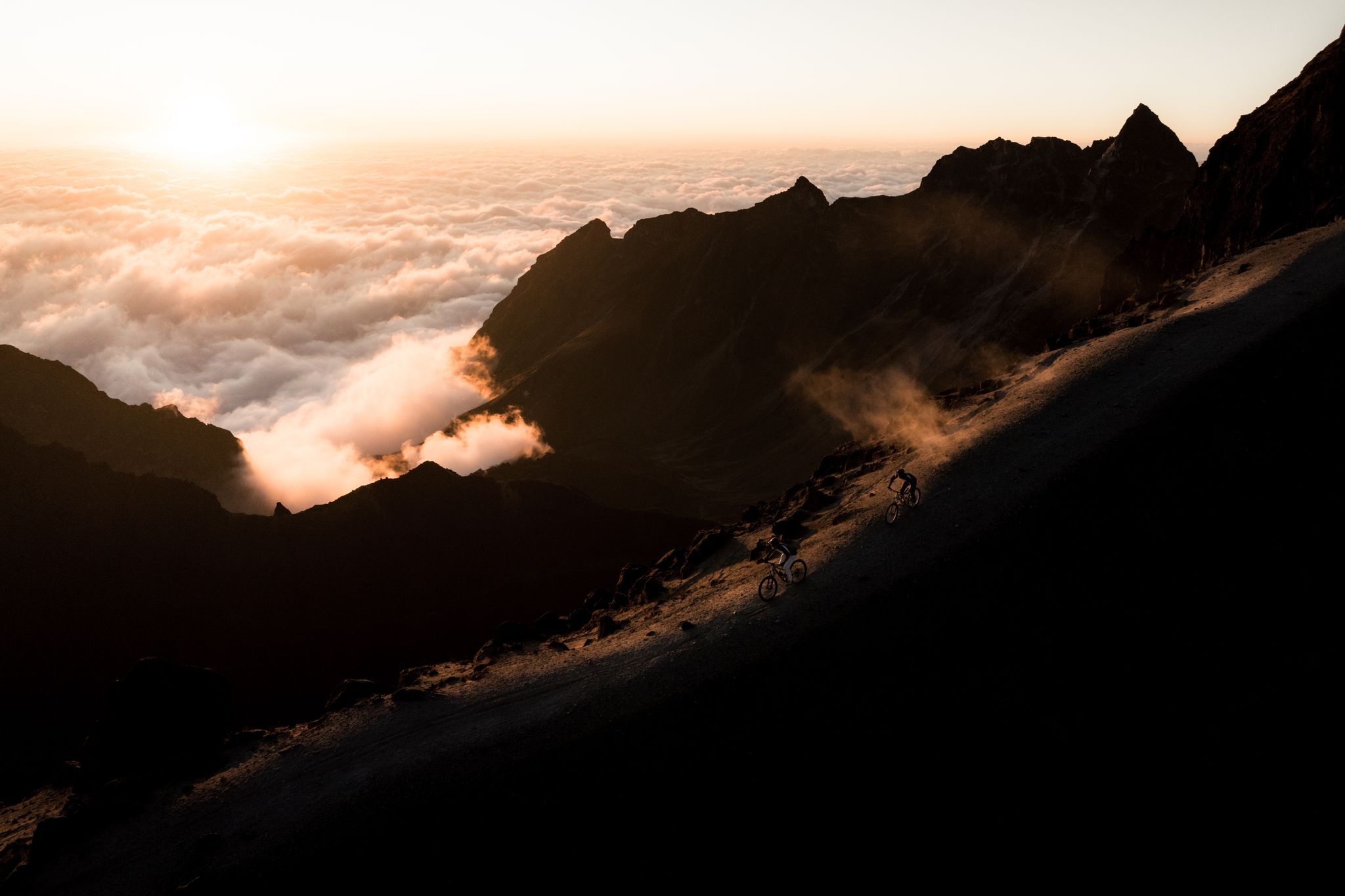
A section of rock climbing, the ridge of the Sucre Face, climbing in a gully, and crossing the "pass of death." It's an excellent route for those who enjoy climbing and the adrenaline rush of traversing a narrow path.
0
0
It's an excellent viewpoint, both for Limpiopungo Lagoon and for Rumiñahui and Cotopaxi Volcano. Because of the cold, you'll need to wear a coat.
0
0

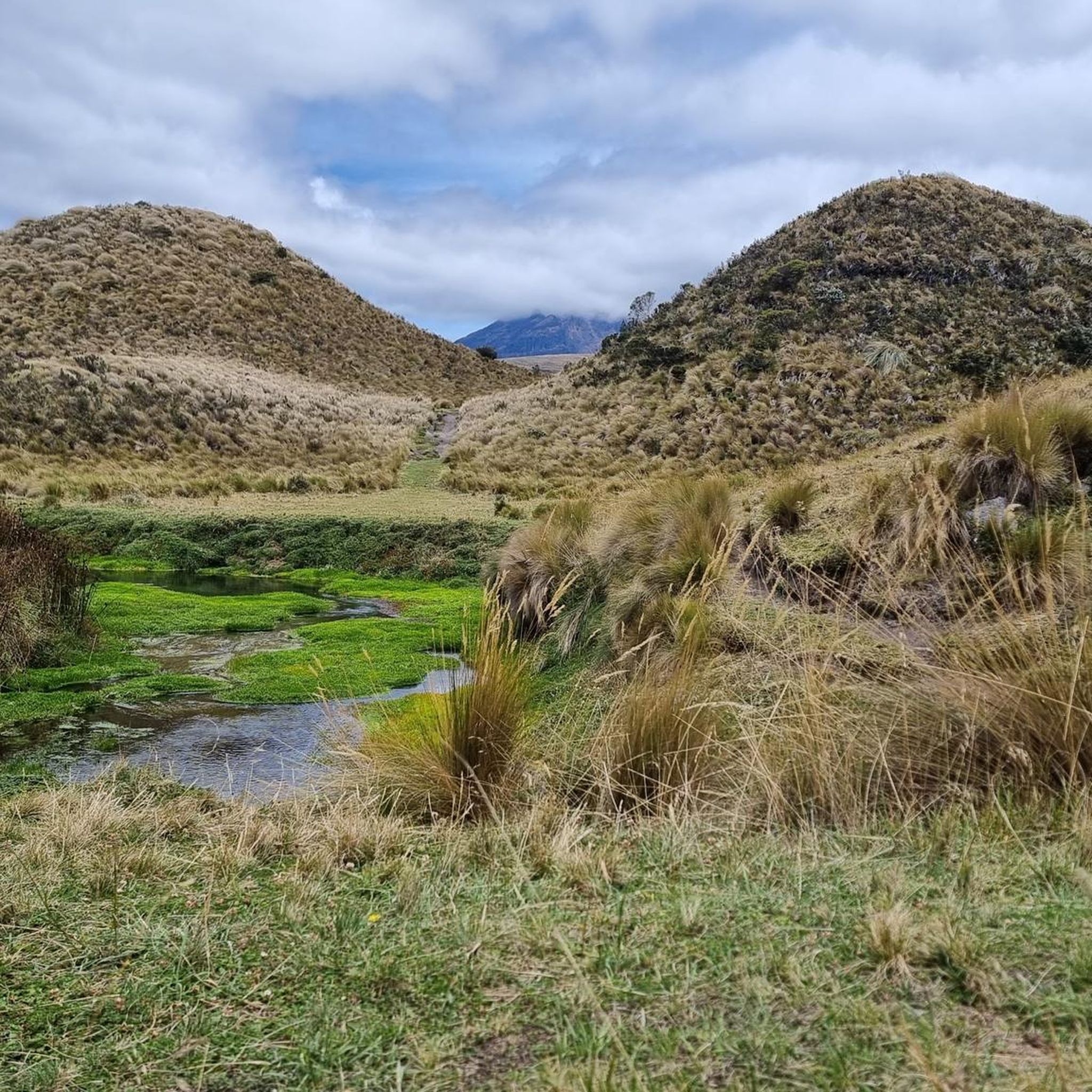
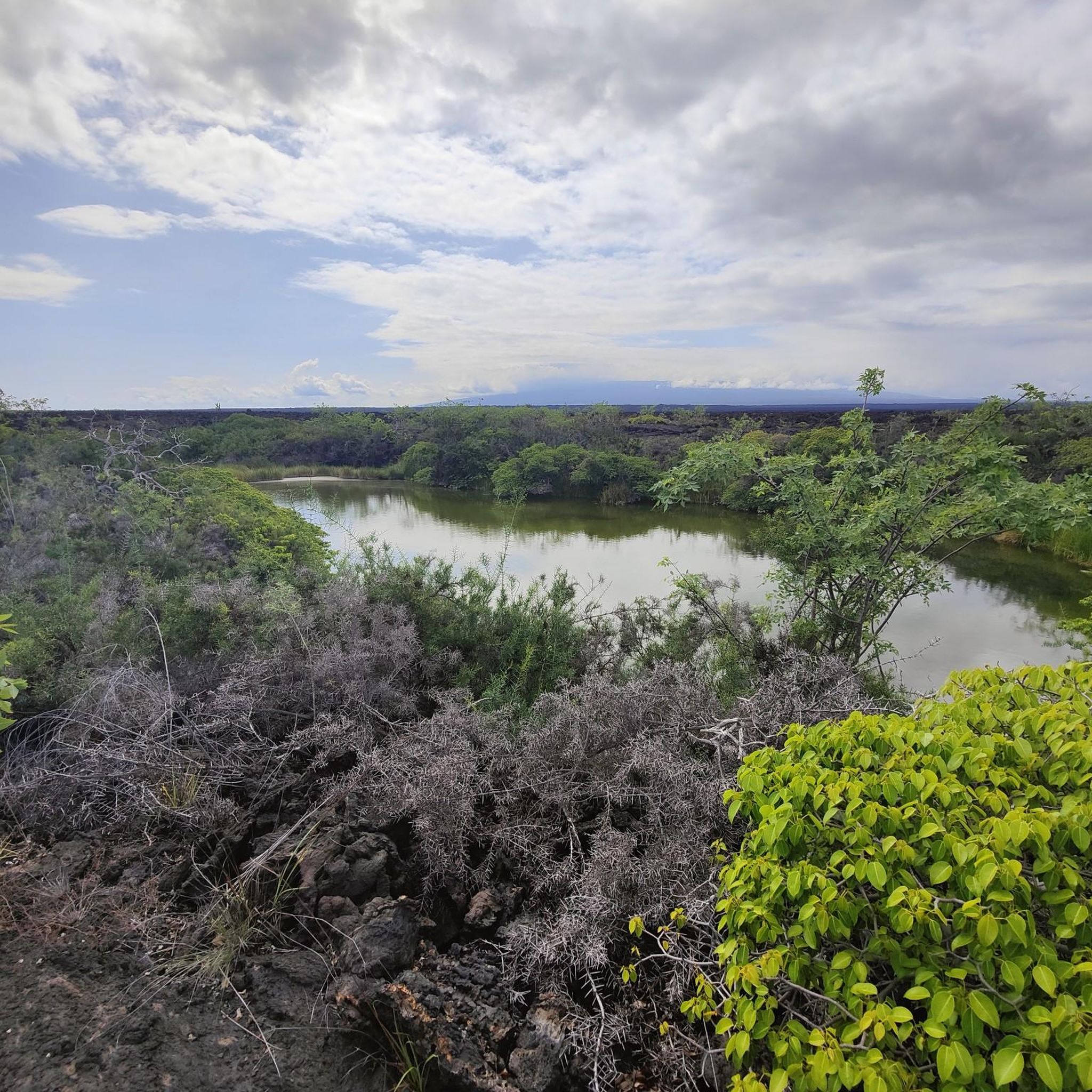
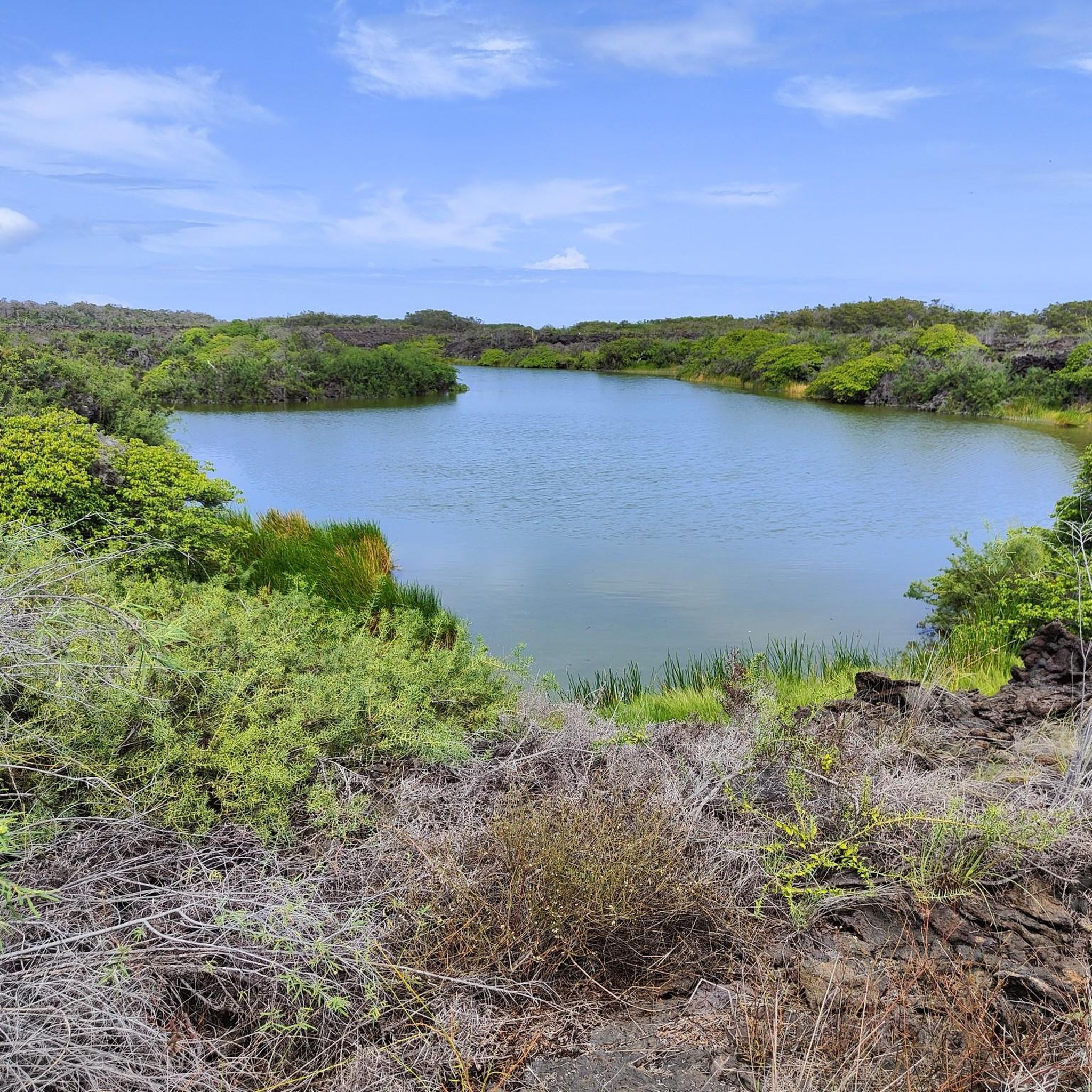
A beautiful circular path leads around the lagoon and great animal sightings are possible.
0
0

The Virgin of El Panecillo (in Spanish: Virgen del Panecillo), also known as the Virgin of Quito from the sculpture of the same name, is a monument in Quito, Ecuador. It is located on the top of the hill of El Panecillo, a loaf-shaped hill in the heart of the city and serves as a backdrop to the historic center of Quito. With a total height of 135 feet (41 meters) including the base, it is the highest statue in Ecuador and one of the highest in South America (taller than the Christ the Redeemer statue in the Brazilian city of Rio de Janeiro). It is also the tallest aluminum statue in the world. EN: https://en.wikipedia.org/wiki/Virgin_of_El_Panecillo
0
0
The Virgin of El Panecillo, also known as the Virgin of Quito due to the name of the sculpture on which it is inspired, is a monument in the city of Quito D.M., in Ecuador. It is located on the top of the El Panecillo hill, a peculiar elevation shaped like a small bread that is located in the heart of the city and serves as a backdrop to the Historic Center. At 41 meters high, if the base is added, it is the tallest statue in Ecuador and one of the tallest in South America, surpassing even the famous Christ the Redeemer in the city of Rio de Janeiro. It is also the tallest aluminum sculpture on the planet. ES: https://es.wikipedia.org/wiki/Virgen_de_El_Panecillo
0
0

Tijeras is also used to describe frigate birds that open their tails like scissors (Spanish Tijeras) in flight,
3
0
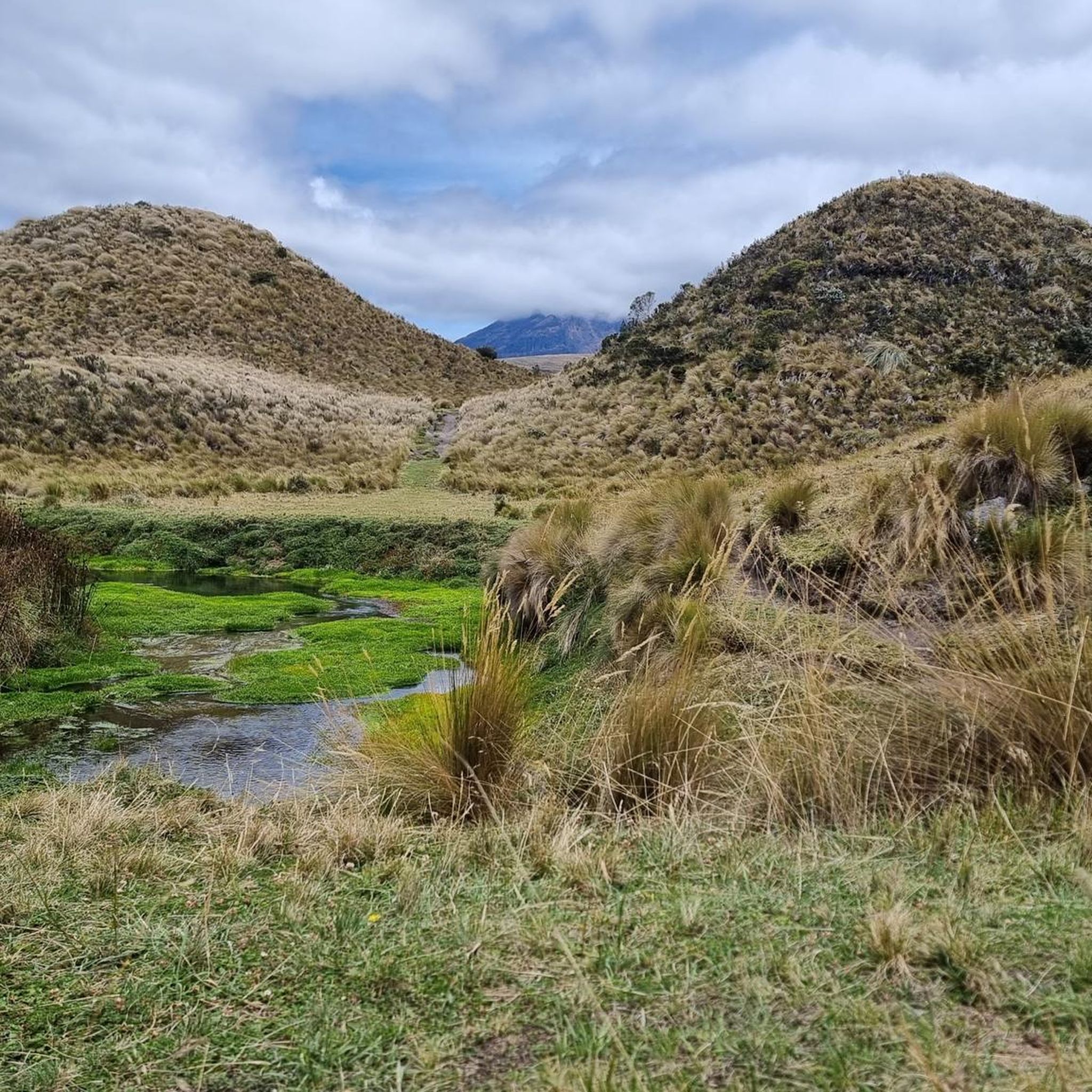
A beautiful lagoon that you can also walk around from the parking lot. When the weather is nice, you have a good view of the Cotopaxi.
2
0
Look for a sacred place with beautifully landscaped hiking trails. At the top you can crawl through narrow caves and discover other smaller waterfalls. Entrance fees are required.
2
0
Frequently Asked Questions
What unique natural features can I explore in Ecuador's natural monuments?
Ecuador's natural monuments offer an incredible array of unique features. You can visit the stunning emerald-green volcanic crater lake of Quilotoa Lagoon, explore the diverse ecosystems of the Galapagos Islands, or witness the dramatic Pailón del Diablo Waterfall. The country also boasts high-altitude páramo, cloud forests, and extensive coastlines.
Are there family-friendly natural monuments in Ecuador?
Yes, several natural monuments in Ecuador are great for families. Turtle Bay on Santa Cruz Island is a beautiful white sand beach where you can observe pelicans, sea lions, and marine iguanas. The Limpiopungo Lagoon in Cotopaxi National Park offers an easy circular walk with great views of Cotopaxi volcano and opportunities for bird watching.
What kind of wildlife can I expect to see in Ecuador's natural monuments?
Ecuador is a biodiversity hotspot. In the Galapagos, you can see unique and fearless wildlife like giant tortoises, marine iguanas, blue-footed boobies, and sea lions. Sangay National Park is home to endangered species such as the mountain tapir and spectacled bear. In El Cajas National Park, look for Andean condors, wild alpacas, and various bird species. Yasuni National Park in the Amazon boasts record-breaking species diversity, including numerous monkeys and colorful birds.
What are some popular hiking opportunities in Ecuador's natural monuments?
Ecuador offers diverse hiking experiences. You can hike around the rim of Quilotoa Lagoon, which takes about 4-5 hours, or tackle the challenging Rucu Pichincha Summit. The Cuicocha Lagoon Loop Trailhead offers a scenic circular hike. For more options, explore various running trails across the country, including a moderate 7 km loop at Tortuga Bay, by checking out the Running Trails in Ecuador guide.
Are there any natural monuments with waterfalls in Ecuador?
Yes, Ecuador features several impressive waterfalls within its natural monuments. The Pailón del Diablo Waterfall is a must-see, known for its powerful cascades. Another notable waterfall is Peguche Waterfall, which is also a significant cultural site.
What is the best time to visit natural monuments in Ecuador?
Ecuador's diverse climate means the best time to visit varies by region. Generally, the dry season (June to September) is ideal for Andean highlands and Amazon regions, offering clearer skies for hiking and wildlife viewing. For coastal areas like Machalilla National Park, this period is also prime for humpback whale watching. The Galapagos Islands have pleasant weather year-round, but specific wildlife events might influence your timing.
Can I find cycling routes near Ecuador's natural monuments?
Absolutely! Ecuador offers fantastic cycling opportunities near its natural monuments. You can find challenging routes like the 39 km 'El Chaguiñán Ecological Route loop' or the 52 km 'Chaquiñán River loop' near Quito. For more options, including gravel biking, refer to the Cycling in Ecuador and Gravel biking in Ecuador guides.
Which natural monuments are known for their stunning viewpoints?
Many of Ecuador's natural monuments offer breathtaking viewpoints. The Quilotoa Lagoon provides panoramic views of its emerald crater lake. Tijeretas Hill Lookout offers spectacular coastal vistas in the Galapagos. Additionally, the Laguna Toreadora in El Cajas National Park is known for its scenic beauty from elevated vantage points.
Are there any natural monuments in Ecuador that are also historically significant?
Yes, some natural monuments in Ecuador hold historical significance. Sangay National Park, for instance, features pre-Inca and pre-Columbian archaeological remains, including a section of the Qhapac Ñan (Inca Road system). Machalilla National Park also contains archaeological sites like Agua Blanca, offering a glimpse into ancient cultures alongside its natural beauty.
What makes the Galapagos National Park a unique natural monument?
The Galapagos National Park and Marine Reserve is world-renowned for its unique and fearless wildlife, which inspired Charles Darwin's theory of evolution. This volcanic archipelago, located 1,000 km off the mainland, boasts diverse geological formations, bays, highlands, and beaches of various colored minerals. It's an unparalleled destination for wildlife viewing, snorkeling, and diving, with species found nowhere else on Earth.
Where can I see the iconic Cotopaxi volcano?
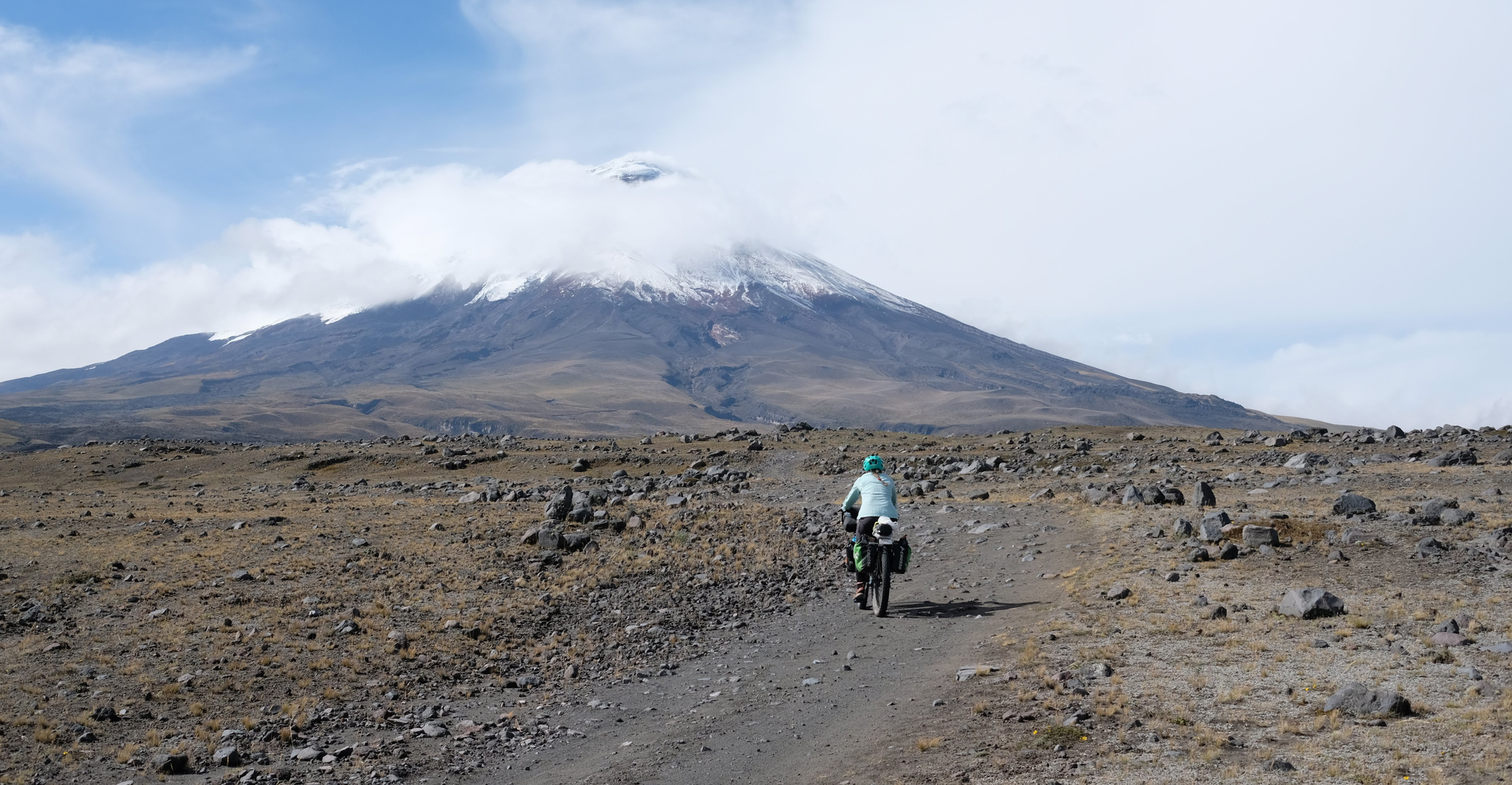
The iconic Cotopaxi volcano, known for its perfectly symmetrical, snow-capped cone, is the centerpiece of Cotopaxi National Park. Located about 50 km south of Quito, the park offers breathtaking views of the volcano, as well as opportunities for hiking, horseback riding, and mountain biking around its high Andean páramo habitat.
What is special about El Cajas National Park?
El Cajas National Park, situated west of Cuenca, is often called Ecuador's 'Lake District.' It's a rugged Andean páramo landscape featuring over 200 glacial lakes and lagoons interconnected by crystal-clear streams. The park is renowned for its unique ecosystem, including plants like frailejón and polylepis, and wildlife such as Andean condors and wild alpacas, making it ideal for hiking and bird-watching.
Most popular routes in Ecuador
Most popular attractions in Ecuador

Get inspired with the komoot mobile app


Didn’t find what you were looking for?
Find even more amazing natural monuments in Ecuador by checking out the top Highlights region by region:
Explore more
Extend your search for the best caves by checking out these guides of the top ones in Ecuador:
