The best gravel rides in Ecuador
4.5
(3)
45
riders
4
rides
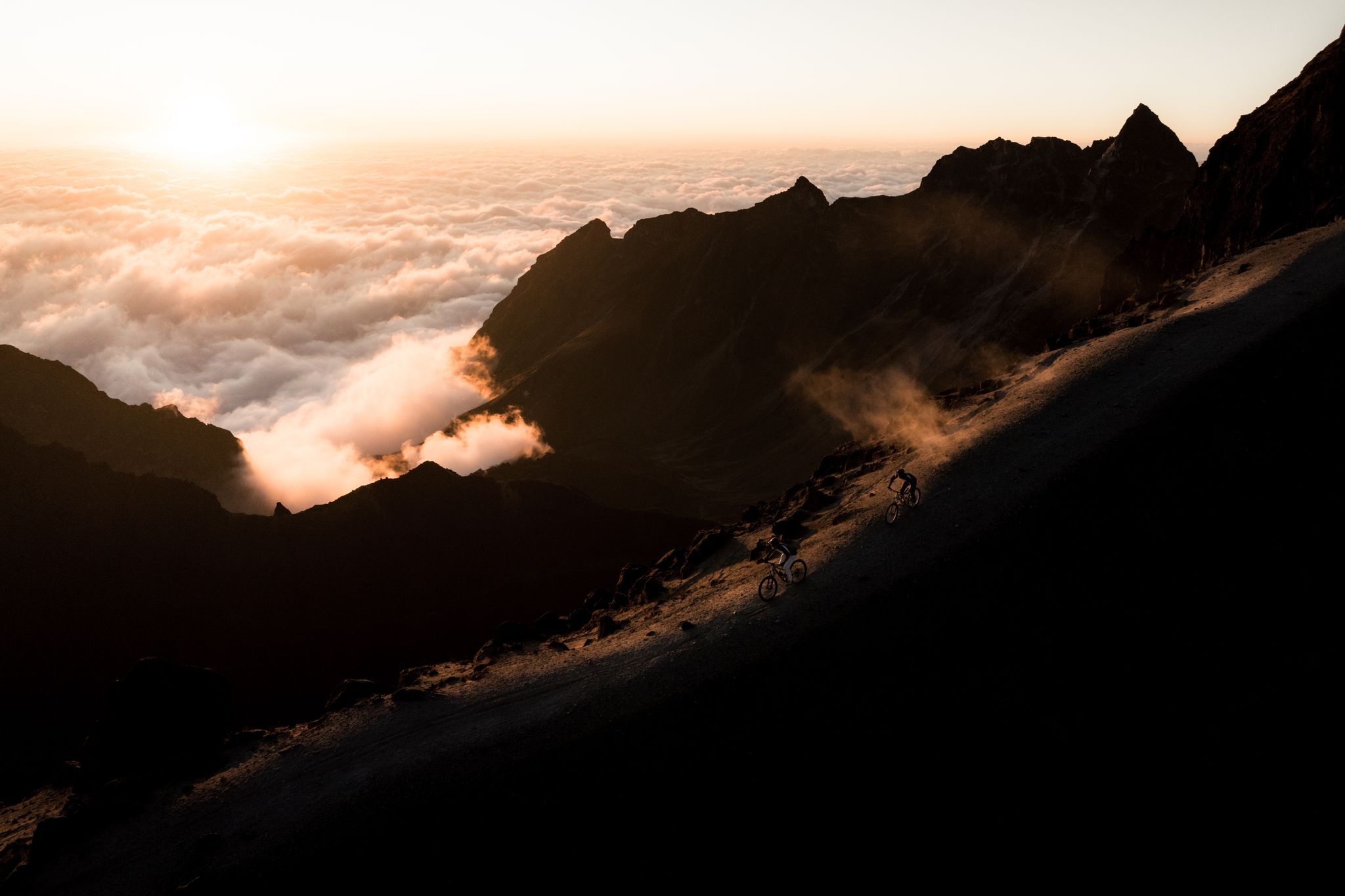
Gravel biking in Ecuador is defined by its diverse geographical features, encompassing the Andes Mountains, Amazon Rainforest, and Pacific Coast. The terrain includes high-altitude páramo, ancient cobblestone paths, and remote dirt roads. Cyclists can navigate routes with significant elevation changes through volcanic landscapes and dense cloud forests. This South American nation provides a wide array of challenging gravel tracks.
Best gravel bike trails in Ecuador
- The most popular gravel bike trail is Chaquiñán River – Chaquiñán Tunnels loop from Universidad…
Last updated: July 11, 2026
4.0
(2)
23
riders
Hard gravel ride. Very good fitness required. Mostly paved surfaces. Suitable for all skill levels.
5.0
(1)
12
riders
60.5km
04:20
830m
830m
Hard gravel ride. Very good fitness required. Mostly paved surfaces. Suitable for all skill levels.

Sign up for free
7
riders
37.9km
02:47
710m
710m
Hard gravel ride. Very good fitness required. Mostly paved surfaces. Suitable for all skill levels.
3
riders
23.4km
02:10
730m
730m
Hard gravel ride. Very good fitness required. Mostly paved surfaces. Suitable for all skill levels.
Our route recommendations are based on thousands of hikes, rides, and runs completed by other people on komoot.
Start today with a free account
Your next adventure awaits.
Login or Signup

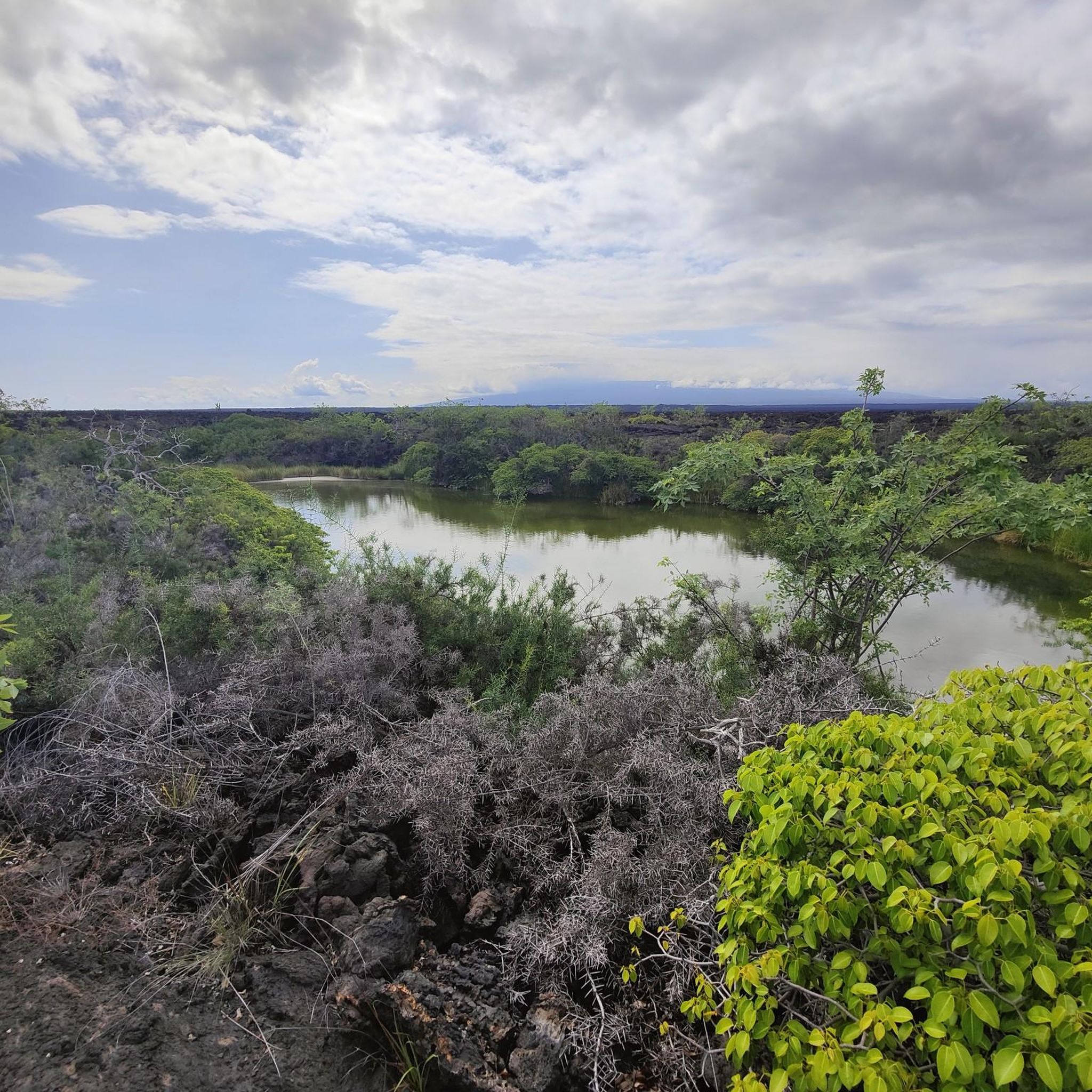
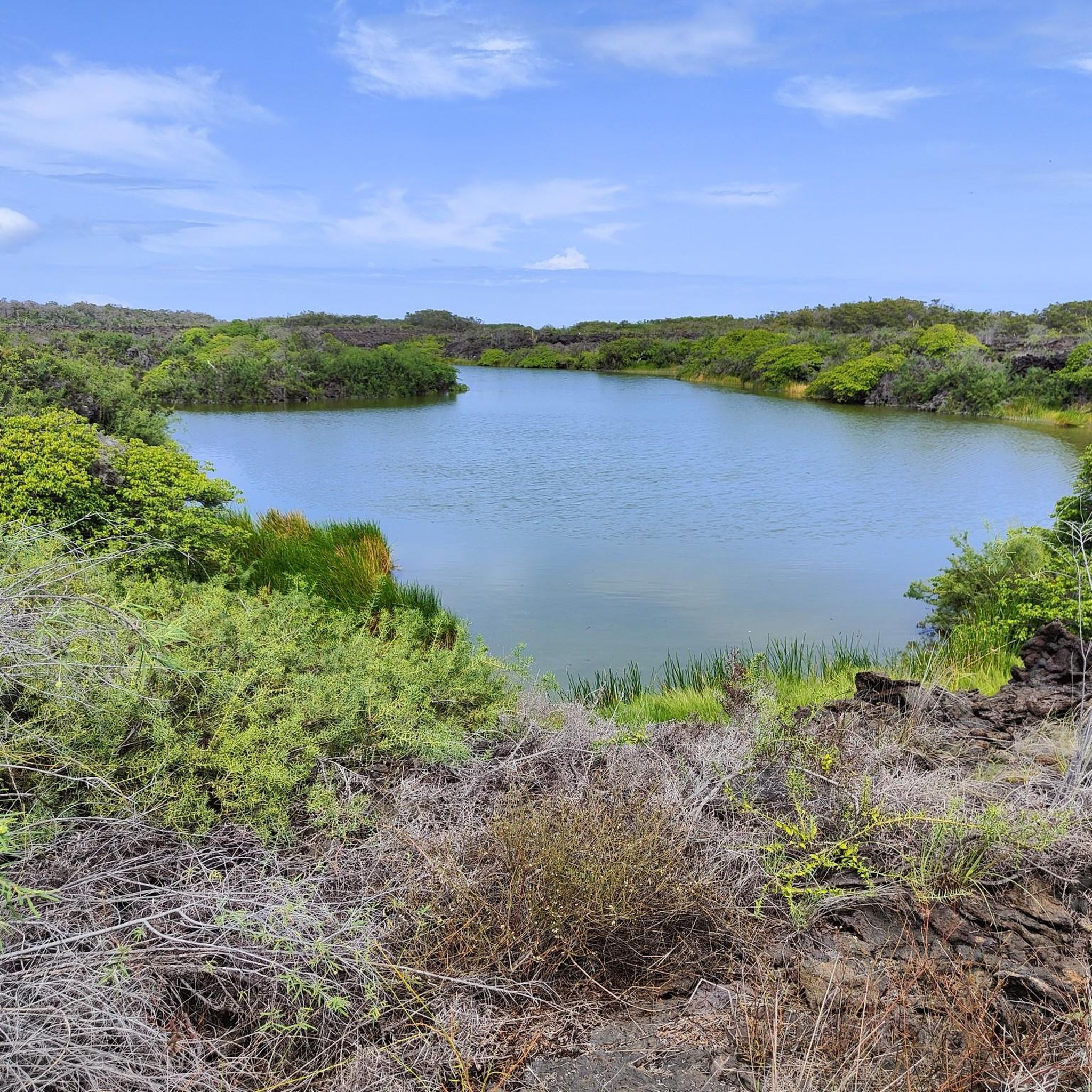
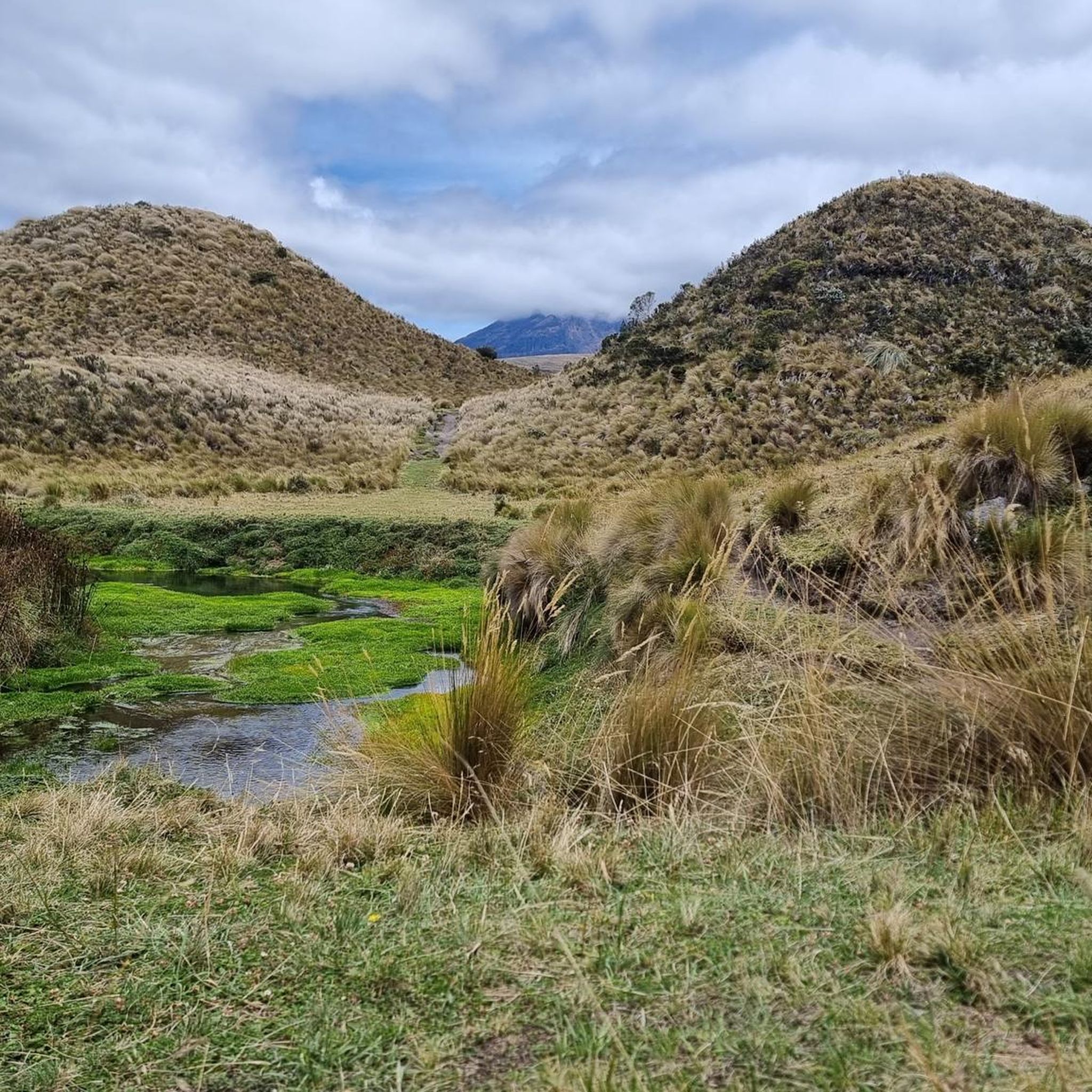


Tips from the Community

rideable without lights, but you have to trust no one laid out a log in the way!
0
0

castle apparently under reconstruction
0
0

Bring a flashlight, buff for your nose, mouth and water
0
0

Soldados is a small, pretty and friendly village with 2 restaurants and a few houses. Unfortunately, when we asked for accommodation in one of the restaurants, they were not able to provide it. The entrance to Parque Nacional Cajas is right at the exit of the village. We drove through the village on Carnival Saturday and almost the entire village community was on the football field of the village school and had a wild foam and water fight, in which we were also a little involved.
0
0
Frequently Asked Questions
How challenging are the gravel bike trails in Ecuador?
Gravel biking in Ecuador is generally challenging, with routes featuring significant elevation changes and diverse terrain. The Andes, in particular, offer a playground of huge vertical descents and gut-wrenching climbs. All seven routes listed in this guide are rated as difficult, such as the Chaquiñán River – Chaquiñán Tunnels loop from Universidad San Francisco de Quito, which covers 30 miles with over 870 meters of ascent.
What kind of terrain can I expect on Ecuador's gravel bike routes?
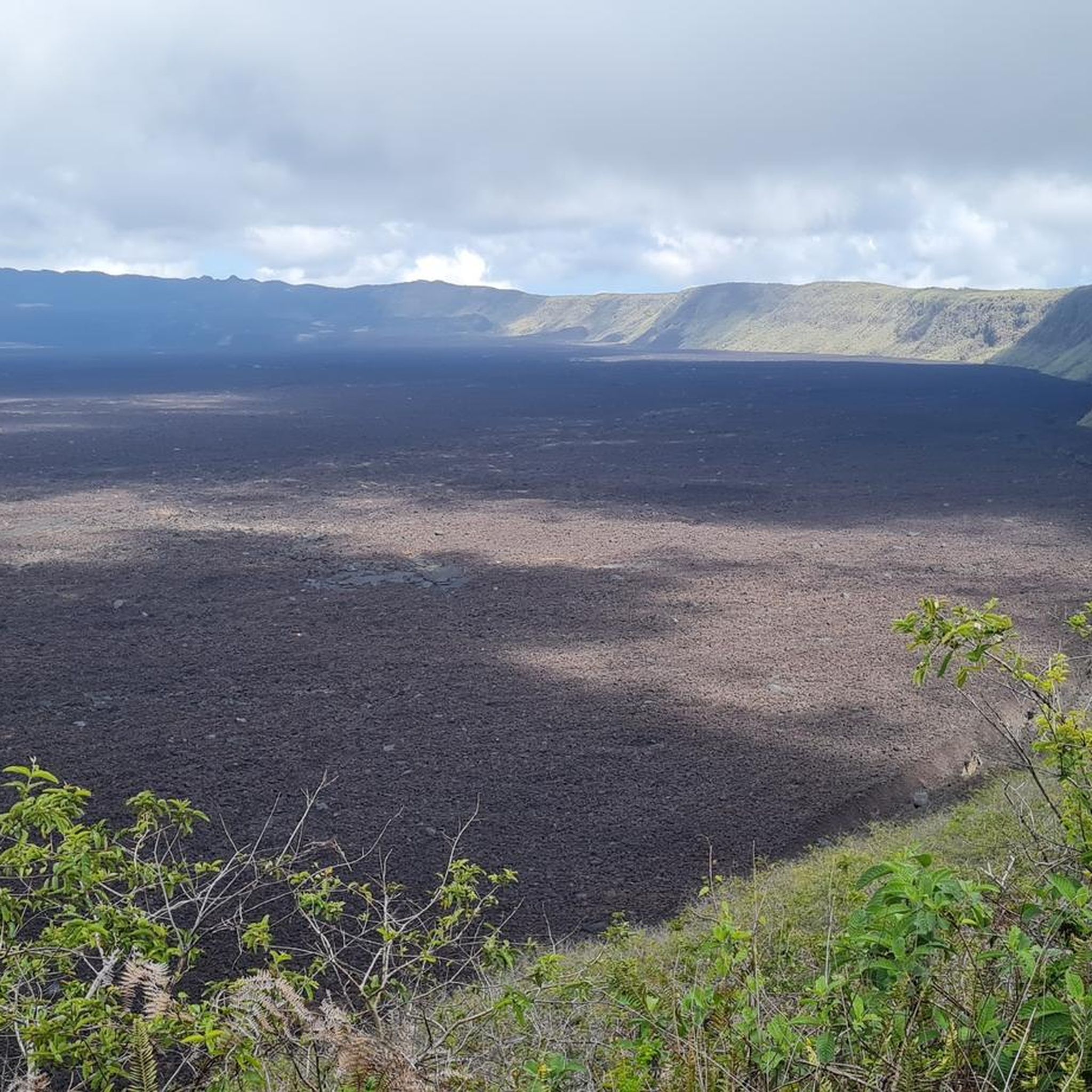
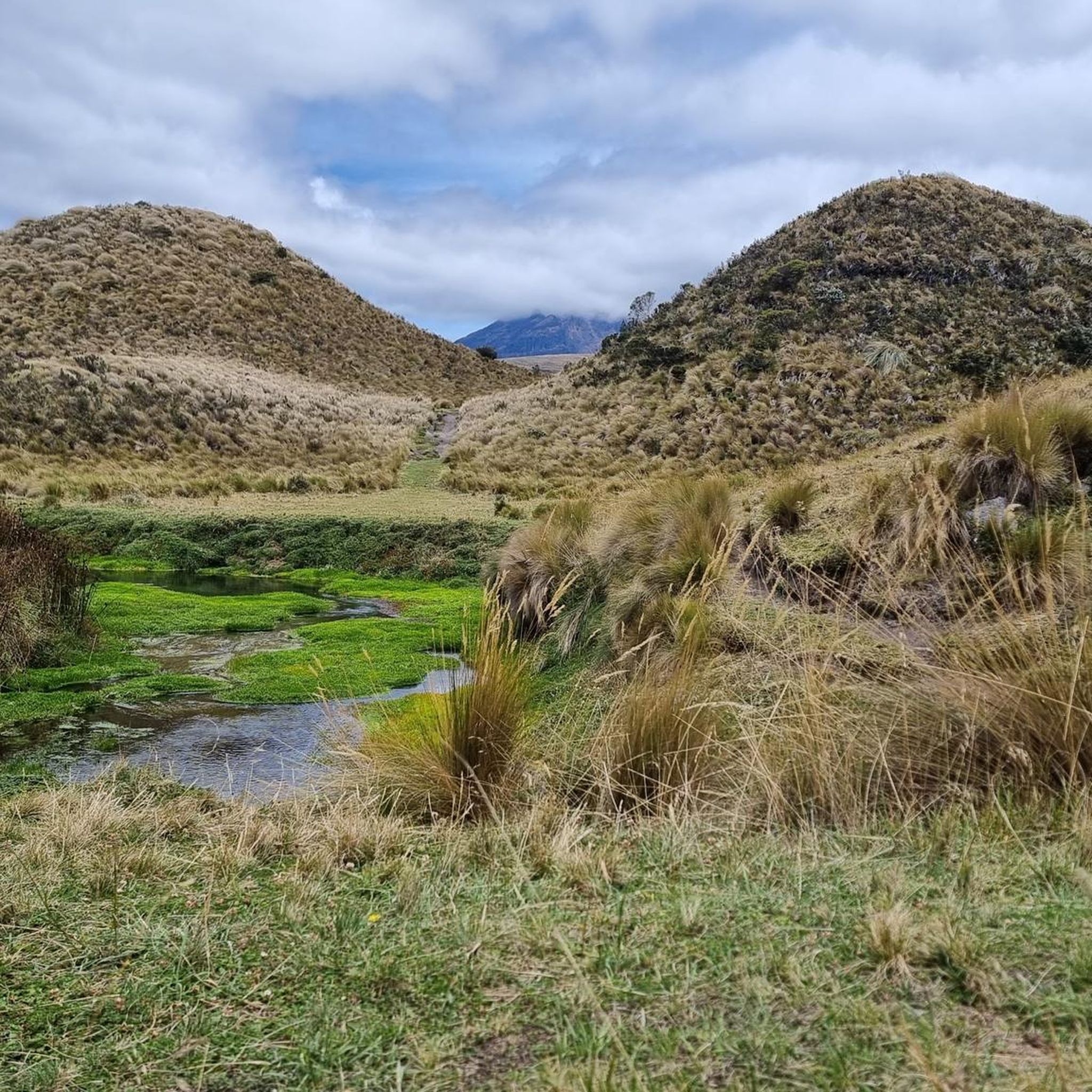
You can expect a wide variety of terrain, from high-altitude páramo to jungle paths. Routes often include remote dirt roads, gravel tracks, ancient cobblestones, and occasional rougher sections. The varied landscape provides diverse and challenging rides, often through volcanic areas and dense cloud forests.
Are there any routes suitable for beginners or families?
While many routes in Ecuador are challenging, the region research mentions the Chaquiñán, a gravel bike path along an abandoned railroad track near Quito, as an easier, well-marked option. However, the routes detailed in this guide, like the La Carolina Park – Chaquiñán River loop from La Carolina, are rated as difficult and may not be suitable for beginners or young families due to significant elevation gain and varied terrain.
What natural features or landmarks can I expect to see along the gravel bike trails?
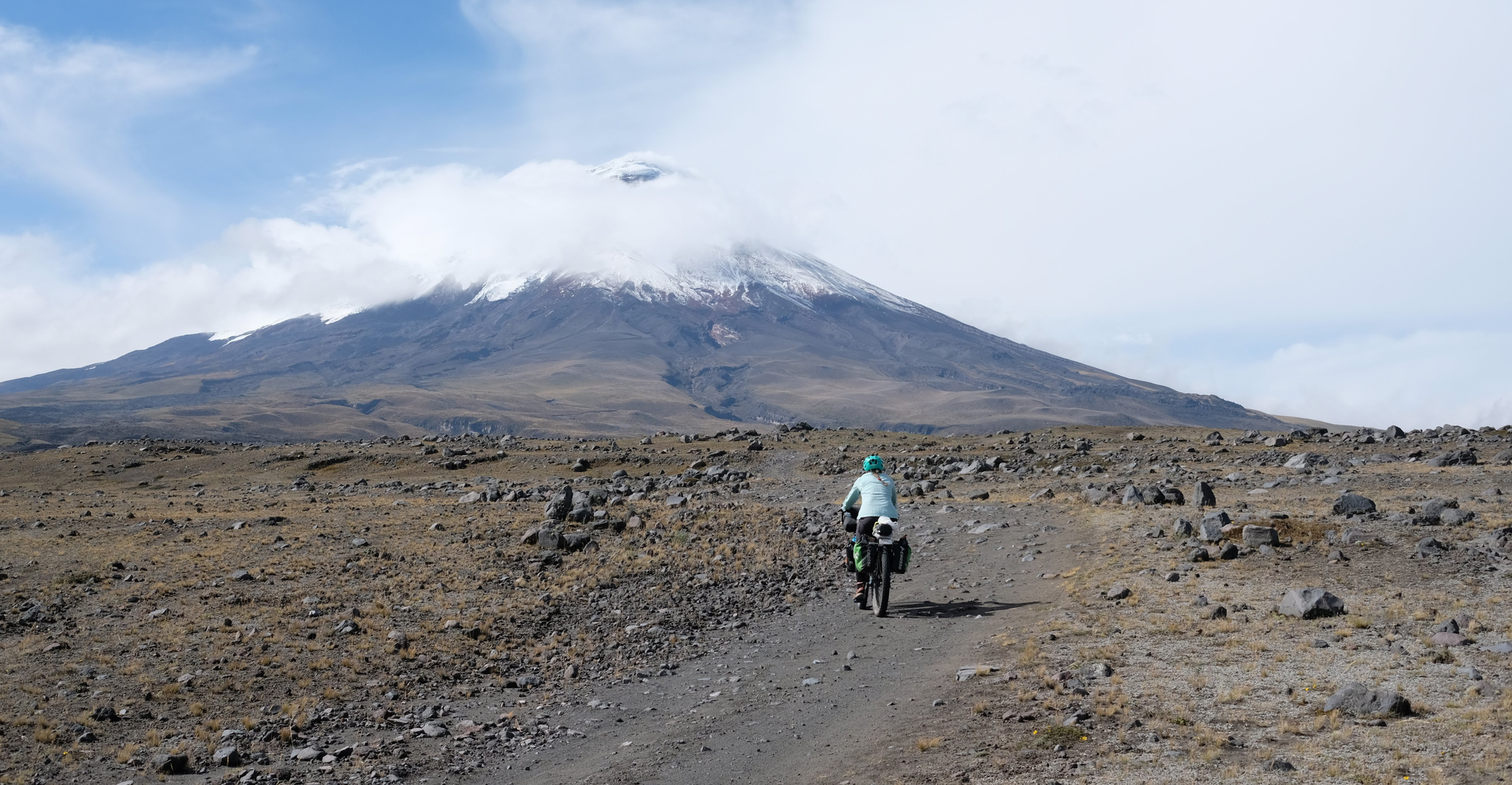
Ecuador's diverse geography means you'll encounter stunning natural features. The Andes region offers breathtaking vistas of volcanoes like Cotopaxi and Chimborazo. You might also find crater lakes such as Quilotoa Lagoon, which is a notable highlight. The Amazon region is known for its numerous waterfalls, including the impressive Pailón del Diablo Waterfall and Agoyán Waterfall.
When is the best time of year to go gravel biking in Ecuador?
Ecuador's climate varies significantly by region due to its diverse geography. Generally, the dry season (June to September) is often recommended for Andean routes, offering clearer skies and more stable trail conditions. However, conditions can vary, and it's always advisable to check local weather forecasts before heading out, as surfaces can be rough, loose, or muddy depending on recent rainfall.
What do other gravel bikers enjoy most about gravel biking in Ecuador?
The komoot community highly rates gravel biking in Ecuador, with an average score of 5.0 stars from 1 rating. Riders often praise the stunning and diverse landscapes, from high-altitude páramo to jungle paths, and the challenge of navigating varied terrain. The region's 'megadiverse' nature and increasing network of trails make it an exciting destination for adventure.
Are there any long-distance or circular gravel routes in Ecuador?
Yes, many of Ecuador's gravel routes are designed as loops, allowing for comprehensive exploration of an area. For example, the Sustag – Pumahuasi loop from Sucre is a 37.6-mile trail through Andean landscapes. Another option is the Castle Near Cuenca – Viewpoint loop from San Sebastián, covering nearly 38 miles with significant climbing.
What should I consider regarding bike requirements for gravel biking in Ecuador?
Given the varied and often rugged terrain, a sturdy gravel bike or adventure mountain bike is highly recommended. You'll want wide, versatile tires (at least 1.8" or 45mm, ideally 2-3 inches for comfort) and low gearing to tackle the steep climbs and diverse surfaces. Many routes involve significant elevation changes and can be quite demanding.
Are there any specific regions known for excellent gravel biking?
The Andes region is a primary draw, with routes around volcanoes like Cotopaxi and Chimborazo. Quito and its surroundings also offer excellent options, including the Chaquiñán path and routes like the Chaquiñán River – Rural View Behind Ilaló loop from Cumbaya. Baños is another adventure sports hub with scenic biking routes, and the Amazon region around Puyo and Pastaza is gaining interest for gravel biking.
Do I need any special permits for gravel biking in Ecuador?
While general permits for cycling on public roads and trails are typically not required, some national parks or protected areas, such as Cotopaxi National Park, might have specific entry fees or regulations. It's always best to check the requirements for any specific park or reserve you plan to cycle through in advance.
Are there any routes that offer particularly good viewpoints?
Many routes in the Andean highlands offer spectacular viewpoints due to the significant elevation changes. For instance, the La Carolina Park – Chaquiñán River loop from Tola Grande provides extensive views as it navigates varied terrain. The 'Avenue of Volcanoes' region is renowned for its panoramic vistas of towering peaks.
Most popular routes in Ecuador
Most popular attractions in Ecuador

Get inspired with the komoot mobile app


Didn’t find what you were looking for?
Check out more Gravel rides throughout Ecuador below and find the perfect route in your destination.
