The best volcano hikes and walks in Ecuador
4.6
(900)
7,576
hikers
9
hikes
Volcano hiking trails in Ecuador offer diverse landscapes, from towering Andean peaks to high-altitude páramo and cloud forests. The country's geography is dominated by the "Avenue of the Volcanoes," featuring numerous active and inactive stratovolcanoes. This region provides a wide array of trails, including challenging high-altitude ascents and scenic crater rim walks. The varied ecosystems support unique flora and fauna, making it a prime destination for outdoor exploration.
Best volcano hiking trails in Ecuador
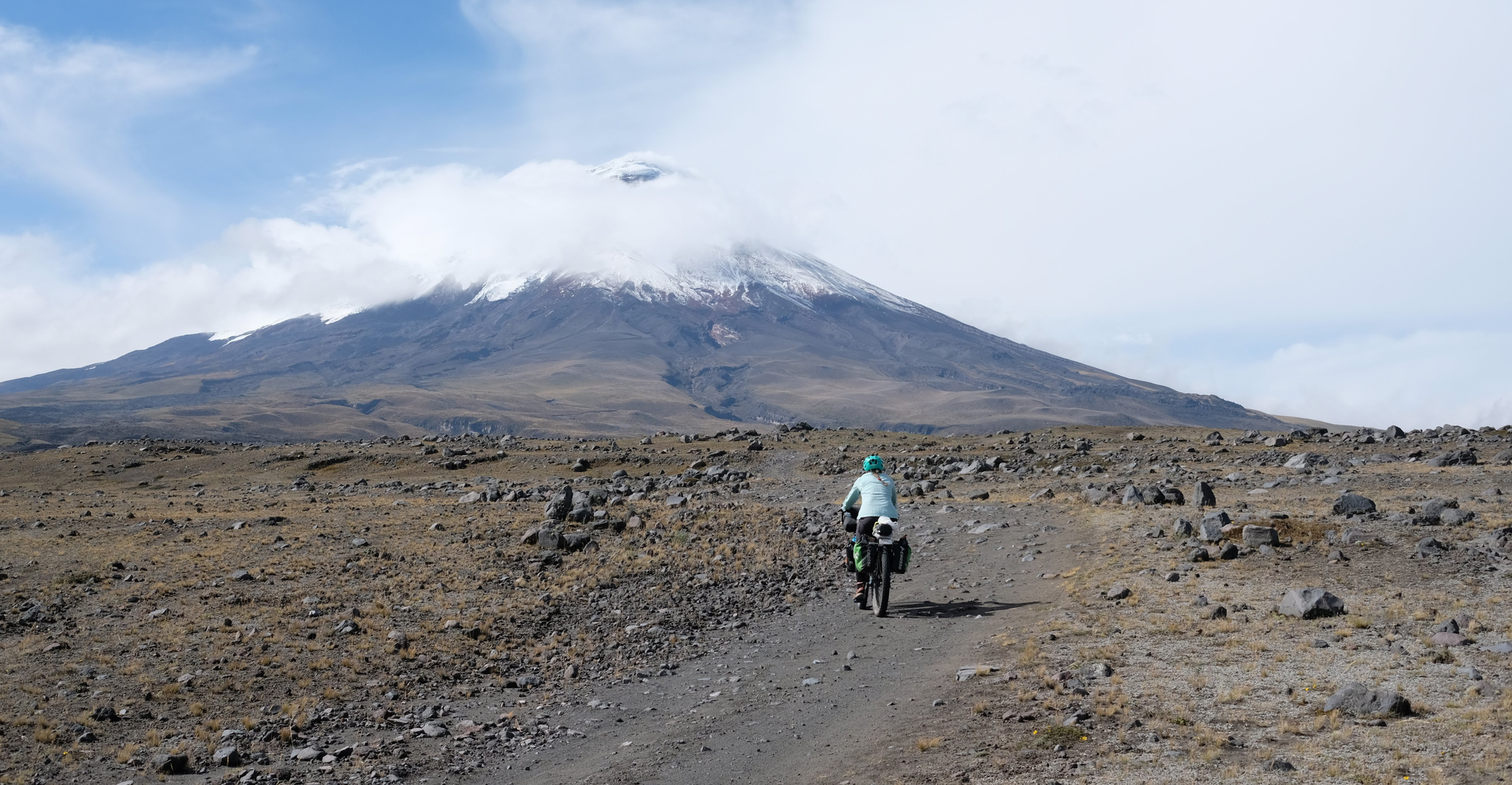
- The most popular volcano hiking route is José Rivas Refuge – View from Cotopaxi loop from Parque Nacional Cotopaxi, a 4.3 miles (6.9 km) trail that takes 4 hours 50 minutes to complete. This difficult route offers significant elevation gain and views of the Cotopaxi volcano.
- Another top favourite among local hikers is Corazón Summit loop from Quebrada Ingacorral, a difficult 8.8 miles (14.2 km) path. This trail features a substantial climb to the summit, providing expansive views of the surrounding Andean landscape.
- Local hikers also love the Imbabura Main Summit – Imbabura Summit loop from montaña letrero imbabura, a 5.6 miles (9.1 km) trail leading through high-altitude volcanic terrain, often completed in about 6 hours 45 minutes.
- Hiking in Ecuador is defined by volcanic peaks, high-altitude páramo, and cloud forests, with routes ranging from moderate climbs to challenging multi-day treks. The network offers options for different ability levels, including 9 routes with 4 moderate and 5 difficult options.
- The routes in Ecuador are highly rated by the komoot community with an average score of 4.7 stars from over 800 reviews. More than 7,000 hikers have used komoot to explore Ecuador's varied terrain.
Last updated: July 10, 2026
4.8
(4)
90
hikers
14.2km
05:30
1,020m
1,020m
Hard hike. Very good fitness required. Easily-accessible paths. Suitable for all skill levels.
5.0
(6)
83
hikers
6.94km
04:50
1,210m
1,210m
Hard hike. Very good fitness required. Mostly accessible paths. Sure-footedness required.

Sign up for free
5.0
(4)
36
hikers
9.84km
07:02
1,120m
1,120m
Hard hike. Very good fitness required. Sure-footedness, sturdy shoes and alpine experience required.
51
hikers
14.6km
05:03
810m
810m
Hard hike. Very good fitness required. Easily-accessible paths. Suitable for all skill levels.
4.8
(4)
49
hikers
7.95km
02:57
530m
530m
Moderate hike. Good fitness required. Easily-accessible paths. Suitable for all skill levels.
Get access to more routes and recommendations from other explorers.
Sign up for free
Already have an account?
Our route recommendations are based on thousands of hikes, rides, and runs completed by other people on komoot.
Start today with a free account
Your next adventure awaits.
Login or Signup



Tips from the Community

Beautiful, demanding hike, e.g. from Ibarra/La Esperanza or with an off-road vehicle to the end of the road. With a bit of luck, there will be no clouds and you will have a view. However, caution is advised, it can be very windy at the top and the weather can change quickly.
0
0

Good physical condition and protective equipment are required for safety.
0
0

It went easier than expected. The air is thin up here but doable.
0
0

the view from this height is not always good. Often foggy. However, when the cloud cover breaks open, the lowlands stretch far into the distance. The sun plays with the many yellow and green tones as far as the eye can see.
1
0
This shelter is 4864 steps closer to the moon - for us Europeans - an astonishing height. Cozy inside, it also defies the adverse conditions you'll find outside on your way to the glacier (or the summit). No alcohol is served, there is a highly concentrated cocoa-flavoured sugar solution for refreshment. They like it sweet in the south. No wonder our guide preferred a hearty soup, which is served here as if you were somewhere in the lowlands.
3
1

Keep your eyes open as you drive through the park. Wild horses, falcons, llamas and curious Andean foxes keep crossing the path.
2
0
Indescribably beautiful view during the ascent to the base camp at 4864m.
1
1

The Refugio José Rivas is located at 4,864 m altitude. There you can stay overnight by prior reservation or simply strengthen yourself for the hike with coca tea or hot chocolate. There are also some snacks.
1
2
Frequently Asked Questions
How many volcano hiking trails are available in Ecuador?
Komoot offers a selection of 9 curated volcano hiking trails across Ecuador. These range from moderate to difficult, providing options for various skill levels. You can explore routes like the challenging Corazón Summit loop from Quebrada Ingacorral or the demanding José Rivas Refuge – View from Cotopaxi loop.
What is the best time of year for volcano hiking in Ecuador?
Ecuador's climate varies by region, but generally, the dry season from June to September is considered ideal for high-altitude volcano hiking, offering clearer skies and more stable weather. However, some regions like the cloud forests can be enjoyed year-round, with lush conditions after rainfall.
Are there easy or family-friendly volcano hikes in Ecuador?
While many volcano trails in Ecuador are challenging, there are options suitable for beginners or families. For example, the Pasochoa Volcano summit loop from Hacienda San Francisco de Pasochoa is rated as moderate. Cotopaxi National Park also offers easier strolls around Lake Limpiopungo, providing stunning views without extreme difficulty.
Do I need permits for volcano hikes in Ecuador?
For some of the higher and more technical volcano climbs, such as Cotopaxi or Chimborazo, permits and a certified guide are often required due to the altitude and glacial conditions. For treks like the Quilotoa Loop or hikes within national parks, entry fees may apply, but specific climbing permits are usually not needed unless you're attempting a summit.
How can I get to the volcano hiking trails, and is parking available?
Access to volcano trails varies. Major parks like Cotopaxi National Park and the Quilotoa Loop are accessible by public transport (buses) from nearby cities, often requiring a taxi or local transport for the final leg. Parking is generally available at national park entrances or trailheads, though it might be limited or require a fee. For more remote trails, hiring a private driver or joining a guided tour is recommended.
What should I wear for high-altitude volcano hikes in Ecuador?
For high-altitude volcano hikes, layering is key. You'll need warm, moisture-wicking base layers, insulating mid-layers (fleece or down), and a waterproof and windproof outer shell. Sturdy hiking boots, gloves, a warm hat, sunglasses, and sunscreen are essential. Always be prepared for rapid weather changes, including rain, strong winds, and cold temperatures, even on sunny days.
Can I spot wildlife on volcano trails in Ecuador?
Absolutely! Ecuador's volcanic regions are rich in biodiversity. In Cotopaxi National Park, you might see wild horses, llamas, and alpacas. The Chimborazo Wildlife Reserve is home to vicuñas and llamas. The Pasochoa Volcano is known as an excellent spot for birdwatching, including the majestic Andean condor. Keep an eye out for unique páramo flora and fauna.
What interesting landmarks or natural features can I see along Ecuador's volcano trails?
Ecuador's volcano trails offer incredible sights. You can visit the stunning turquoise José Rivas Refuge on Cotopaxi, or hike to the Rucu Pichincha Summit for panoramic views. The Quilotoa crater lake is a highlight, as is Lake Cuicocha, another beautiful crater lake. Many trails also lead to impressive summits like Iliniza Norte Summit and Corazón Summit.
Are there dog-friendly volcano hiking trails in Ecuador?
While many national parks and protected areas have restrictions on dogs to protect wildlife, some trails outside these areas or specific designated paths might be dog-friendly. It's crucial to check the specific regulations for each park or trail beforehand. Always keep your dog on a leash and pack out all waste.
Are there places to stay or eat near the volcano hiking areas?
Yes, you'll find various accommodation and dining options near popular volcano hiking areas. For instance, around Cotopaxi National Park and the Quilotoa Loop, there are haciendas, hostels, and local eateries. Near Rucu Pichincha, Quito offers a wide range of choices. Many trailheads also have small shops or cafes, especially in more frequented spots.
What do other hikers enjoy the most about volcano hiking in Ecuador?
The komoot community highly rates volcano hiking in Ecuador, with an average score of 4.7 stars. Reviewers frequently praise the breathtaking panoramic views from the summits, the unique high-altitude páramo landscapes, and the sense of accomplishment from conquering challenging volcanic peaks. The diverse ecosystems and opportunities for wildlife spotting are also often highlighted.
Are there challenging multi-day volcano treks in Ecuador?
Yes, Ecuador offers several challenging multi-day volcano treks for experienced hikers. The Quilotoa Loop is a popular multi-day trek through indigenous villages culminating at the stunning crater lake. The Condor Trek (Ruta del Condor) is another magnificent multi-day route traversing Cotopaxi National Park and the Antisana volcano, offering incredible views and a chance to spot the Andean condor.
Most popular routes in Ecuador
Most popular attractions in Ecuador

Get inspired with the komoot mobile app


Didn’t find what you were looking for?
Check out more Hikes throughout Ecuador below and find the perfect route in your destination.
