Top 20 Natural Monuments in John Muir Wilderness
Best natural monuments in John Muir Wilderness include a vast and rugged expanse along California's Sierra Nevada, characterized by lofty snow-capped mountains, deep canyons, and terrain shaped by glacial action. This wilderness area contains 57 peaks exceeding 13,000 feet in elevation, offering a diverse range of natural features. It is a significant region for outdoor enthusiasts seeking high-altitude experiences and pristine mountain environments.
Best natural monuments in John Muir Wilderness
- The most popular natural monuments is Mount Whitney, a…
Last updated: June 29, 2026
Mount Whitney
Highlight • Summit
Tip by

Smithsonian Institution Shelter
Highlight • Mountain Hut
Only four days after the first trail to the summit was completed in 1904, an employee of …
Tip by
Sign up now to discover places like this
Get recommendations on the best single tracks, peaks, & plenty of other exciting outdoor places.
Sign up for free
Skelton Lake
Highlight • Lake
Tip by
Silver Pass
Highlight • Mountain Pass
Tip by
First Lake
Highlight • Lake
Tip by

Sign up for free to discover even more natural monuments in John Muir Wilderness.
Sign up for free
Already have an account?
Start today with a free account
Your next adventure awaits.
Login or Signup
Popular around John Muir Wilderness
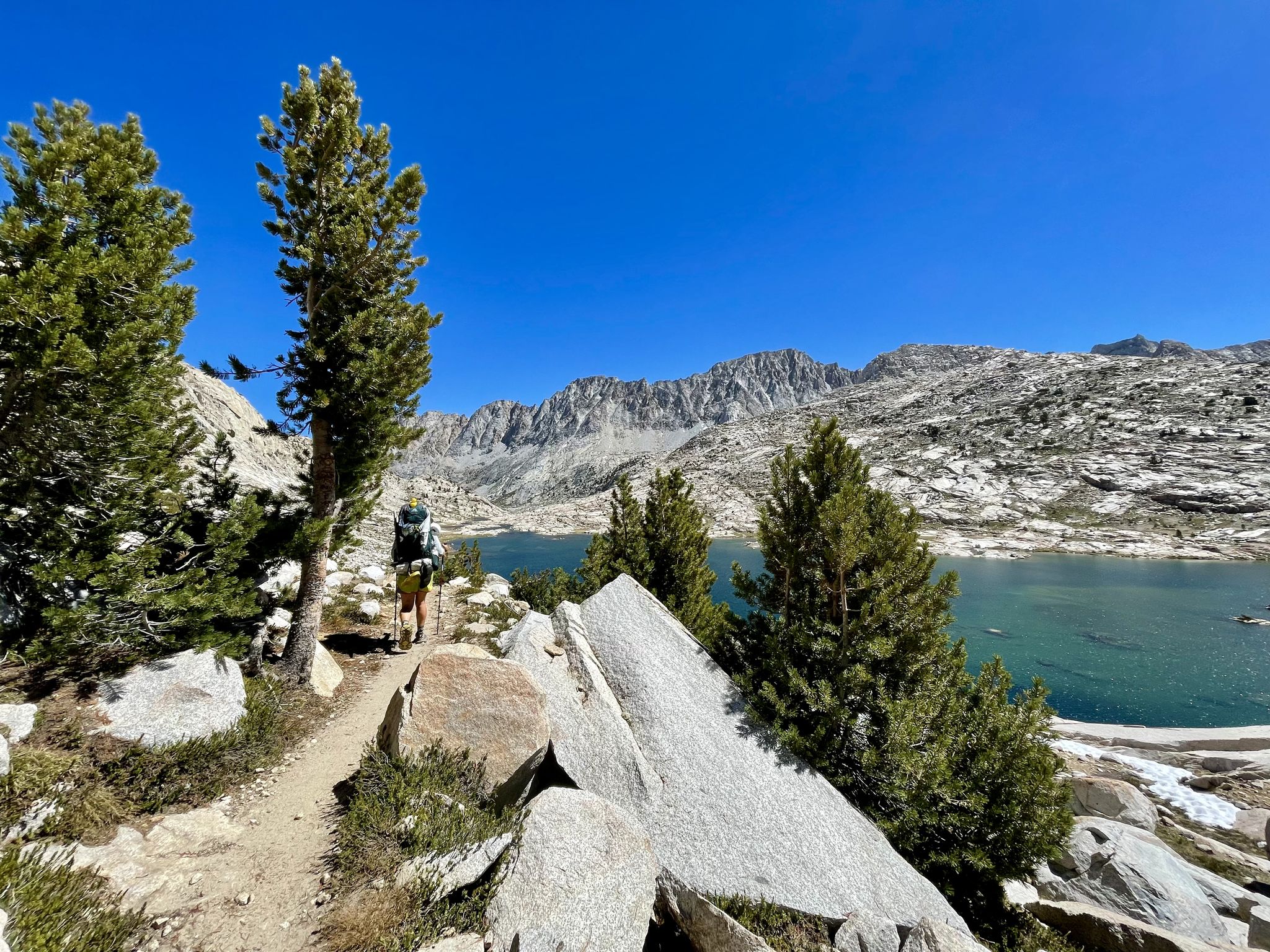
John Muir Trail – Along the legendary trail through the magical Sierra Nevada
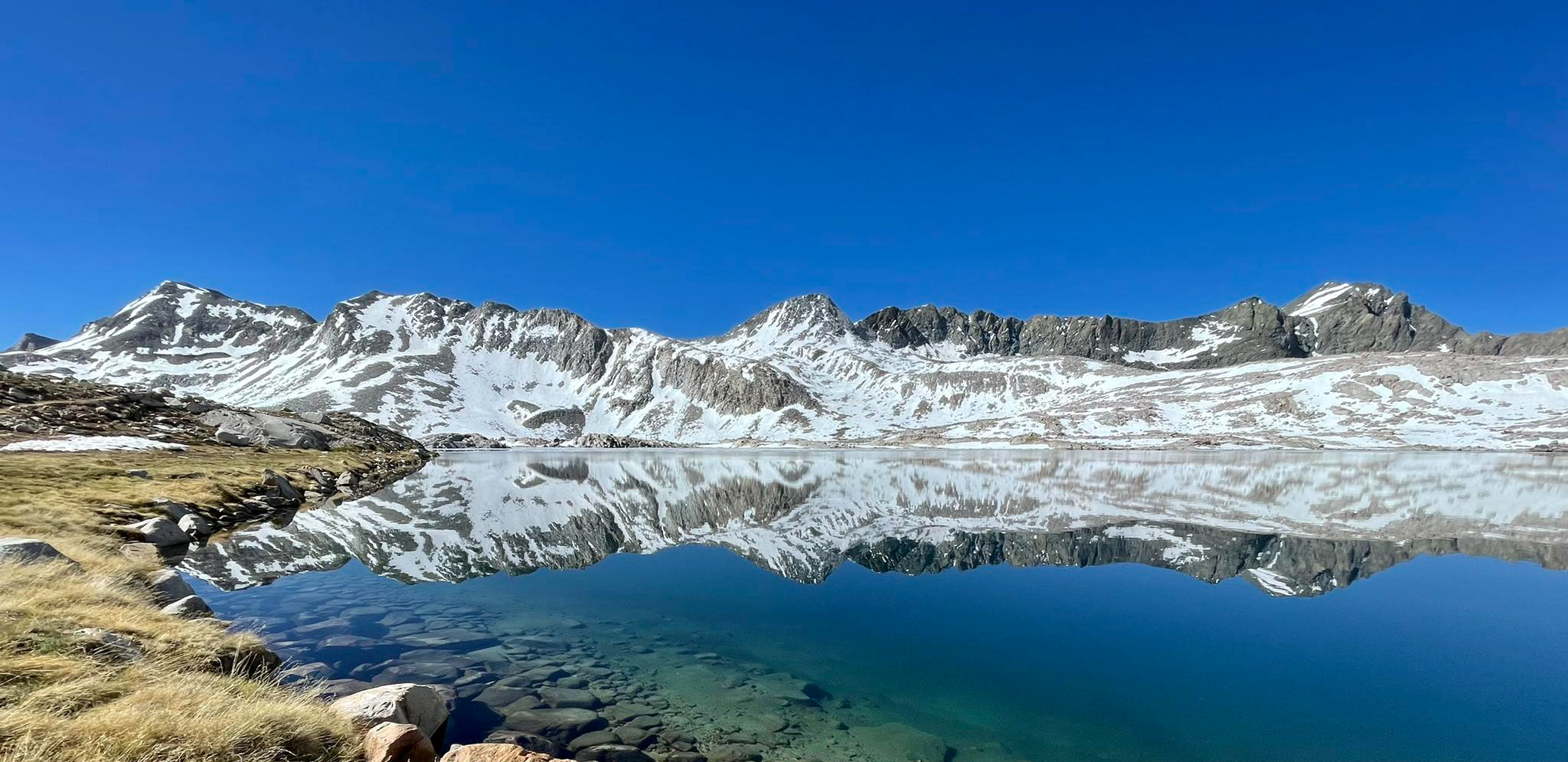
The Sierra High Route — Solitude in California's alpine country

Pacific Crest Trail from Mexico to Canada – 4,200 kilometres of wilderness
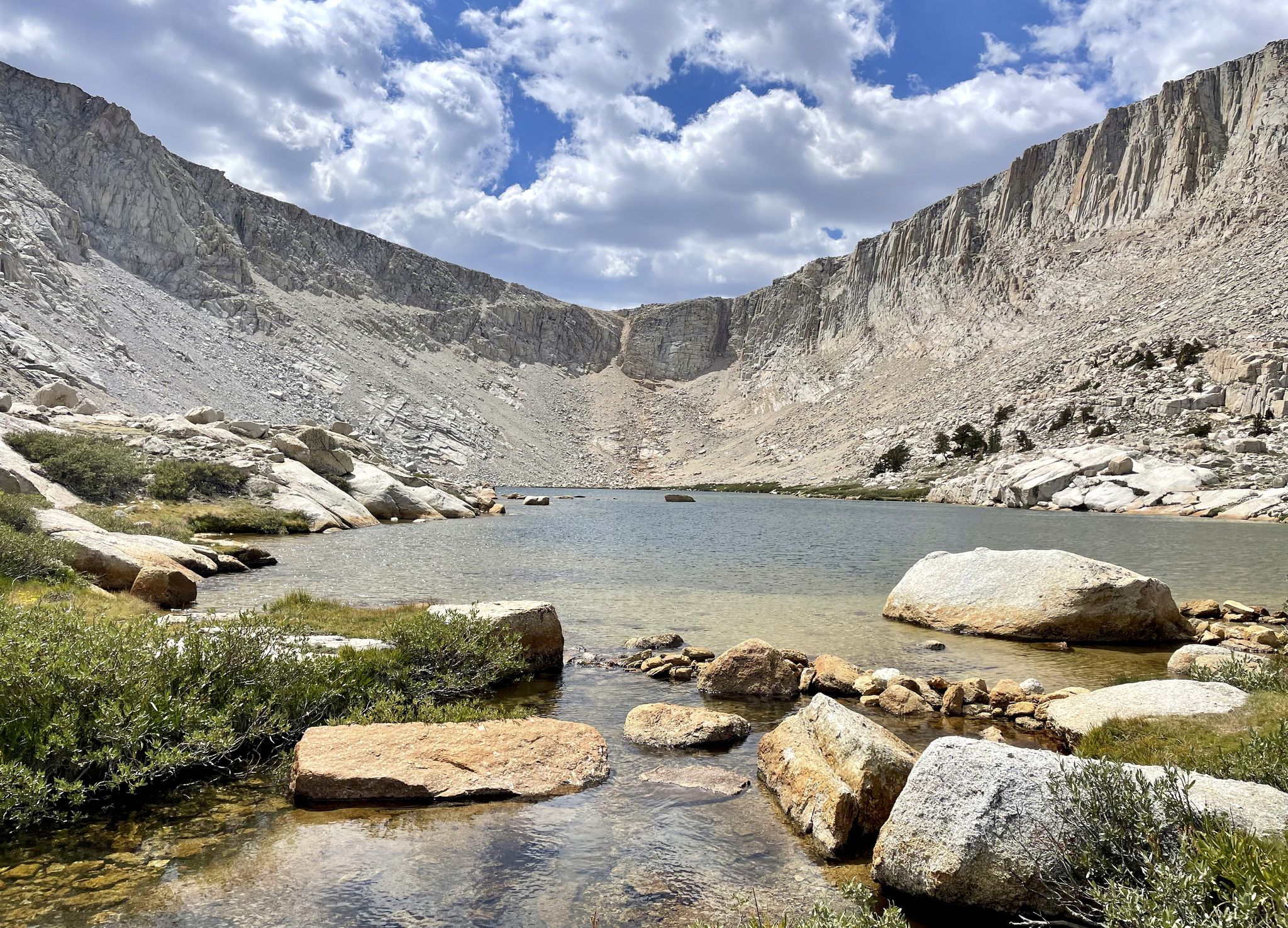
Cottonwood Lakes Loop — Exploring the Golden Trout Wilderness
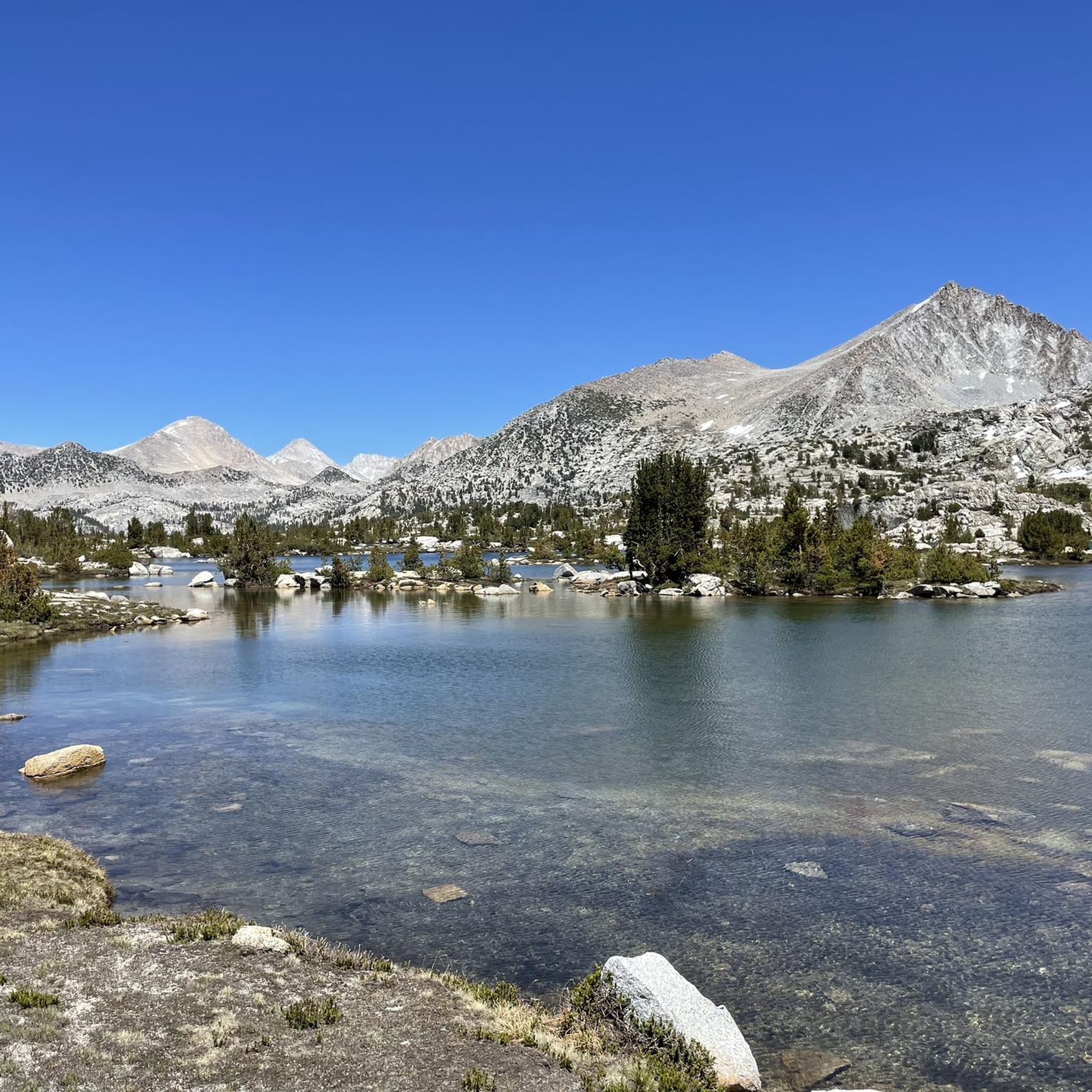
Hiking in John Muir Wilderness
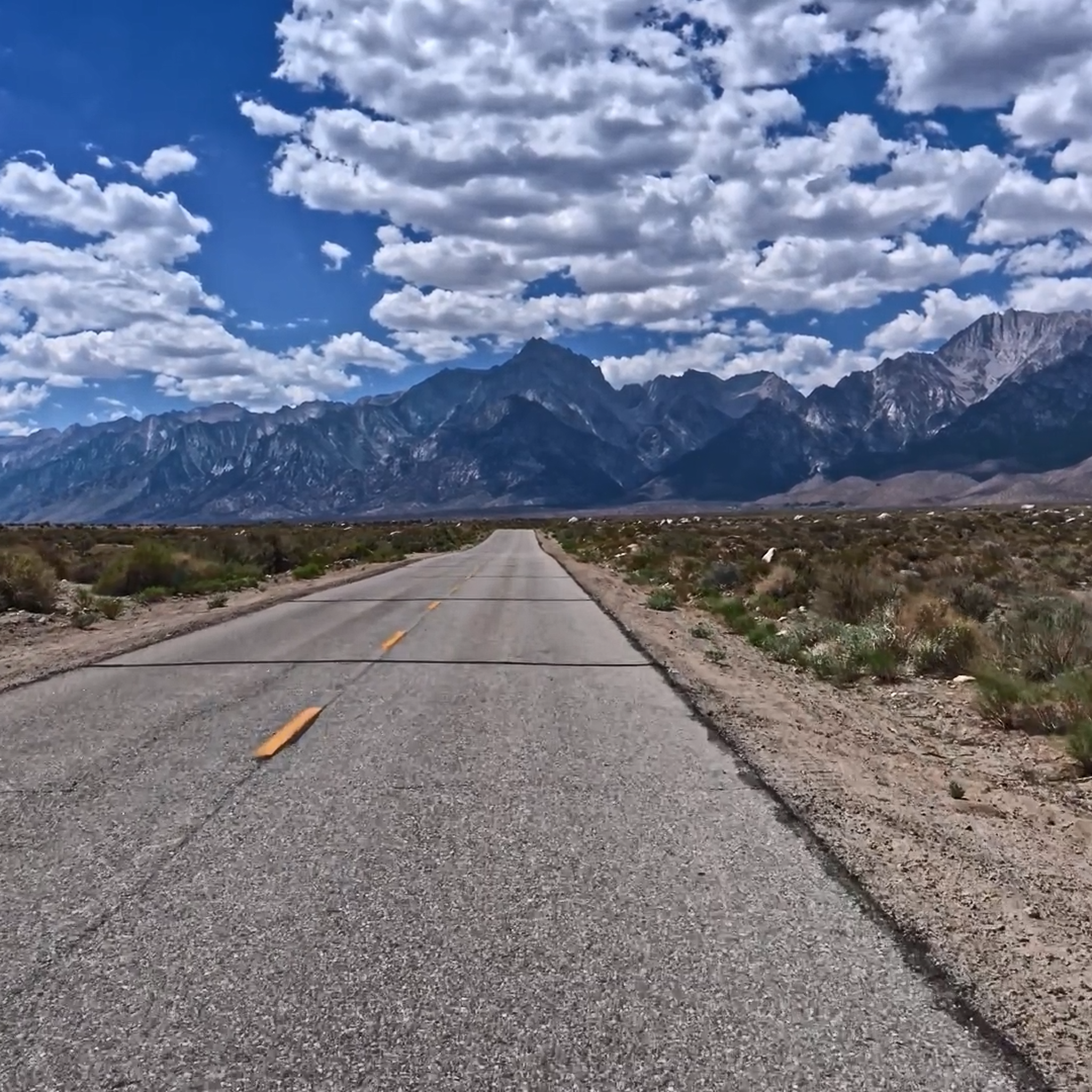
Road Cycling Routes in John Muir Wilderness
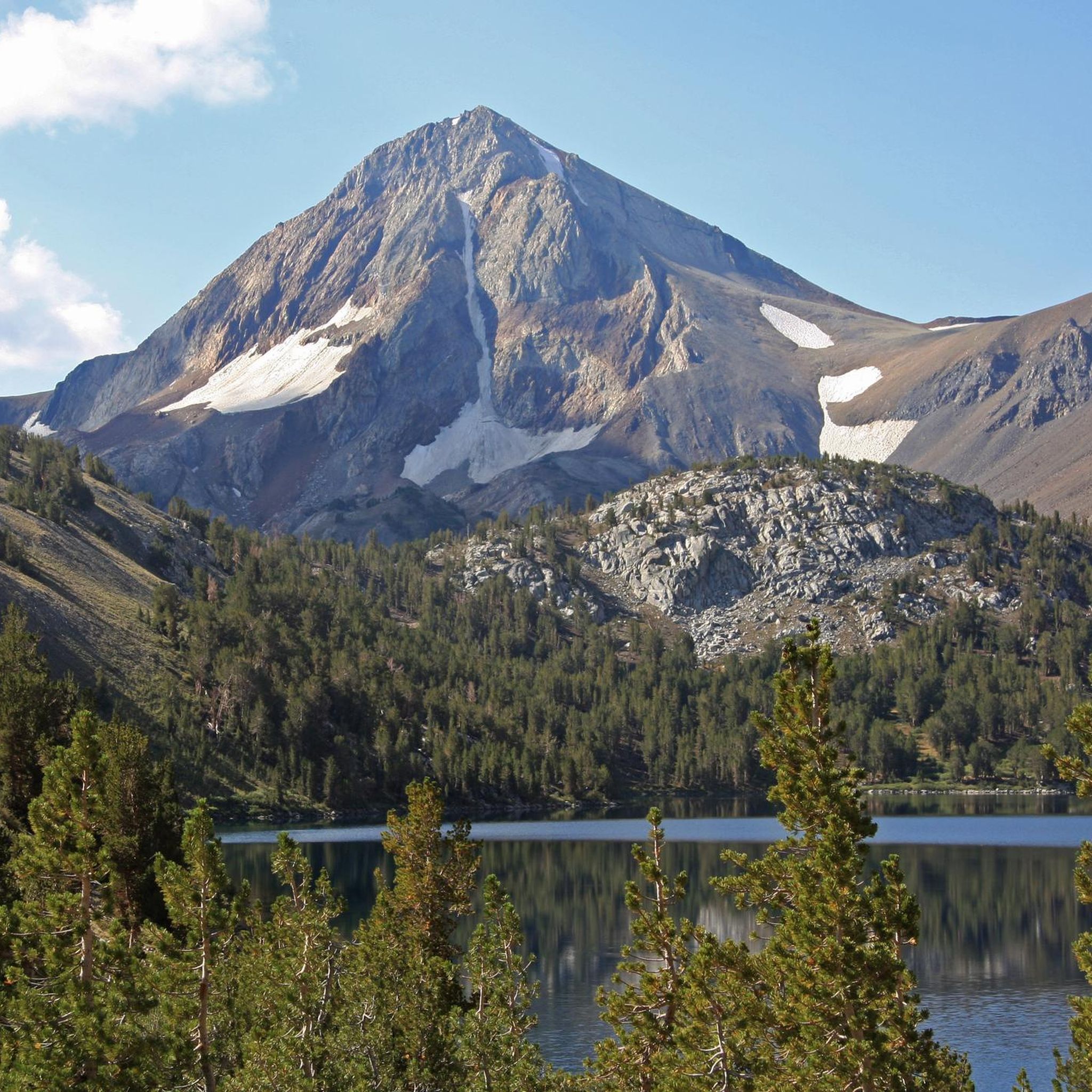
Running Trails in John Muir Wilderness
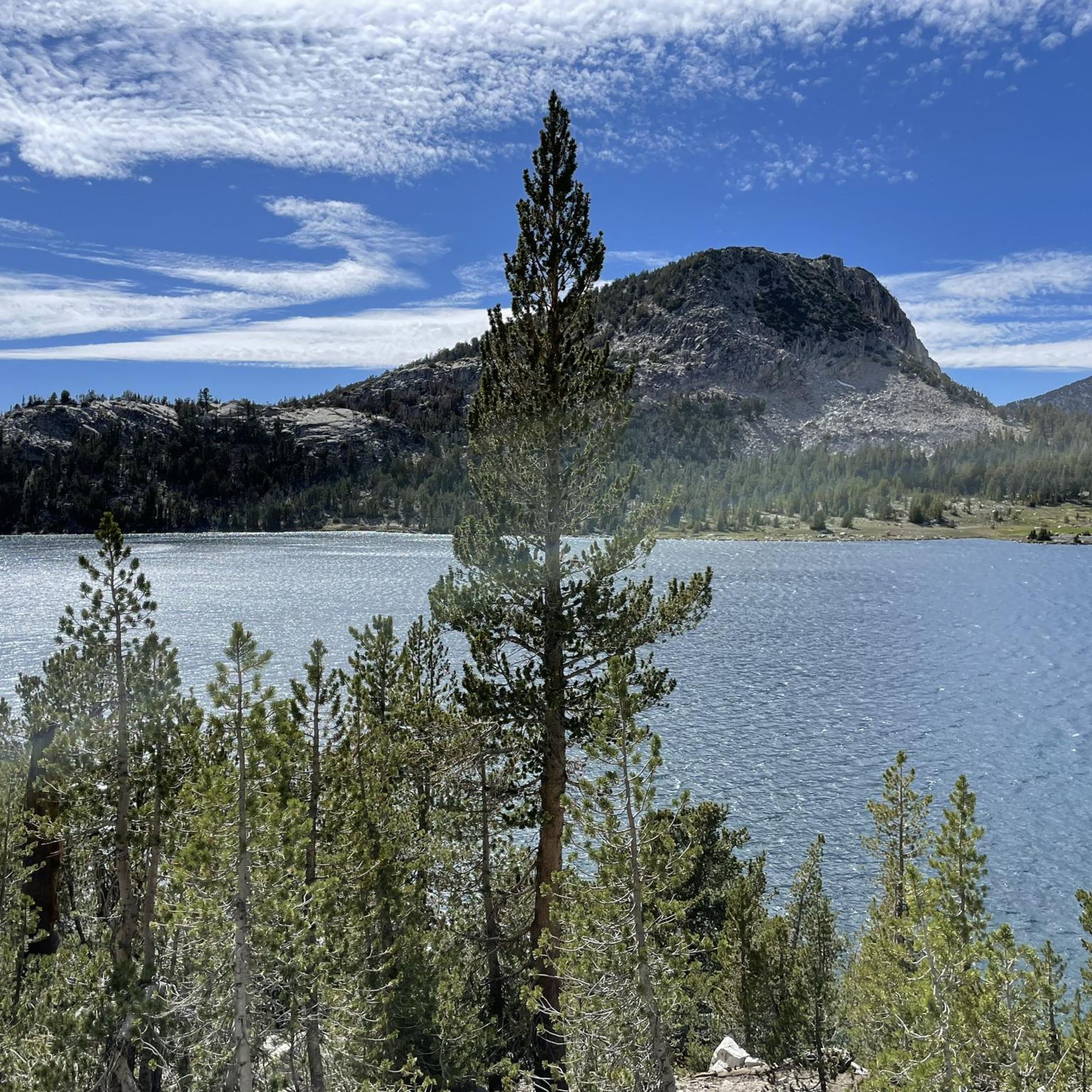
MTB Trails in John Muir Wilderness
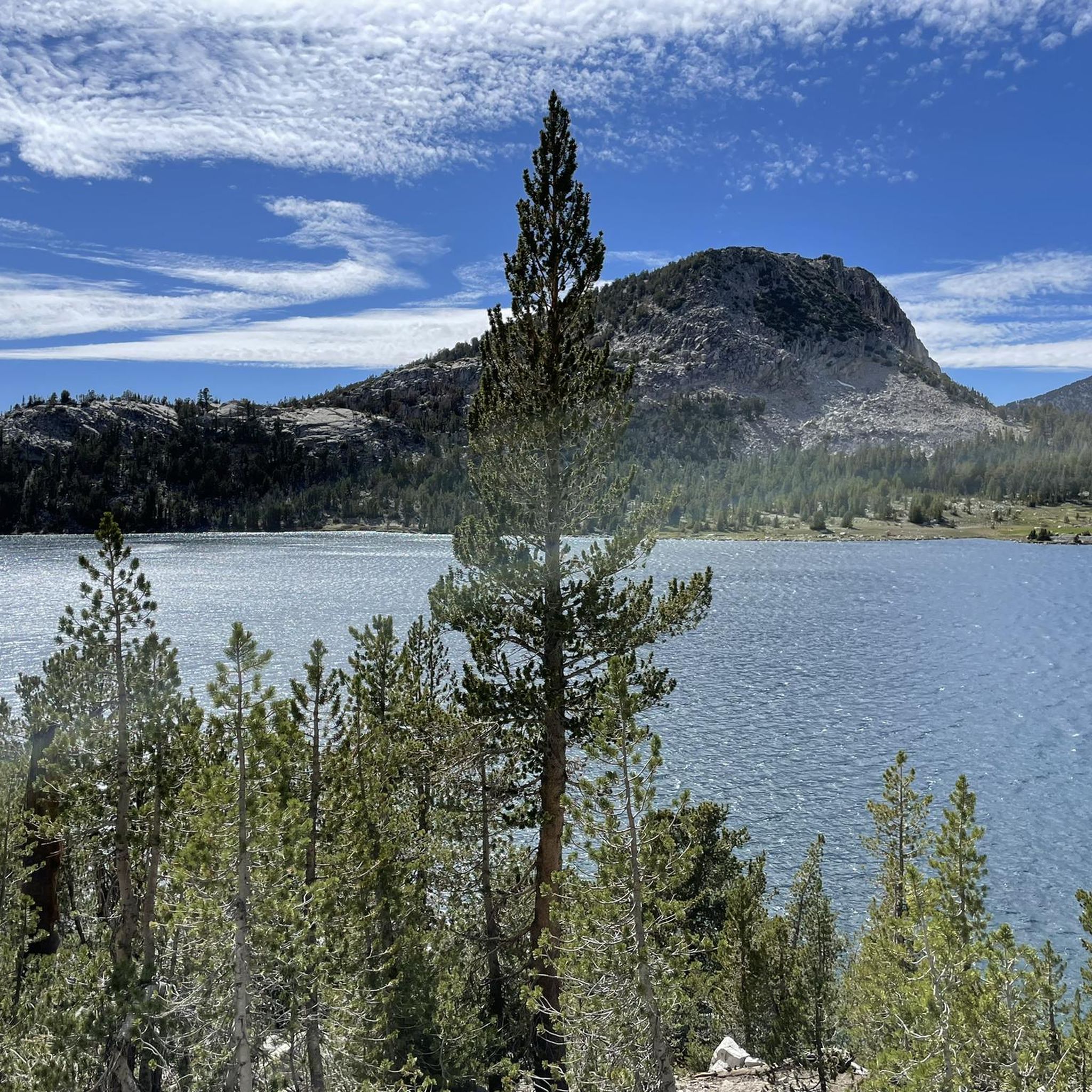
Cycling in John Muir Wilderness

Gravel biking in John Muir Wilderness
Other adventures in John Muir Wilderness


Tips from the Community

FIRST Lake is, ironically, the LAST place for this water to rest before heading down through Big Pine Valley as the North Fork Big Pine Creek and entering, as a tributary, the Owens River 6,000ft below! To the east you are offered a lovely view to Mount Alice, while to the south Temple Crag commands your attention! The water in First Lake, as well as the ither Big Pine Lakes, often can be seen with a beautiful teal hue, caused by the refraction of sunlight on particles of glacial silt in the water!
0
0

First Lake is one of many reservoirs in this section of the John Muir Wilderness and Inyo National Forest. This is a gorgeous lake that you'll view from above from the North Fork Big Pine Creek Trail with Mount Alice towering in the background.
0
0
First Lake is one of many reservoirs in this section of the John Muir Wilderness and Inyo National Forest. This is a gorgeous lake that you'll view from above from the North Fork Big Pine Creek Trail with Mount Alice towering in the background.
0
0

The ascent of Mount Whitney offers breathtaking natural beauty, including stunning alpine scenery, glacial lakes, and panoramic views of the surrounding peaks. The mountain attracts a diverse range of visitors, from seasoned mountaineers to ambitious hikers looking to conquer a significant summit. Check more information on https://geometry-dashlite.io
0
0

First 4000er - and then one like that!! #justgotengaded
0
2

Breathtaking view and feelings of happiness guaranteed after the ascent! There are several metal signs on the summit that can be used for a photo. The shelter was full of snow when we were up and I didn't look further. And yes, there is a cell phone network and almost all thru hikers use this to get in touch with loved ones. ;)
1
0

With an elevation of 4,421 meters, Mount Whitney is the highest point in the United States. The summit is the southern end of the famous John Muir Trail. At the summit is the Mount Whitney Summit Shelter, a granite shelter built in 1909. It has three rooms and was built as a refuge for hikers from storms, but also to house scientists studying altitude. It is the site of Charles Greeley Abbot's spectroscopic observations of Mars to test whether or not the planet had water.
0
0
Skelton Lake is a wonderful place to enjoy. It can be reached by following the Duck Pass Trail, a very scenic route that is truly spectacular.
0
0
Frequently Asked Questions
What are some of the most unique natural features in the John Muir Wilderness?
Beyond the prominent peaks, the John Muir Wilderness and its immediate surroundings boast several unique natural features. One notable example is Devils Postpile National Monument, known for its unusual columnar basalt formations. The wilderness is also dotted with nearly a thousand alpine lakes, including the distinctive Thousand Island Lake, famous for its numerous islands and the backdrop of Mount Banner. The Evolution Region lakes, like Sapphire and Wanda Lake, offer some of the most stunning mountain scenery.
Are there any historical or cultural sites among the natural monuments?
Yes, the Smithsonian Institution Shelter on Mount Whitney's summit is a significant historical site. Built in 1909, this granite shelter was constructed to protect hikers from storms and served as housing for scientists conducting observations, including Charles Greeley Abbot's spectroscopic studies of Mars.
What kind of outdoor activities can I do near the natural monuments in John Muir Wilderness?
The John Muir Wilderness offers a wide range of outdoor activities. You can find numerous trails for running, mountain biking, and road cycling. Many alpine lakes, such as Skelton Lake and Duck Lake, are popular for fishing and secluded backcountry camping. The challenging mountain passes like Silver Pass and Mather Pass provide incredible hiking experiences with panoramic views.
What is the best time to visit the natural monuments in John Muir Wilderness?
The best time to visit the John Muir Wilderness is typically from late spring to early fall (June through September) when the high mountain passes are generally free of snow and trails are accessible. However, weather conditions can change rapidly in the mountains, so always be prepared for varying temperatures and potential storms. Visiting during the shoulder seasons might offer fewer crowds but could involve more challenging conditions due to snow or ice.
Are there any family-friendly natural monuments or trails in the area?
While many trails in the John Muir Wilderness are challenging, some areas offer more moderate options. For instance, the hike to Skelton Lake is a relatively short 1.5-mile (one-way) hike from the Coldwater Creek parking lot, making it a good option for families seeking a tranquil alpine lake experience. Always check trail difficulty and conditions before heading out with children.
What are the typical weather conditions like when visiting these natural monuments?
Weather in the John Muir Wilderness can be highly variable due to its high elevation. Summers generally bring warm, sunny days, but afternoon thunderstorms are common. Nights can be cold, even in summer. During spring and fall, temperatures can drop significantly, and snow is possible at higher elevations. Winter brings heavy snowfall, making most high-altitude areas inaccessible. Always pack layers and be prepared for sudden changes in weather.
What permits are required to visit natural monuments in the John Muir Wilderness?
Permits are generally required for overnight trips into the John Muir Wilderness, especially for popular areas like the Mount Whitney Trail. Day-use permits may also be necessary for certain trailheads. For backcountry camping at places like Skelton Lake, you must obtain a wilderness permit from the Inyo National Forest. It's crucial to check the specific requirements for your chosen destination and apply for permits well in advance, as they are often allocated through a lottery system for popular routes like Mount Whitney.
Which mountain passes offer the best views in the John Muir Wilderness?
Several mountain passes provide breathtaking vistas. Silver Pass offers views of a series of lakes, including Lake of the Lone Indian and Chief Lake, as you hike northbound. Mather Pass provides excellent views in both directions, showcasing the upper basin, Split Mountain to the south, and the rugged Palisades to the north. Glenn Pass, at approximately 12,000 feet, offers amazing views of the Ray Lakes region and the Great Western Divide with Mount Brewer.
Are there any natural monuments known for fishing opportunities?
Yes, many of the alpine lakes in the John Muir Wilderness are excellent for fishing. Skelton Lake is ideal for secluded backcountry fishing. Duck Lake and Lake Virginia are also popular destinations, particularly known for abundant rainbow trout and other trout species, offering a chance to combine hiking with a rewarding fishing experience.
What makes the Palisades a significant natural monument?
The Palisades are a highly rugged subrange of the Sierra Nevada mountains within the John Muir Wilderness, known for their dramatic peaks and challenging mountaineering opportunities. They are also significant because they contain the southernmost glacier in the contiguous United States, the Palisade Glacier. Their rugged beauty and the presence of the glacier make them a major draw for experienced adventurers.
What do visitors enjoy most about the natural monuments in John Muir Wilderness?
Visitors consistently praise the unparalleled panoramic views from high peaks like Mount Whitney, describing them as truly awe-inspiring. The tranquility and beauty of the alpine lakes, such as Skelton Lake and the Evolution Region lakes, are also highly valued for offering serene backcountry experiences. The unique geological formations, like Devils Postpile, and the challenging yet rewarding mountain passes are also frequently highlighted as memorable aspects of the wilderness.
How difficult are the trails to the natural monuments in John Muir Wilderness?
The difficulty of trails to natural monuments in the John Muir Wilderness varies significantly. Many routes, especially those leading to high peaks like Mount Whitney or over mountain passes such as Silver Pass, are considered challenging and require significant physical fitness and preparation. However, there are also intermediate trails, like the one to First Lake, and some shorter, easier options for accessing certain lakes. Always research specific trail conditions and elevation gains before embarking on a hike.
Most popular routes in John Muir Wilderness
Most popular attractions in John Muir Wilderness

Get inspired with the komoot mobile app


Explore more
Extend your search for the best caves by checking out these guides of the top ones in John Muir Wilderness:
