Top 12 Natural Monuments around Mikuni-sammyaku
Best natural monuments around Mikuni-sammyaku are found in a prominent mountain range spanning the border between Gunma and Niigata prefectures in Japan. This region is characterized by deep valleys formed by erosion from heavy rainfall and winter snows. The Mikuni Mountains offer diverse natural features, including high peaks, marshlands, and historical passes. It provides opportunities to experience varied mountain terrain and significant natural landmarks.
Best natural monuments around Mikuni-sammyaku
- The most popular natural monuments is Yudaki Falls, a waterfall…
Last updated: May 14, 2026
Kegon Falls
Highlight • Waterfall
Translated by Google •
Tip by

Jigokudani Monkey Park
Highlight • Natural Monument
Tip by

Sign up now to discover places like this
Get recommendations on the best single tracks, peaks, & plenty of other exciting outdoor places.
Sign up for free
Yudaki Falls
Highlight • Waterfall
It is currently on the observation deck. quite crowded with school classes and other visitors.
There is also a small resturan with fried …
Translated by Google •
Tip by

Lake Haruna
Highlight • Lake
Lake Haruna is a beautiful mountain lake in Japan, known for its natural beauty and tranquility. The lake lies at the foot of Mount Haruna, a 1,449-meter-high volcano in Gunma Prefecture.
Translated by Google •
Tip by

Ryuokyo Gorge (Ryuokyo-kyo)
Highlight • Gorge
Tip by

Highest Point of Japan National Road
Highlight • Mountain Pass
It's the highest national (public) road of Japan, at an elevation of 2.172m.
Tip by

Yubatake Hot Spring, Kusatsu
Highlight • Natural Monument
Translated by Google •
Tip by
Tateiwa Rock
Highlight • Natural Monument
Tip by
Suginamiki Park
Highlight (Segment) • Natural Monument
Tip by

Entrance to Shiga Kogen – Joshinetsukogen National Park
Highlight • Natural Monument
Again, I suggest to approach from the west side.
Think spot is already over 1000m altitude, still going up …
Tip by
Sign up for free to discover even more natural monuments around Mikuni-sammyaku.
Sign up for free
Already have an account?
Start today with a free account
Your next adventure awaits.
Login or Signup

Tips from the Community

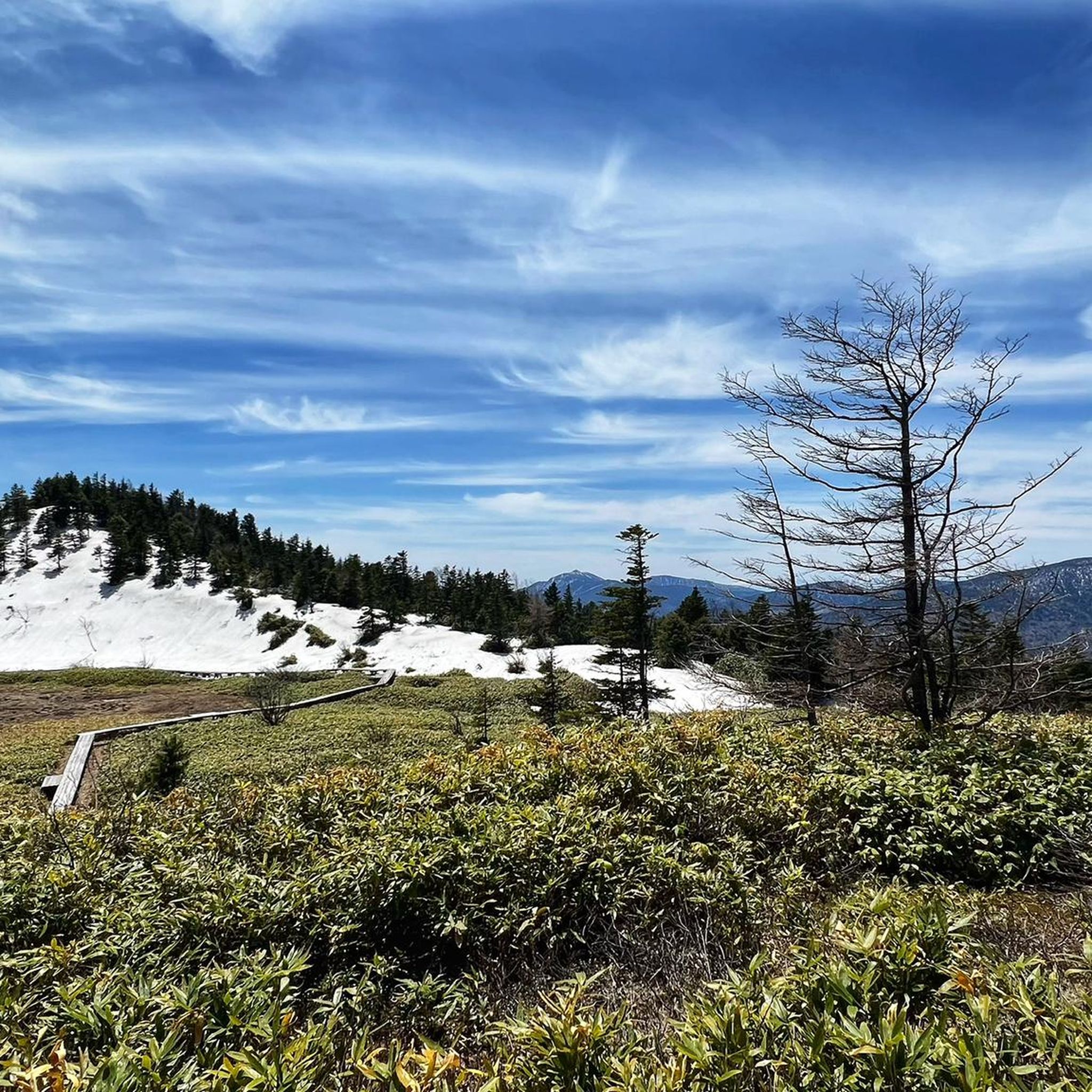
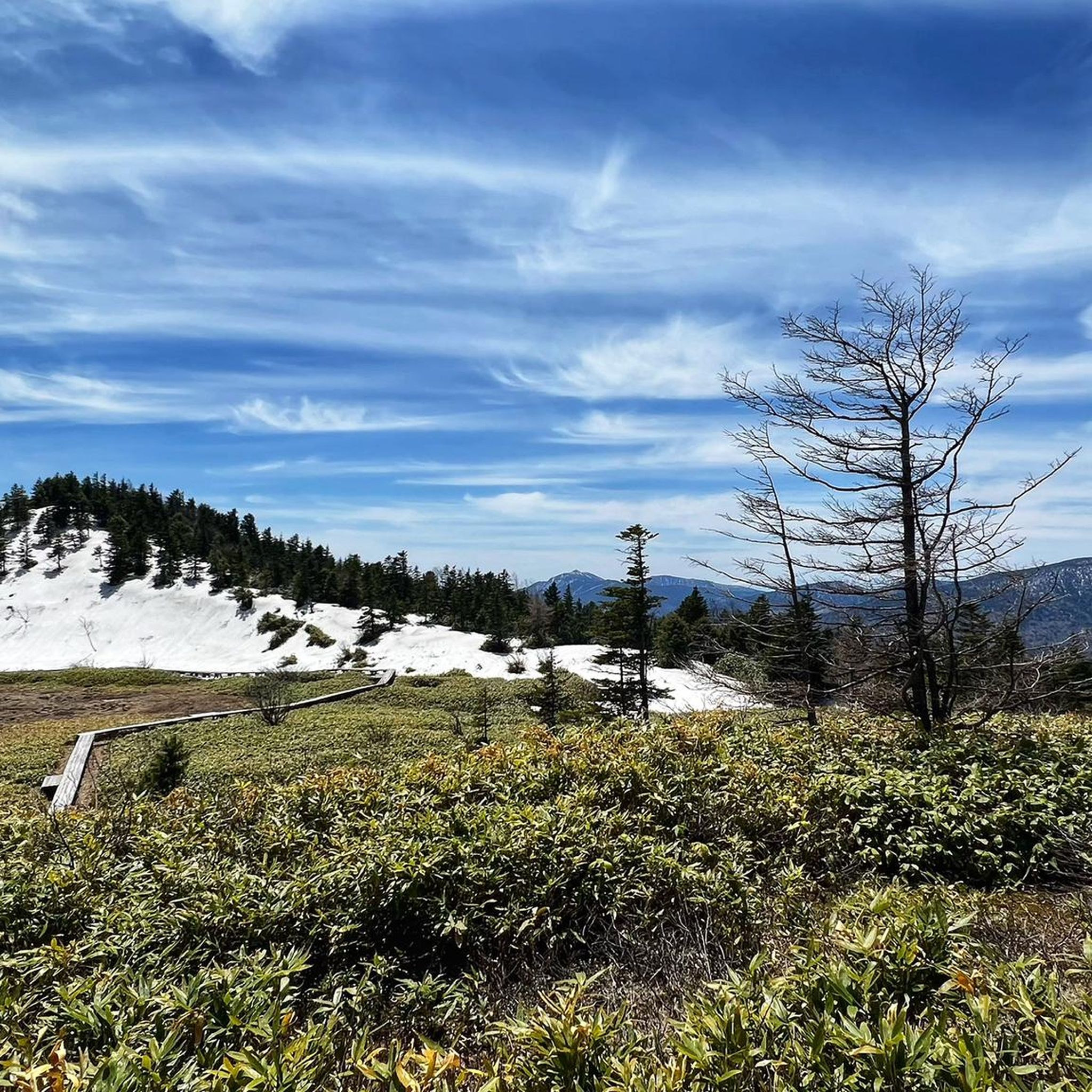
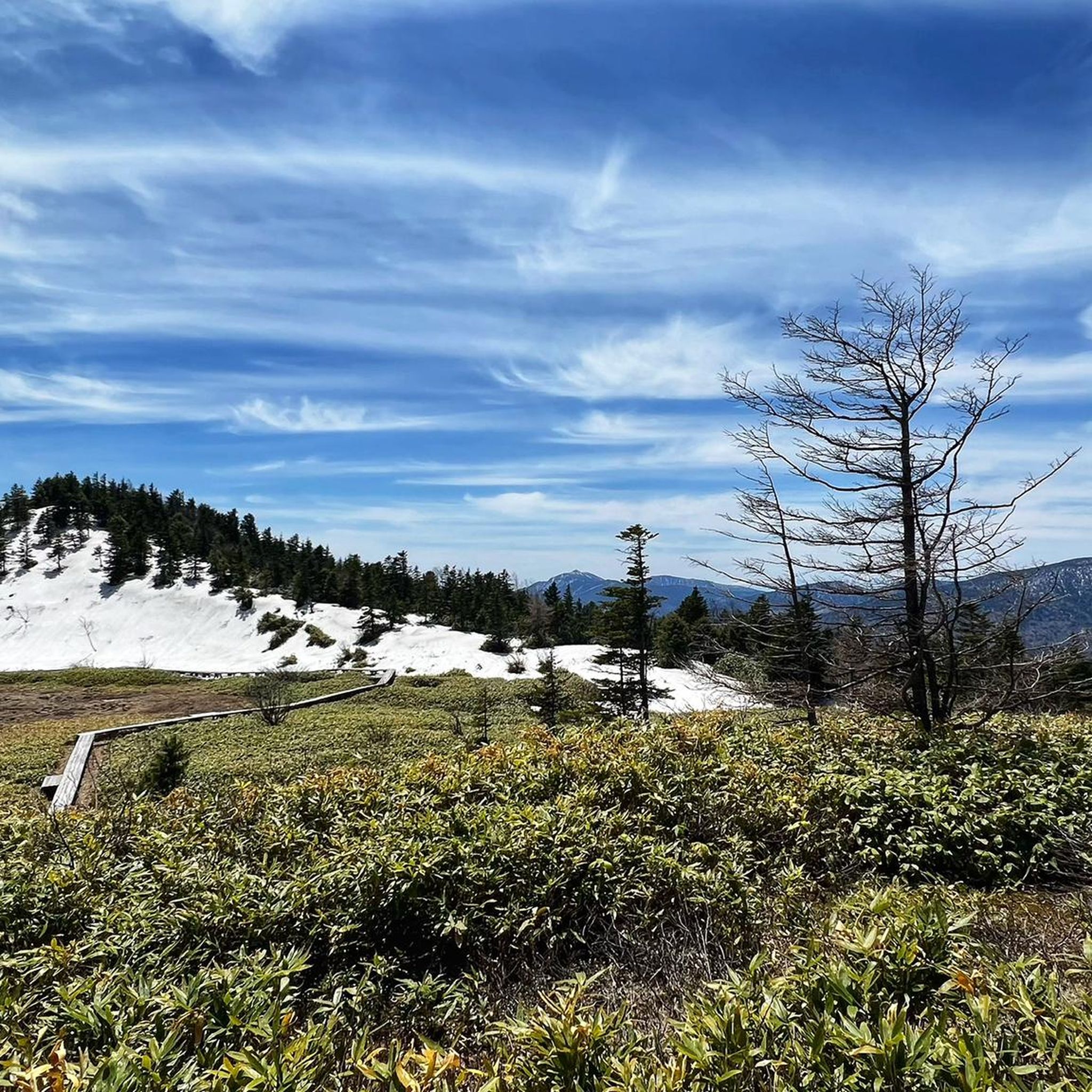
Amazing snow walls can be seen in the end of April and the beginning of May. One of the best hill climb routes in Nagano.
0
0

The Jigokudani Monkey Park (Jigokudani Yaen Koen) is the main habitat of the snow monkeys and is located in Nagano Prefecture, northwest of Tokyo
0
0

Top tip! The center of Kusatsu is a charming onsen village known for its hot springs and traditional Japanese houses. Right next to the Sulfur Spring, one of Kusatsu's most famous onsen, is the Yubatake, a traditional Japanese sulfur spring that visitors can observe.
0
0
Shibu Pass is a well-known mountain pass in Japan, located at an elevation of 2,172 meters and representing the highest point of any national highway in Japan. National Highway 292, which runs through the Shiga Kogen region, offers cyclists a challenge and breathtaking views. The climb from Kusatsu to Shibu Pass is approximately 20 km long and offers an average gradient of 5-6%. The maximum gradient is 11%, making the ride even more challenging. The road is paved and provides a good surface for cycling. The gradients are challenging, but the views are breathtaking. The ride to Shibu Pass offers breathtaking mountain scenery and a variety of natural attractions. The Shiga Kogen region is known for its volcanic activity and offers a unique landscape. Shibu Pass is a highlight for cyclists and a must-see for anyone looking for a challenge. The views from Shibu Pass are breathtaking and offer views of the surrounding mountains and valleys.
1
0
*Lake Haruna - A Paradise for Nature Lovers* Lake Haruna is a beautiful mountain lake in Japan, known for its natural beauty and tranquility. The lake lies at the foot of Mount Haruna, a 1,449-meter-high volcano in Gunma Prefecture. *Food and Drink Options at Lake Haruna* There are several options for dining at Lake Haruna. Here are some: - *Restaurants and Cafes*: There are several restaurants and cafes near the lake that offer traditional Japanese dishes such as sushi, ramen, and udon. Some of these restaurants also offer views of the lake. - *Food Stalls*: There are also several food stalls near the lake that offer snacks such as yakitori, takoyaki, and other Japanese specialties. - *Picnic*: Lake Haruna is also a popular picnic spot. There are many picnic areas near the lake, equipped with tables and benches. *Popular Dishes at Lake Haruna* Some popular dishes at Lake Haruna include: - *Wakasagi*: A freshwater fish caught in Lake Haruna, served in many restaurants in the area. - *Gunma Beef*: A well-known beef from Gunma Prefecture, served in many restaurants in the area. - *Traditional Japanese Dishes*: There are many traditional Japanese dishes served at Lake Haruna, such as sushi, ramen, and udon. *Conclusion* Lake Haruna is a beautiful place known for its natural beauty and tranquility. There are many options for dining, from traditional Japanese dishes to snacks and picnics. When visiting Lake Haruna, be sure to try some of the local specialties.
0
0

The 97-meter-high Kegon Waterfall (Japanese: 華厳ノ滝, kegon no taki) flows from Lake Chuzenji and is considered one of the three most beautiful waterfalls in Japan. There are two observation decks on site, one above and one at the base of the waterfall. The upper observation deck is open all day and free to the public, while the lower observation deck is open from 9:00 a.m. to 4:30 p.m. It can be accessed via a fee-based elevator.
0
0

The world-famous snow monkeys are at home here. In autumn there are of course fewer animals in their onsen than in winter. Nevertheless, we were able to observe three of the macaques.
0
0

Suginamiki Park was created to protect the Nikko Sugi Avenue and preserve local culture. The Nikko Sugi Avenue is a historically and academically significant site, designated as both a Special Historic Site and a Special Natural Monument by the national government. To protect the roots of the cedar trees, the surrounding area was made public property and developed into a park.
0
0
Frequently Asked Questions
What are some of the most popular natural monuments to visit in Mikuni-sammyaku?
Visitors frequently enjoy the stunning Yudaki Falls, known for its powerful flow from Lake Yuno. Another highly-rated spot is the Jigokudani Monkey Park, where you can observe snow monkeys in their natural habitat. The majestic Kegon Falls, one of Japan's most notable waterfalls with a 97-meter drop, is also a must-see.
Are there family-friendly natural monuments around Mikuni-sammyaku?
Yes, several natural monuments are suitable for families. Yudaki Falls offers an observation deck and a small restaurant, making it an easy and enjoyable visit. Jigokudani Monkey Park is also family-friendly, providing a unique opportunity to see snow monkeys. Additionally, Lake Haruna is a beautiful mountain lake known for its tranquility and picnic areas, perfect for a family outing.
What kind of natural features can I expect to see in the Mikuni Mountains?
The Mikuni Mountains are characterized by diverse natural features. You'll find deep valleys carved by erosion, high peaks like Mount Saburyu and Mount Naeba, serene marshlands, and majestic waterfalls such as Kegon Falls and Yudaki Falls. The region also features beautiful lakes like Lake Haruna, gorges like Ryuokyo Gorge, and unique rock formations like Tateiwa Rock.
What outdoor activities can I do near the natural monuments in Mikuni-sammyaku?
The Mikuni-sammyaku region offers a variety of outdoor activities. You can explore numerous hiking trails, with options ranging from moderate to difficult, especially around the higher peaks. For cyclists, there are extensive road cycling routes and general cycling paths. Mountaineering enthusiasts can find challenging ascents, including routes around Mount Akagi and Mount Tanigawa, detailed in the Mountain Hikes guide.
Are there any historical or culturally significant natural monuments in the area?
Yes, the Mikuni Mountains hold historical significance. The Suginamiki Park is a natural monument with historical ties, featuring ancient cedar avenues. The Mikuni Pass itself was historically the sole gateway to Niigata Prefecture from the Kanto region. Additionally, the ancient Ime Shrine at the base of Mount Naeba highlights a cultural connection, as the mountain is believed to be the god of rice.
What is the best time of year to visit the Mikuni Mountains?
The best time to visit depends on your preferred activities. Summer offers lush greenery and opportunities for hiking, while autumn brings spectacular fall foliage. Winter transforms the region into a popular destination for snow sports, especially around Mount Naeba. Spring sees the melting snow and blooming flora. Be aware that heavy summer rainfalls and winter snows are characteristic of the region.
Can I observe wildlife at any of the natural monuments?
Absolutely. The most prominent wildlife observation spot is the Jigokudani Monkey Park, where you can see Japanese macaques, famously known as snow monkeys, bathing in hot springs. The broader Akaya Forest also provides a rich natural environment for observing local wildlife.
Are there any hot springs or unique geological features to explore?
Yes, the region is known for its geothermal activity. Yubatake Hot Spring in Kusatsu is a prominent natural monument featuring a large hot spring field. The Mikuni Mountains themselves are characterized by deep valleys and unique geological formations resulting from intense erosion.
What are some of the notable mountain peaks in the Mikuni Mountains?
The Mikuni Mountains boast several prominent peaks. Mount Saburyu (2,191m) is the highest, known for its unique blend of rugged terrain and extensive meadows. Mount Naeba (2,145m) is a stratovolcano famous for its marshlands and winter sports. The Echigo Sanzan Range includes Mount Hakkai (1,778m), Mount Komagatake (2,002m), and Mount Nakanotake (2,085m), all offering distinct natural beauty.
Where can I find scenic viewpoints in Mikuni-sammyaku?
Many natural monuments offer breathtaking views. Kegon Falls and Yudaki Falls both have observation decks. The Highest Point of Japan National Road offers expansive vistas. You can also find scenic spots along Ryuokyo Gorge and around Lake Haruna.
Are there any national parks or protected areas in Mikuni-sammyaku?
Yes, a significant portion of the Mikuni Mountains falls within protected areas. Mount Naeba is located within the Jōshin'etsu-kōgen National Park. The Echigo Sanzan Range, including Mount Hakkai, Mount Komagatake, and Mount Nakanotake, is part of the Echigo Sanzan-Tadami Quasi-National Park. The Akaya Forest is also a national forest, preserving a rich natural environment.
What is the Akaya Forest and what does it offer visitors?
The Akaya Forest (赤谷の森) is a national forest spanning approximately 10,000 hectares along the border of Gunma and Niigata Prefectures. It offers a rich natural environment, providing opportunities for nature walks, environmental education, and learning about local history and traditional culture within its pristine landscapes.
Most popular routes around Mikuni-sammyaku
Most popular attractions around Mikuni-sammyaku

Get inspired with the komoot mobile app


Explore more
Extend your search for the best caves by checking out these guides of the top ones around Mikuni-sammyaku:
