Top 4 Caves in Ecuador
Caves in Ecuador offer a diverse range of underground experiences, from vast limestone systems to volcanic tunnels. The country's Amazon region is particularly rich in significant cave systems, providing insights into unique geological formations and indigenous history. Explorers can find both challenging expedition-style caves and more accessible options. These natural attractions showcase Ecuador's varied landscapes and cultural heritage.
Best caves in Ecuador
- The most popular caves is Peguche Waterfall, a waterfall that features narrow caves and smaller waterfalls at…
Last updated: July 11, 2026
Peguche Waterfall
Highlight • Waterfall
Entrance fees are required.
Translated by Google •
Tip by

Machay Temple Cave
Highlight • Cave
It goes steeply up into the dark dungeon, the highest point of which is …
Translated by Google •
Tip by

Sign up now to discover places like this
Get recommendations on the best single tracks, peaks, & plenty of other exciting outdoor places.
Sign up for free
Cave Entrance on Santa Cruz Island
Highlight • Cave
Translated by Google •
Tip by

Pirate Cave
Highlight • Cave
Translated by Google •
Tip by

Himanti Cave
Highlight • Cave
Showing Translation
Tip by

Start today with a free account
Your next adventure awaits.
Login or Signup



Tips from the Community

A very good experience to refresh, cleanse energies and learn about these caves, you certainly learn a lot about history and their formation
0
0

Look for a sacred place with beautifully landscaped hiking trails. At the top you can crawl through narrow caves and discover other smaller waterfalls. Entrance fees are required.
2
0

Well worth a visit. You don't see that every day.
0
0

Hidden tunnel but mystical and refreshing with the outside temperatures.
0
0
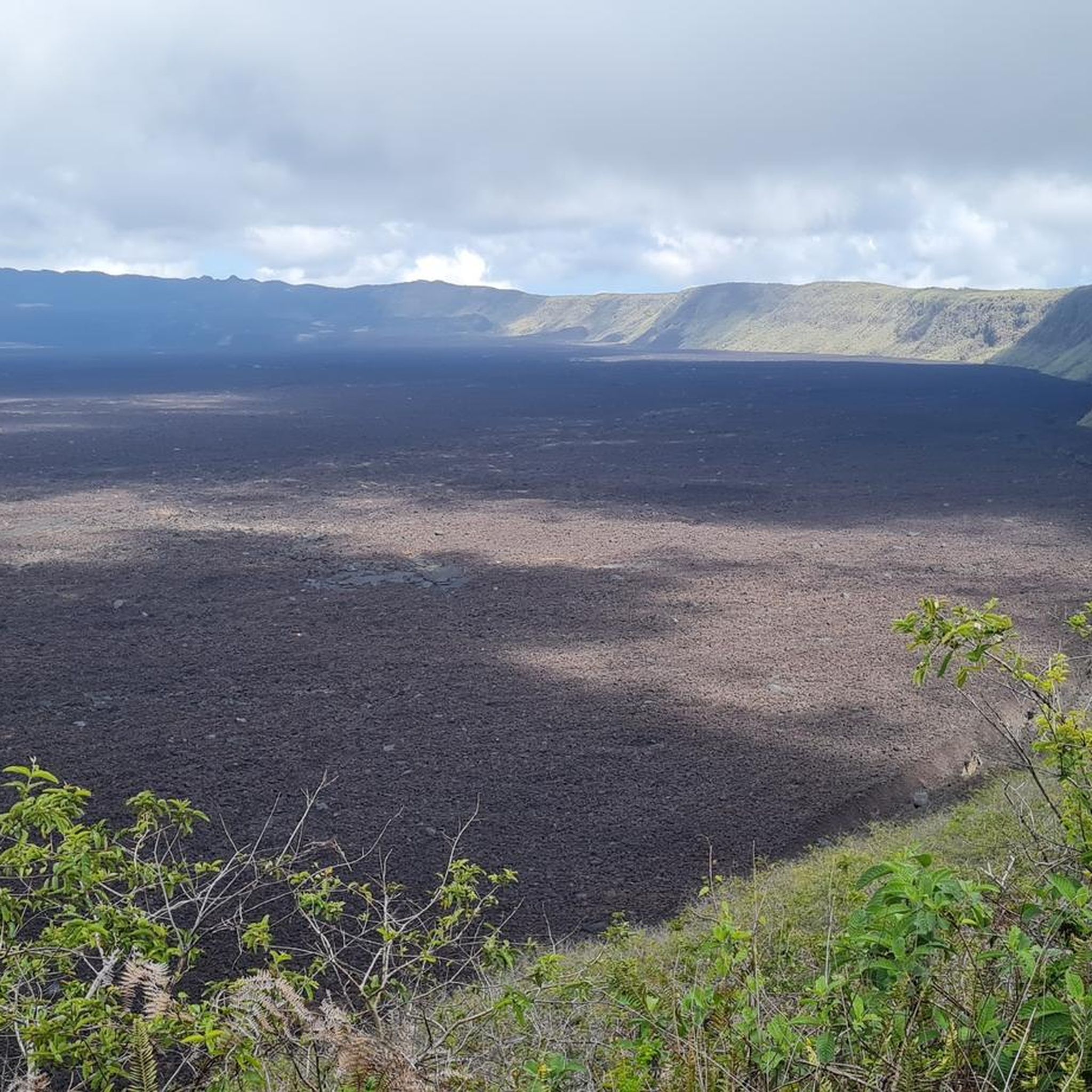
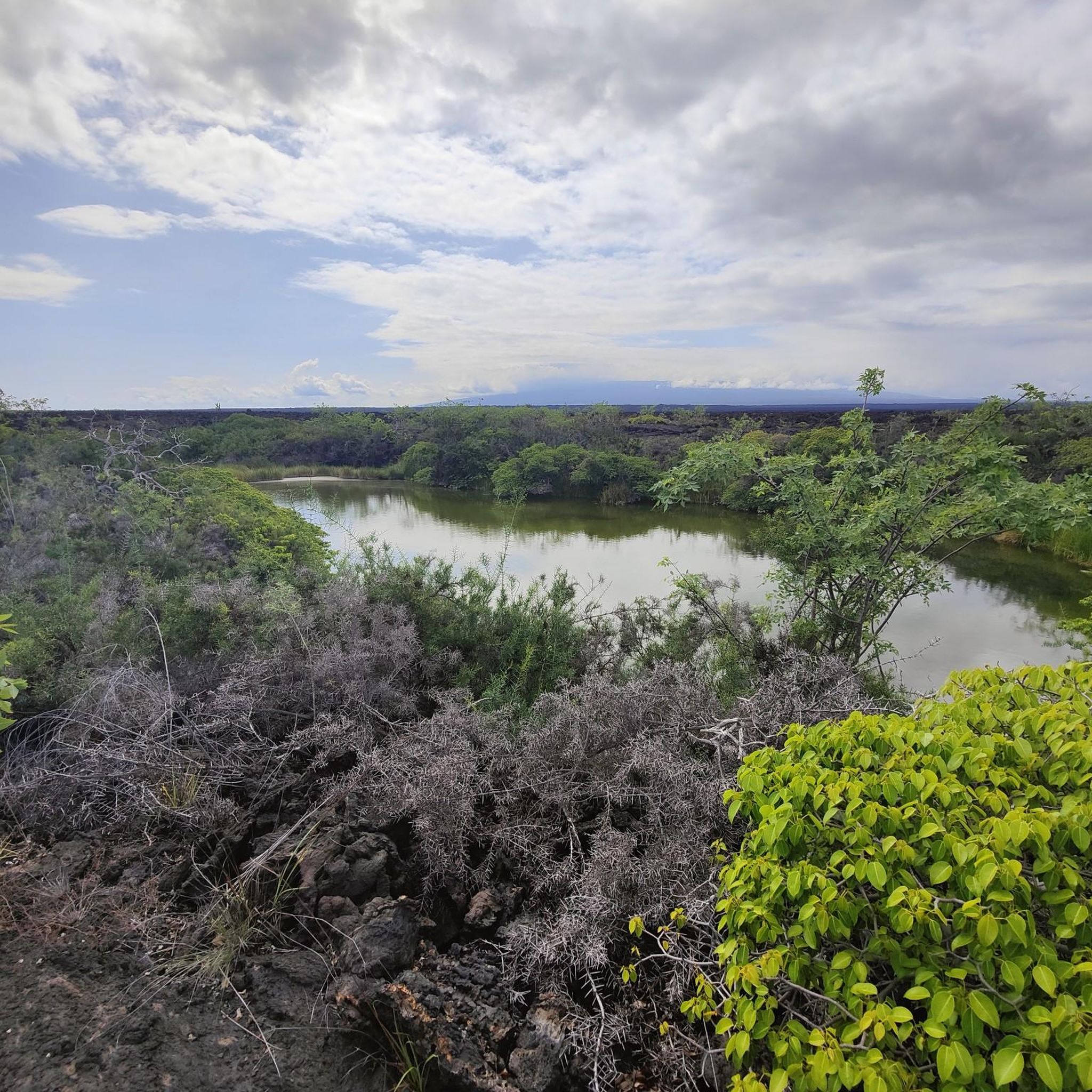
Small hidden lava tunnel. Interesting to look at.
0
0

A place worth visiting, little frequented by tourists thanks to its distance from the car park. It goes steeply up into the dark dungeon, the highest point of which is a memorial for a long-dead chief of the local indigenous people. The stillness of the place is broken by the wing movement of the hummingbirds nesting in cracks here.
0
0

This cave was already inhabited by pirates. The Wittmer family used it as their first shelter until they built their house near the spring.
0
0

Frequently Asked Questions
What types of caves can I explore in Ecuador?
Ecuador offers a diverse range of caves, from extensive limestone systems like the Cueva de los Tayos in the Amazon region to volcanic caves such as the Cavernas de Jumandy. You can also find lava tunnels, like the Cave Entrance on Santa Cruz Island, which provide a unique geological experience.
Are there family-friendly caves in Ecuador?
Yes, the Cavernas de Jumandy near Archidona are particularly well-suited for families. They are part of a tourist complex with amenities like natural pools and sports areas, making them more accessible for a wider range of visitors. Local Kichwa guides lead tours, sharing cultural stories and pointing out impressive formations.
What is the typical difficulty level for caving in Ecuador?
The difficulty varies significantly. Some caves, like the Cavernas de Jumandy, offer accessible guided tours suitable for beginners and families. Others, such as the Cueva de los Tayos, are expedition-style adventures requiring significant planning, permits, specialized equipment, and a 60-70 meter rappel to enter. Highlights like Machay Temple Cave and Himanti Cave are rated as challenging, suggesting a more demanding experience.
Do I need permits to visit caves in Ecuador?
For major expedition-style caves like the Cueva de los Tayos, permits are essential and often require coordination with local indigenous communities, such as the Shuar. For more accessible caves like Cavernas de Jumandy, entry fees are typically required, and guided tours are available on-site. Always check specific requirements for each cave before planning your visit.
What unique geological features can I expect to see in Ecuador's caves?
Ecuador's caves are rich in geological wonders. In limestone caves, you'll find spectacular stalactites and stalagmites, underground rivers, and natural pools. Volcanic caves, like those on Santa Cruz Island, feature lava tunnels. The Cueva de los Tayos is known for its vast passages, dramatic vertical entrances, and large underground chambers, some with strikingly geometric rock formations.
Do any caves in Ecuador have historical or cultural significance?
Many caves in Ecuador hold deep historical and cultural importance. The Cavernas de Jumandy are named after an indigenous cacique who used them as a refuge during a rebellion against Spanish colonization. The Cueva de los Tayos is a sacred site for the indigenous Shuar community, used for spiritual practices for centuries. Additionally, Machay Temple Cave and Pirate Cave are noted for their historical aspects, with the latter having been inhabited by pirates.
What is the best time of year to go caving in Ecuador?
Ecuador's climate varies by region. The Amazon region, where many significant caves are located, experiences a tropical rainforest climate. While caving is possible year-round, the dry season (typically June to September) might offer slightly more comfortable conditions for accessing remote cave entrances and trails, though rain can occur at any time. Always check local weather forecasts before your trip.
What should I wear for a caving adventure in Ecuador?
For caving, it's advisable to wear comfortable, quick-drying clothing that you don't mind getting wet or dirty. Sturdy, closed-toe shoes with good grip are essential, as you may encounter slippery surfaces, mud, and water. Depending on the cave, you might also need a helmet with a headlamp, gloves, and knee pads. For colder caves, a light jacket or long sleeves are recommended.
Are there any caves in Ecuador with unique wildlife?
Yes, the Cueva de los Tayos is famously home to the nocturnal oilbirds (Tayos), which navigate using echolocation and play a crucial role in the cave's ecosystem. Beyond oilbirds, these caves host diverse wildlife adapted to darkness, including bats, spiders, insects, and amphibians, offering a unique biodiversity experience.
How do Cueva de los Tayos and Cavernas de Jumandy compare?
Cueva de los Tayos is an extensive, remote, and challenging expedition-style cave system, known for its scientific intrigue, indigenous legends, and requiring rappelling for entry. It's ideal for experienced adventurers. Cavernas de Jumandy, on the other hand, offers a more accessible adventure with guided tours, underground rivers you can walk through, and amenities, making it suitable for families and those seeking a less strenuous experience.
What other outdoor activities can I do near Ecuador's caves?
Near many cave systems, you'll find opportunities for various outdoor activities. For instance, the region around the caves offers numerous hiking trails. You can explore city hikes in Ecuador or embark on hikes from bus stations. There are also options for traffic-free bike rides, allowing you to combine your caving adventure with other explorations of Ecuador's natural beauty.
Where can I find accommodation near Ecuador's cave systems?
Accommodation options vary depending on the cave's location. For more accessible caves like Cavernas de Jumandy, you'll find hotels and lodges in nearby towns such as Archidona or Tena. For remote expeditions like Cueva de los Tayos, arrangements are often made through tour operators, which may include camping or basic lodging provided by local communities as part of the expedition package. It's best to research specific areas for available options.
Most popular routes in Ecuador
Most popular attractions in Ecuador

Get inspired with the komoot mobile app


Explore more
Extend your search for the best caves by checking out these guides of the top ones in Ecuador:
