Top 20 Caves in the Appalachian Mountains
Best caves in the Appalachian Mountains offer a diverse range of subterranean experiences, from immense underground lakes to ancient geological formations. This region showcases a rich natural and cultural heritage within its cave systems. These underground wonders provide insights into geological processes and historical human activity. The Appalachian Mountains are home to numerous caves, including some of the longest and deepest in the United States.
Best caves in the Appalachian Mountains
- The most popular caves is Ice Caves, a…
Last updated: October 4, 2026
Alum Cave Bluffs
Highlight • Natural Monument
Tip by

Virgin Falls
Highlight • Waterfall
Tip by

Sign up now to discover places like this
Get recommendations on the best single tracks, peaks, & plenty of other exciting outdoor places.
Ice Caves
Highlight • Cave
Tip by
Skyline Caverns
Highlight • Cave
Translated by Google •
Tip by

Badmans Cave Shelter
Highlight • Cave
Tip by

Virgin Falls Trail Caves and Waterfalls
Highlight (Segment) • Trail
Tip by
Luray Caverns
Highlight • Cave
Tip by

Saltpeter Cave
Highlight • Cave
Tip by

Sand Cave
Highlight • Cave
Tip by

Mount Percival Caves (T25 Trail)
Highlight • Cave
Tip by

Sign up for free to discover even more caves in the Appalachian Mountains.
Already have an account?
Start today with a free account
Your next adventure awaits.
Popular around Appalachian Mountains
Greenbrier River & Allegheny Highlands loop — Cycling through the heart of West Virginia’s wild beauty
Mountains-to-Sea Trail — An epic adventure from the Smokies to the Atlantic

American Discovery Trail — Walking from sea to shining sea
Mid State Trail — Traversing the Pennsylvania divide

Benton MacKaye Trail — Hiking from Georgia to the Smokies
Tuscarora Trail — A remote trek across the backbone of Appalachia
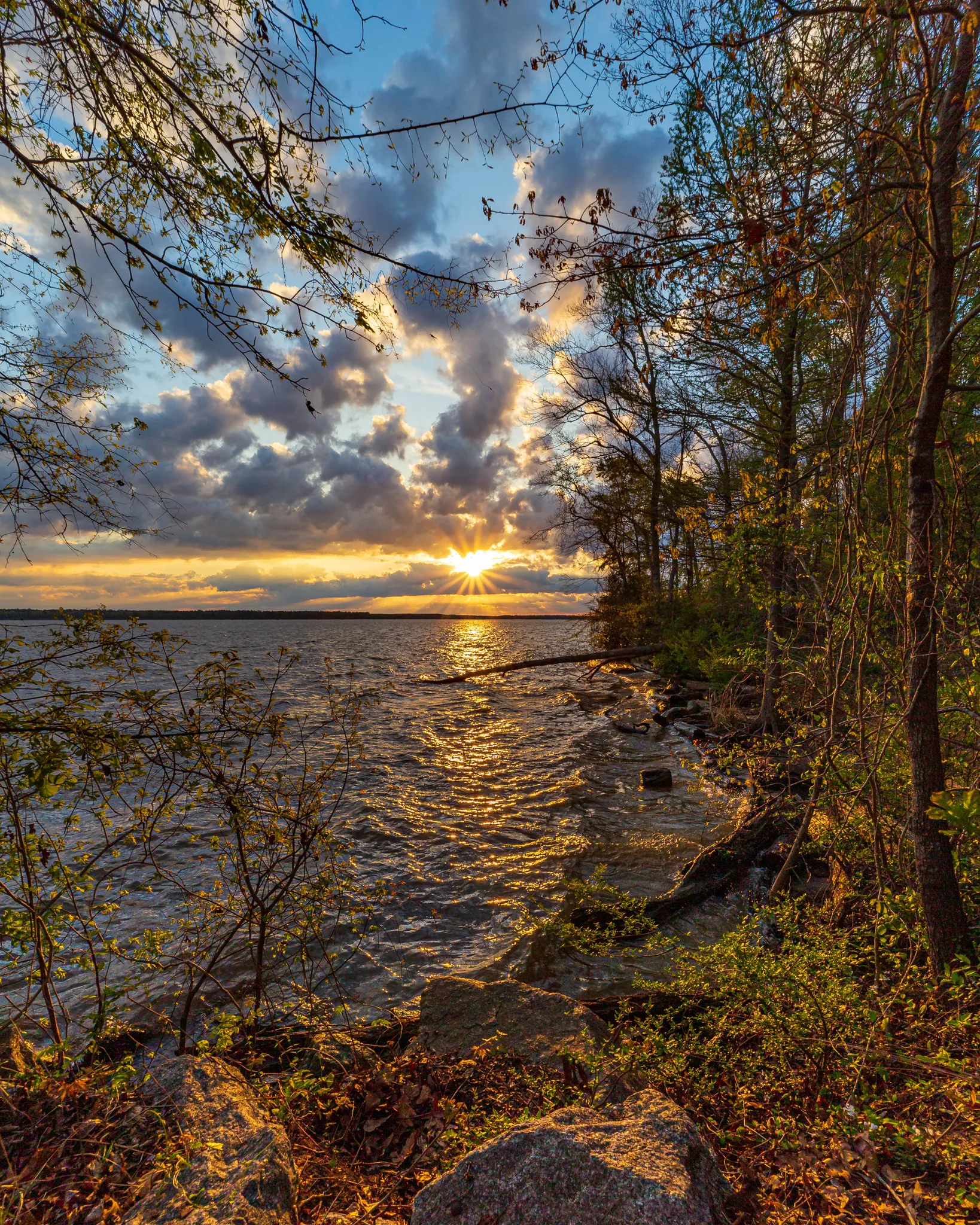
Palmetto Trail — Riding the mountains and marshes of South Carolina
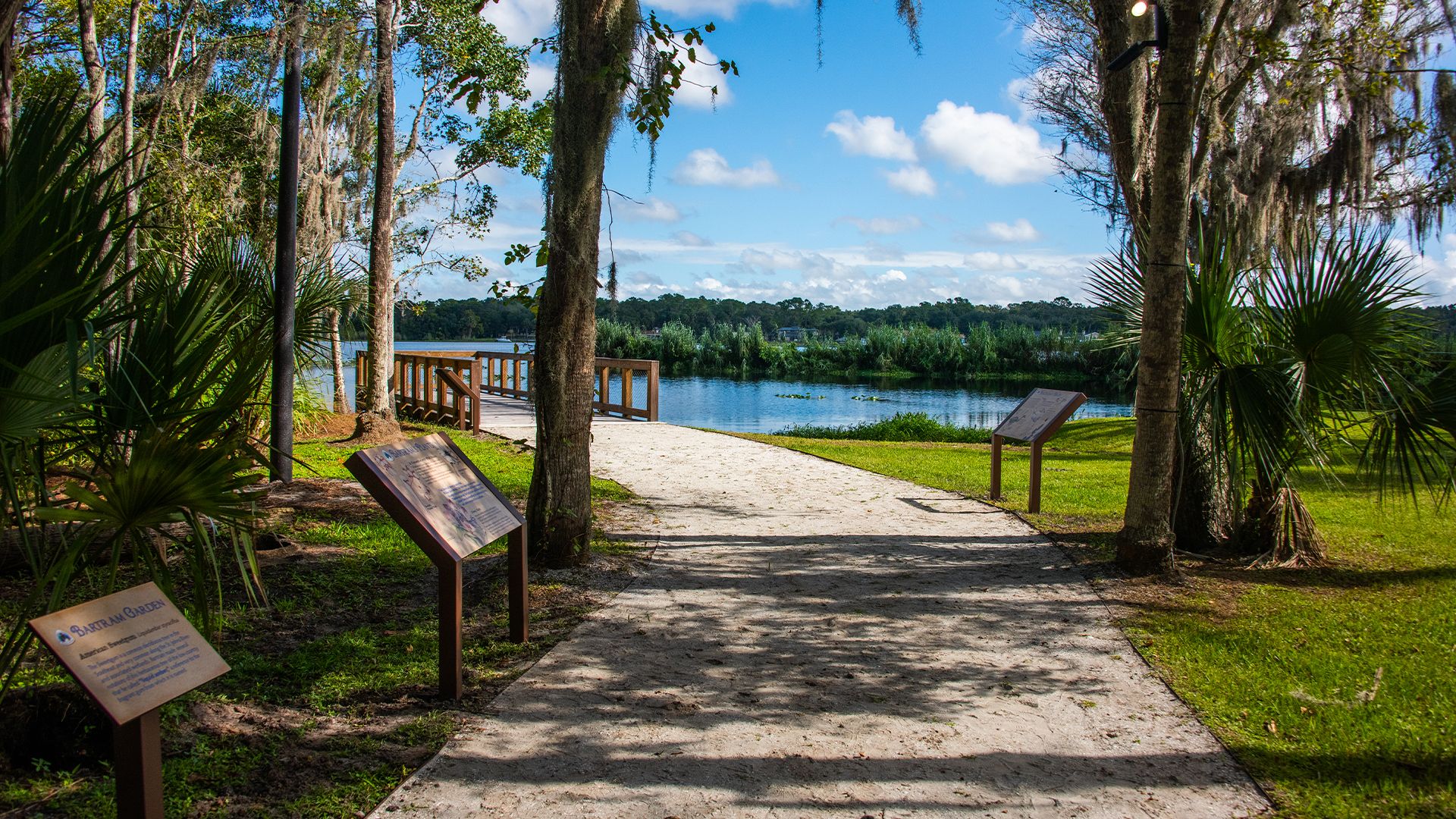
The Bartram Trail — In the footsteps of William Bartram
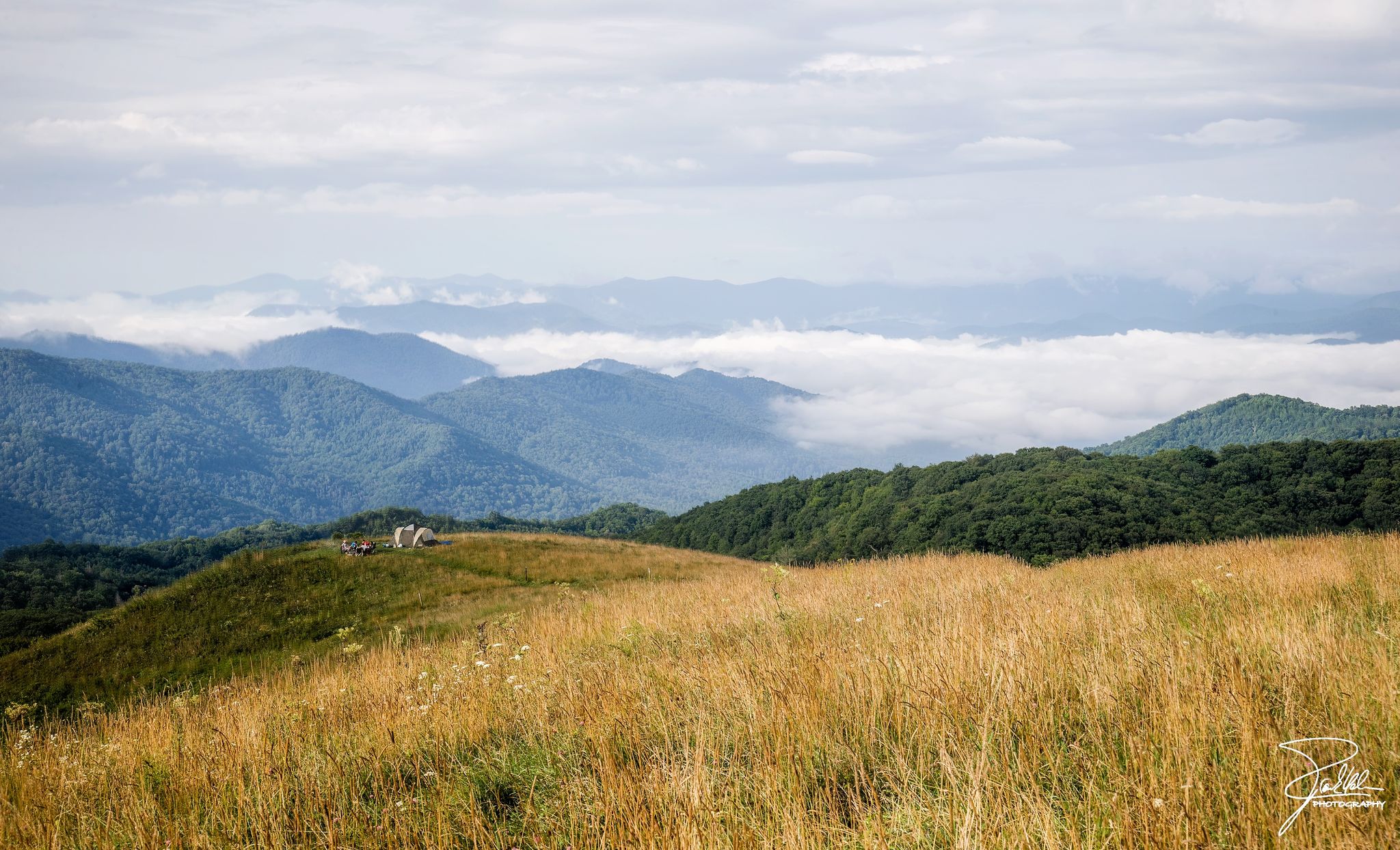
The Appalachian Trail — America's most iconic long-distance hike
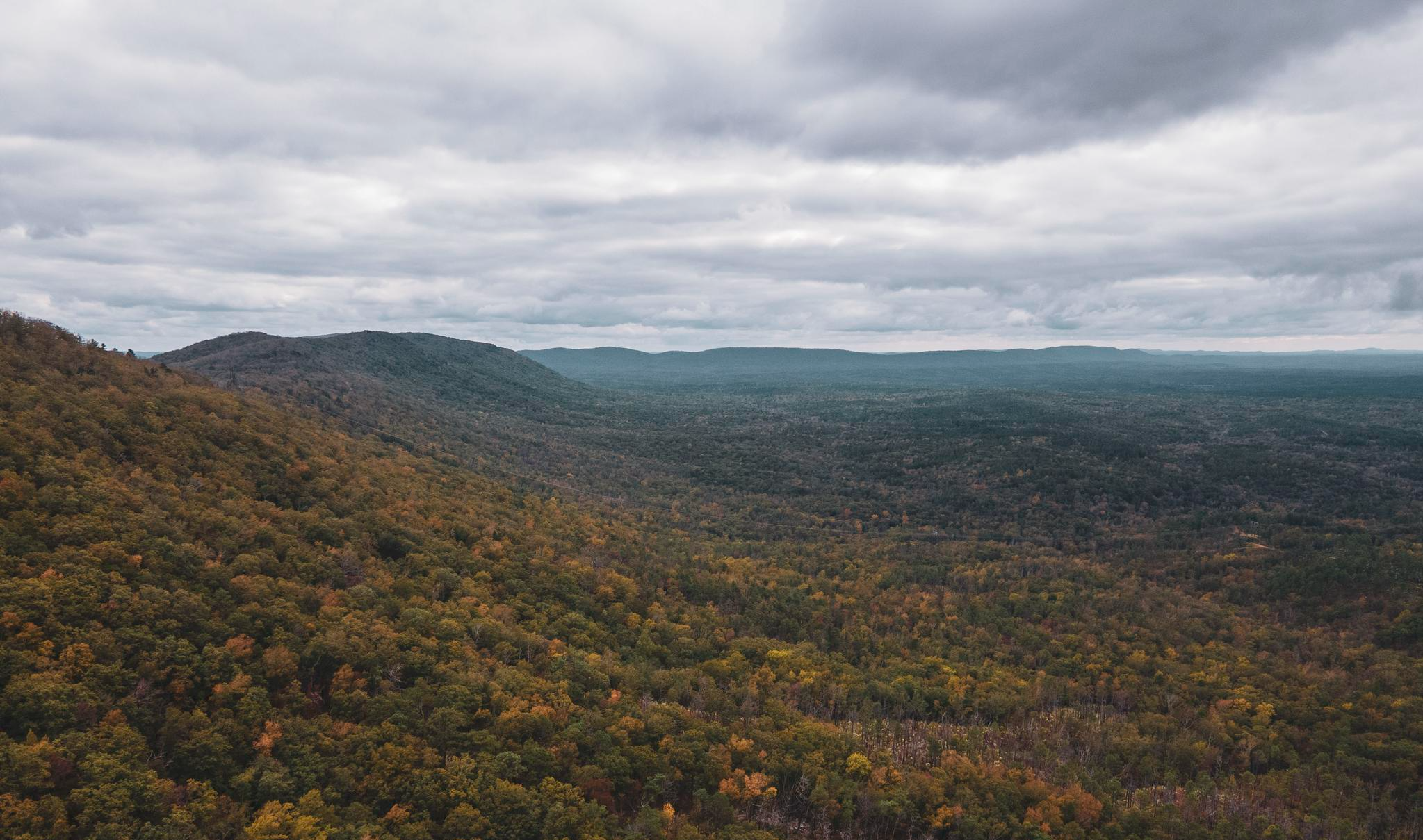
Pinhoti Trail — Alabama & Georgia's southernmost Appalachias
Other adventures in the Appalachian Mountains


Tips from the Community

5 Tips for Visiting Luray Caverns Pack a Light Jacket: The caverns stay at a constant 54°F (12°C) year-round. Even if it is a scorching summer day outside, you will want a sweater or light jacket once you get underground. Wear Comfortable Walking Shoes: The tour covers about 1.25 miles of paved pathways. While the trails are smooth and fully accessible, they can get slick from the cave's high humidity, so opt for shoes with good traction. Arrive Early or Mid-Week: As the most visited caverns in Eastern America, it gets incredibly busy. Arriving right when they open or scheduling your visit for a Tuesday or Wednesday will help you skip the biggest crowds. Don't Skip the Attached Museums: Your general admission ticket includes entry to the Car & Carriage Caravan Museum, the Shenandoah Heritage Village, and Toy Town Junction. They are located right outside the cave exit and are well worth a walkthrough. Look, But Don't Touch: It takes a stalactite roughly 120 years to grow just one cubic
0
0
Discovered in 1878, Luray Caverns is the largest and most popular cave system in Eastern America, tucked beneath Virginia’s scenic Shenandoah Valley. This National Natural Landmark features cathedral-sized rooms with soaring 10-story ceilings. Visitors can explore the underground landscape via well-lit, completely paved pathways. The caverns are famous for Dream Lake, an incredibly clear, shallow body of water that creates a perfect mirror image of the stalactites hanging above. This optical illusion makes the water appear vastly deep, though it is only about 20 inches at its lowest point. Another marvel is the Double Column, a massive 47-foot-tall formation where a stalactite and stalagmite have completely fused together over millions of years. Perhaps the most unique feature is the Great Stalacpipe Organ, recognized as the world's largest musical instrument. Invented in 1954, it uses automated, rubber-tipped mallets to gently tap naturally tuned stalactites scattered across three acres of the caverns. This setup produces haunting, symphonic-quality music that beautifully resonates through the stone chambers. Regards, Faheem Hunarwar
0
0

getting to the base will literally take your breath away when it's flowing hard.
0
0

Nice hike on reasonable paths, sometimes wet from the water that comes from the mountain. Use good shoes and bring enough water is a tip. But also to buy a parking ticket at the visitor center for that day.
0
0

Saltpeter Cave, located along the Cedar Creek Trail in Virginia's Natural Bridge State Park, is a small but historically significant cave. It was mined for saltpeter, a key component of gunpowder, during the early 19th century, particularly during the War of 1812. The cave's interior is relatively shallow — and you can actually go inside of it — but its historical importance adds interest to the trail.
0
0

It says it’s a strenuous hike but it’s really not that bad. It’s an out and back but that last small coming back up you go 1100 feet a cent. Other than that is one of the best hikes I’ve done.
0
0

You'll need multiple hands to count all the caves and waterfalls you'll pass while hiking along Virgin Falls Trail. You cross multiple streams and creeks that produce different waterfalls and cascades that you can see from the side of the trail.
0
0
Virgin Falls is a super unique waterfall. A stream flows from a high cave, drops 110 feet, then disappears into another cave at the base of the falls. There are a few different spots you can view the waterfall, but be careful the closer you get since the surrounding rocks and viewing spots can get pretty wet and slick.
0
0
Frequently Asked Questions
What unique geological features can I find in Appalachian caves?
Appalachian caves are known for diverse geological formations. You can find immense underground lakes, such as the Lost Sea at Craighead Caverns in Tennessee, and intricate flowstone formations resembling frozen waterfalls. Some caves, like Ice Caves, are unique for being made of hard quartz, while others, like Skyline Caverns, feature rare needle-like anthodite crystals. Luray Caverns in Virginia boasts 10-story-high stalactites and columns.
Are there any historically significant caves in the Appalachian Mountains?
Yes, many Appalachian caves hold significant historical value. Saltpeter Cave was mined for saltpeter during the War of 1812 and the Civil War. Gap Cave, beneath Cumberland Gap National Historical Park, served as a refuge and ammunition hideout during the Civil War. Big Bone Cave is named for ancient bones discovered there and was also mined for saltpeter. Indian Echo Caverns in Pennsylvania was once a shelter for Susquehannock Indians and French fur trappers.
Which caves are suitable for families with children?
Several caves in the Appalachian Mountains are family-friendly. Skyline Caverns and Ruby Falls are noted as family-friendly options. Mammoth Cave National Park offers a range of daily tours suitable for various ages. Luray Caverns and Bristol Caverns also provide guided tours that explain cave formations in an engaging way, making them great for families.
What kind of outdoor activities can I do near the Appalachian caves?
Beyond caving, the Appalachian Mountains offer a variety of outdoor activities. You can find numerous hiking opportunities, including easy hikes like those listed in the Easy hikes in the Appalachian Mountains guide. There are also road cycling routes, such as those in the Road Cycling Routes in the Appalachian Mountains guide, and running trails, detailed in the Running Trails in the Appalachian Mountains guide.
Are there opportunities for advanced caving or spelunking in the region?
Yes, for experienced spelunkers, Ellison's Cave in Georgia is a legendary site, known as one of the deepest caves in the United States with its 586-foot 'Fantastic Pit.' It demands skill and courage. Lost World Caverns in West Virginia also offers more adventurous 'Wild Cave Tours' for exploring undeveloped sections.
What is the best time of year to visit caves in the Appalachian Mountains?
Many caves in the Appalachian Mountains are open year-round. Winter can be a particularly good time to visit popular sites like Mammoth Cave, as tour groups tend to be smaller. However, it's always advisable to check specific cave operating hours and any seasonal considerations, such as bat hibernation periods, before planning your trip.
Are there any caves with unique underground water features?
Yes, the Appalachian Mountains feature several caves with impressive underground water features. The Lost Sea at Craighead Caverns in Tennessee houses the largest underground lake in the United States. Bristol Caverns showcases a portion of a river that carved its environment and features Bridal Veil Falls. Skyline Caverns also boasts three underground streams and a 37-foot rainbow-lit waterfall.
What should I wear or bring when visiting Appalachian caves?
When visiting Appalachian caves, it's generally recommended to wear sturdy, closed-toe shoes, as paths can be wet and uneven. Layers of clothing are advisable, as cave temperatures are consistently cool regardless of the outside weather. For more adventurous caving, headlamps, helmets, and appropriate gear are essential. Always check specific requirements for the cave you plan to visit.
Are there any caves known for their unique crystal formations?
Absolutely. Crystal Cave in Pennsylvania is known for its shining calcite and aragonite crystals, including a 14-foot tall 'totem pole' formation. Skyline Caverns is one of the few places globally to feature anthodite formations, which are needle-like crystals that grow in all directions. The Lost Sea at Craighead Caverns also contains over half of the world's anthodites.
What is the deepest cave in the Appalachian Mountains?
Ellison's Cave in Georgia, located on Pigeon Mountain, is renowned as one of the deepest caves in the United States. It is famous for its 'Fantastic Pit,' a vertical drop of 586 feet, making it a significant challenge for experienced cavers.
Can I explore caves that are not commercially developed?
While many popular caves offer guided tours, some areas provide opportunities for more rugged exploration. For instance, Mount Percival Caves offers a challenging route with tight squeezes and steep bouldering sections. For undeveloped sections, some commercial caves like Lost World Caverns offer 'Wild Cave Tours.' Always check for necessary permits and safety guidelines before attempting to explore undeveloped caves.
Where can I find information about easy hikes near Appalachian caves?
For easy hikes near Appalachian caves, you can refer to the Easy hikes in the Appalachian Mountains guide. It features routes like the Lake Minnewaska Carriage Road Loop and the Flume Gorge Trail, which are suitable for a less strenuous outdoor experience.
Are there any caves that offer a glimpse into ancient human history?
Yes, Devilstep Hollow Cave near Dayton, Tennessee, is considered a 'time capsule' due to its prehistoric carvings, ancient riverbeds, and evidence of human exploration thousands of years ago, including bones, pottery fragments, and rock art. The Lost Sea at Craighead Caverns also has discoveries of arrowheads and pottery from the Cherokee Tribe.
Most popular routes in the Appalachian Mountains
Most popular attractions in the Appalachian Mountains

Get inspired with the komoot mobile app


Explore more
Extend your search for the best caves by checking out these guides of the top ones in the Appalachian Mountains:
