Top 18 Castles in the Texel Group
Castles in the Texel Group are situated within or near the Texelgruppe, a mountain range and nature park in South Tyrol, Italy. This region is known for its natural beauty and hiking opportunities. The castles provide a cultural and historical counterpoint to the natural landscapes, offering insights into the area's rich past. Exploring these sites offers a deeper understanding of the region's heritage.
Best castles in the Texel Group
- The most popular castles is View of Tirolo Castle, a…
Last updated: May 9, 2026
View of Tirolo Castle
Highlight • Viewpoint
Translated by Google •
Tip by

Brunnenburg Castle
Highlight • Castle
Translated by Google •
Tip by

Sign up now to discover places like this
Get recommendations on the best single tracks, peaks, & plenty of other exciting outdoor places.
Sign up for free
View of Schloss Tirol, Brunnenburg and vineyards from Dorf Tirol
Highlight • Viewpoint
to the Brunnenburg.
Welcome to Tirol Castle, the residential castle of the Counts of Tyrol. The castle gave the state of …
Translated by Google •
Tip by
Tyrol Castle (Schloss Tirol)
Highlight • Castle
Translated by Google •
Tip by

View from the Pulverturm over Merano
Highlight • Viewpoint
Translated by Google •
Tip by

View of Tyrol Castle
Highlight • Castle
Translated by Google •
Tip by

View of Thurnstein Castle
Highlight • Castle
West of Schloss Tirol, at about the same height, at the crossroads of the paths leading from Algund and Gratsch to Tirol, Schloss Thurnstein stands …
Showing Translation
Tip by

Hochnaturns Castle
Highlight • Castle
Translated by Google •
Tip by

View of Juval Castle
Highlight • Viewpoint
Translated by Google •
Tip by

Kallmünz Castle
Highlight • Castle
The name of the residence built in the 14th century comes from Andrä Kalmüntzer from Kallmünz in the Upper Palatinate, …
Translated by Google •
Tip by
Sign up for free to discover even more castles in the Texel Group.
Sign up for free
Already have an account?
Start today with a free account
Your next adventure awaits.
Login or Signup
Popular around Texelgruppe
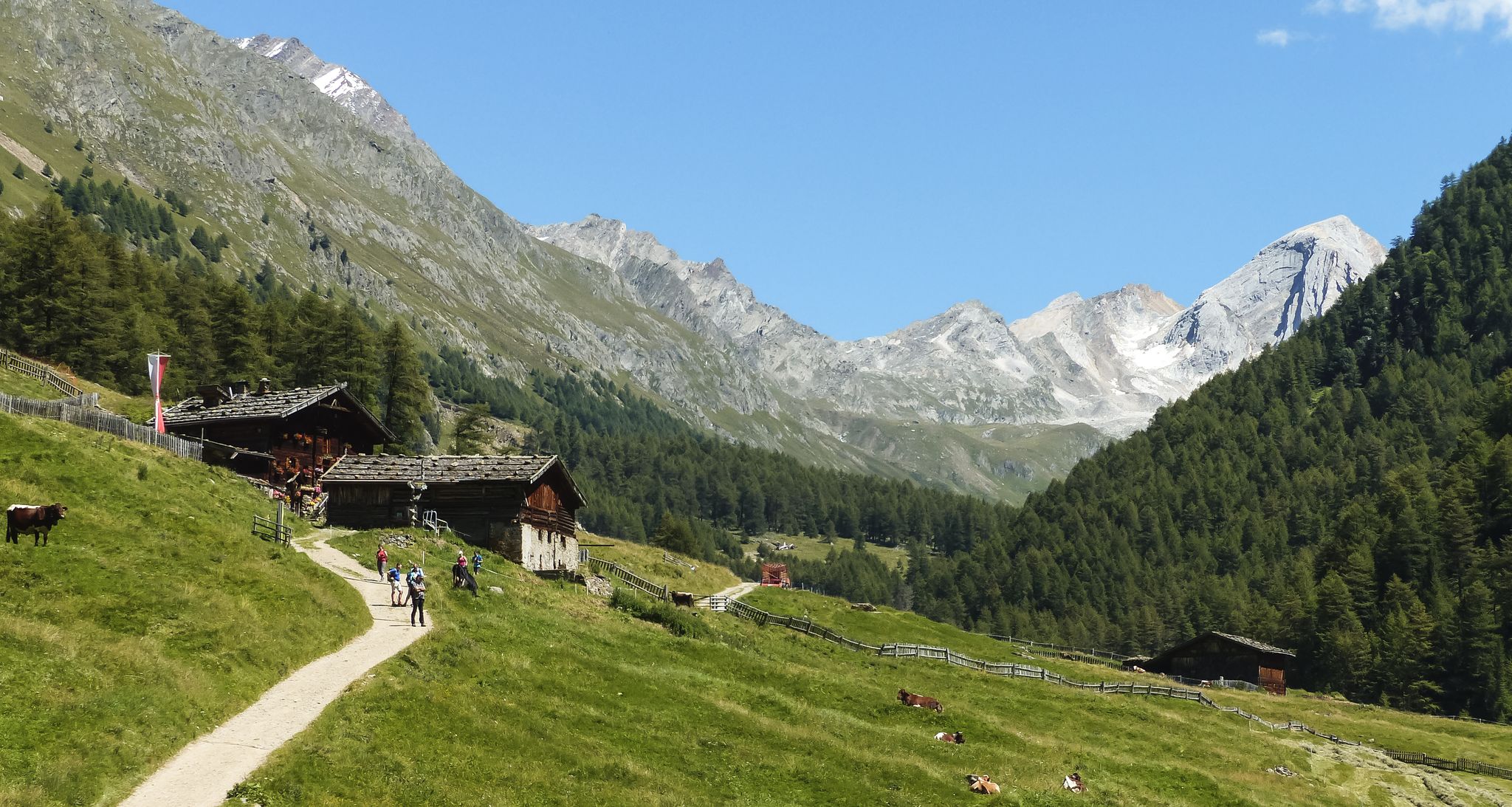
Meraner Höhenweg — in 8 stages through sunny South Tyrol
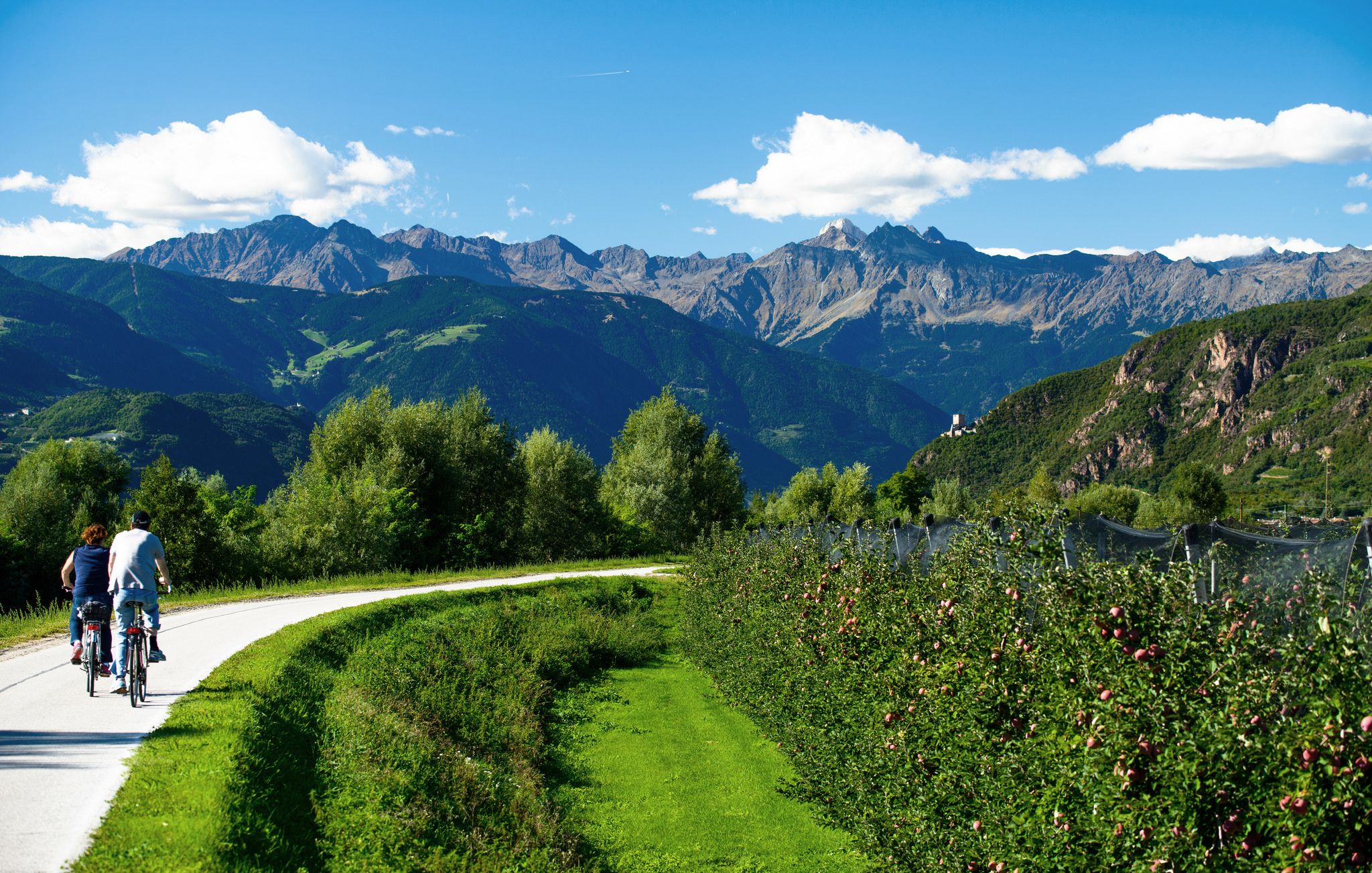
Adige Valley Cycle Path – Through South Tyrol
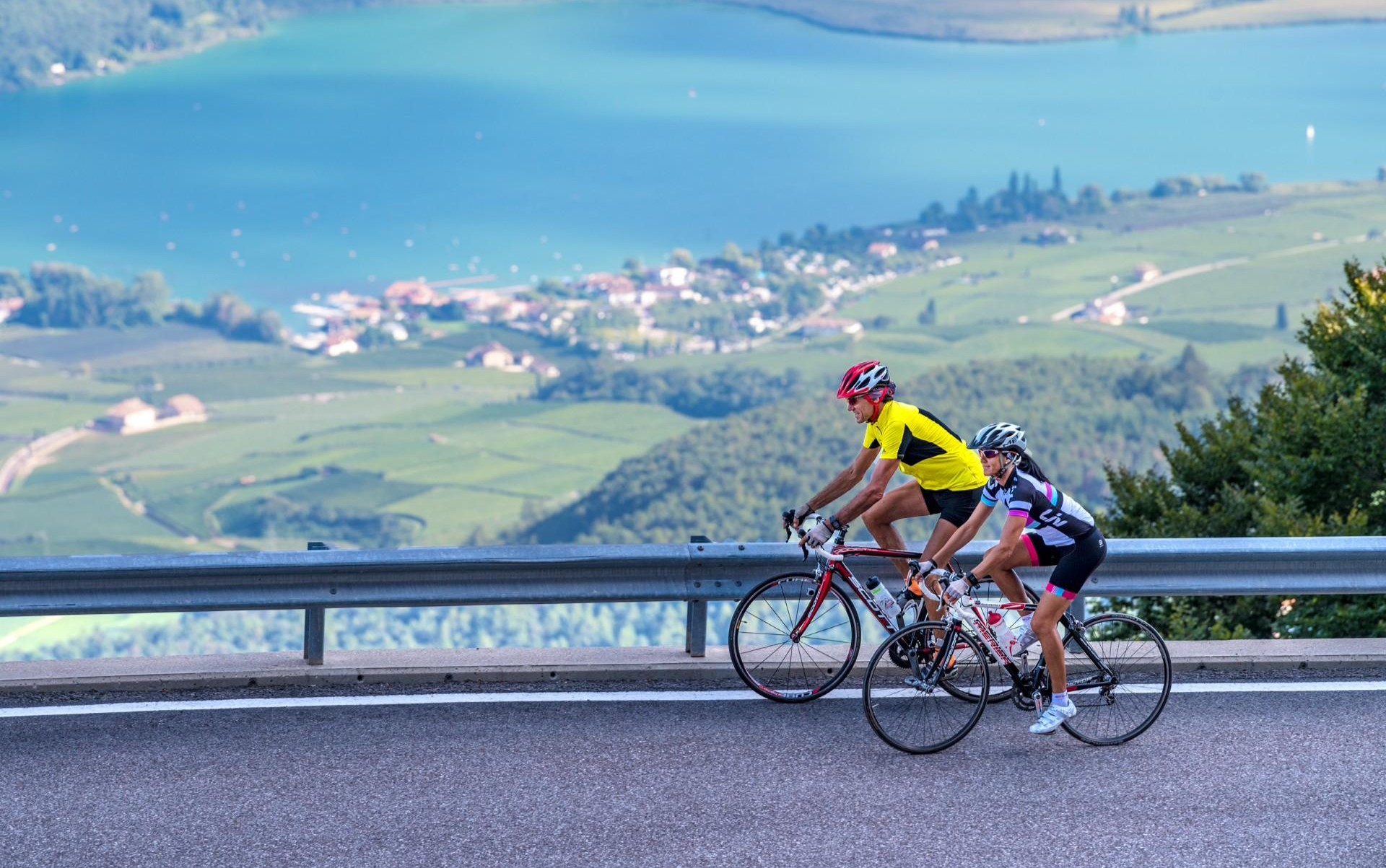
Build up your fitness in the South Tyrolean spring
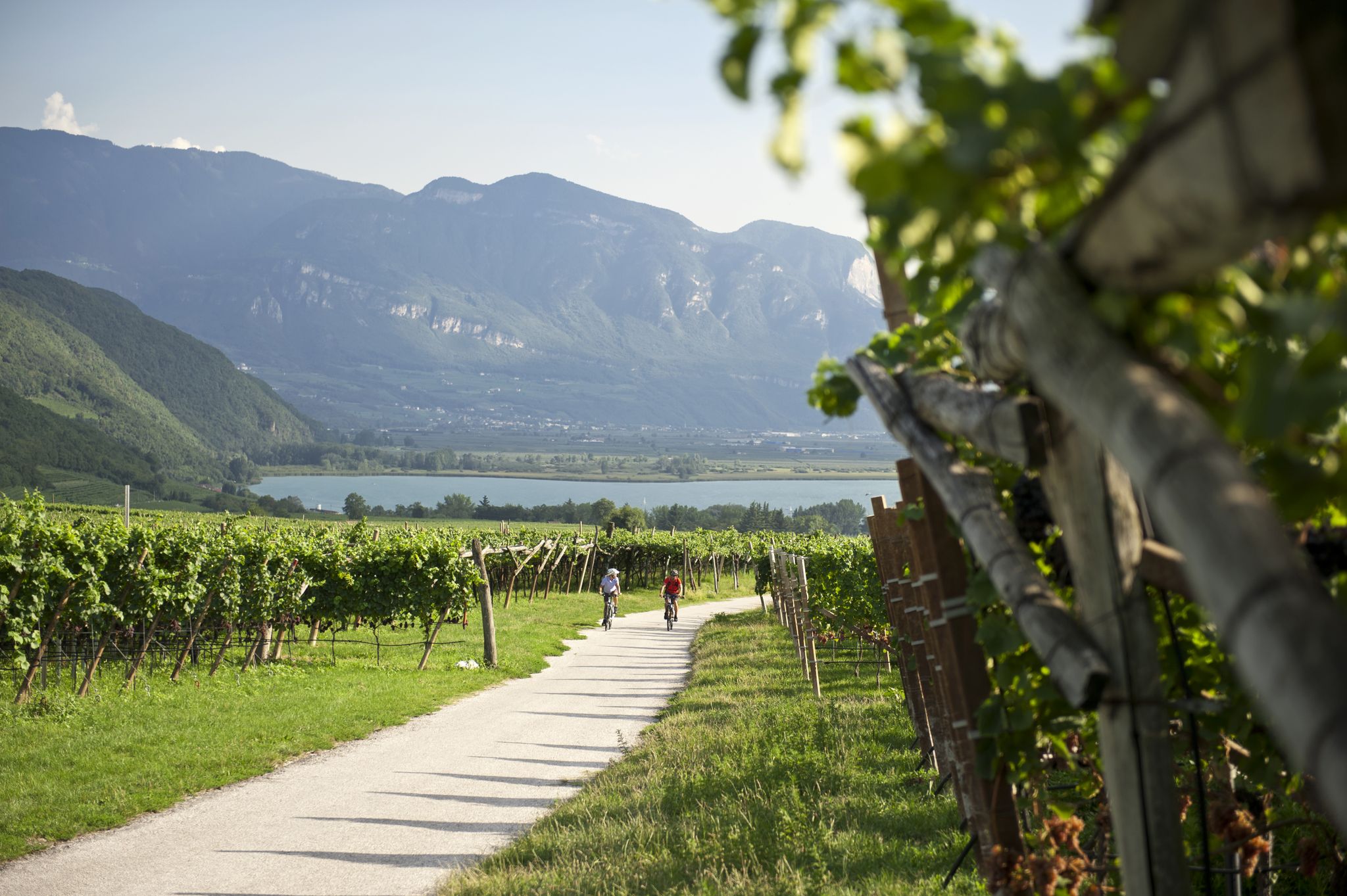
Road cycling through the vineyards of Alto Adige
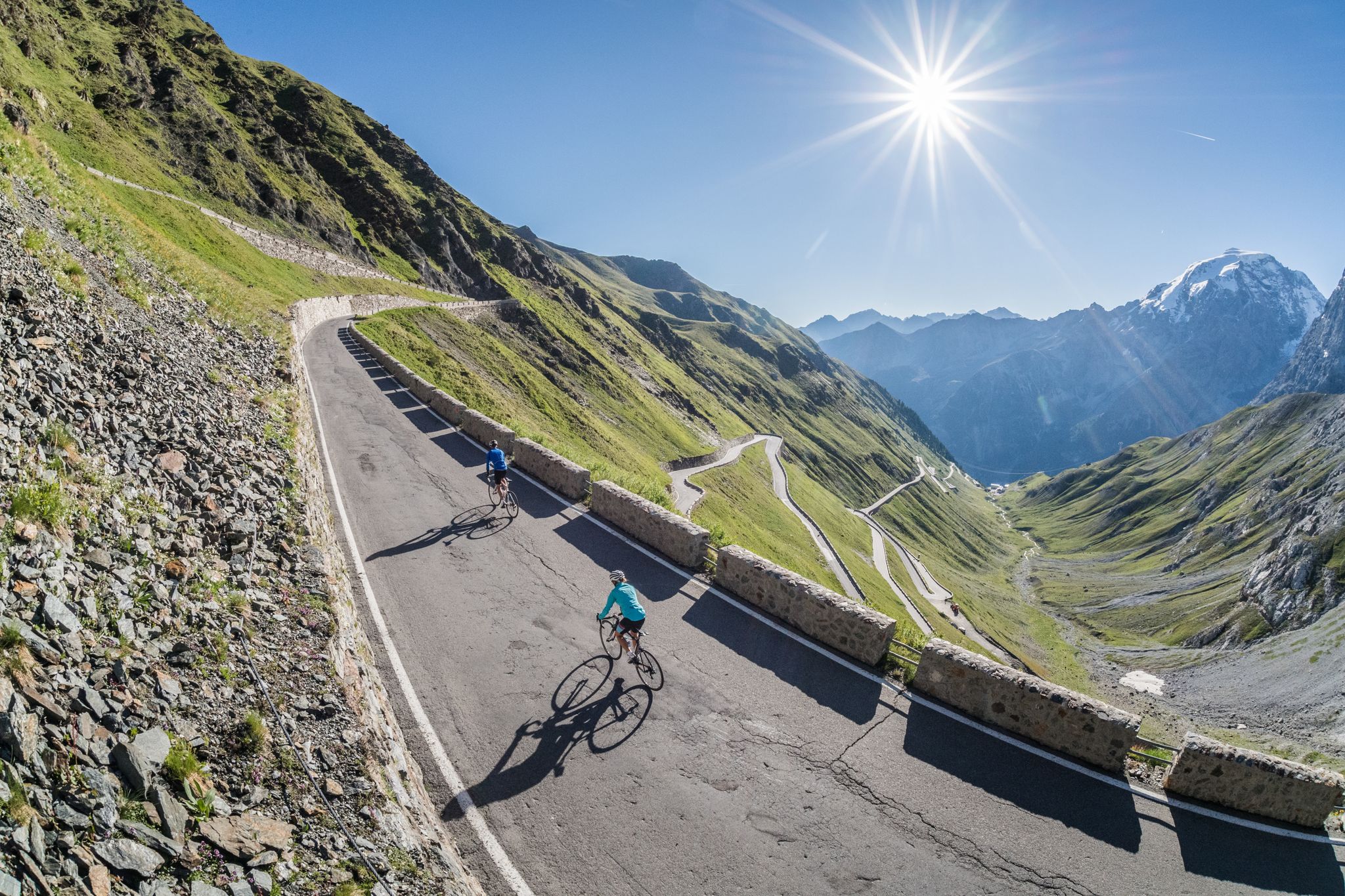
Road biking in South Tyrol
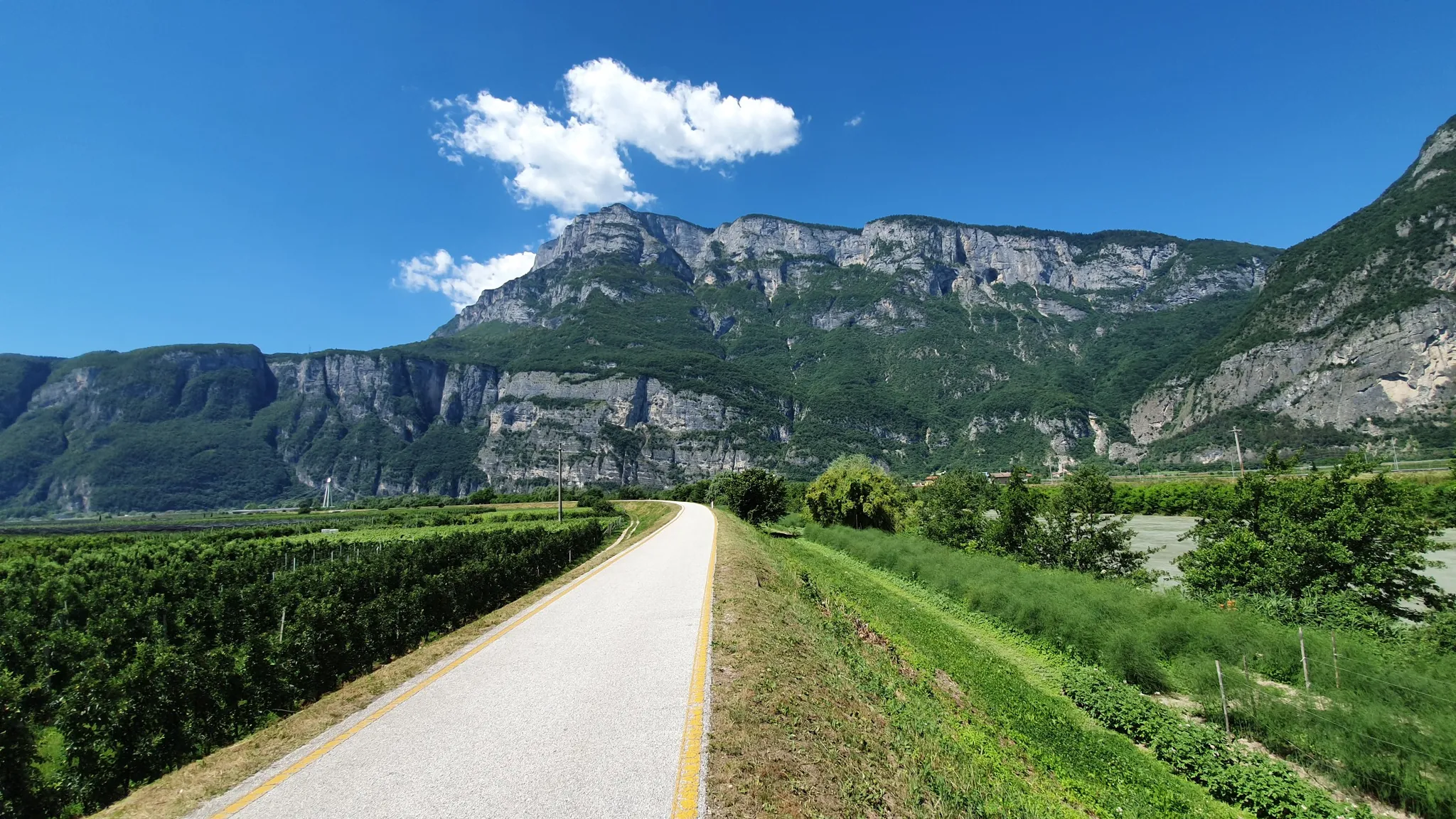
Ride a Roman road in Northern Italy – Claudia Augusta Cycle Path
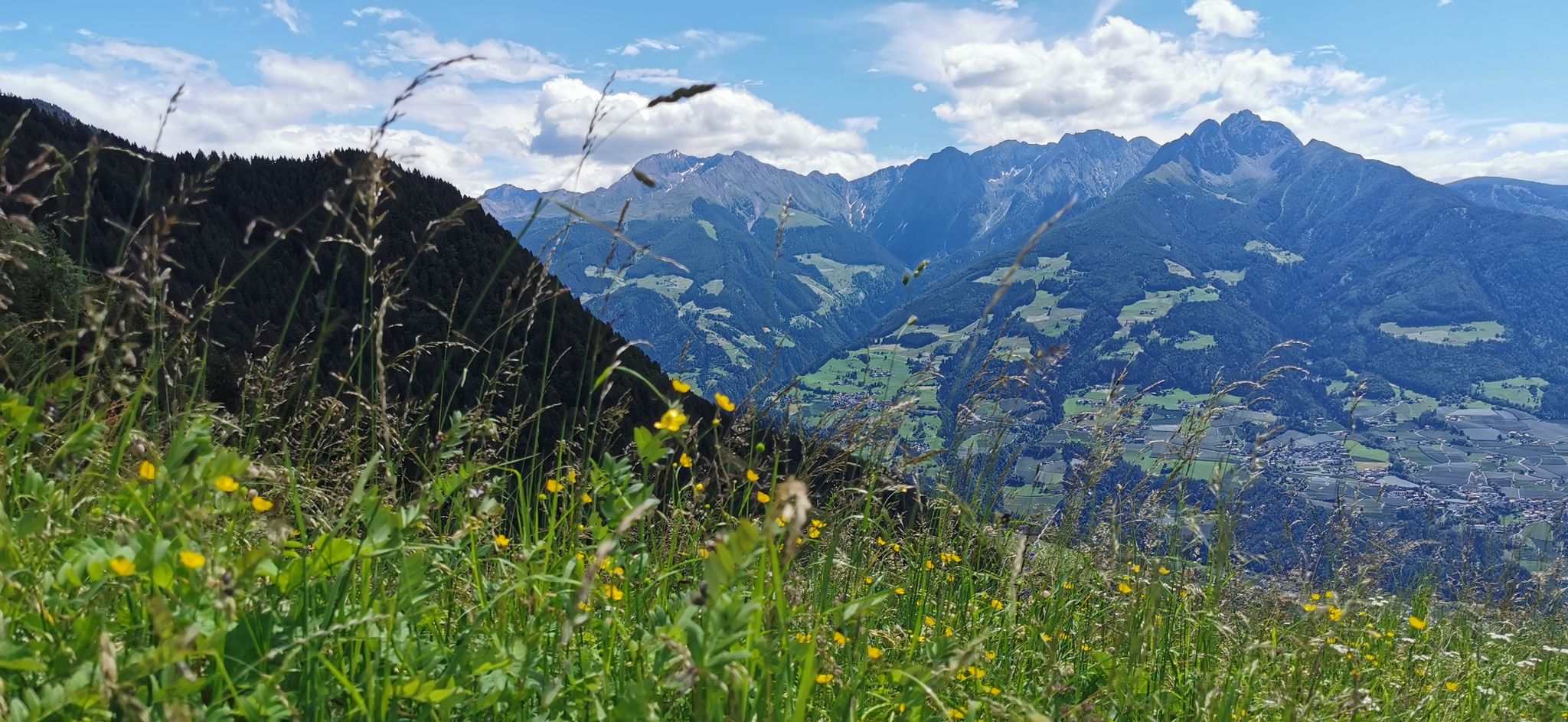
Extraordinary mountains – hiking around Merano in northern Italy
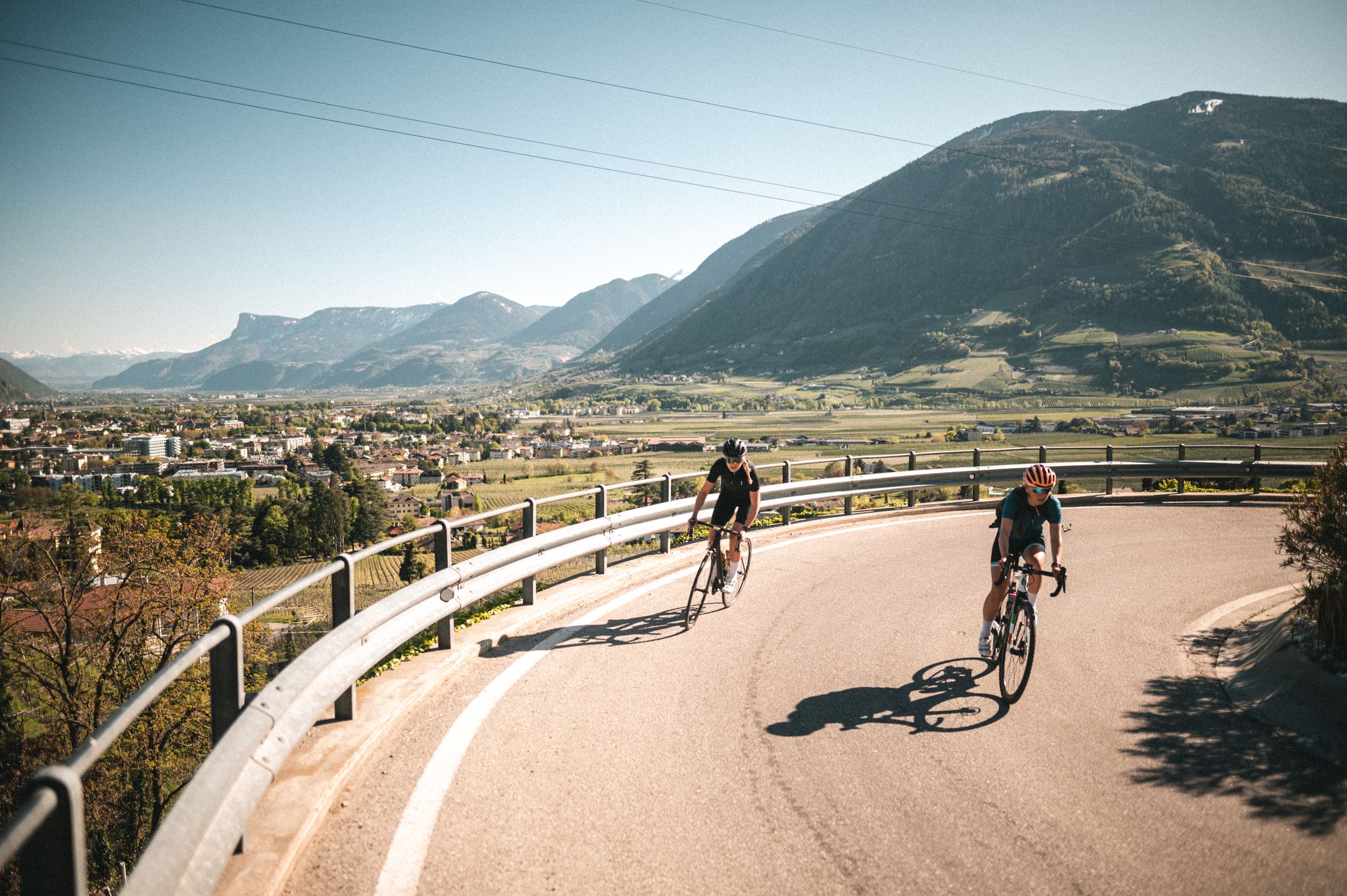
So much variety, so much South Tyrol
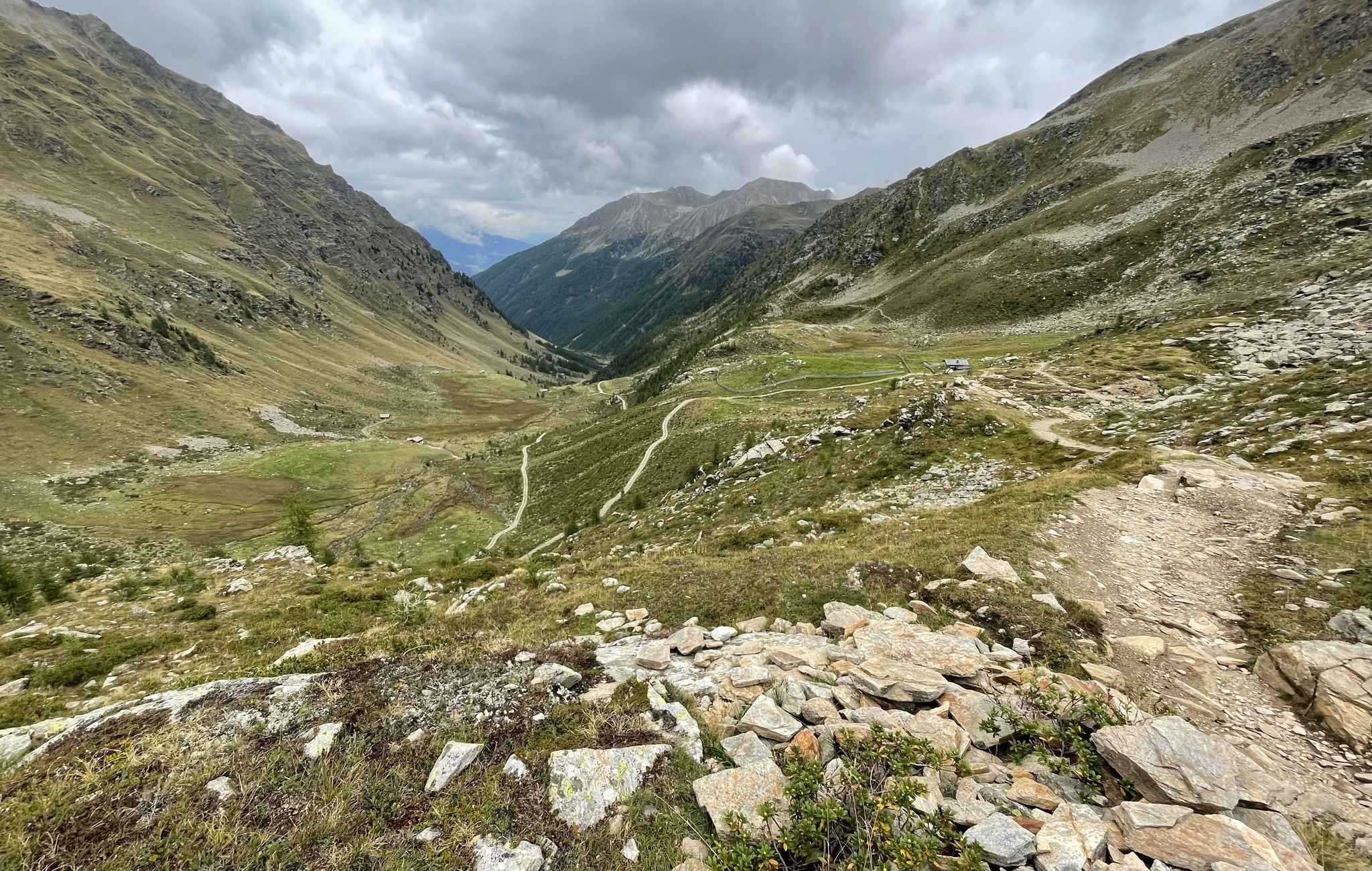
Between rocks and glaciers in Italy – Tour of Ortles by MTB
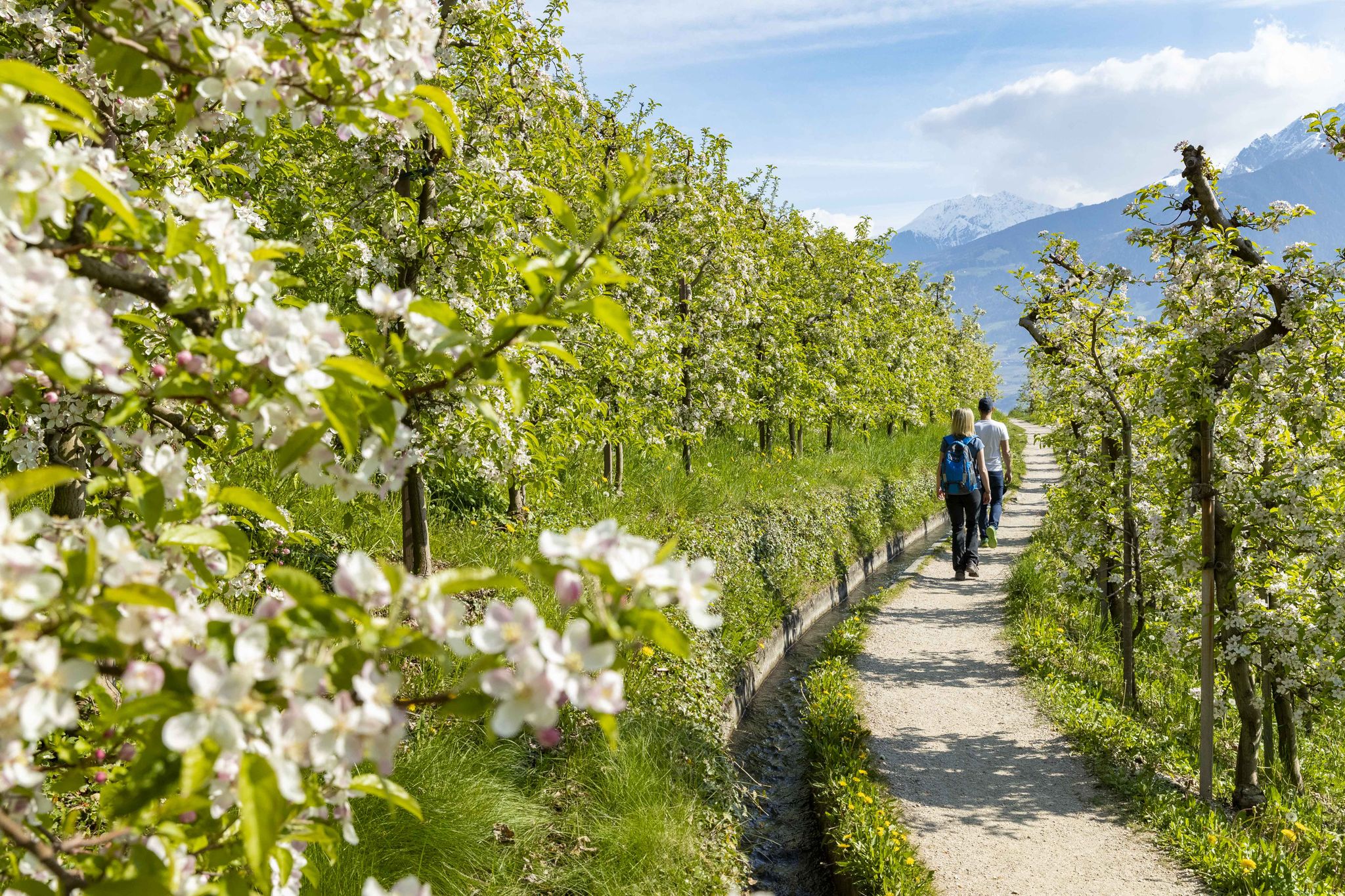
On the trail of the water along Italy’s Marlinger Waalweg
Other adventures in the Texel Group


Tips from the Community

Schloss Thurnstein, St. Peter, Tirolo West of Schloss Tirol, at about the same height, at the crossroads of the paths leading from Algund and Gratsch to Tirol, Schloss Thurnstein stands like a guardian amidst the vineyards. A massive and high tower, connected to a 16th-century residential building, which was extended in the 19th century and completed in the 20th century. Originally, the tower bore the name Platzleid or Platzlei and is mentioned in the second half of the 13th century. In 1282, Meinhard II enfeoffed it to Konrad Milser. The name Thurnstein first appears in 1478. In the following period, various families held the castle in fief: Heustadel, Katzpöck, Planta, Eyrl Rottenpuecher, and Wittenbach. At the turn of the 17th century, Thurnstein came into the possession of Alexander von Egen, whose descendants still own it today. Currently, the castle is a restaurant where one can drink the famous Napoleon wine. The wine variety was named upon the arrival of the news of the capture of the French Emperor Napoleon III at Sedan in 1870 during the Franco-Prussian War. Text / Source: Tourismusverein Dorf Tirol, Hauptstraße 31, 39019 Dorf Tirol https://www.dorftirol.com/sehenswuerdigkeiten/schloss-thurnstein/
13
0


Beautiful area with a great view 😎
0
0

It's always worth exploring this area! Have fun!
0
0
Great area. A trip here is great fun. In Germany, more precisely near Regensburg in the Upper Palatinate, there is also a place with the same name!
0
0

I have never been there myself, but I have heard from other guests that it is very nice
0
0

Merano, the Tappeiner Promenade and the shops in the alleys are very nice to walk around and you can eat very well everywhere.
0
0

With its corner bay window, the block-like residential building and the stair tower, Kallmünz Castle is a typical Tyrolean noble residence. The complex consists of four building sections, as well as an inner courtyard and park, and has always been surrounded by a wall, some of which is crowned with battlements. Although the castle is generally not open to the public, certain rooms are used as a gallery and opened 3-4 times a year. The former outbuilding also houses a restaurant. The garden of Kallmünz Castle, on the other hand, serves as a picturesque setting for operas and festivals such as the Kallmünz Festival Meran. The residence is still owned by a noble family today.
3
0
Frequently Asked Questions
Which castles in the Texelgruppe region are most significant historically?
The most historically significant castle is Tyrol Castle (Schloss Tirol), which gave the entire state of Tyrol its name. It is exceptionally well-preserved and houses a museum detailing South Tyrolean history. Brunnenburg Castle, built around 1250, also has a rich history and has served as a center for cultural encounters.
Are there any castles in the Texelgruppe that are particularly family-friendly?
Yes, several castles and viewpoints are considered family-friendly. Tyrol Castle (Schloss Tirol) offers an engaging museum and impressive facilities that are easy to explore. Brunnenburg Castle and the View of Tirolo Castle are also great options for families, providing historical context and scenic views.
What kind of views can I expect from the castles in the Texelgruppe?
Many castles and associated viewpoints offer breathtaking panoramic views. From Tyrol Castle (Schloss Tirol), you can see the Etsch Valley and the Vinschgau. The View of Tirolo Castle provides excellent panoramic views of the Meraner valley. Juval Castle, perched on a rocky spur, offers stunning vistas down into the Vinschgau Valley and the Schnalstal.
Can I visit Reinhold Messner's castle in the Texelgruppe region?
Yes, Juval Castle is the private residence of renowned mountaineer Reinhold Messner and houses one of his Messner Mountain Museums. It's a unique opportunity to explore historical architecture combined with Messner's fascination for mountains and their cultures.
Are there hiking trails near the castles in the Texelgruppe?
Absolutely. The Texelgruppe is known for its hiking opportunities. You can find many easy hikes in the region, such as the 'Tyrol Culture Trail' or the 'Meraner Höhenweg: Hans-Frieden-Felsenweg'. For more options, explore the Easy hikes in the Texel Group guide.
What other outdoor activities are available near the Texelgruppe castles?
Beyond hiking, the region offers excellent cycling opportunities. You can find road cycling routes like 'Castles, vineyards and renowned wineries: through the Adige Valley between Bolzano and Merano' in the Road Cycling Routes in the Texel Group guide, or touring bicycle routes such as 'From Merano to San Leonardo along the Val Passiria cycle path' in the Cycling in the Texel Group guide.
Is Kallmünz Castle open to the public?
Kallmünz Castle, located in Merano, is generally not open for daily public visits as it is a typical Tyrolean noble residence. However, it occasionally serves as an exhibition space approximately 3-4 times a year, offering a chance to see its historical interiors.
What is the best time to visit the castles in the Texelgruppe?
The Texelgruppe region is beautiful year-round. Spring and autumn offer pleasant temperatures for exploring and hiking, with vibrant colors. Summer is ideal for combining castle visits with alpine activities. While some castles might have reduced hours or closures in winter, the region can still be visited, though specific access might vary.
Are there cafes or restaurants directly at or near the castles?
Yes, some castles offer dining options. Tyrol Castle (Schloss Tirol) has both a cafe and a restaurant. Thurnstein Castle also features a restaurant and cafe, making it convenient for visitors to enjoy refreshments or a meal during their visit.
What makes the Texelgruppe region unique for castle exploration?
The Texelgruppe offers a unique blend of historical castles set against a backdrop of stunning natural beauty. While primarily known for its nature park and hiking, the castles provide a cultural and historical counterpoint, allowing visitors to delve into South Tyrol's rich heritage alongside pristine alpine landscapes. You can explore well-preserved medieval structures like Tyrol Castle while enjoying views of the Etsch Valley.
Can I see multiple castles from a single viewpoint?
Yes, the View of Schloss Tirol, Brunnenburg and vineyards from Dorf Tirol offers an impressive perspective where you can see both Tyrol Castle and Brunnenburg Castle simultaneously, along with the surrounding vineyards.
Most popular routes in the Texel Group
Most popular attractions in the Texel Group

Get inspired with the komoot mobile app


Explore more
Looking for the best castles somewhere else? Discover other guides in the Texel Group:
