The 7 Most Amazing Peaks in Monongahela National Forest
Best mountain peaks in Monongahela National Forest offer a diverse range of elevations and ecological features. This region in West Virginia encompasses over 230 named mountain peaks and more than 800 miles of hiking trails. The forest's varied ecosystems include highland bogs and spruce forests, contributing to its status as one of the most ecologically diverse forests in the eastern United States. It also features several wilderness areas, providing rugged terrain for exploration.
Best mountain peaks in Monongahela National Forest
- The most popular mountain peaks is Rocky Knob, a viewpoint that is a prominent point on a rocky ridge. It offers expansive views of the surrounding area.
- Another must-see spot is Chimney Top Rock, a viewpoint offering excellent views. This location is generally less crowded than other nearby sites.
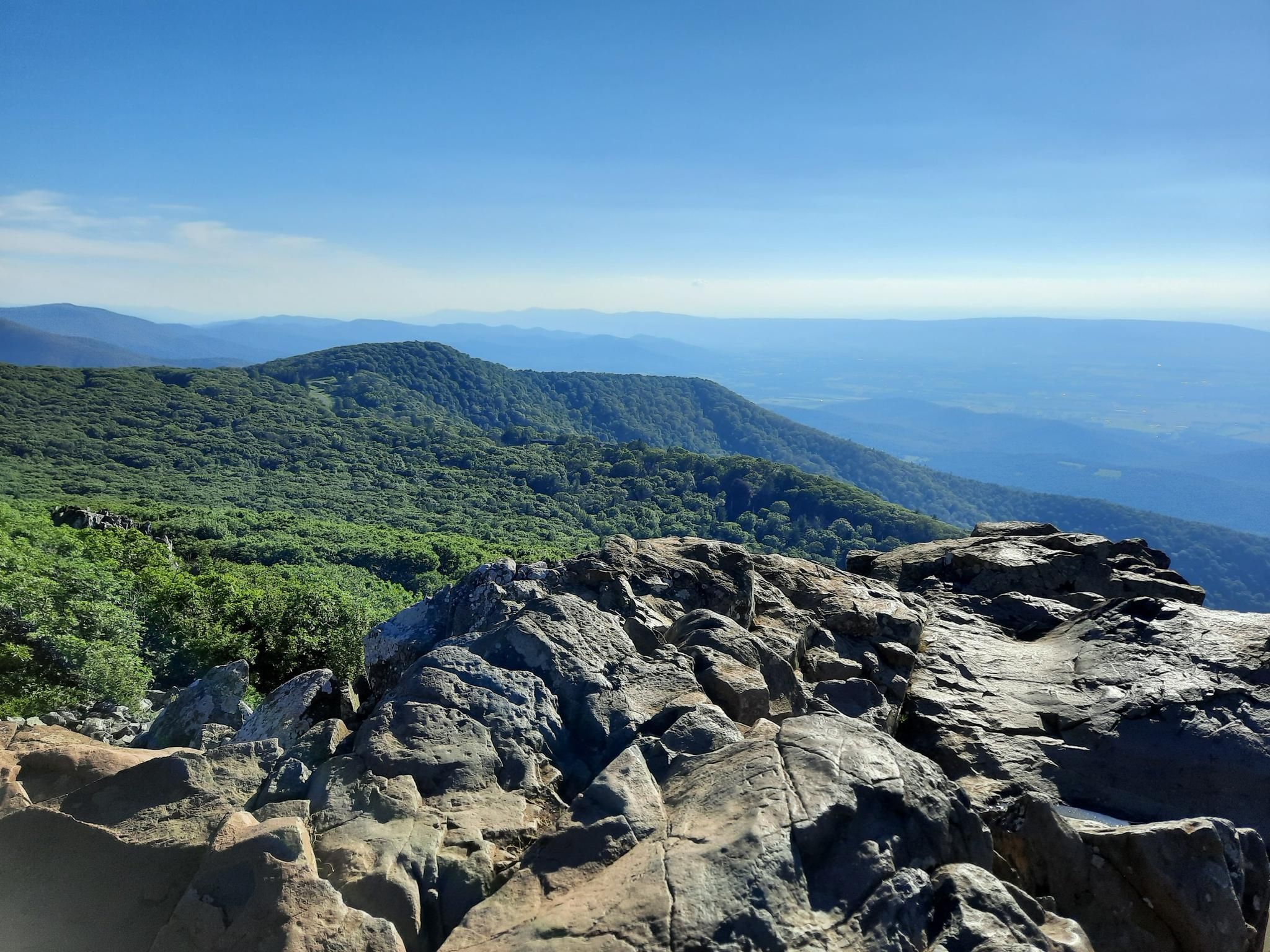
- Visitors also love Gaudineer Knob overlook, a viewpoint recognized for its untouched red spruce forest. A short loop trail leads to a bench with a panoramic vista of the Shavers Fork Valley.
- Monongahela National Forest is known for its viewpoints, natural monuments, and summits. The area offers a variety of mountain peaks to see and explore, from high-elevation points to unique rock formations.
- The mountain peaks in Monongahela National Forest are appreciated by the komoot community, with 4 upvotes and 2 photos shared across the highlights.
Last updated: October 11, 2026
Rocky Knob
Highlight • Viewpoint
Tip by

Chimney Top Rock
Highlight • Viewpoint
Tip by
Sign up now to discover places like this
Get recommendations on the best single tracks, peaks, & plenty of other exciting outdoor places.
Spruce Knob Observation Tower
Highlight • Viewpoint
Trail is very easy, mainly gravel. No special hiking shoes required.
Tip by

Table Rock Overlook
Highlight • Viewpoint
Tip by
Gaudineer Knob overlook
Highlight • Viewpoint
Tip by

Sign up for free to discover even more peaks in Monongahela National Forest.
Already have an account?
Start today with a free account
Your next adventure awaits.
Popular around Monongahela National Forest
Greenbrier River & Allegheny Highlands loop — Cycling through the heart of West Virginia’s wild beauty
Allegheny Trail — A remote Appalachian adventure
Greenbrier River Trail — Biking West Virginia's Longest Rail Trail
Stunning views, waterfalls and adventures in northeast USA
Hiking in Monongahela National Forest
MTB Trails in Monongahela National Forest
Cycling in Monongahela National Forest
Road Cycling Routes in Monongahela National Forest

Gravel biking in Monongahela National Forest
Running Trails in Monongahela National Forest
Other adventures in Monongahela National Forest


Tips from the Community

Gaudineer Knob, at 4,449 feet, is the highest point of Shavers Mountain and is recognized for its untouched red spruce forest—remains of old-growth woodland that escaped logging in this area. Situated in the Monongahela National Forest, this overlook offers stunning views of the rolling West Virginia highlands. A short loop trail winds through the towering trees, leading to a bench with a panoramic vista of the Shavers Fork Valley. There are picnic tables and a vault toilet, making it a perfect spot to take a break, have a snack, and take in the incredible scenery.
0
0

The technical ride to the top is worth it, as you will be rewarded with spectacular panoramic views of the surrounding valley. After taking in the scenery, enjoy a short downhill ride back to the trailhead.
0
0

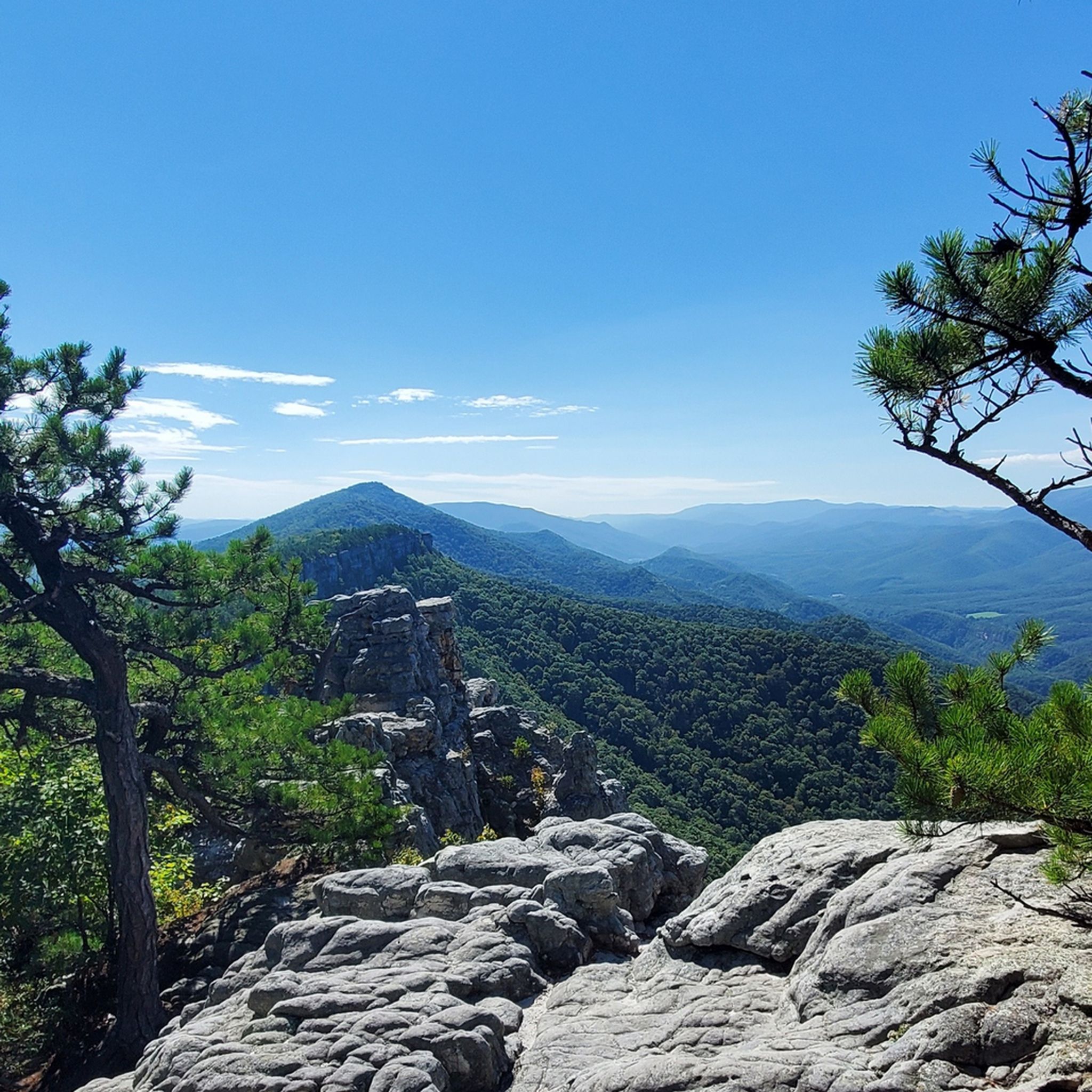
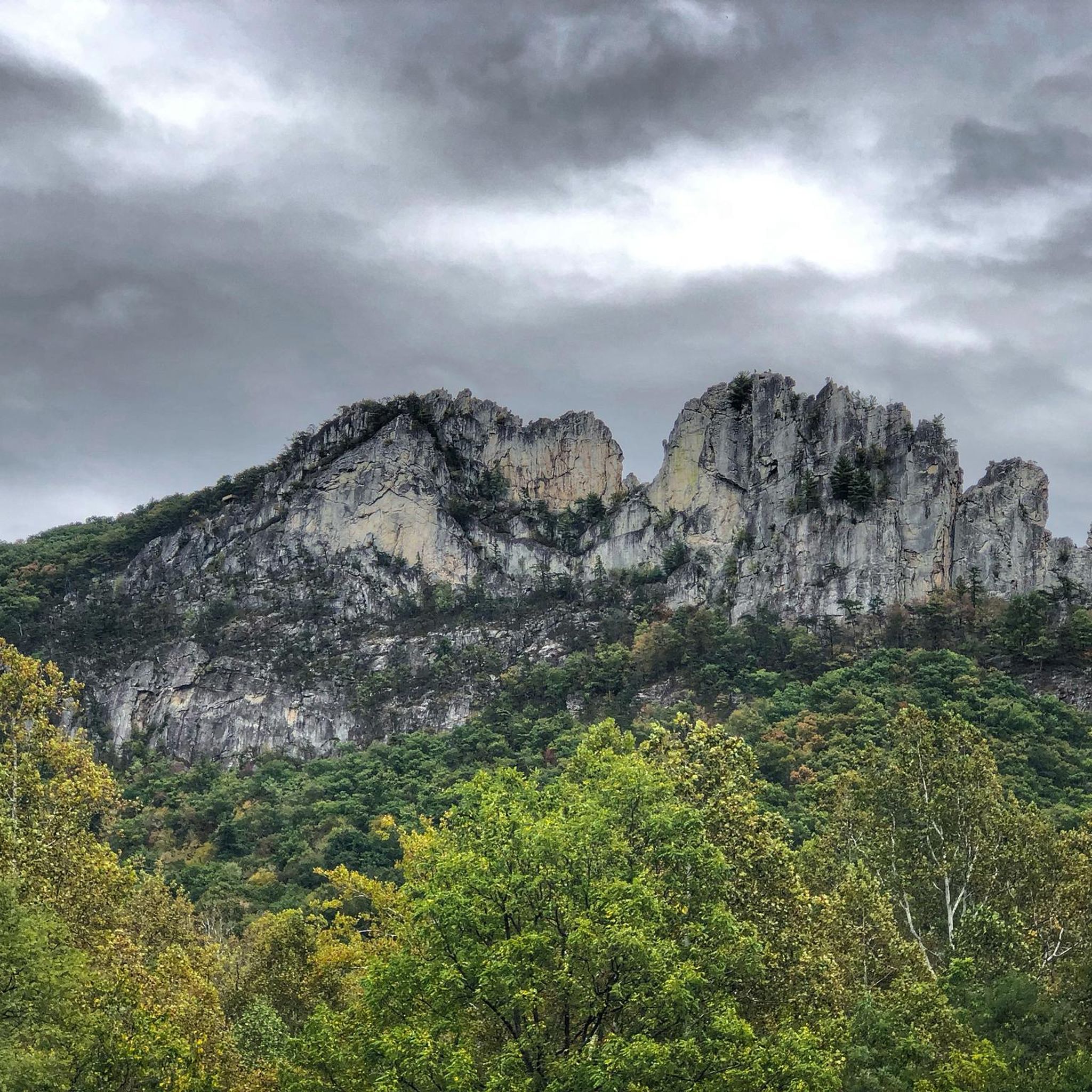
This vantage point offers excellent views and is generally less crowded than other nearby sites like Seneca Rocks. The top can be windy.
0
0
A short hike from Canaan Loop Road takes you to this overlook with views of a forested valley. Rock climbers with appropriate equipment may find the location noteworthy for its opportunities for technical rock climbing.
0
0
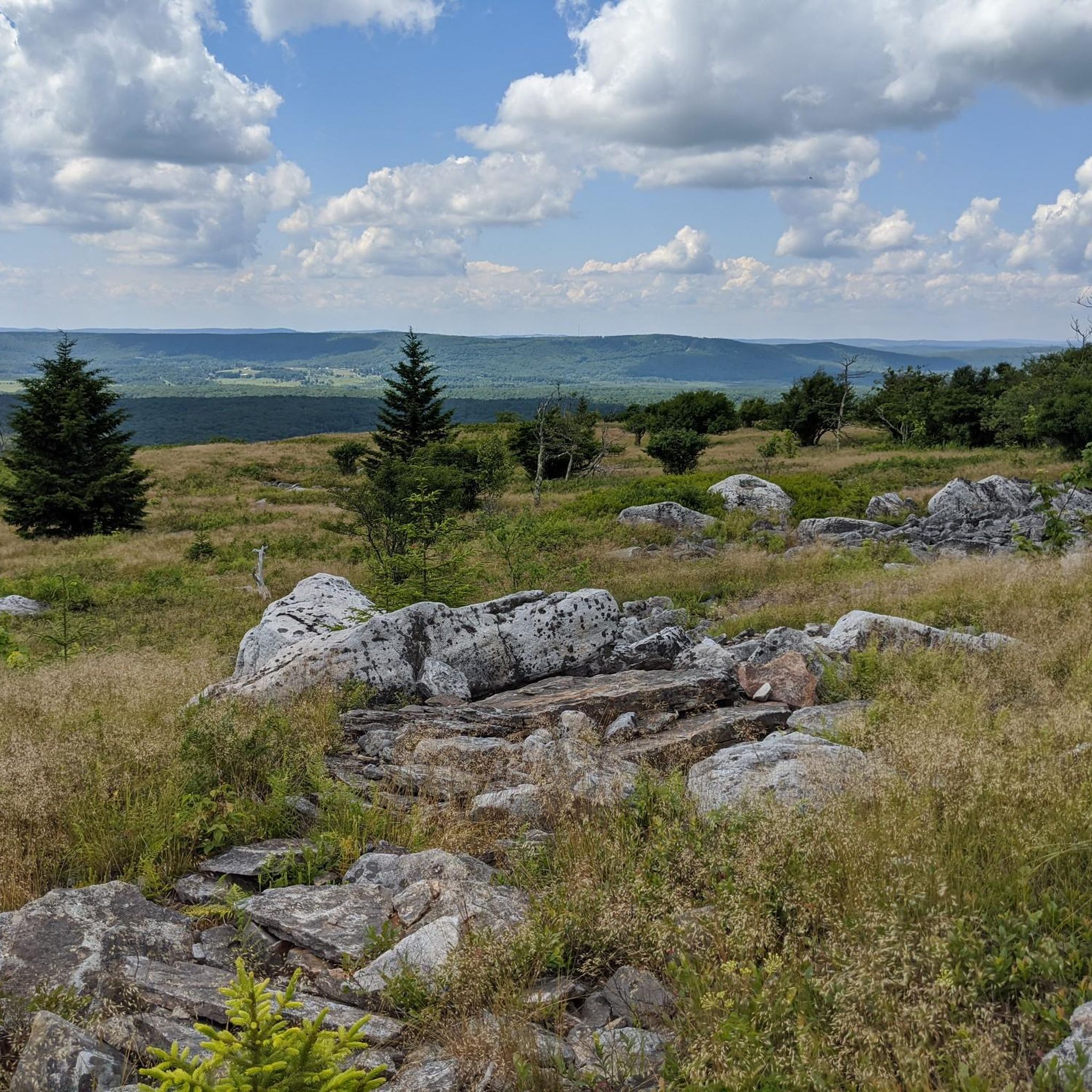
A prominent point on a rocky ridge that runs along the northwestern edge of the Dolly Sods Wilderness and offers expansive views of the surrounding area.
0
0

With an elevation of 4,863 feet Spruce Knob is the highest point in West Virginia. The observation tower offers amazing views over the Appalachians – it's worth walking up the steps of the tower!
0
0

The Whispering Spruce trail is an easy half a mile round, taking you past an observation tower and several good view points over the nearby valleys and ridges. Spruce Knob is the highest point in West Virginia, at 4863ft/1482m. The observation tower is accessible via stairs and opens up to a large platform on top. View is restricted by some of the trees around the tower, there is a much better view further down the trail. Trail is very easy, mainly gravel. No special hiking shoes required.
0
0

Frequently Asked Questions
What are some of the most scenic mountain peaks and viewpoints in Monongahela National Forest?
Monongahela National Forest offers numerous scenic peaks and viewpoints. Among the most popular are Rocky Knob, known for its expansive views along the Dolly Sods Wilderness, and Gaudineer Knob overlook, which provides panoramic vistas of the Shavers Fork Valley. The Spruce Knob Observation Tower, at the highest point in West Virginia, offers 360-degree views of the Allegheny Mountains. Additionally, Chimney Top Rock provides excellent views and is often less crowded than other sites.
Are there family-friendly mountain hikes in Monongahela National Forest?
Yes, several areas are suitable for families. The Whispering Spruce Trail at Spruce Knob Observation Tower is an easy half-mile loop, mainly gravel, leading to viewpoints. Gaudineer Knob overlook also features a short loop trail through an old-growth forest, with picnic tables and a vault toilet, making it a comfortable stop for families.
What unique natural features can I expect to see on the mountain peaks?
The mountain peaks in Monongahela National Forest showcase diverse natural features. At Spruce Knob, you'll find an alpine-like environment with stunted spruce trees shaped by harsh winds, known as Krummholz. Gaudineer Knob is home to a rare, untouched red spruce old-growth forest. While not a traditional peak, Seneca Rocks is an iconic Tuscarora quartzite rock formation towering nearly 900 feet above the North Fork River, offering dramatic geological sights.
What is the best time to visit the mountain peaks in Monongahela National Forest?
The best time to visit is generally during summer and autumn. Roads to summits like Spruce Knob are typically accessible during these seasons. Autumn offers spectacular fall foliage. Winter access can be challenging due to unmaintained roads and harsh conditions, though it provides a unique experience for those prepared for cold weather and snow.
What outdoor activities can I do near these mountain peaks?
Beyond hiking to the peaks, Monongahela National Forest offers a wide range of outdoor activities. You can find numerous running trails, including routes like the Pendleton Point Overlook – Elakala Falls loop. For cycling enthusiasts, there are extensive gravel biking routes, such as the challenging Spruce Knob Observation Tower loop, and mountain biking trails like the Promised Land Loop or the Seneca Creek Trail. You can explore more options in the Running Trails, Gravel biking, and MTB Trails guides for the region.
Are there challenging hikes or advanced backpacking opportunities in the Monongahela National Forest mountains?
Yes, the Monongahela National Forest offers rugged terrain suitable for advanced backpacking. The forest encompasses several wilderness areas like Dolly Sods, Cranberry, and Otter Creek, which feature dense forests and challenging trails. For example, the North Fork Mountain Trail follows a 24-mile ridge line, providing a strenuous experience with stunning views. Rock climbing at Seneca Rocks also presents a significant challenge for experienced climbers.
What historical significance do any of the mountain peaks hold?
Seneca Rocks holds notable historical significance. During World War II, this iconic rock formation served as a training ground for the 10th Mountain Division, an elite unit of the U.S. Army specializing in mountain warfare. This history adds a unique layer to its natural grandeur.
What do visitors enjoy most about the mountain peaks in Monongahela National Forest?
Visitors frequently praise the stunning panoramic views from various overlooks and observation towers, such as those at Spruce Knob and Gaudineer Knob. The unique ecological features, like the old-growth red spruce forest at Gaudineer Knob and the Krummholz trees at Spruce Knob, are also highly appreciated. Many enjoy the sense of wilderness and the diverse recreational opportunities, from easy walks to challenging climbs, that the region's peaks offer.
Are there any less crowded or 'hidden gem' mountain viewpoints?
Yes, if you're looking for a quieter experience, Chimney Top Rock is often cited as a vantage point that offers excellent views and is generally less crowded than more popular sites like Seneca Rocks. Table Rock Overlook also provides spectacular panoramic views after a short hike, offering a rewarding experience away from the busiest spots.
What is the highest point in Monongahela National Forest?
The highest point in Monongahela National Forest, and indeed in all of West Virginia, is Spruce Knob, reaching an elevation of 4,863 feet (1,482 meters). Visitors can access the Spruce Knob Observation Tower at the summit for panoramic views.
Can I bring my dog on trails to the mountain peaks?
Generally, dogs are permitted on trails within the Monongahela National Forest, including those leading to mountain peaks, as long as they are kept on a leash. It's always a good idea to check specific trail regulations before you go, especially in designated wilderness areas, but most trails are dog-friendly.
What kind of wildlife might I spot around the mountain peaks?
The Monongahela National Forest is incredibly diverse, supporting a wide array of wildlife. Around the mountain peaks, you might spot white-tailed deer, black bears, various species of birds including raptors, and smaller mammals like squirrels and chipmunks. The forest's varied ecosystems, including highland bogs and spruce forests, contribute to its rich biodiversity.
Most popular routes in Monongahela National Forest
Most popular attractions in Monongahela National Forest

Get inspired with the komoot mobile app


