The best walks and hikes in Monongahela National Forest
4.5
(61)
837
hikers
106
hikes
Hiking in Monongahela National Forest offers access to nearly one million acres across the Allegheny Mountains of eastern West Virginia. The region is characterized by diverse ecosystems, including windswept highland bogs, red spruce forests, and sheltered hardwood coves. Its terrain features significant elevation changes, with Spruce Knob reaching 4,863 feet, and numerous rivers originating within its boundaries. This vast landscape provides a wide range of natural features for hikers to explore.
Best hiking trails in Monongahela National Forest
- The most popular hiking route is Bear Rocks, Beaver Dam, and Dobbin Grade Loop, a 4.5 miles (7.2 km) trail that takes about 2 hours to complete. This route traverses parts of the Dolly Sods Wilderness, known for its unique high-altitude plateau environment.
- Another top favourite among local hikers is Bear Rocks, Raven Ridge, and Dobbin Grade Trail, a moderate 5.7 miles (9.2 km) path. This trail offers varied terrain, including rocky sections and open meadows characteristic of the Dolly Sods area.
- Local hikers also love the Bear Rocks and Lions Head Loop, a 19.5 miles (31.4 km) trail leading through the distinctive landscapes of Dolly Sods and towards Lion's Head Rock, often completed in about 8 hours 41 minutes.
- Hiking in Monongahela National Forest is defined by its Allegheny Mountain terrain, high-altitude bogs, and extensive red spruce forests. The network offers options for various ability levels, from easy day hikes to challenging multi-day backpacking adventures.
- The routes in Monongahela National Forest are highly rated by the komoot community with an average score of 4.4 stars from over 60 reviews. More than 800 hikers have used komoot to explore Monongahela National Forest's varied terrain.
Last updated: October 11, 2026
1.0
(1)
10
hikers
7.23km
02:01
110m
190m
The Bear Rocks, Beaver Dam, and Dobbin Grade Loop offers a truly wild hiking experience in West Virginia's Dolly Sods Wilderness. You'll traverse varied terrain, from open balds with sweeping mountain views at Bear Rocks to dense forests and extensive muddy bogs, especially along the Dobbin Grade Trail. Expect to encounter numerous creek crossings and prepare for wet feet, as the trail is infamous for its challenging, often ankle-deep, muddy conditions that define this unique high-altitude landscape. This moderate 4.5-mile (7.2 km) hike, with 345 feet (105 metres) of elevation gain, typically takes around 2 hours, but the conditions can make it feel much longer.
Before heading out, be sure to check current trail conditions, as heavy rains can make parts of the route, particularly the Dobbin Grade Trail, very difficult to navigate. Waterproof boots and gaiters are highly recommended for this adventure. The trailhead is generally accessible, but it's always wise to arrive prepared for the remote nature of the Dolly Sods Wilderness. Remember that Dolly Sods was a WWII training ground, so never touch any suspicious metal objects you might encounter.
What makes this loop stand out is its unique ecosystem, resembling parts of Canada with its high-elevation pine and red spruce forests. The trail follows an old logging railroad grade, adding a historical dimension to your journey through an area known for distinct plant communities and the potential for wildlife sightings like black bears. The extensive beaver dams create large ponds and wet areas, contributing to the trail's defining character and making it a memorable, albeit muddy, exploration of Monongahela National Forest.
7
hikers
31.4km
08:41
530m
560m
The Bear Rocks and Lions Head Loop offers a truly unique wilderness experience within the Dolly Sods Wilderness, feeling more like Canada than West Virginia. This difficult 19.5-mile (31.4 km) hike, with its 1736 feet (529 metres) of elevation gain, takes around 8 hours and 41 minutes to complete, winding through high plateaus, expansive meadows, and distinctive wind-carved sandstone formations. You'll encounter varied terrain, from muddy bogs on the Dobbin Grade Trail to rocky sections along Rocky Ridge Trail, making it a challenging yet rewarding journey for those who love diverse landscapes.
Planning your visit requires some preparation for this demanding route. The loop is a popular backpacking destination, so be aware of numerous established campsites, particularly along Big Stonecoal Trail. It's wise to carry hiking poles to help navigate the rocky sections and muddy areas. Remember to hang bear bags, as bears and coyotes are present in the region. Autumn is a particularly striking time to visit, with vibrant fall foliage adding to the already stunning scenery.
This trail is notable for its iconic vistas, especially the nearly 270-degree panoramic views from Lion's Head and the impressive eastern views from Bear Rocks. The Dolly Sods Wilderness itself is distinguished by its high-altitude, sub-alpine environment. Historically, the area served as a former WWII bomb range, and its preservation is a testament to significant environmental efforts, offering a rich backdrop to your adventure.

5.0
(1)
10
hikers
9.20km
02:32
140m
180m
The Bear Rocks, Raven Ridge, and Dobbin Grade Trail offers a truly distinctive hiking experience, transporting you to a high-altitude, tundra-like environment that feels far removed from typical West Virginia landscapes. You'll traverse windswept rock outcrops, heath barrens, and sphagnum bogs, with the ground underfoot a mix of dirt and striking white sandstone formations. The highlight is undoubtedly the panoramic vistas from Bear Rocks, where you can gaze out over the South Branch Potomac River, but the journey through stunted red spruce and unique "rock streams" is equally captivating.
This moderate 5.7-mile (9.2 km) hike, with 470 feet (143 metres) of elevation gain and an estimated duration of 2 hours and 32 minutes, requires some preparation. The Dobbin Grade Trail section is particularly known for being very wet and muddy, sometimes ankle-deep, so waterproof footwear is essential. As part of the Dolly Sods Wilderness, it's important to stay on marked trails due to its historical use as an artillery training area. Arriving early is always a good idea to secure parking at the trailhead.
What makes this trail truly stand out is its unique subalpine heathland ecosystem, a rare find in West Virginia, resembling landscapes much further north. Beyond the dramatic geology and sweeping views, the area is a haven for unique plant communities and rare animal species, including snowshoe hares and saw-whet owls. It's a chance to experience a slice of wilderness that feels both ancient and otherworldly, offering a profound connection to nature.
10
hikers
5.91km
01:51
330m
40m
The Lion's Head via Red Creek and Big Stonecoal Trail offers a truly unique hiking experience in West Virginia's Dolly Sods Wilderness, taking you through a diverse landscape of open meadows, dense spruce forests, and sub-alpine terrain. You'll follow old logging corridors and navigate rocky sections, culminating in the iconic Lion's Head Rock, which provides sweeping 270-degree views of the Red Creek Valley. This moderate route covers 3.7 miles (5.9 km) with 1095 feet (334 metres) of elevation gain, typically completed in about 1 hour and 50 minutes, making it a rewarding challenge for those seeking dramatic vistas.
Planning your visit requires a bit of preparation; the trail can be muddy, especially after rain, and some stream crossings might be challenging. While trails are marked with cairns, they are not blazed, and cell service is spotty, so bring a map. The fall season is particularly spectacular with vibrant foliage, making it a popular time to hike. Parking is available at the Red Creek Trailhead, but arriving early is advisable, especially during peak times.
The Dolly Sods Wilderness is a high-altitude ecosystem on the East Coast, often described as having sub-arctic characteristics due to its unique flora and wind-carved sandstone formations. Historically, the area was used for logging and military training, and hikers should be aware of the potential for unexploded ordnance. The trail also features the rugged Red Creek with several waterfalls, adding to the area's natural beauty and making it a standout destination in Tucker County.
5.0
(1)
6
hikers
16.5km
04:32
260m
280m
Embark on the Breathed Mountain, Rocky Point, Dunkenbarger, and Big Stonecoal Loop, a moderate hike spanning 10.2 miles (16.5 km) with an elevation gain of 868 feet (264 metres). You can expect to complete this journey in about 4 hours and 32 minutes. The route takes you through diverse terrain, from dense pine forests and natural springs to rocky plains and upland bogs. Keep an eye out for impressive features like Lion's Head Rock, offering sweeping vistas of the unique West Virginia landscape.
Planning your hike requires some preparation for this remote area. Be ready for multiple stream crossings, which can become challenging after heavy rainfall, and expect some wet sections, especially on trails like Dunkenbarger. The trails are generally unmarked, so reliable navigation is key. Make sure to download a trail map before you go, as cell service is often nonexistent in the Dolly Sods Wilderness.
This loop offers a deep dive into the Dolly Sods Wilderness, known for its unique high-altitude plateau environment. You will traverse landscapes shaped by ancient logging, with sections like the Big Stonecoal Trail following old corridors. The area is characterized by its distinctive mix of rocky plains, upland bogs, and beautiful meadows, making it a truly special place to explore.
Get access to more routes and recommendations from other explorers.
Already have an account?
Our route recommendations are based on thousands of hikes, rides, and runs completed by other people on komoot.
Start today with a free account
Your next adventure awaits.
Popular around Monongahela National Forest
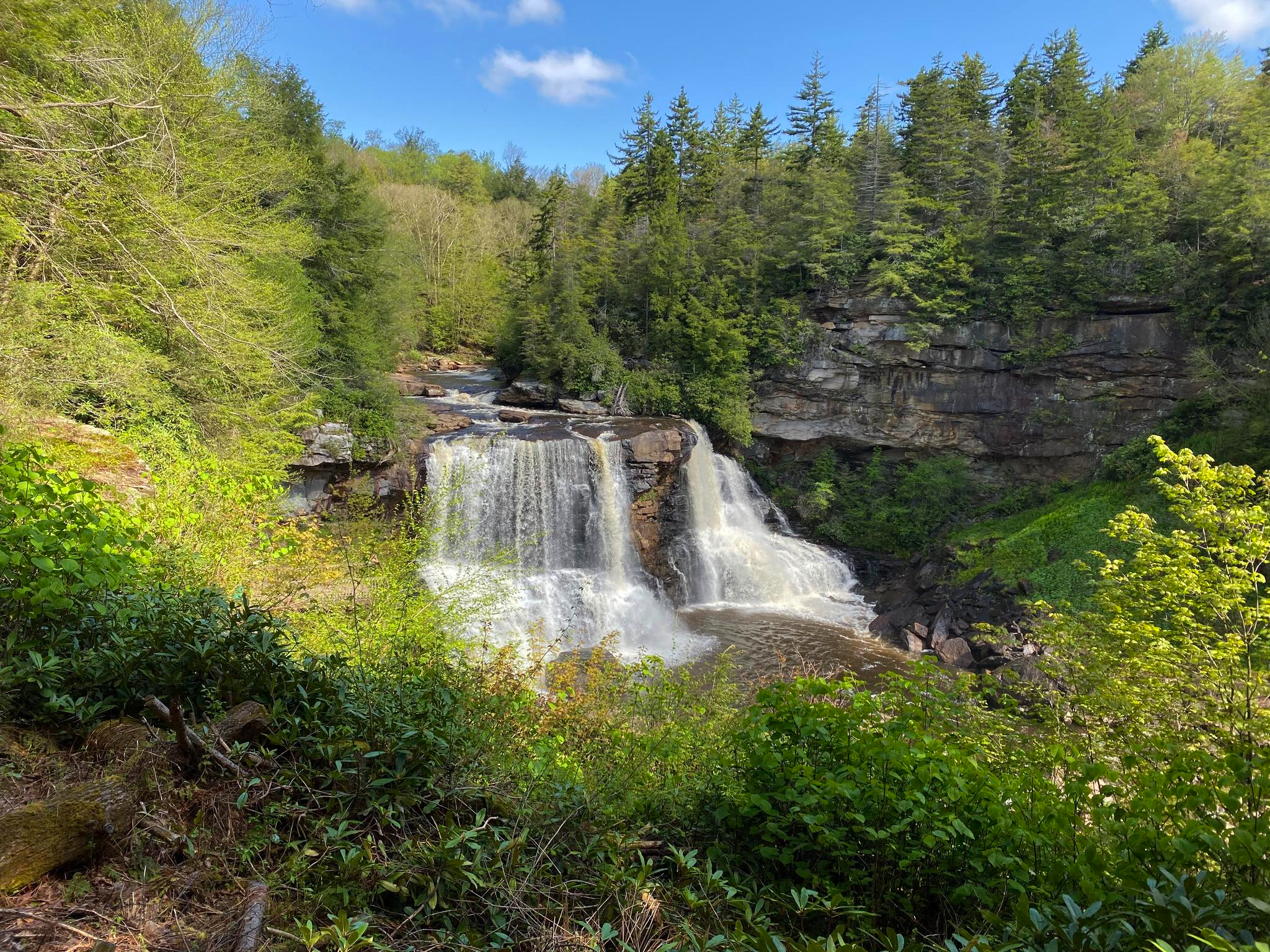
Allegheny Trail — A remote Appalachian adventure
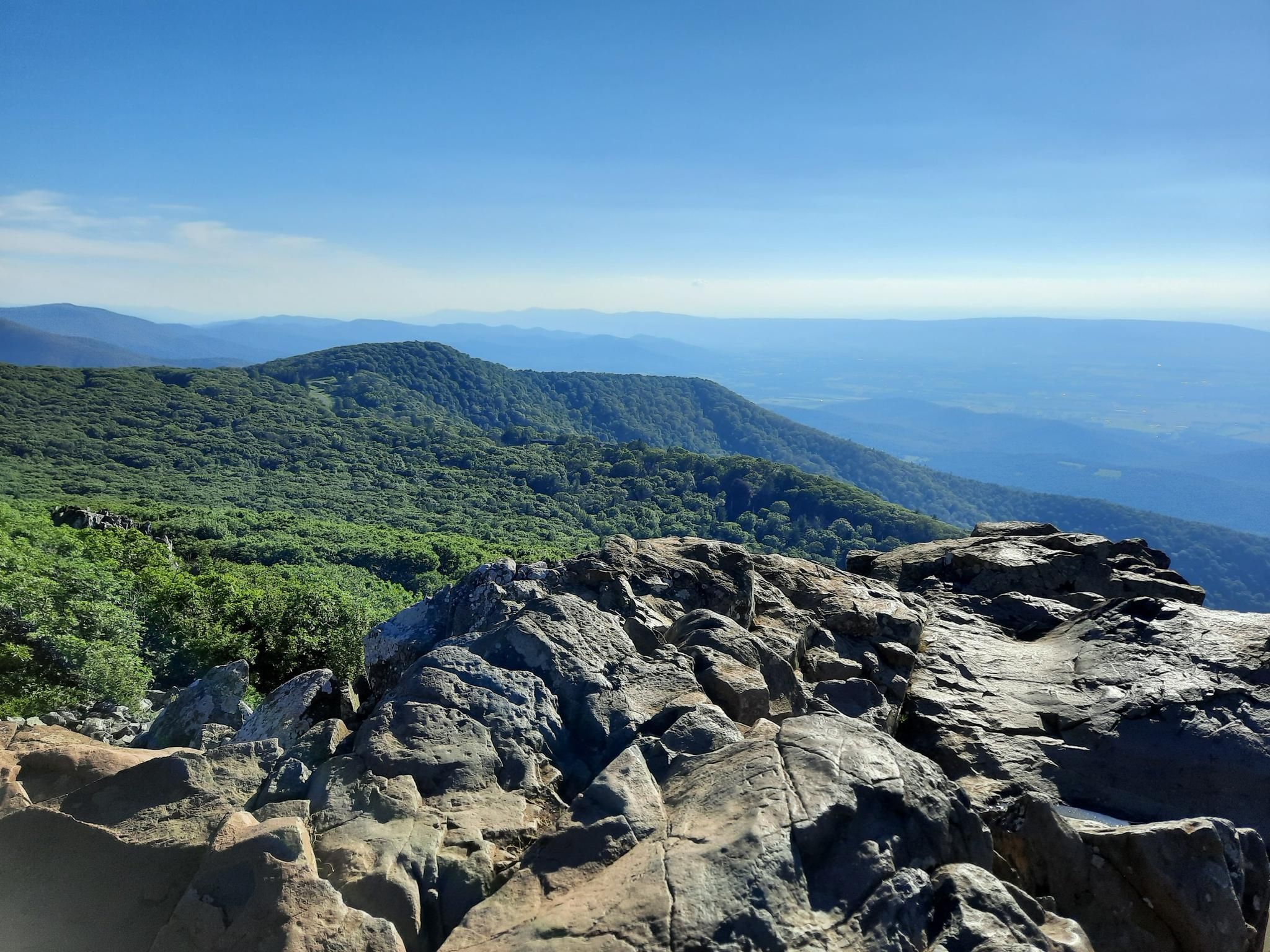
Stunning views, waterfalls and adventures in northeast USA
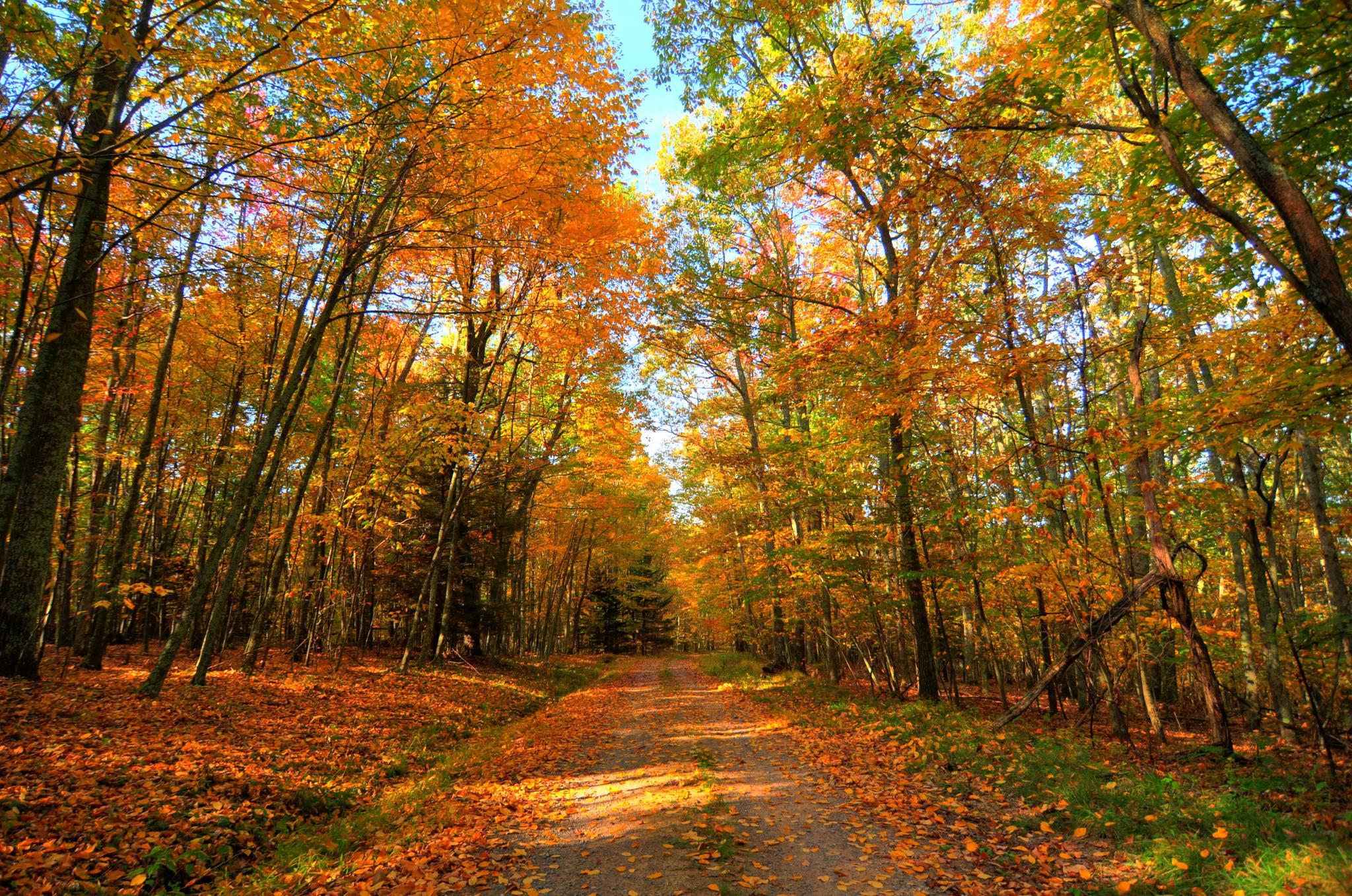
Greenbrier River & Allegheny Highlands loop — Cycling through the heart of West Virginia’s wild beauty
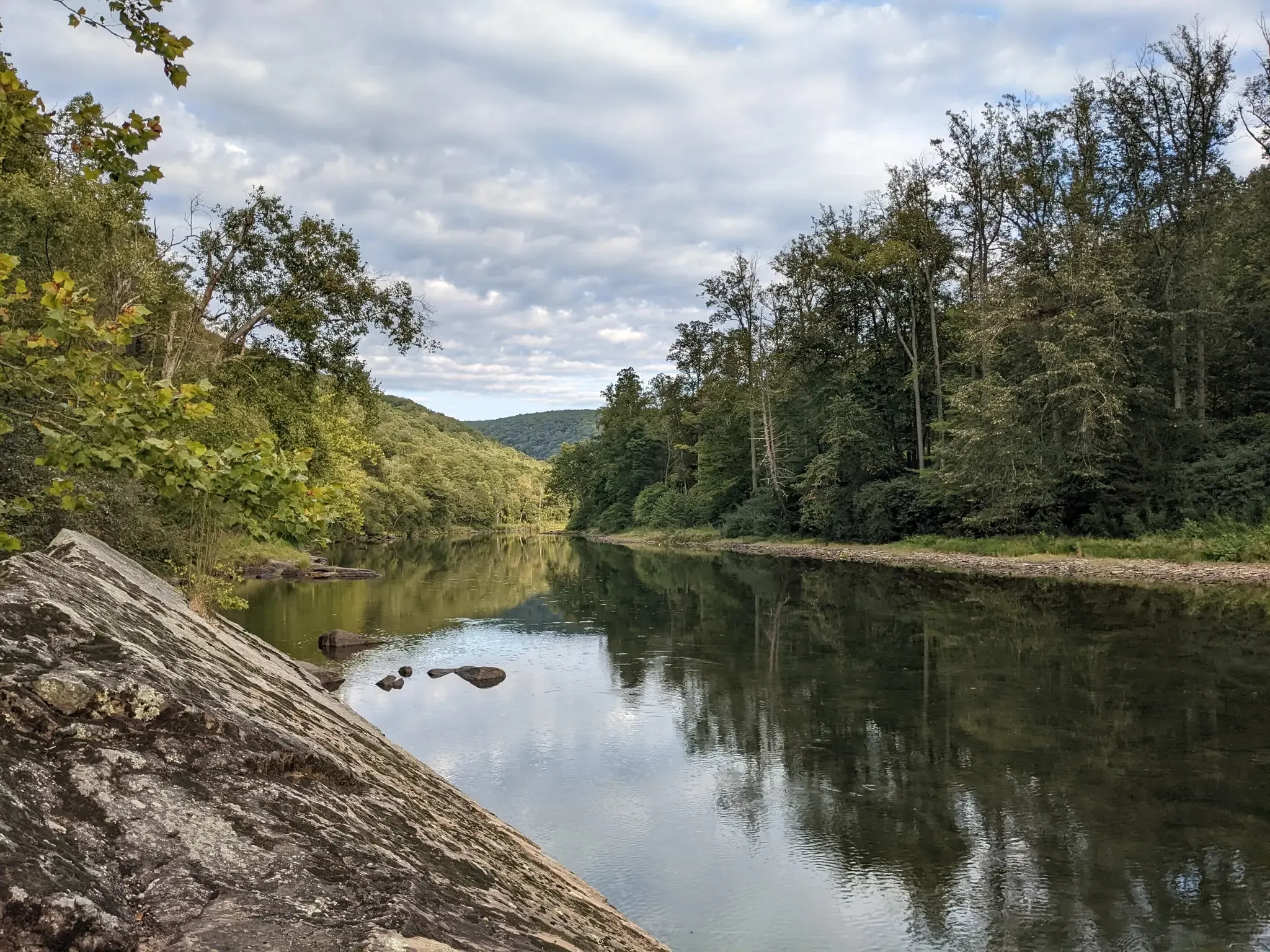
Greenbrier River Trail — Biking West Virginia's Longest Rail Trail
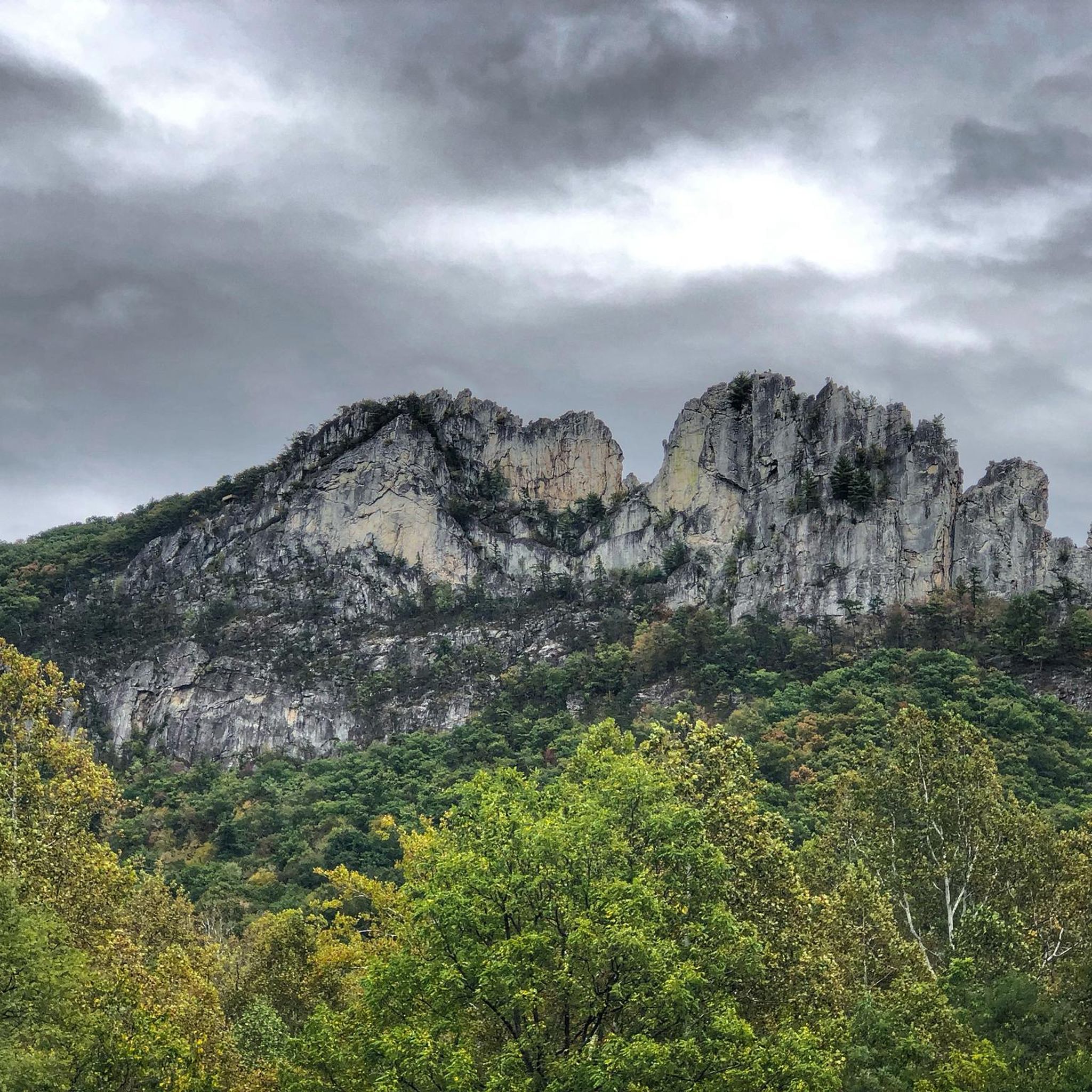
MTB Trails in Monongahela National Forest
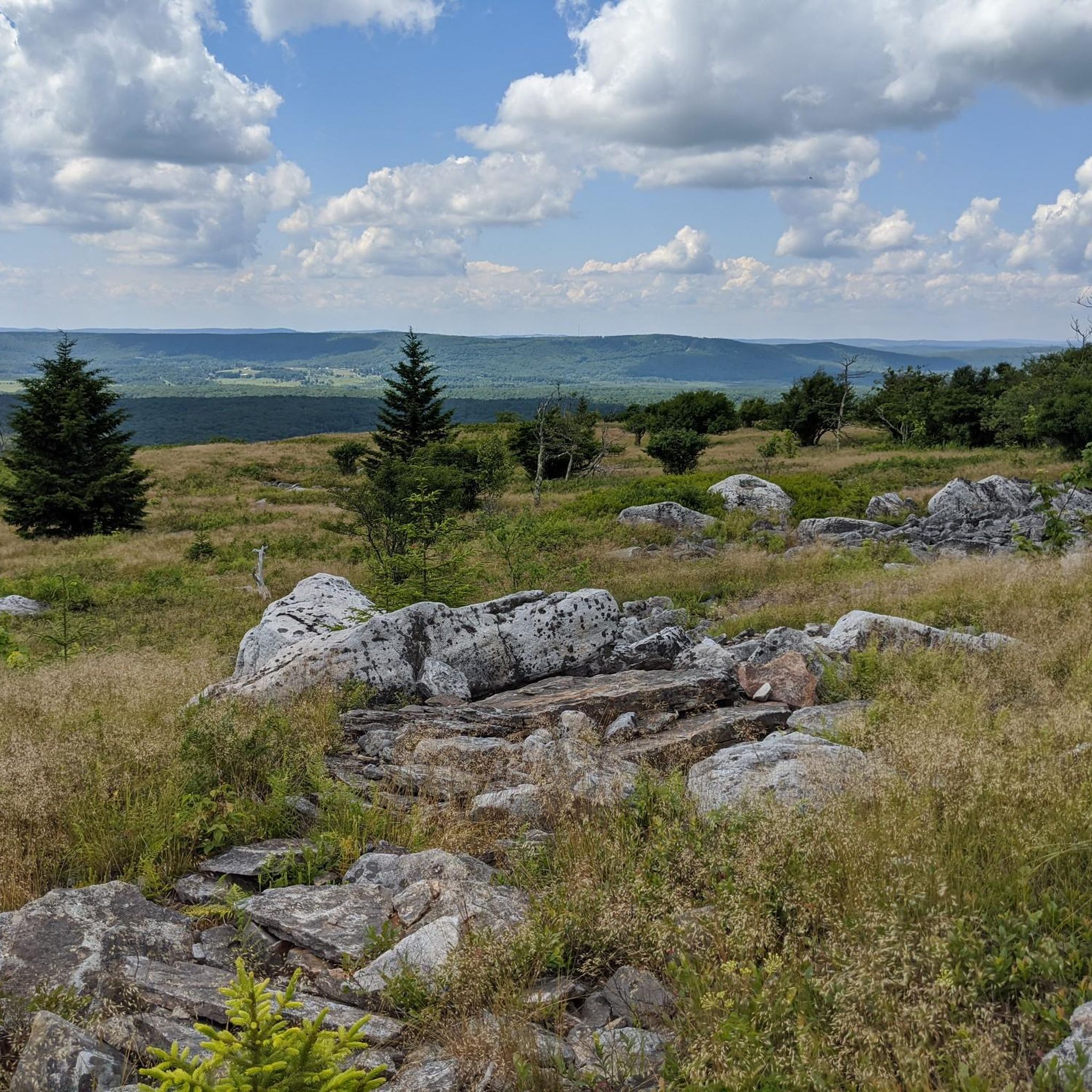
Cycling in Monongahela National Forest
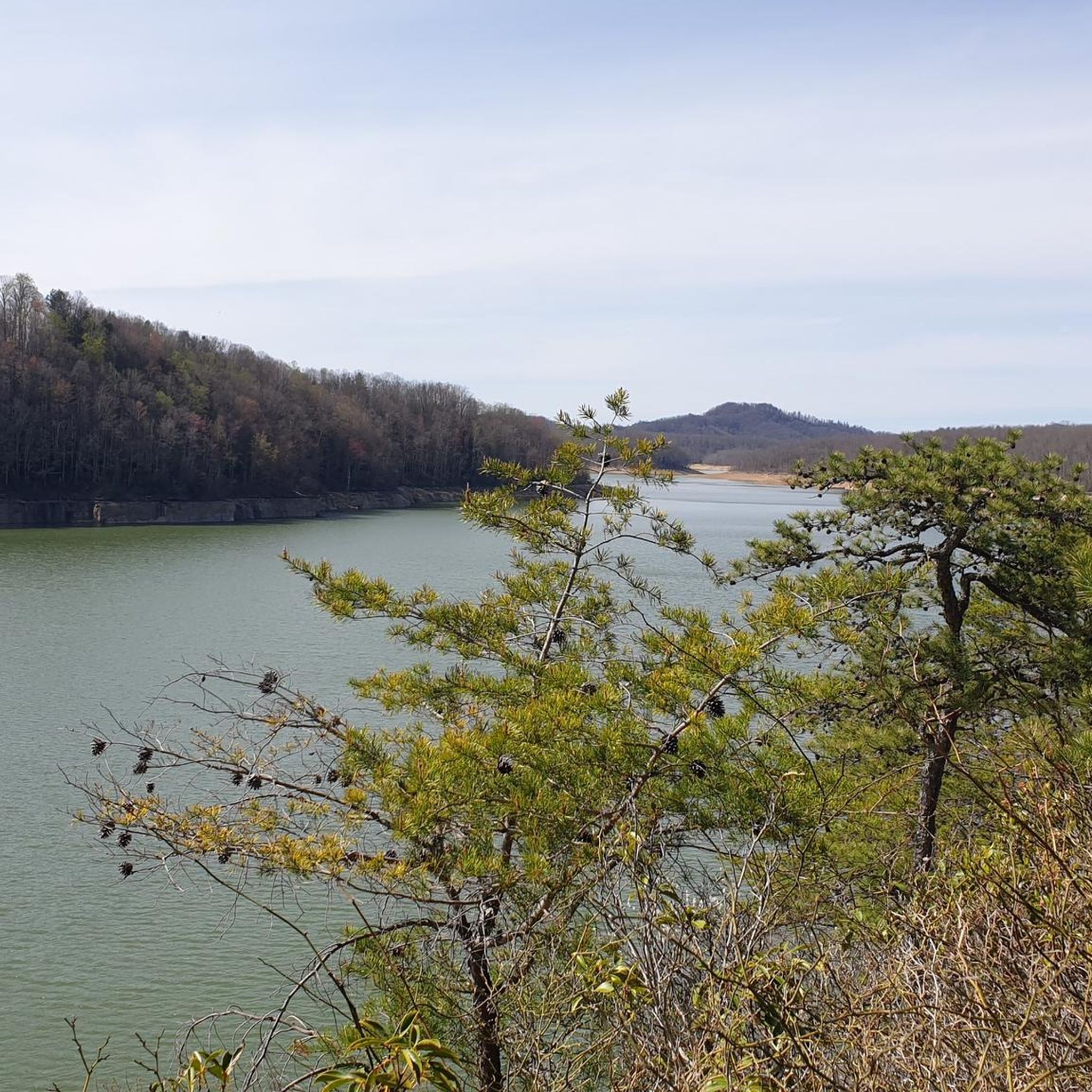
Road Cycling Routes in Monongahela National Forest

Gravel biking in Monongahela National Forest
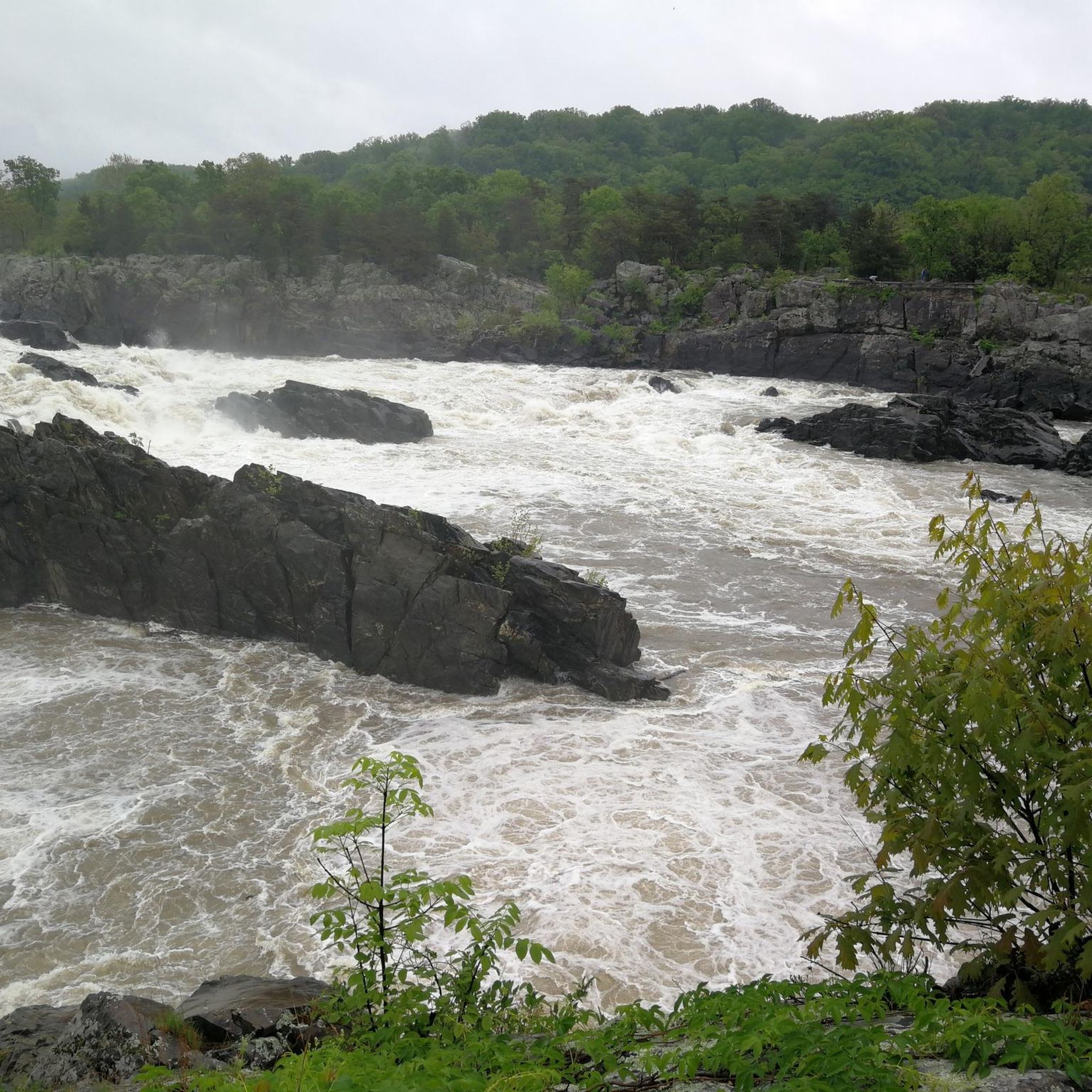
Running Trails in Monongahela National Forest
Other adventures in Monongahela National Forest


Tips from the Community

The Dolly Sods Marsh covers a vast area of the interior of the park. These wetlands are some of the best places to view the wildlife in the area, mainly the beavers that help to keep the area flooded with their dams.
1
0
The Dobbin Grade Trail crosses over the Red Creek at this point, one of many crossing that occur on the path. After heavy rain the creek can be quite high, but usually crossing via rock hopping is an option.
2
0

A craggy, stepped waterfall that descends among ledges and boulders.
0
0
A unique rock formation on the southern side of Breathed Mountain that resembles the profile of a lion's face. The location offers superb views of the surrounding mountains and river valleys.
0
0
A prominent point on a rocky ridge that runs along the northwestern edge of the Dolly Sods Wilderness and offers expansive views of the surrounding area.
0
0
An area of bare, flat ground with an established fire ring and rock seats that is good for a break.
0
0
One of many small waterfalls on Red Creek, but one with a recess that allows visitors to explore the area behind the cascade. Minor coal seams and plant and invertebrate fossils can be found in the rock beneath and behind the waterfall. There is also a pool below the falls that is often deep enough for swimming.
0
0

Frequently Asked Questions
Are dogs allowed on the trails in Monongahela National Forest?
Yes, dogs are generally welcome on trails in Monongahela National Forest, but they must be kept on a leash at all times. It's also important to pack out any waste to help preserve the natural environment. Be aware that some areas, particularly designated Wilderness Areas, may have specific regulations, so it's always a good idea to check local signage at the trailhead.
What are some good, easy hikes for families or beginners?
The forest offers several accessible trails perfect for a family outing. A great option is the Elakala Falls and Balanced Rock out & back trail. It's a relatively short walk that leads to beautiful waterfalls without much difficult terrain. Another gentle option is the Whispering Spruce Trail at the summit of Spruce Knob, which is a half-mile loop offering incredible views.
Are there any trails with impressive waterfalls?
Absolutely, the region is famous for its waterfalls. For a moderate hike that takes in multiple cascades, consider the Waterfalls and Lion's Head Rock via Red Creek Trail in the Dolly Sods Wilderness. If you're looking for a series of stunning falls, the Falls of Hills Creek area features three cascades, including the 63-foot Lower Falls, accessible via a boardwalk and trail.
What is the best time of year to hike in Monongahela National Forest?
Each season offers a unique experience. Summer provides lush green scenery and warm weather. However, autumn is particularly spectacular, as the forest's 75 tree species create a brilliant display of fall foliage, making it a popular time for hiking. Spring brings blooming rhododendron and mountain laurel, while winter can offer solitude and snow-covered landscapes for experienced and well-equipped hikers.
What should I know about safety, like bears or getting lost?
Monongahela is a wild and remote area. Black bears are native to the forest; store your food securely, especially when backpacking, and never feed wildlife.
Many parts of the forest have no cell service, so downloading offline maps and carrying a physical map and compass is essential. Always tell someone your hiking plan before you go. The weather can change rapidly, especially at higher elevations like Dolly Sods, so pack layers and rain gear.
Are there any challenging trails for experienced hikers?
Yes, the forest has plenty of rugged terrain for a challenge. The North Fork Mountain Trail to Chimney Top Rock is a rewarding moderate hike with significant elevation gain that leads to spectacular ridge-top views. For a true test, multi-day backpacking trips in the Cranberry or Dolly Sods Wilderness areas offer solitude and demanding terrain.
What makes the Dolly Sods Wilderness different from other areas in the forest?
Dolly Sods is a high-altitude plateau with a unique ecosystem that resembles landscapes found much farther north in Canada. Its terrain is characterized by wind-carved sandstone, stunted red spruce trees, and sprawling heath barrens. The hiking here is often exposed and offers vast, open vistas, which contrasts with the dense hardwood forests found in many other parts of Monongahela.
How many hiking trails are available in the area?
You'll find a wide variety of trails to explore. Komoot features over 75 curated hiking routes in Monongahela National Forest, ranging from easy walks to difficult mountain treks. The forest itself contains over 800 miles of trails, ensuring there's always a new path to discover.
What do other hikers enjoy most about Monongahela National Forest?
The area is highly regarded by the komoot community. Hikers often praise the forest's wild, remote feeling and the sheer variety of landscapes, from the unique, tundra-like terrain of Dolly Sods to the dramatic cliffs of Seneca Rocks. The abundance of waterfalls and scenic overlooks are also frequently mentioned as major highlights.
What should I pack for a day hike in the forest?
Essential items include sturdy hiking shoes, plenty of water, and snacks. Because weather can be unpredictable, always bring rain gear and extra layers, even on a sunny day. A map of the area is crucial, as cell service is unreliable. We recommend downloading your route for offline use. Sunscreen, insect repellent, and a basic first-aid kit are also wise additions.
Is it easy to find parking at the trailheads?
Parking availability varies. Popular trailheads like Seneca Rocks and those in Blackwater Falls State Park can fill up quickly, especially on weekends and during peak season in the fall. It's best to arrive early. For less-traveled trails or those in more remote wilderness areas, parking is often limited to small pull-offs along forest roads, which may be unpaved.
Can I reach any trailheads using public transport?
Due to the forest's vast and remote nature, there is no public transportation that directly serves the trailheads. Accessing hiking trails within Monongahela National Forest requires a personal vehicle. Be prepared for driving on winding mountain roads and, in some areas, unpaved forest service roads.
Most popular routes in Monongahela National Forest
Most popular attractions in Monongahela National Forest

Get inspired with the komoot mobile app


Explore more
Browse the best Hikes in other regions.
