Attractions and Places To See in Seal Bay Regional Nature Park - Top 3
Best attractions and places to see in Seal Bay Regional Nature Park, located in the Comox Valley on Vancouver Island, British Columbia, encompasses 642 hectares of diverse natural landscapes. The park features a significant second-growth forest, nearly one kilometer of beachfront, and the ecologically rich Melda's Marsh. It holds cultural significance as part of the traditional territory of the Coast Salish people.
Best attractions and places to see in Seal Bay Regional Nature Park
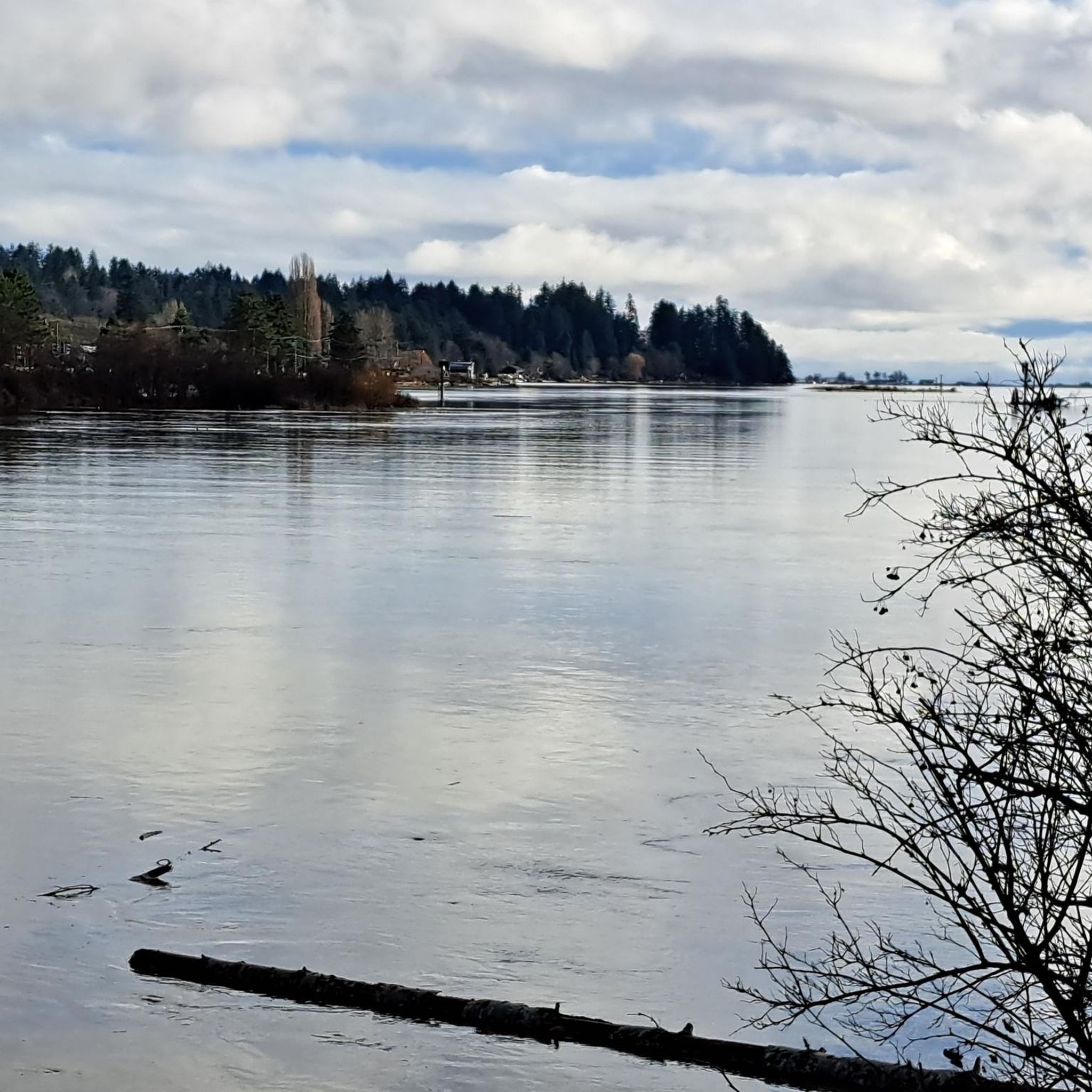
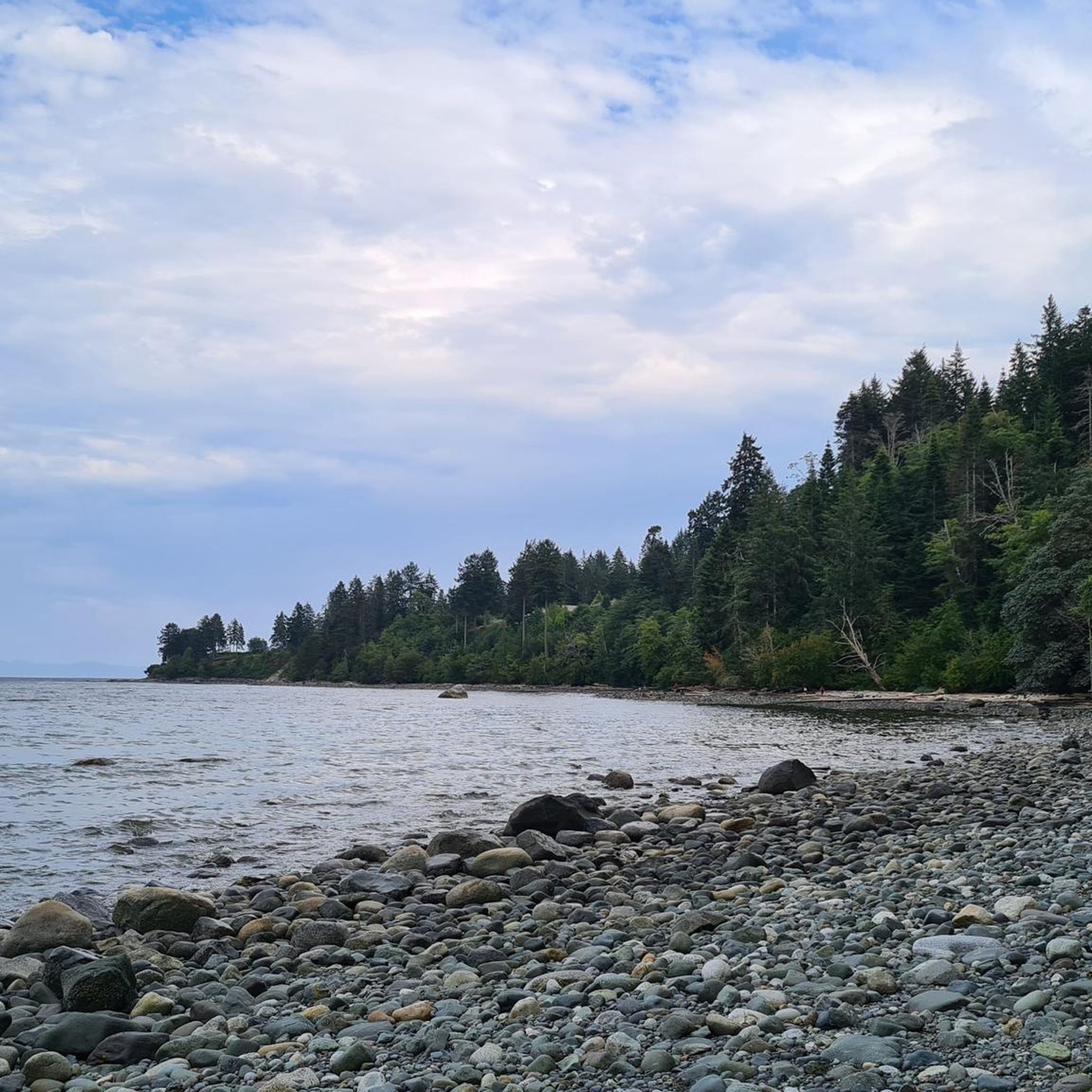
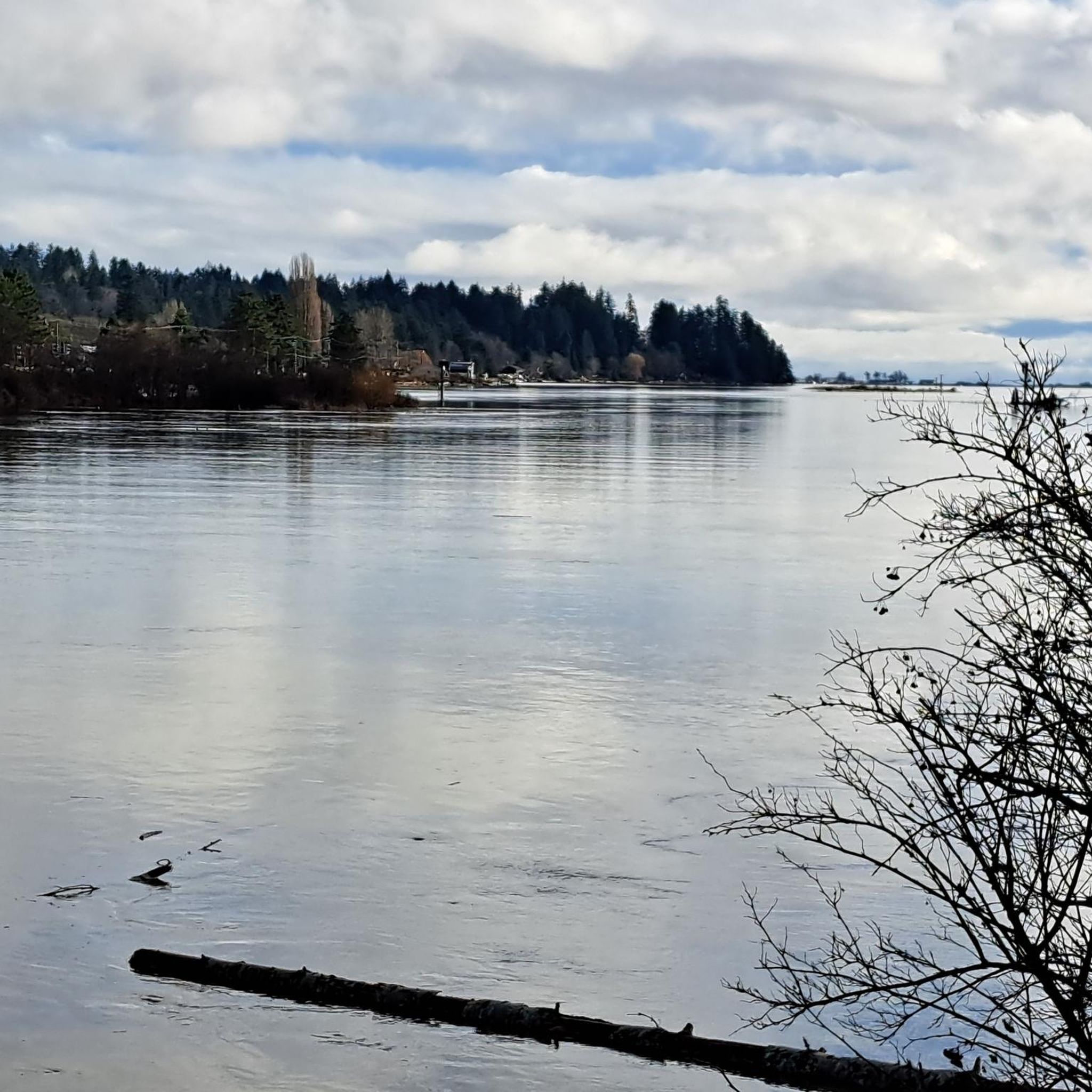
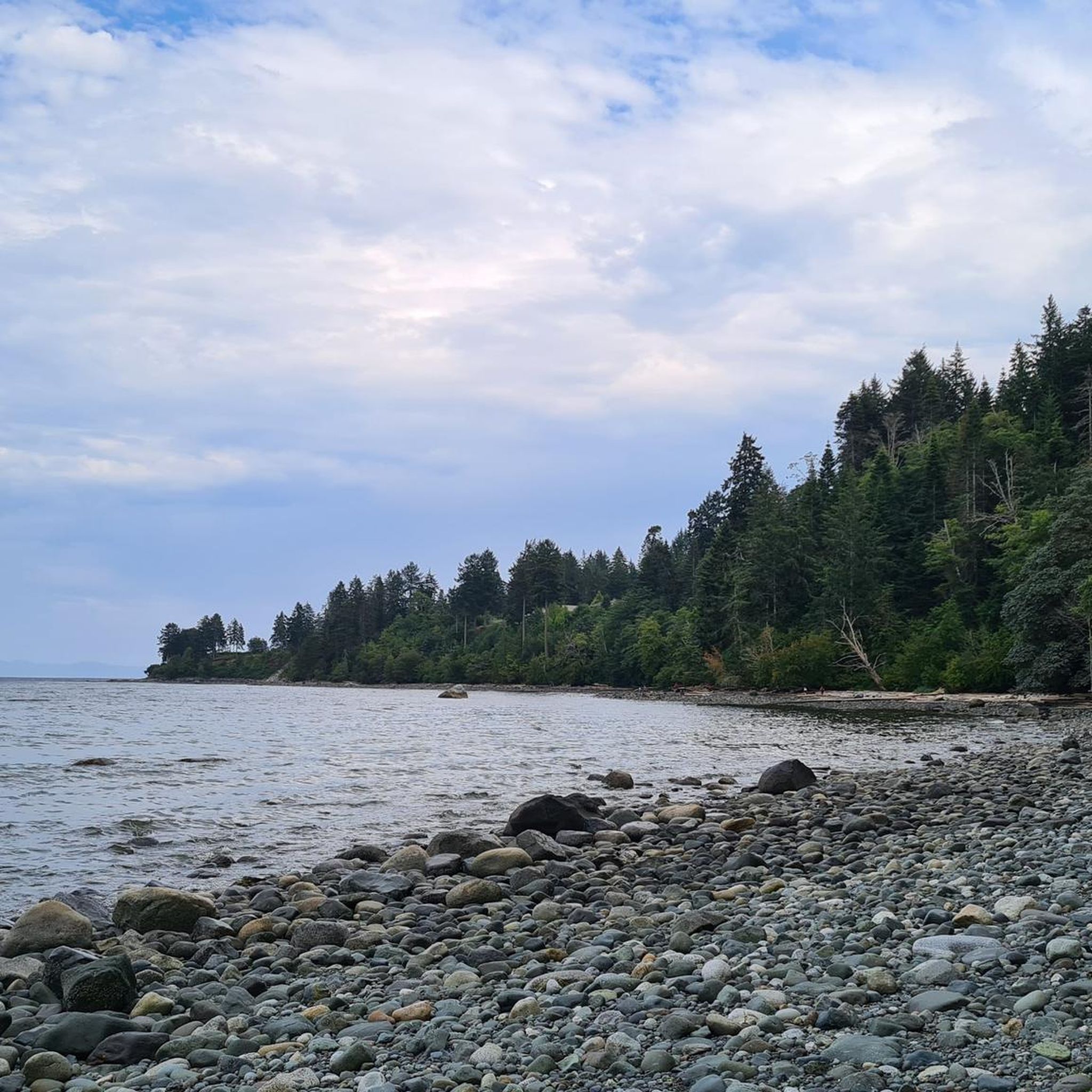
- The most popular attraction is Seal Bay Nature Park, a forest area known for its regeneration of secondary forest and cultural significance to the K'ómoks First Nation. It offers access to a beachfront where seals and various birds can be observed, and features a narrow ravine leading to the shore.
- Another must-see spot is Extended Horse Bike Trail, a multi-use trail that provides wider paths and gentler terrain suitable for walking, mountain biking, and horseback riding. This route remains mostly level as it winds through open forest, connecting with other trails in the park.
- Visitors also love Wooden Boardwalk Bridge, a scenic bridge along a trail. It is suitable for bikes, though it operates as one-way traffic, and is located near a horse ranch.
- Seal Bay Regional Nature Park is known for its forests, trails, and beachfront areas. Visitors can explore diverse natural features, historical sites, and viewpoints throughout the park.
- The attractions in Seal Bay Regional Nature Park are appreciated by the komoot community, with 4 upvotes and 11 photos shared.
Last updated: November 3, 2026
Seal Bay Nature Park
Highlight • Forest
comoxvalleyrd.ca/parks-recreation/comox-valley-parks-trails/seal-bay-nature-park
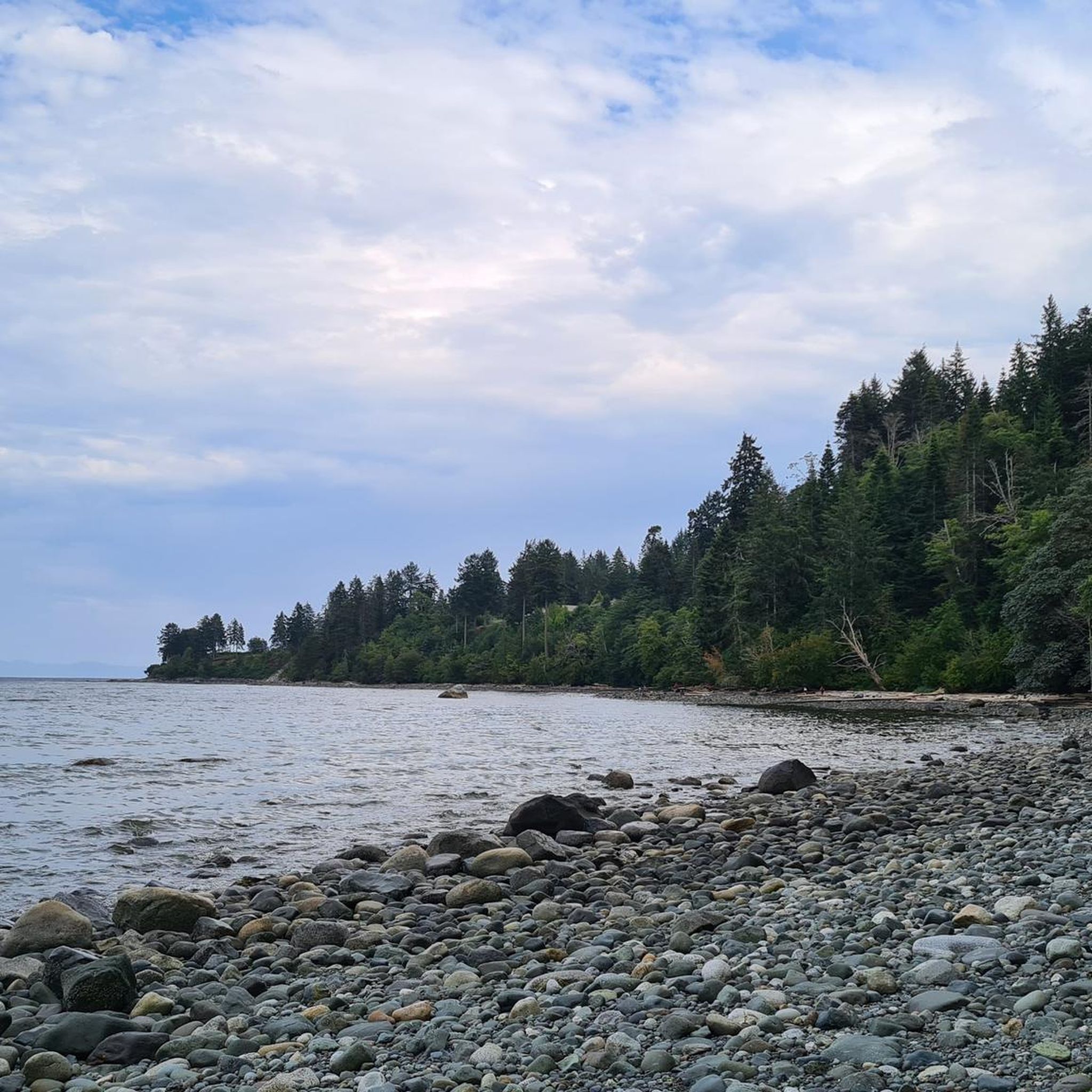
We walk through the mixed forest of Douglas firs, maples, and alders and descend the embankment in the narrow ravine (saʔpɛt) to the beach. It's low tide; the beach is littered with large stones. In the distance, we see individual seals lying on the rocks. Several bald eagles circle above us and perch in trees within sight - a magnificent spectacle.
Tip by

Douglas Fir Trail
Highlight (Segment) • Trail
Tip by

Sign up now to discover places like this
Get recommendations on the best single tracks, peaks, & plenty of other exciting outdoor places.
Extended Horse Bike Trail
Highlight (Segment) • Trail
Tip by

Forest Loop (ʔayigən)
Highlight (Segment) • Trail
Tip by
Wooden Boardwalk Bridge
Highlight (Segment) • Bridge
Tip by

Sign up for free to discover even more attractions in Seal Bay Regional Nature Park.
Already have an account?
Start today with a free account
Your next adventure awaits.
Popular around Seal Bay Regional Nature Park
Tips from the Community

This easy packed dirt path takes you through a spacious woodland of matchstick fir trees. The uniform size of the firs is strong visual evidence that the area was logged in the recent past.
0
0
New trail signs have been installed that use the Coast Salish language of the K’ómoks First Nation, called aýaĵuθəm. In aýaĵuθəm, the forest loop is called ʔayigən, pronounced "eye-eee-gin".
0
0

Extended Horse Bike Trail is one of the multi-use routes through the west side of Seal Bay Regional Nature Park, where wider paths and gentler terrain make it suitable for walking, mountain biking, and horseback riding. Unlike the steeper beach access trails on the east side of Bates Road, this route stays mostly level as it winds through open forest and connects with other horse and bike trails in the park.
0
0

There are several access roads and parking options to reach Seal Bay Nature Park. We are traveling in mid-May 2025 and park the vehicle on Hardy Road in the northwest of the park. Access is from the North Island Highway. As recently as the early 20th century, the area was systematically logged. Today, the value of Seal Bay Nature Park lies in its regeneration of secondary forest. Culturally and historically, the region is of great significance to the K'ómoks First Nation. To honor this, the new signposts list the names of the Coast Salish people in their traditional language. The history of the park is described in detail on the Comox Valley Regional District website: https://www.comoxvalleyrd.ca/parks-recreation/comox-valley-parks-trails/seal-bay-nature-park We walk through the mixed forest of Douglas firs, maples, and alders and descend the embankment in the narrow ravine (saʔpɛt) to the beach. It's low tide; the beach is littered with large stones. In the distance, we see individual seals lying on the rocks. Several bald eagles circle above us and perch in trees within sight - a magnificent spectacle.
2
0

Nice bridge, ok to take bikes across but be aware its one way traffic so be careful no one is coming from the other direction.
0
0
Frequently Asked Questions
What natural features can I explore in Seal Bay Regional Nature Park?
The park is rich in natural beauty, featuring a significant second-growth forest with towering Douglas firs, big-leaf maples, and red alders. You'll find areas with gigantic sword ferns, steep ravines, and a seasonal waterfall. A major highlight is the nearly one kilometer of beachfront, and inland, the tranquil Melda's Marsh, an ecologically rich wetland.
What kind of wildlife can I expect to see in the park?
Seal Bay Regional Nature Park is home to diverse wildlife. You can spot harbor seals "loafing on rocks" year-round along the beachfront, as well as various birds, and potentially even whales or sea lions. Inland, the park provides habitat for deer, owls, ducks, squirrels, beavers, and in summer, dragonflies around Melda's Marsh. Occasionally, cougars and bears are also present.
Are there trails suitable for different activities like hiking, biking, or horseback riding?
Yes, the park offers over 24 km of trails suitable for various activities. Popular options include hiking, mountain biking, horseback riding, and trail running. The Extended Horse Bike Trail is a multi-use route on the west side, ideal for walking, mountain biking, and horseback riding on gentler terrain.
What are some popular hiking routes in Seal Bay Regional Nature Park?
You can choose from several popular hiking routes. The Forest Loop/ʔayigən is a 7.3 km multi-use trail. Other notable trails include the 5 km Seal Bay Loop Trail, the 3.3 km Blue Heron Loop Trail, and the 4 km Eaglecrest Trail which offers ocean views. Trails like Ravine/saʔpɛt, Don Apps, and Eagle/q̓ayk̓ʷ lead down to the waterfront.
Are there any accessible trails for visitors with mobility needs?
Yes, Seal Bay Regional Nature Park is committed to accessibility. There is a dedicated 2 km wheelchair-accessible loop trail, ensuring that more visitors can enjoy the park's natural beauty.
Is Seal Bay Regional Nature Park suitable for families with children?
Absolutely! Seal Bay Nature Park is considered family-friendly, offering a variety of trails and natural attractions that can be enjoyed by all ages. The Extended Horse Bike Trail, with its wider paths and gentler terrain, is also a great option for families.
What is the best time of year to visit Seal Bay Regional Nature Park?
The park can be enjoyed year-round, but specific seasons offer unique experiences. October through April are particularly good for seabird viewing. The seasonal waterfall is most active during wetter months. For general outdoor activities, spring and fall offer pleasant temperatures, while summer is ideal for beach combing and enjoying the forest.
Are there any historical or cultural points of interest within the park?
While primarily a natural attraction, the park holds historical significance. It lies on the traditional territory of the Coast Salish people, and some trails bear traditional Indigenous names. Evidence of its past as a logging site in the early 20th century can be seen in old-growth stumps with springboard marks. There was also a small Japanese camp and sawmill on the beach where the Eagle/q̓ayk̓ʷ trail meets the water.
What outdoor activities can I do near the attractions in Seal Bay Regional Nature Park?
Beyond the park's main attractions, the surrounding area offers numerous outdoor activities. You can find various hiking routes, including easy loops from Courtenay and Lazo Marsh. For cyclists, there are traffic-free bike rides, such as the Old Mill loop. Runners can explore several running trails, including loops within the park and longer routes from Courtenay.
Where can I find parking for Seal Bay Regional Nature Park?
There are several access roads and parking options available to reach Seal Bay Regional Nature Park. For example, you can park on Hardy Road in the northwest of the park, with access from the North Island Highway. Other access points are available around the park's perimeter.
What do visitors enjoy most about Seal Bay Regional Nature Park?
Visitors frequently highlight the park's regenerating secondary forest, the opportunity to descend ravines to the beach, and the chance to spot wildlife like seals and bald eagles. The multi-use trails, such as the Extended Horse Bike Trail, are also popular for their gentle terrain and scenic routes through the open forest.
Most popular routes in Seal Bay Regional Nature Park

Get inspired with the komoot mobile app


Explore more
Still not found the Highlight you’re looking for? See guides of the top attractions in other regions:
