The best city hikes and walks around Saintes
4.5
(1350)
11,499
hikers
62
hikes
Urban hiking trails around Saintes offer a blend of historical exploration and natural scenery along the Charente River. The city is situated in a green, hilly countryside, providing varied terrain for walks. Within Saintes, the Prairie of La Palu offers a 120-hectare natural zone alongside the river. The wider region features riverine paths and historical sites integrated into walking routes.
Best urban hiking trails in Saintes
- The most popular urban hiking route is Royan city center — loop, an…
Last updated: November 2, 2026
3.6
(7)
104
hikers
11.1km
02:50
30m
30m
Moderate hike. Good fitness required. Easily walkable paths.
15
hikers
6.46km
01:39
30m
30m
Easy hike. Easily walkable paths.

5.0
(2)
35
hikers
5.58km
01:27
30m
30m
Easy hike. Easily walkable paths.
37
hikers
2.96km
00:45
10m
10m
Easy hike. Easily walkable paths.
10
hikers
4.68km
01:11
10m
10m
Easy hike. Easily walkable paths.
Get access to more routes and recommendations from other explorers.
Already have an account?
Our route recommendations are based on thousands of hikes, rides, and runs completed by other people on komoot.
Start today with a free account
Your next adventure awaits.


Tips from the Community

The carrelets are today part of the emblematic images of Royan and the Côte de Beauté. However, contrary to what the current landscape might suggest, the large pontoons with huts are relatively recent. A much older fishing The word carrelet originally designates the square net used for very simple fishing. Fishing with a carrelet has been attested in the region since at least the 18th century. At that time, these were not yet the elegant huts on stilts that we know today. The fisherman used a square frame with a net, which he lowered into the water and then quickly pulled up. This fishing was particularly practiced by women and could provide a dietary supplement. The turning point of 1900: the birth of the pontoons It was around 1900 that the carrelet began to change its nature. With the development of sea bathing and seaside tourism in Royan, fixed structures appeared on the quays, rocks, and cliffs. In Royan, they can be found in particular on the rocks of Pigeonnier and at Pontaillac. Initially, they were essentially simple masts equipped with a winch. The users were often merchants, liberal professions, retirees, or wealthy owners rather than professional fishermen. A particularly interesting old photograph shows the conche de Pontaillac in 1918, with fishing installations. The carrelets become leisure spots Between the two wars, and especially after 1945, the carrelets multiplied. The generalization of paid holidays, the increase in free time, and the development of popular holidays favored their transformation into real small holiday resorts. The installations gradually became more substantial: cliff → footbridge → pontoon → hut → mast and winch → square net Owners often built their own installations with wood or salvaged materials. In the 1950s, this practice experienced a real boom around Royan. Why are there so many carrelets around Royan? The relief of the Côte de Beauté is particularly well-suited for this. They can be found in particular: * in Royan, at the Pointe du Chay, at Pigeonnier and at Pontaillac; * in Vaux-sur-Mer, particularly towards the conche de Gilet; * in Saint-Palais-sur-Mer, along the headlands of Terre-Nègre and Perrières, towards the Pont du Diable and the Concié; * in Saint-Georges-de-Didonne, particularly towards Suzac; * in Meschers-sur-Gironde, along the cliffs and coves. The carrelet is indeed identified today as a viewpoint in Royan. The 1999 storm: a catastrophe The carrelets are extremely vulnerable to storms. The storms of 1996 and especially 1999 destroyed a very large part of the installations in Charente-Maritime. On the coasts of Aunis and Saintonge, nearly 90% of the approximately 700 carrelets had been destroyed during the January 2000 storm. They were then gradually rebuilt, with the help of owners and public schemes. Today: a heritage of Royan The carrelet is therefore not just a fishing equipment. It has become an element of the maritime and landscape heritage of Royan. The Musée du patrimoine du Pays Royannais classifies it as 20th-century maritime heritage and points out that the current installations are essentially the result of the development of this practice in the 20th century. An interesting historical point: the carrelets that we spontaneously associate with Royan today are therefore mainly the result of the evolution of seaside tourism after 1900 and their extraordinary development after 1945, and not the intact survival of a very old tradition of fishing huts.
0
0

Royan plunges us into the 1950s with its joyful and radiant modernist seaside architecture. Characteristic of this bold architecture, the shell-shaped central market is one of the city's emblematic monuments. Built from 1955 onwards based on plans by architects Louis Simon and André Morisseau, in collaboration with engineer René Sarger, this original building succeeds a covered market that was completely destroyed during the city's bombings in 1945. With a vault made of a thin concrete veil 7 cm thick, it was considered an architectural feat at the time and served as a model for the construction of the CNIT in La Défense and inspiration for the Bucharest circus! At the top of this dome, a series of openings allows the market to be lit thanks to a play of glass bricks that reflect light.
0
0
Built from 1955 and consecrated in 1958, the Notre-Dame de Royan church symbolizes the city standing tall and proud again. The reinforced concrete monument thus fits into the general trend of renewal in sacred art after the sad events the world experienced in the 1940s. It is considered today as a feat and a masterpiece of modern architecture. "Upon entering this concrete cathedral, be silent. Here, everything is momentum, rigor, roughness, austere beauty. The twilight sings the elusive, the divine, variable and constant like the sea." ANDRÉ MALRAUX Minister of Cultural Affairs (1958-1969)
1
0

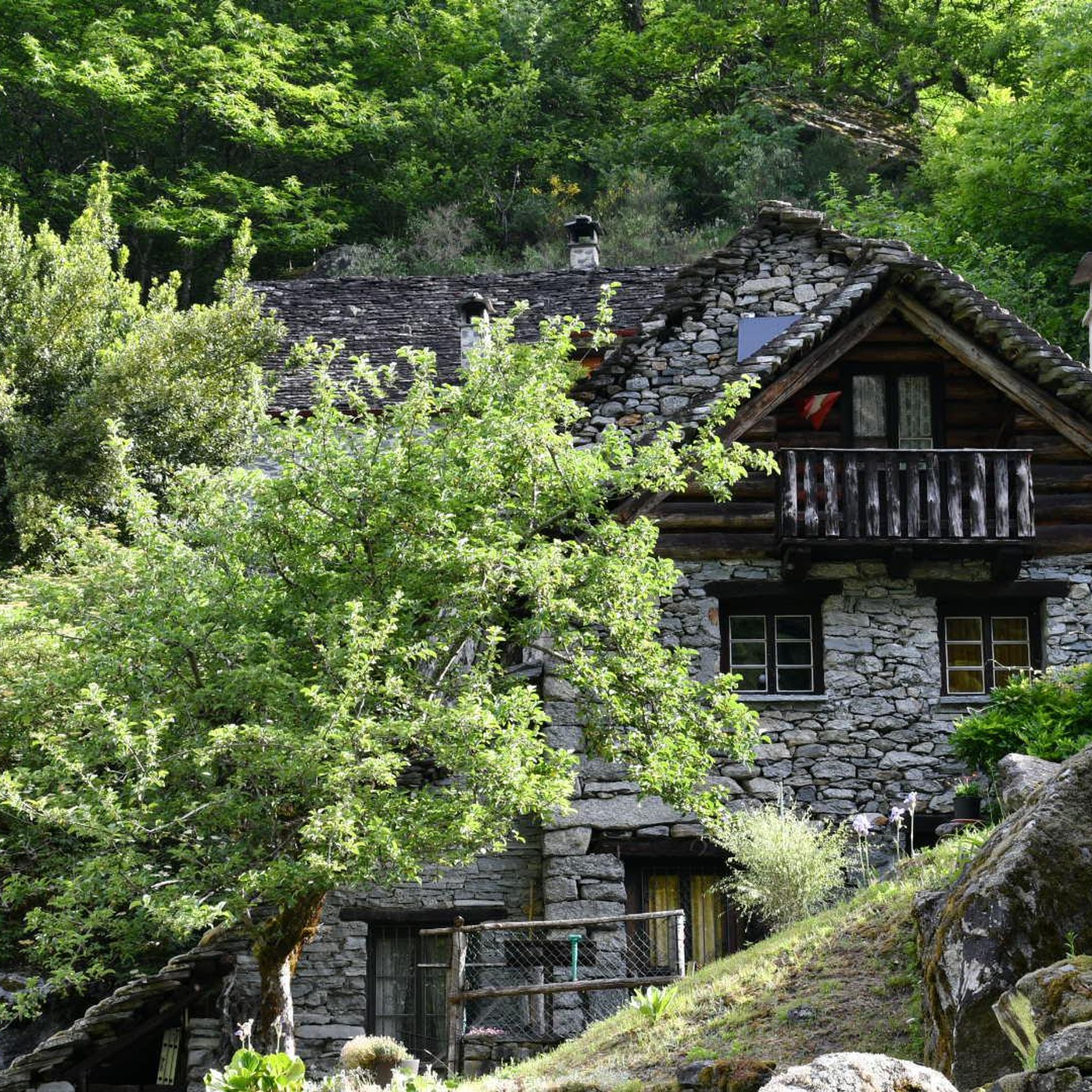
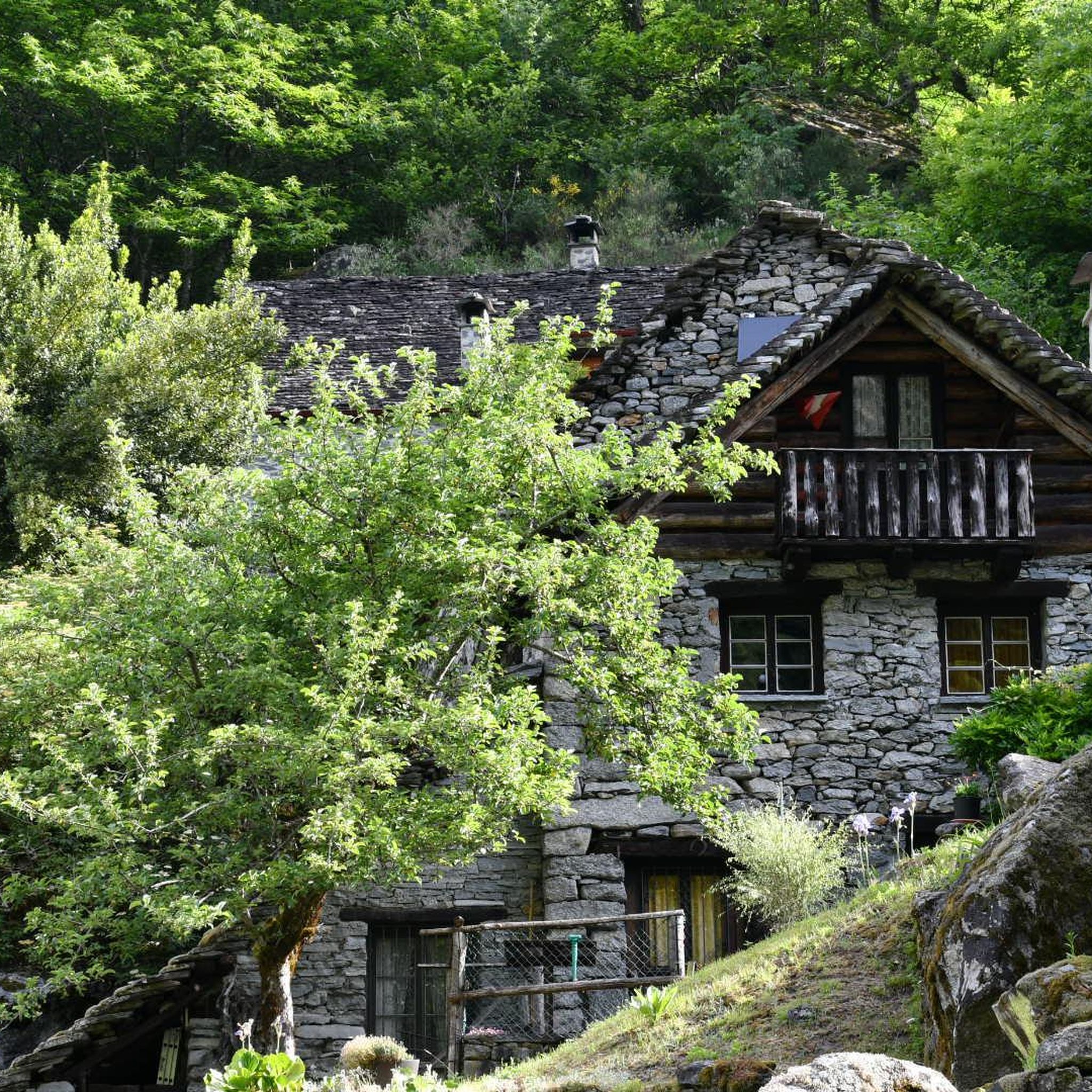
Beautiful market hall with a great selection of regional products. Closes around noon.
0
0

A very impressive sailing ship. A visit is definitely worth it.
2
1
A very beautiful archway!
2
0

Frequently Asked Questions
How many urban hiking trails are available around Saintes?
There are over 60 urban hiking trails and walks around Saintes, offering a variety of experiences for different skill levels. Most of these, around 55, are rated as easy.
Are there urban hiking trails suitable for beginners or families in Saintes?
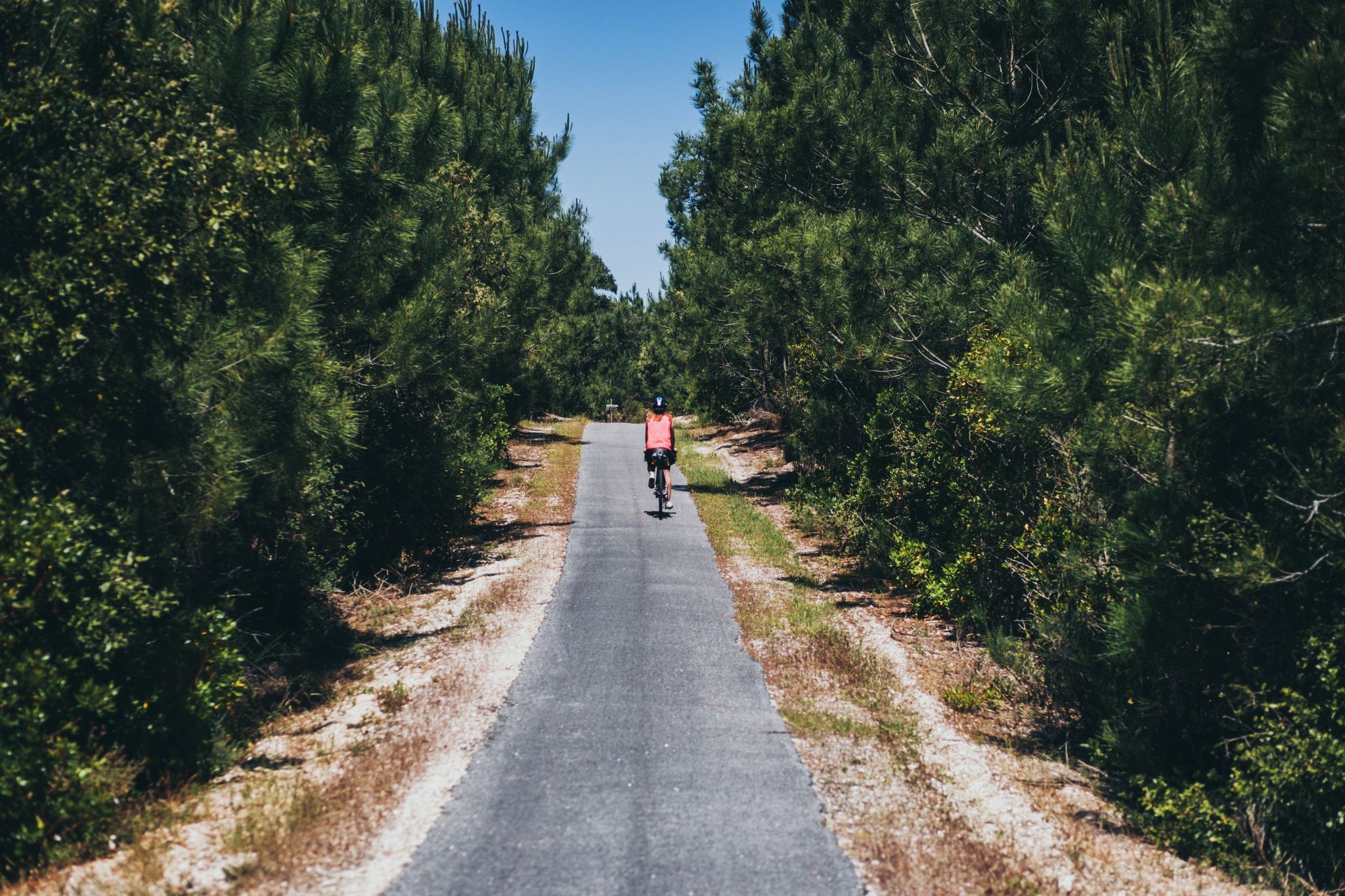
Yes, Saintes offers many easy urban walks perfect for beginners and families. Over 50 routes are rated as easy. A particularly pleasant option is the 25 km "Flow Vélo" route along the Charente River between Saintes and Saint-Savinien, which is ideal for a relaxed family outing.
What kind of natural features can I expect to see on urban hikes in Saintes?
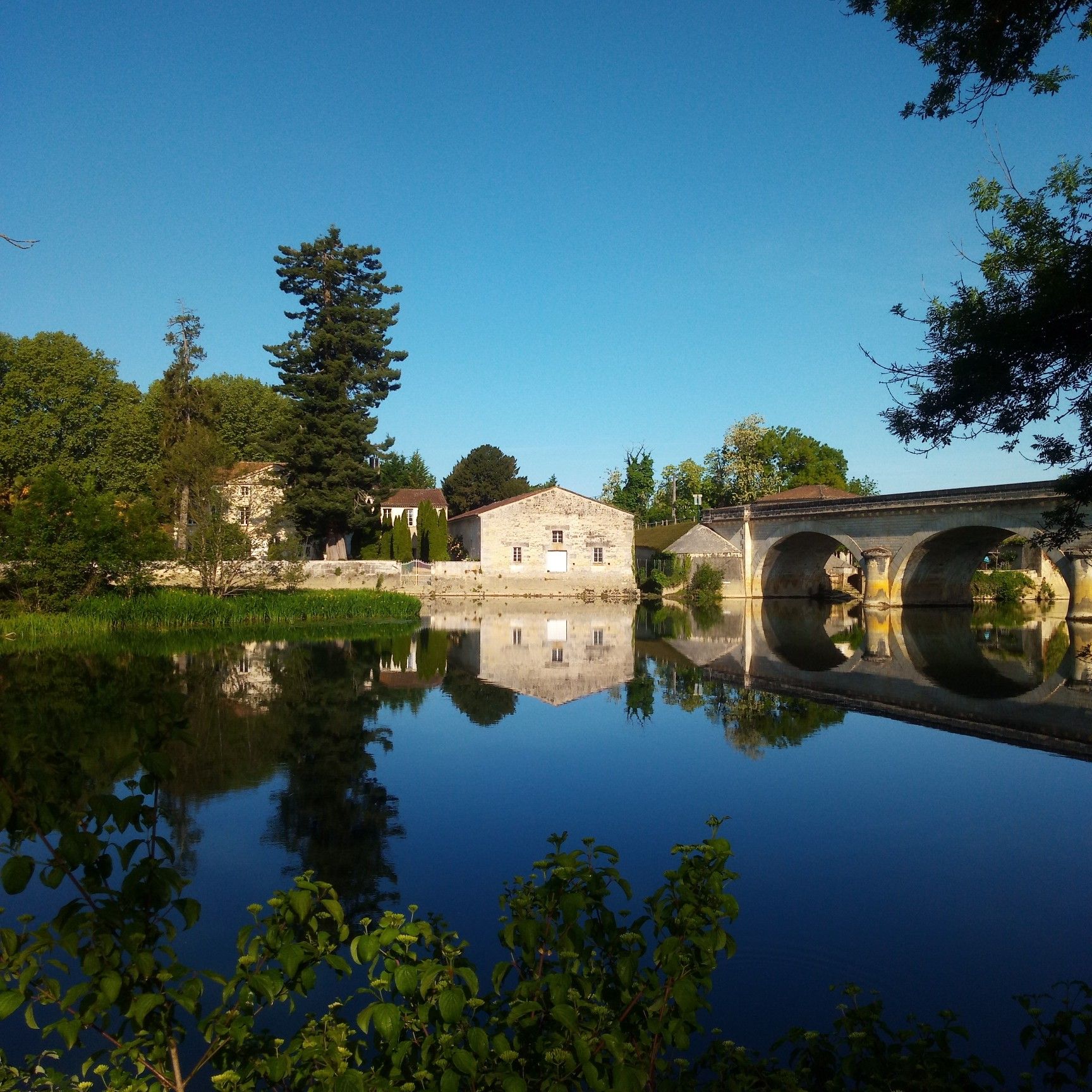
Urban hikes in Saintes often feature the scenic Charente River and its valley, which is a Natura 2000 site. You can also explore the Prairie of La Palu, a 120-hectare protected meadow within the city. Some routes might even lead you to unique natural formations like the transformed Crazannes Quarries, now a nature reserve with distinctive rock walls and flora.
Are there any historical landmarks or attractions along the urban hiking routes?
Absolutely. Saintes is rich in history. You can encounter impressive sites like the Roman Amphitheater and the Arch of Germanicus along the Charente River. Further afield, the region offers historical sites such as Crazannes Castle and the Abbaye de Fontdouce, which can be integrated into longer walks.
Can I find circular urban hiking routes in Saintes?
Yes, many urban hiking routes in and around Saintes are designed as loops. For example, the Royan city center — loop offers a pleasant urban circuit. Another option is the Royal Ropeworks – Royal Ropewalk loop from Rochefort, providing a moderate circular experience.
What do other hikers enjoy most about urban hiking in Saintes?
The komoot community rates the urban hiking experience around Saintes highly, with an average score of 4.5 stars. Hikers often praise the blend of historical sites with natural riverine landscapes, the well-maintained paths, and the accessibility of many routes for a relaxed city exploration.
Are there any urban walks that offer coastal views or proximity to the sea?
While Saintes itself is inland, the wider Charente-Maritime department offers coastal experiences. The Foncillon Cove – Port of Royan loop from Royan provides a lovely walk with coastal views. You can also explore the Suzac Forest, which is part of a loop offering coastal vistas near Saint-Georges-de-Didonne.
Are there any urban trails that pass by unique natural monuments or caves?
Yes, some trails in the region will lead you to interesting natural sites. For example, you can find routes that pass near the Grottes de Matata, a fascinating cave system. The Caillaud cliff at Talmont sur Gironde is another notable natural monument accessible via regional trails.
What is the best time of year for urban hiking in Saintes?
Saintes offers pleasant urban hiking conditions for much of the year. Spring and autumn provide mild temperatures and beautiful scenery, ideal for exploring the city and riverbanks. Summer can be warm, but riverside walks offer refreshing breezes. Even winter can be suitable for urban walks, with fewer crowds and a different charm.
Are there urban walks that include a promenade or beach experience?
Yes, if you venture slightly outside the immediate city center of Saintes, you can find routes that combine urban exploration with seaside elements. The Royan Promenade and Beach – Royan's Red Square loop from Royan is a great example, offering a walk along the promenade and beach in Royan.
Where can I find more information about natural sites around Saintes?
For more details on the natural sites and attractions in the area, you can visit the official Saintes tourism website: saintes-tourisme.fr. This resource provides additional context on the region's diverse landscapes.
Most popular routes around Saintes
Most popular attractions around Saintes

Get inspired with the komoot mobile app


Didn’t find what you were looking for?
Check out more Hikes throughout Saintes below and find the perfect route in your destination.
Explore more
Browse the best Hikes in other regions.
