Top 20 Mountain Passes around Parco naturale regionale delle Alpi Apuane
Best mountain passes around Parco naturale regionale delle Alpi Apuane are characterized by a rugged landscape, marble quarries, and diverse natural features. This region offers numerous passes that provide panoramic views and access to historical routes. The passes connect various valleys and offer insights into both natural beauty and human activity.
Best mountain passes around Parco naturale regionale delle Alpi Apuane
- The most popular mountain passes is Tambura Pass, a mountain_pass located at 1630 meters above sea level at…
Last updated: September 2, 2026
Tambura Pass
Highlight • Mountain Pass
Translated by Google •
Tip by

Passo del Vestito
Highlight • Mountain Pass
Translated by Google •
Tip by

Sign up now to discover places like this
Get recommendations on the best single tracks, peaks, & plenty of other exciting outdoor places.
Sign up for free
Mount Sagro
Highlight • Summit
Translated by Google •
Tip by

Valli Pass
Highlight • Mountain Pass
Translated by Google •
Tip by

Vandelli Route on Mount Tambura
Highlight • Trail
Translated by Google •
Tip by

Sign up for free to discover even more mountain passes around Parco naturale regionale delle Alpi Apuane.
Sign up for free
Already have an account?
Start today with a free account
Your next adventure awaits.
Login or Signup
Popular around Parco naturale regionale delle Alpi Apuane
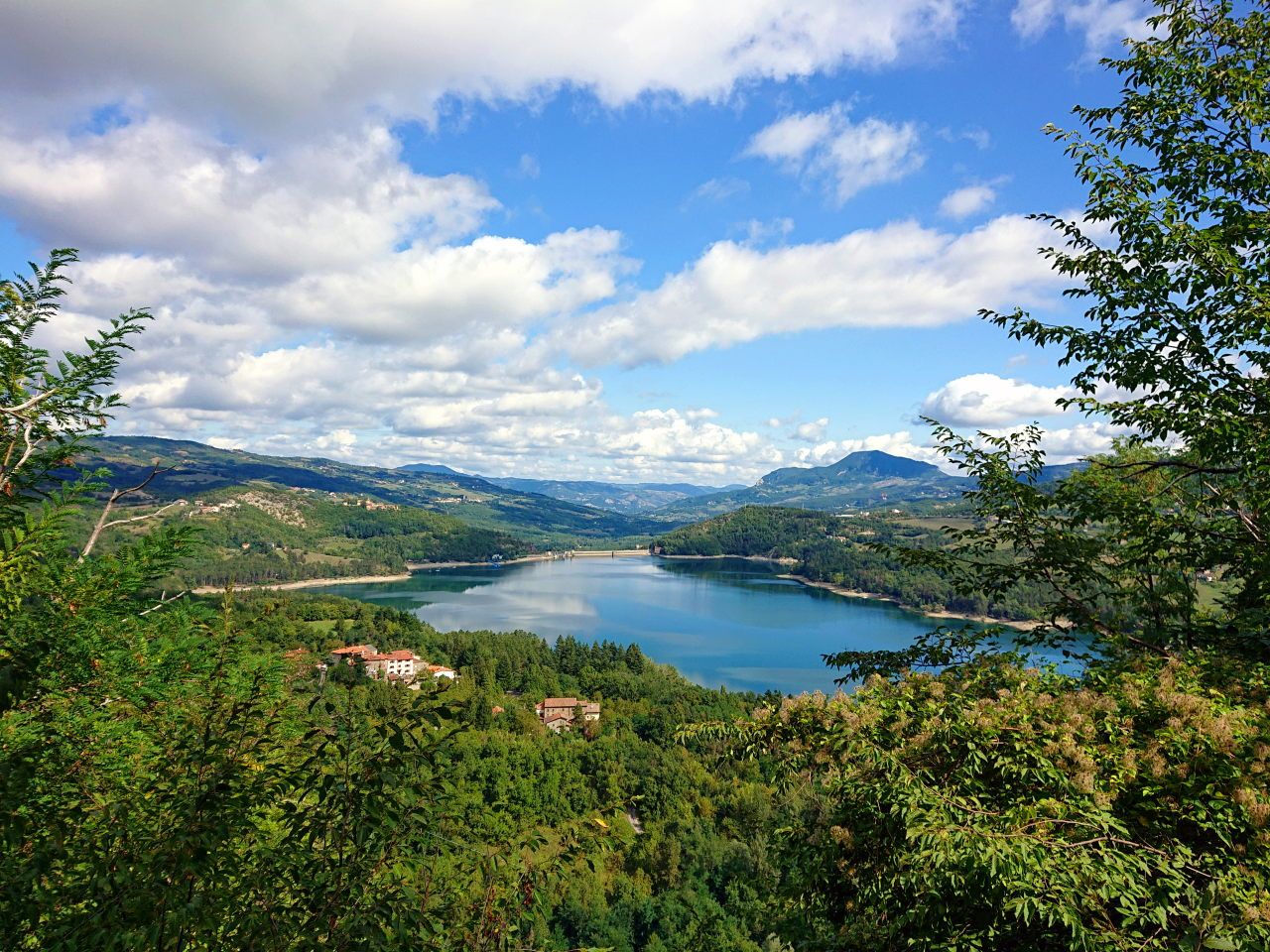
Interiora - A Journey into the Remote Areas of Italy
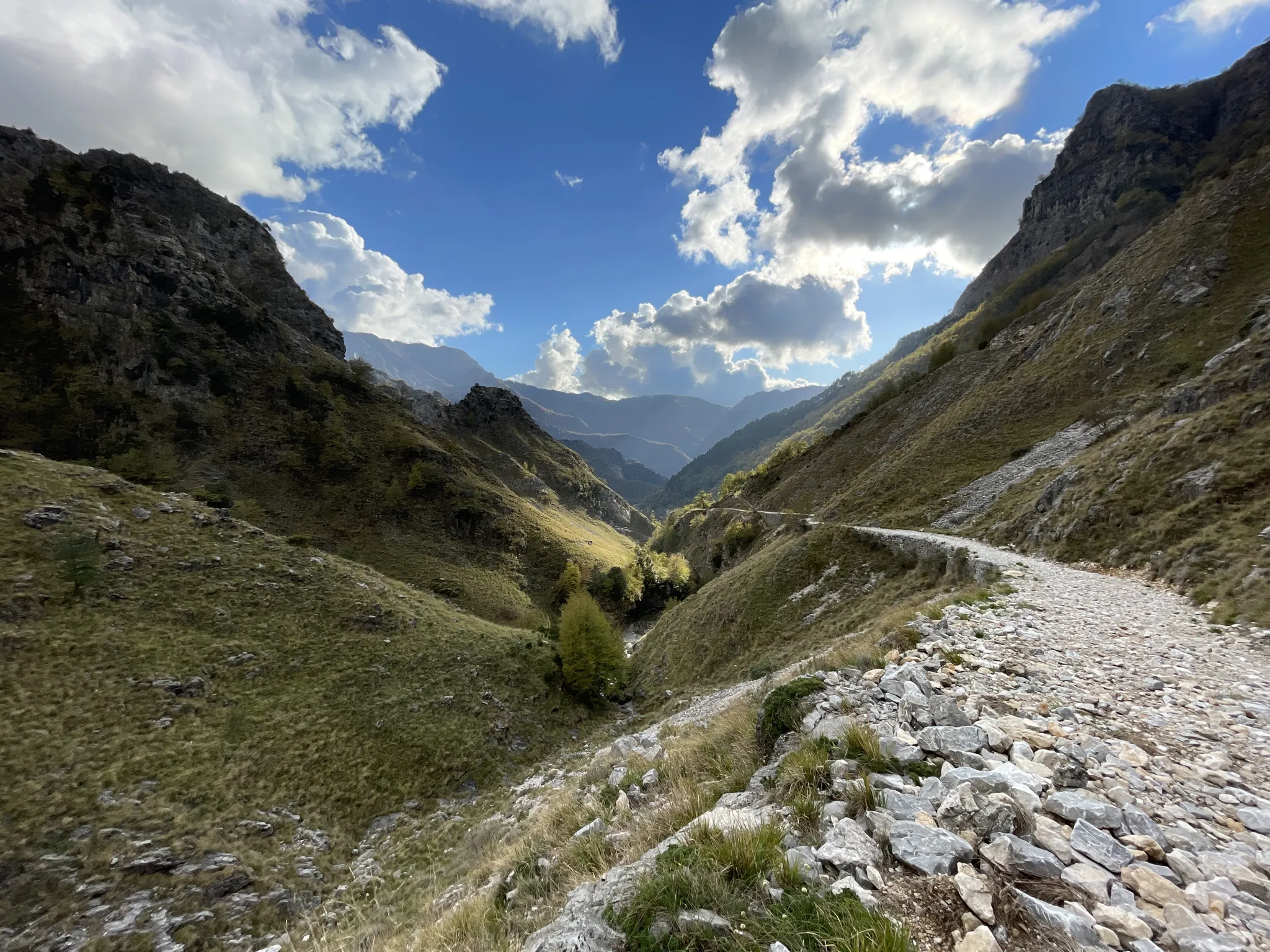
18th-century route from Modena to Massa – Via Vandelli
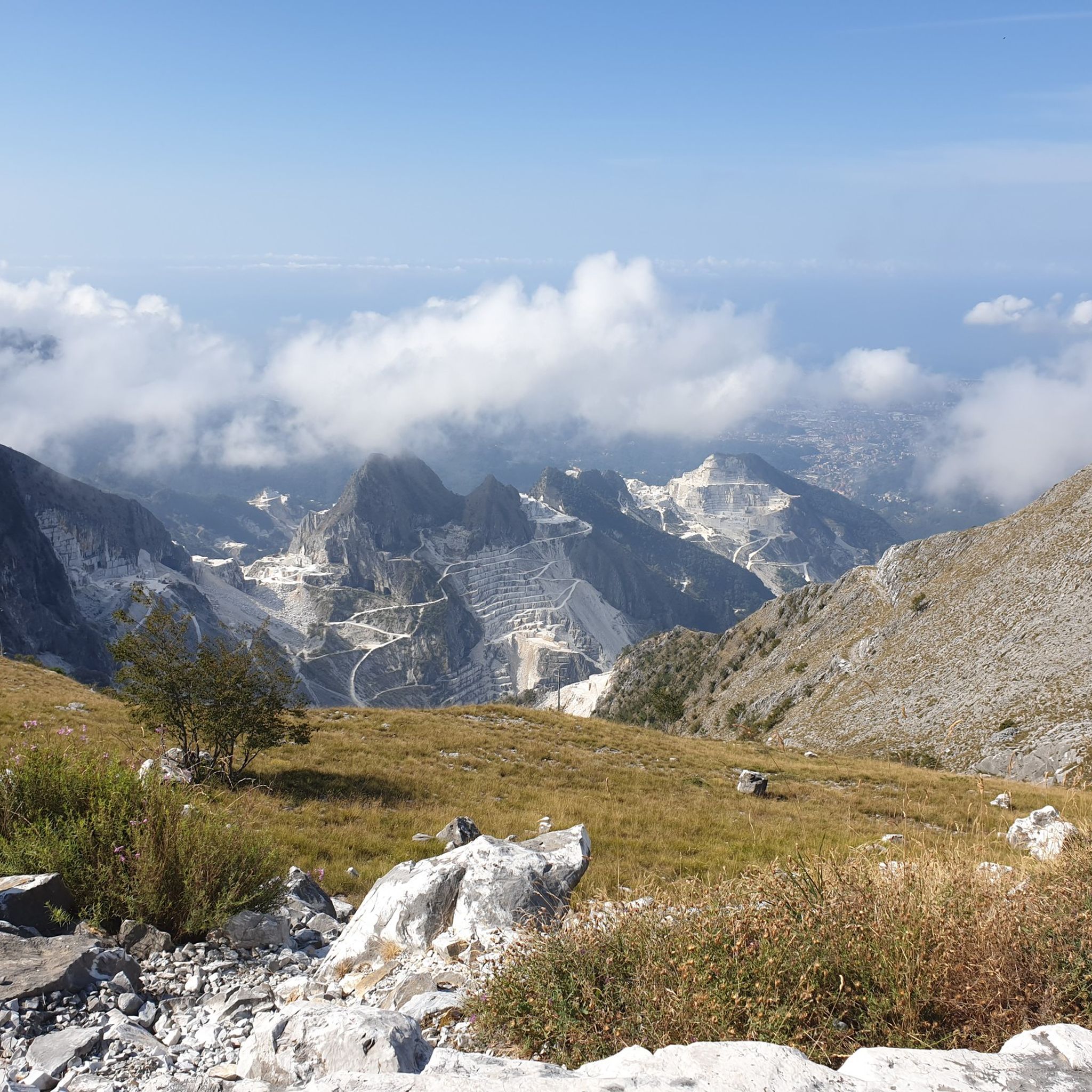
Hiking around Parco naturale regionale delle Alpi Apuane
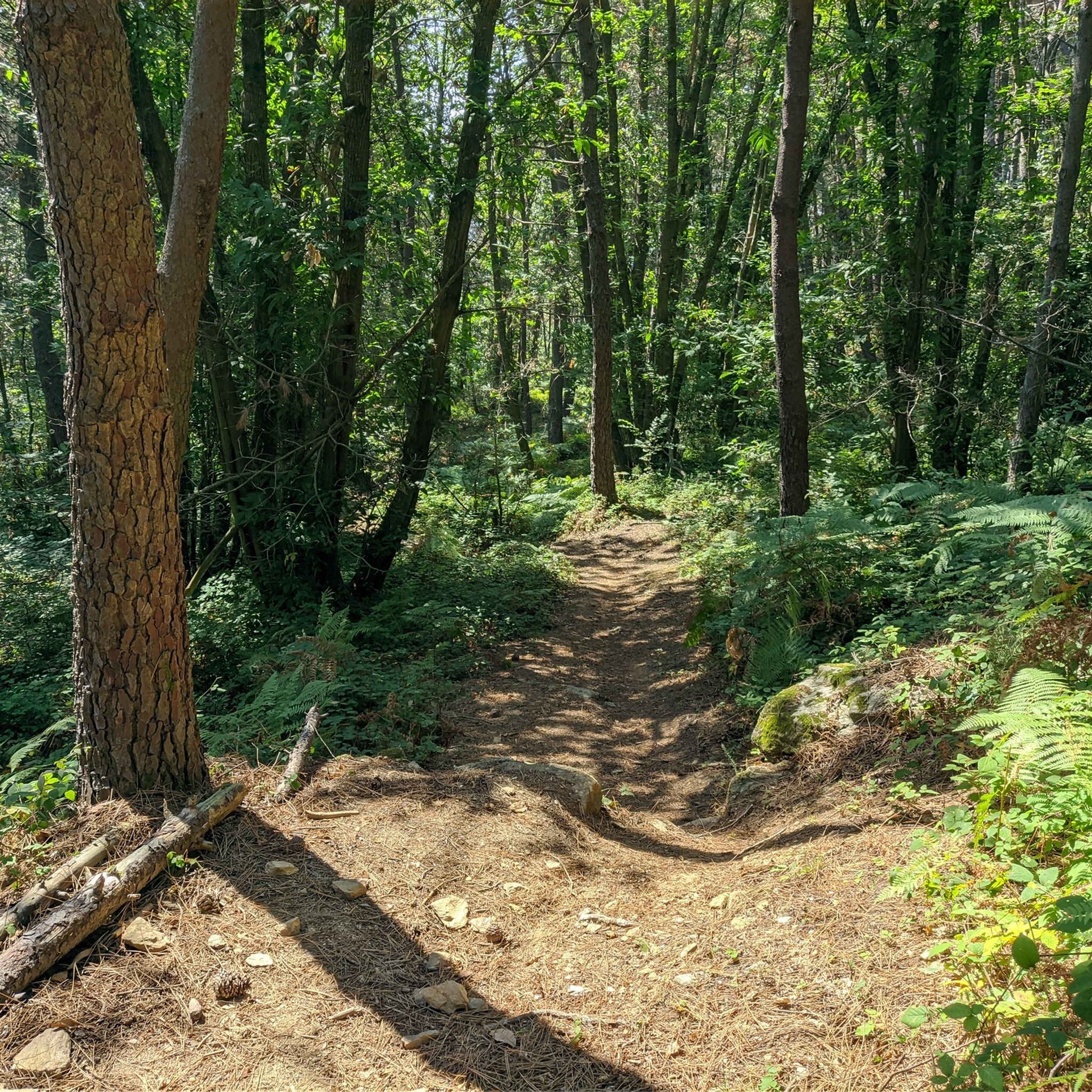
MTB Trails around Parco naturale regionale delle Alpi Apuane
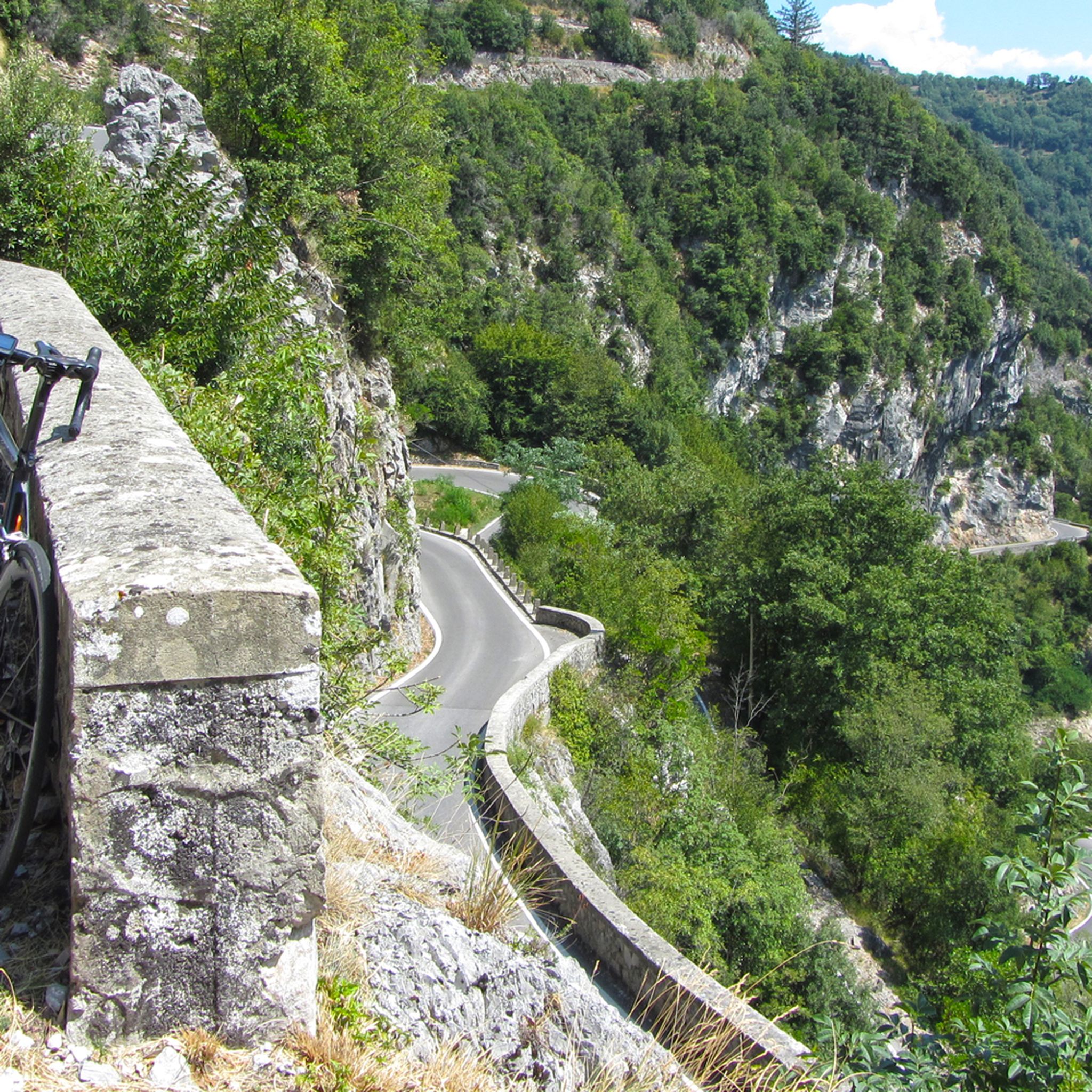
Road Cycling Routes around Parco naturale regionale delle Alpi Apuane
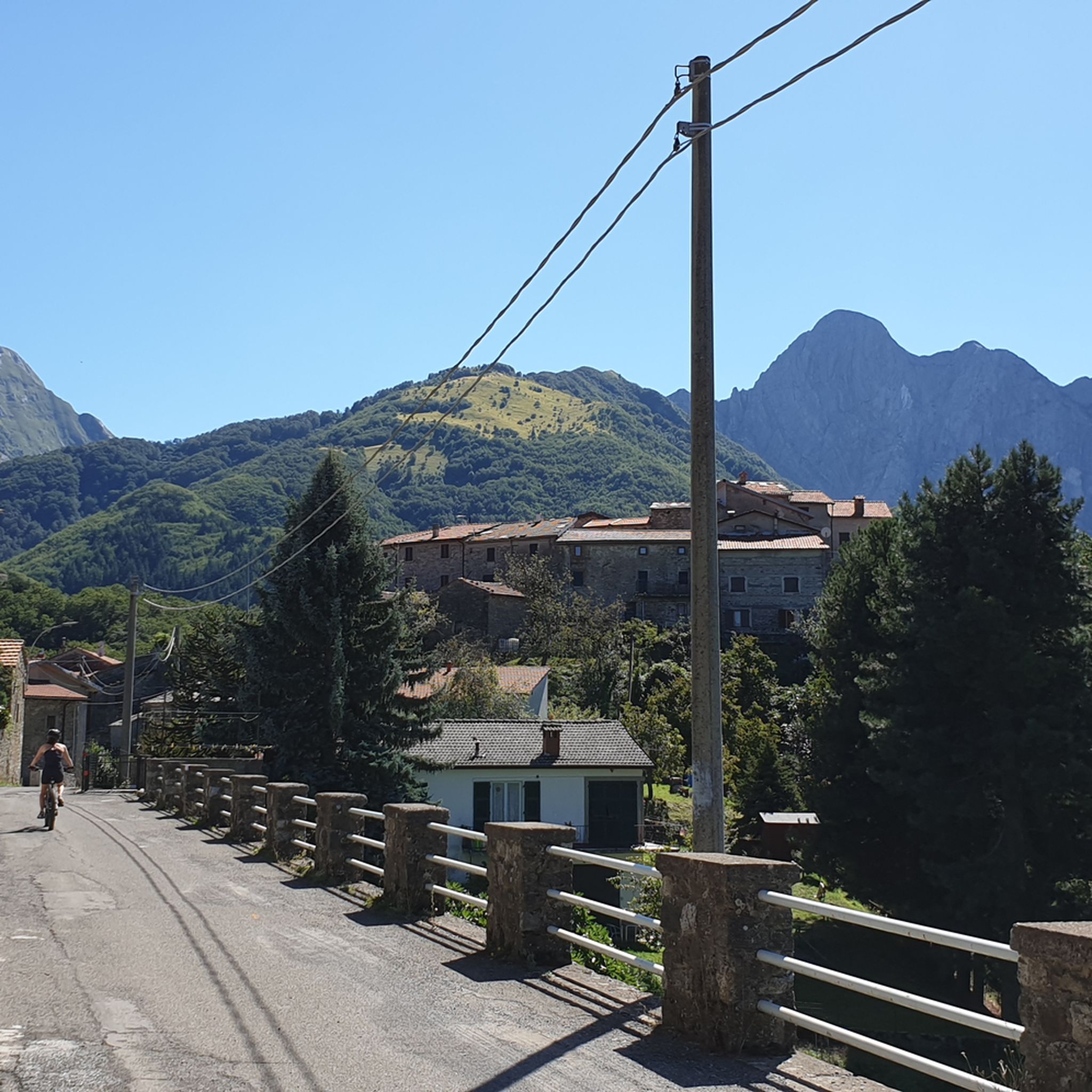
Cycling around Parco naturale regionale delle Alpi Apuane
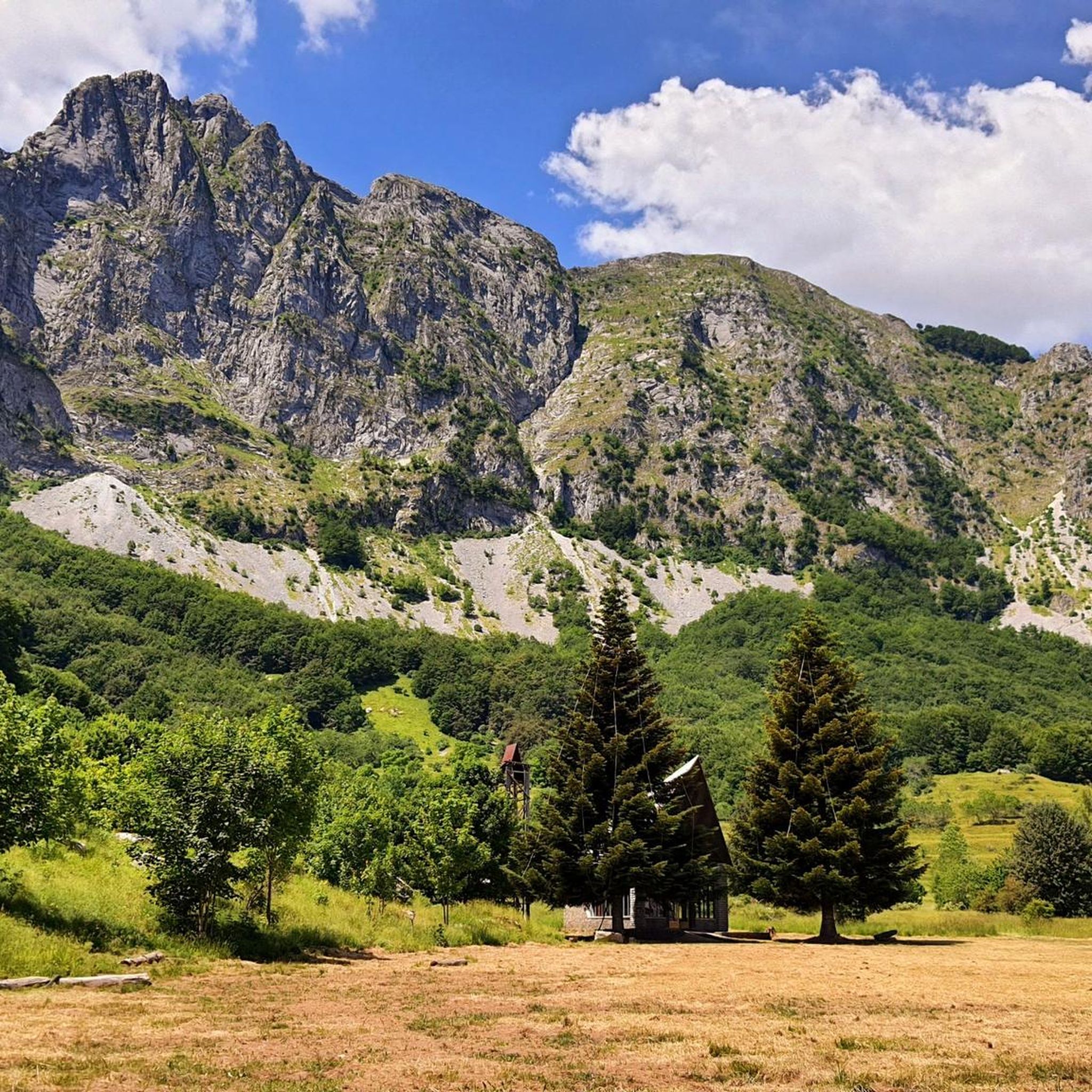
Running Trails around Parco naturale regionale delle Alpi Apuane

Mountain Hikes around Parco naturale regionale delle Alpi Apuane

Gravel biking around Parco naturale regionale delle Alpi Apuane
Other adventures around Parco naturale regionale delle Alpi Apuane


Tips from the Community


Easy to ride, interesting views. Front and rear bike lights highly recommended!
0
0

An easily reachable peak, at the top there is space to move, but always keep your attention high. The exposure on the slopes is remarkable at the top. The view of Versilia and the Apuan peaks is wonderful
0
0

Great view of Focoletta, Sella and Fiocca
0
0

Point with an amazing view. Easy to reach from path 130 which can be a little slippery when it’s moist, but further no difficulties. From here to pania della croce and monte forato is marked as EE. To pania there are chains to hold on to on the difficult parts, to monte forato there are no chains, the path to forato is narrow and sometimes exposed on both sides.
1
0
Creste della Tambura, view of Focoletta, Sella and Fiocca
0
0

Beautiful mountain landscape and one of the many tunnels here in the mountains where you can cool off.
1
0
Frequently Asked Questions
What are some of the most notable mountain passes in the Parco naturale regionale delle Alpi Apuane?
The region boasts several remarkable mountain passes. Among them are Tambura Pass, known for its historical significance as part of the Via Vandelli and exceptional 360-degree views. Passo del Vestito offers breathtaking vistas of the surrounding mountains, the sea, and the Carrara marble quarries. Another significant pass is Passo della Focolaccia, home to the historic Bivacco Aronte and offering stunning views of the Tyrrhenian coast.
Are there family-friendly mountain passes or trails in the Alpi Apuane region?
Yes, some areas around the mountain passes are suitable for families. For instance, Passo del Vestito is listed as family-friendly. While some trails can be challenging, there are often accessible sections or viewpoints that can be enjoyed by visitors of varying fitness levels. For a less strenuous experience, consider exploring areas with easier access to viewpoints rather than attempting high-difficulty trails.
What kind of views can I expect from the mountain passes in the Alpi Apuane?
The mountain passes offer diverse and spectacular views. From passes like Tambura Pass, you can enjoy exceptional 360-degree panoramas of the Apuan Alps and beyond. Passo del Vestito provides vistas extending to the sea and the dramatic Carrara marble quarries. Passo della Focolaccia offers stunning views of the Tyrrhenian coast and islands like Gorgona and Capraia. The unique marble landscape is a recurring feature, creating striking and evocative scenery.
What historical sites or features can be found near these mountain passes?
The region is rich in history. Tambura Pass is part of the historic Via Vandelli, an 18th-century road built to connect Modena and Massa, showcasing remarkable engineering. Passo della Focolaccia is home to the Bivacco Aronte, the oldest and highest refuge in the Apuan Alps, declared a "good of historical and artistic interest." Passo del Vestito holds significance as the location for Arturo Reghini's Neopythagorean initiation in 1910 and features a memorial to those who fell on the Gothic Line during WWII.
Are there challenging hiking trails accessible from the mountain passes?
Yes, many mountain passes serve as starting points for challenging hikes. For example, Tambura Pass is a key point for various hiking trails, including routes to the summit of Monte Tambura. Valli Pass is situated between Pania della Croce and Monte Forato, with paths that can be exposed and are recommended for experienced hikers. Passo Sella also offers access to challenging ascents like Monte Sella.
What outdoor activities can I do near the mountain passes in Parco naturale regionale delle Alpi Apuane?
The region offers a variety of outdoor activities. You can find numerous hiking trails, including challenging routes like the Monte Sagro and Monte Spallone Loop or the Pania della Croce Loop from Piglionico. For cyclists, there are difficult cycling routes such as the Apuan Landscapes Loop or the Passo dei Carpinelli and Lago di Gramolazzo Loop. Mountain biking enthusiasts can explore trails like the Monte Corchia and Monte Freddone Loop. You can find more details on these activities in the hiking, cycling, and MTB guides for the region.
What is the best time to visit the Alpi Apuane mountain passes for hiking?
The best time to visit for hiking is generally during the warmer months, from late spring to early autumn. This period offers more stable weather conditions and less snow at higher altitudes, making trails more accessible. However, always check local weather forecasts before your visit, as conditions can change rapidly in mountainous areas.
Are there any unique natural features or landmarks to look out for?
Absolutely. The Alpi Apuane are famous for their rugged landscape and marble quarries. You'll encounter dramatic marble formations, particularly around Monte Tambura and Passo Sella. The artificial basin of Isola Santa near Passo del Vestito is a notable feature. The region's unique geology, with its powerful marble mountains, creates a striking and evocative landscape unlike many other mountain ranges.
What do visitors enjoy most about the mountain passes in Parco naturale regionale delle Alpi Apuane?
Visitors frequently highlight the breathtaking panoramic views, often extending to the sea and nearby islands. The historical significance of routes like the Via Vandelli and the dramatic presence of marble quarries also captivate many. The challenging yet rewarding hiking opportunities, leading to summits and unique natural features, are also highly appreciated by the komoot community.
Can I find any amenities like cafes or restaurants near the mountain passes?
While the passes themselves are often remote, some areas might have limited amenities. For example, tips for Passo del Vestito mention a grocery store near Fonte San Carlo if you descend towards San Carlo. It's always advisable to carry sufficient supplies, especially water and snacks, as services can be sparse in these mountainous regions.
What is the significance of the marble quarries in relation to the mountain passes?
The marble quarries are an integral part of the Alpi Apuane landscape and history. Passes like Passo del Vestito offer direct views of the Carrara marble quarries. Passo della Focolaccia is particularly poignant due to its proximity to marble extraction sites, highlighting the impact of human activity on natural landscapes. The presence of these quarries adds a unique industrial and historical dimension to the natural beauty of the passes.
Are there any passes that are particularly popular for cycling?
Yes, Passo del Vestito is a classic cycling route, offering breathtaking vistas throughout the climb and descent. It's considered one of the most spectacular roads in Tuscany for cyclists and motorcyclists. However, it's recommended to visit on non-working days to avoid marble truck traffic.
Most popular routes around Parco naturale regionale delle Alpi Apuane
Most popular attractions around Parco naturale regionale delle Alpi Apuane

Get inspired with the komoot mobile app


Explore more
See even more epic mountain passes by checking out these guides around Parco naturale regionale delle Alpi Apuane:
