Attractions and Places To See around Parco naturale regionale delle Alpi Apuane - Top 20
Best attractions and places to see around Parco naturale regionale delle Alpi Apuane include a diverse landscape of mountains, passes, and natural formations. This regional natural park, often referred to as the Apuan Alps due to its rocky character, offers views stretching from Versilia to Garfagnana and the sea. The area is characterized by its unique geology, including marble quarries, and provides numerous opportunities for exploration.
Best attractions and places to see around Parco naturale regionale delle Alpi Apuane
- The most popular attractions is Monte Forato Natural Arch, a natural monument that features a hole created by erosion. The view from the nearby peak is notable, showcasing this distinctive geological formation.
- Another must-see spot is Tambura Pass, a mountain pass offering exceptional 360-degree views. This pass is one of the highest points in the region, located at the foot of Mount Focoletta.
- Visitors also love Nello Conti Hut, a hut providing accommodation and refreshments. It serves as a welcoming stop for those exploring the Alpi Apuane, offering a place to rest and connect with other hikers.
- Parco naturale regionale delle Alpi Apuane is known for its natural monuments, mountain passes, and summits. The region offers a variety of attractions to see and explore, from geological wonders to panoramic viewpoints and welcoming mountain huts.
- The attractions around Parco naturale regionale delle Alpi Apuane are appreciated by the komoot community, with more than 375 upvotes and 183 photos shared by visitors.
Last updated: July 6, 2026
Monte Forato Natural Arch
Highlight • Natural Monument
Translated by Google •
Tip by

Pania della Croce
Highlight • Summit
Translated by Google •
Tip by

Sign up now to discover places like this
Get recommendations on the best single tracks, peaks, & plenty of other exciting outdoor places.
Sign up for free
Mount Prana
Highlight • Viewpoint
Translated by Google •
Tip by

Lake Vagli
Highlight • Lake
Translated by Google •
Tip by

Summit of Monte Matanna
Highlight • Summit
Translated by Google •
Tip by

Sign up for free to discover even more attractions around Parco naturale regionale delle Alpi Apuane.
Sign up for free
Already have an account?
Start today with a free account
Your next adventure awaits.
Login or Signup
Popular around Parco naturale regionale delle Alpi Apuane
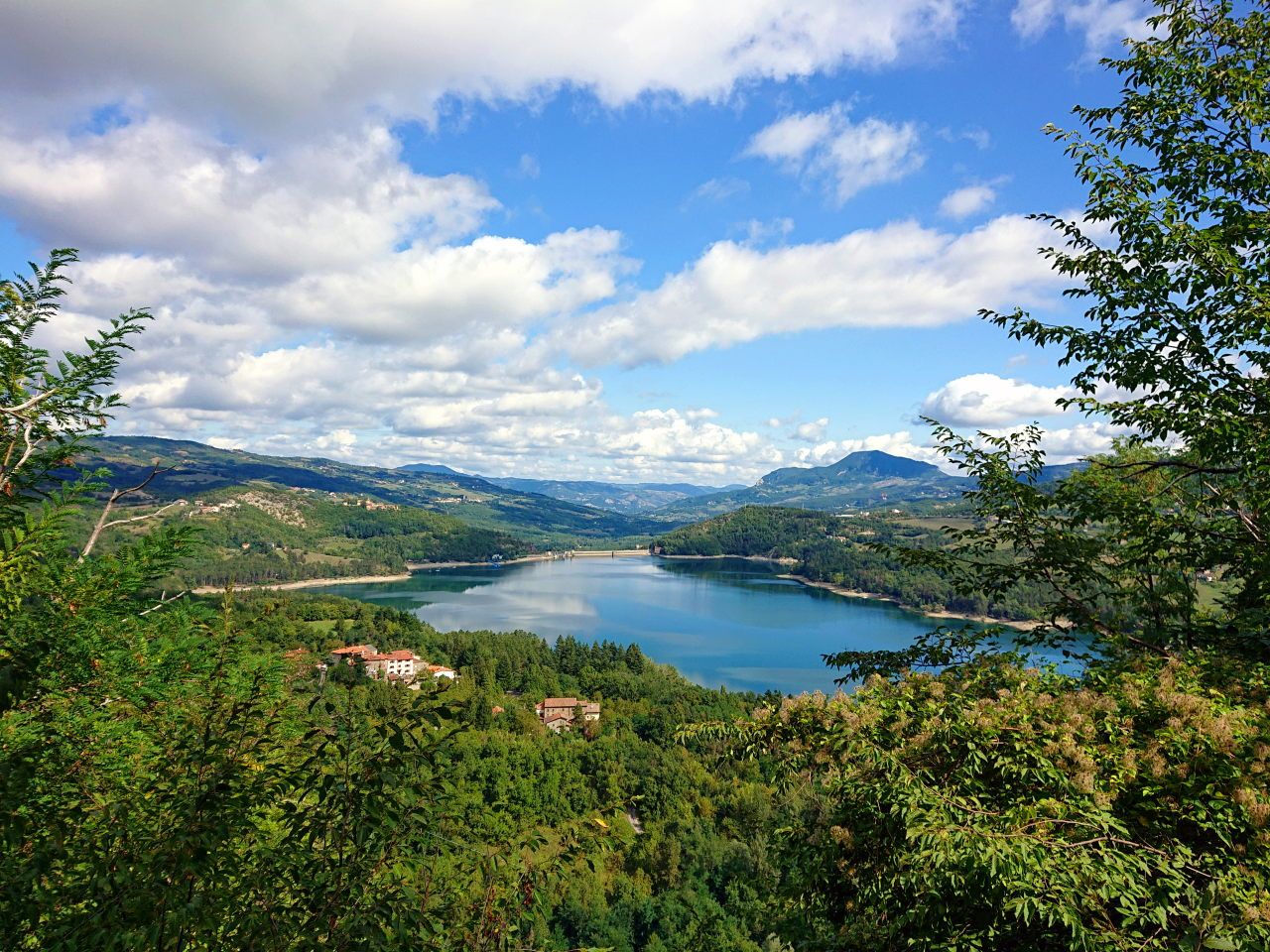
Interiora - A Journey into the Remote Areas of Italy
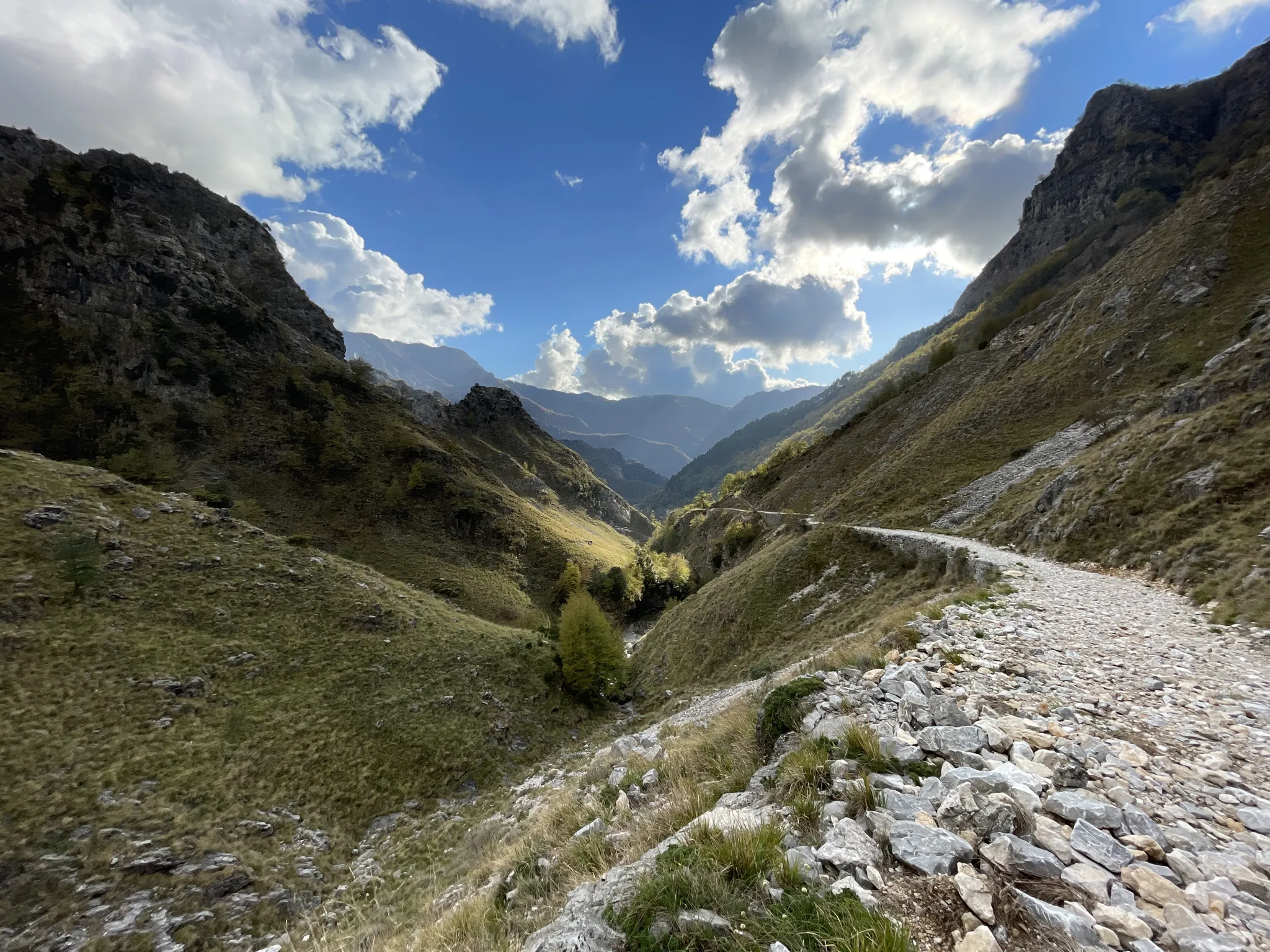
18th-century route from Modena to Massa – Via Vandelli
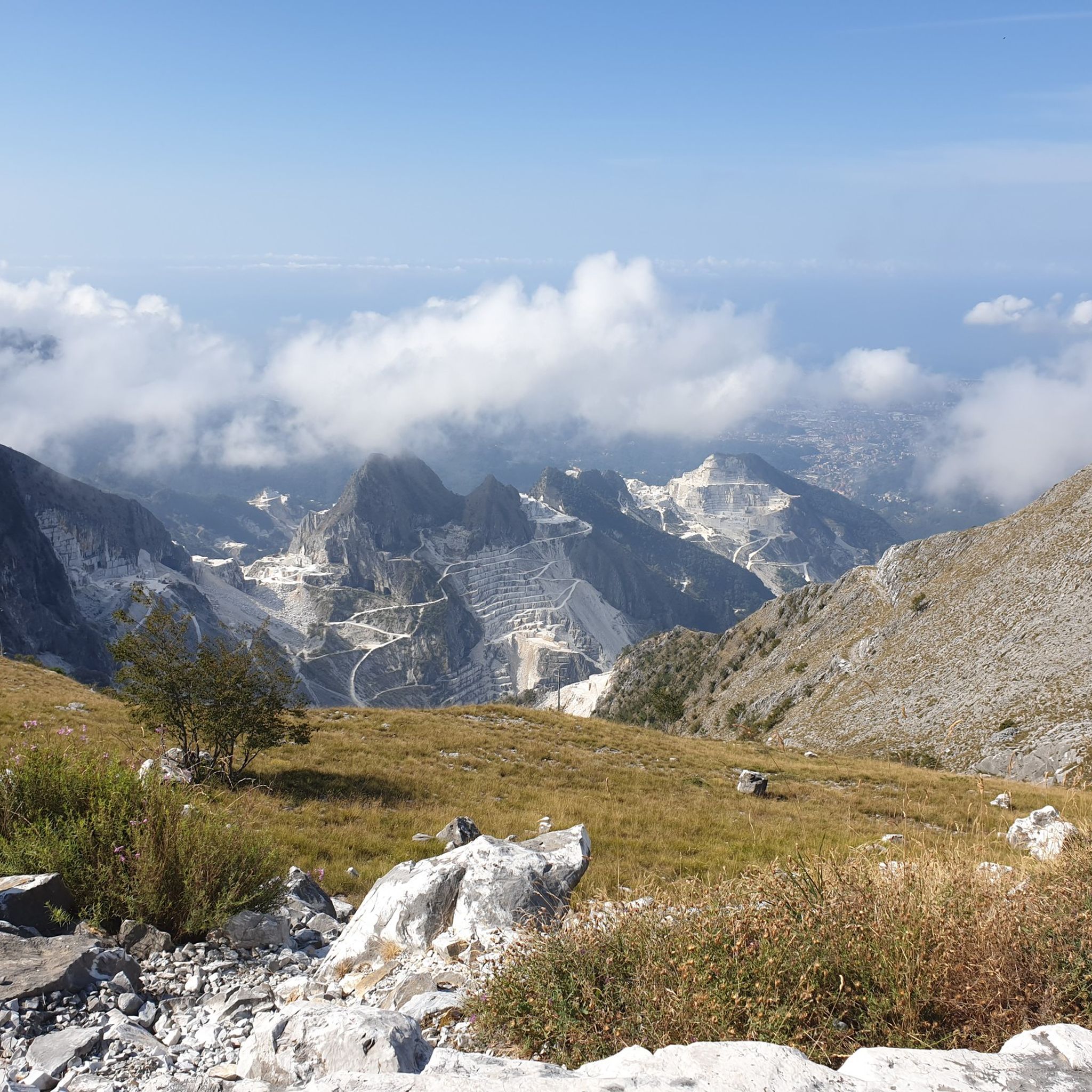
Hiking around Parco naturale regionale delle Alpi Apuane
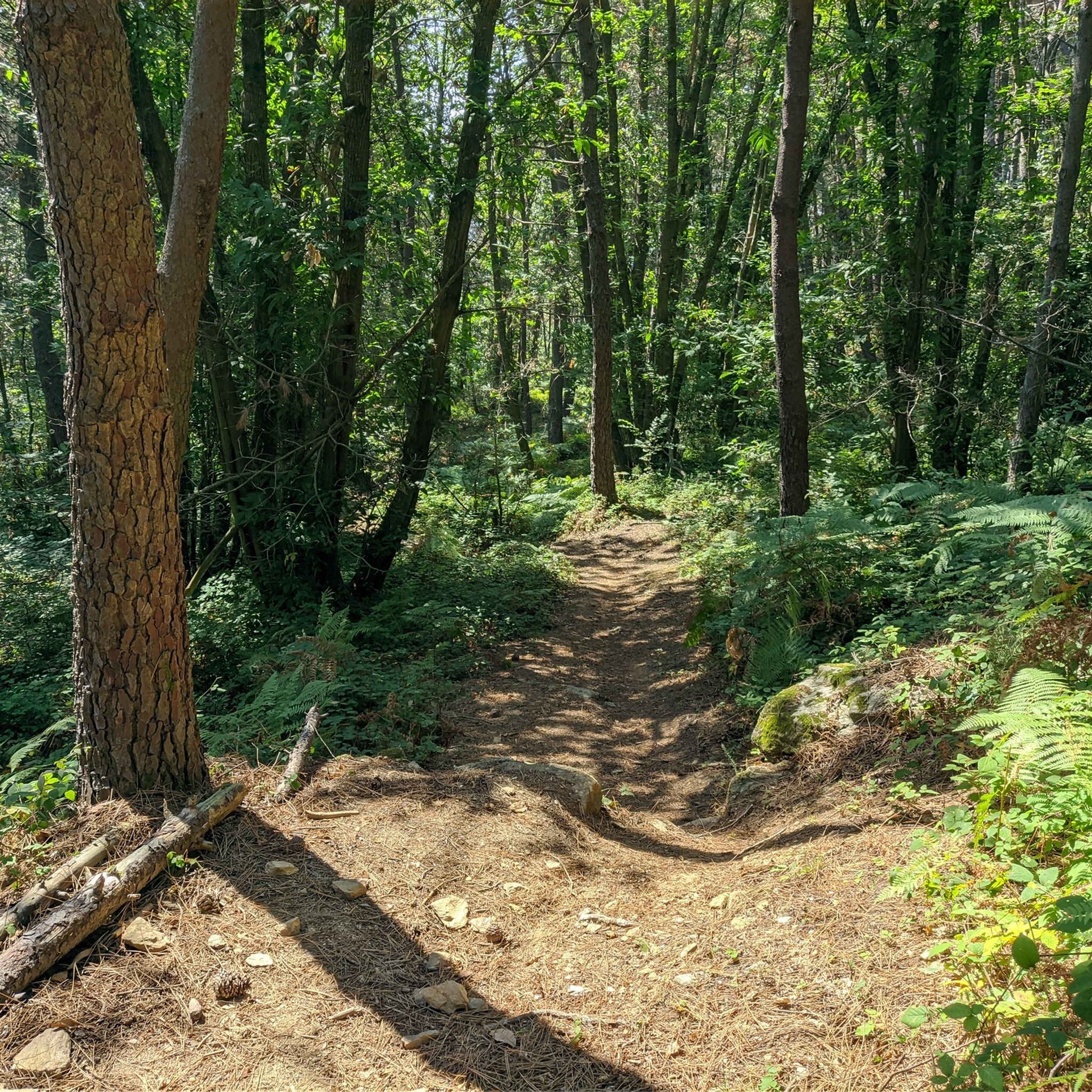
MTB Trails around Parco naturale regionale delle Alpi Apuane
Road Cycling Routes around Parco naturale regionale delle Alpi Apuane
Cycling around Parco naturale regionale delle Alpi Apuane
Running Trails around Parco naturale regionale delle Alpi Apuane

Mountain Hikes around Parco naturale regionale delle Alpi Apuane

Gravel biking around Parco naturale regionale delle Alpi Apuane
Other adventures around Parco naturale regionale delle Alpi Apuane


Tips from the Community

The construction of the hydroelectric dam, designed by Count Eng. Ignazio Prinetti Castelletti, began in 1941, slowed down during wartime, and was completed in 1947 under the supervision of SELT Valdarno (now Enel). In the period 1951-53, the dam was raised by about 30 m, bringing the overall height to about 88-92 m. The ordinary arch and gravity dam, built in concrete, has a crest 150 m long and 5 m wide, while the width at foundation level is about 70 m. The crest is accessible to the public all year round. The lake, artificially formed in 1947 by damming the Edron stream, constitutes the dam's reservoir. Upon filling, the rising lake waters submerged some villages, the main one being Fabbriche di Careggine, a small village of blacksmiths from Brescia, founded in the 13th century, which re-emerges with every emptying of the basin. Since the Vajont disaster, the basin has not been filled beyond 80% of its maximum capacity. The basin holds about 35 million cubic meters of water and is exceptionally emptied in case maintenance intervention is necessary. This has happened four times: in 1958, 1974, 1983, and 1994. In the latter year, almost 1 million tourists from all over the world arrived in Vagli.
0
0

Some summit crosses have no corpus, while others are adorned with the figure of the crucified Christ. But the most famous crucifix on the Italian peninsula leads us away from here into the Po Valley. There in the 'Bassa', the writer Giovanni Guareschi (1908 to 1968) set his popular short stories about the protagonists 'Don Camillo' and 'Peppone'. But besides the two, there is another main character: because Jesus Christ himself speaks from the high altar to the priest Don Camillo – whom the actor Fernandel (Fernand Joseph Désiré Contandin, 1903 to 1971) portrayed excellently in several feature films. The crucifix, originally made only for the film adaptations, has been preserved and has become a popular tourist attraction in Brescello (Emilia-Romagna). Via the following link, it can be virtually visited as a komoot highlight =>> https://www.komoot.com/de-de/highlight/6457013
0
0

Not a demanding but always beautiful trek
0
0

A wonderful view of the main mountains of the Apuan Alps
0
0

It's always worth it when the weather is nice.
0
0

A nice highlight to visit. The easiest way to reach it is from the east from path 12.
1
0
A nice highlight to visit. The easiest way to reach it is from the east from path 12
1
1

The coast of Monte Forato, between Cardoso and Fornovolasco, is of great beauty, although care must be taken when walking along it. From here, in fact, you can see from close range the famous "hole" in the rock that gives the mountain its name, a natural arch visible from both Versilia and Garfagnana.
2
0
Frequently Asked Questions
What unique natural features can I explore in Parco naturale regionale delle Alpi Apuane?
The region is renowned for its distinctive geological formations. You can visit the Monte Forato Natural Arch, a natural monument with a hole created by erosion, offering beautiful views from nearby peaks. The area also features numerous mountain passes and summits, providing panoramic vistas.
Are there any mountain passes with exceptional views in the Apuan Alps?
Yes, the Tambura Pass offers exceptional 360-degree views and is one of the highest points in the region, located at the foot of Mount Focoletta. Another notable pass is Passo del Vestito, which provides magnificent views of the surrounding mountains, the sea, and marble quarries.
What kind of accommodation or resting spots are available for hikers?
The Nello Conti Hut is a welcoming stop for those exploring the Alpi Apuane. It offers accommodation with about twenty sleeping places, serves coffee and lunch, and is known for its friendly managers. It's a great place to rest and connect with other hikers.
Are there easy hiking trails suitable for beginners or families?
Yes, the region offers several easy hiking options. You can explore routes like the Lake Vagli ring tour or the Gompe Waterfall and Pool No.1 loop. For more options, check out the Easy hikes around Parco naturale regionale delle Alpi Apuane guide.
What outdoor activities can I do near these attractions besides hiking?
Beyond hiking, you can enjoy gravel biking. There are routes like the Ridella Biodiversity Garden loop or the Roman Amphitheatre of Luni loop. For detailed routes and information, refer to the Gravel biking around Parco naturale regionale delle Alpi Apuane guide.
Can I find trails that feature waterfalls in the area?
Absolutely. The area boasts beautiful waterfall hikes, such as the Anello 7: Candalla - Casoli - Metato Loop or the Candalla Waterfalls – Casoli — Village of Murals loop. Discover more routes in the Waterfall hikes around Parco naturale regionale delle Alpi Apuane guide.
What do visitors appreciate most about the attractions in Parco naturale regionale delle Alpi Apuane?
Visitors frequently highlight the breathtaking panoramic views from mountain passes and summits, the unique geological formations like the Monte Forato Natural Arch, and the welcoming atmosphere of mountain huts such as Nello Conti. The diverse landscape, ranging from rocky peaks to views of the sea, is also highly praised.
Are there any high mountain summits offering extensive views?
Yes, the Summit of Monte Matanna, at 1317 m above sea level, provides beautiful views of Versilia, the Apuan Alps, and Garfagnana. It's a popular peak accessible from the Matanna refuge, where several paths begin.
What is the best time of year to visit Parco naturale regionale delle Alpi Apuane for outdoor activities?
The best time to visit for hiking and outdoor activities is typically from late spring to early autumn (May to October), when the weather is generally mild and trails are clear of snow. Summer offers warmer temperatures, while spring and autumn provide pleasant conditions with fewer crowds and vibrant natural colors.
Are there any tips for navigating the mountain passes, especially for cyclists?
When tackling mountain passes like Passo del Vestito or Tambura Pass, be prepared for varying slopes. Some sections can be tough, while others are more gradual. For cyclists, it's advisable to bring lights for tunnels that may be encountered on certain routes, such as those near Passo del Vestito.
What kind of natural monuments can I expect to see in the park?
The park is rich in natural monuments shaped by geological processes. Besides the famous Monte Forato Natural Arch, you'll encounter numerous rock formations, caves, and unique landscapes that showcase the Apuan Alps' distinct geology, including areas influenced by marble quarries.
Most popular routes around Parco naturale regionale delle Alpi Apuane
Most popular attractions around Parco naturale regionale delle Alpi Apuane

Get inspired with the komoot mobile app


Explore more
Still not found the Highlight you’re looking for? See guides of the top attractions in other regions:
