The best traffic-free bike rides around the Donau
4.6
(8688)
174,991
riders
1,177
rides
No traffic road cycling routes around the Donau primarily follow the course of the Danube River, offering predominantly flat or gently undulating terrain. The region is characterized by riverine landscapes, including floodplains and occasional narrow gorges, particularly in sections like the Wachau Valley. Cyclists encounter a mix of open countryside, vineyards, and historic towns along well-maintained paths, with some sections featuring newly paved surfaces.
Best no traffic road cycling routes around the Donau
- The most popular no traffic road cycling…
Last updated: June 28, 2026
4.7
(87)
1,677
riders
Moderate road ride. Good fitness required. Some segments of this route may be unpaved and difficult to ride.
4.8
(94)
1,365
riders
Moderate road ride. Good fitness required. Mostly well-paved surfaces and easy to ride.

Sign up for free
4.0
(1)
7
riders
49.3km
02:19
410m
410m
Moderate road ride. Good fitness required. Some segments of this route may be unpaved and difficult to ride.
5
riders
57.7km
02:54
730m
730m
Moderate road ride. Good fitness required. Some segments of this route may be unpaved and difficult to ride.
4.7
(91)
1,128
riders
Moderate road ride. Good fitness required. Mostly well-paved surfaces and easy to ride.
Get access to more routes and recommendations from other explorers.
Sign up for free
Already have an account?
Our route recommendations are based on thousands of hikes, rides, and runs completed by other people on komoot.
Start today with a free account
Your next adventure awaits.
Login or Signup
Popular around Danube
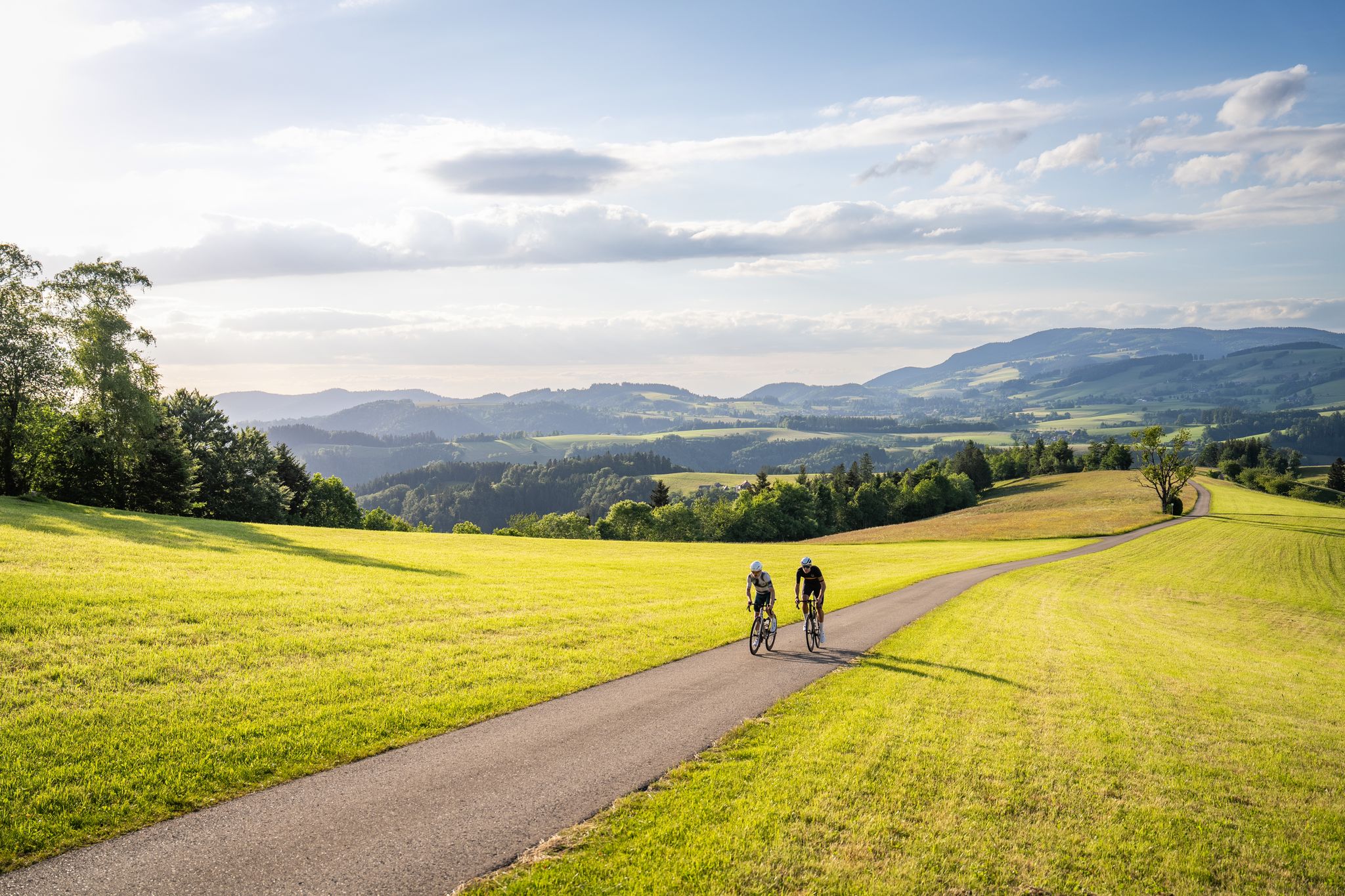
Asphalt poetry – road cycling in the High Black Forest
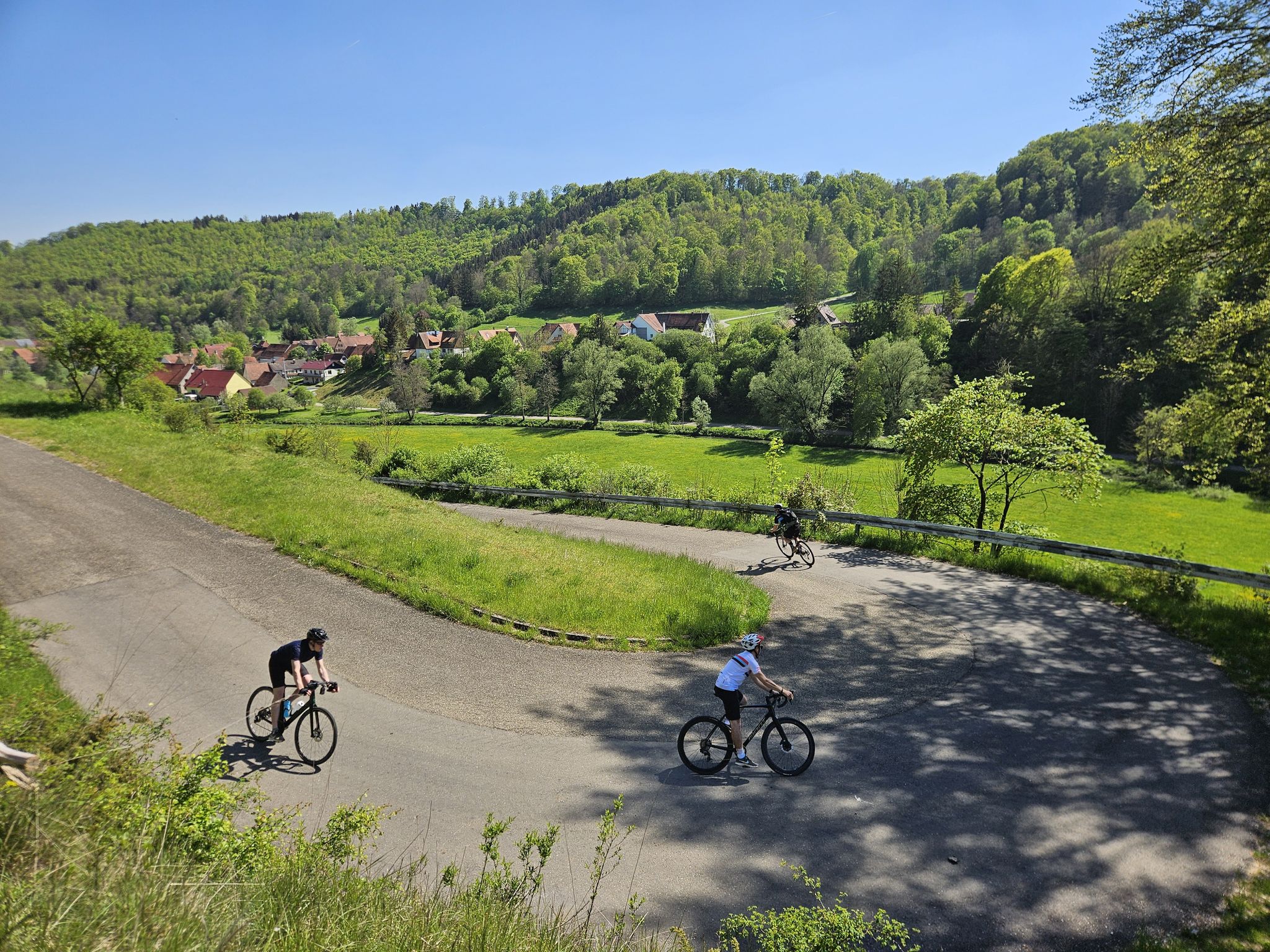
From mountain sprints to winding roads – the Tour de Alb road cycling adventure
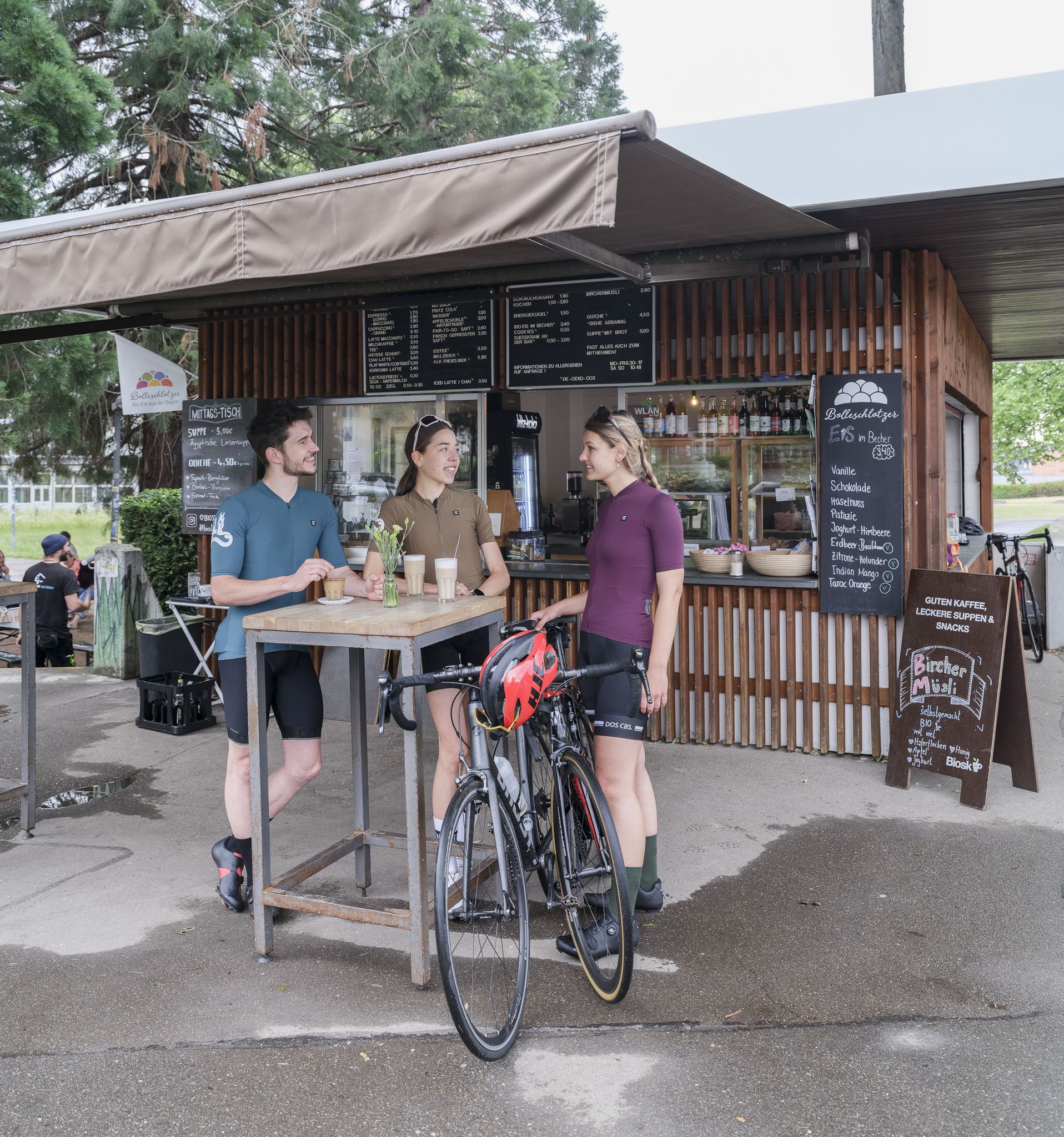
Espresso, ice cream and racing bikes – a dream mix in the Black Forest
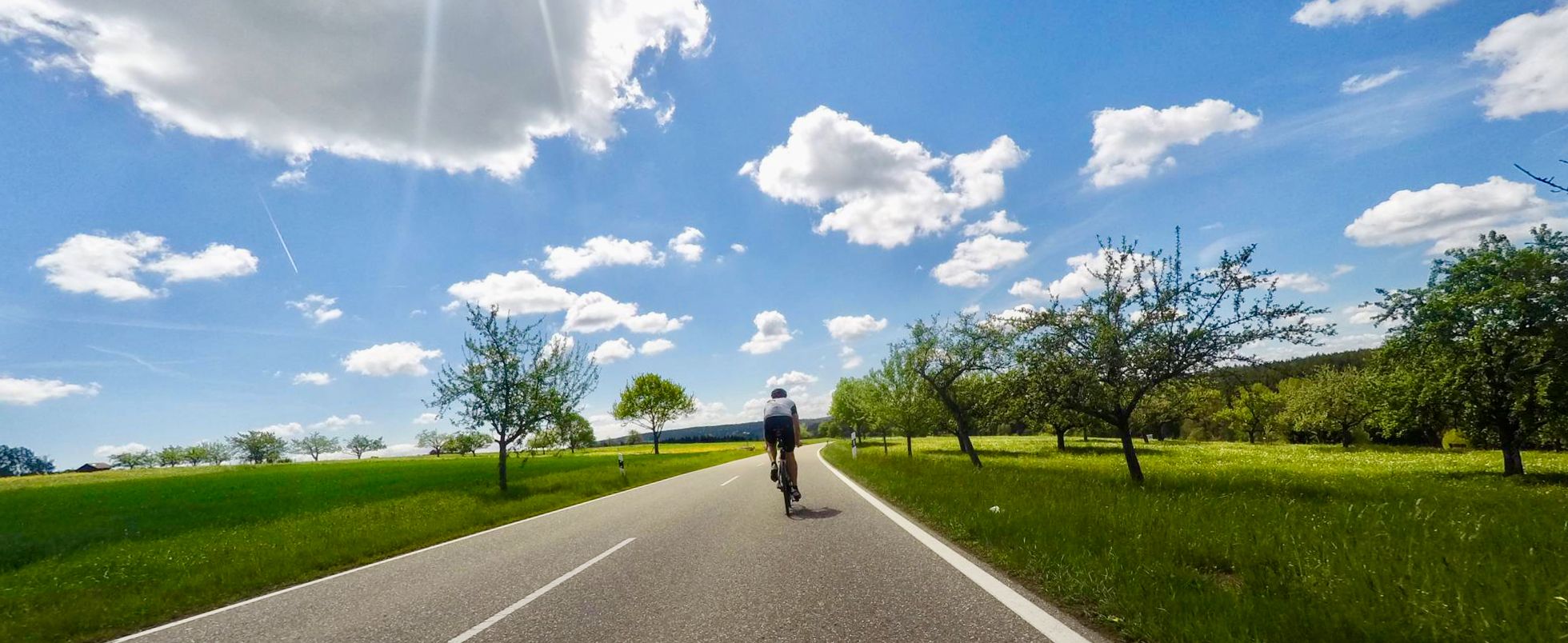
Secluded valleys & dramatic passes – best of Black Forest road cycling
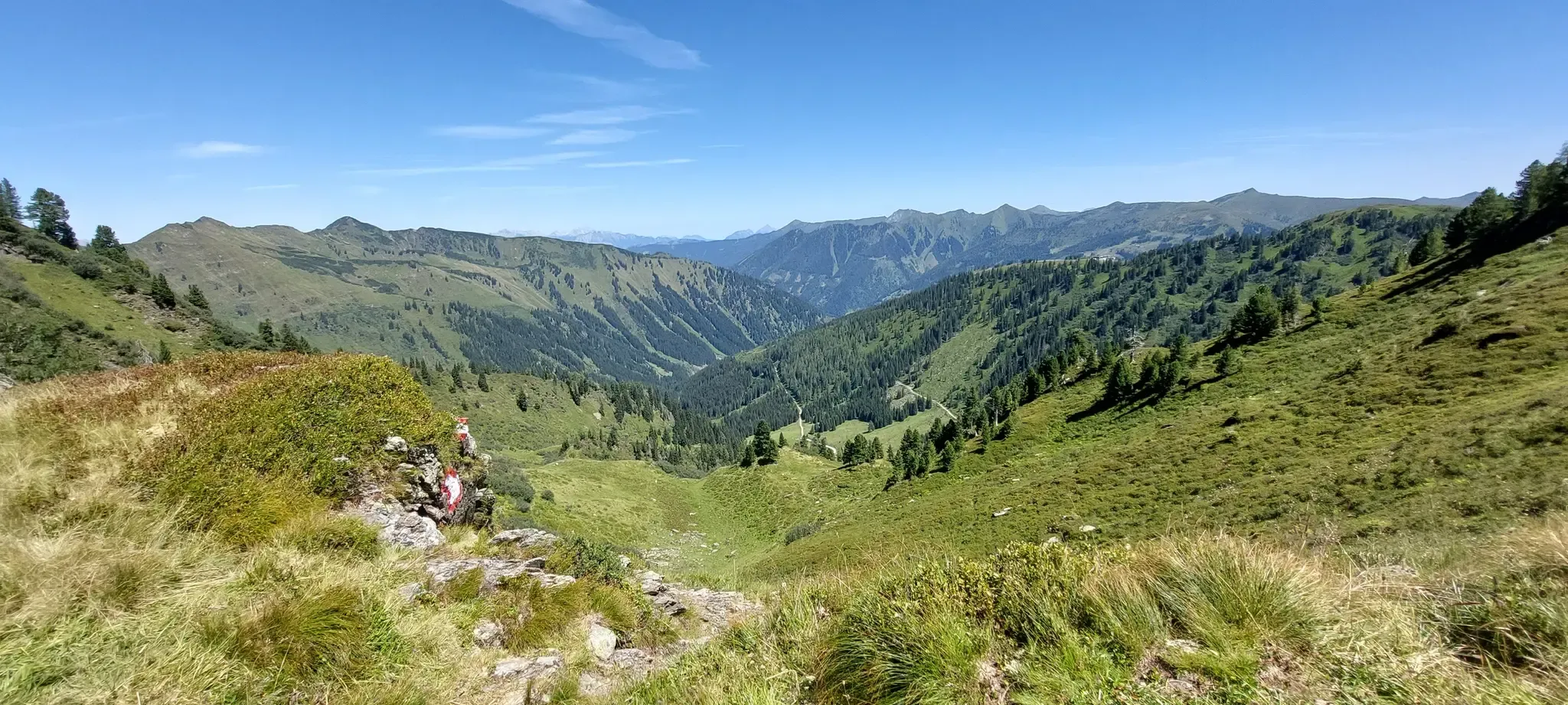
Central Alps Trail Eastern Section – Discover Austria
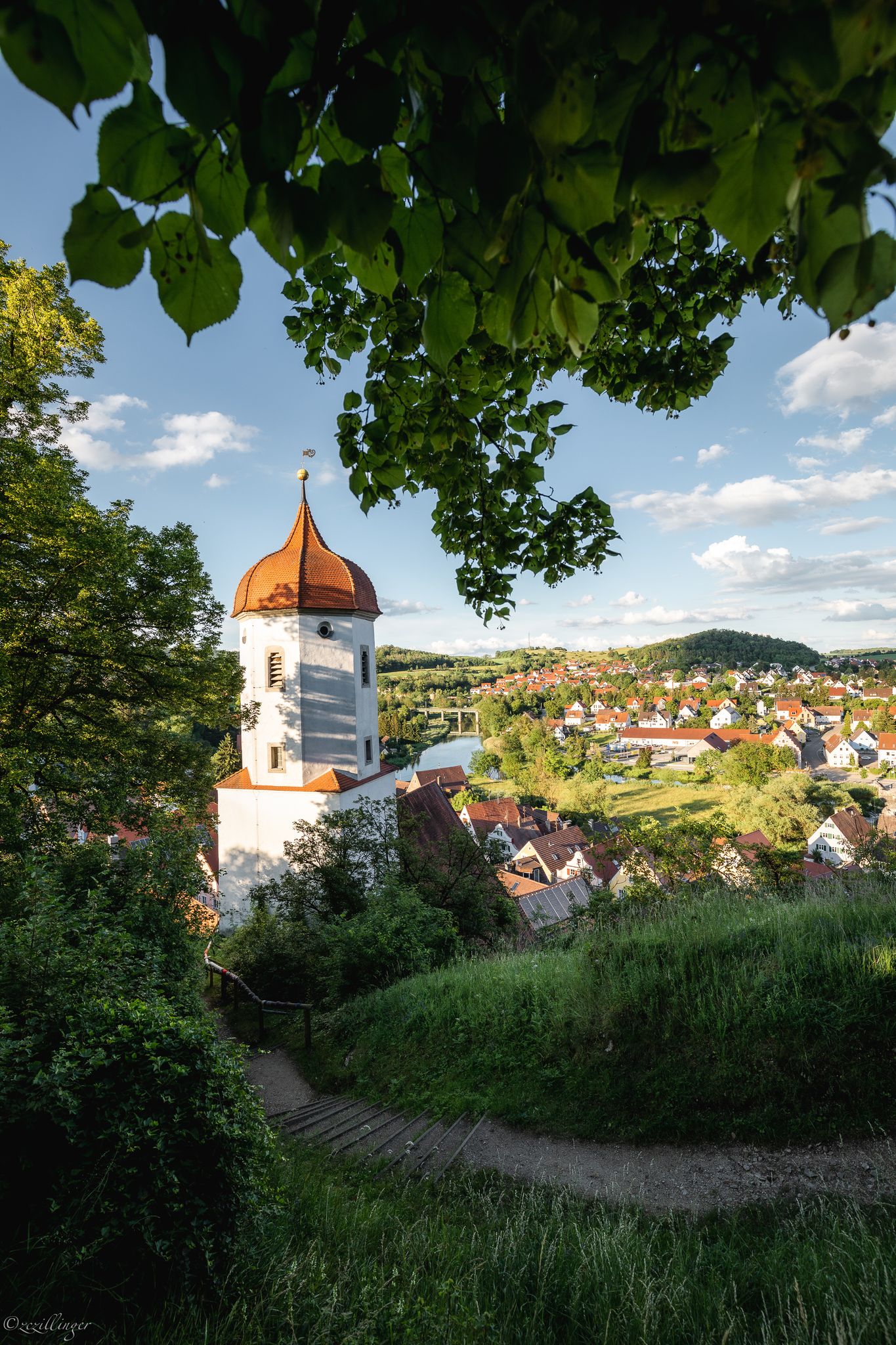
Augsburger Jakobsweg – Through Bavarian-Swabia
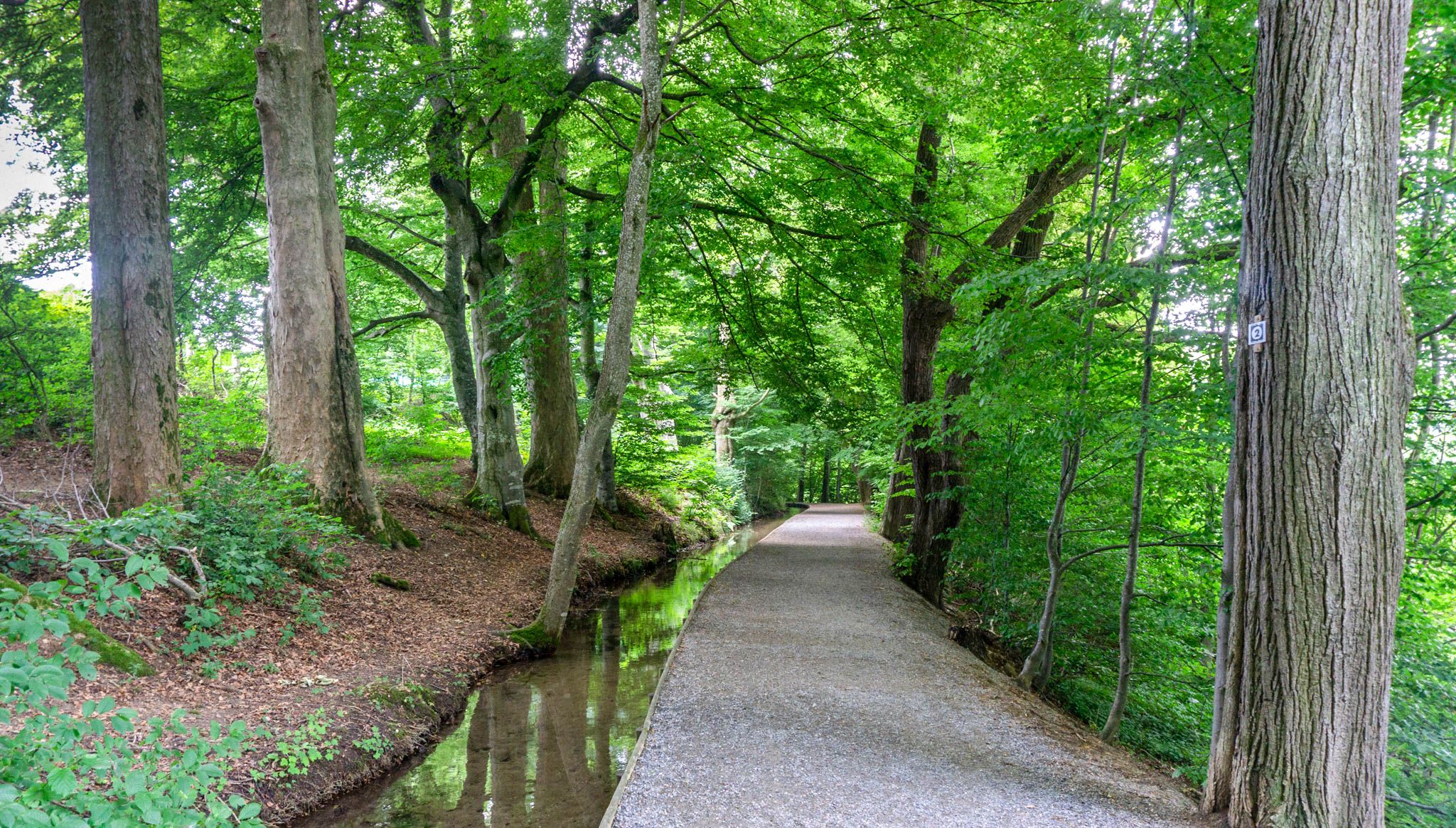
Main-Danube-Lake Constance Trail – Along iconic waters
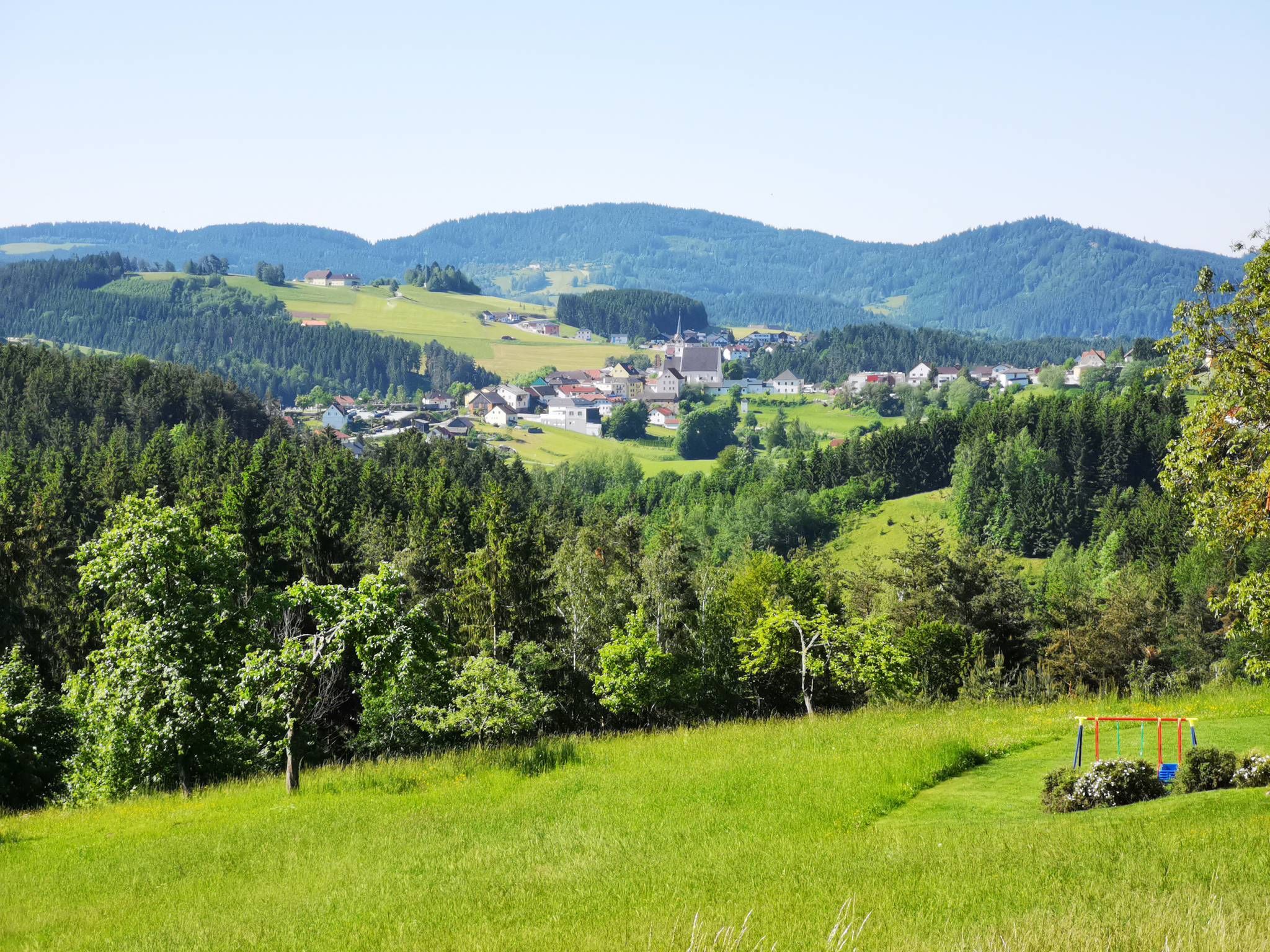
Austria's Mühlviertel Cycle Path — A hilly idyll
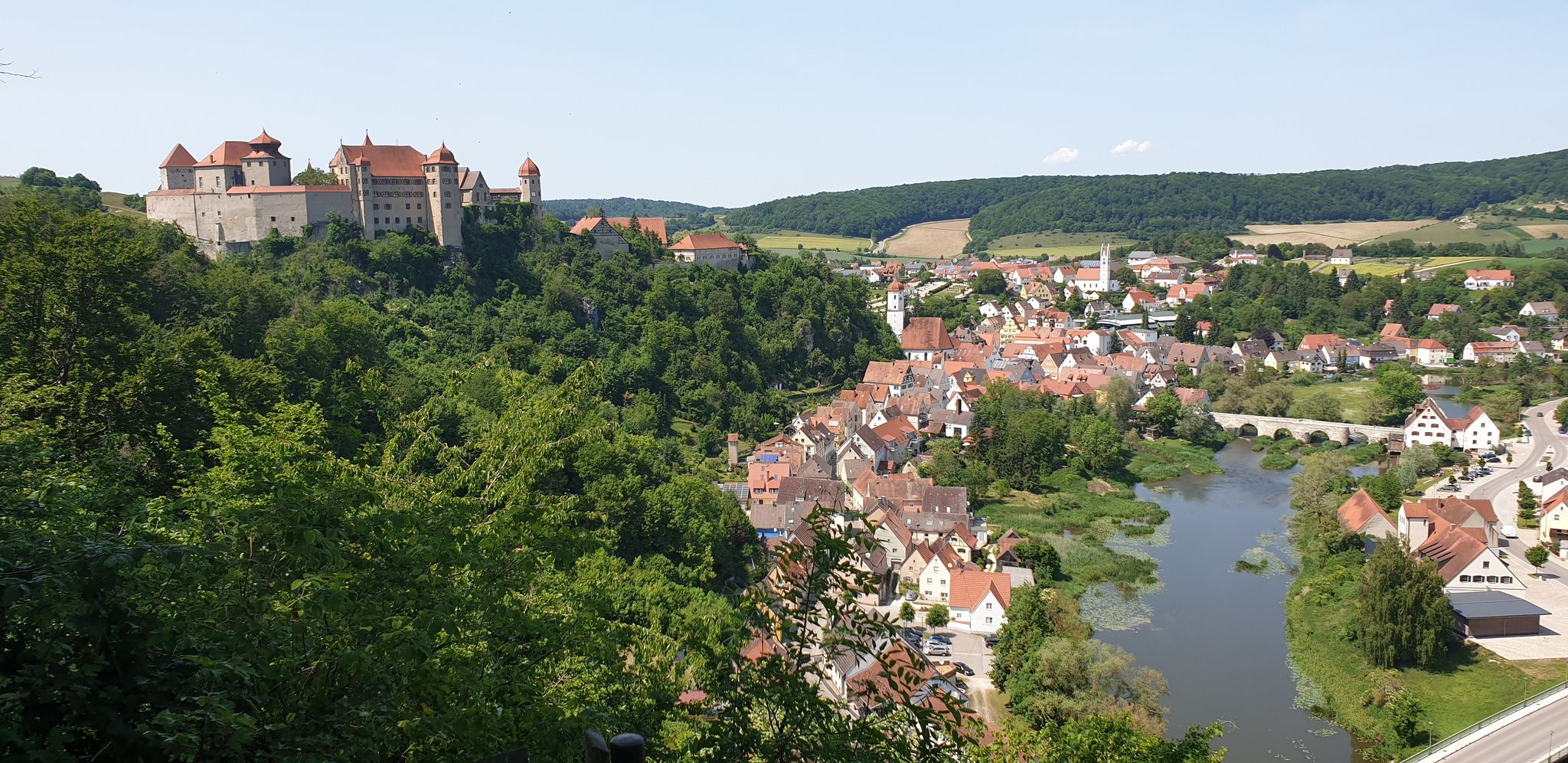
The Romantic Road – To the Pearls of Southern Germany
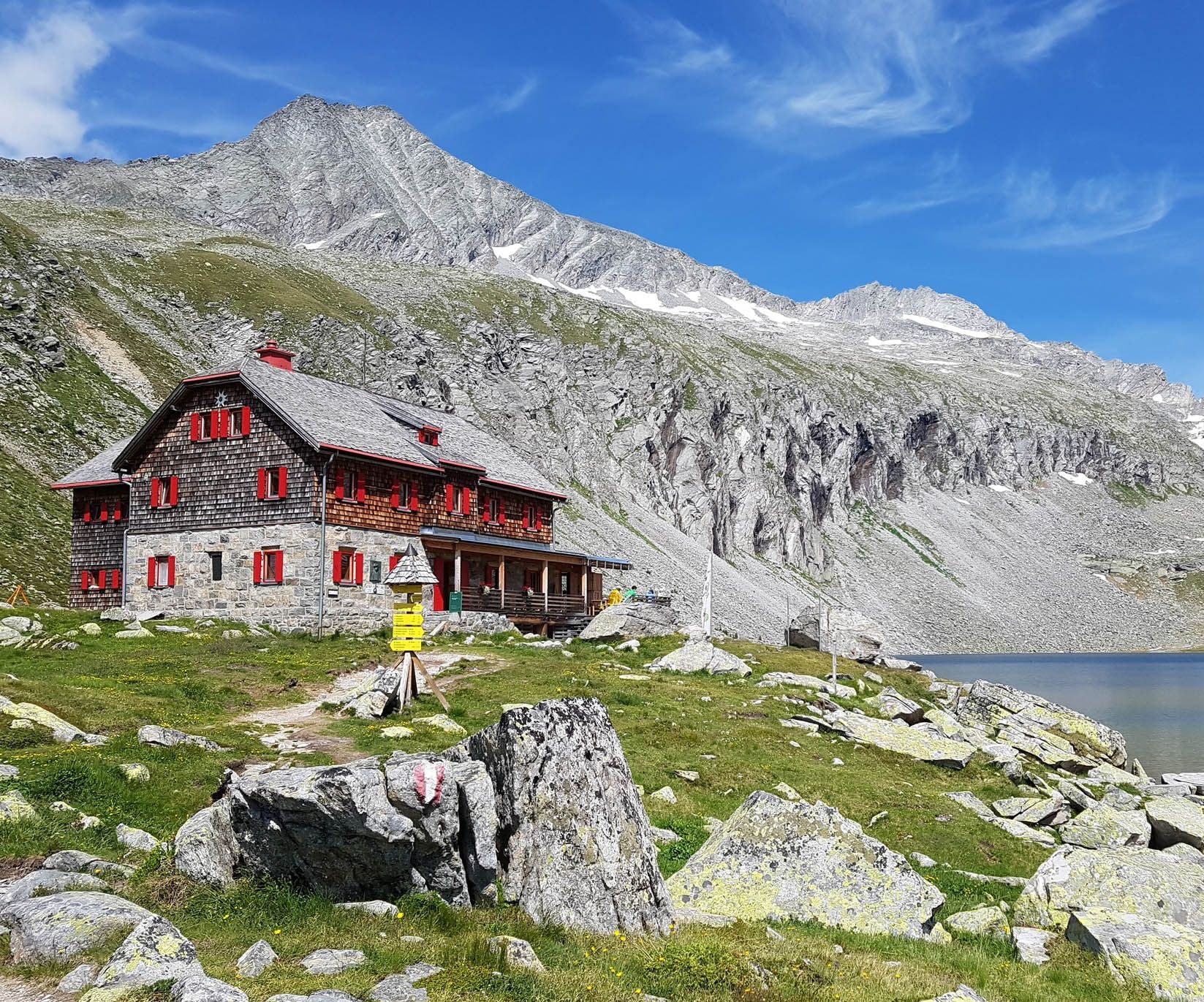
Ruperti Trail – Hike from Austria's Bohemian Forest to the Carnic Alps
Other adventures around the Donau


Tips from the Community

The almost standing body of water offers great photo opportunities with reflections.
0
0

The Freudenau power plant is a modern run-of-river power plant on the Danube and was built in the 1990s to generate environmentally friendly electricity for Vienna. The facility combines technical infrastructure with well-thought-out architecture and offers exciting insights into energy generation from hydropower along the cycling and walking paths. Particularly impressive is the view of the wide Danube and the lock system as cargo ships slowly move upstream or downstream.
3
0

The Danube Cycle Path near Orth an der Donau is one of the most scenic sections of the entire route, as it leads right through the heart of the Donau-Auen National Park. Unlike the built-up sections of large cities, here you cycle through one of Central Europe's last great untouched floodplain landscapes. The path often runs along the flood protection dike, from which you have wide views over the reed belts and oxbow lakes of the Danube.
0
0

One of the few side changes between Regensburg and Bad Abbach;
0
0
The Andreas Maurer Bridge is a striking structure for all those traveling on the Danube Cycle Path (R1). It is not only an important traffic artery but also a strategic point for cyclists in eastern Austria. The bridge spans the Danube near Bad Deutsch-Altenburg and connects the south bank (Bruck an der Leitha district) with the north bank (near Stopfenreuth, Gänserndorf district).
0
0

Off to the holy mountain of Upper Swabia. The last few meters of the ramp are quite challenging. But a fantastic view awaits you at the top.
1
0

The Freudenau Lock is a central facility on the Danube that regulates shipping traffic at the Freudenau Danube power plant. It has two lock chambers and is operated 24/7 by viadonau. In 2023, a total of 9,739 ships were locked through here; during peak season, approximately 45 ships pass through the facility daily. For cyclists on the Danube Canal or Danube Cycle Path, the lock offers an interesting stop: From here, the locking process can be observed, and its location on the right bank of the Danube in the 2nd district makes it an easily accessible stopover on a bike tour along the Danube.
3
1

The new cycle and pedestrian bridge is truly fantastic. It's no comparison to the old bottleneck.
1
0
Frequently Asked Questions
How many traffic-free road cycling routes are available around the Danube?
There are over 1200 traffic-free road cycling routes around the Danube, offering a wide variety of options for different skill levels and preferences. Many of these are part of the renowned Danube Cycle Path, known for its excellent infrastructure.
Are there easy, traffic-free road cycling routes suitable for beginners or families along the Danube?
Yes, the Danube region is well-known for its accessible terrain, with many sections of the Danube Cycle Path being predominantly flat or gently downhill. You'll find over 280 easy, traffic-free routes perfect for beginners or families looking for a relaxed ride. For example, the Freudenau Sluice Gate – Danube Cycle Path newly paved loop from Wien Erzherzog-Karl-Straße offers a smooth experience.
Can I find more challenging traffic-free road cycling routes in the Danube region?
While much of the Danube Cycle Path is flat, there are sections and loops that offer more challenge. The region features over 160 difficult routes, often incorporating more varied terrain or longer distances. Routes like the Danube Cycle Path South Bank – Schlögen Loop loop from Achleitnersiedlung include significant elevation changes, providing a more demanding ride.
What are the most scenic sections for traffic-free road cycling along the Danube?
The Wachau Valley in Austria, between Melk and Krems, is widely considered an undisputed highlight, offering stunning views of medieval castles, terraced vineyards, and charming wine towns. Another picturesque area is the Schlögener Schlinge (Schlögen Loop), where the river makes a dramatic 180-degree bend, as seen on the Danube Cycle Path South Bank – Schlögen Loop route.
What kind of natural attractions can I see along traffic-free road cycling routes?
The Danube flows through diverse ecosystems. You can encounter dramatic gorge country, river forests, and floodplains. Highlights include the Donauleiten Nature Reserve and the unique river bend at Schlögen. You might also pass by natural monuments like Amalien Rock.
Are there historical landmarks or cultural sites accessible from traffic-free cycling routes?
Absolutely. The Danube is rich in history. Cyclists can encounter numerous castles, palaces, and monasteries. Notable sites include Melk Abbey, medieval castles in the Wachau Valley, and the impressive Esztergom Basilica. In Regensburg, you can visit the historic Stone Bridge (Steinerne Brücke), a significant landmark.
What do other road cyclists enjoy most about traffic-free cycling in the Danube region?
The komoot community highly rates the Danube region for road cycling, with an average score of 4.59 stars. Reviewers often praise the well-maintained, traffic-free paths, the stunning scenic beauty, and the abundance of historical and natural attractions along the way. The accessibility for all skill levels is also frequently highlighted.
Are there any circular traffic-free road cycling routes around the Danube?
Yes, many routes are designed as loops, allowing you to start and end at the same point without retracing your steps. An example is the Charbonnières-les-Bains Bridge – Paintener Forst Scenic Road loop from Regensburg-Prüfening, which offers a substantial circular ride through varied landscapes.
What is the best season for traffic-free road cycling along the Danube?
The most popular seasons for cycling along the Danube are spring (April-May) and autumn (September-October) when the weather is generally mild and the landscapes are particularly beautiful with blooming flowers or vibrant fall foliage. Summer (June-August) is also popular, though it can be warmer, and routes might be busier.
Are there places to stop for refreshments or cafes along the traffic-free Danube cycle paths?
Yes, especially along the more popular sections like Passau to Vienna, the infrastructure is excellent. You'll find numerous charming towns and villages with cafes, restaurants, and accommodation options directly along or very close to the cycle path, making it easy to refuel and relax during your ride.
Can I find routes that incorporate water features like lakes or dams?
Yes, the Danube region offers routes that pass by various water features. For instance, you might cycle near the Ingolstadt Dam and Reservoir or enjoy views of the Baggersee Ingolstadt. Some paths, like the Cycle Path on the Danube Embankment at Riedlinger See, run directly alongside lakes.
Most popular routes around the Donau
Most popular attractions around the Donau

Get inspired with the komoot mobile app


