The best city hikes and walks around the Donau
4.5
(56484)
291,080
hikers
1,381
hikes
Urban hiking trails around the Donau offer diverse experiences along one of Europe's major rivers, encompassing a mix of historical cityscapes and natural riverine environments. The region features varied terrain, from flat riverside paths to routes with moderate elevation gains through urban hills and parks. Hikers can explore areas characterized by floodplain forests, vineyards, and dramatic gorges, often with views of historical landmarks. The Danube's course provides a continuous thread for exploring multiple cities and their surrounding natural areas.
Best…
Last updated: June 26, 2026
4.5
(167)
1,508
hikers
Easy hike. Great for any fitness level. Easily-accessible paths. Suitable for all skill levels.
4.6
(130)
866
hikers
Moderate hike. Good fitness required. Easily-accessible paths. Suitable for all skill levels.

Sign up for free
12
hikers
Easy hike. Great for any fitness level. Easily-accessible paths. Suitable for all skill levels.
1
hikers
Easy hike. Great for any fitness level. Easily-accessible paths. Suitable for all skill levels.
4.8
(100)
914
hikers
22.3km
06:06
340m
340m
Hard hike. Very good fitness required. Easily-accessible paths. Suitable for all skill levels.
Get access to more routes and recommendations from other explorers.
Sign up for free
Already have an account?
Our route recommendations are based on thousands of hikes, rides, and runs completed by other people on komoot.
Start today with a free account
Your next adventure awaits.
Login or Signup
Popular around Danube
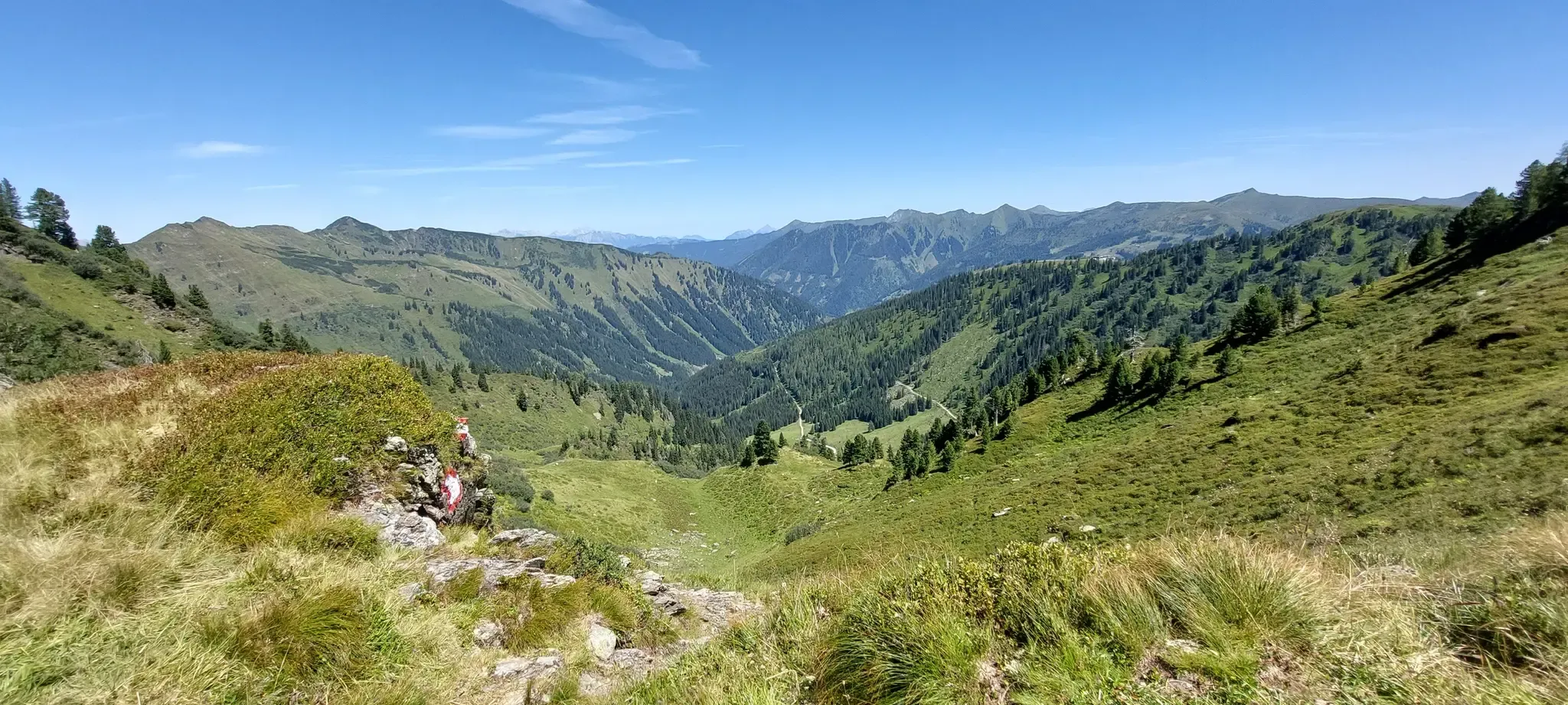
Central Alps Trail Eastern Section – Discover Austria
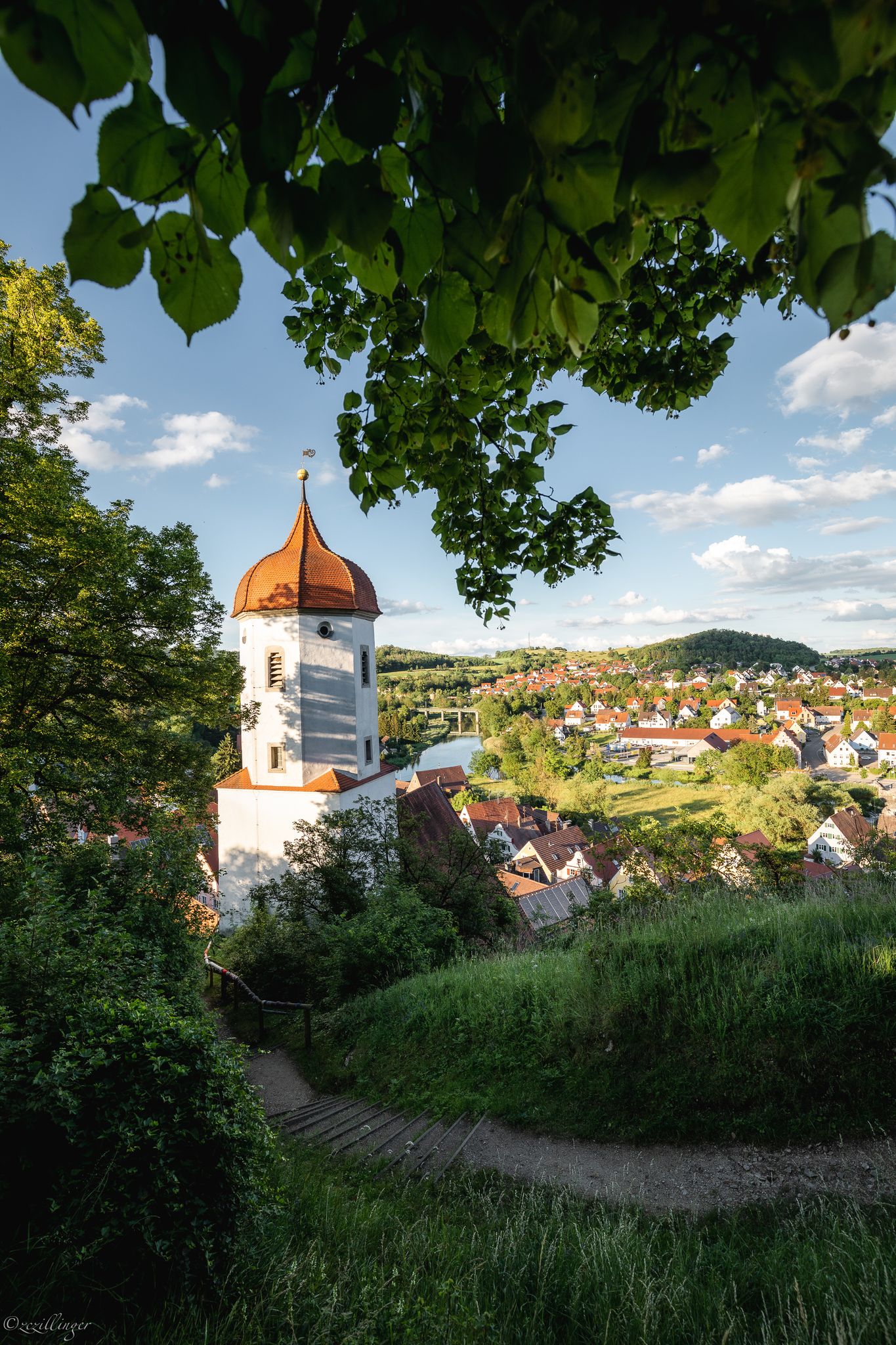
Augsburger Jakobsweg – Through Bavarian-Swabia
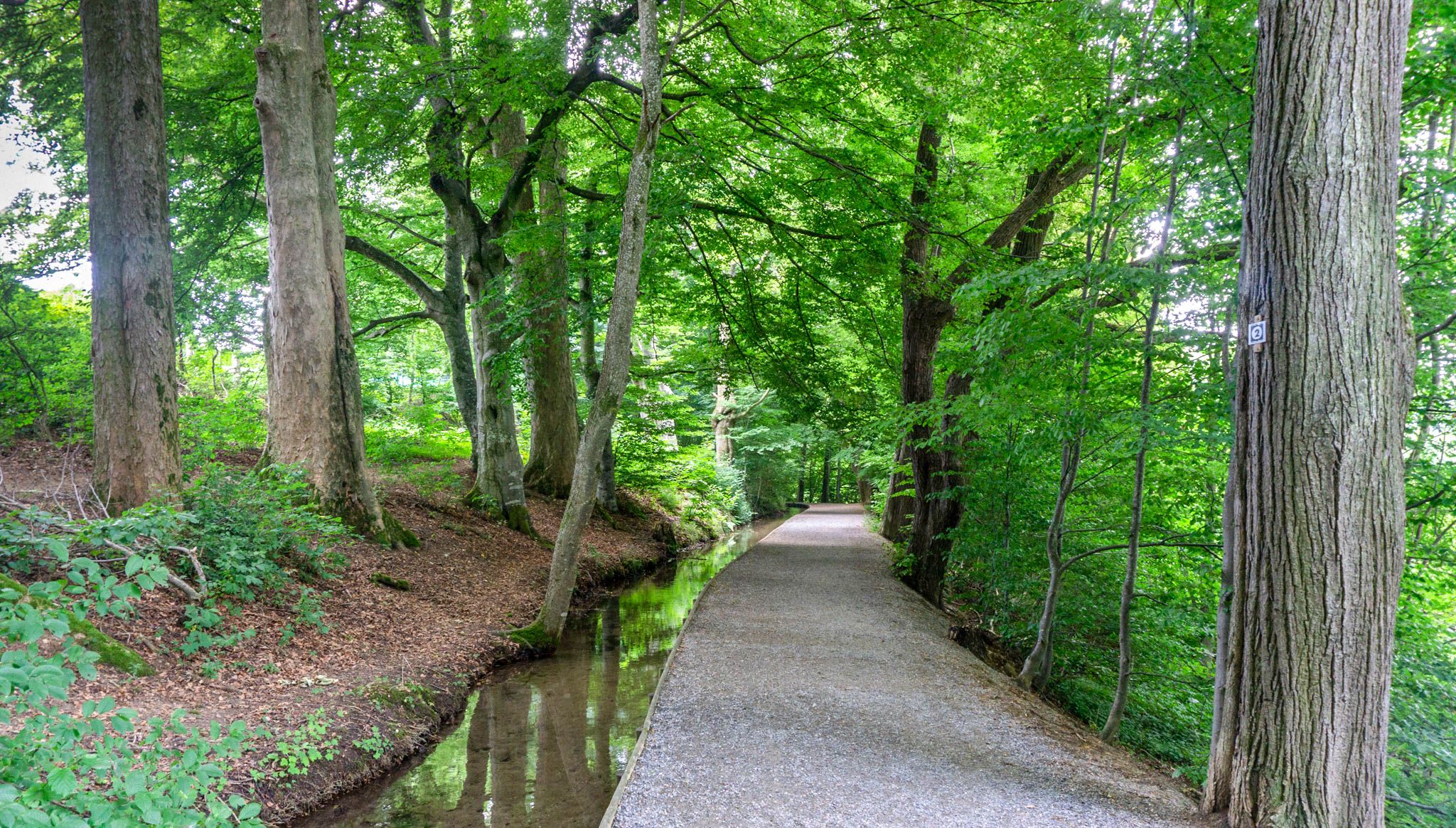
Main-Danube-Lake Constance Trail – Along iconic waters
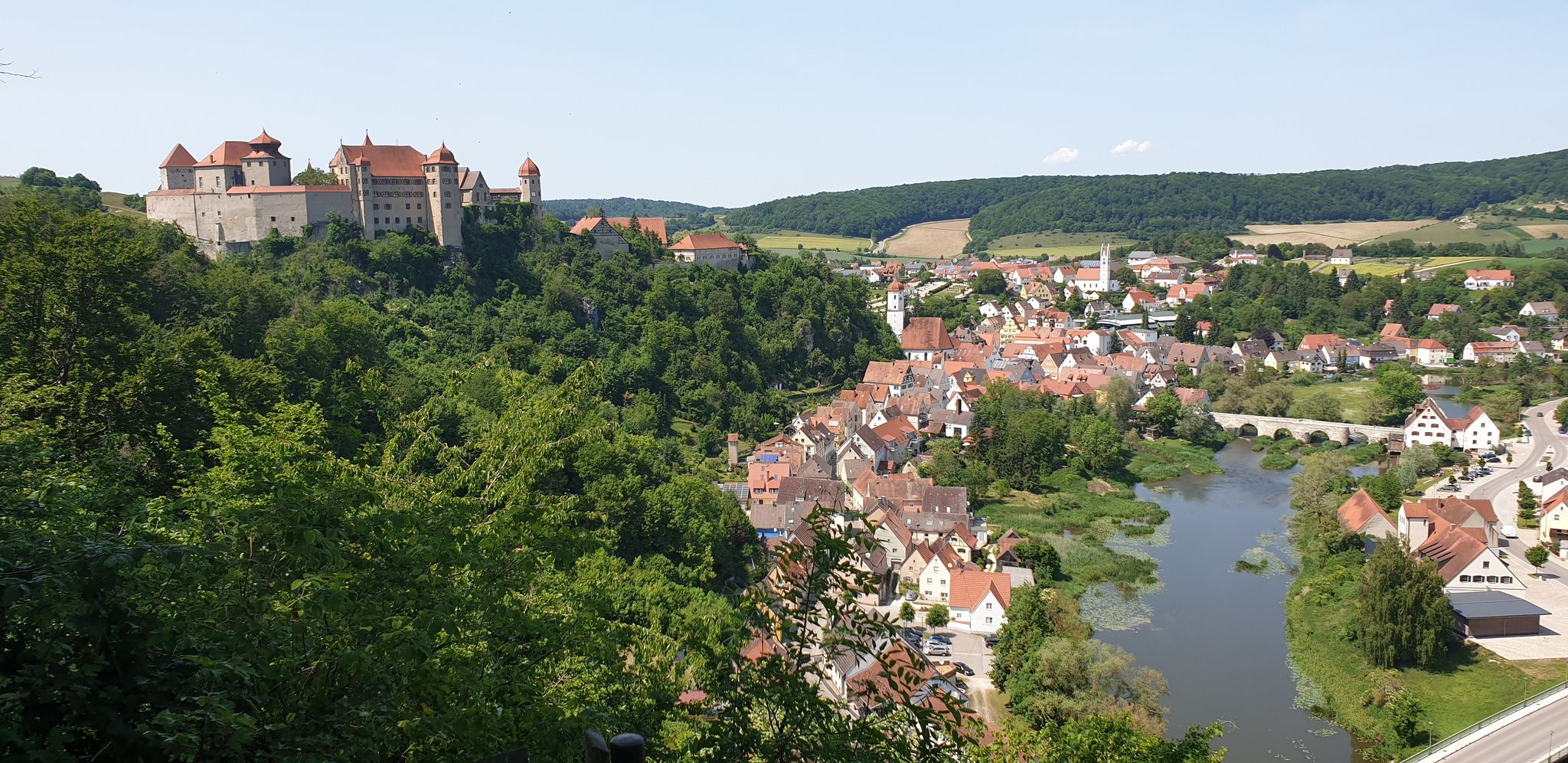
The Romantic Road – To the Pearls of Southern Germany
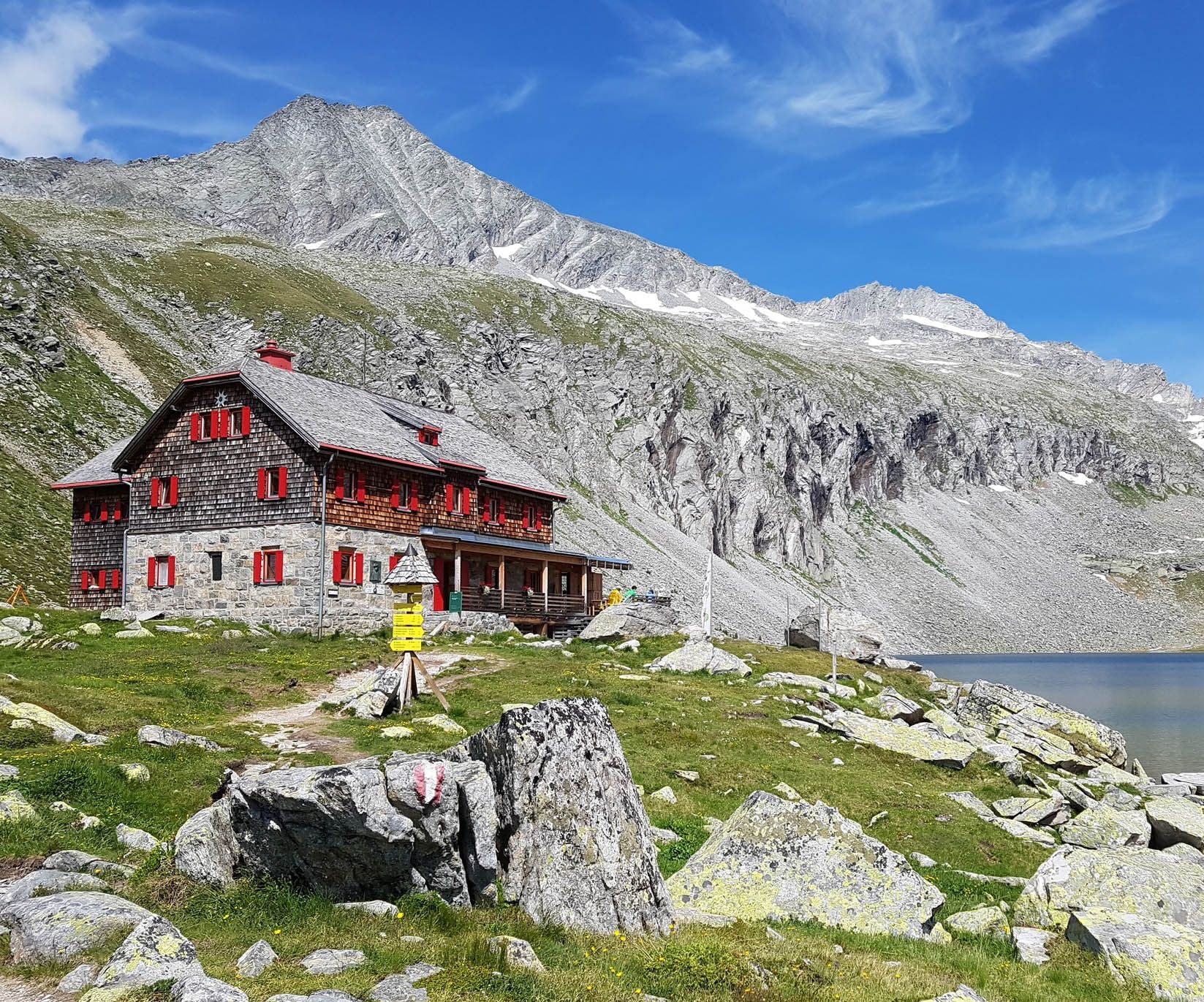
Ruperti Trail – Hike from Austria's Bohemian Forest to the Carnic Alps
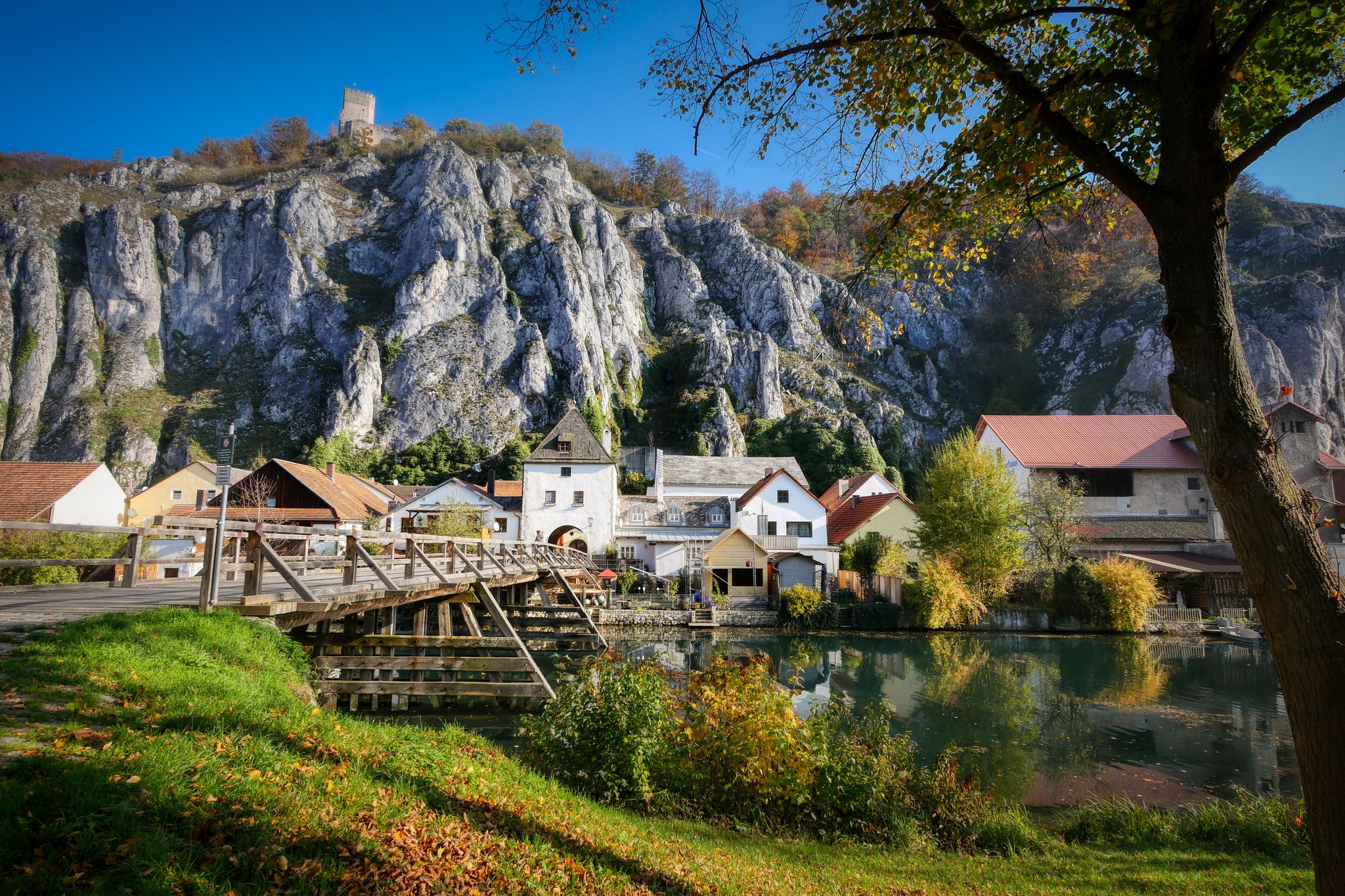
Jurasteig — hiking in the heart of Bavaria
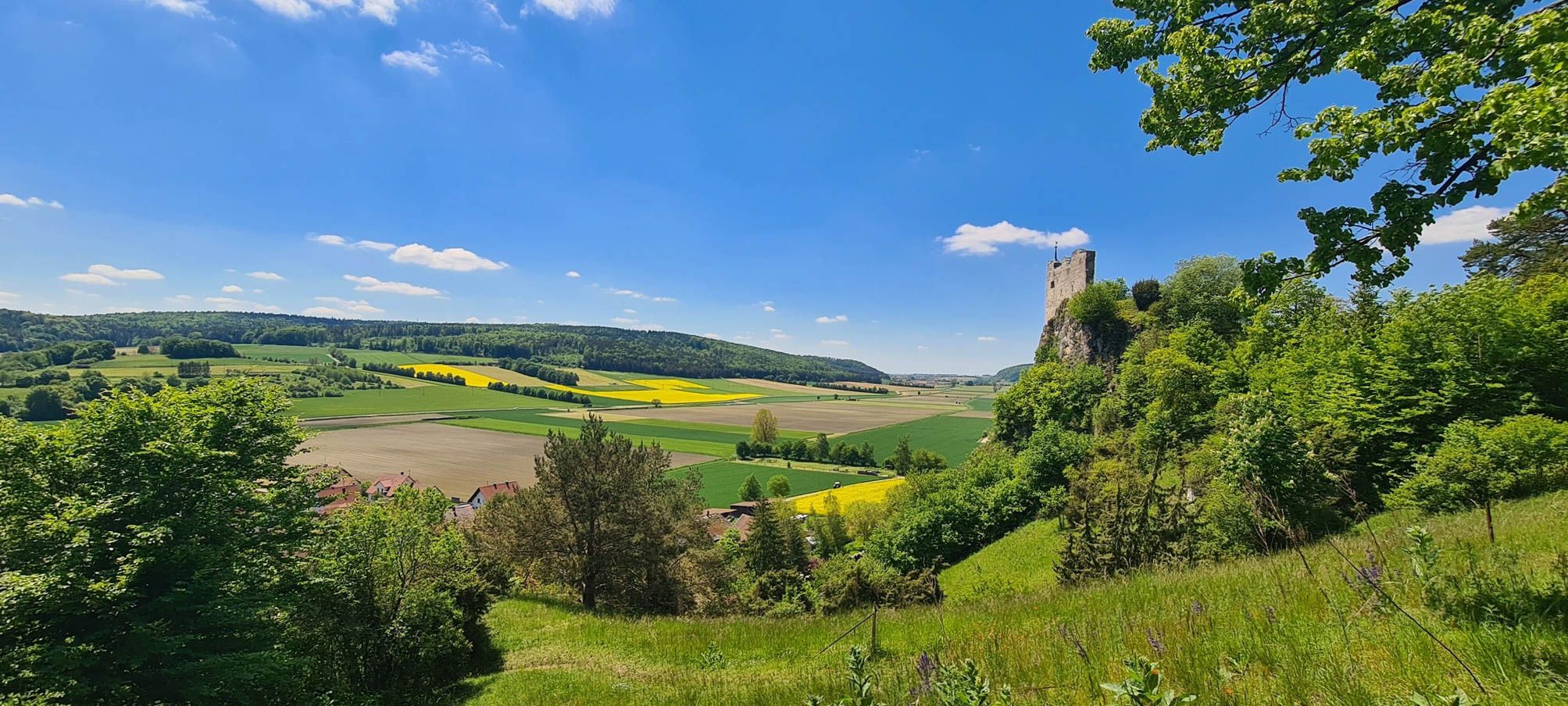
Urdonautalsteig – Hiking through past times
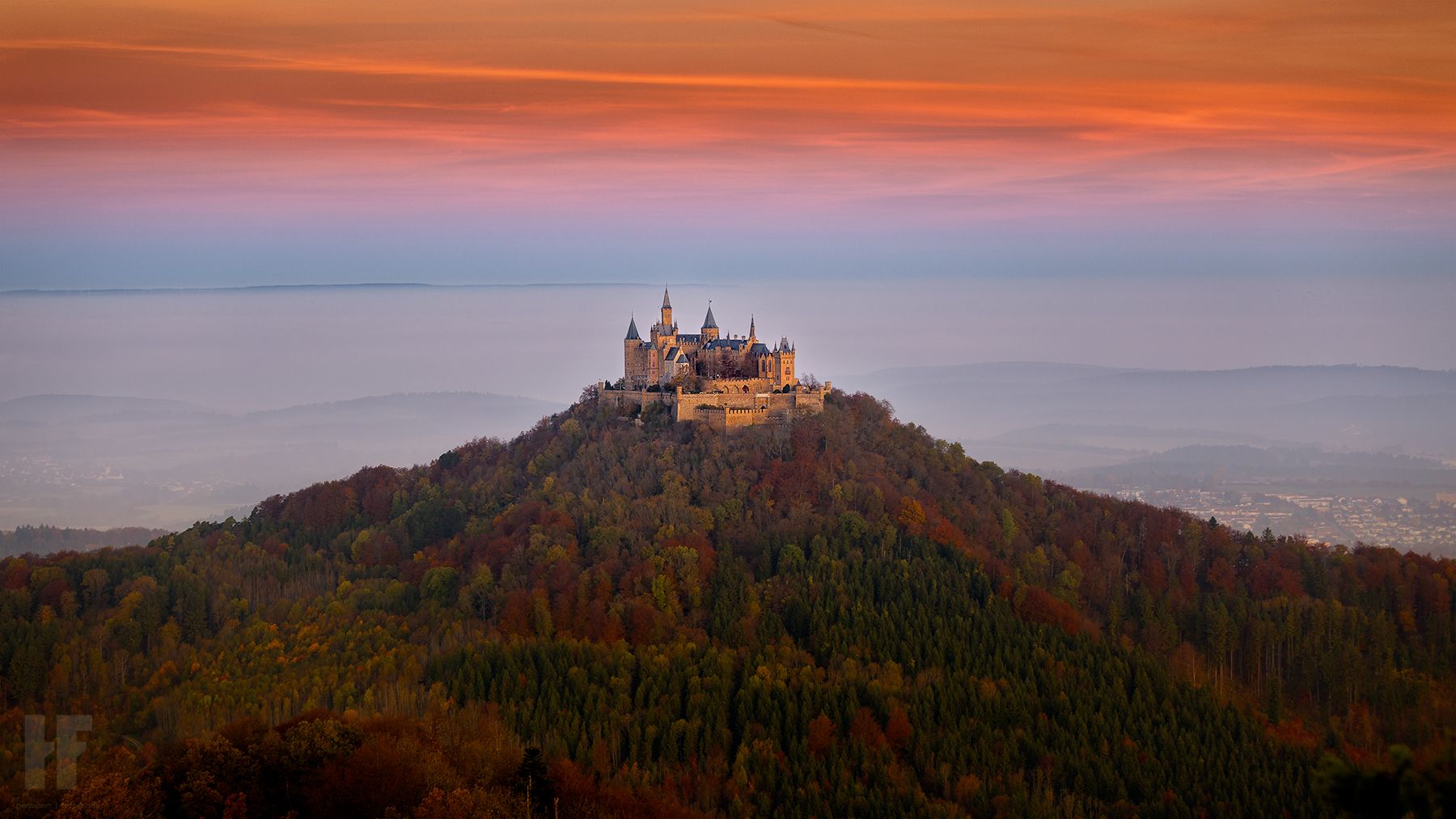
Hohenzollernweg – On the track of the knights, 7 stages
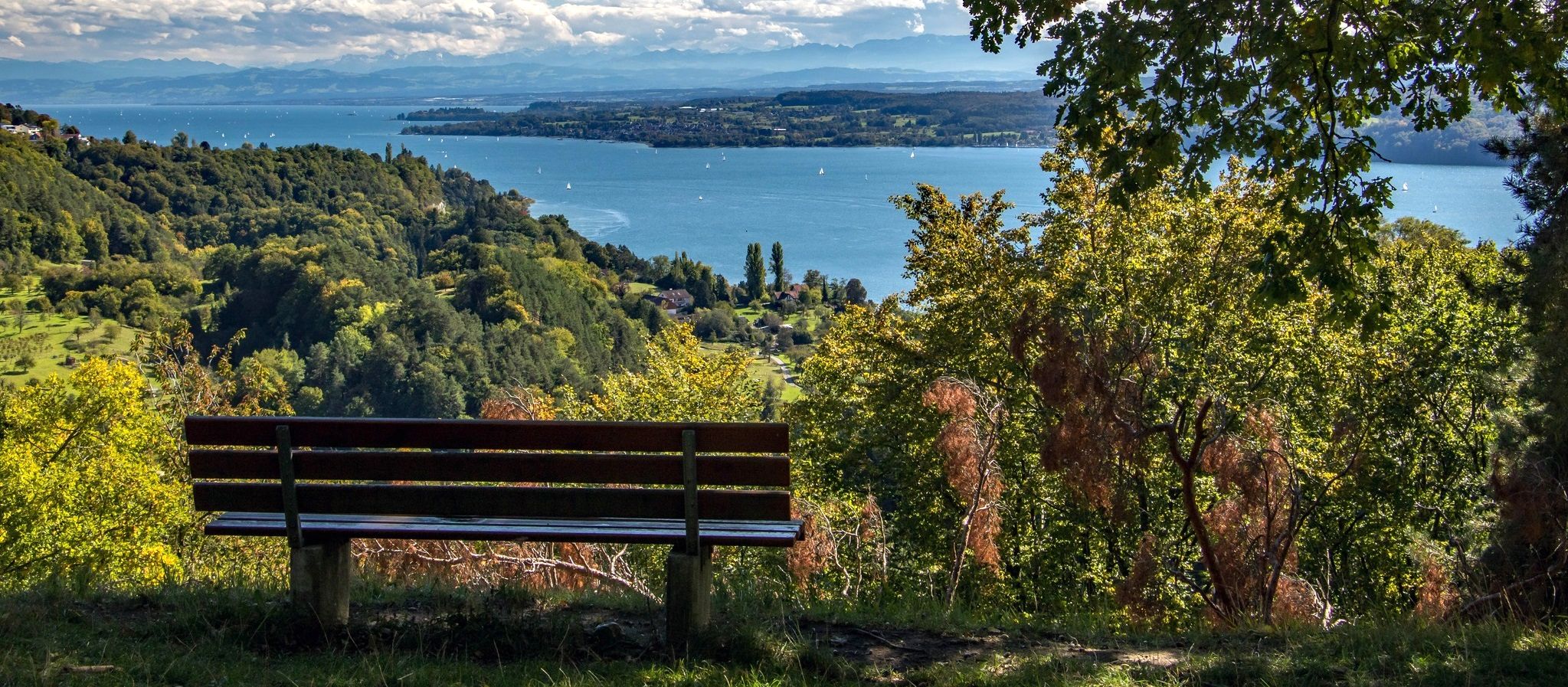
Heuberg-Allgäu Trail – From the Swabian Alb to Alpine foothills
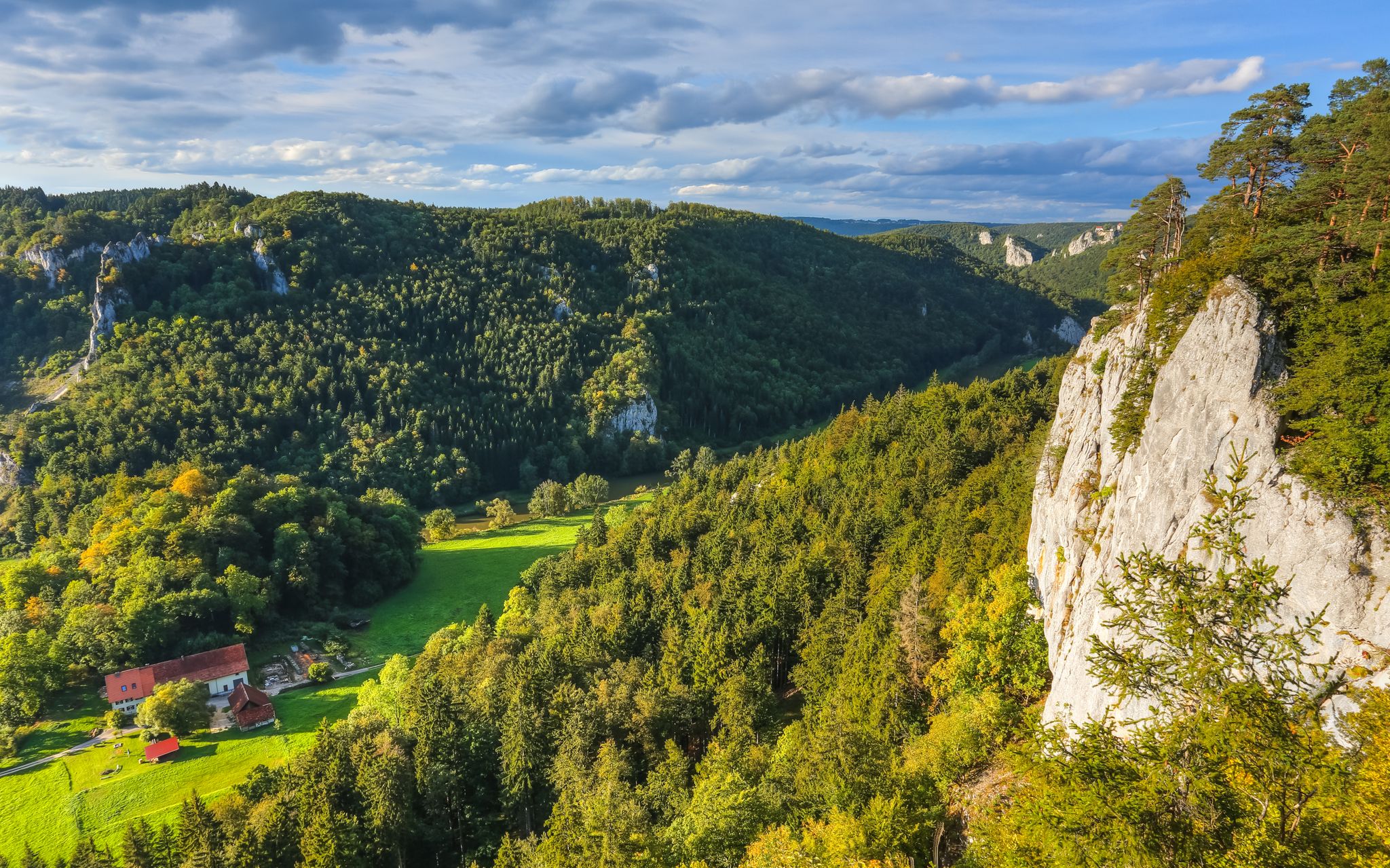
Hike the Danube Upland Trail – Exploring the Swabian Grand Canyon
Other adventures around the Donau


Tips from the Community

Very beautiful old town, which invites you to linger
0
0

It has a colorfully designed tiled roof and is an originally Gothic building from the 14th century (first mentioned in 1370). It is located between the main square and the Primate's Square, and in front of it stands Maximilian's Fountain, the oldest fountain in the city, from 1572. In the courtyard of the town hall, there is a cannonball that was allegedly fired there by Napoleon's troops.
0
0

The water tower dates from 1898. It was used as a water high-level reservoir. If it weren't for the roof dome with the steeple, you might almost think it was a lighthouse.
0
0
Catholic parish church, built in 1857 as a garrison church. The unusual exterior is due to the fact that the collapsed remains of the Ulm fortifications were used during construction. Inside, the altar area and the baptistery are particularly worth seeing (simple but impressive).
0
0


The historic center of Bratislava with narrow streets, old buildings, cafes, and sights. A perfect place for walks, where history meets vibrant city life.
0
0

The Lower Gate with its clock tower is one of Günzburg's landmarks. However, it is far more than just a striking, representative feature. It was once one of the most important entrances to the city. The tower keeper lived at the top and had to ring the bells hourly, day and night, so that the citizens knew someone was on watch. The many windows were not decorative, but provided a panoramic view. From here, the watchmen kept a lookout for enemies and fires.
0
0
From the Neu-Ulm side of the Danube, you'll have a fantastic panoramic view of the city. The cathedral, with its once-tallest church spire in the world, rises prominently above the houses. The Butcher's Tower and the glass pyramid of the city library are also clearly visible.
0
0
Frequently Asked Questions
How many urban hiking trails are available along the Danube?
There are nearly 1500 urban hiking routes recorded along the Danube, offering a wide variety of experiences. The majority of these, over 1200, are rated as easy, making them accessible for most walkers. You'll also find over 230 moderate routes and a few more challenging options for experienced urban hikers.
What kind of terrain can I expect on urban hikes along the Danube?
Urban hikes along the Danube offer diverse terrain. You'll primarily find well-maintained paths along the riverbanks, often paved or gravel, suitable for easy walking. However, some routes may lead you through city parks, up to viewpoints on gentle hills, or into historic districts with cobblestone streets. For example, the Statue of St. Stephen – Fisherman's Bastion loop from Astoria in Budapest includes significant elevation changes as it explores the city's hilly areas.
Are there any family-friendly urban walks along the Danube?
Yes, the Danube region is excellent for family-friendly urban walks, with a large number of easy routes. Many paths along the river are flat and well-suited for strollers or younger children. Consider routes like the Three Rivers Corner (Ortspitze) – Schaiblingsturm loop from Passau Hbf, which offers a gentle exploration of Passau's unique confluence of three rivers.
Can I bring my dog on urban hikes along the Danube?
Many urban hiking trails along the Danube are dog-friendly, especially those along riverbanks and through city parks. It's always best to keep your dog on a leash, especially in busy urban areas or nature reserves. Be mindful of local regulations regarding dogs in specific parks or public transport. Always carry water for your pet and waste bags.
What are some notable landmarks or natural features to see on urban hikes?
Urban hikes along the Danube often combine historical landmarks with natural beauty. You can explore dramatic gorges like the Danube Valley in the Upper Danube Nature Park, discover unique rock formations such as Amalien Rock, or visit impressive castles like Wildenstein Castle. Many routes offer stunning viewpoints, such as the Steinerberg Danube Loop, where the river makes a dramatic 180-degree turn.
Are there urban hikes that offer great panoramic views?
Absolutely. Many urban hikes along the Danube are designed to showcase scenic vistas. For instance, the Panoramic view of Budapest – Fisherman's Bastion loop from Vörösmarty tér provides breathtaking cityscapes. In other areas, trails lead to elevated points offering views of the river, surrounding vineyards, or historic towns, such as the View of Grein and Greinburg Castle from the Danube Cycle Path.
What is the best time of year for urban hiking along the Danube?
The best time for urban hiking along the Danube is generally spring (April to June) and autumn (September to October). During these seasons, the weather is pleasant, temperatures are mild, and the landscapes are vibrant with blooming flowers or colorful foliage. Summer can be warm, especially in cities, but riverside paths often offer a refreshing breeze. Winter hikes are also possible, especially on well-maintained urban paths, offering a different, often quieter, perspective.
How accessible are urban hiking trails by public transport?
Urban hiking trails along the Danube are typically very well-connected by public transport, especially in larger cities like Passau, Regensburg, Ulm, and Budapest. Many routes start and end near train stations, bus stops, or tram lines, making it easy to reach trailheads without a car. This is particularly convenient for point-to-point walks or if you prefer not to worry about parking.
Are there any circular urban hiking routes?
Yes, many urban hiking routes along the Danube are circular, allowing you to start and finish at the same point. This is ideal for convenience, especially if you're using a car or want to return to a specific starting location. An example is the View of Regensburg Cathedral – Dom St. Peter (Regensburg) loop from Regensburg, which offers a comprehensive tour of the city's highlights.
What do other hikers enjoy most about urban hiking in the Danube region?
The urban hiking experience along the Danube is highly rated by the komoot community, with an average score of over 4.5 stars from more than 15,000 ratings. Reviewers often praise the unique combination of natural beauty, historical landmarks, and cultural immersion. Hikers particularly enjoy the well-maintained riverside paths, the accessibility of trails within cities, and the opportunity to discover hidden gems and vibrant city life alongside the tranquil river.
Are there opportunities to explore historical sites on these urban hikes?
Absolutely. The Danube region is rich in history, and many urban hikes incorporate historical sites directly into their routes. You can walk past ancient castles, explore medieval old towns, and visit significant monuments. For instance, the Wilhelmsburg Fortress, Ulm – Leaning House, Ulm loop from Ulm takes you through historic Ulm, showcasing its architectural heritage.
Most popular routes around the Donau
Most popular attractions around the Donau

Get inspired with the komoot mobile app


