The best city hikes and walks around the Duero
4.5
(4135)
30,798
hikers
168
hikes
Urban hiking trails around the Duero are characterized by the river's influence, offering diverse landscapes from riverside paths to elevated viewpoints. The region features dramatic canyons where the Duero River has carved deep gorges, alongside areas with varied riparian vegetation. Hikers can explore routes that combine natural beauty with historical and cultural elements, including ancient water mills and traditional villages. The terrain varies from gentle riverside walks to more challenging paths with elevation changes.
Best urban hiking trails around the…
Last updated: June 28, 2026
4.7
(205)
1,865
hikers
9.43km
02:42
230m
230m
Moderate hike. Good fitness required. Easily-accessible paths. Suitable for all skill levels.
4.6
(148)
1,108
hikers
21.3km
05:35
170m
170m
Hard hike. Very good fitness required. Easily-accessible paths. Suitable for all skill levels.

Sign up for free
1
hikers
3.44km
00:54
30m
30m
Easy hike. Great for any fitness level. Easily-accessible paths. Suitable for all skill levels.
4.7
(111)
944
hikers
Moderate hike. Good fitness required. Easily-accessible paths. Suitable for all skill levels.
4.8
(60)
606
hikers
14.4km
04:02
290m
290m
Moderate hike. Good fitness required. Easily-accessible paths. Suitable for all skill levels.
Get access to more routes and recommendations from other explorers.
Sign up for free
Already have an account?
Our route recommendations are based on thousands of hikes, rides, and runs completed by other people on komoot.
Start today with a free account
Your next adventure awaits.
Login or Signup
Popular around Duero
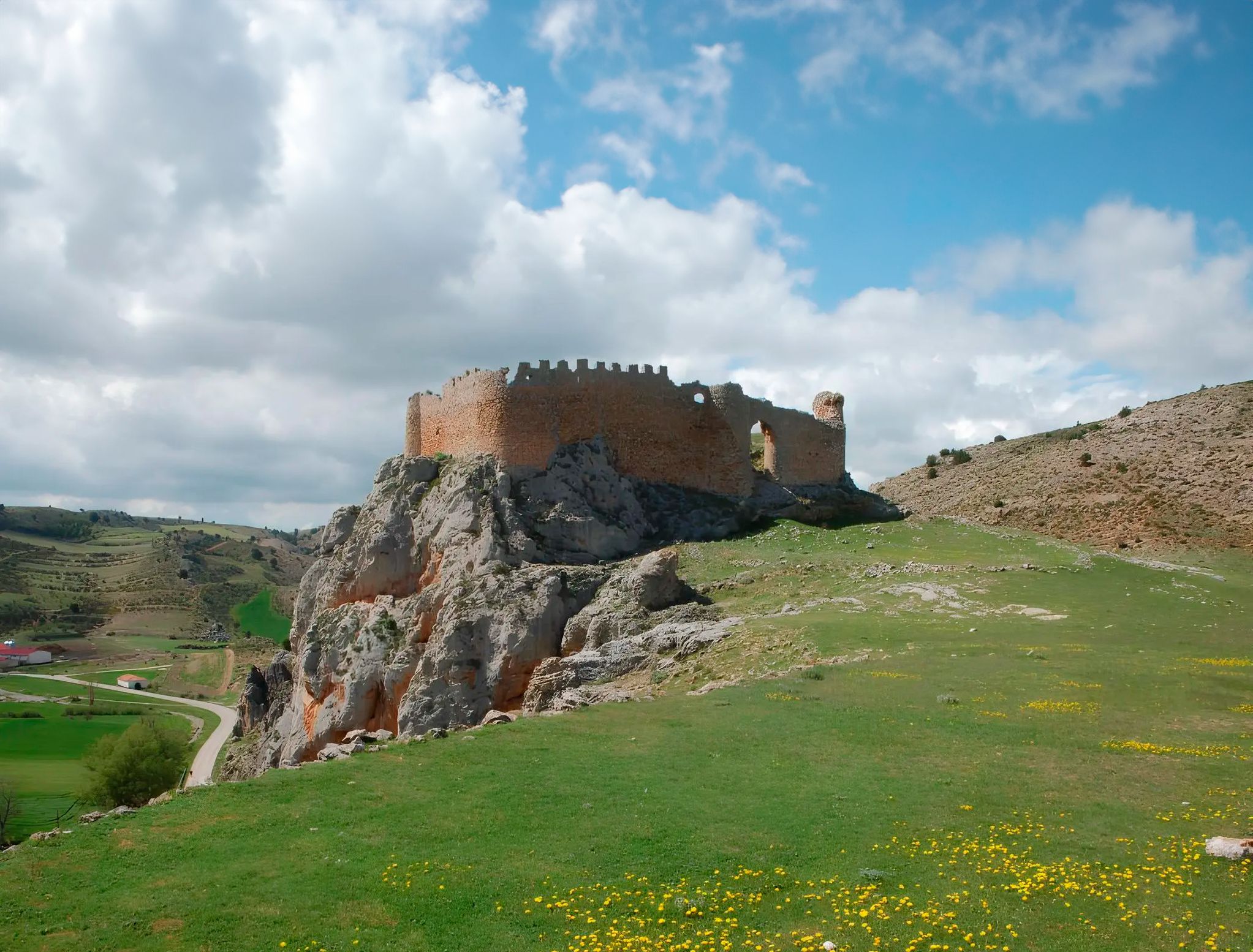
Around the Spanish province of Soria - Sendero Ibérico Soriano (GR 86)
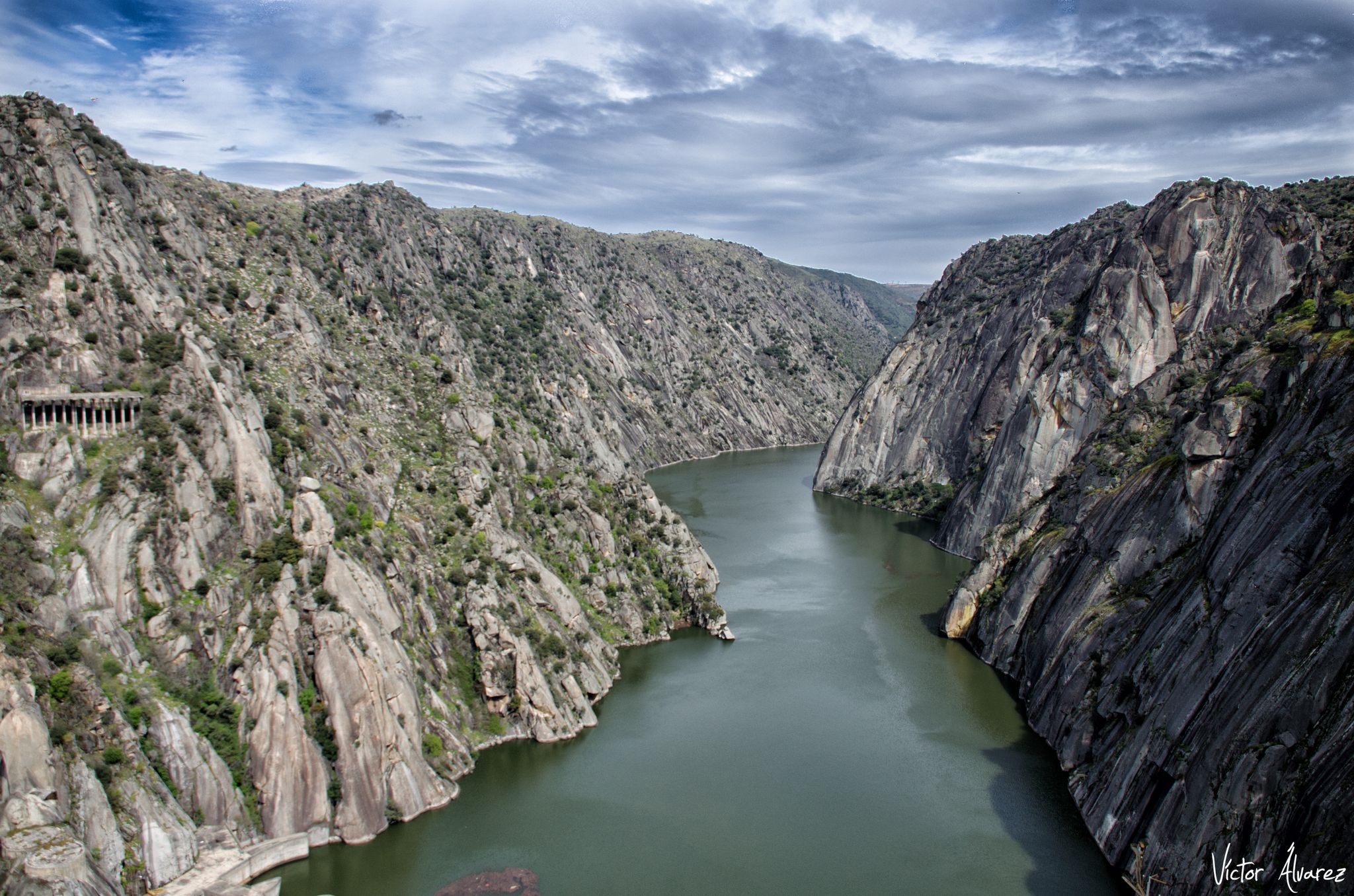
Downriver between Zamora and Salamanca – Western Duero Trail (GR 14)
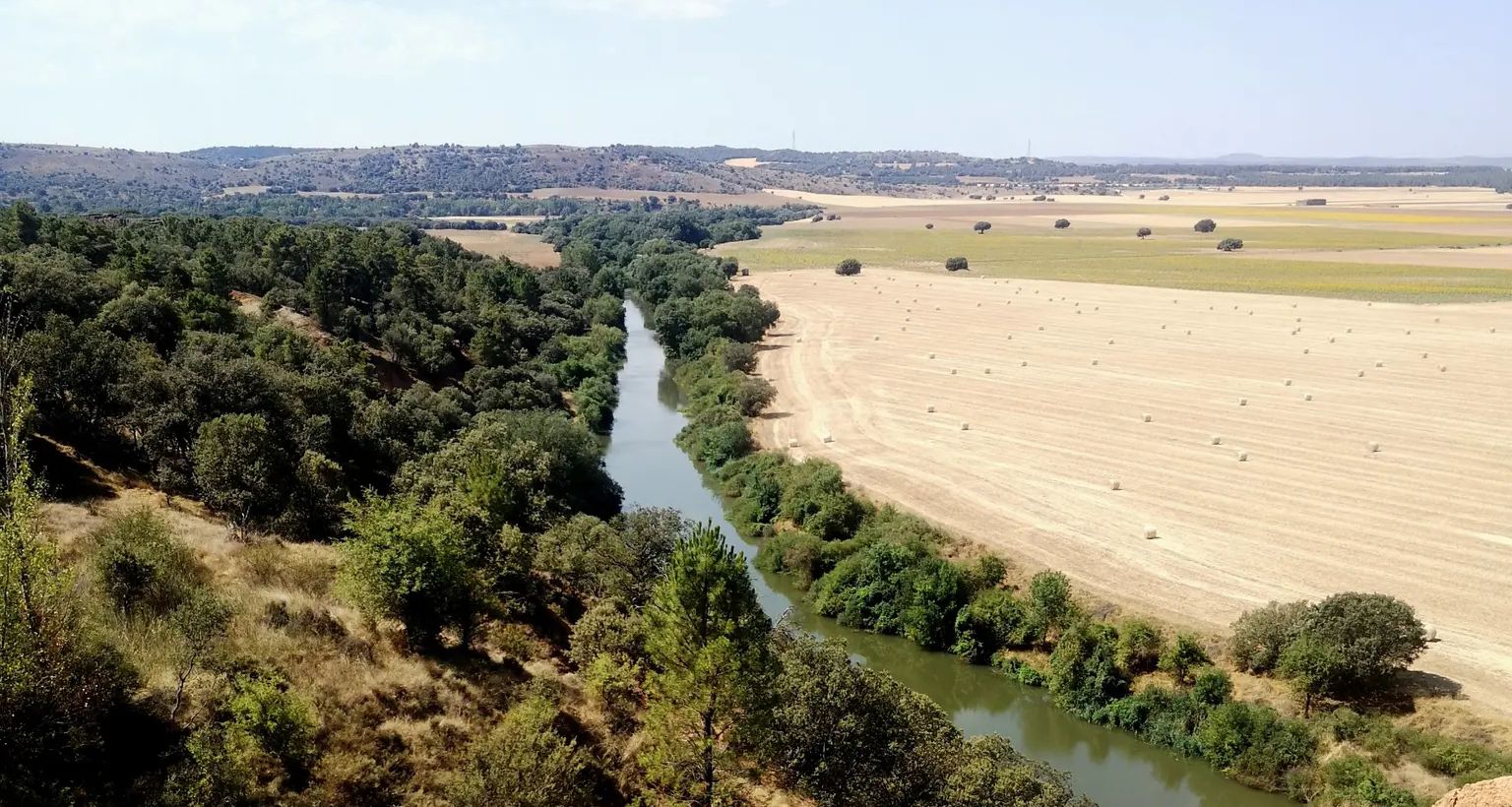
Downstream through Soria, Burgos and Valladolid in Spain – Eastern Douro Trail
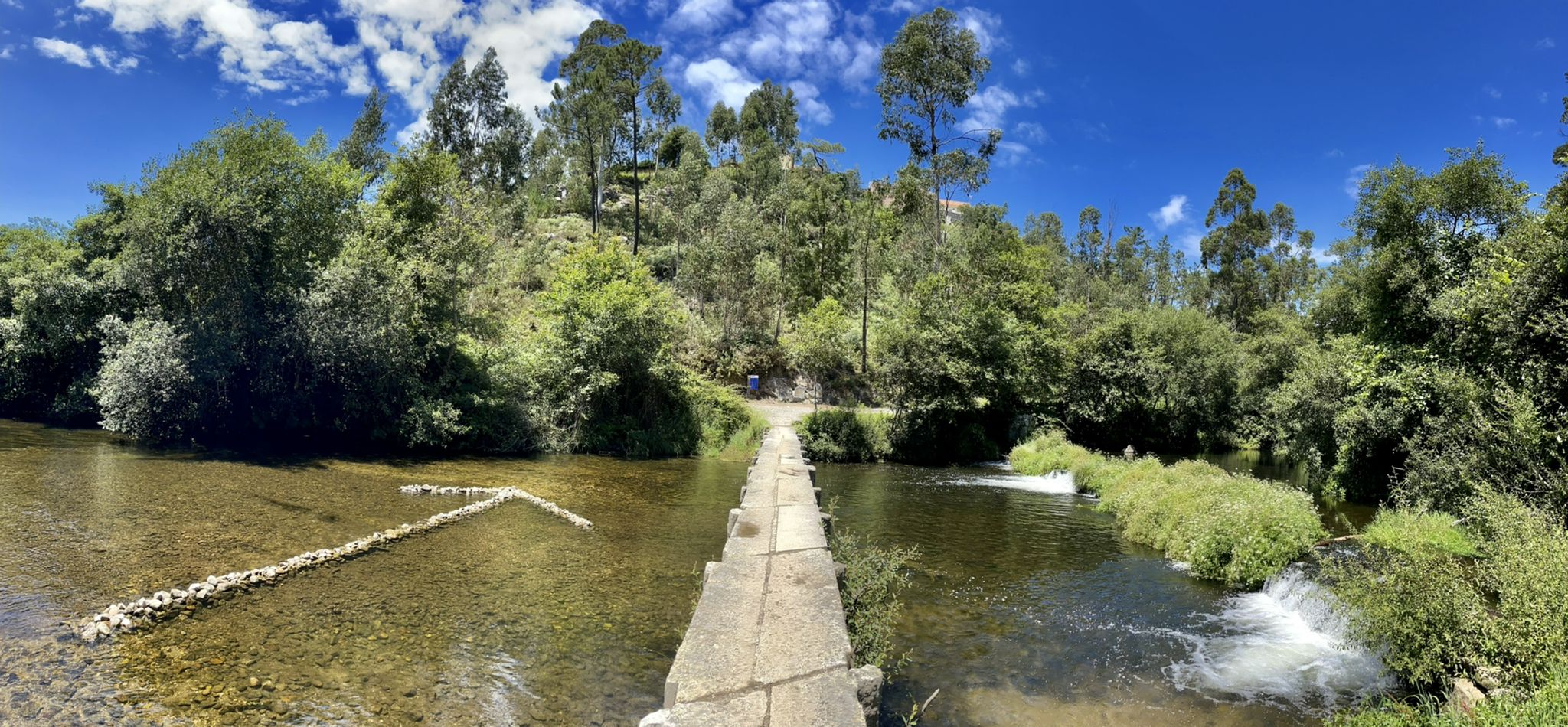
The challenge that knows no frontiers — Portuguese Coast Path
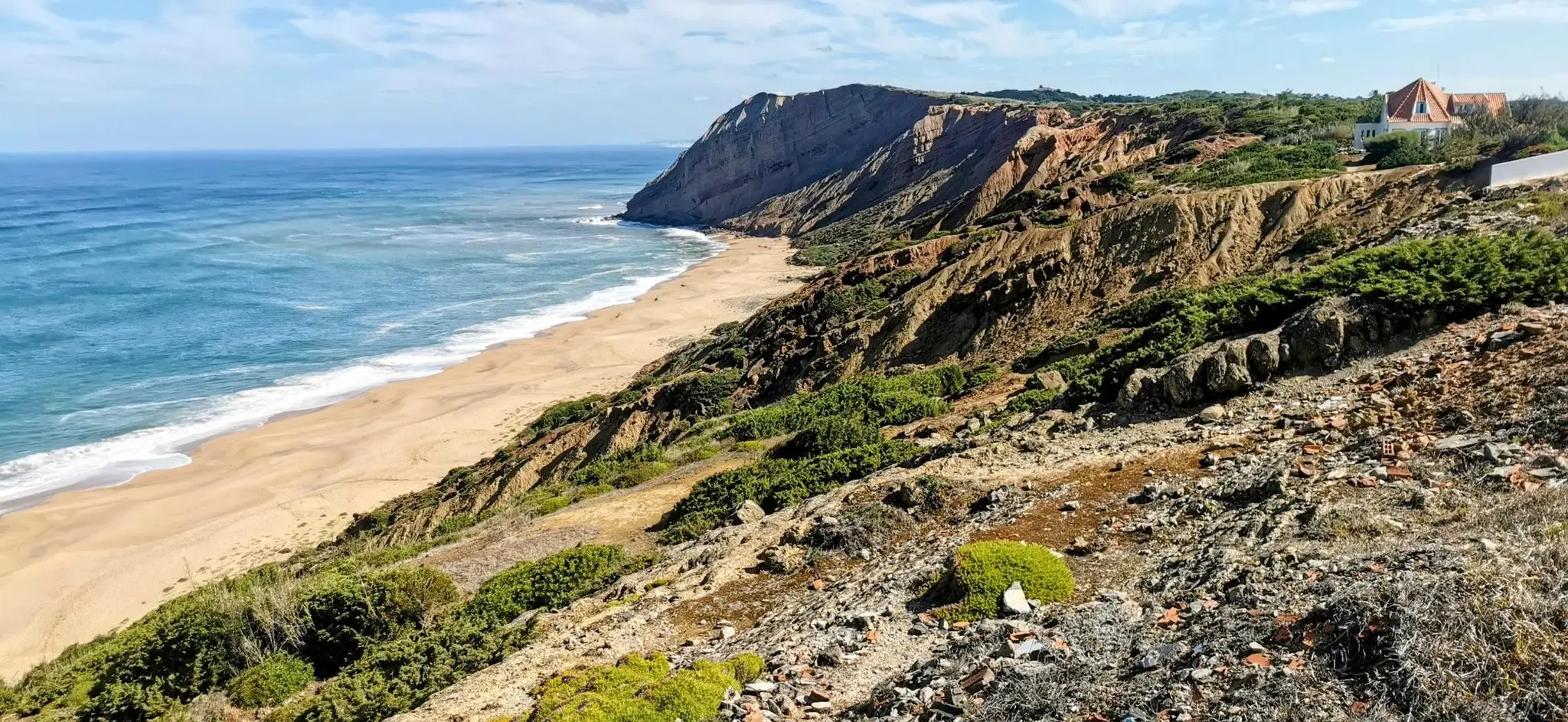
EuroVelo 1 Portugal – Cycle the Atlantic Coast
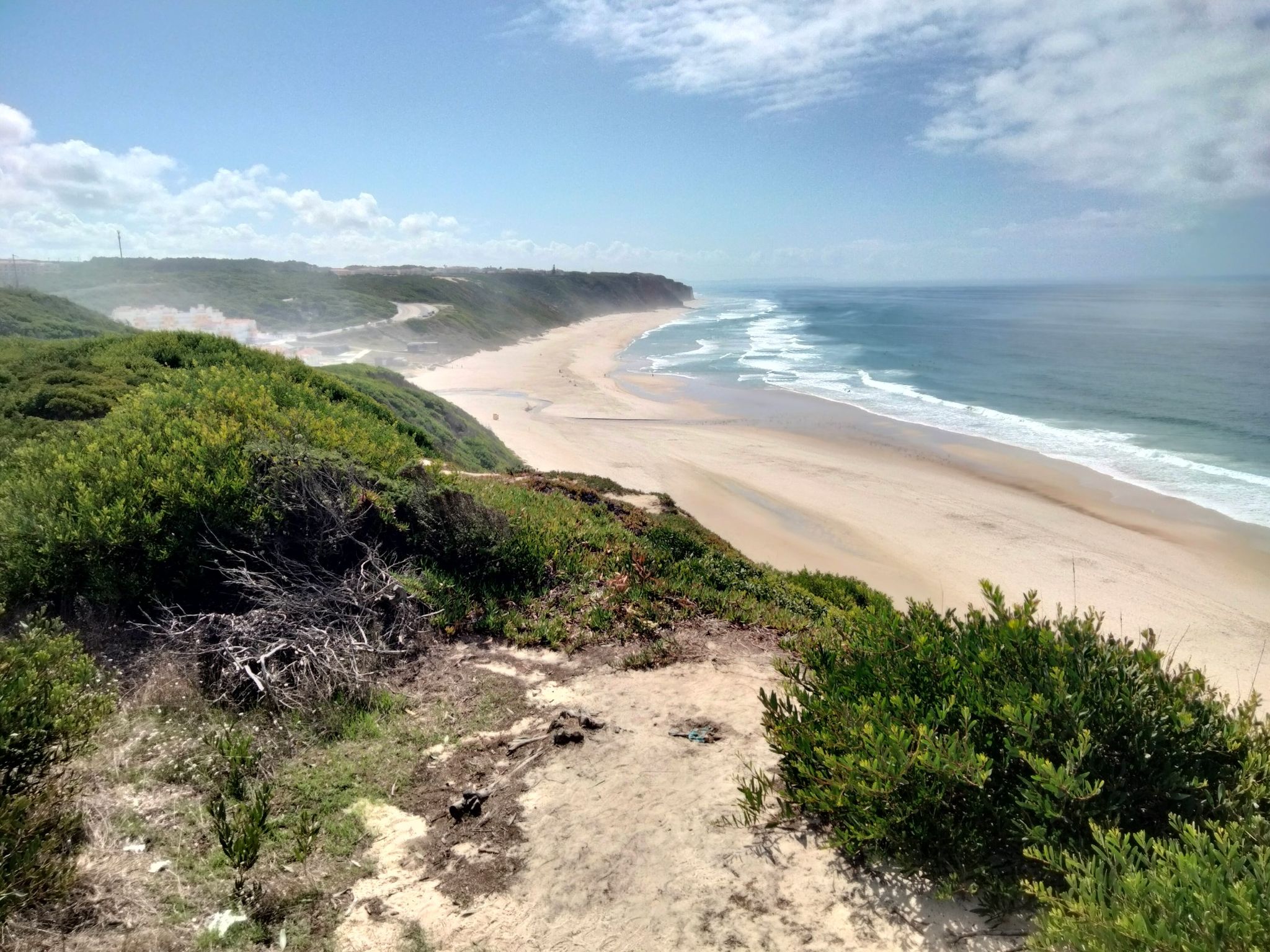
Portugal's Atlantic coast (north) – from Caminha to Lisbon
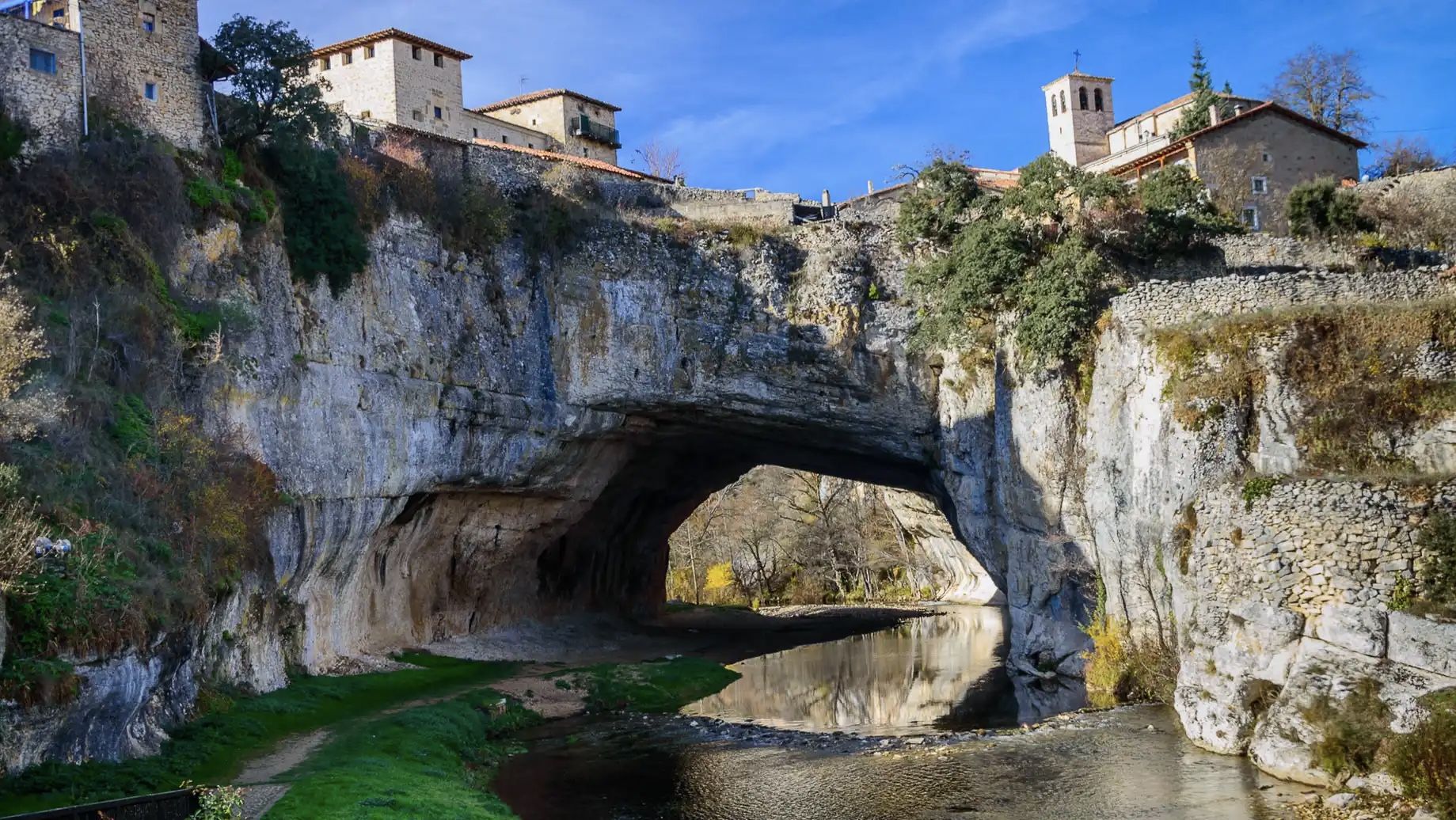
An epic getaway – Santander-Mediterráneo Nature Trail
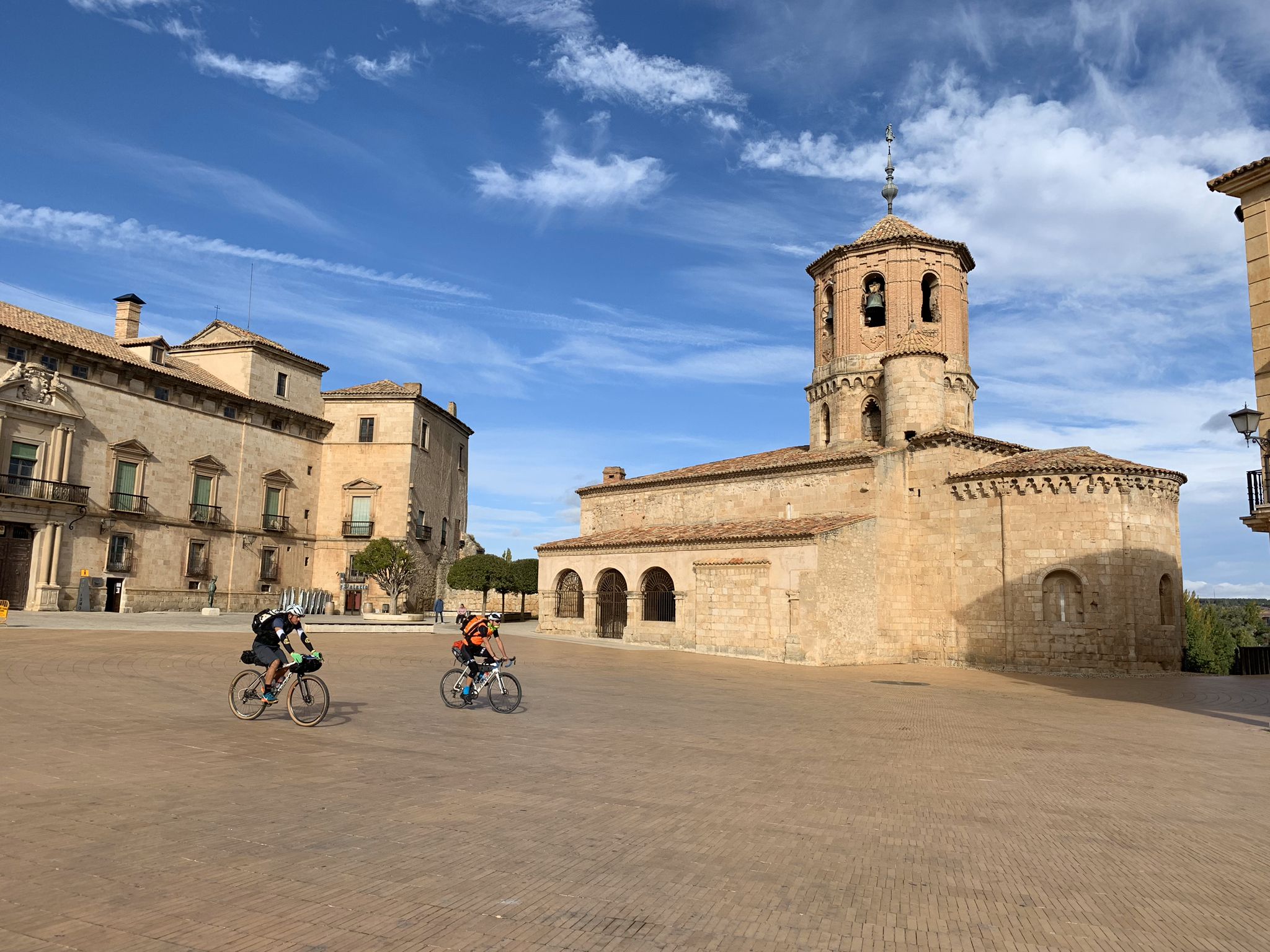
Countryside and fortresses – Walls of the Upper Duero by bike
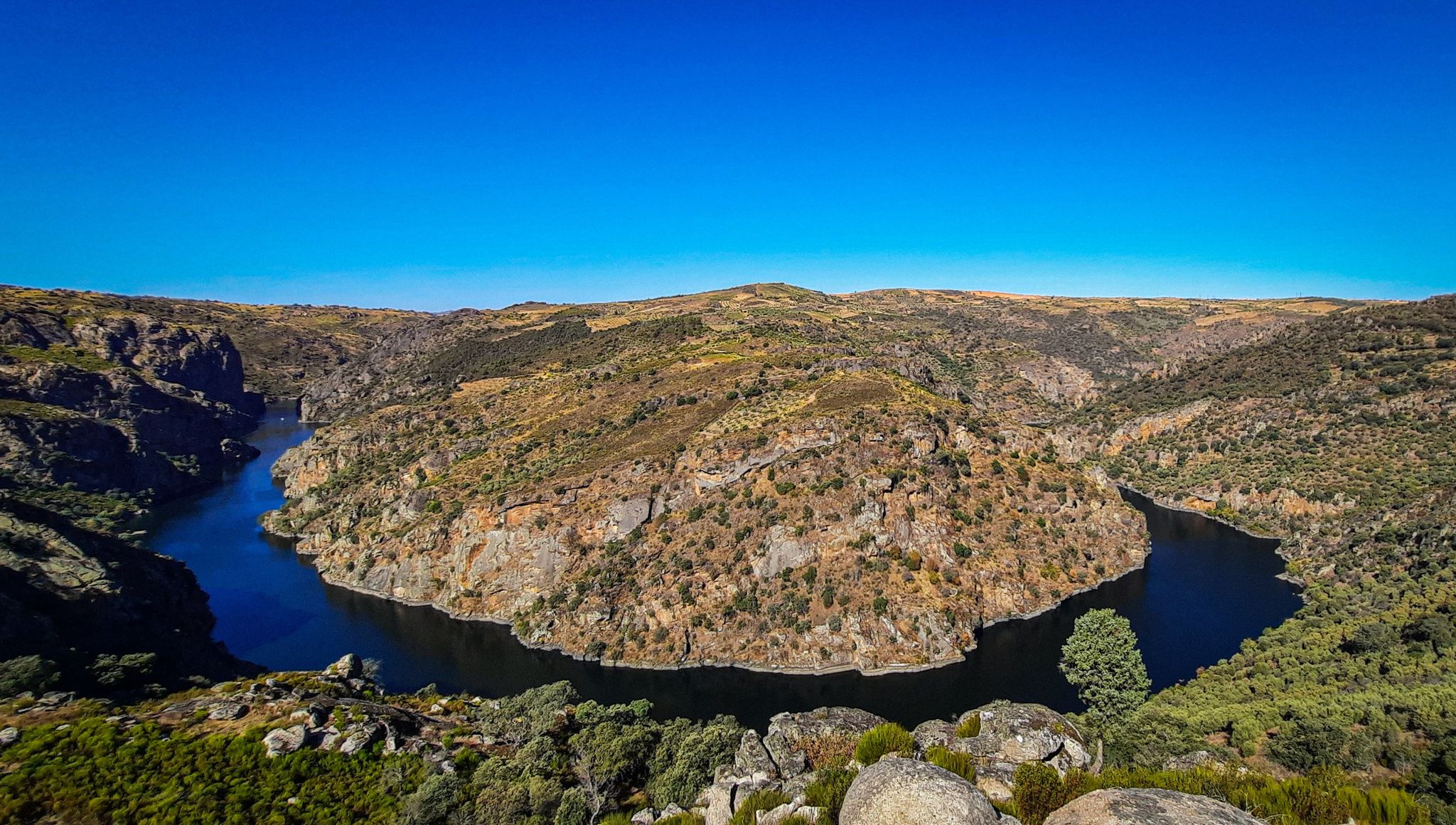
The Great Castilian River – Duero MTB Trail
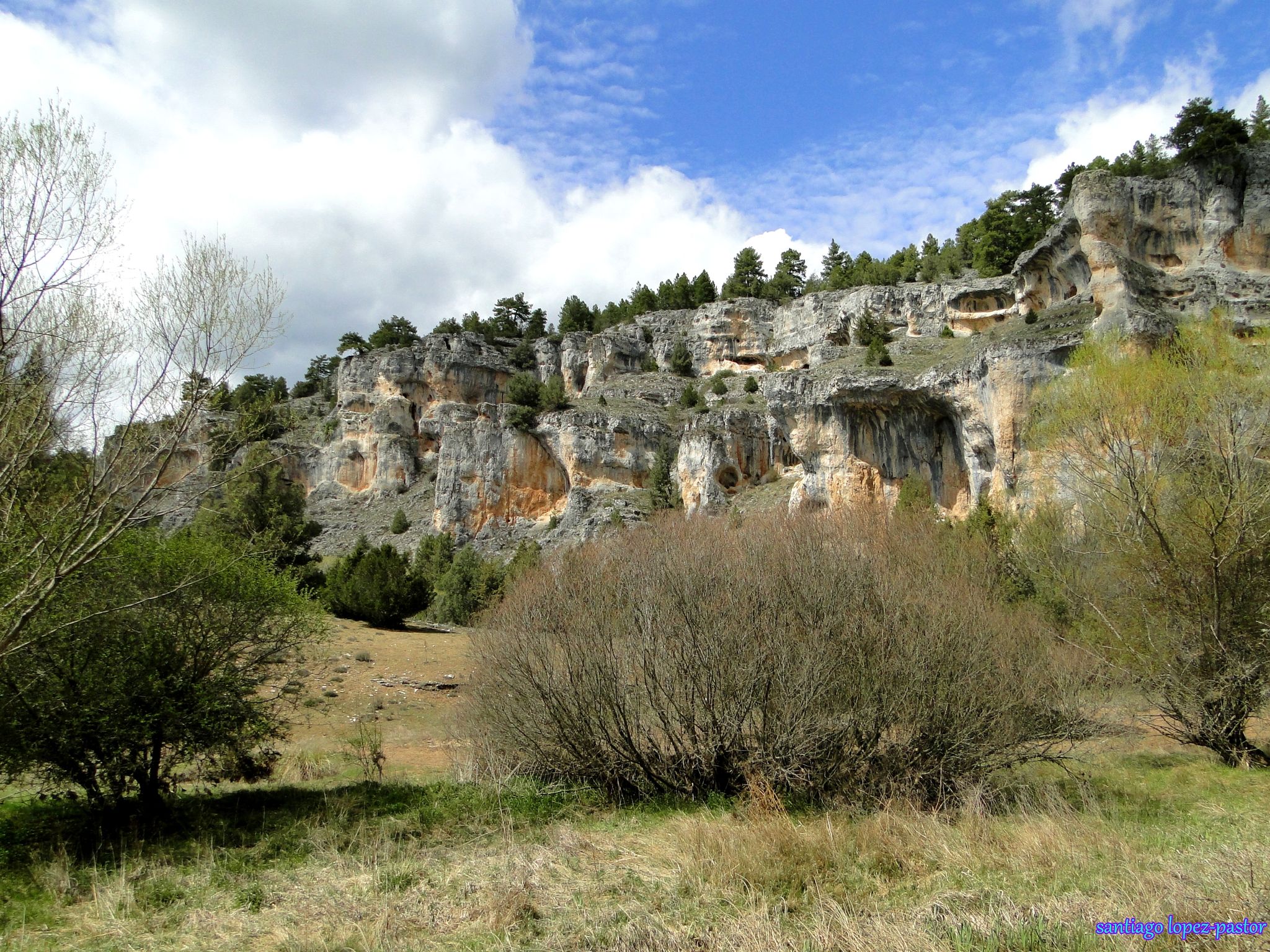
The secret gravel paradise — Bikepacking Soria
Other adventures around the Duero


Tips from the Community

Built of stone and with several semicircular arches, it is a good example of medieval civil engineering and has withstood the test of time thanks to its solidity, although it has been restored at different times. At one time it was key for the transit of workers and goods between neighborhoods, contributing to the economic growth of Aranda. Today it is preserved as a heritage element and is a pleasant place to walk, forming part of the city's historic complex and allowing visitors to learn about its industrial and medieval past along the river.
2
0
The medieval Puente de las Tenerías, located in Aranda de Duero over the Bañuelos river, is one of the most interesting historical corners of the city, although less known than the Duero bridge. It is a construction of medieval origin, linked to the urban and industrial development of the town, as it takes its name from the old tanneries (leather tanning workshops) that were in the area and that needed abundant water for their activity.
2
0
The bridge is built of stone and is characterized by its semicircular arches; it originally had four, although today it retains three due to later renovations. Over the centuries it has undergone numerous restorations, especially due to the floods of the Duero, one of the most important being the expansion and widening in the 19th century. In addition to its architectural value, it has been a strategic point for the passage of people, goods and herds, and today it is a symbol of the city and a very pleasant place to walk and enjoy the views of the river and Aranda de Duero. [iglesiaslocales.com], [edadesdelh...ogspot.com]
2
0
The Aranda de Duero Bridge, also known as Puente Mayor, is one of the city's most important historical elements, as it crosses the Duero River and has been key to its development. Although often called "Roman", it is actually a bridge of medieval origin, with references from the 12th-14th centuries, when it served as a fundamental crossing point on trade routes and the old Royal Road that connected the center and north of Spain.
2
0

Opening Hours and Visiting Hours The chapel is an active place of worship, but its main attraction is the exterior facade, which can be seen at any time of day. Opening Hours: Monday to Friday: 7:30 AM to 5:30 PM. Saturday: 7:30 AM to 12:30 PM and 4:30 PM to 5:30 PM. Sunday: 7:30 AM to 12:30 PM. Confessions: The location also offers times for confessions, generally from Monday to Saturday, at specific times in the morning and afternoon. Accessibility: The chapel has an accessible entrance for wheelchairs, but does not have accessible parking.
4
1
Main Features Location: It is located on the busy corner of Rua de Santa Catarina and Rua Fernandes Tomás, in the heart of downtown Porto. The Tiles: The main attraction is the approximately 16,000 blue and white tiles that cover the entire exterior of the chapel. They were installed in 1929 and illustrate scenes from the lives of Saint Catherine of Alexandria (the virgin and martyr who stands out on the main facade) and Saint Francis of Assisi. Architecture: The original chapel dates from the 18th century, but its current appearance has been modified by expansion and restoration works over time. The interior has neoclassical features.
4
1
The Chapel of Souls of Saint Catherine, or simply Chapel of Souls, is one of the most emblematic and "Instagrammable" tourist attractions in Porto, Portugal. It stands out for its facade entirely covered in traditional Portuguese tiles.
4
1
Attractions and Cafes Besides shopping, Rua de Santa Catarina is home to important tourist attractions: Café Majestic: Considered one of the most beautiful cafes in the world, the Majestic is an iconic Art Nouveau space, ideal for an elegant break, although there may be queues. Chapel of Souls (or Chapel of Santa Catarina): Famous for its facade completely covered with approximately 15,947 blue and white tiles illustrating passages from the lives of Saint Francis of Assisi and Saint Catherine, it is one of the most photographed places in the city. Street Performances: Being a pedestrian and busy street, it is common to find street artists and musicians, contributing to the vibrant atmosphere.
4
0
Frequently Asked Questions
How many urban hiking trails are available in the Duero region?
The Duero region offers a wide selection of urban hiking trails, with over 160 routes available. These range from easy strolls to more challenging hikes, ensuring there's something for every fitness level.
What kind of natural features can I expect to see on urban hikes along the Duero River?
Urban hikes along the Duero River often feature stunning views of the river itself, which has carved dramatic canyons known as 'arribes' in some areas. You'll also encounter diverse riparian vegetation, and depending on the specific route, you might see vineyards, oak groves, or even mountain pine forests in the broader Duero region. While not directly on urban trails, the region is also home to impressive waterfalls like the Ojeda River Waterfall and Cueva Serena Waterfall.
Are there any notable landmarks or attractions along the urban hiking routes?
Yes, urban trails in the Duero region often weave through areas rich in history and culture. You can expect to see iconic structures like the Dom Luís I Bridge, historical sites such as São Bento Station, and beautiful religious buildings like Praça da Sé ⛪ Porto Cathedral and Igreja do Carmo. Many routes also follow charming riverside promenades, such as the Ribeira Promenade along the Douro River.
What is the difficulty level of urban hikes in the Duero region?
The urban hiking trails in the Duero region cater to various skill levels. You'll find a significant number of easy routes, perfect for a leisurely stroll, alongside moderate options for those seeking a bit more challenge. There are also a few difficult trails for experienced hikers looking for a more strenuous adventure. For example, the Duero Path is an easy option, while the Dom Luís I Bridge – View of Dom Luís I Bridge loop from Trindade offers a moderate challenge.
Are there any circular urban walks available?
Yes, many urban hiking trails in the Duero region are designed as circular routes, allowing you to start and end at the same point without retracing your steps. An example is the View of Dom Luís I Bridge – Historic Centre of Porto loop from João de Deus, which offers a comprehensive experience.
What do other hikers enjoy most about urban hiking in the Duero region?
The urban hiking experience in the Duero region is highly rated by the komoot community, with an average score of 4.5 stars. Reviewers often praise the stunning river views, the blend of natural beauty with historical cityscapes, and the accessibility of the trails. The opportunity to explore vibrant urban areas while enjoying the tranquility of the riverside is a frequently highlighted aspect.
Are the urban hiking trails in Duero accessible by public transport?
Many urban hiking trails in the Duero region are well-integrated with public transport networks, especially those within or near major cities like Porto. Routes often start or end close to train stations, metro stops, or bus terminals, making them convenient for visitors without private vehicles. For instance, routes like the São Bento Station – View of Dom Luís I Bridge loop from Trindade are easily reachable by public transport.
Can I find parking near the urban hiking trails?
Parking availability varies depending on the specific starting point of each urban trail. In city centers, public parking garages or street parking (which may be metered) are generally available. For trails slightly outside the immediate urban core, you might find dedicated parking areas. It's advisable to check the specific route details on komoot for information on parking near your chosen trail.
What is the best time of year for urban hiking in the Duero region?
The Duero region offers pleasant urban hiking conditions for much of the year. Spring (April-May) and autumn (September-October) are particularly ideal, with mild temperatures and beautiful scenery. Summers can be warm, especially in July and August, so early morning or late afternoon hikes are recommended. Winters are generally mild, making urban walks enjoyable, though occasional rain is possible.
Are there any easy urban hikes suitable for beginners or families?
Absolutely! The Duero region has over 110 easy urban hiking trails, making it very welcoming for beginners, families with children, or anyone looking for a relaxed walk. These routes typically feature minimal elevation gain and well-maintained paths. The Duero Path is a great example of an easy and accessible option.
What kind of terrain can I expect on urban hikes in the Duero region?
Urban hikes in the Duero region typically feature a mix of paved paths, cobblestone streets, and well-trodden riverside trails. While many routes are relatively flat, especially those directly along the river, some urban trails may include gentle inclines or steps as they navigate cityscapes and viewpoints. The terrain is generally suitable for comfortable walking shoes.
Most popular routes around the Duero
Most popular attractions around the Duero

Get inspired with the komoot mobile app


