The best traffic-free bike rides around the Duero
4.5
(136)
8,426
riders
53
rides
Road cycling around the Duero is characterized by its diverse terrain, ranging from the iconic terraced vineyards that cascade down steep hillsides to the winding Douro River. The region features dramatic river canyons and undulating hills, particularly in areas like the Arribes del Duero Natural Park. Smooth, winding tarmac roads with minimal traffic are common, offering varied elevation profiles suitable for different cycling preferences. These routes often traverse historic landscapes, including ancient *quintas* and traditional stone villages.
Best no traffic…
Last updated: July 12, 2026
6
riders
61.6km
02:35
480m
480m
Moderate road ride. Good fitness required. Mostly well-paved surfaces and easy to ride.
3
riders
47.3km
02:06
470m
480m
Moderate road ride. Good fitness required. Mostly well-paved surfaces and easy to ride.

Sign up for free
1
riders
129km
05:37
1,180m
1,180m
Hard road ride. Very good fitness required. Mostly well-paved surfaces and easy to ride.
Moderate road ride. Good fitness required. Mostly well-paved surfaces and easy to ride.
5.0
(2)
97
riders
69.8km
03:28
810m
810m
Moderate road ride. Good fitness required. Some segments of this route may be unpaved and difficult to ride.
Get access to more routes and recommendations from other explorers.
Sign up for free
Already have an account?
Our route recommendations are based on thousands of hikes, rides, and runs completed by other people on komoot.
Start today with a free account
Your next adventure awaits.
Login or Signup
Popular around Duero
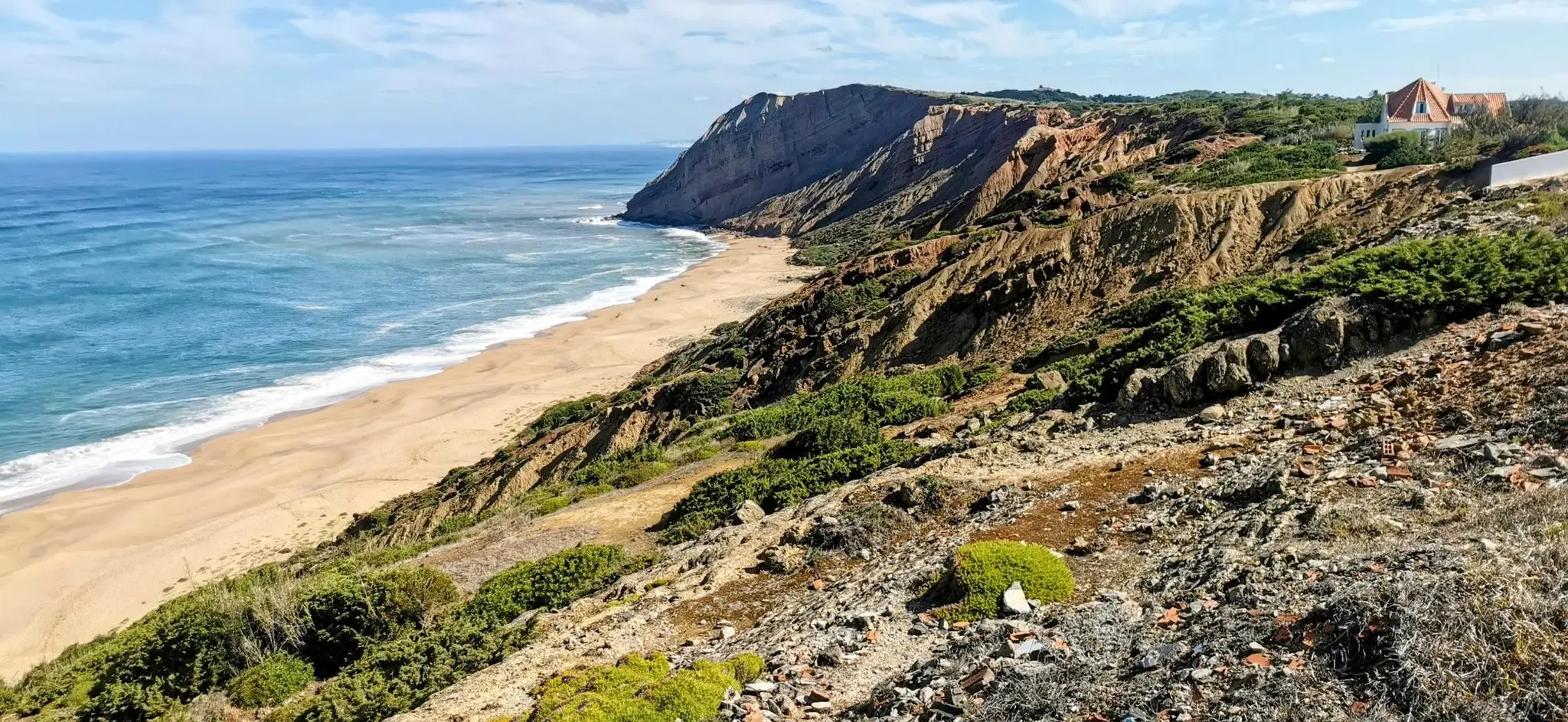
EuroVelo 1 Portugal – Cycle the Atlantic Coast
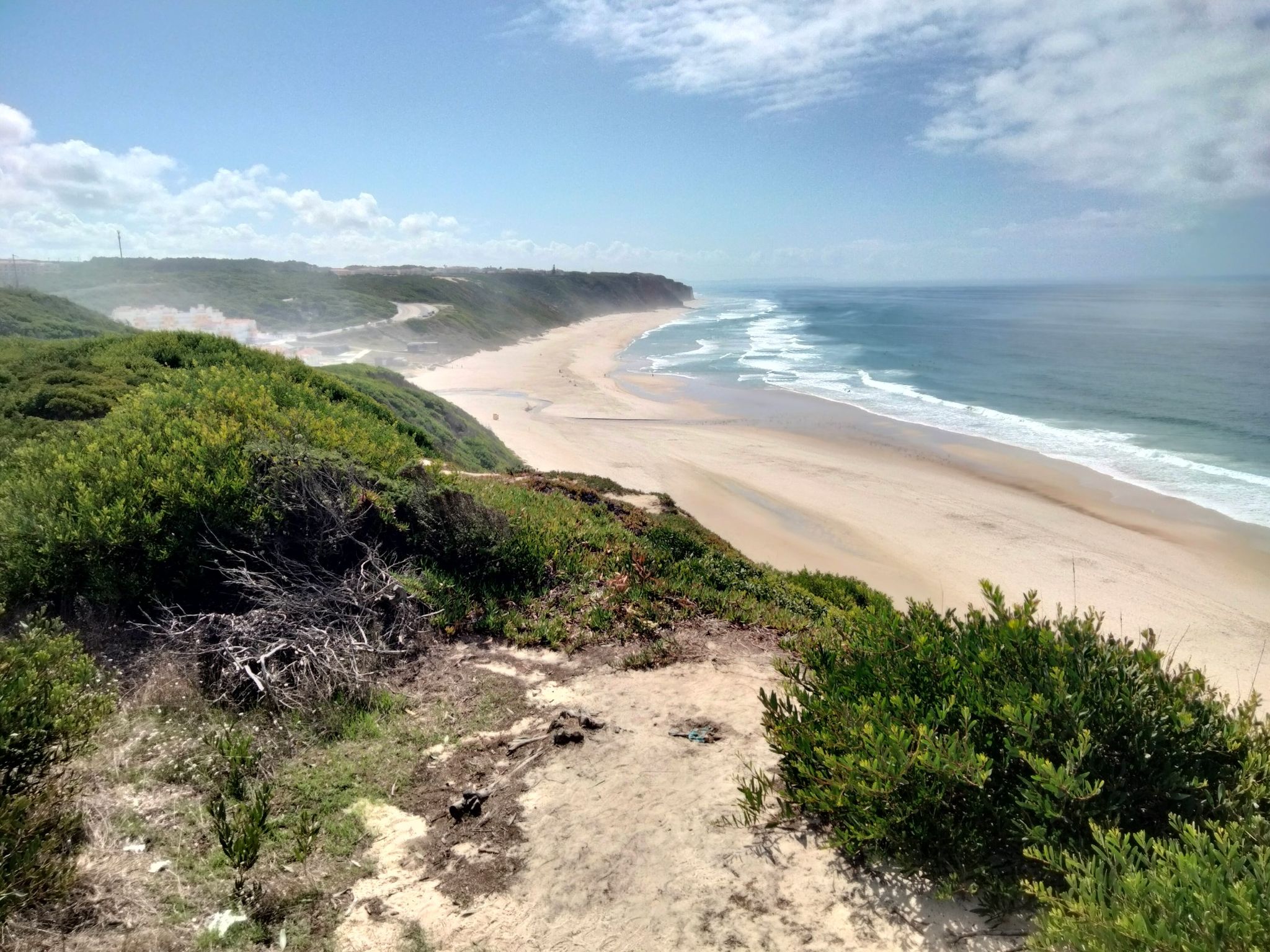
Portugal's Atlantic coast (north) – from Caminha to Lisbon
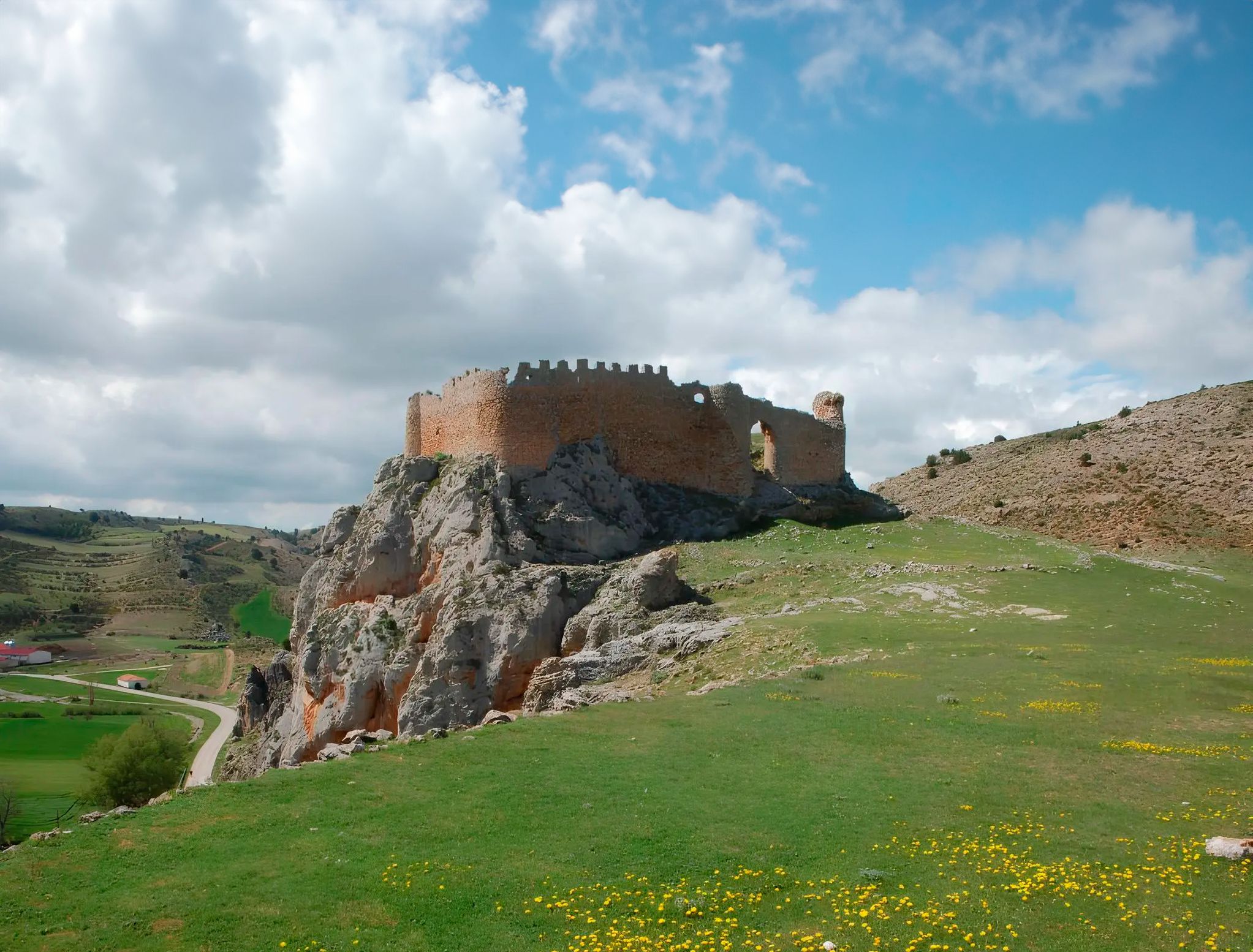
Around the Spanish province of Soria - Sendero Ibérico Soriano (GR 86)
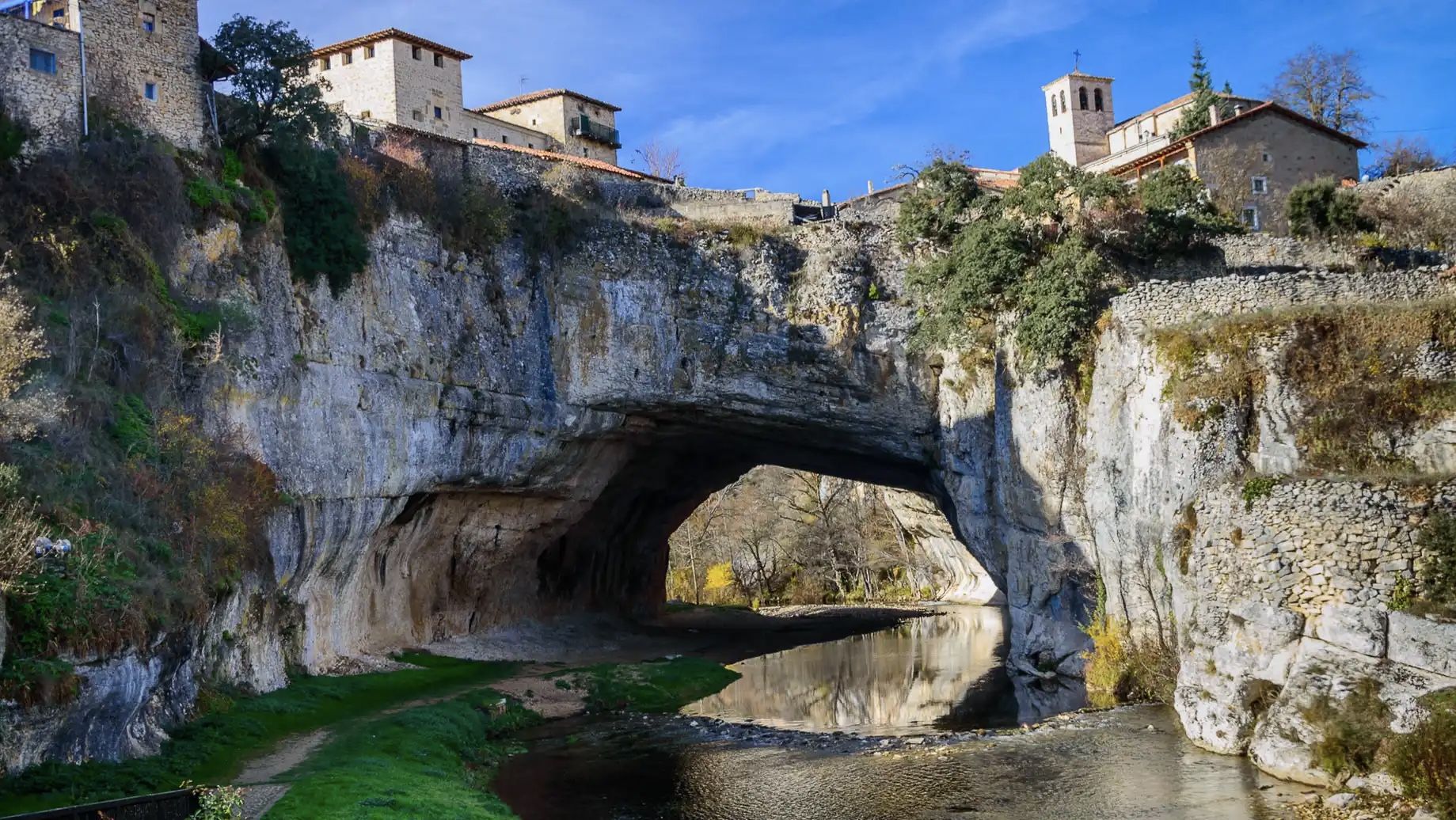
An epic getaway – Santander-Mediterráneo Nature Trail
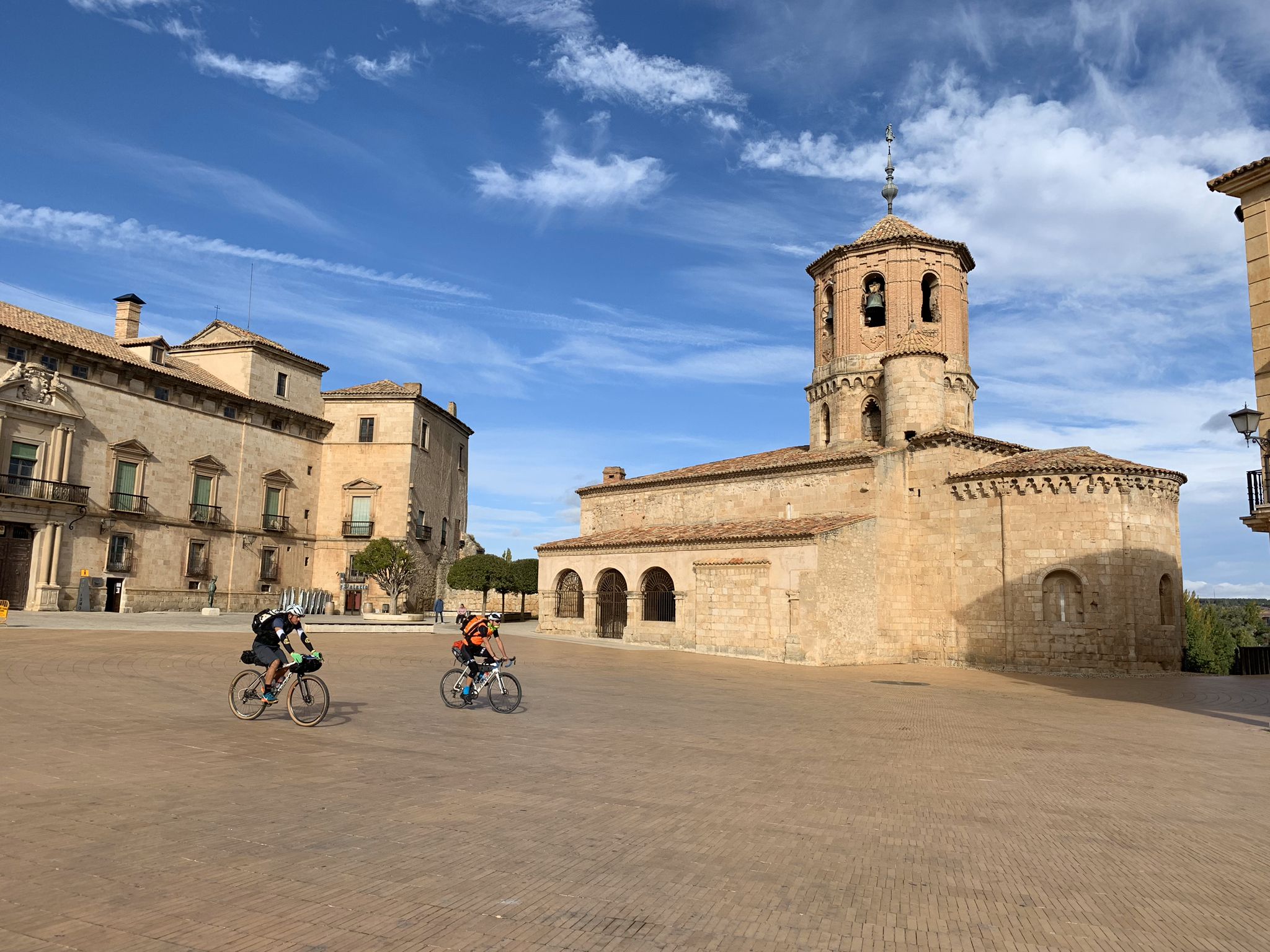
Countryside and fortresses – Walls of the Upper Duero by bike
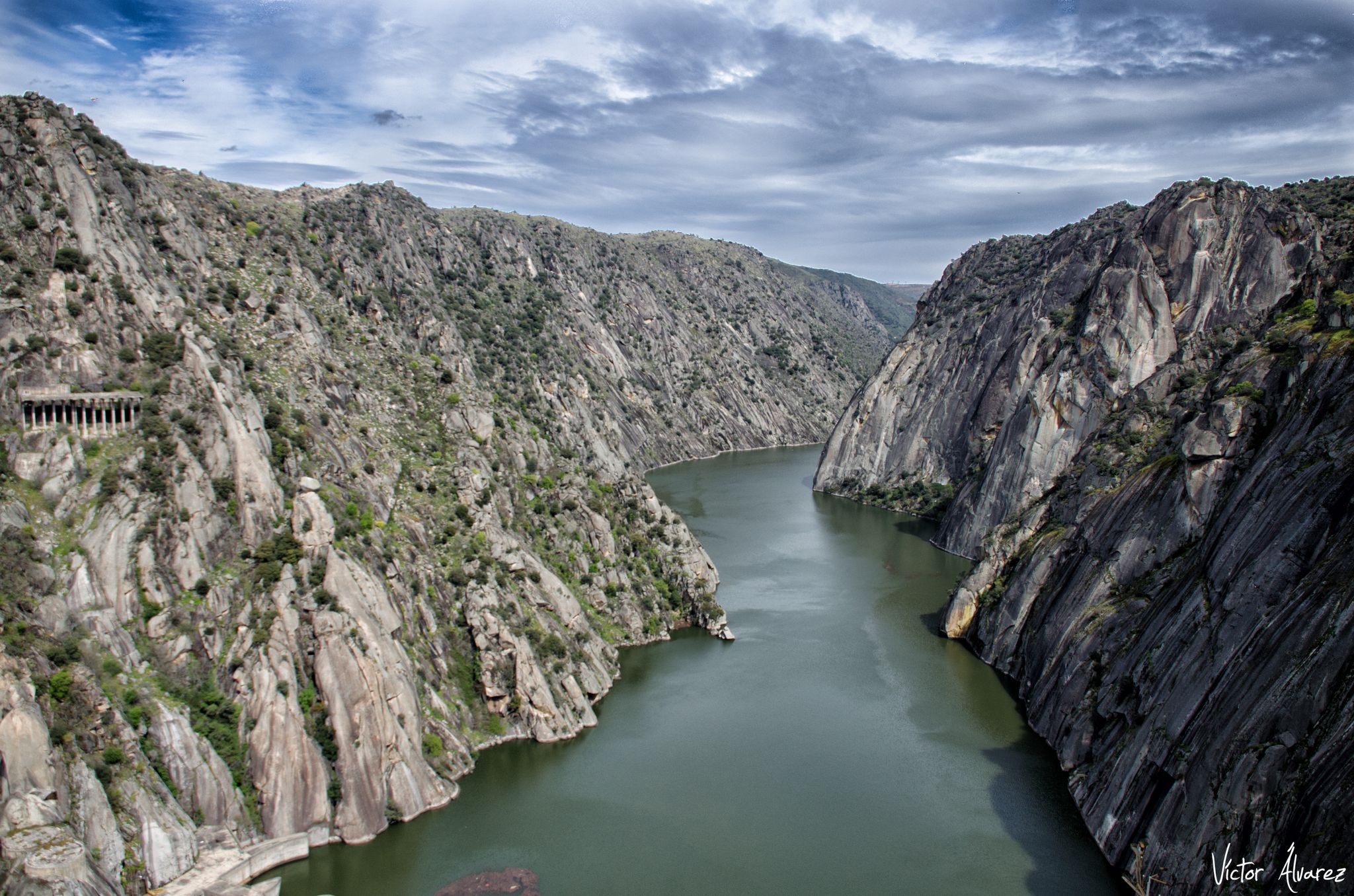
Downriver between Zamora and Salamanca – Western Duero Trail (GR 14)
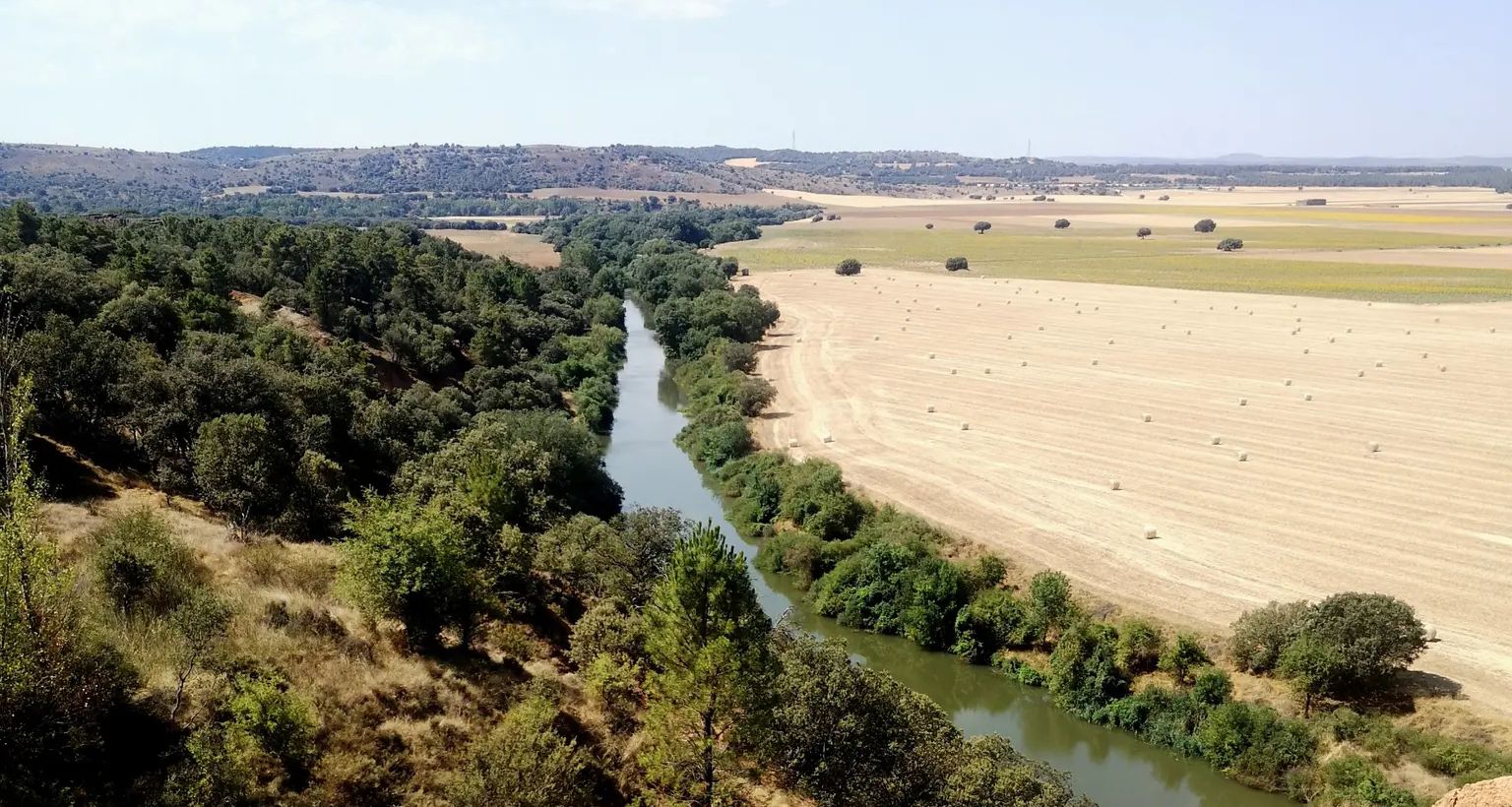
Downstream through Soria, Burgos and Valladolid in Spain – Eastern Douro Trail
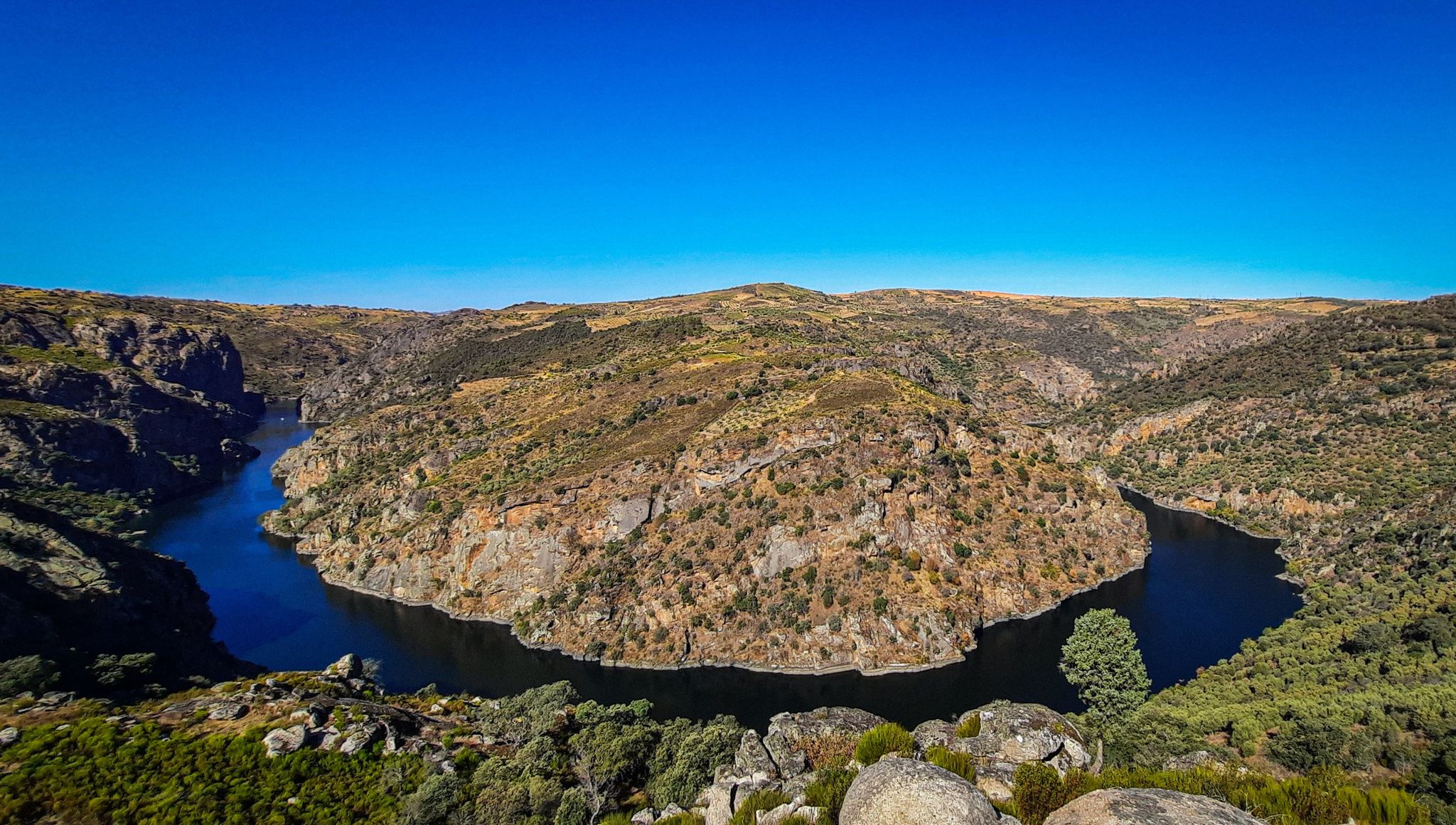
The Great Castilian River – Duero MTB Trail
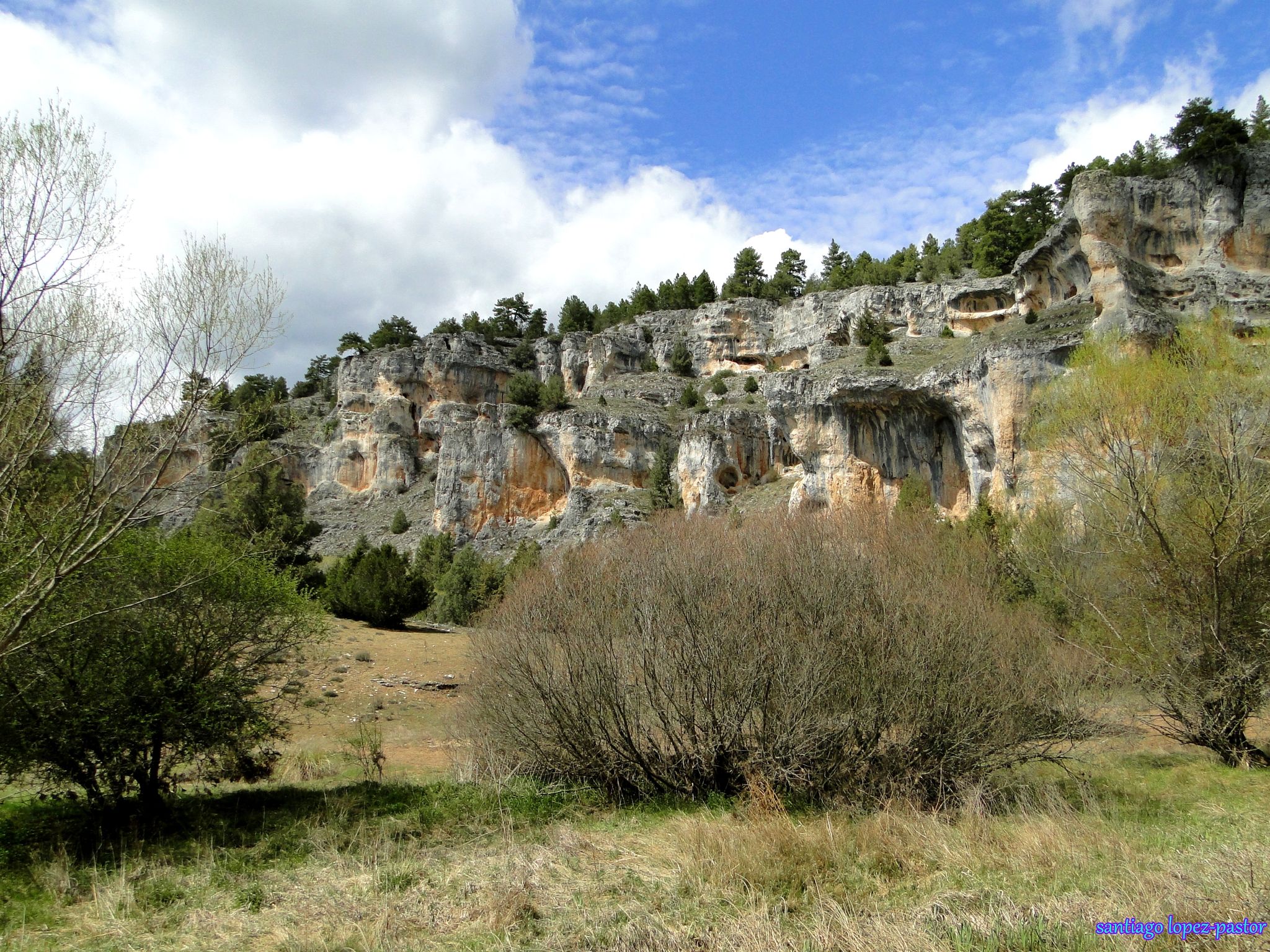
The secret gravel paradise — Bikepacking Soria
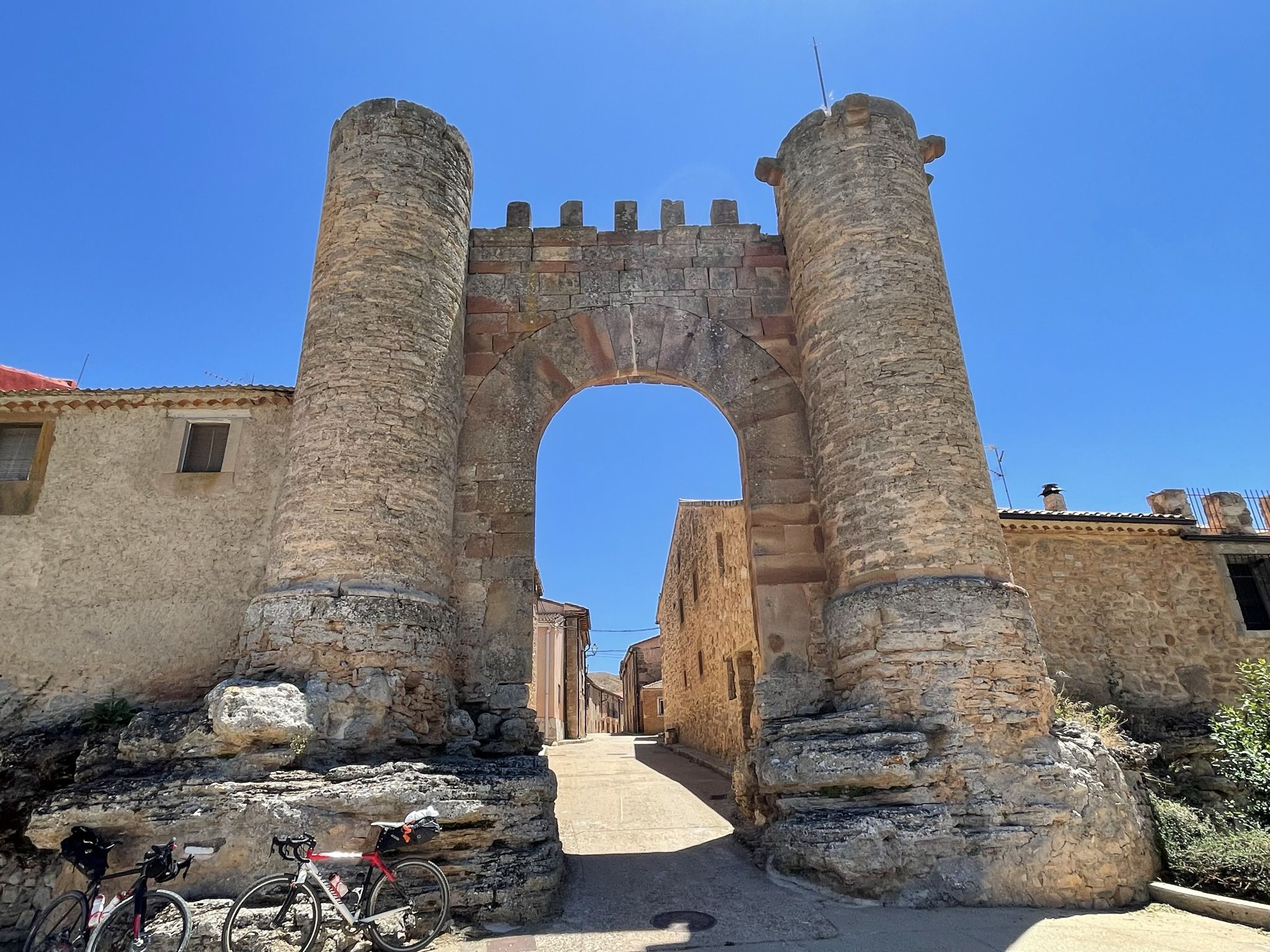
El Camino del Cid – El Destierro by gravel bike
Other adventures around the Duero


Tips from the Community

Declared a Site of Cultural Interest (BIC) on December 7, 1983, this church is located in the heart of Tordesillas (Valladolid), one of the town's most iconic landmarks and the largest in the entire municipality. It is believed to have been built on the site of the former Tordesillas mosque. The main construction took place between the 16th and 17th centuries, with additions continuing into the 18th century. The church combines Gothic elements (the apse and the lower sections of the tower) with Neoclassical renovations inspired by El Escorial. Today, it serves as the headquarters for several Holy Week brotherhoods, housing processional floats such as the Virgin of Solitude and the Christ of Mercy.
5
0

The building, constructed between the 16th and 18th centuries, began in the Gothic style and finished in the Neoclassical. Another striking feature is its tower, the tallest in the city. The Baroque-era organ is considered one of the finest in the region, both for its design and its state of preservation.
6
0

The best madeleines there are, oil cakes and sweets too - delicious! And super friendly. It's worth it!
0
0

It has a slight curve and shadow. Acceptable slope and good views of the valley
0
0

Along with the town of Villalube, there is also the town of Gallegos del Pan, both of which are close by the Arroyo de las Fuenticas.
0
0
Pinilla de Toro is a locality that is on the border with Valladolid and that, in addition, at the entrance of the town you can see the Iglesia de San Martín, which can be seen from afar.
0
0


This site was in ruins until 2007 when it was rebuilt. Its origins date back to the 10th century.
0
0
Frequently Asked Questions
How many no-traffic road cycling routes are available in the Duero region?
There are nearly 50 dedicated no-traffic road cycling routes in the Duero region, offering a wide range of options for cyclists. These include routes for all skill levels, from easy riverside rides to more challenging climbs.
What kind of terrain can I expect on these no-traffic road cycling routes in the Duero?
The Duero region offers diverse terrain for road cyclists. You'll find everything from relatively flat stretches along the river, perfect for a relaxed ride, to challenging climbs through dramatic terraced vineyards and undulating hills. Routes can involve significant elevation gains, especially when venturing away from the river, providing rewarding descents.
Are there any family-friendly no-traffic road cycling routes in the Duero region?
Yes, the Duero region offers several routes suitable for families looking for a relaxed ride away from traffic. While many routes feature undulating terrain, some riverside sections provide gentler gradients. Look for routes categorized as 'easy' for the most family-friendly options.
What are some notable landmarks or points of interest I can see along the no-traffic road cycling routes?
Cycling in the Duero region allows you to explore a rich cultural and natural landscape. You can pass centuries-old quintas (wine estates), olive groves, and traditional stone villages. Many routes offer stunning views of the Douro River and its terraced vineyards. For historical sights, consider routes near Castillo de Simancas or Gormaz Castle. Natural highlights include various viewpoints like the Staircase Viewpoint.
What is the best time of year to go road cycling in the Duero region?
The Duero region is beautiful year-round, but spring (April-May) and autumn (September-October) are generally considered the best times for road cycling. During these seasons, the weather is pleasantly mild, and the landscapes are particularly vibrant – green in spring and golden in autumn. Summer can be hot, especially in July and August, while winter can bring cooler temperatures and occasional rain.
Are there any circular no-traffic road cycling routes available?
Yes, many of the no-traffic road cycling routes in the Duero region are designed as circular loops, allowing you to start and end your ride in the same location. An example is the Castillo de Soliedra y Río Duero — circular desde Almazán, which offers a moderate challenge over 61 km.
What do other road cyclists enjoy most about cycling in the Duero region?
The Duero region is highly rated by the komoot community, with an average score of 4.5 stars. Reviewers often praise the stunning scenic roads, particularly the winding routes through terraced vineyards with minimal traffic. The cultural immersion, passing through historic villages and offering opportunities for wine tastings, is also frequently highlighted as a major draw.
How challenging are the no-traffic road cycling routes in the Duero?
The routes vary significantly in difficulty. You'll find easy routes with minimal elevation gain, such as those along the riverbanks. However, many routes, especially those venturing into the hills, are moderately challenging or difficult, featuring significant climbs and descents. For example, the Ribera del Duero and Esgueva Valley Castles Loop is a difficult 128 km route with over 1100 meters of elevation gain.
Are there any routes that pass by castles in the Duero region?
Absolutely! The Duero region is rich in history and features several castles. The Esgueva Valley Castles Loop is a great option, taking you past several historical fortifications. Another route, Castillo de Simancas – Simancas loop from Tordesillas, specifically highlights a prominent castle.
Can I find cafes or places to rest along the no-traffic road cycling routes?
Yes, many routes pass through or near traditional stone villages and towns where you can find cafes, restaurants, and local shops. These provide excellent opportunities to refuel, rest, and experience the local culture. Planning your route in advance can help identify suitable stops.
What are the typical distances and elevation gains for these routes?
Distances for no-traffic road cycling routes in the Duero region vary widely, from shorter rides of around 40-50 km to longer, more challenging tours exceeding 100 km. Elevation gains can range from a few hundred meters for easier routes to over 1000 meters for difficult ones. For instance, the Tierra del Pan by Villalube, Fresno de la Ribera and Pinilla de Toro — circular is a moderate 68 km route with nearly 400 meters of ascent.
Most popular routes around the Duero
Most popular attractions around the Duero

Get inspired with the komoot mobile app


Explore more
Browse the best Road cycling routes in other regions.
