The best gravel rides around the Duero
4.5
(59)
562
riders
30
rides
Gravel biking around the Duero offers diverse terrain shaped by the majestic Duero River, which carves deep canyons and gorges, particularly in the Arribes del Duero. The landscape transitions from riverine cuts with terraced vineyards and olive groves to expansive plains and oak forests. This region provides a varied environment for gravel cyclists, combining peaceful routes with challenging segments across both Spanish and Portuguese territories.
Best gravel bike trails around the Duero
- The most popular gravel bike trail is Toledillo…
Last updated: July 8, 2026
5.0
(1)
5
riders
52.4km
04:42
890m
890m
Hard gravel ride. Very good fitness required. Mostly paved surfaces. Suitable for all skill levels.
5.0
(2)
5
riders
Moderate gravel ride. Good fitness required. Mostly paved surfaces. Suitable for all skill levels.

Sign up for free
5.0
(2)
4
riders
53.6km
04:11
370m
370m
Moderate gravel ride. Good fitness required. Mostly paved surfaces. Suitable for all skill levels.
3
riders
35.1km
02:28
150m
150m
Moderate gravel ride. Good fitness required. Mostly paved surfaces. Suitable for all skill levels.
5.0
(1)
7
riders
18.1km
01:19
220m
220m
Moderate gravel ride. Good fitness required. Mostly paved surfaces. Suitable for all skill levels.
5
riders
65.5km
05:56
1,540m
1,550m
Hard gravel ride. Very good fitness required. Mostly paved surfaces. Suitable for all skill levels.
5.0
(1)
6
riders
25.4km
02:05
40m
40m
Moderate gravel ride. Good fitness required. Mostly paved surfaces. Suitable for all skill levels.
5
riders
67.5km
04:42
240m
240m
Moderate gravel ride. Good fitness required. Mostly paved surfaces. Suitable for all skill levels.
5.0
(1)
5
riders
29.2km
02:03
220m
220m
Moderate gravel ride. Good fitness required. Mostly paved surfaces. Suitable for all skill levels.
5.0
(1)
5
riders
47.1km
03:13
320m
320m
Moderate gravel ride. Good fitness required. Mostly paved surfaces. Suitable for all skill levels.
Get access to more routes and recommendations from other explorers.
Sign up for free
Already have an account?
Our route recommendations are based on thousands of hikes, rides, and runs completed by other people on komoot.
Start today with a free account
Your next adventure awaits.
Login or Signup
Popular around Duero
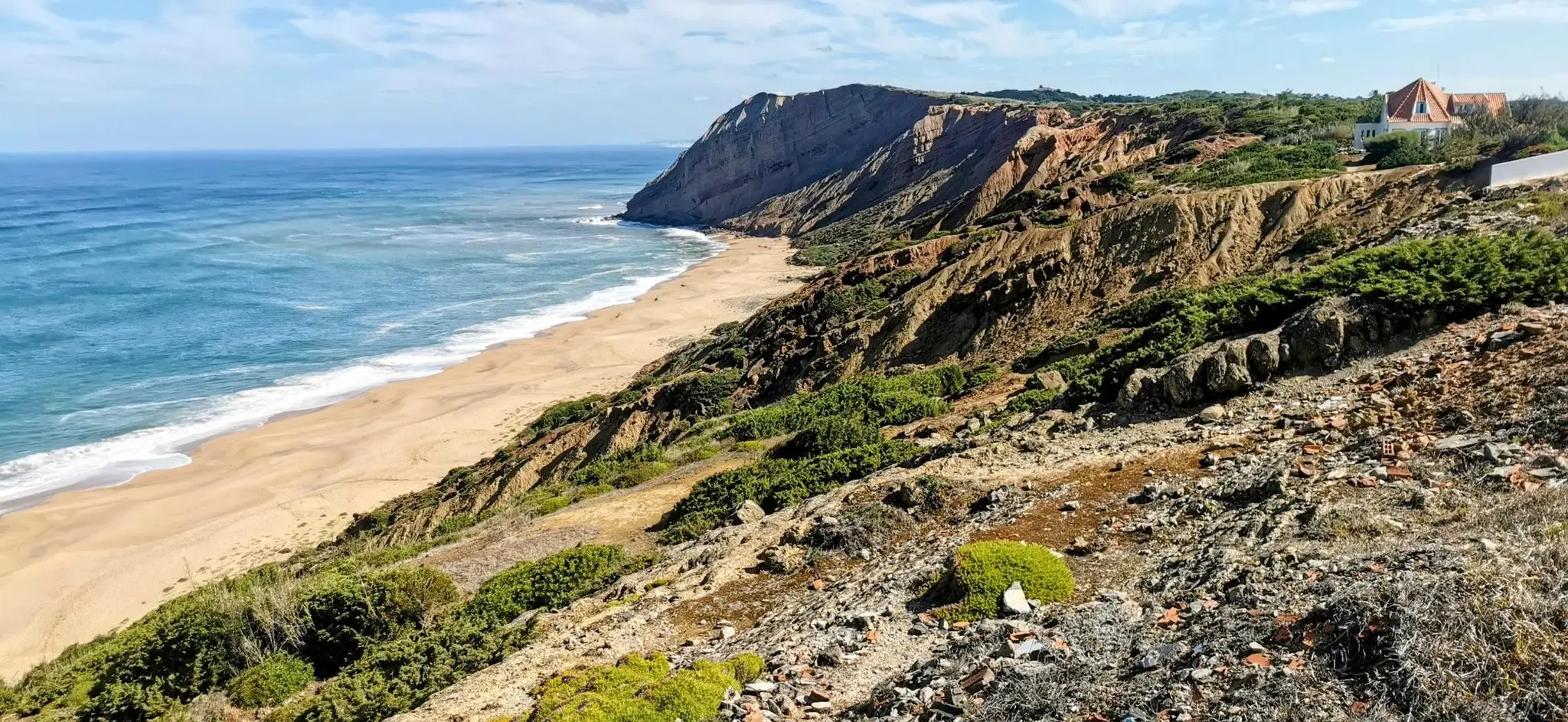
EuroVelo 1 Portugal – Cycle the Atlantic Coast
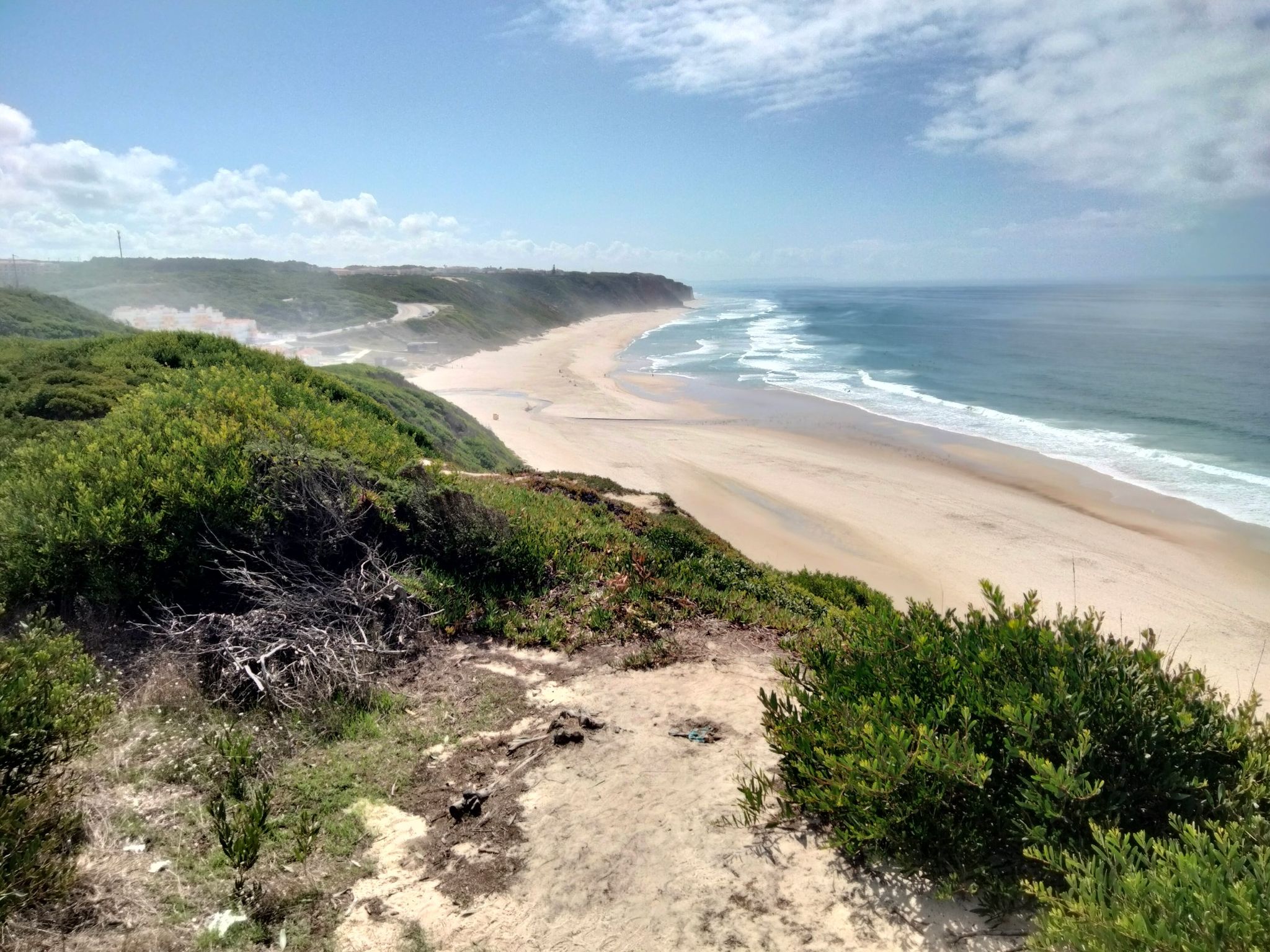
Portugal's Atlantic coast (north) – from Caminha to Lisbon
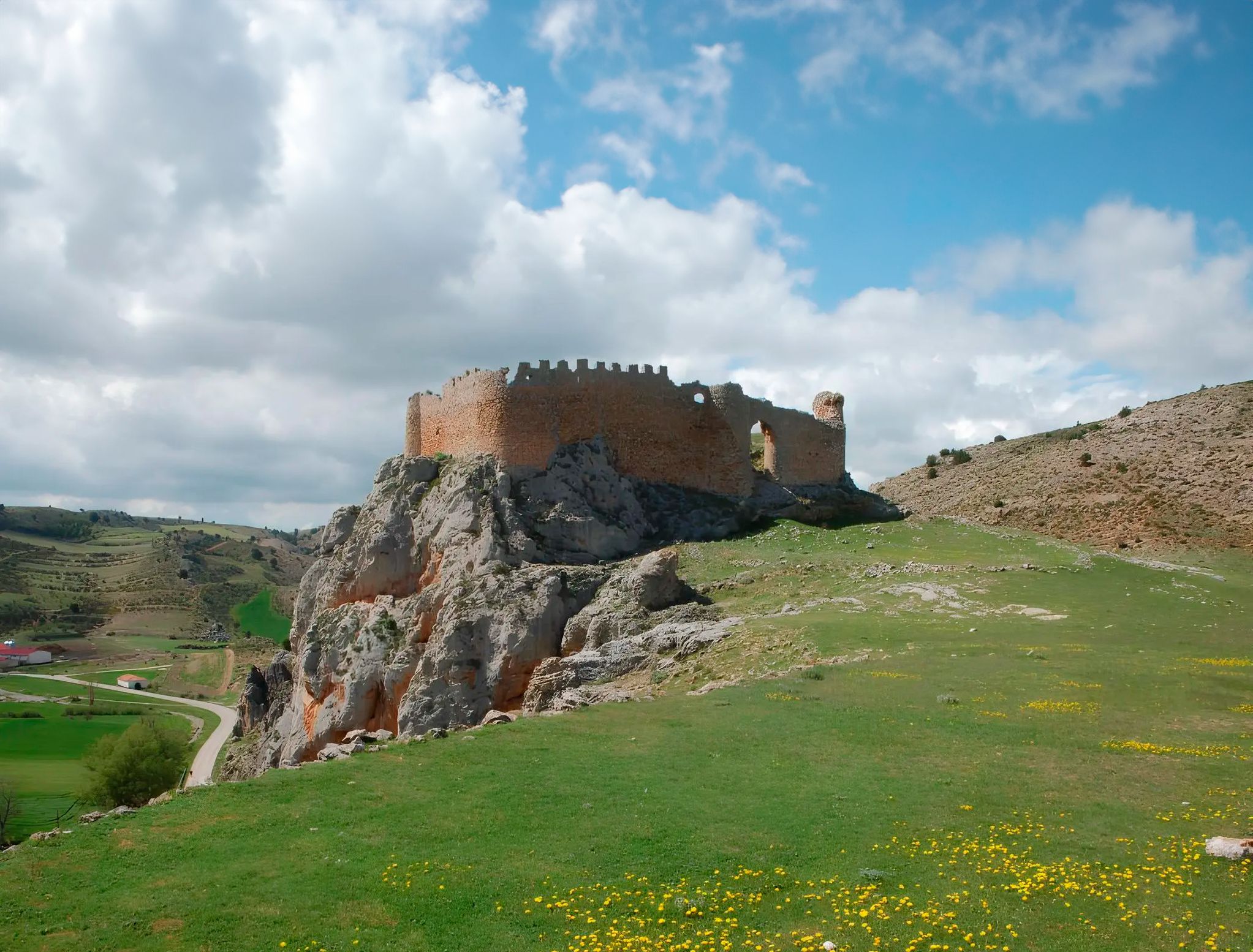
Around the Spanish province of Soria - Sendero Ibérico Soriano (GR 86)
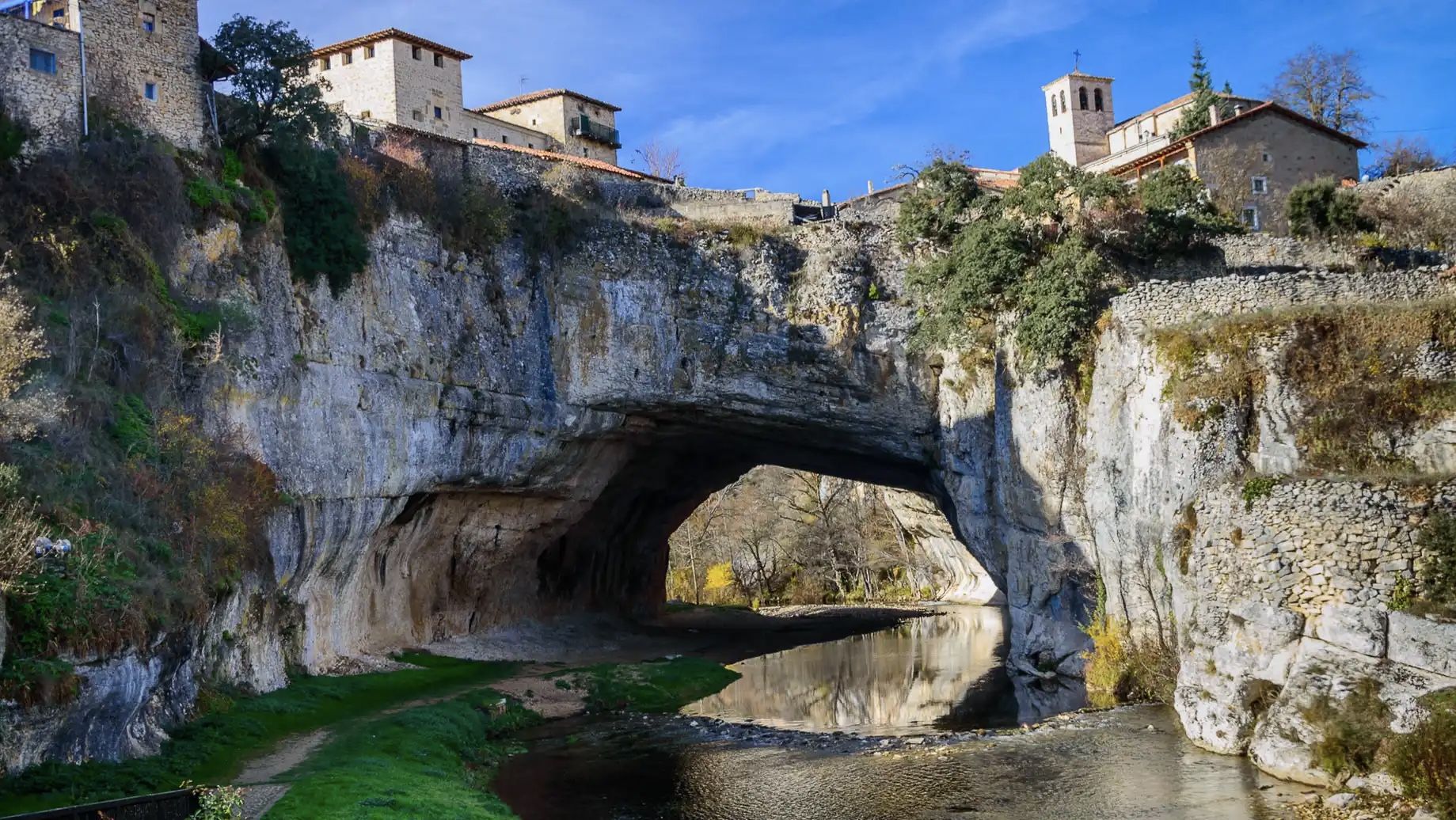
An epic getaway – Santander-Mediterráneo Nature Trail
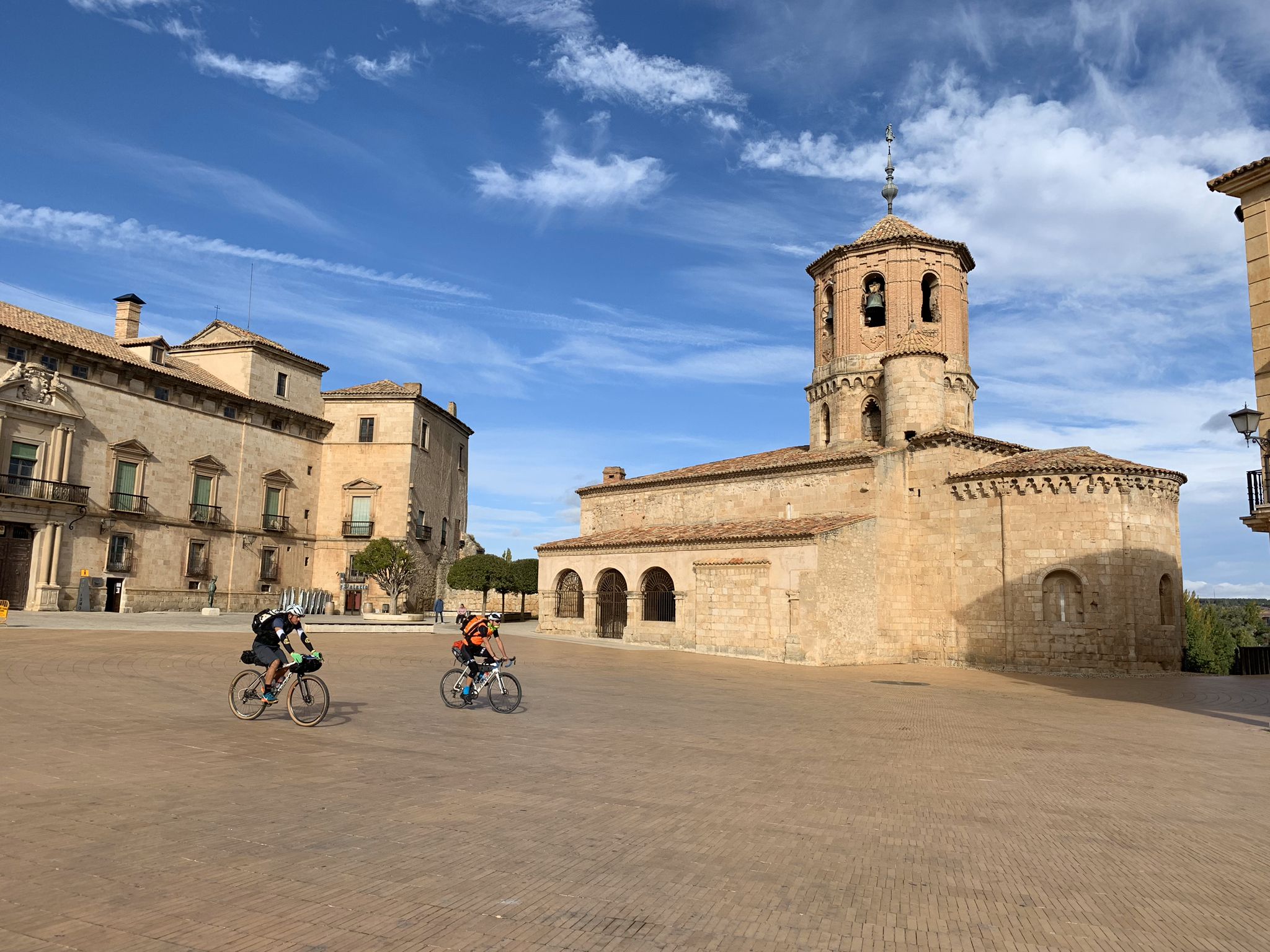
Countryside and fortresses – Walls of the Upper Duero by bike
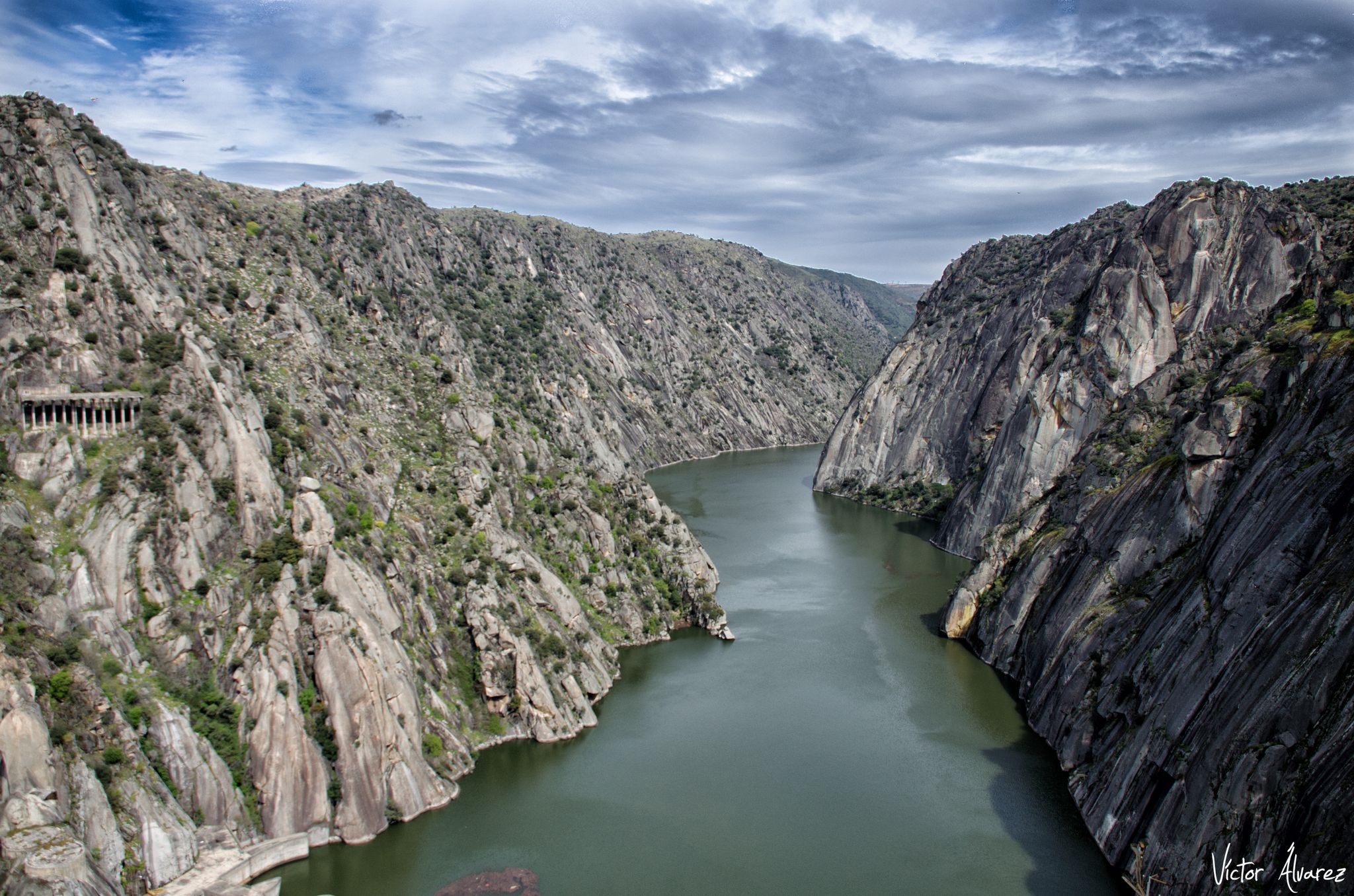
Downriver between Zamora and Salamanca – Western Duero Trail (GR 14)
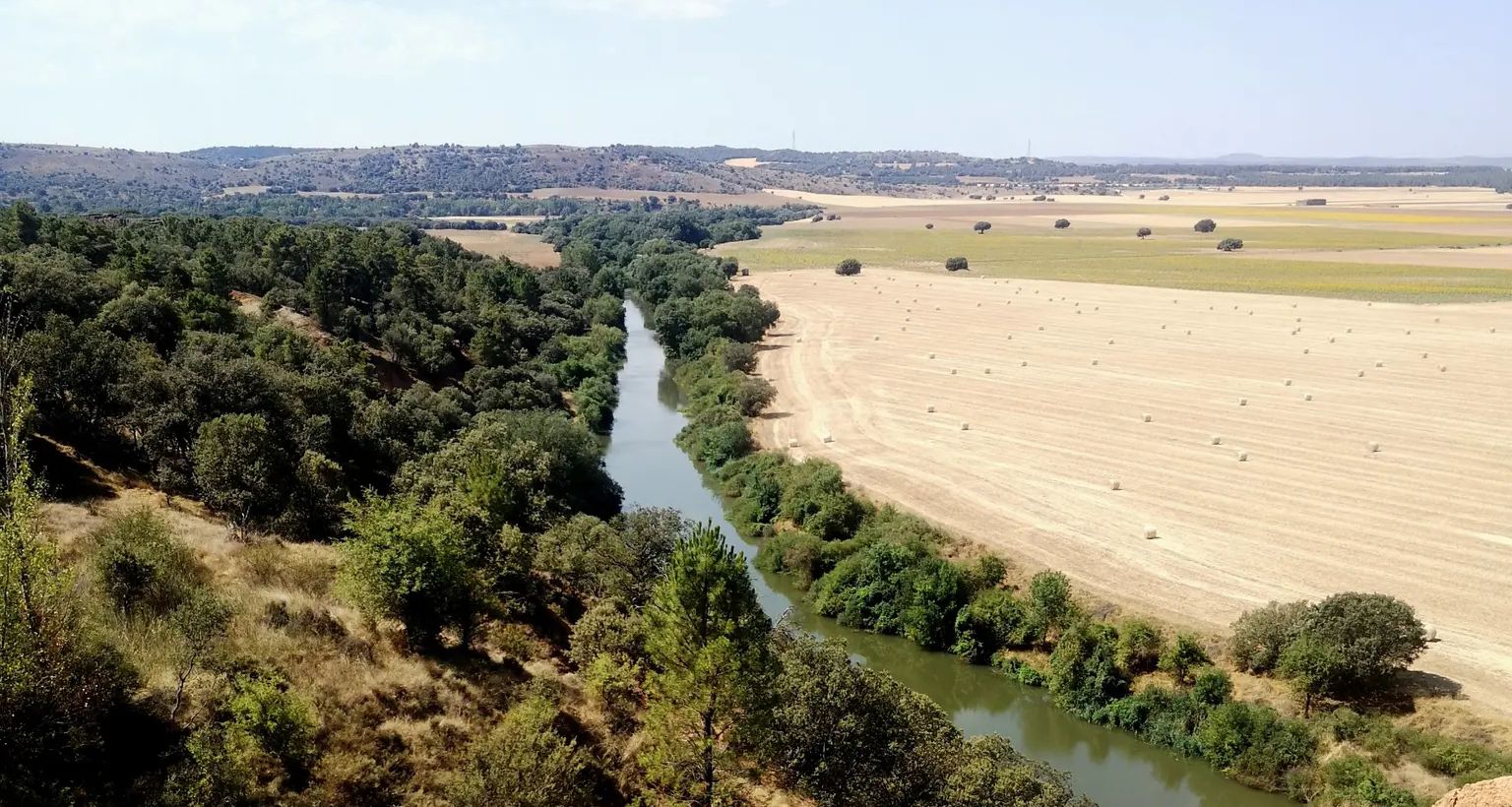
Downstream through Soria, Burgos and Valladolid in Spain – Eastern Douro Trail
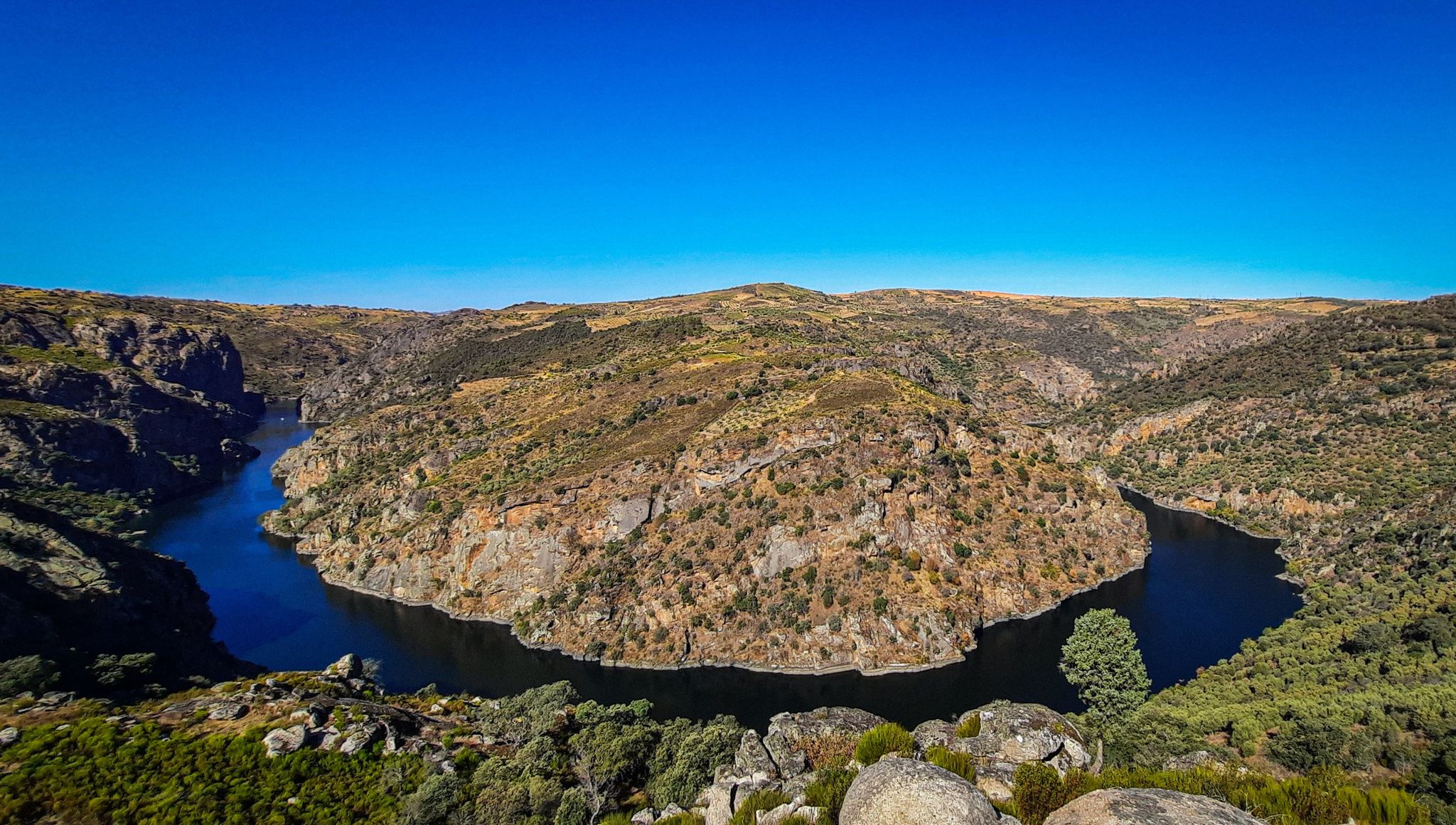
The Great Castilian River – Duero MTB Trail
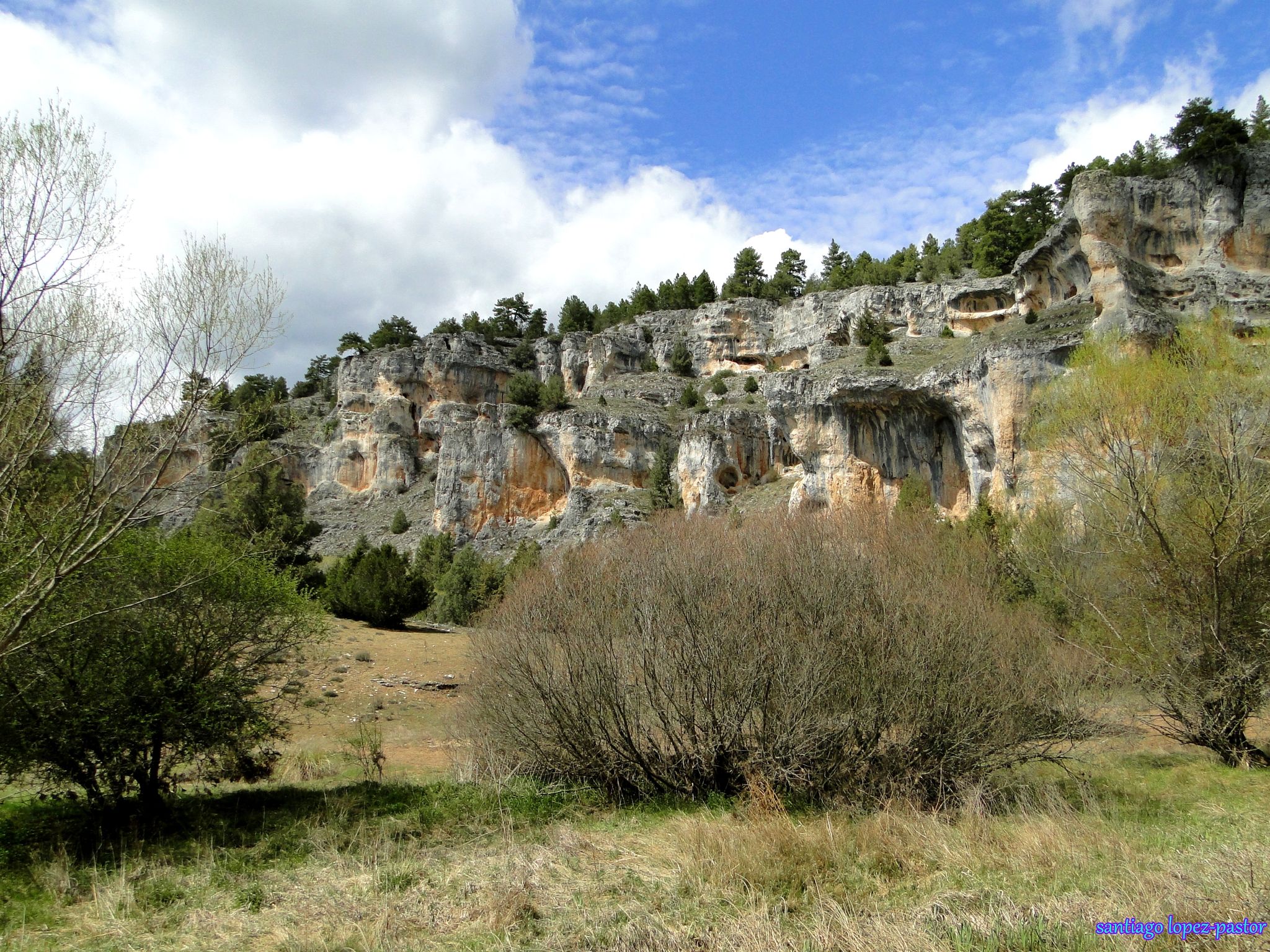
The secret gravel paradise — Bikepacking Soria
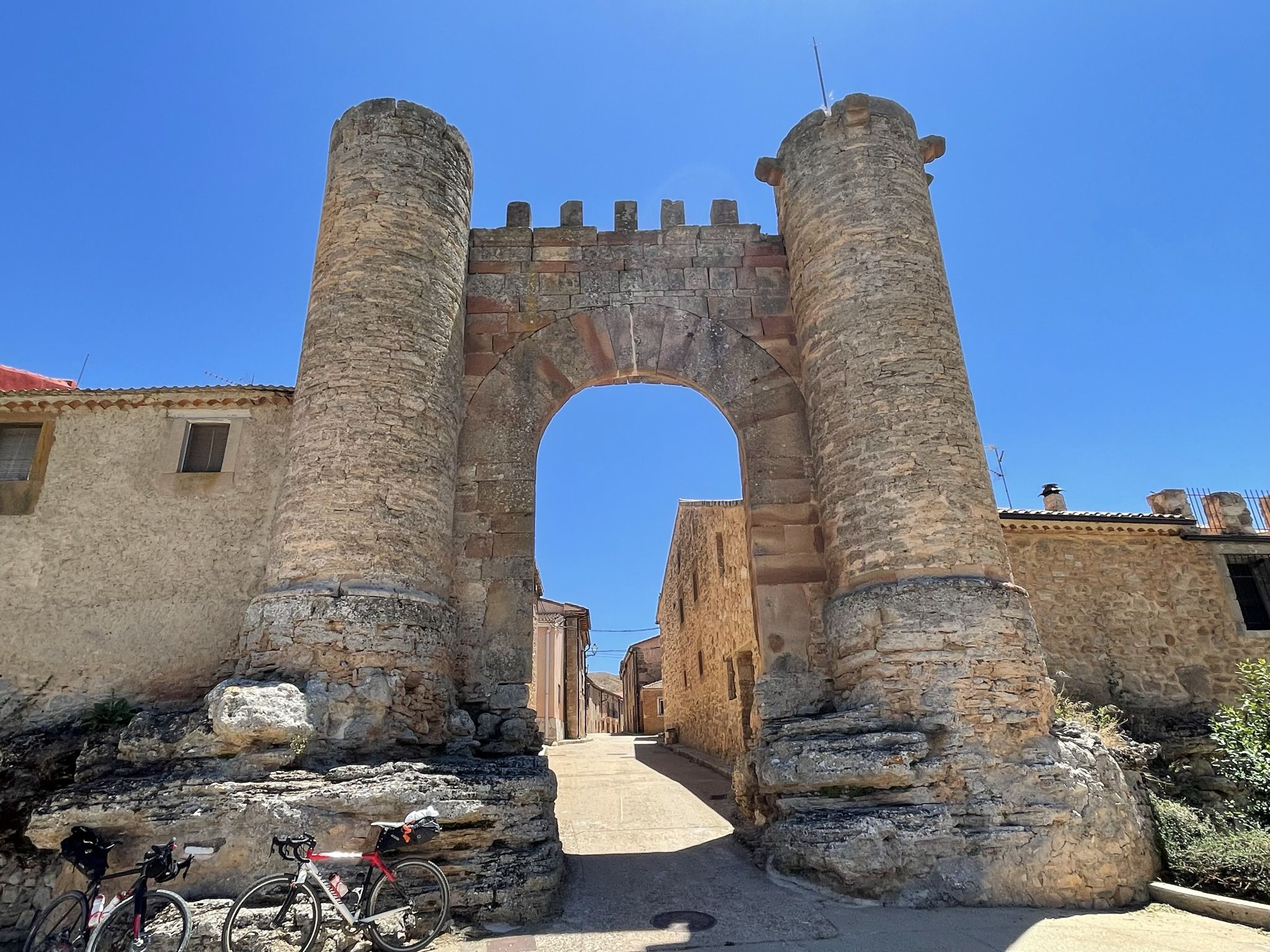
El Camino del Cid – El Destierro by gravel bike
Other adventures around the Duero


Tips from the Community

Stop and take a picture
0
0

Declared a Site of Cultural Interest (BIC) on December 7, 1983, this church is located in the heart of Tordesillas (Valladolid), one of the town's most iconic landmarks and the largest in the entire municipality. It is believed to have been built on the site of the former Tordesillas mosque. The main construction took place between the 16th and 17th centuries, with additions continuing into the 18th century. The church combines Gothic elements (the apse and the lower sections of the tower) with Neoclassical renovations inspired by El Escorial. Today, it serves as the headquarters for several Holy Week brotherhoods, housing processional floats such as the Virgin of Solitude and the Christ of Mercy.
5
0

The building, constructed between the 16th and 18th centuries, began in the Gothic style and finished in the Neoclassical. Another striking feature is its tower, the tallest in the city. The Baroque-era organ is considered one of the finest in the region, both for its design and its state of preservation.
6
0
It spans the Duero River in Zamora (Castilla y León), connecting Avenida de Portugal (Pinilla neighborhood) with Calle de Salamanca in the city. The project began in 1882, with construction starting in 1892, under the direction of engineer Prudencio Guadalajara, to alleviate the overloading of the old Stone Bridge. Inaugurated in 1900, it represented a significant improvement in handling the growing traffic in the city. It was designed in steel, using a metal lattice structure of the St. Andrew's Cross type, typical of the late 19th century.
3
0

This monument consists of three monoliths representing the three roads that converge at this location: the Via de la Plata, the Calzada Mirandesa, and the Via Dalmacia; and a curb where pilgrims can write a wish on a stone and throw it into the curb for it to come true.
1
0

Gothic church with a beautiful ribbed vault dedicated to the Virgin of the Pine
0
0

Beautiful town in Soria.
0
0

The Church of Our Lady of the Assumption in Quemada, Burgos, is a Romanesque church (12th-13th centuries). Its most notable features are the 16th-century Renaissance tower, an 18th-century main altarpiece, and a Renaissance baptismal font.
4
0
Frequently Asked Questions
How many gravel bike trails are available in the Duero region?
The Duero region offers a wide variety of gravel biking experiences, with over 170 routes available on komoot. These range from easy rides to more challenging adventures, catering to different skill levels.
What kind of landscapes can I expect to see while gravel biking in the Duero region?
You'll encounter a dramatic and diverse landscape shaped by the Duero River. Expect deep canyons and gorges, particularly in the Arribes del Duero, alongside terraced vineyards, olive groves, and almond forests. The routes often transition from riverine paths to expansive plains and oak forests, offering a rich visual experience.
Are there any easy gravel bike routes suitable for families or beginners?
Yes, the Duero region has several easier routes. For a moderate, yet accessible ride, consider the Cuerda del Pozo Reservoir – Bridge over the Duero loop from Vinuesa. This 18 km route offers a pleasant experience with less elevation gain, perfect for those looking for a gentler introduction to gravel biking in the area.
What are some of the historical or natural attractions I can see along the gravel bike trails?
The region is rich in attractions. You can explore historic villages like Fermoselle or Aranda de Duero, known for its Roman bridges and underground wine cellars. Along the trails, you might encounter impressive viewpoints such as Mirador de las Barrancas or São João das Arribas Viewpoint, offering breathtaking views of the canyons. Historical sites like the Requejo Bridge also dot the landscape.
Are there any challenging gravel bike routes for experienced riders?
Absolutely. For experienced riders seeking a challenge, the Molinos de Duero – Duero Trail loop from Molinos de Duero is a difficult 53 km path that explores the river's course and surrounding natural areas with significant elevation changes. Another demanding option is the Cidones Railway Halt – Camino de Abejar loop from Soria, a 92 km route with nearly 700 meters of ascent.
What do other gravel bikers enjoy most about the Duero region?
The Duero region is highly rated by the komoot community, with an average score of 4.4 stars from over 20 reviews. Riders often praise the diverse terrain, the blend of peaceful routes with challenging segments, and the opportunity to cycle through historic villages and along old railway lines, known as 'Eco Pistas'.
Are there circular gravel bike routes available in the Duero region?
Yes, many of the gravel routes in the Duero region are designed as loops, allowing you to start and end in the same location. For example, the Junta de los Ríos Trail – Toledillo Train Stop loop from Soria is a popular circular route leading through river valleys and rural landscapes.
What is the best time of year for gravel biking in the Duero region?
The Duero region benefits from a Mediterranean microclimate, especially within the riverine cuts. Spring and autumn generally offer the most pleasant conditions for gravel biking, with milder temperatures and beautiful scenery. Summers can be hot, particularly in the canyons, while winters are cooler but often still suitable for riding.
Are there any routes that follow old railway lines or 'Eco Pistas'?
Yes, the Duero region is known for its varied terrain, which includes sections of old railway lines and tracks, often referred to as 'Eco Pistas'. These offer unique, often flatter, and scenic paths for gravel bikers, allowing you to explore the landscape on routes unsuitable for regular road bikes.
Can I find routes that pass through vineyards or offer wine-tasting opportunities?
Absolutely. The Duero is renowned for its wine production, including the Ribera del Duero and Port wine regions. Many gravel biking routes frequently pass through vineyards, especially in the Douro Valley, offering opportunities to experience the local viticulture and gastronomy. While specific tasting stops aren't listed in the route data, the region's character makes such detours easily accessible.
Are there any routes that offer panoramic views of the Duero River?
Yes, the dramatic canyons and gorges of the Duero River provide numerous opportunities for panoramic views. Routes often include climbs to stunning viewpoints like the Miradouro de Santa Marinha, offering breathtaking vistas of the river valleys and terraced vineyards. You can also find highlights such as the View of the Douro Canyon directly on komoot.
What kind of wildlife might I encounter while cycling in the Duero region?
The Duero region is a Special Protection Area for birds, so you might spot various species, including the black stork, Bonelli's eagle, and griffon vulture, especially in the more remote canyon areas. The diverse landscapes, from oak forests to riverbanks, support a rich biodiversity.
Most popular routes around the Duero
Most popular attractions around the Duero

Get inspired with the komoot mobile app


