Top 6 Castles around National Park Sudoeste Alentejano e Costa Vicentina
Best castles around National Park Sudoeste Alentejano e Costa Vicentina are found within a region known for its rugged coastline and diverse ecosystems. This area holds historical significance, with archaeological evidence of human habitation dating back millennia, including influences from Phoenicians, Romans, and Moors. While primarily celebrated for its natural beauty, the park features historical fortifications that serve as cultural attractions.
Best castles around National Park Sudoeste Alentejano e Costa Vicentina
- The most popular castles is Sagres Fortress, a…
Last updated: June 29, 2026
Sagres Fortress
Highlight • Historical Site
Tip by

Aljezur Castle and the Old Town
Highlight • Castle
Translated by Google •
Tip by

Sign up now to discover places like this
Get recommendations on the best single tracks, peaks, & plenty of other exciting outdoor places.
Sign up for free
Fort of Pessegueiro
Highlight • Historical Site
Translated by Google •
Tip by

Almádena Fort
Highlight • Historical Site
Translated by Google •
Tip by
Fort of Santo António de Belixe
Highlight • Castle
Translated by Google •
Tip by

Sign up for free to discover even more castles around National Park Sudoeste Alentejano e Costa Vicentina.
Sign up for free
Already have an account?
Start today with a free account
Your next adventure awaits.
Login or Signup
Popular around National Park Sudoeste Alentejano e Costa Vicentina
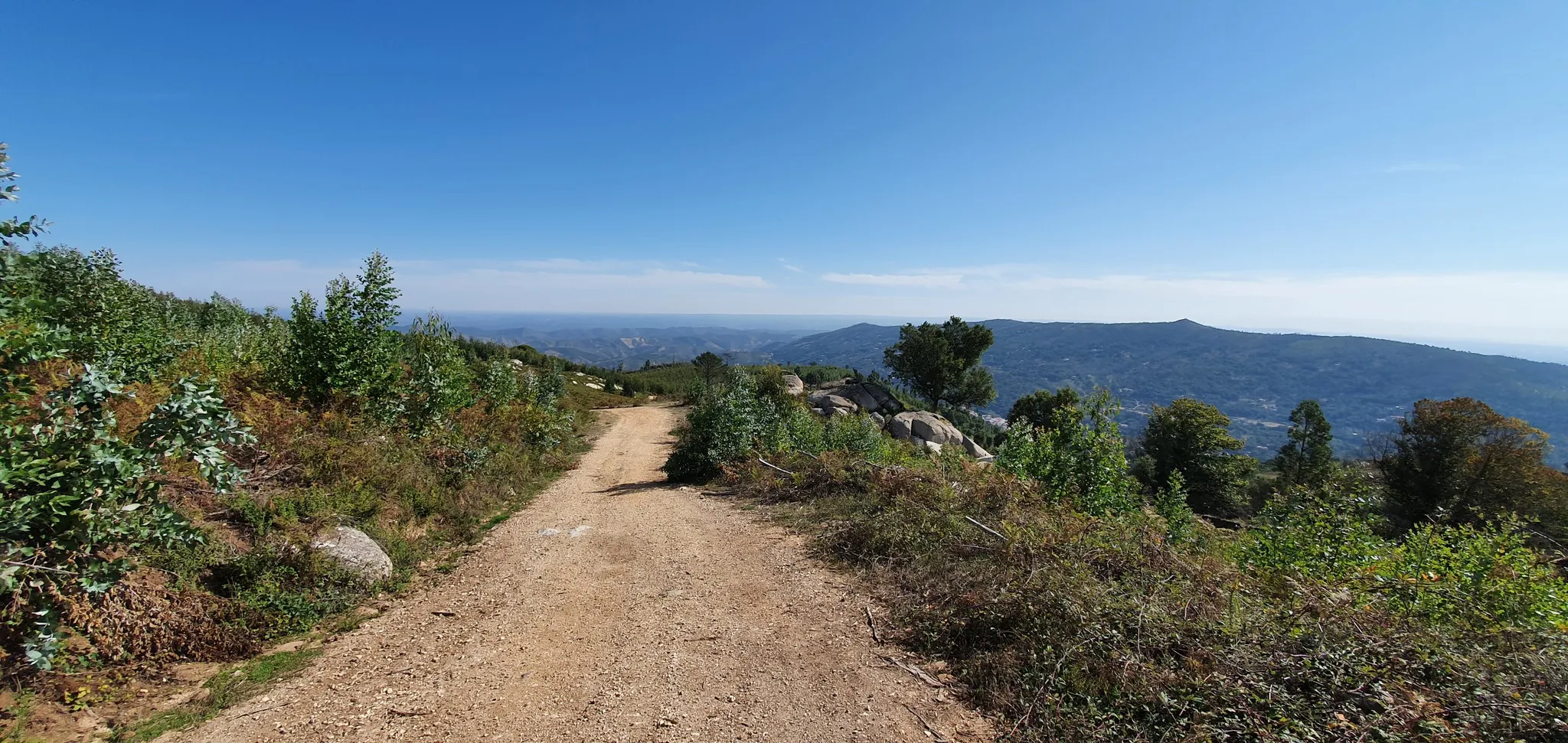
Via Algarviana (GR 13) - hidden corners of the south
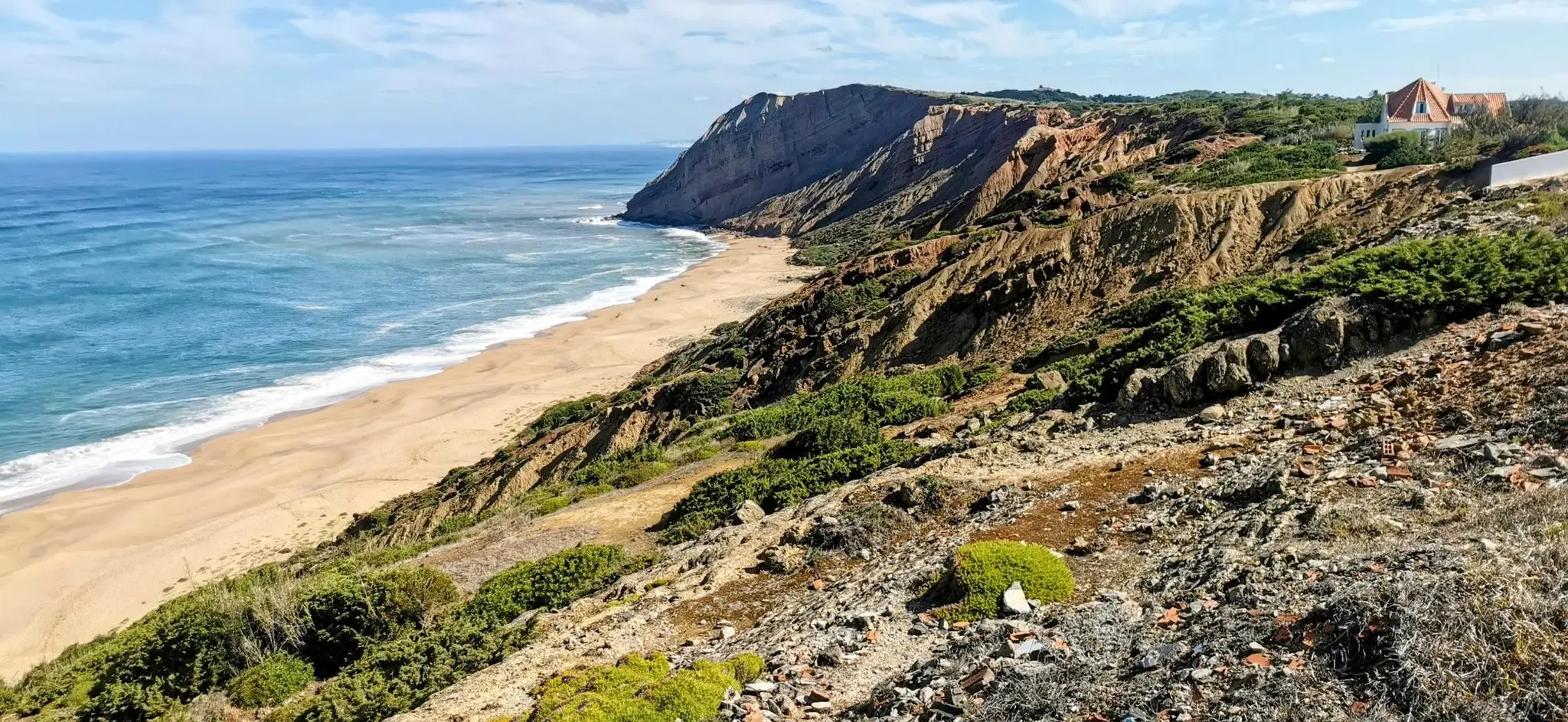
EuroVelo 1 Portugal – Cycle the Atlantic Coast
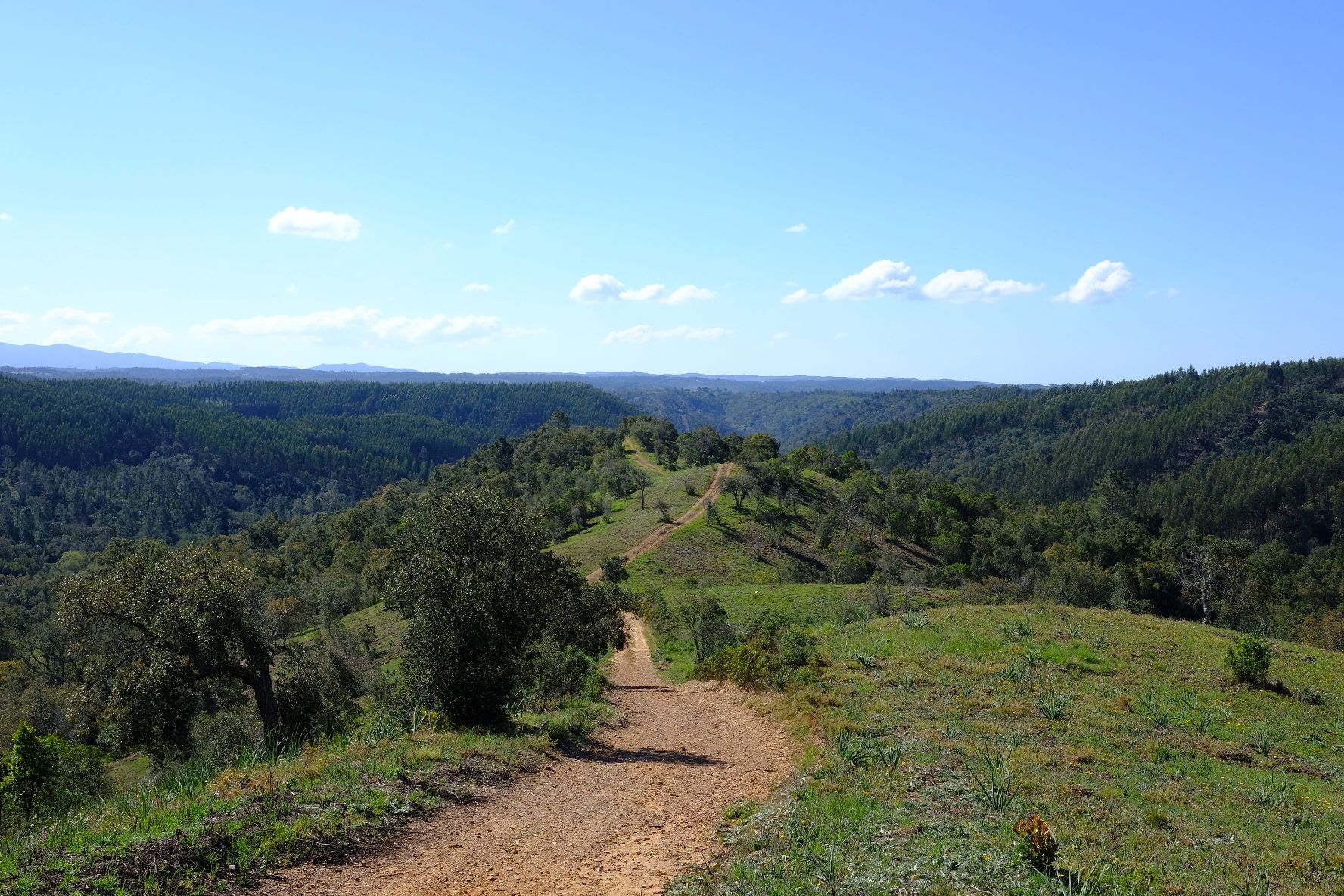
Caminho Histórico – Discover Portugal's beauty and history
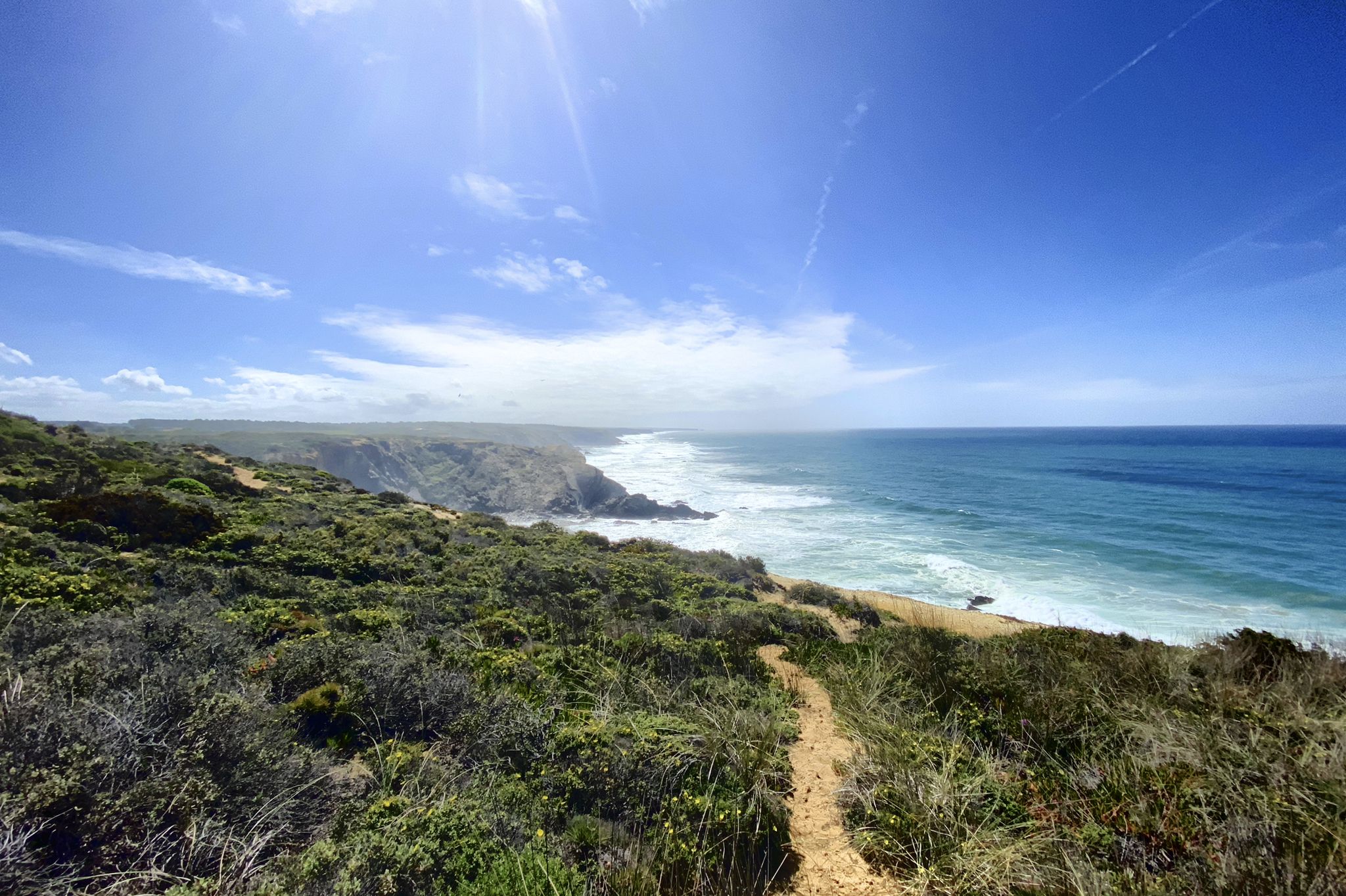
Trilho dos Pescadores – Portugal's Fishermen's Trail
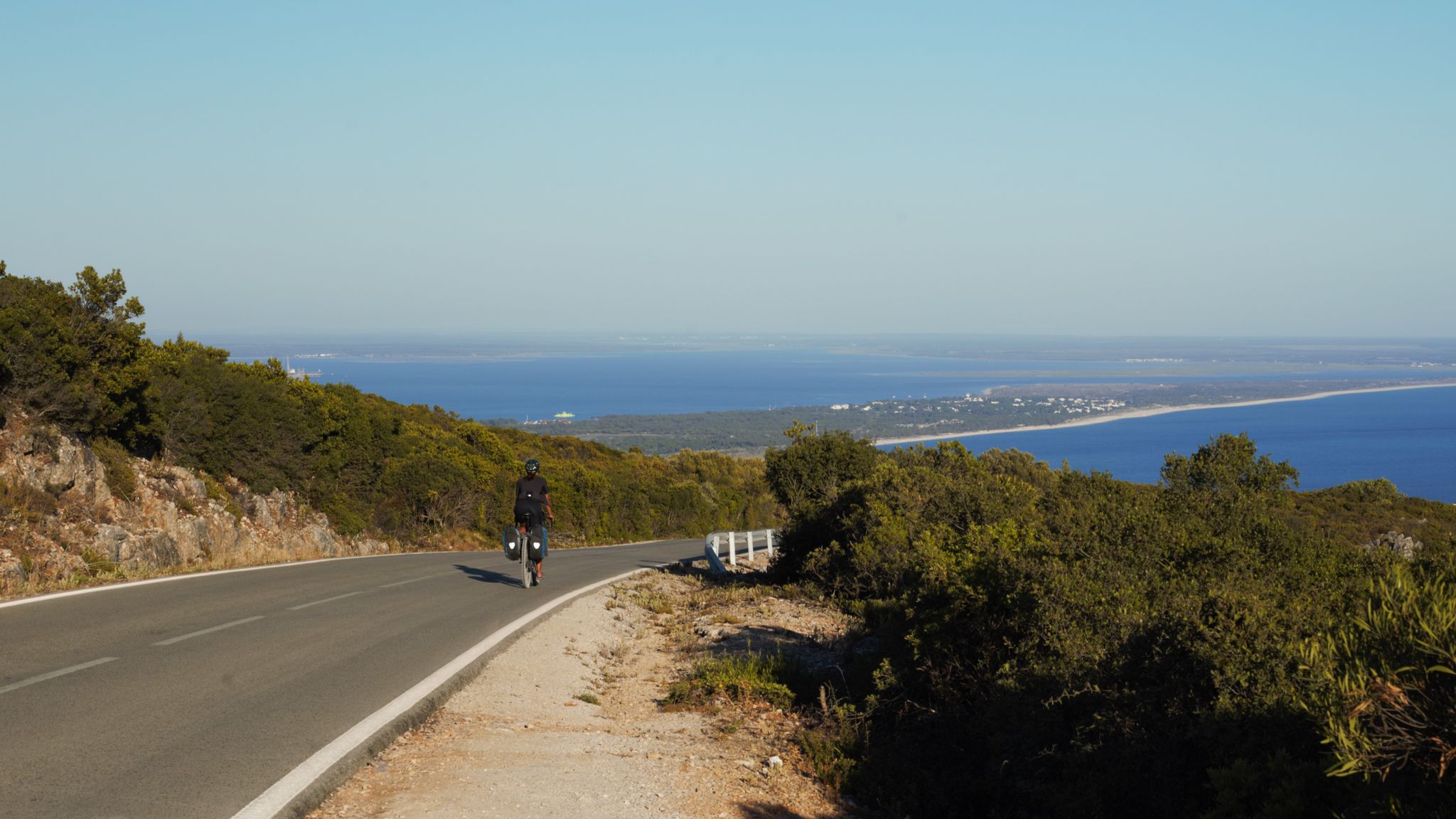
The breaking waves – cycle along the Atlantic coast of Portugal
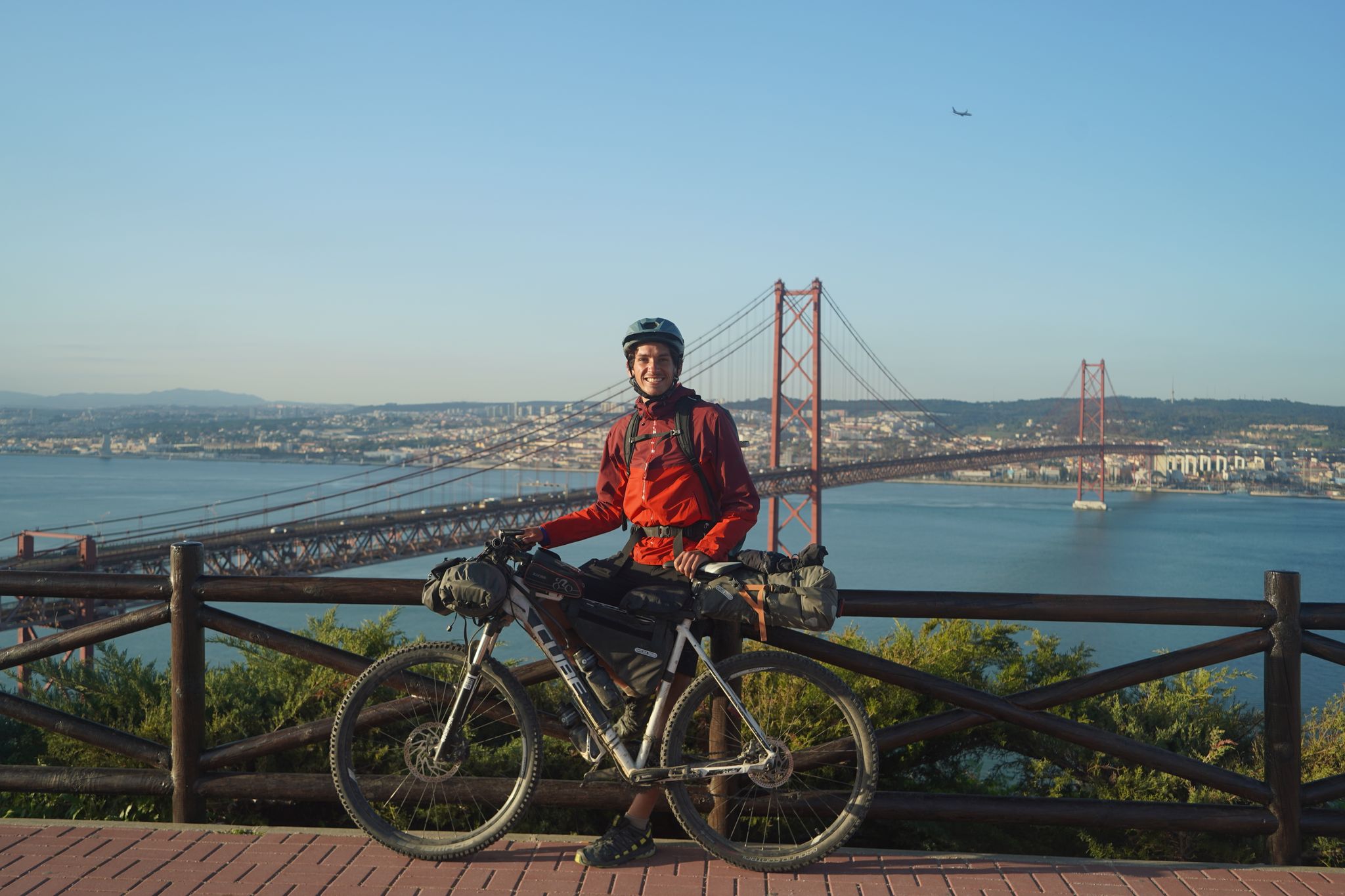
Road to Lisbon – bikepacking the Alps, Pyrenees and Picos de Europa
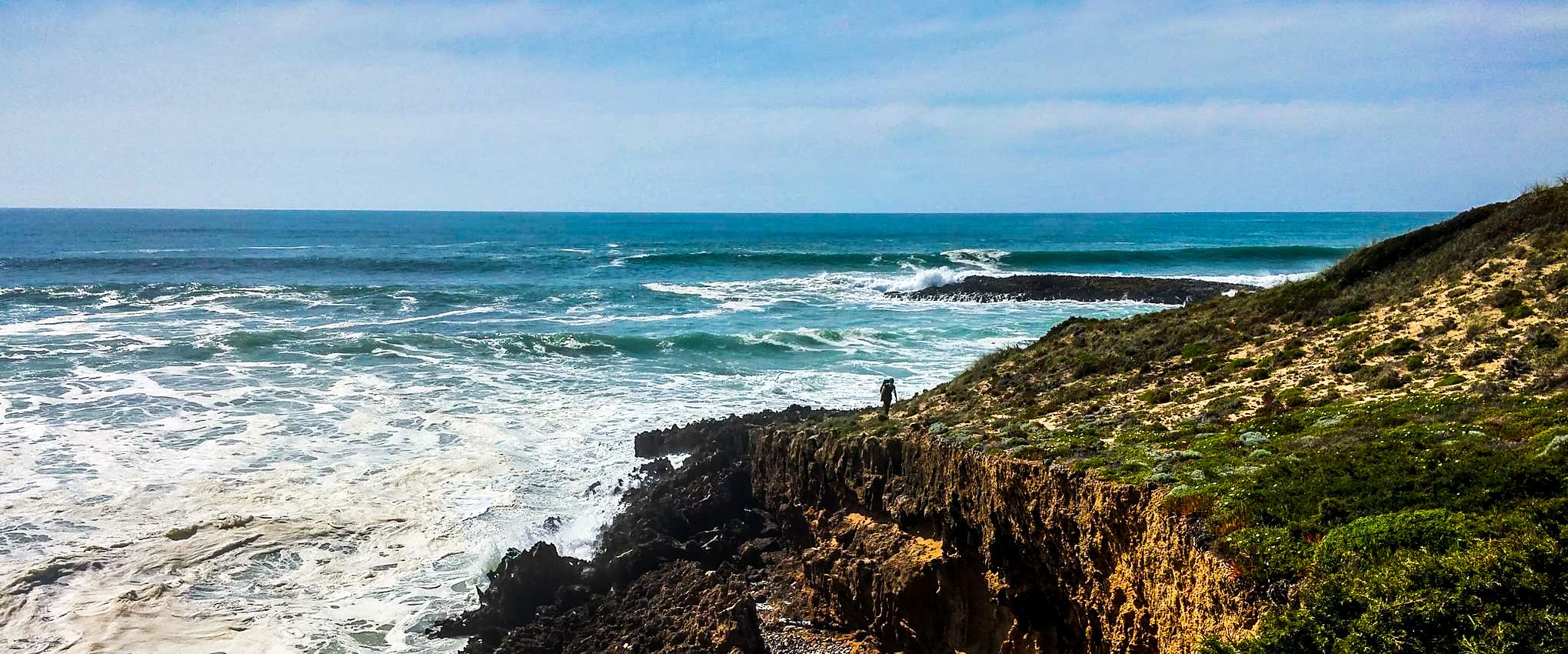
Fishermen's Trail – Discover Portugal's Atlantic Coast
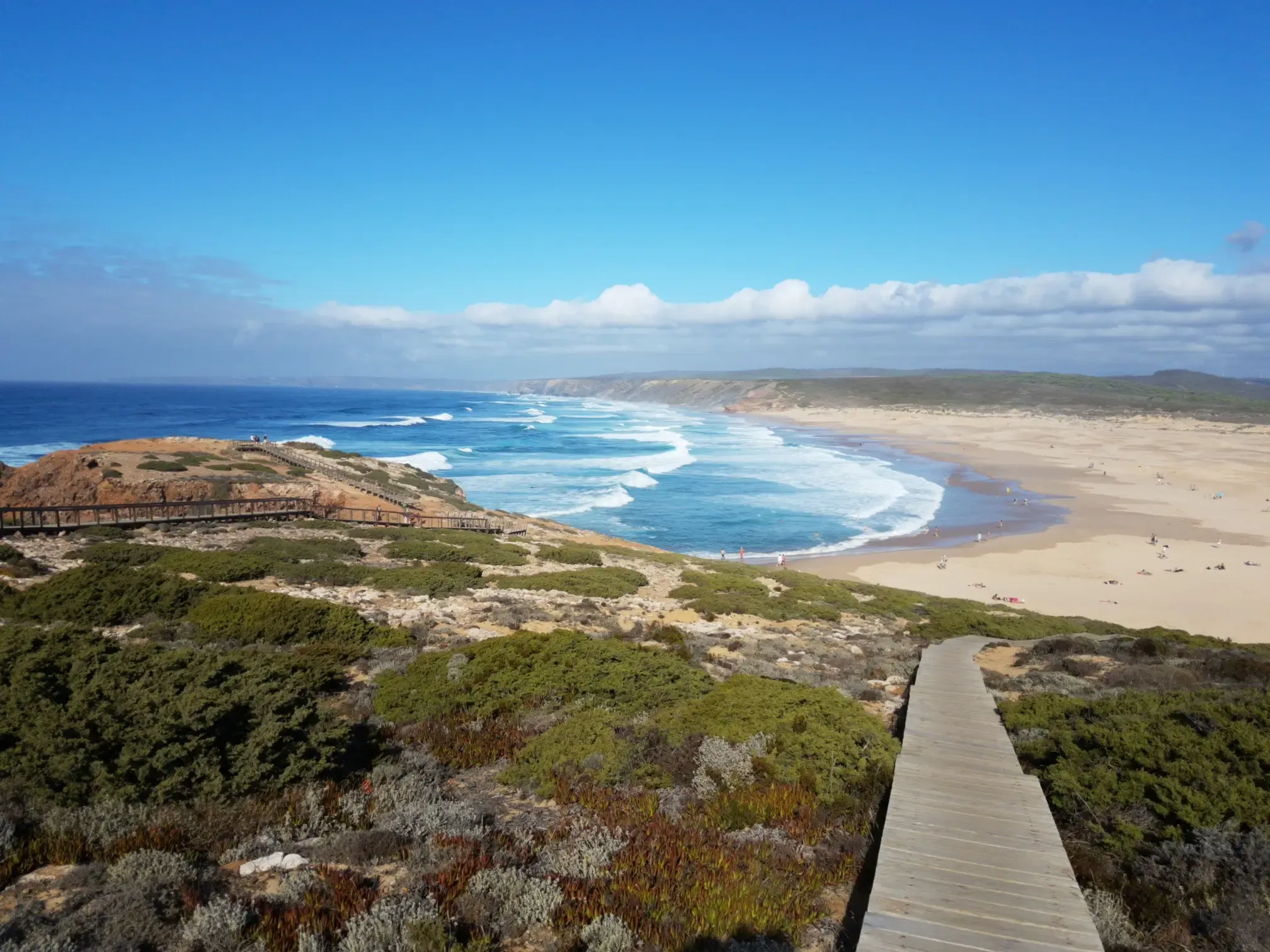
Lisbon to Santo António – The Atlantic Coast of Portugal (south)
Sun, cliffs and endless roads in the Algarve
Epic sunset spots in Western Europe
Other adventures around National Park Sudoeste Alentejano e Costa Vicentina


Tips from the Community

Beliche cove marks the meeting point between southern and western Portugal, a setting where the sea and cliffs seem to clash. High above stands the Fort of Santo António de Belixe, a guardian of centuries and storms. Built before the 16th century, it survived attacks, reconstructions, and the 1755 earthquake, later being reborn as an inn. Nearby, the chapel of Santa Catarina, commissioned by Prince Henry the Navigator, serenely watches over the abyss. The views? Breathtaking: the Atlantic and the cliffs merge in a spectacle of pure grandeur.
4
0

Fortaleza de Sagres is a 15th-century fortress located on a cliff at the southwestern tip of Portugal, near Sagres. It was built by order of Prince Henry the Navigator and played a key role in the Portuguese voyages of discovery. The fortress offers impressive views of the Atlantic Ocean and includes an old compass and a small chapel.
3
0
Aljezur Castle (Castelo de Aljezur) is a medieval ruin located on a hill above the old town of Aljezur in the Algarve, Portugal. It was originally built by the Moors in the 10th century and later conquered by the Christians in 1249. Today, you can see the remains of walls, towers, and a cistern, with stunning views over the valley and coast.
3
0

The view of the surrounding area is absolutely unique!
2
0
Also known as the Fortaleza de Beliche, this historic fortress is located on the high cliffs of Cabo de São Vicente, near Sagres, in the Algarve, Portugal. It stands approximately 86 meters above sea level and was built to protect the bay of Beliche from pirates and corsairs.
4
0

During the summer months, it's possible to visit the island. Unfortunately, access to the Fort of Nossa Senhora da Queimada is not possible. There's a sign in front of the fortress stating its opening hours.
2
0

The fortress withstood the earthquake of 1755, but was abandoned when piracy ceased to threaten the coast.
0
0

The Fort of Santo Alberto do Pessegueiro, also known as the Fort of Pessegueiro Island or the Fort of Ilha de Fora, is located on the Alentejo coast, on the island of Pessegueiro, in the parish of Porto Covo, municipality of Sines, district of Setúbal, in Portugal. It crossed fires, on the mainland, with another maritime fort: the Fort of Nossa Senhora da Queimada do Pessegueiro, also known as the Fort of Praia do Pessegueiro or the Fort of Ilha de Dentro, in a dominant position over Pessegueiro beach. Both were part of a larger project to defend the Costa Vicentina, which included an artificial port sheltered by a stone breakwater that would connect the island of Pessegueiro to the bordering islet of Penedo do Cavalo and this islet to the mainland. They are currently located in the area of the Southwest Alentejo and Costa Vicentina Natural Park.
4
0
Frequently Asked Questions
What historical significance do the castles in the National Park Sudoeste Alentejano e Costa Vicentina region hold?
The castles and forts in this region reflect a long and rich history, with archaeological evidence of human habitation dating back millennia. They show influences from Phoenicians, Romans, and Moors. Fortifications like Aljezur Castle were crucial during the Reconquista, while Sagres Fortress played a pivotal role in Portugal's Age of Discovery, serving as a strategic base for maritime exploration.
Are there any castles that offer panoramic views of the coast or surrounding landscape?
Yes, several castles provide breathtaking views. Aljezur Castle, perched atop an isolated hill, offers panoramic views of the Ribeira de Aljezur, the plains, and the distant Atlantic. Sagres Fortress, located on a dramatic headland, provides stunning vistas of the Atlantic Ocean and the rugged coastline, including the nearby Cape of São Vicente. The Almádena Fort also offers lovely views of the coast.
Which castles are particularly good for families with children?
Sagres Fortress is listed as family-friendly and offers a wide-open space for exploration, including the impressive 'Wind Compass' carving and an Interpretive Center that explains its maritime history. The dramatic cliffs and historical context can be engaging for children. Aljezur Castle, with its well-preserved cistern and walls, also provides an interesting historical experience for all ages.
What kind of outdoor activities can I do near these castles?
The region around the castles, particularly the National Park Sudoeste Alentejano e Costa Vicentina, is excellent for outdoor activities. You can find numerous hiking and cycling routes. For example, near Sagres, there are easy hiking routes like the Sagres Fortress – The Voice of the Sea loop. For cycling, routes like the Cape St. Vincent – Cabo de São Vicente Lighthouse loop are popular.
Are there any specific historical features to look out for at Aljezur Castle?
Aljezur Castle primarily showcases the remains of a 10th-century Moorish fortress. Key features include its irregular polygonal layout, solid towers, a circular north tower, and walls approximately 1.5 meters thick. Inside, you can find remnants of a barbican and a well-preserved 10th-century cistern, which was vital during sieges. Archaeological finds also provide insights into the daily life of its past inhabitants.
What makes Sagres Fortress unique compared to other castles?
Sagres Fortress is unique because it's not a traditional castle but a triangular structure built on a dramatic headland. Only one wall faces inland, as the other sides are naturally protected by steep, 60-meter high cliffs. It was a strategic base for Prince Henry the Navigator during the Age of Discovery. A notable feature is the enigmatic 'Wind Compass' (Rosa dos Ventos), a large 43-meter diameter compass rose carved into the ground, believed to have been used for navigational training.
What do visitors enjoy most about the castles in this region?
Visitors frequently highlight the historical significance and the stunning panoramic views. For Sagres Fortress, the dramatic, windswept location and the sunsets are major draws. At Aljezur Castle, the glimpse into Moorish history and the views over the Aljezur plain are highly appreciated. The overall experience of exploring ancient ruins against a backdrop of natural beauty is a common theme.
Is there an entrance fee for Aljezur Castle?
Visiting Aljezur Castle is free and accessible daily. This makes it a convenient stop, often included in Rota Vicentina hiking and biking tours.
Can I find any coastal forts in the area besides the main castles?
Yes, the region features several coastal forts built to protect against pirates. Examples include the Fort of Pessegueiro, which consists of two forts (one on an island) and offers fantastic sunset views. Another is the Fort of Santo António de Belixe, located on high cliffs near Sagres, which protected fishermen from attacks. The Almádena Fort is also a 16th-century ruin built for coastal defense.
What is the best time of year to visit the castles in the National Park Sudoeste Alentejano e Costa Vicentina?
The best time to visit is generally during the spring (April-May) or autumn (September-October). During these seasons, the weather is pleasant for exploring, with fewer crowds than in the peak summer months. The mild temperatures are ideal for walking around the castle grounds and enjoying the coastal views without extreme heat.
Are there any nearby towns with amenities when visiting Aljezur Castle?
Yes, Aljezur Castle is located in the charming town of Aljezur. The town is divided into an old and new part, with the old town nestled around the castle. You will find all necessary amenities for eating and resting, making it a convenient base for exploring the castle and the surrounding area.
Is there an Interpretive Center at Sagres Fortress?
Yes, Sagres Fortress houses an Interpretive Center. This center provides valuable information and exhibits that explain the fortress's significant role in Portuguese maritime history and the Age of Discovery, enhancing the visitor experience.
Most popular routes around National Park Sudoeste Alentejano e Costa Vicentina
Most popular attractions around National Park Sudoeste Alentejano e Costa Vicentina

Get inspired with the komoot mobile app


Explore more
Looking for the best castles somewhere else? Discover other guides around National Park Sudoeste Alentejano e Costa Vicentina:
