The best gravel rides around National Park Sudoeste Alentejano e Costa Vicentina
4.6
(39)
234
riders
17
rides
Gravel biking around National Park Sudoeste Alentejano e Costa Vicentina offers diverse terrain across Portugal's southwestern coastline. The region features a mix of coastal paths, forest tracks, and country lanes, providing varied riding surfaces. Riders encounter rugged cliffs, river estuaries, and inland areas with scrubland, cork forests, and olive groves. This landscape provides a range of challenges and scenic routes for gravel cyclists.
Best gravel bike trails around National Park Sudoeste Alentejano e Costa Vicentina
- The most popular gravel bike trail is Milfontes – Costa Vicentina Natural Park, a 67.3 miles (108.3 km) difficult trail that takes 9 hours 45 minutes to complete. This route explores the varied landscapes of the natural park, connecting coastal and inland areas.
- Another top favourite among local gravel bikers is Campilhas and Porto Covo – Parque Natural da Costa Vicentina, a difficult 72.7 miles (117.0 km) path. This route offers extensive riding through the natural park's diverse terrain, including sections near charming fishing villages.
- Local gravel bikers also love the Mira Norte – Parque Natural da Costa Vicentina, a 10.4 miles (16.7 km) trail leading through varied natural park landscapes, often completed in about 1 hour 46 minutes.
- Gravel biking around National Park Sudoeste Alentejano e Costa Vicentina is defined by dramatic coastlines, river estuaries, and inland cork forests. The network offers options for easy, moderate, and difficult ability levels.
- The routes in National Park Sudoeste Alentejano e Costa Vicentina are highly rated by the komoot community with an average score of 4.6 stars from more than 30 reviews. More than 200 gravel bikers have used komoot to explore National Park Sudoeste Alentejano e Costa Vicentina's varied terrain.
Last updated: July 7, 2026
2
riders
108km
09:46
930m
930m
Hard gravel ride. Very good fitness required. You may need to push your bike for some segments of this route.
1
riders
16.7km
01:46
350m
340m
Moderate gravel ride. Good fitness required. Mostly paved surfaces. Suitable for all skill levels.

Sign up for free
117km
11:16
1,290m
1,290m
Hard gravel ride. Very good fitness required. Mostly paved surfaces. Suitable for all skill levels.
4.5
(2)
33
riders
64.6km
04:15
520m
520m
Hard gravel ride. Very good fitness required. Mostly paved surfaces. Suitable for all skill levels.
4.8
(4)
20
riders
47.5km
03:34
640m
640m
Hard gravel ride. Very good fitness required. You may need to push your bike for some segments of this route.
Get access to more routes and recommendations from other explorers.
Sign up for free
Already have an account?
Our route recommendations are based on thousands of hikes, rides, and runs completed by other people on komoot.
Start today with a free account
Your next adventure awaits.
Login or Signup
Popular around National Park Sudoeste Alentejano e Costa Vicentina
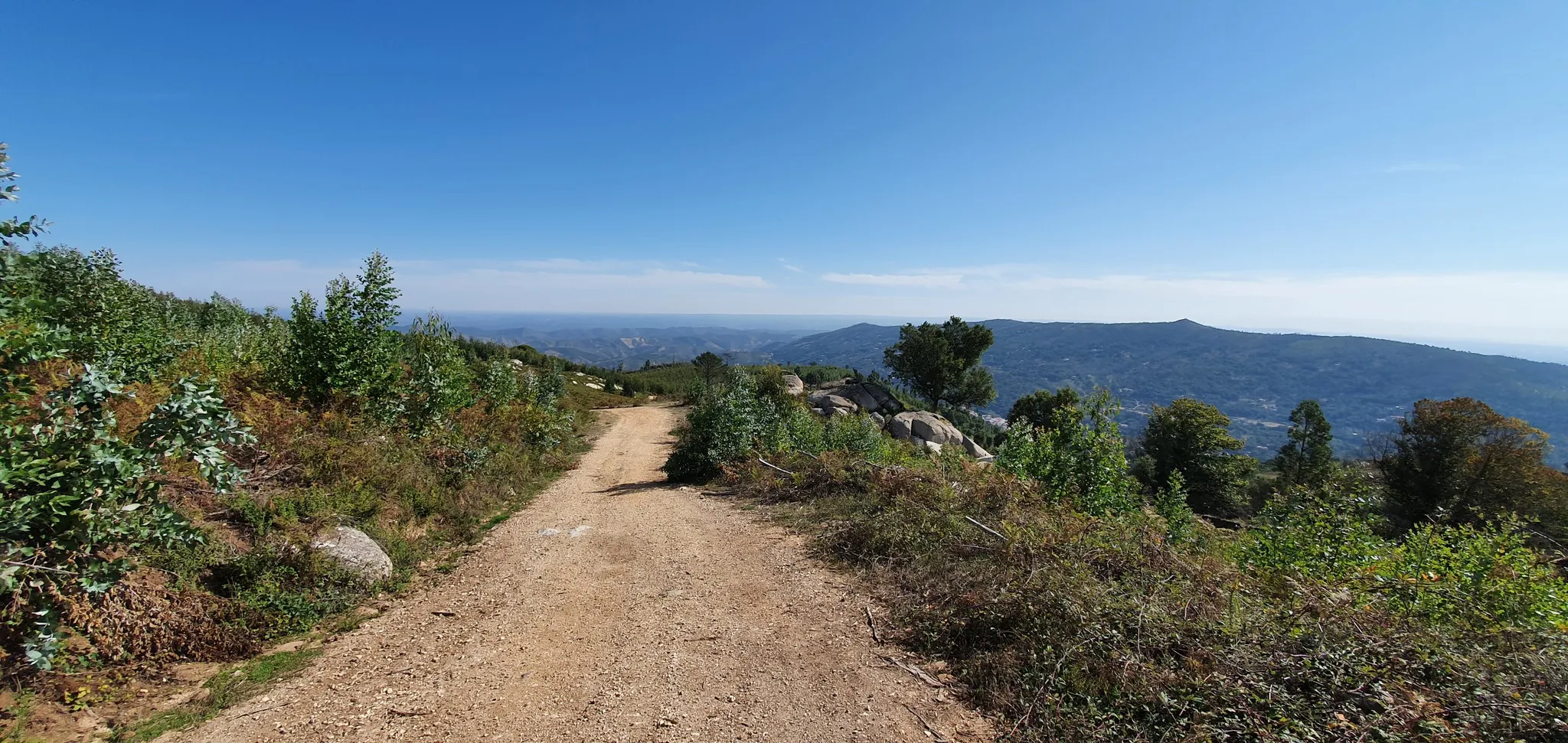
Via Algarviana (GR 13) - hidden corners of the south
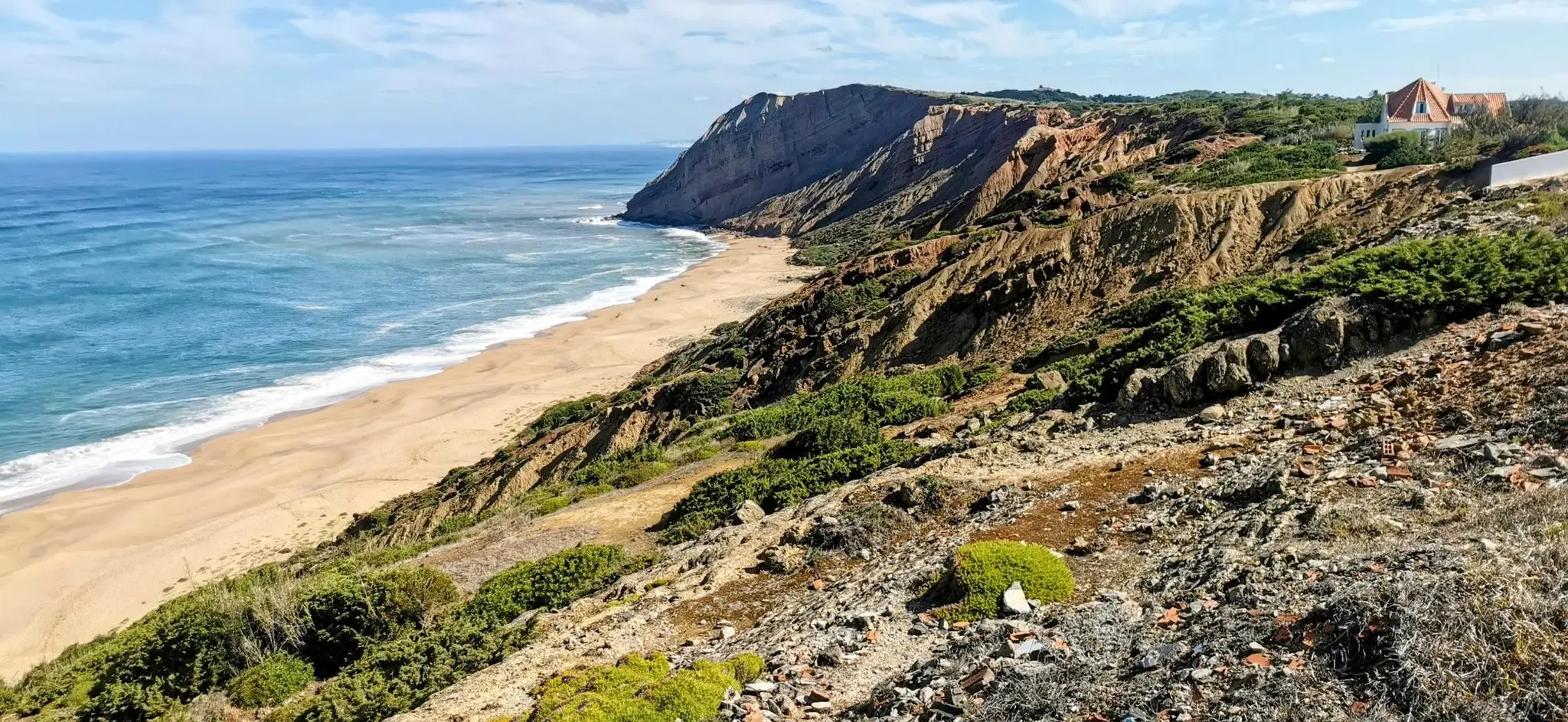
EuroVelo 1 Portugal – Cycle the Atlantic Coast
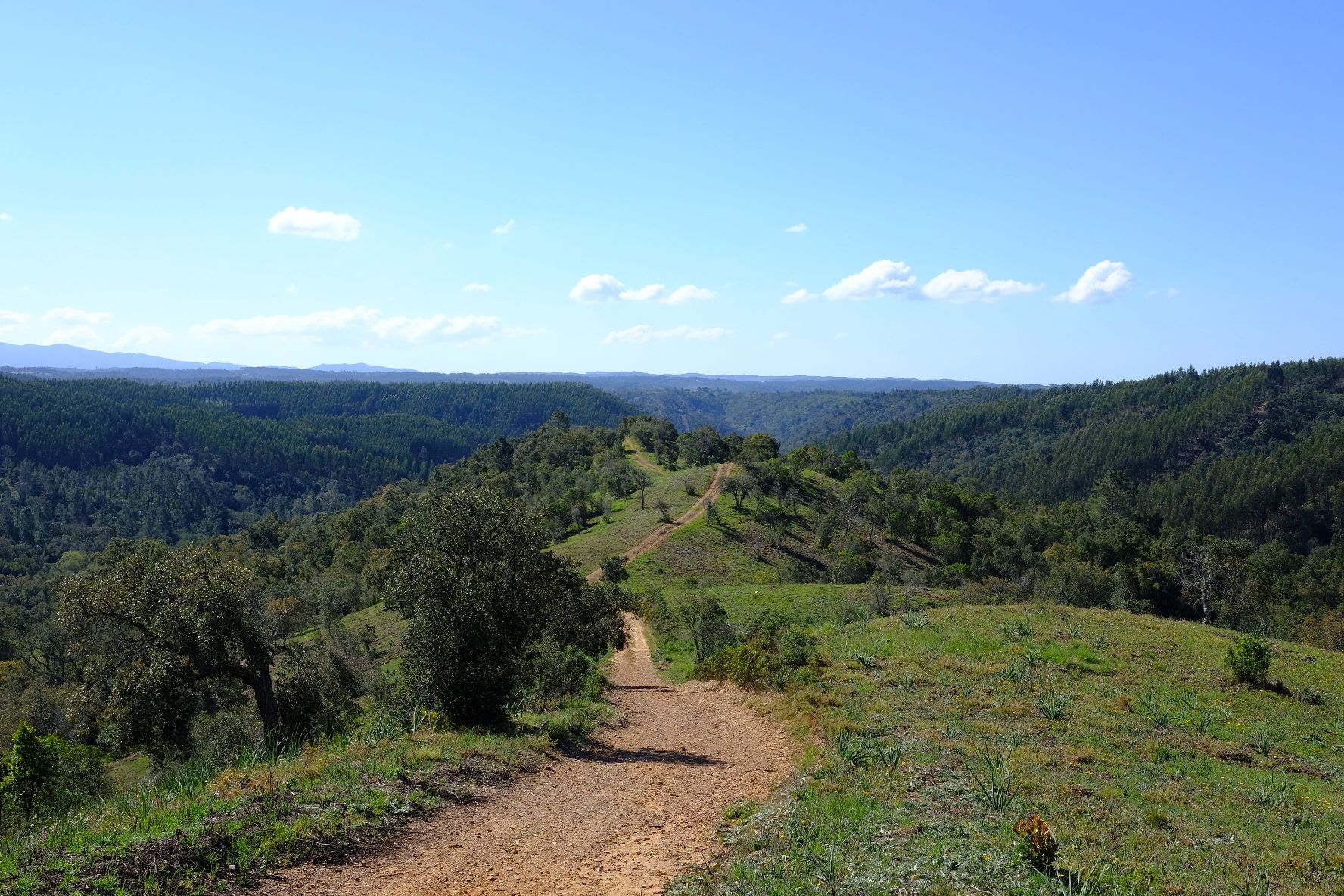
Caminho Histórico – Discover Portugal's beauty and history
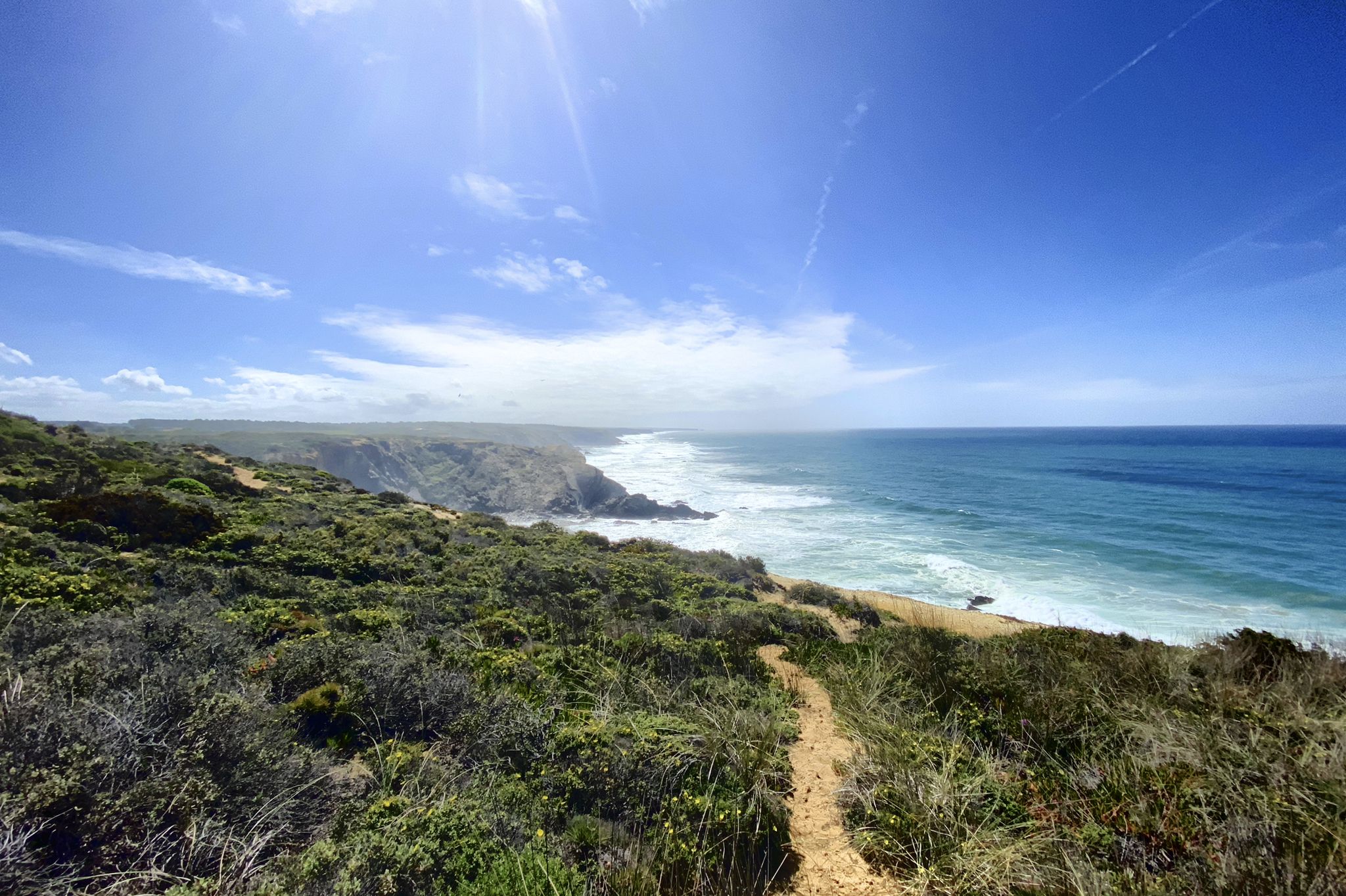
Trilho dos Pescadores – Portugal's Fishermen's Trail
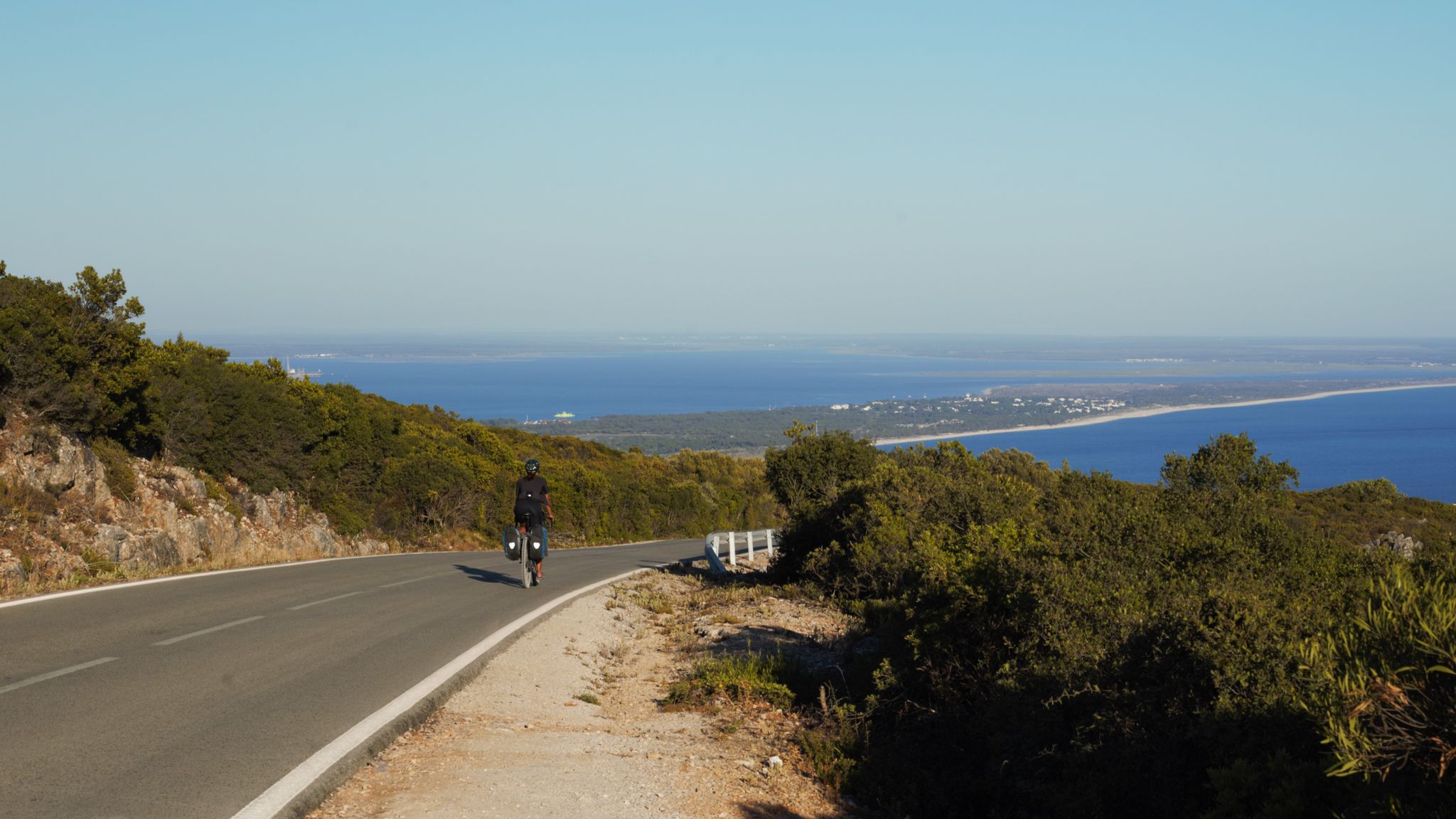
The breaking waves – cycle along the Atlantic coast of Portugal
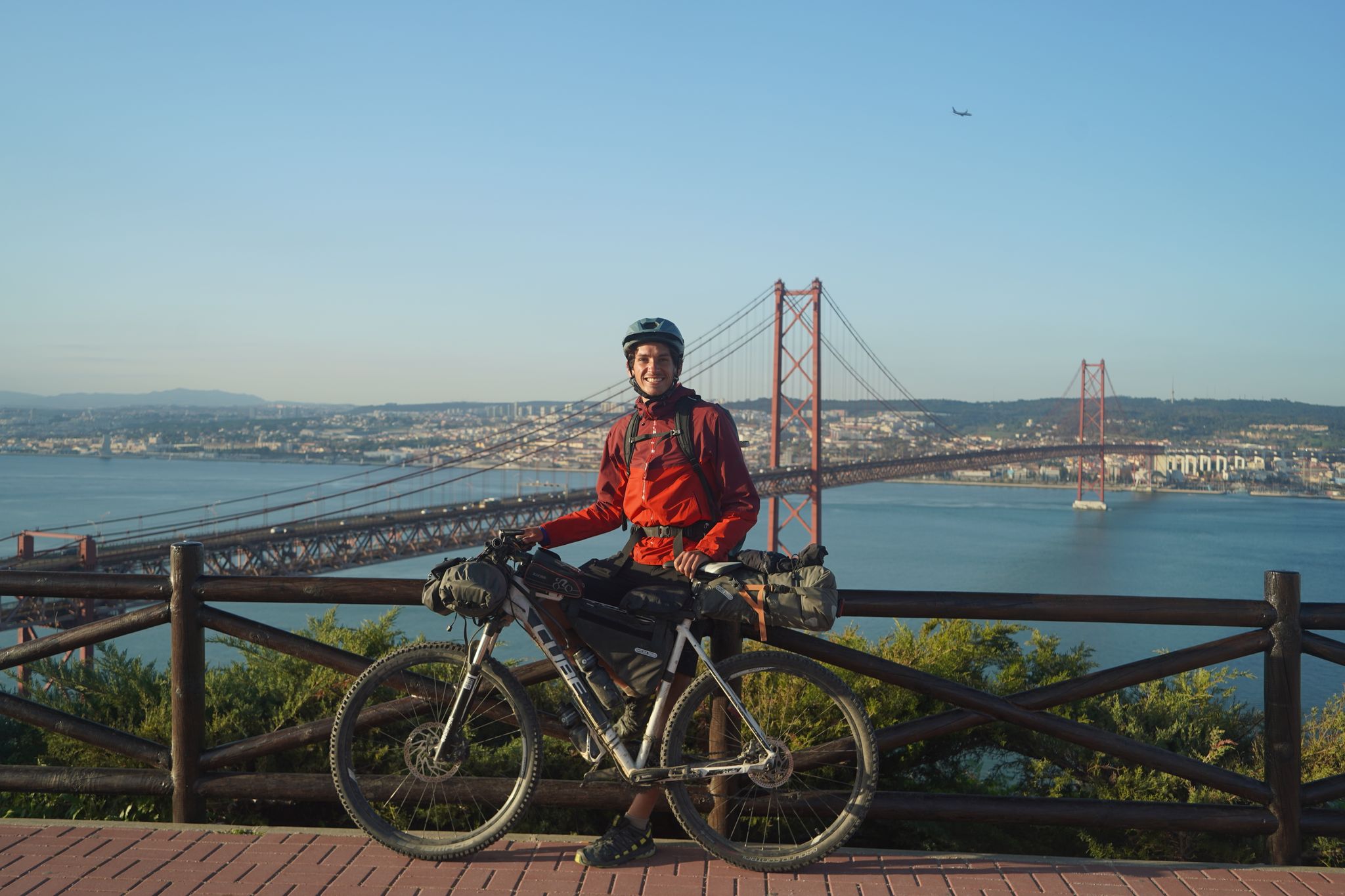
Road to Lisbon – bikepacking the Alps, Pyrenees and Picos de Europa
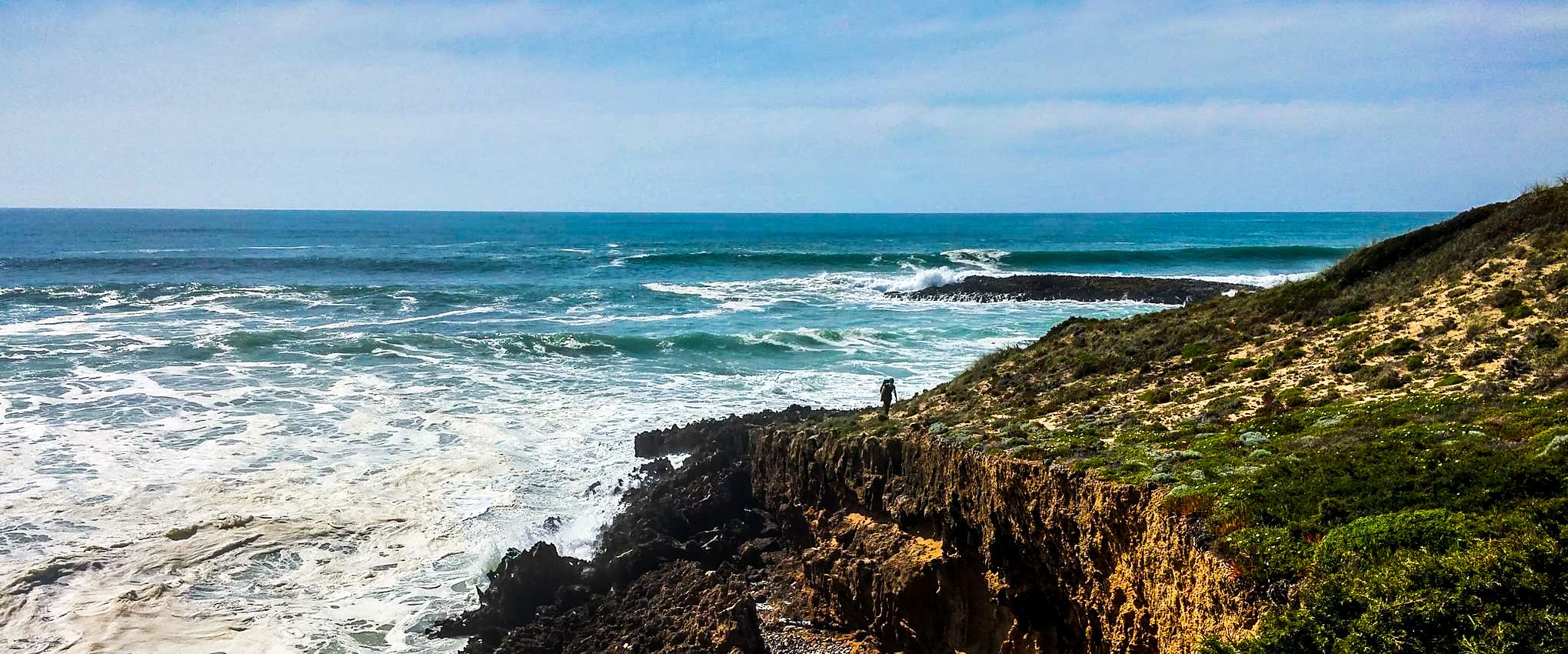
Fishermen's Trail – Discover Portugal's Atlantic Coast
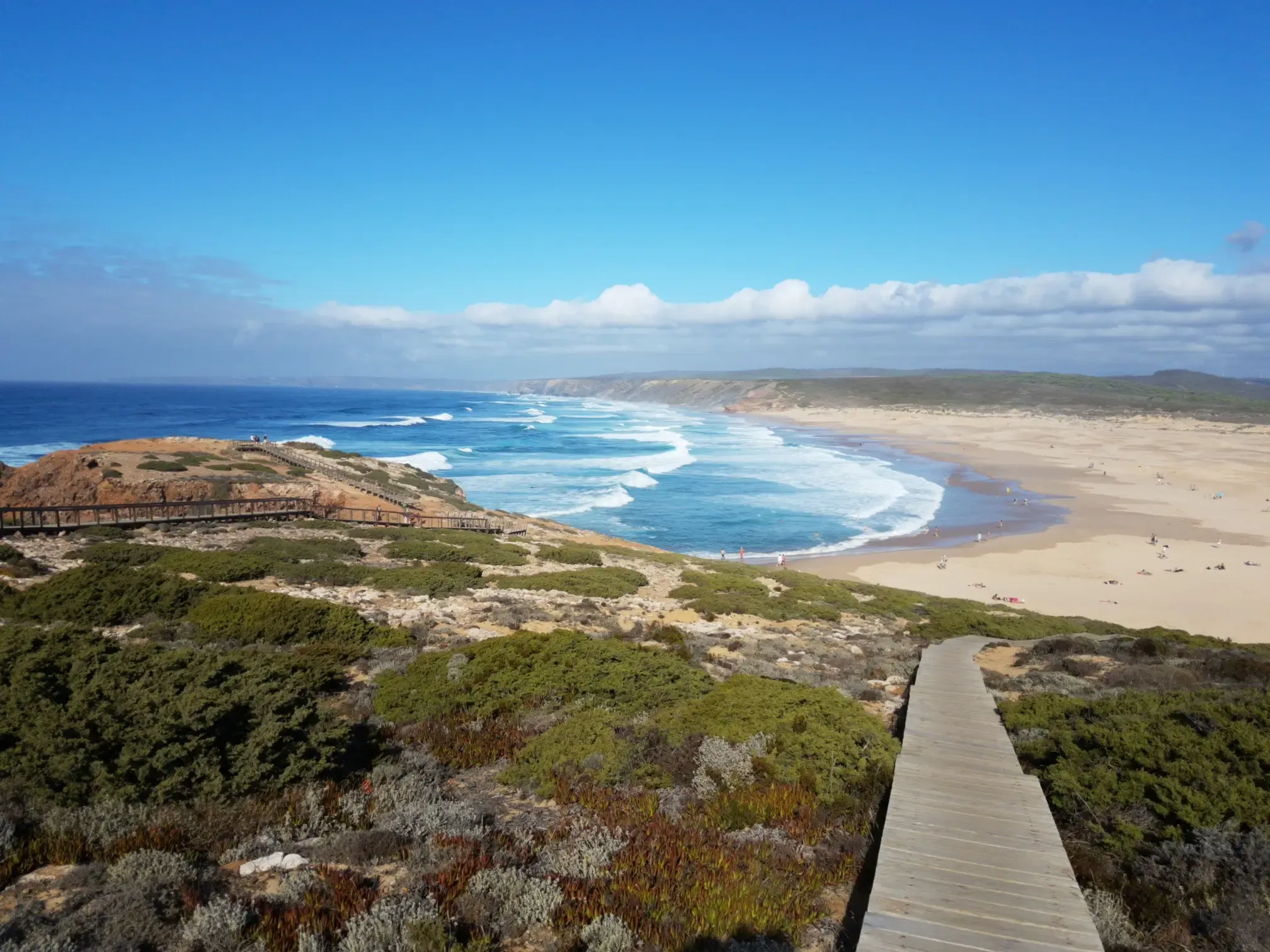
Lisbon to Santo António – The Atlantic Coast of Portugal (south)
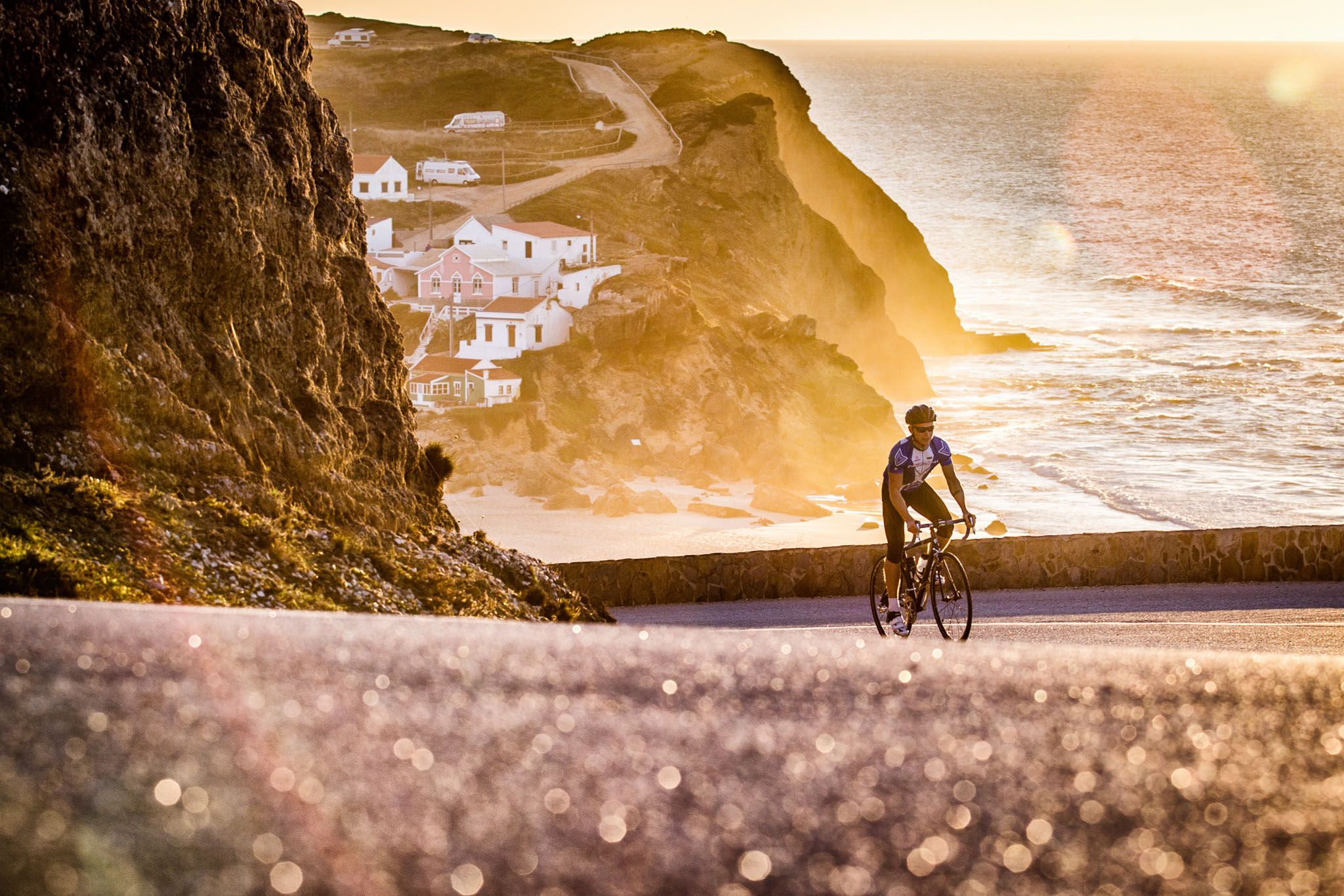
Sun, cliffs and endless roads in the Algarve
Epic sunset spots in Western Europe
Other adventures around National Park Sudoeste Alentejano e Costa Vicentina


Tips from the Community

The Rio Mira is a 145 km long Portuguese river. It has the rare peculiarity of flowing entirely from south to north. It originates in the hills of the Serra do Caldeirão at about 470 meters above sea level. It flows into the Atlantic Ocean with a wide estuary near the renowned tourist resort of Vila Nova de Milfontes. A significant part of its basin is protected and is part of the Southwest Alentejo and Vicentine Coast Natural Park.
0
0

Odemira rises in an amphitheater over the Mira River, with its white houses facing the water and a tranquil rhythm that invites you to stop. With ancient roots, from the Arabic wad (river) and Emir, it holds stories of conquests and epic journeys, such as the first aerial voyage towards Macau, piloted by Sarmento de Beires, who was born here. For cyclists, it is a perfect stop: open views, cozy cafes, and the Mira River accompanying the route to the sea.
1
0

The staff there go on strike occasionally. Then you can't get to the viewpoint!
0
0

A beautiful beach, the right size for families with small children: after the steep descent, children can walk freely. As it is very close to the centre of Porto Covo, it has good access...
3
0

Very idyllic location and has retained some of its naturalness.
0
0
This beautiful gravel road goes along the foot of the Cercal mountain, enjoy it and its views!
0
0
Nice segment of smooth and compact gravel road, to enjoy the nature while cycling.
0
0
Frequently Asked Questions
What types of terrain can I expect on gravel bike trails in National Park Sudoeste Alentejano e Costa Vicentina?
The region offers a diverse mix of terrain ideal for gravel biking. You'll encounter coastal paths, forest tracks, and country lanes, providing varied riding surfaces. Expect rugged cliffs, river estuaries, and inland areas with scrubland, cork forests, and olive groves.
Are there gravel bike routes suitable for beginners or those looking for a shorter ride?
Yes, there are routes for various skill levels. For a moderate and shorter option, consider the Mira Norte – Parque Natural da Costa Vicentina, which is about 16.7 km and can be completed in under two hours. The park has 11 moderate routes in total.
What are some of the longer or more challenging gravel bike routes in the park?
For experienced riders seeking a challenge, the park offers several difficult routes. The Milfontes – Costa Vicentina Natural Park route spans over 108 km, exploring varied coastal and inland landscapes. Another extensive option is the Campilhas and Porto Covo – Parque Natural da Costa Vicentina, a 117 km path through diverse terrain and charming fishing villages. There are 7 difficult routes available.
What can I see along the gravel bike trails in terms of natural features and landmarks?
The trails offer stunning natural beauty and historical sites. You can explore dramatic coastlines with rugged cliffs and pristine beaches like Bordeira and Amado. Notable landmarks include Cabo de São Vicente (Cape St. Vincent) with its powerful lighthouse, and the historical Sagres Fortress. The park is also known for its diverse habitats, including wetlands, coastal lagoons, and cork forests, and is a critical area for birdwatching, especially for nesting white storks.
Are there any circular gravel bike routes available?
Yes, there are circular routes that allow you to start and end in the same location. An example is the Sagres Cycle Path – Praia da Bordeira loop from Sagres, a challenging 64.3 km ride. Another moderate circular option is the Cabo de São Vicente Lighthouse – Cape St. Vincent Lighthouse loop from Sagres, covering about 39 km.
What are some interesting historical or cultural sites near the gravel biking routes?
The region is rich in history. You can visit the impressive Sagres Fortress, a significant historical landmark offering panoramic views. Other sites include Aljezur Castle and the Fort of Pessegueiro. The charming fishing villages like Porto Covo and Vila Nova de Milfontes also offer a glimpse into traditional life.
What do other gravel bikers enjoy most about the National Park Sudoeste Alentejano e Costa Vicentina?
The area is highly rated by the komoot community, with an average score of 4.6 stars from over 30 reviews. Riders often praise the diverse terrain, from coastal paths to inland forests, and the stunning, well-preserved natural landscapes. The variety of routes catering to different abilities is also frequently highlighted.
What is the best time of year for gravel biking in this region?
The region generally offers pleasant conditions for gravel biking outside of the peak summer heat. Spring (March to May) is ideal for its mild temperatures and abundant wildflowers. Autumn (September to November) also provides comfortable weather. Cycling from north to south is often recommended to benefit from the prevailing wind.
Are there any unique natural attractions to look out for while cycling?
Absolutely. Beyond the dramatic cliffs and beaches, the park is home to unique geological formations and diverse habitats. You might spot rare botanical species, especially around Sagres and São Vicente Capes. The park is also known for its wildlife, including otters and a variety of bird species, notably the white storks nesting on coastal rocks. You can also explore fascinating Beach Caves and Sea Spray Caves along the coastline.
How many gravel bike routes are available in the National Park Sudoeste Alentejano e Costa Vicentina?
There are 19 gravel bike routes available in the National Park Sudoeste Alentejano e Costa Vicentina, catering to various skill levels. This includes 1 easy, 11 moderate, and 7 difficult trails, ensuring options for every type of rider.
Can I find places to eat or rest along the gravel biking routes?
The region is dotted with picturesque fishing villages such as Porto Covo, Vila Nova de Milfontes, and Aljezur. These villages offer opportunities for fresh seafood and local cuisine, providing convenient stops for refreshments and rest during your ride.
Most popular routes around National Park Sudoeste Alentejano e Costa Vicentina
Most popular attractions around National Park Sudoeste Alentejano e Costa Vicentina

Get inspired with the komoot mobile app


Explore more
Browse the best Gravel rides in other regions.
