The best traffic-free bike rides around Wiesbaden
4.5
(3888)
22,841
riders
381
rides
No traffic touring cycling routes around Wiesbaden offer diverse landscapes for outdoor activities. The region is situated at the confluence of the Rhine and Main rivers, providing flat riverside paths. To the north, the Taunus mountains present varied terrain with steeper climbs, while the Rheingau wine region to the west features picturesque vineyards. Wiesbaden also incorporates extensive city forests and parks, contributing to a varied cycling environment.
Best no traffic touring cycling routes around Wiesbaden
- The most popular no traffic…
Last updated: September 30, 2026
4.7
(78)
227
riders
Moderate bike ride. Good fitness required. Mostly paved surfaces. Suitable for all skill levels.
4.4
(39)
218
riders
36.4km
02:22
420m
420m
Moderate bike ride. Good fitness required. Mostly paved surfaces. Suitable for all skill levels.

4.4
(57)
265
riders
Easy bike ride. Great for any fitness level. Mostly paved surfaces. Suitable for all skill levels.
4.9
(38)
128
riders
38.3km
02:37
400m
400m
Hard bike ride. Good fitness required. You may need to push your bike for some segments of this route.
4.6
(47)
177
riders
17.4km
01:01
110m
110m
Easy bike ride. Great for any fitness level. Mostly paved surfaces. Suitable for all skill levels.
Get access to more routes and recommendations from other explorers.
Already have an account?
Our route recommendations are based on thousands of hikes, rides, and runs completed by other people on komoot.
Start today with a free account
Your next adventure awaits.
Popular around Wiesbaden
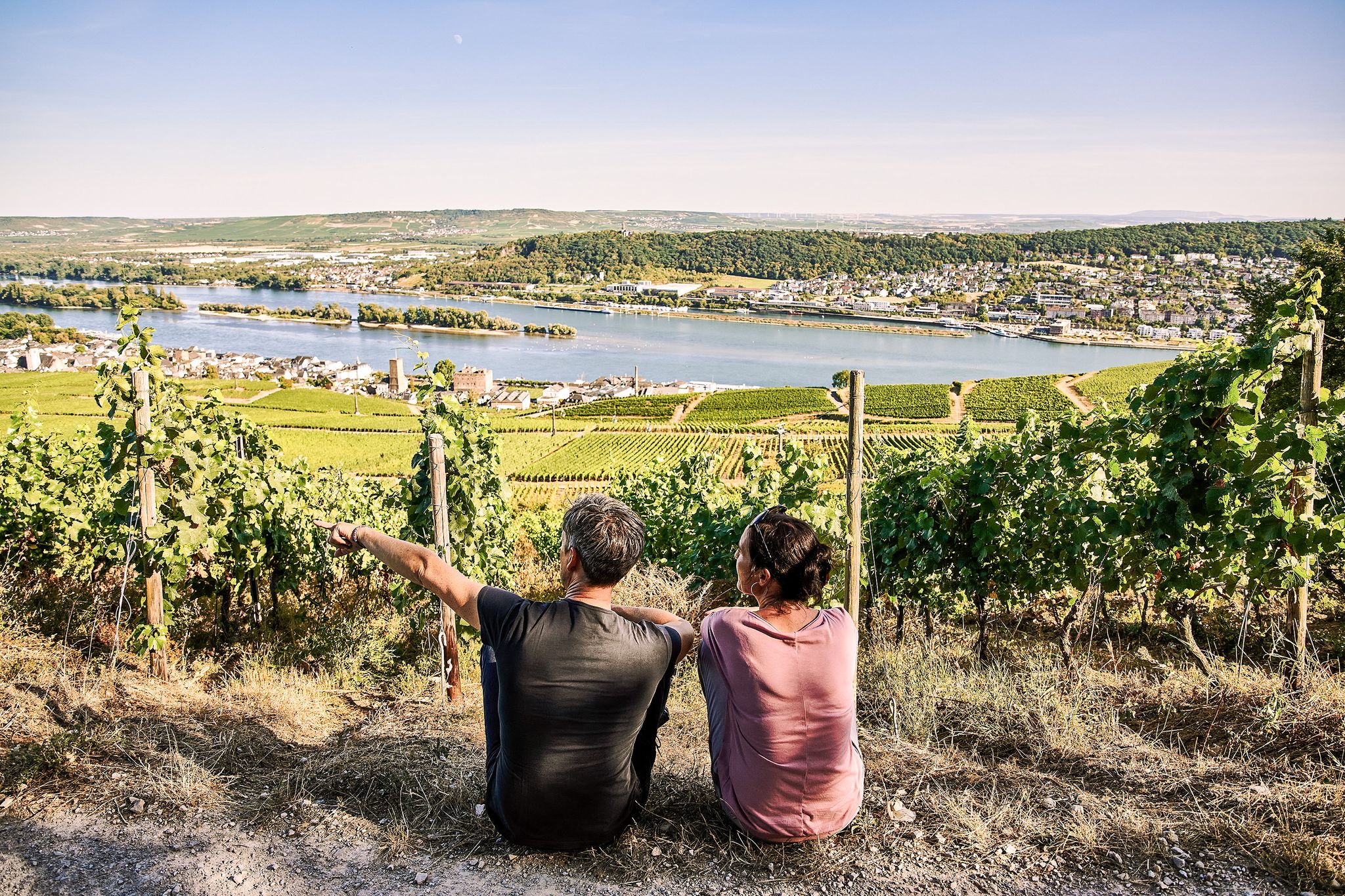
Riesling Loops – 14 routes rich in wine and history

Spring is here – hiking with family by bus & train in Rhine-Main
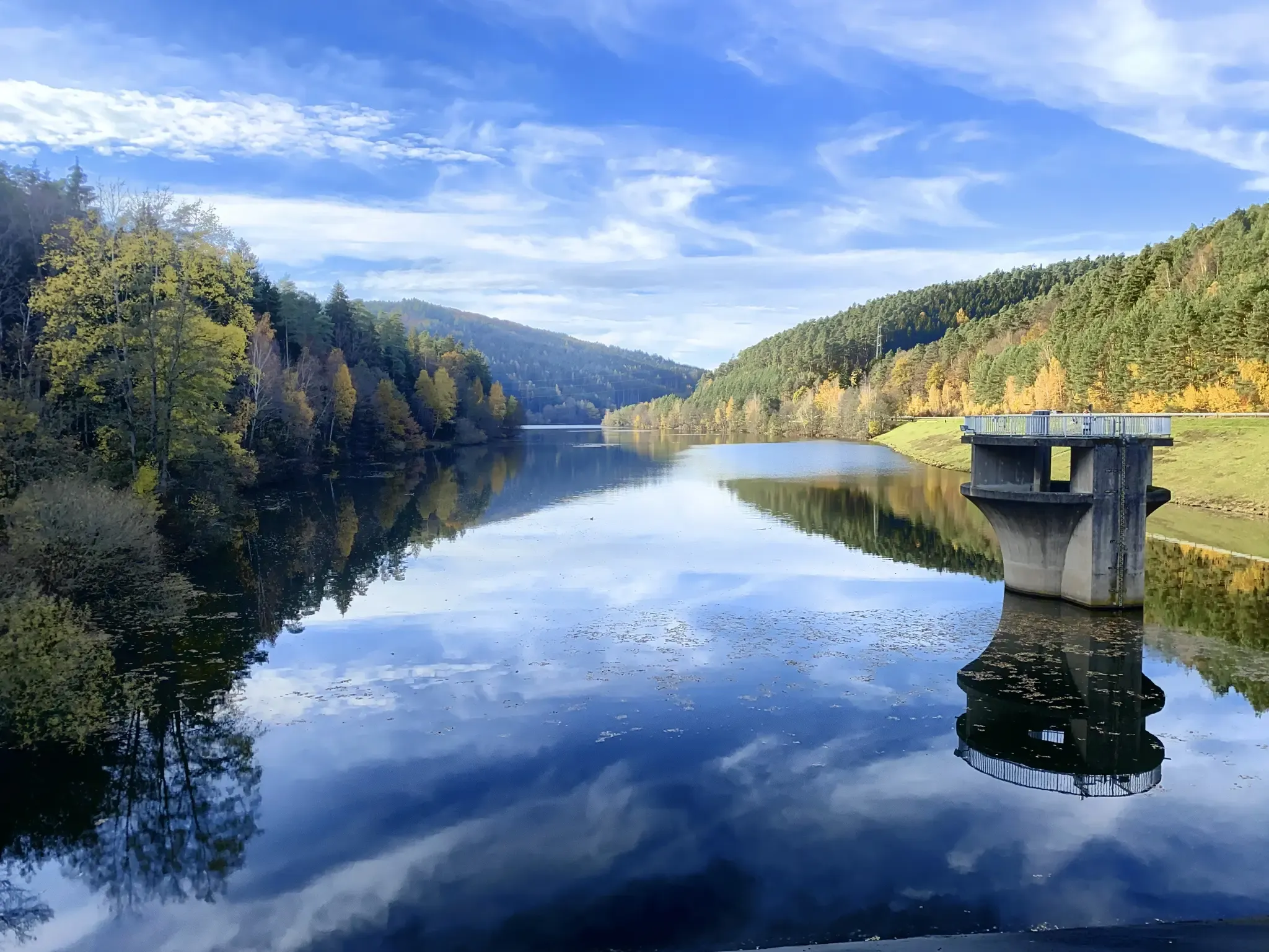
Mit Rosbacher auf Tour im Rhein-Main-Gebiet
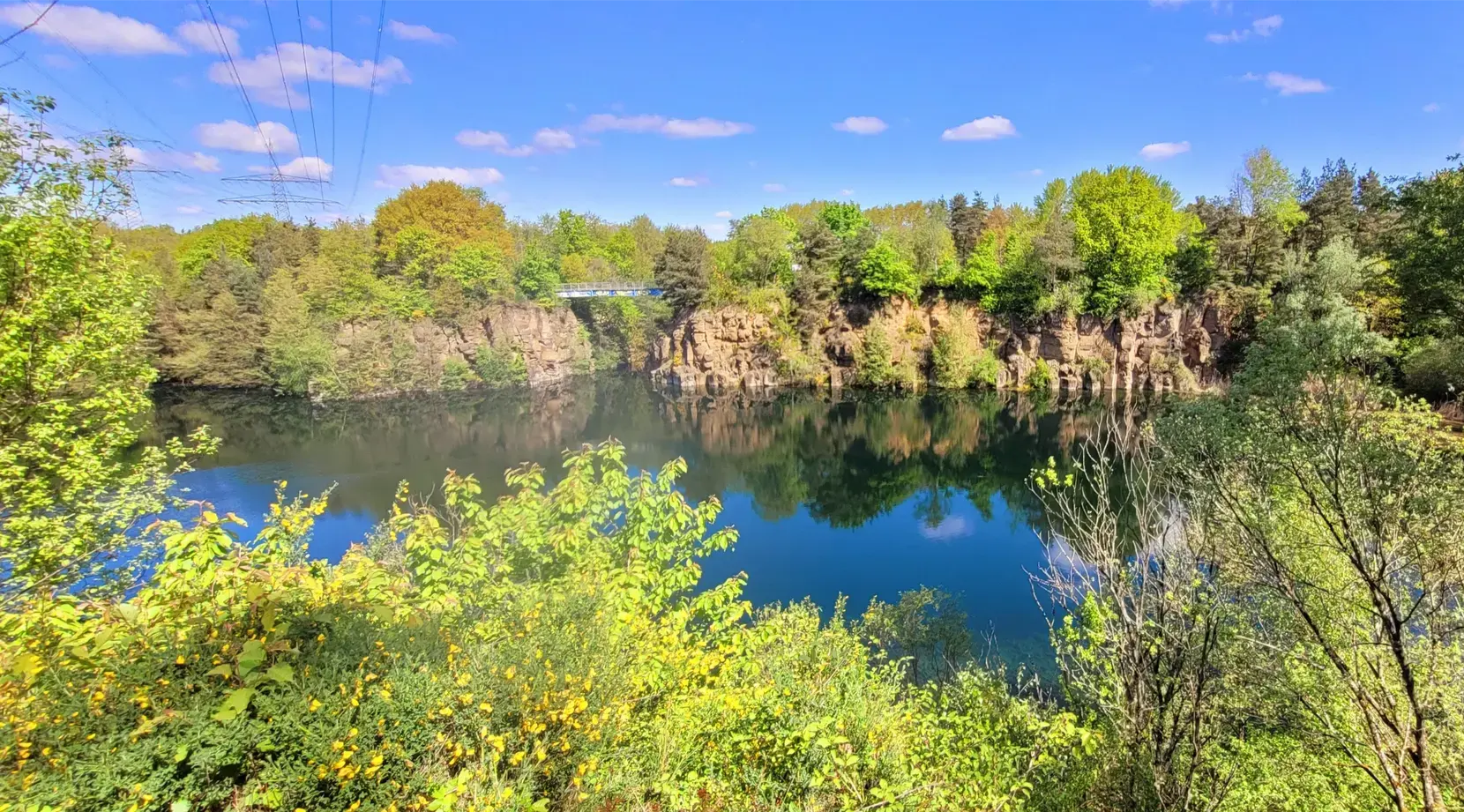
Stadt aus, Natur an im Rhein-Main-Gebiet – Mit Magnesium-Diasporal®
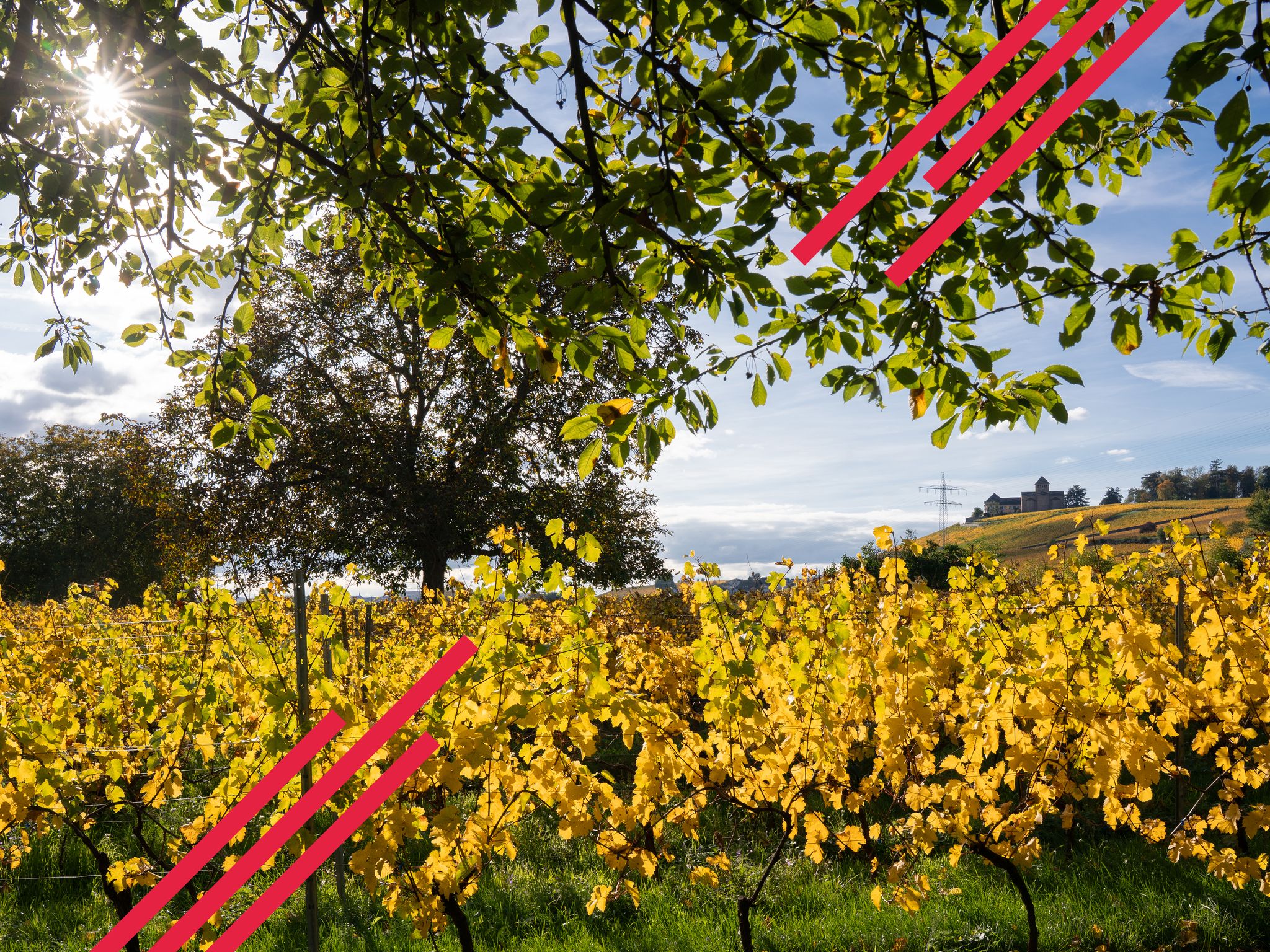
Herbstwandern in einem Meer aus Gold und Purpur – Rheingau
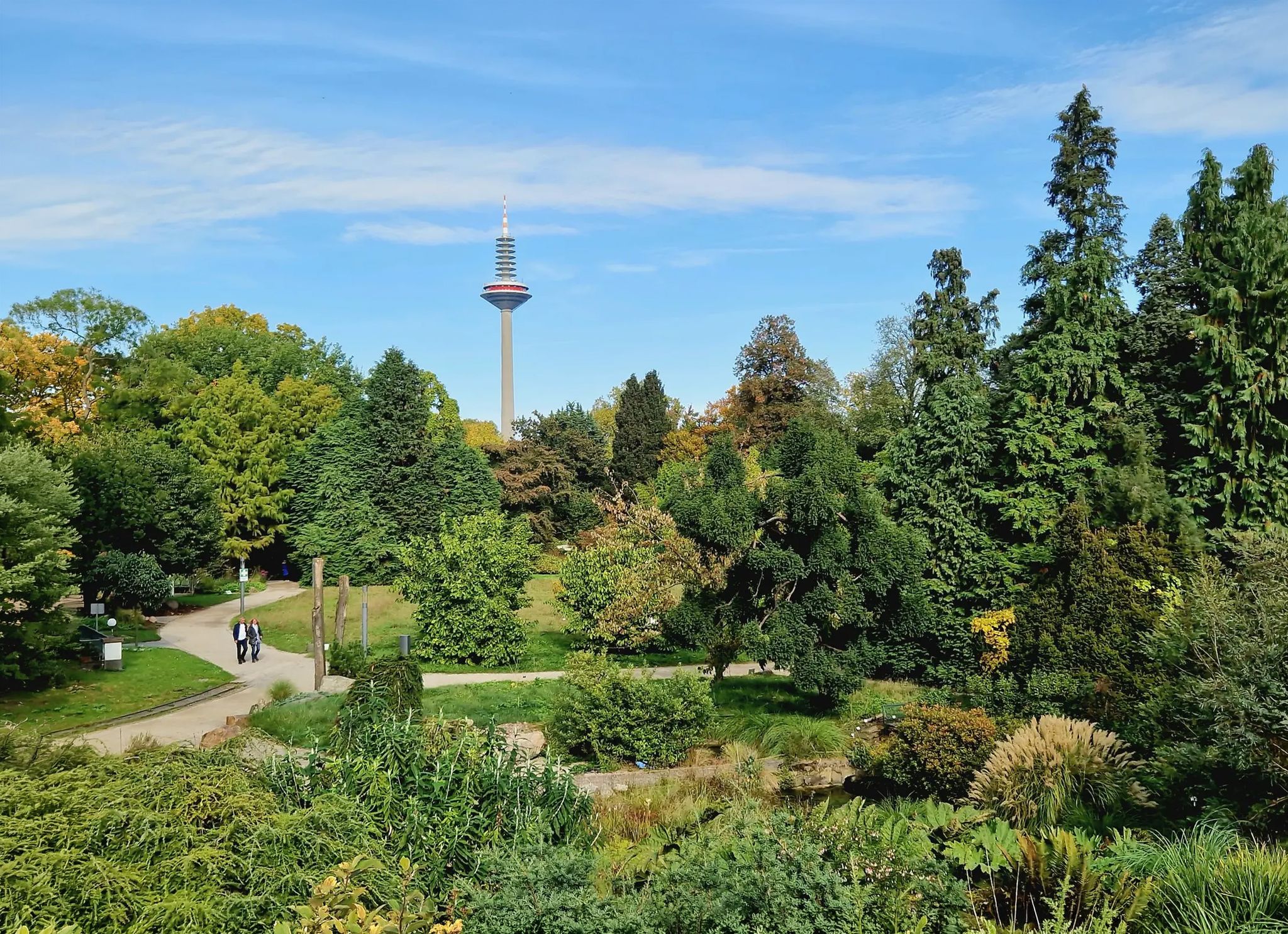
Einfach durch Wiesbaden, Mainz, Darmstadt und Frankfurt am Main

Traffic-free bike rides around Wiesbaden
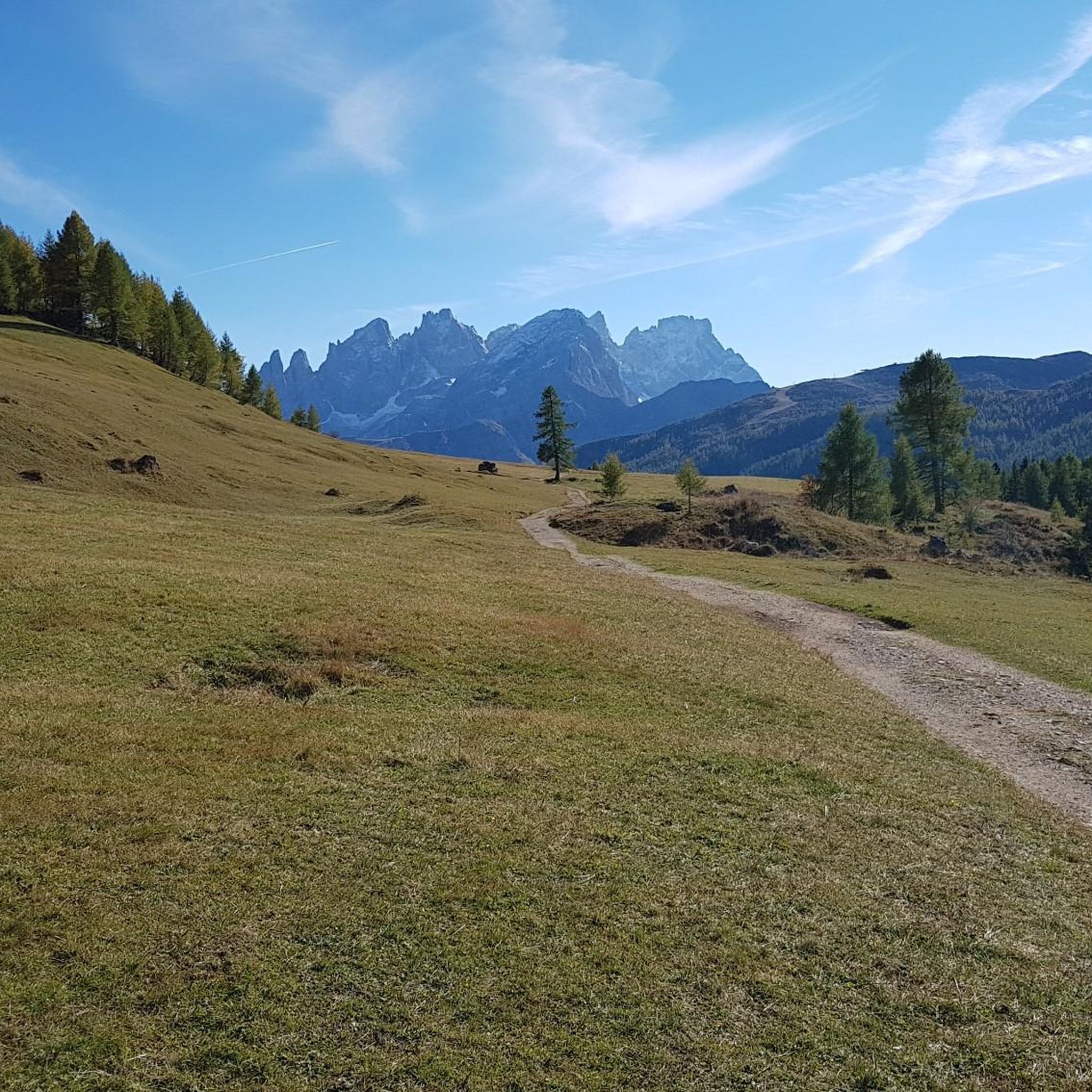
Traffic-free bike rides around Wiesbaden
Other adventures around Wiesbaden


Tips from the Community

The Flörsheimer Warte, a former watchtower, was part of the Kasteler Landwehr in the 15th century, which the Archbishopric of Mainz had established to protect its possessions on the right bank of the Rhine. After secularization (1803), the Landwehr lost its importance, as there was nothing left to defend due to lack of substance. The Flörsheimer Warte gradually fell into ruin. In 1996, a reconstruction based on historical models was built next to the relics of the medieval defensive tower. From here, there are magnificent panoramic views in all four cardinal directions over the Rheingau and the Taunus to the Frankfurt skyline. The popular excursion restaurant "Flörsheimer Warte" with a wine garden and weekend winter lounge invites you to enjoy Spundekäs, Handkäs, and Bauernsalat, accompanied by the best drops from the vineyards in Wicker and Hochheim. More information: https://www.rheingau.com/infosystem/floersheimer-warte/poi.html.
1
0

Most paths in the vineyards are easy to ride.
2
0

The Main, with a total length of 527 kilometers, is the longest right tributary of the Rhine and one of Germany's most important rivers. It originates with its two headwaters (White and Red Main) in Bavaria and flows in characteristic loops from east to west. Its long journey ends at the so-called Mainspitze, where it flows into the Rhine exactly between Ginsheim-Gustavsburg and the Wiesbaden district of Mainz-Kostheim, directly opposite Mainz's old town.
13
0
The Auringer Mühle in the present-day Wiesbaden district of Auringen is a historic water mill, documented as early as 1360. For centuries, it held central economic importance in the region, as it functioned as a so-called "Bannmühle" (compulsory mill). This meant that the inhabitants of Auringen and Kloppenheim were legally obliged to have their grain ground exclusively at this mill. The farmstead, rebuilt around 1700, which is historically also known as Schmidtsmühle or Schmidts Mühle, was in the continuous possession of the eponymous Schmidt family for around 300 years. Due to changing economic conditions, the actual milling operations ceased shortly after the First World War. Today, the historic building complex is considered a prominent local monument, often used as a landmark or intermediate destination for hikes and bike tours in the surrounding nature.
1
0
The Auringen Mill is a historic building in the Wiesbaden district of Auringen, now primarily known as a café and bed and breakfast (overnight stays with culinary delights). It enjoys a scenic location in the Taunus region and is a popular destination for hikers and cyclists. Here is a summary of the most important information: Location & Surroundings: The mill is located in Wiesbaden-Auringen and is surrounded by forests, fields, and meadows. It lies directly on the Auringen circular hiking trail, which leads through the Alsbach Valley. Use: Today, the focus is on gastronomy and overnight accommodation. It is a cozy café with bed and breakfast options. Destination: Due to its idyllic location, the surrounding area is ideal for walks, hikes, and bike tours. Historical Background: Several mills were formerly in operation in the Auringen area. The Auringen Mill is one of the historically documented settlement sites within the district. Hockenberger Mühle (risk of confusion): In the immediate vicinity, also in Wiesbaden-Auringen (Hockenberger Höhe 4), is the Hockenberger Mühle, a popular restaurant with a large beer garden, regional cuisine, and a playground. It is often mentioned in the same context (hiking/cycling trails).
6
0

Eltville is less well-known than Rüdesheim, but considerably more beautiful; its streets exude pure Rheingau romance. By the way: Gutenberg, the inventor of printing, once lived here.
6
1
The Flörsheimer Warte is located here! An absolutely worthwhile destination for an excursion, because the view is magnificent and you can also take a break up here with a glass of wine or other snacks.
20
3
Here is the historic water tower of Igstadt, which was saved from demolition! The pump house that belonged to it has since been demolished.
16
0
Frequently Asked Questions
How many no-traffic touring cycling routes are available around Wiesbaden?
There are over 350 dedicated no-traffic touring cycling routes around Wiesbaden. These routes cater to various skill levels, with approximately 125 easy, 140 moderate, and 85 difficult options available for exploration.
What do other cyclists think about the no-traffic routes in Wiesbaden?
The no-traffic touring cycling routes in Wiesbaden are highly regarded by the komoot community, boasting an average rating of 4.5 out of 5 stars from over 4,700 reviews. Cyclists frequently praise the well-maintained paths, scenic river views, and the peaceful, car-free environment.
Are there any flat, car-free routes suitable for beginners or leisurely rides?
Yes, Wiesbaden's location along the Rhine and Main rivers provides excellent opportunities for flat, car-free cycling. The sections of the Rhine Cycle Route (EuroVelo 15) and Main Cycle Route near Wiesbaden are predominantly flat and ideal for leisurely tours. A great example is the easy Wäschbachtal Cycle Path – Meadow Path to Erbenheim loop from Hochheim am Main, offering a gentle ride.
Can I find more challenging no-traffic routes in the Wiesbaden area?
While many no-traffic routes are flatter, some options incorporate the rolling hills surrounding Wiesbaden, particularly towards the Taunus foothills. These routes offer more elevation gain while still prioritizing a car-free experience. For a moderate challenge, consider the Eltville's Old Town – Schierstein Harbour loop from Dotzheim, which includes some varied terrain.
What kind of sights or landmarks can I expect to see along these no-traffic touring routes?
Many no-traffic routes in Wiesbaden offer picturesque views and pass by notable landmarks. Along the river paths, you might see the Schierstein Harbour or the Main estuary. Routes exploring the city's surroundings can lead you past historic sites like Biebrich Palace or offer panoramic views such as the View of the Theodor Heuss Bridge and the city of Mainz.
Are these no-traffic routes suitable for families with children?
Yes, many of the no-traffic routes, especially those along the Rhine and Main rivers, are very family-friendly due to their flat terrain and separation from vehicle traffic. The extensive network of cycle paths within Wiesbaden also allows for safe exploration. Look for routes marked as 'easy' for the most suitable options for families.
Can I bring my dog on these touring cycling routes?
Generally, dogs are welcome on most public cycle paths in Wiesbaden, provided they are kept on a leash and you clean up after them. The car-free nature of these routes makes them safer for cycling with pets. Always be mindful of other cyclists and pedestrians.
Is public transport an option for reaching these routes or for multimodal travel?
Yes, Wiesbaden's public transport system is well-integrated, allowing bicycles to be taken along on trains and some buses, especially outside of peak hours. This facilitates multimodal travel, enabling you to combine cycling with public transport to cover longer distances or return to your starting point easily.
Where can I find parking near the starting points of these car-free routes?
Parking is generally available in and around Wiesbaden. For routes starting near the city center or along the rivers, look for public parking garages or designated parking areas. Many smaller towns and villages along the long-distance cycle paths also offer parking facilities, often near train stations or local attractions.
Are there places to eat or stay along the no-traffic routes?
Absolutely. The Rheingau wine region, in particular, is dotted with charming wine villages offering numerous restaurants, traditional 'Straußwirtschaften' (seasonal wine taverns), and guesthouses. Along the Rhine and Main rivers, you'll find cafes, pubs, and accommodation options in towns like Eltville and Kostheim. For example, the Biebrich Rhine Meadows – Hafenbar Schierstein loop from Wiesbaden Hauptbahnhof passes by the lively Schierstein Harbour with dining opportunities.
What is the best time of year to enjoy no-traffic touring cycling in Wiesbaden?
The spring (April-May) and autumn (September-October) offer the most pleasant conditions for touring cycling in Wiesbaden, with mild temperatures and beautiful scenery. Spring brings blooming orchards and vineyards, while autumn showcases vibrant fall foliage and the wine harvest season. Summer can also be enjoyable, but be prepared for warmer temperatures, especially in July and August.
Are there any good circular no-traffic touring routes around Wiesbaden?
Yes, many of the routes around Wiesbaden are designed as loops, allowing you to start and end at the same point without retracing your steps. For instance, the Vineyards Near Wicker – Main riverbank near Kostheim loop from Wiesbaden-Igstadt offers a varied circular experience through vineyards and along the riverbank.
Most popular routes around Wiesbaden
Most popular attractions around Wiesbaden

Get inspired with the komoot mobile app


Explore more
Browse the best Cycling routes in other regions.
