The 18 Most Amazing Peaks around the Ebro
Mountain peaks around the Ebro river are found in the surrounding mountain ranges, including the Iberian System and the Ports de Tortosa-Beseit. The Ebro River, Spain's longest, flows through a basin bordered by these significant mountain systems. These regions offer diverse landscapes, from rugged peaks and limestone massifs to pine forests and glacial features. The area provides opportunities for outdoor activities and exploring varied natural environments.
Best mountain peaks around the Ebro
- The most popular mountain peaks is Portilla Castle, a castle that features a recently restored tower with accessible stairs and a viewpoint. This site is part of a route of castles.
- Another must-see spot is PiedraRedonda/Celtiberian Sanctuary of Jarrero, a historical site and natural monument. This hill is notable for the rocks that crown it, offering an interesting place to visit.
- Visitors also love Peña Infinito, a summit with views. This modest peak provides visual rewards, though the path can be challenging in places.
- Ebro is known for summits, historical sites, and natural monuments. The region offers a variety of mountain peaks to see and explore, from challenging climbs to viewpoints.
- The mountain peaks around the Ebro are appreciated by the komoot community, with 18 highlights receiving 18 upvotes and featuring 65 photos.
Last updated: October 11, 2026
Portilla Castle
Highlight • Castle
Translated by Google •
Tip by

PiedraRedonda/Celtiberian Sanctuary of Jarrero
Highlight • Historical Site
Translated by Google •
Tip by
Sign up now to discover places like this
Get recommendations on the best single tracks, peaks, & plenty of other exciting outdoor places.
Peña Infinito
Highlight • Summit
Translated by Google •
Tip by
Txulato
Highlight • Summit
Translated by Google •
Tip by
San Cristobal
Highlight • Summit
Translated by Google •
Tip by
Monte Pilas
Highlight • Summit
Translated by Google •
Tip by

Coronilla Summit (1,172 m)
Highlight • Summit
Translated by Google •
Tip by
La Mota (1,319 m)
Highlight • Summit
Translated by Google •
Tip by

AltoDeTesla
Highlight • Summit
Translated by Google •
Tip by
Cueto (1,362 m)
Highlight • Summit
Translated by Google •
Tip by
Sign up for free to discover even more peaks around the Ebro.
Already have an account?
Start today with a free account
Your next adventure awaits.
Popular around Ebro

Triathlon 360 – my journey around the world
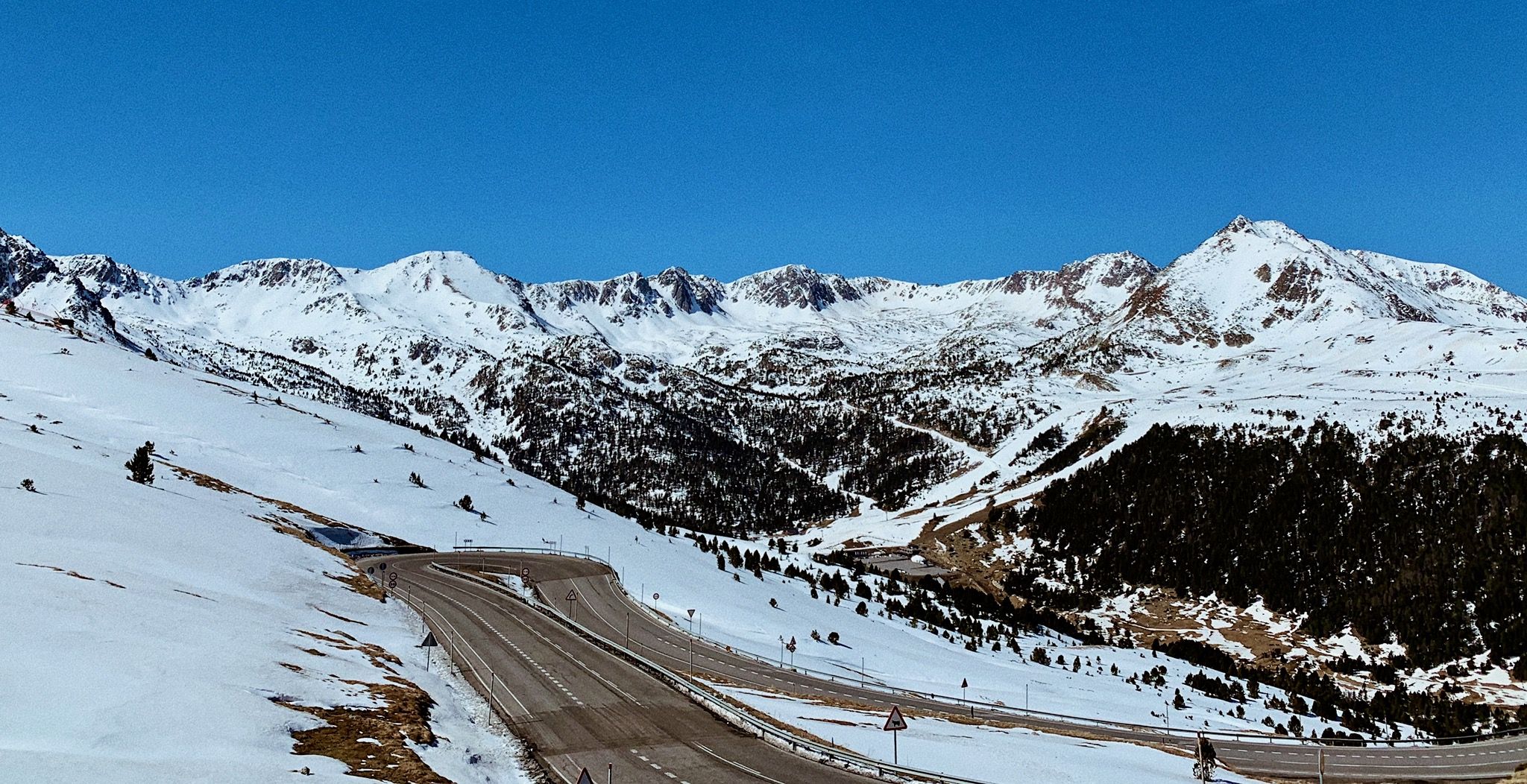
Valencia to Toulouse — Riding over the Pyrenees
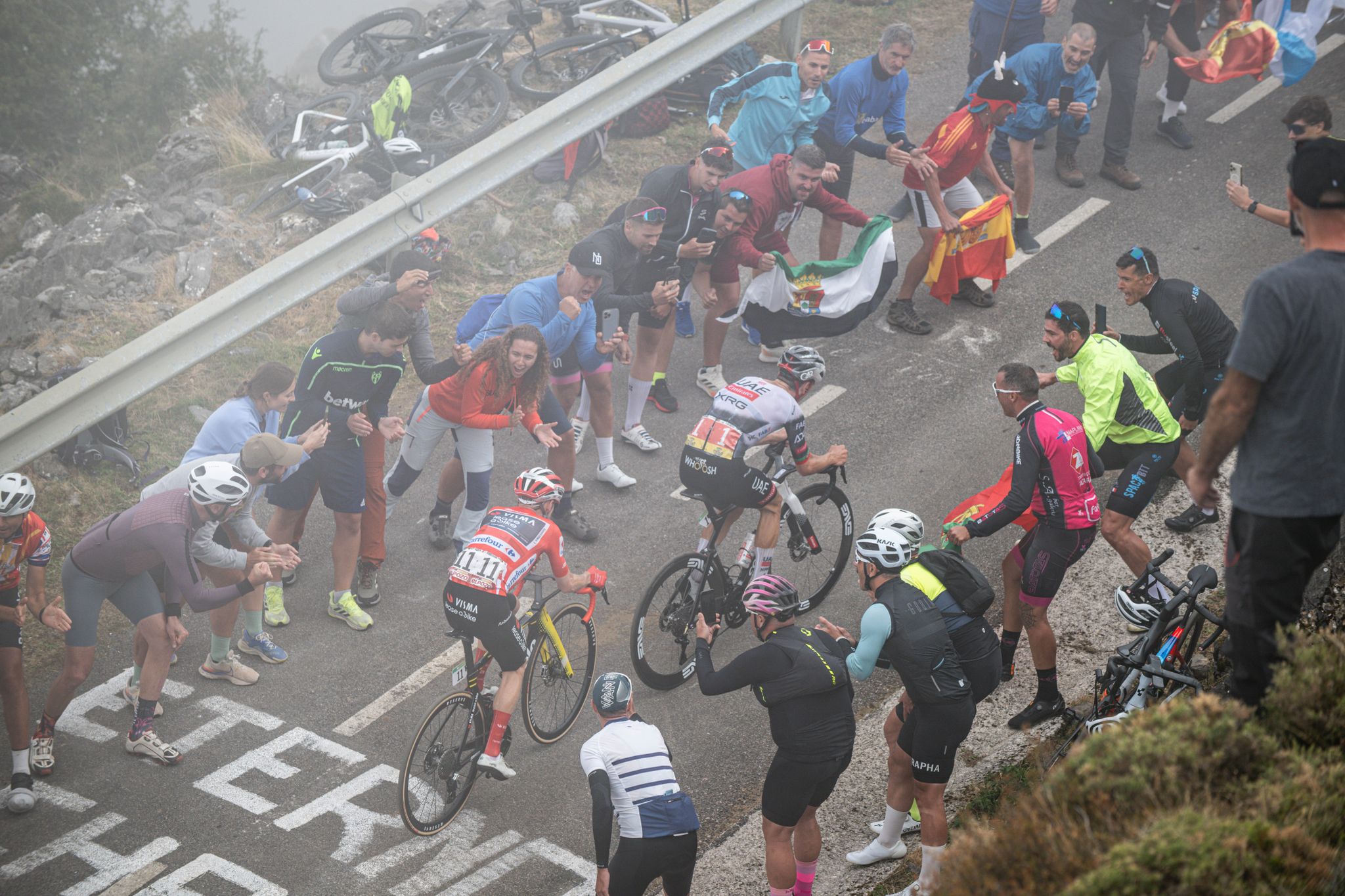
Mythical Passes and Sections of La Vuelta
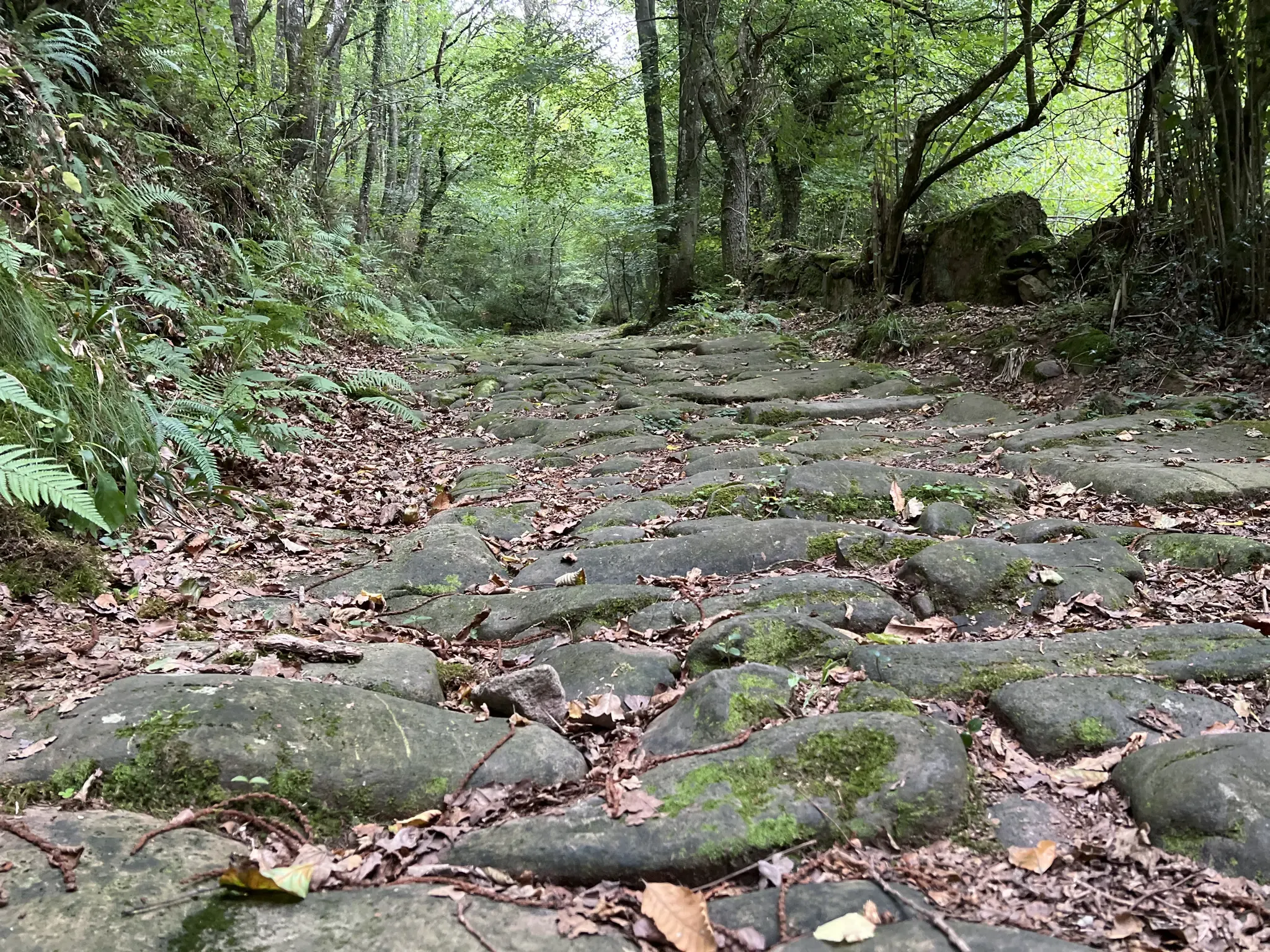
La Calzada de los Blendios (GR 73) — From the plateau to the sea
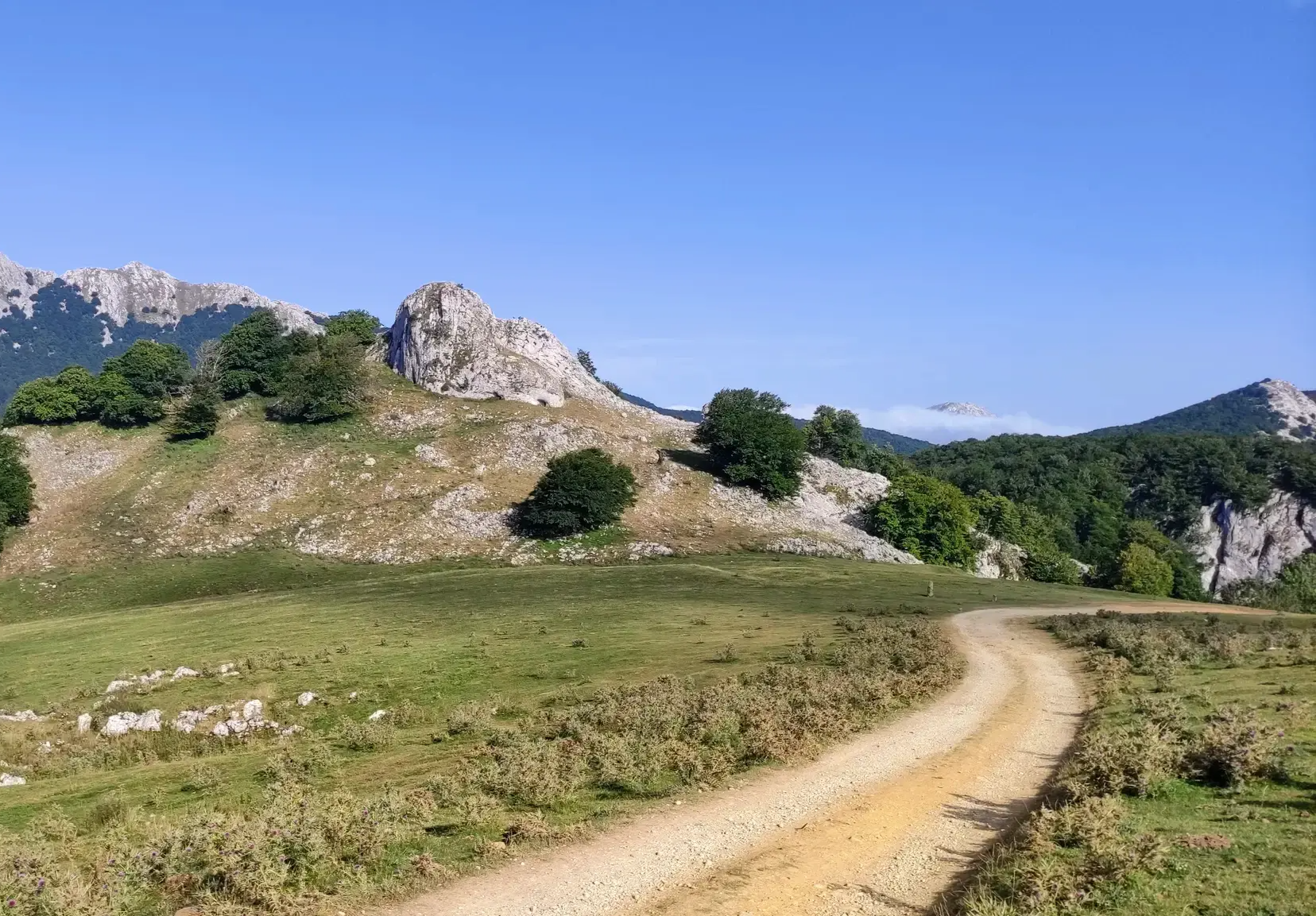
The Ignatian Way - In the footsteps of Ignatius of Loyola
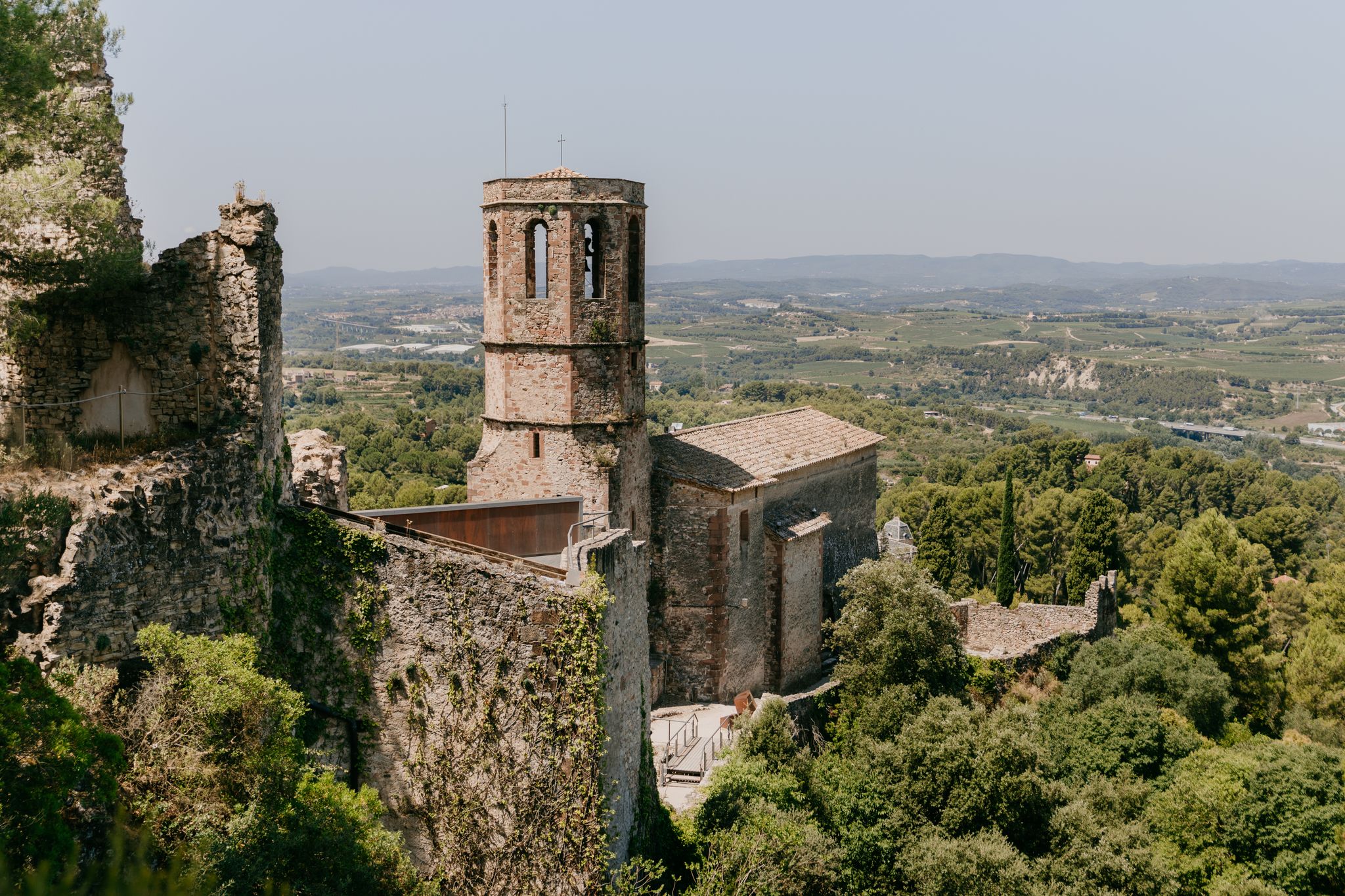
Catalonia by bike — Itineraries between culture and nature
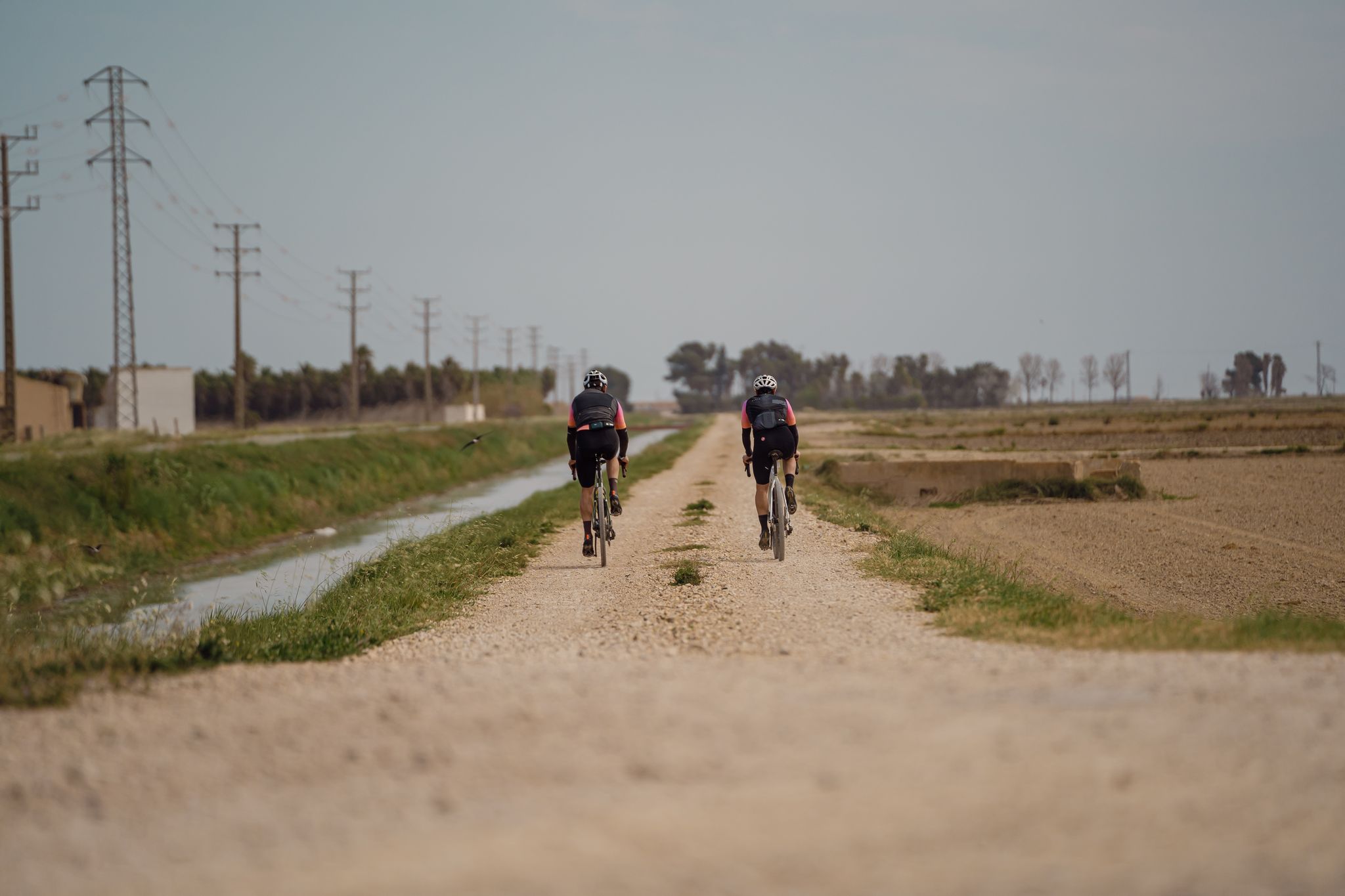
Discover Catalonia on a gravel bike
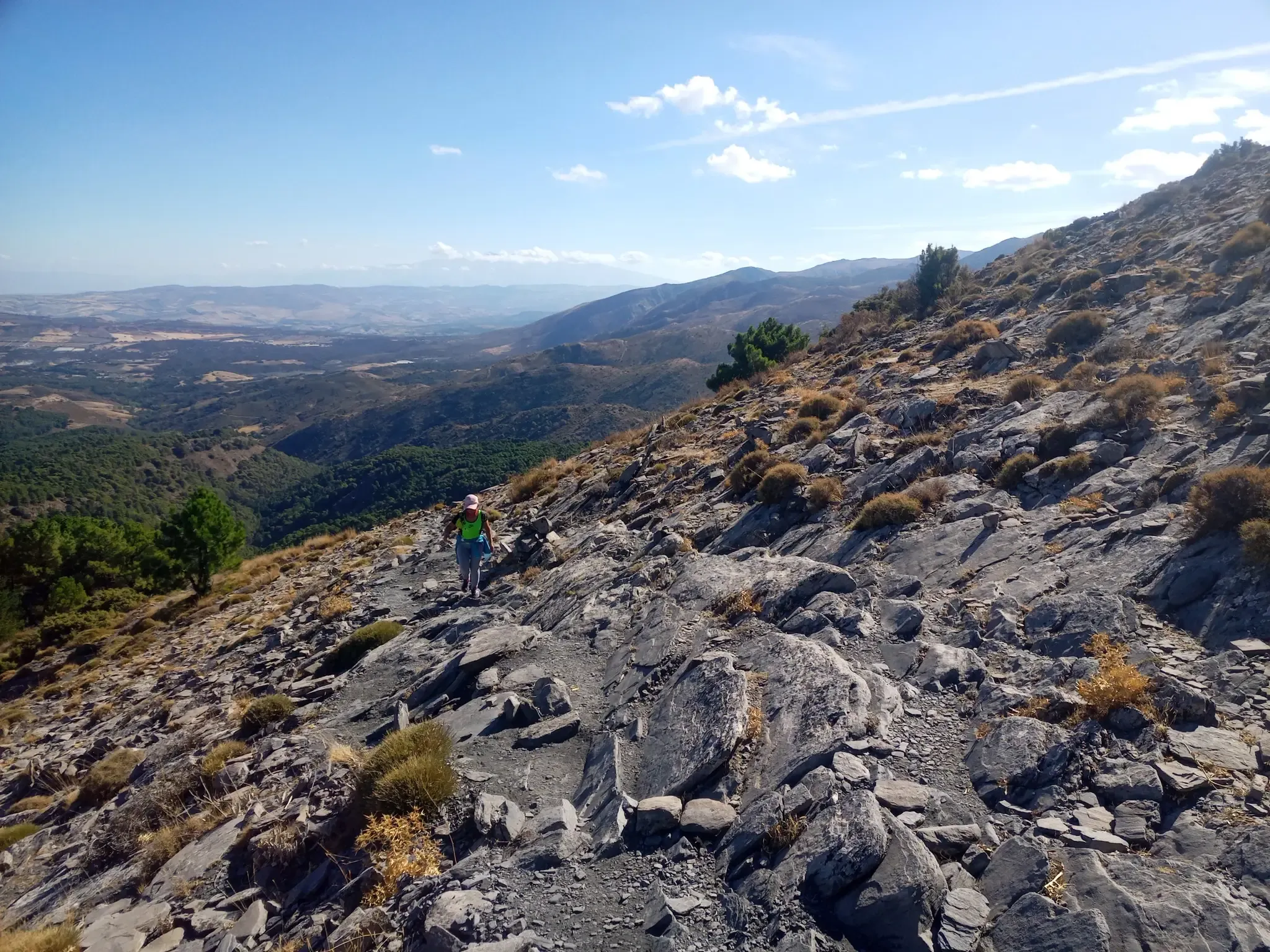
12 hiking gems throughout Spain
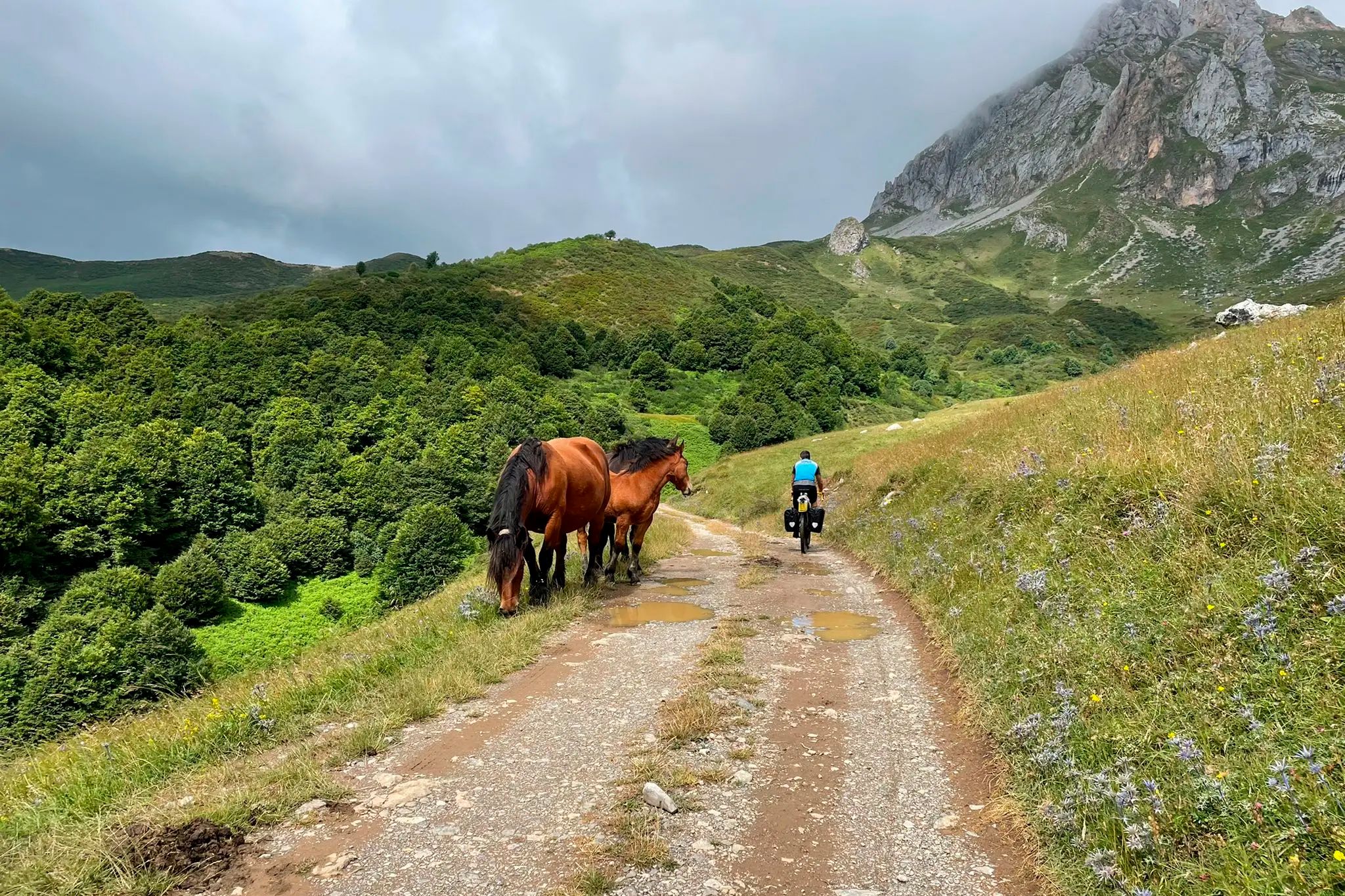
TransCantabrica – Extreme mountain biking in northern Spain
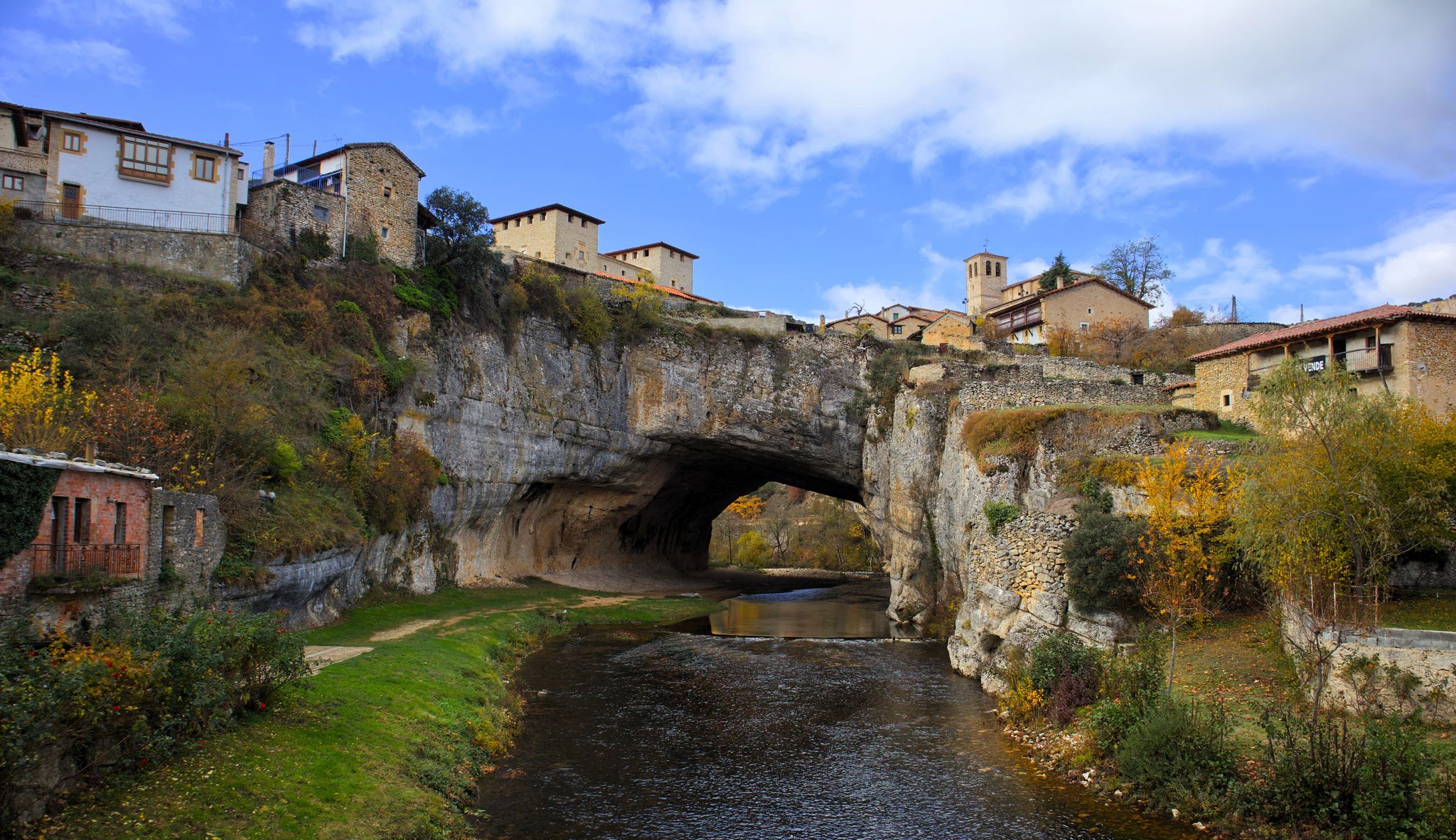
Endless valleys and historic villages – Route of the Senses (GR 85)
Other adventures around the Ebro


Tips from the Community

Recently restored, its tower is now accessible. A wonderful place with stunning views.
1
0

Be careful when accessing the mailbox if the rock is wet.
0
0
The firewall that gives access to the summit is steep. The path that goes along the ledge is very closed and not very visible.
0
0

The path passes through the Campas de Muena meadow and continues along the ridge until another fork with the indication of Cueto peak (1,362 m), the roof of the trail. At the summit there are antennas and a geodesic vertex with another spectacular panoramic view. The cuts on the north face of the mountain range create an abysmal wall and increase the feeling of grandeur, a balcony of birds of prey about to take off. The trail returns along the same path until the detour to La Mota.
0
1
The final stretch of climb to the La Mota cliff (1,319 m) skirts the foot of the shadowy limestone wall that forms the north face of the mountain. The path looks for a channel that facilitates access to the summit, the only feasible place to enter the summit on this slope. The trail is easy but it is almost a climb up the steep slope. The summit is to the left of the climb, a spectacular viewpoint of the western Basque Mountains, in the background the Gorbeia appears and next to it the mass of Anboto. The trail descends again to the uphill gap and continues straight along the sunny southern slope of the rope.
0
0
Calling it a "summit" is a bit pretentious, but the place is interesting.
2
0
Hard slope, but not complicated, to access the authentic natural viewpoint offered by the Alto de Tesla or Alto de la Muñeca. Spectacular.
2
0
Frequently Asked Questions
What are some of the most prominent mountain peaks in the Ebro region?
The Ebro region is bordered by several significant mountain ranges. In the Iberian System, you'll find Moncayo, the highest peak in the entire range, and Peñarroya in the Sierra de Gúdar. The Ports de Tortosa-Beseit massif features Mont Caro, its highest point, and the historically significant Tossal dels Tres Reis.
Are there any historical sites or unique landmarks among the Ebro's mountain peaks?
Yes, the region offers several historical and unique sites. You can visit Portilla Castle, which features a recently restored tower with accessible stairs and a viewpoint. Another notable spot is PiedraRedonda/Celtiberian Sanctuary of Jarrero, a historical site and natural monument known for its distinctive rock formations. Additionally, the Tossal dels Tres Reis in the Ports de Tortosa-Beseit is historically significant as the traditional meeting point of the ancient Kingdoms of Valencia, Catalonia, and Aragon.
What kind of natural features can I expect to see when exploring the mountain peaks around the Ebro?
The Ebro region's mountain peaks offer diverse natural features. In the Iberian System, areas like Moncayo still retain features from the Ice Age, such as glacial lakes and eroded peaks, with expansive views over pine forests. The Picos de Urbión also feature rugged terrain and glacial lakes. The Ports de Tortosa-Beseit massif is characterized by dramatic limestone cliffs, jagged peaks, deep valleys, shafts, and caves, alongside a rich Mediterranean mountain environment.
What outdoor activities can I do near the Ebro mountain peaks?
The Ebro region provides a variety of outdoor activities. You can find numerous hiking opportunities, from easy walks to challenging treks. For example, the Parque Natural del Moncayo is a prime location for hiking and mountaineering. The Sierra de Gúdar offers excellent hiking and, during winter, skiing. The Ports de Tortosa-Beseit are ideal for climbing, hiking, and bird watching. You can also explore various cycling and gravel biking routes in the wider Ebro area. For more details on routes, check out guides like Easy hikes around the Ebro, Gravel biking around the Ebro, and Cycling around the Ebro.
Are there challenging hiking or climbing opportunities in the Ebro mountain ranges?
Yes, for those seeking a challenge, the Ebro region offers several options. Moncayo, the highest peak in the Iberian System, provides challenging routes for mountaineering. The Ports de Tortosa-Beseit massif, particularly around Mont Caro, is known for excellent climbing opportunities. Some summits like Peña Infinito and Txulato are described as having challenging paths or steep slopes, rewarding hikers with extraordinary views.
What is the best season for hiking in the Ebro mountain peaks?
The best season depends on the specific mountain range and activity. Generally, spring and autumn offer pleasant temperatures for hiking. The Iberian System, with peaks like Moncayo and Picos de Urbión, features cold, snowy winters and mild summers, making summer ideal for higher elevations. For areas like the Sierra de Gúdar, winter brings snow, suitable for skiing, while other seasons are great for hiking. The Mediterranean mountain environment of Ports de Tortosa-Beseit is enjoyable across many seasons, though summer can be hot at lower altitudes.
Can I find good viewpoints among the Ebro mountain peaks?
Absolutely. Many peaks in the Ebro region offer spectacular views. Portilla Castle provides a beautiful viewpoint from its restored tower. Peña Infinito is a modest peak that offers great visual rewards. From Txulato, you can enjoy extraordinary views after a steep climb. Moncayo offers expansive views over pine forests, and Mont Caro in the Ports de Tortosa-Beseit is frequently praised for its breathtaking vistas.
What kind of wildlife can be spotted in the Ebro mountain regions?
The mountain regions surrounding the Ebro River are rich in biodiversity. The Ports de Tortosa-Beseit, for instance, boast a Mediterranean mountain environment with a rich diversity of wildlife, making it an excellent spot for bird watching. The ancient pine forests and diverse flora in areas like the Picos de Urbión also support various species, offering opportunities for nature lovers to observe local fauna.
Are there any specific tips for visiting the mountain peaks around the Ebro?
When visiting, be prepared for varied terrain. Some paths, like the one to Peña Infinito, can be challenging or full of spikes, but generally manageable. For summits like Txulato, the steep firewall access is rewarded with views. If accessing specific features like the mailbox on Peña Infinito, exercise caution if rocks are wet. Always check local conditions, especially in winter when peaks like Peñarroya are frequently blanketed in snow.
What are the highest peaks in the mountain ranges bordering the Ebro?
The highest peak in the entire Iberian System, which borders the Ebro Valley, is Moncayo, standing at 2,313 meters (7,589 ft). Within the Sierra de Gúdar, a sub-range of the Iberian System, Peñarroya reaches 2,019 meters (6,624 ft). In the Ports de Tortosa-Beseit massif, the highest point is Mont Caro, at 1,441 meters (4,728 ft).
What makes the Ports de Tortosa-Beseit massif unique?
The Ports de Tortosa-Beseit is a distinctive limestone mountain massif that forms a natural border between Aragon, Catalonia, and the Valencian Community. Its landscape is marked by dramatic limestone cliffs, jagged peaks, deep valleys, shafts, and caves. It offers a rich Mediterranean mountain environment with diverse wildlife and spectacular plant life, making it a haven for outdoor enthusiasts interested in climbing, hiking, and bird watching.
Most popular routes around the Ebro
Most popular attractions around the Ebro

Get inspired with the komoot mobile app


Explore more
See even more amazing summits around the Ebro with these guides:
