The best hikes from bus stations around the Ebro
4.5
(1202)
6,952
hikers
180
hikes
Hiking around the Ebro offers diverse landscapes, from the flat, wetland ecosystems of the Ebro Delta to the rugged, mountainous terrain of the Ports de Tortosa-Beseit. The region is characterized by the Ebro River meeting the Mediterranean Sea, creating expansive rice fields, tranquil lagoons, and coastal sand dunes. Inland, limestone massifs feature forests, waterfalls, steep cliffs, and deep valleys. This varied topography provides a range of bus station hiking trails suitable for different experience levels.
Best bus station hiking trails…
Last updated: May 16, 2026
4.2
(20)
86
hikers
6.82km
01:47
50m
50m
Easy hike. Great for any fitness level. Easily-accessible paths. Suitable for all skill levels.
4.5
(13)
53
hikers
10.2km
02:43
110m
110m
Hike a moderate 6.3-mile (10.2 km) section of the Ebro Natural Trail (GR 99) through Galacho de Juslibol, offering river views and diverse l

Sign up for free
4.5
(2)
18
hikers
7.40km
02:00
90m
90m
The Ebro Trail from El Cortijo is a moderate 4.6-mile (7.4 km) circular hike offering panoramic views of the Ebro valley and Sierra Cantabri
8
hikers
13.9km
03:31
30m
30m
Hike the moderate 8.6-mile (13.9 km) Ebro Natural Trail Loop from El Burgo de Ebro for riverside views and tranquility.
4
hikers
10.5km
03:31
460m
460m
Moderate hike. Good fitness required. Mostly accessible paths. Sure-footedness required.
Get access to more routes and recommendations from other explorers.
Sign up for free
Already have an account?
Our route recommendations are based on thousands of hikes, rides, and runs completed by other people on komoot.
Start today with a free account
Your next adventure awaits.
Login or Signup
Popular around Ebro
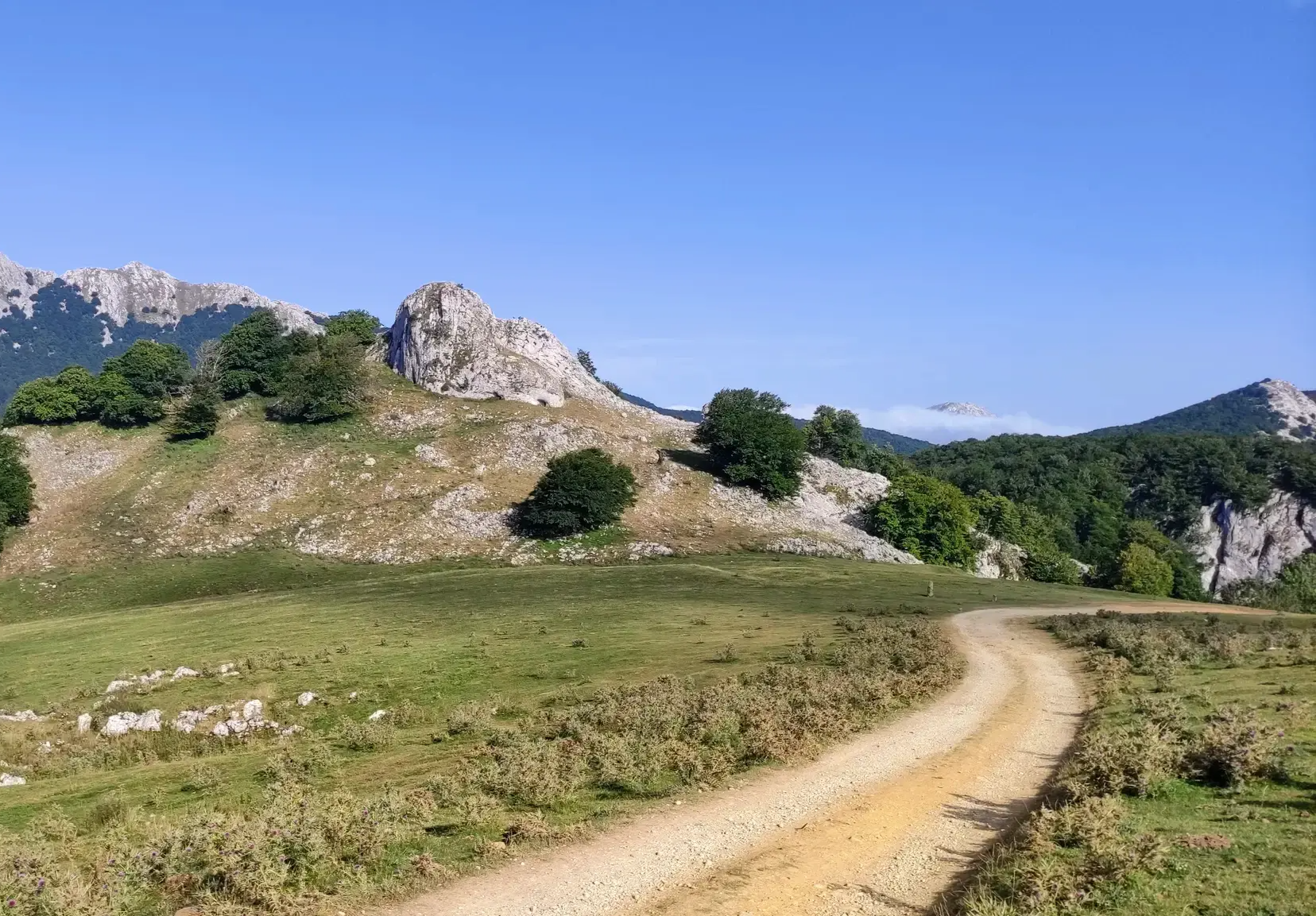
The Ignatian Way - In the footsteps of Ignatius of Loyola
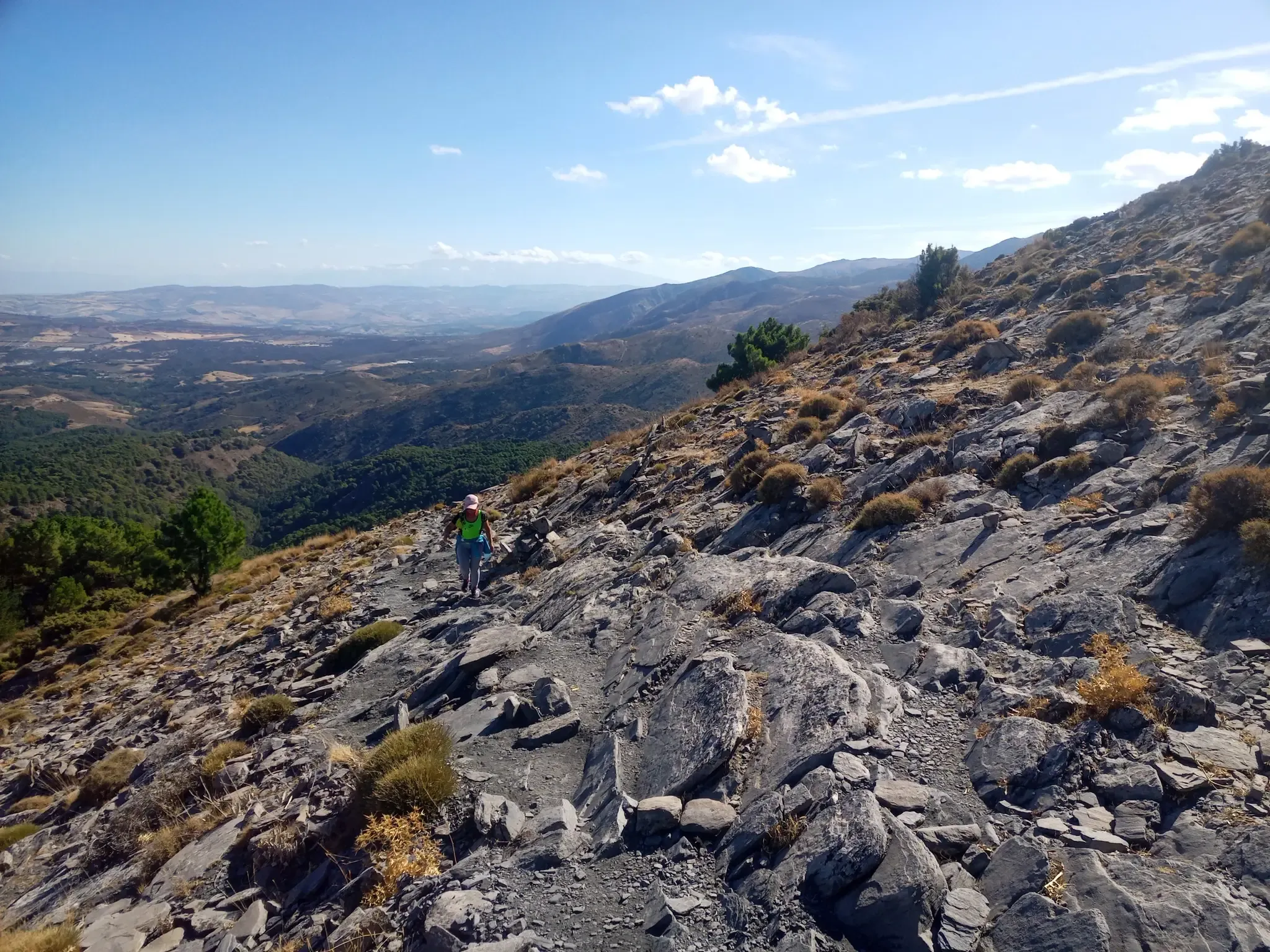
12 hiking gems throughout Spain
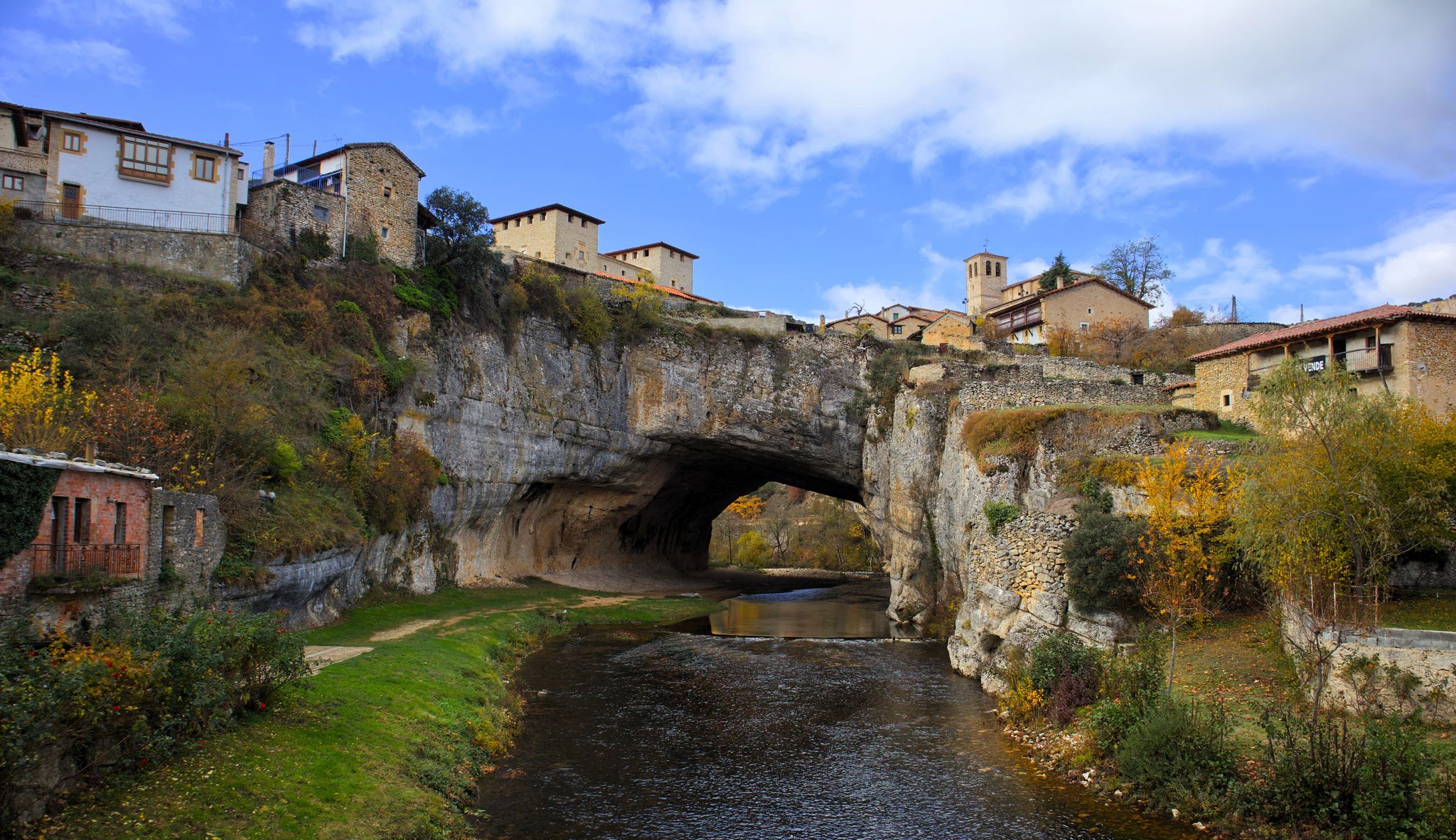
Endless valleys and historic villages – Route of the Senses (GR 85)
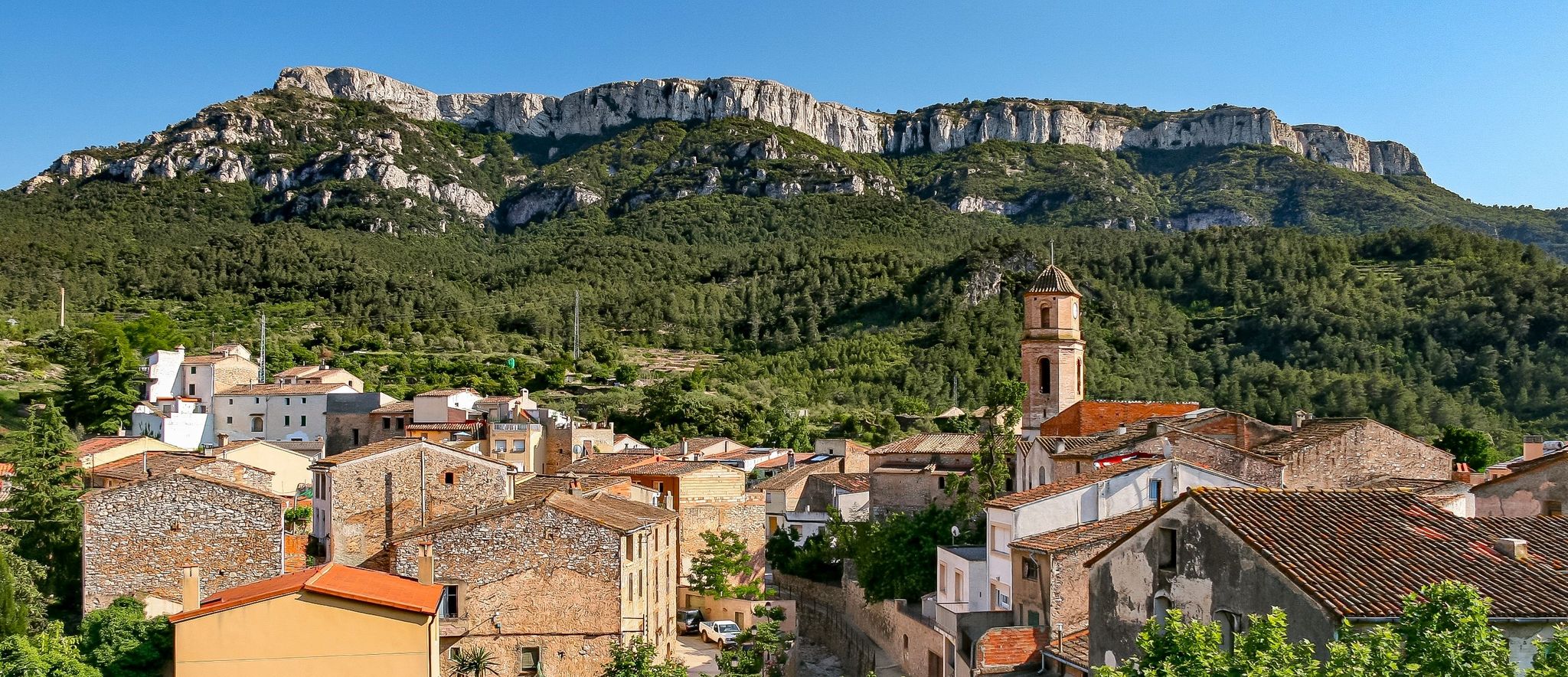
A land of contrasts – Tarragona to the Pyrenees on the GR 7
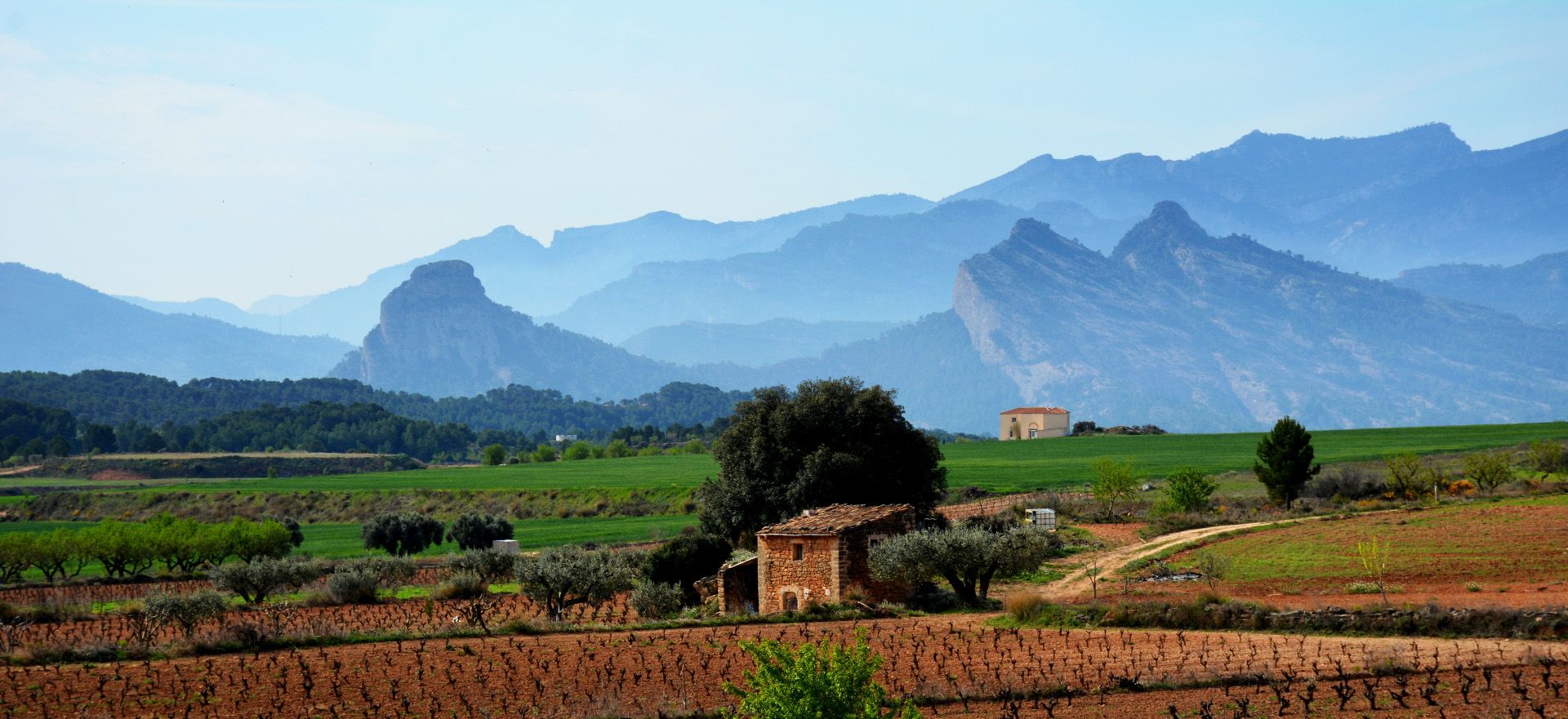
From the heart of southern Catalonia – GR 171
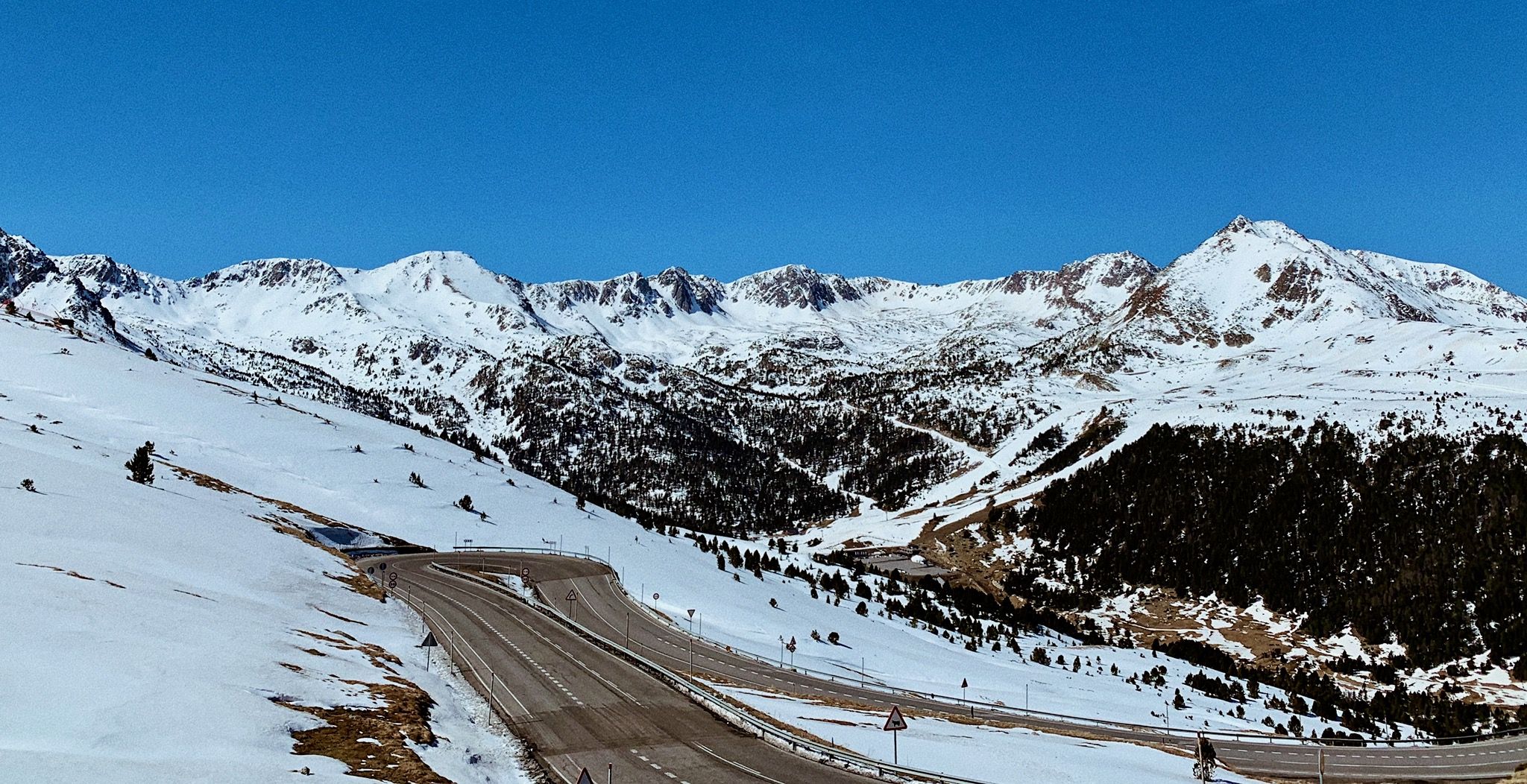
Valencia to Toulouse — Riding over the Pyrenees
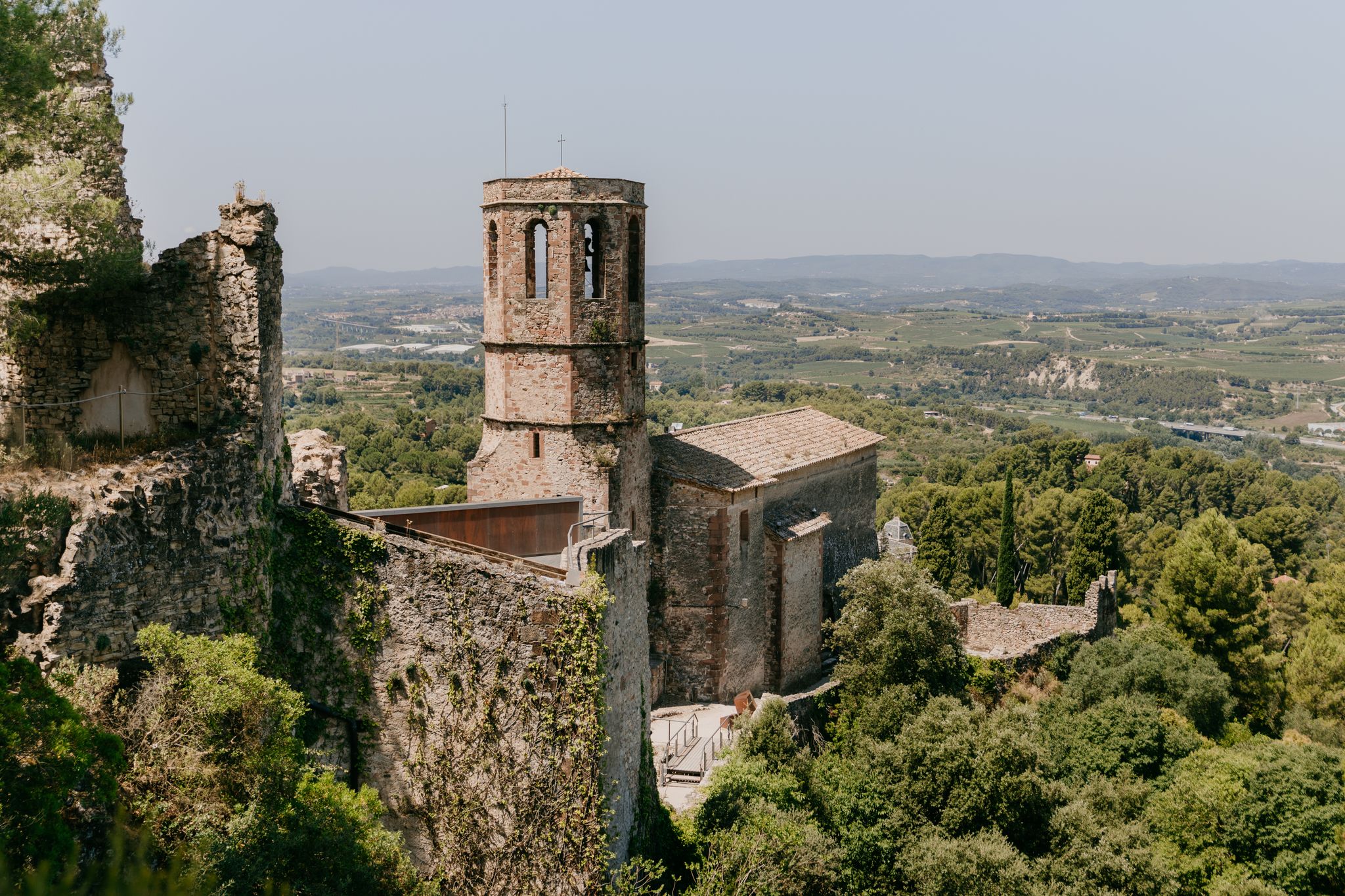
Catalonia by bike — Itineraries between culture and nature
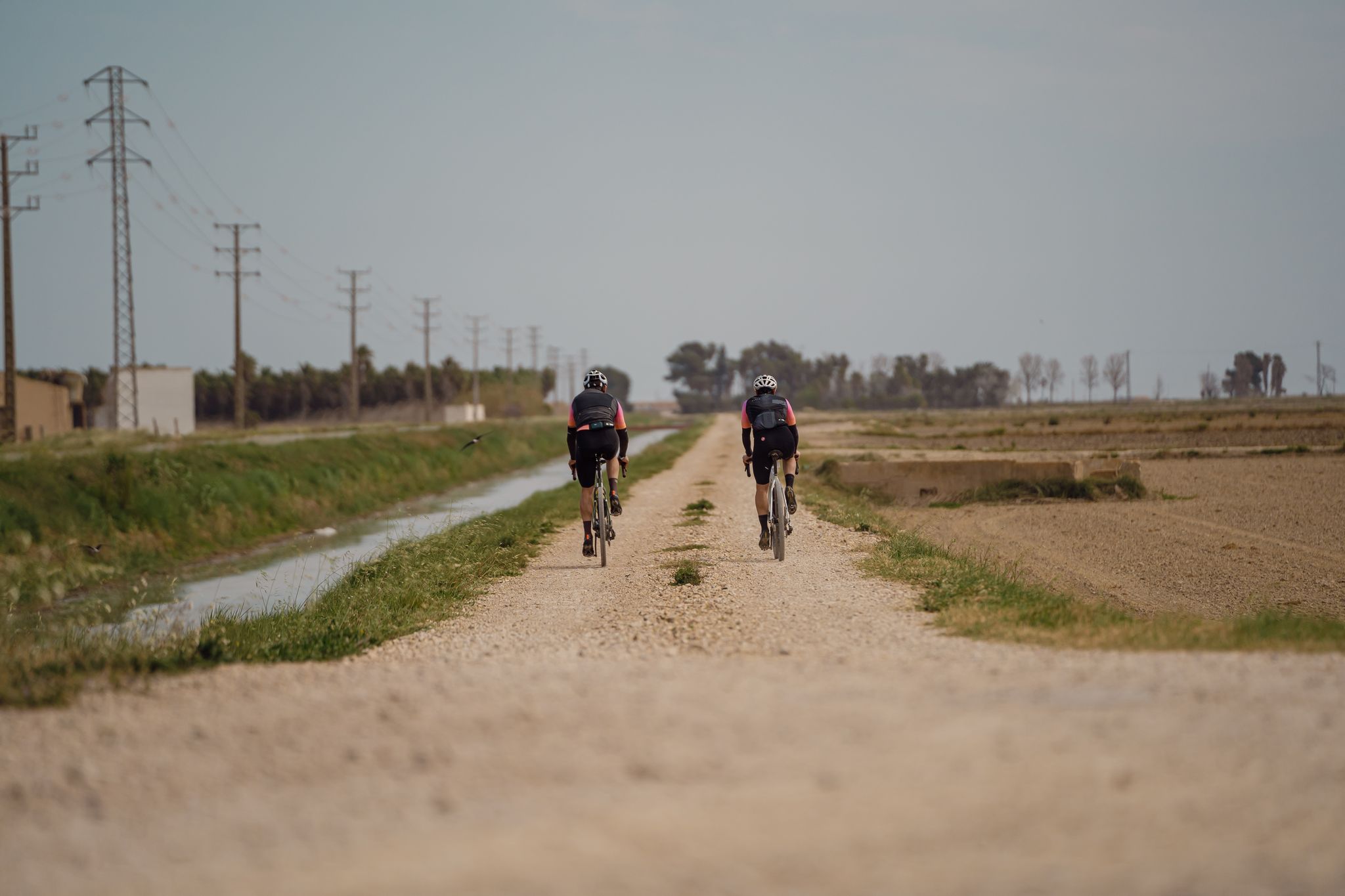
Discover Catalonia on a gravel bike
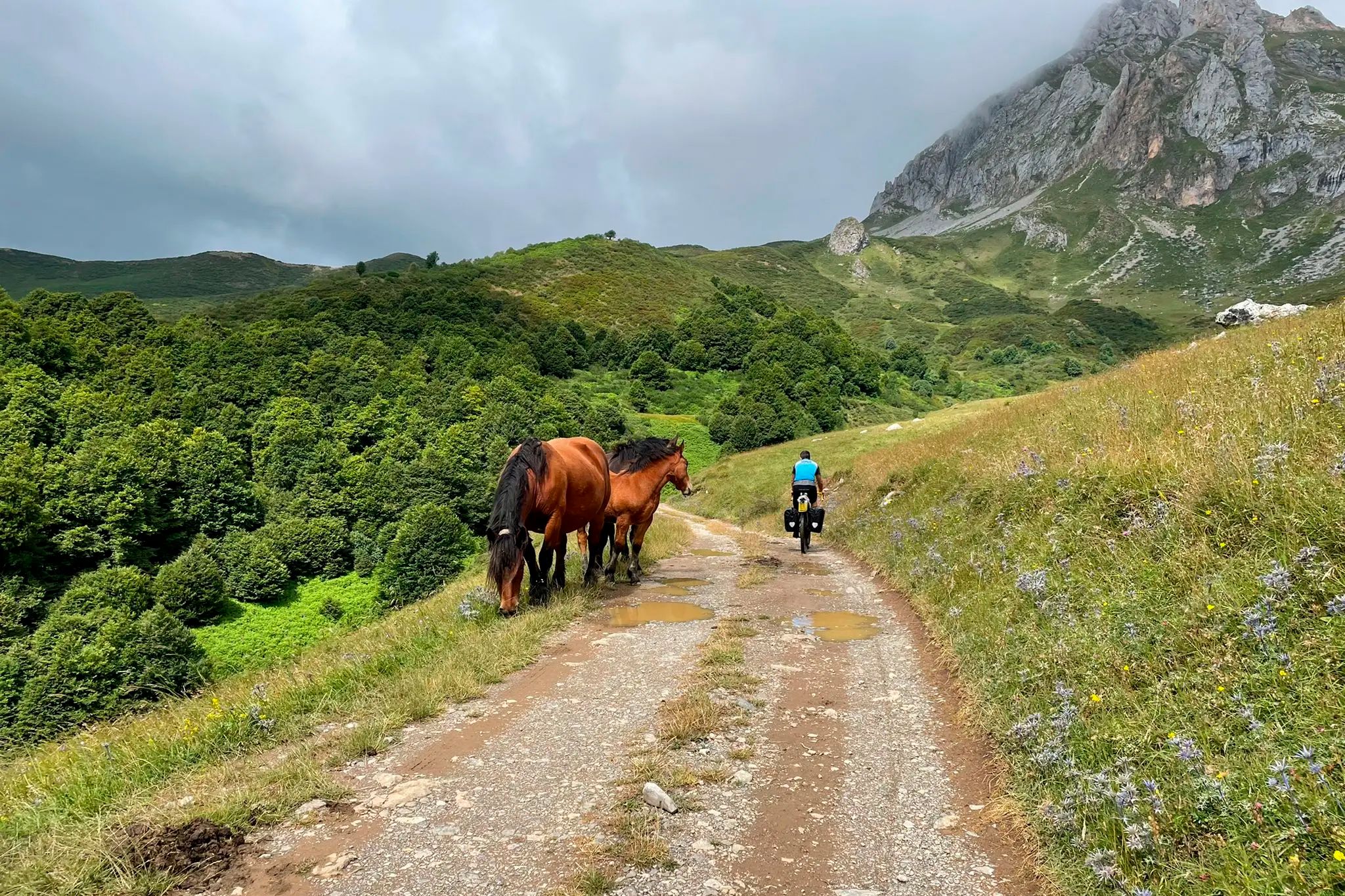
TransCantabrica – Extreme mountain biking in northern Spain
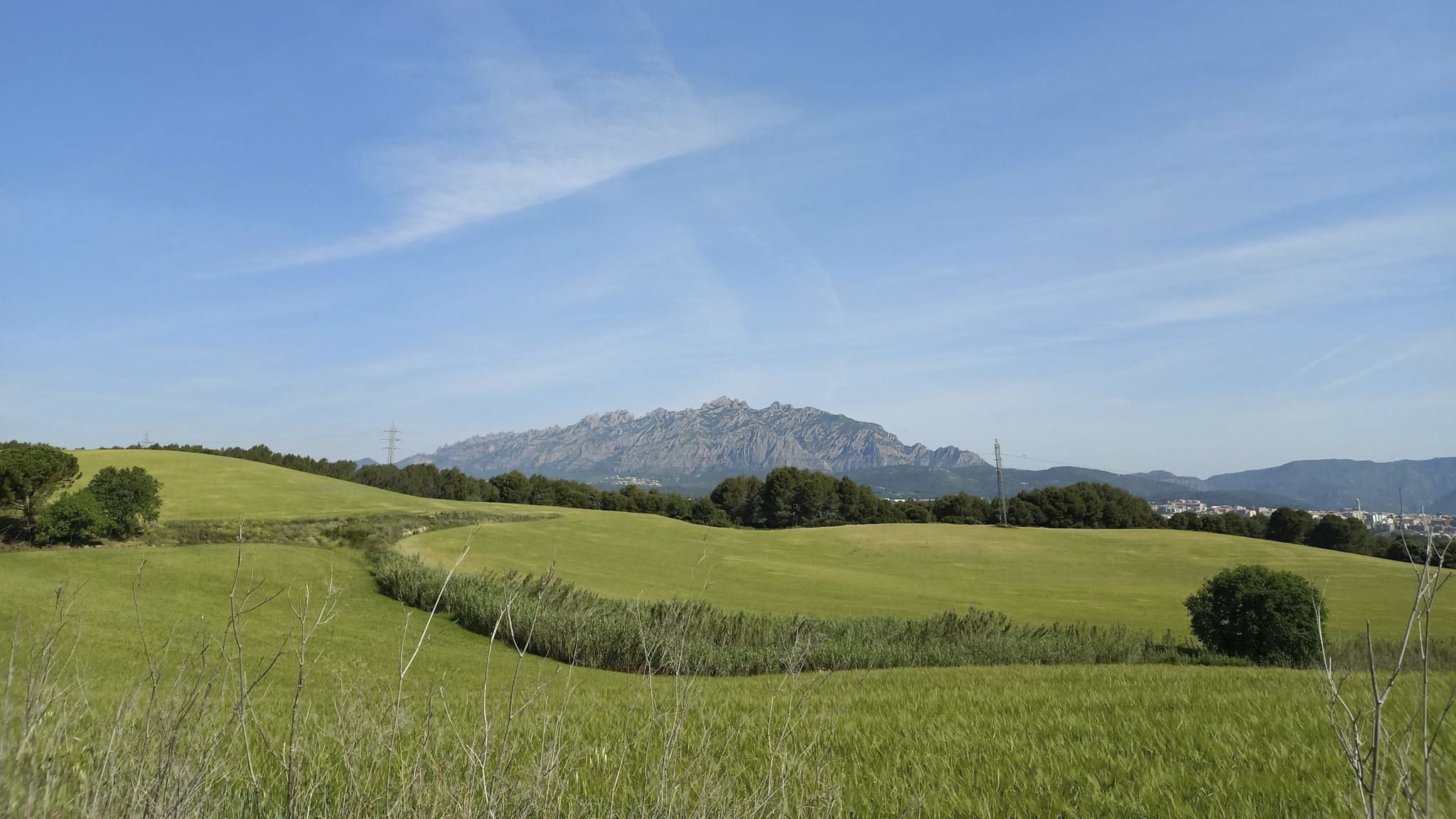
Ancestral gravel – Camino Real from Zaragoza to Barcelona
Other adventures around the Ebro


Tips from the Community

A walk like any other outside of your usual surroundings, good for passing the morning
0
0

Recently restored, its tower is now accessible. A wonderful place with stunning views.
1
0
It's a pleasure to stroll through what used to be its old streets.
1
0

The highlight of Zaragoza. A visit is a must for its historical significance, the beauty of the basilica, and the fact that it is still active. But be prepared for crowds, often with poor manners. The Basilica of Our Lady of the Pillar: one of the two metropolitan cathedrals of the Archdiocese of Zaragoza, along with the Cathedral of the Savior. The documented history of the temple dates back to the 9th century, when the existence of a Mozarabic church in Saraqusta dedicated to Saint Mary is attested, on the same site where the Baroque basilica now stands. Architecturally, the basilica is structured with three naves resting on robust pillars. The exterior is made of brick. Free admission.
2
0

It is a beautiful, friendly and lively square that is often the setting for cultural events, markets and religious celebrations.
8
1
It is a beautiful, friendly and lively place that is often the scene of cultural events, markets and religious celebrations.
8
1
The Basilica of the Pillar in Zaragoza is an impressive Baroque church built between the 17th and 18th centuries. Located on the banks of the Ebro River, it is a major pilgrimage destination in Spain. The basilica is famous for its magnificent architecture, the exquisite frescoes by Francisco de Goya, and its distinctive towers. It is considered one of the most important religious and cultural monuments in the country. Standing in front of the basilica in the plaza, it is so vast that I couldn't even fit it into a single photograph with a wide-angle lens.
8
1
Frequently Asked Questions
How many bus station hiking trails are available in the Ebro region?
There are over 180 hiking trails accessible from bus stations across the Ebro region, catering to various skill levels. You'll find a good mix, with 72 easy routes, 96 moderate options, and 13 more challenging trails.
What kind of landscapes can I expect on bus-accessible hikes in the Ebro region?
The Ebro region offers incredibly diverse landscapes. In the Ebro Delta Natural Park, expect flat terrain with expansive rice fields, tranquil lagoons, and coastal sand dunes, perfect for birdwatching. In contrast, the Ports de Tortosa-Beseit Natural Park provides rugged, mountainous terrain with forests, waterfalls, steep cliffs, and deep valleys.
Are there any family-friendly bus-accessible hikes in the Ebro Delta?
Yes, the Ebro Delta is particularly well-suited for families due to its generally flat terrain. The Riumar area offers an easier 4.4-mile (7.1 km) path, ideal for exploring with children. From Riumar, you can also enjoy views of Buda Island and the El Garxal lagoon.
Can I find circular hiking routes accessible by bus in the Ebro region?
Absolutely. Many routes are designed as circular walks, allowing you to start and end at the same bus stop. For example, consider the easy Historic center of Zaragoza — circular from Av. de Cataluña or the moderate Ebro Natural Trail Loop from El Burgo de Ebro.
What are some interesting historical sites or landmarks I can see near bus-accessible trails?
The Ebro region is rich in history. Near some trails, you can explore impressive castles and historical sites. Highlights include the magnificent Aljafería Palace in Zaragoza, the ancient Roman Walls and Torreón de la Zuda, or the striking Miravet Castle. These offer a glimpse into the region's past.
Are there any trails that feature waterfalls or unique geological formations?
Yes, particularly in the more mountainous areas like the Ports de Tortosa-Beseit. While specific bus-accessible routes to waterfalls aren't listed, the region is known for its diverse geology, including caves and impressive rock formations. You might find the Turquoise Pools and Waterfalls of Orbaneja del Castillo to be a captivating natural highlight in the broader Ebro area.
What do other hikers say about the bus station trails in the Ebro region?
The Ebro region's trails are highly regarded by the komoot community, with an average rating of 4.5 out of 5 stars from over 1,100 reviews. Hikers often praise the diverse scenery, from the tranquil delta to the rugged mountains, and the accessibility of routes via public transport.
When is the best time of year to hike in the Ebro region using public transport?
Spring and autumn are generally considered the best times for hiking in the Ebro region. The weather is milder, making conditions pleasant for both the flat delta trails and the more challenging mountain routes in the Ports de Tortosa-Beseit. Summers can be very hot, especially in the delta, and winters can be chilly, though still suitable for some walks.
Are there any long-distance trails accessible from bus stops in the Ebro region?
Yes, the Ebro Natural Trail (GR 99) is a significant long-distance path that follows the Ebro River. Sections of this trail, such as the Ebro Natural Trail - Aragón (GR 99), are accessible from various bus stops, allowing you to experience parts of this extensive route.
Can I combine hiking with exploring local towns or villages when using bus transport?
Absolutely. Many bus routes connect to charming towns and villages along the Ebro. For instance, the Mantible Meander Trail offers a moderate hike that can be combined with exploring nearby areas. This allows you to enjoy both nature and local culture, often finding cafes or local eateries near bus stops.
Are there any bus-accessible trails that offer views of the Ebro River itself?
Many trails in the region closely follow the Ebro River, providing excellent views of its course. The Ebro Natural Trail (GR 99) is specifically designed to showcase the river's beauty. Routes like the Ebro Natural Trail - Aragón (GR 99) offer continuous river vistas, allowing you to appreciate this vital waterway.
Most popular routes around the Ebro
Most popular attractions around the Ebro

Get inspired with the komoot mobile app


Explore more
Browse the best Hikes in other regions.
