The best city hikes and walks around the Ebro
4.5
(1202)
6,952
hikers
128
hikes
Urban hiking trails around the Ebro primarily follow the course of the Ebro River through its cities, offering paths that combine natural riverine landscapes with urban environments. The terrain is generally flat, characterized by riverside promenades, city parks, and historic districts. These routes often feature views of the river, bridges, and significant architectural landmarks. The Ebro region provides accessible walking experiences within its urban centers.
Best urban hiking trails around the Ebro
- The most popular urban hiking route is Historic…
Last updated: May 16, 2026
4.2
(20)
86
hikers
6.82km
01:47
50m
50m
Easy hike. Great for any fitness level. Easily-accessible paths. Suitable for all skill levels.
4.5
(4)
15
hikers
5.09km
01:22
60m
60m
An easy 3.2-mile hike along the Ebro River in Tortosa, offering historical landmarks and scenic views in about 1 hour and 21 minutes.

Sign up for free
4.6
(75)
189
hikers
Moderate hike. Good fitness required. Easily-accessible paths. Suitable for all skill levels.
4.6
(8)
87
hikers
7.67km
02:00
50m
50m
Easy hike. Great for any fitness level. Easily-accessible paths. Suitable for all skill levels.
4.9
(8)
56
hikers
9.81km
02:33
60m
60m
Moderate hike. Good fitness required. Easily-accessible paths. Suitable for all skill levels.
Get access to more routes and recommendations from other explorers.
Sign up for free
Already have an account?
Our route recommendations are based on thousands of hikes, rides, and runs completed by other people on komoot.
Start today with a free account
Your next adventure awaits.
Login or Signup
Popular around Ebro
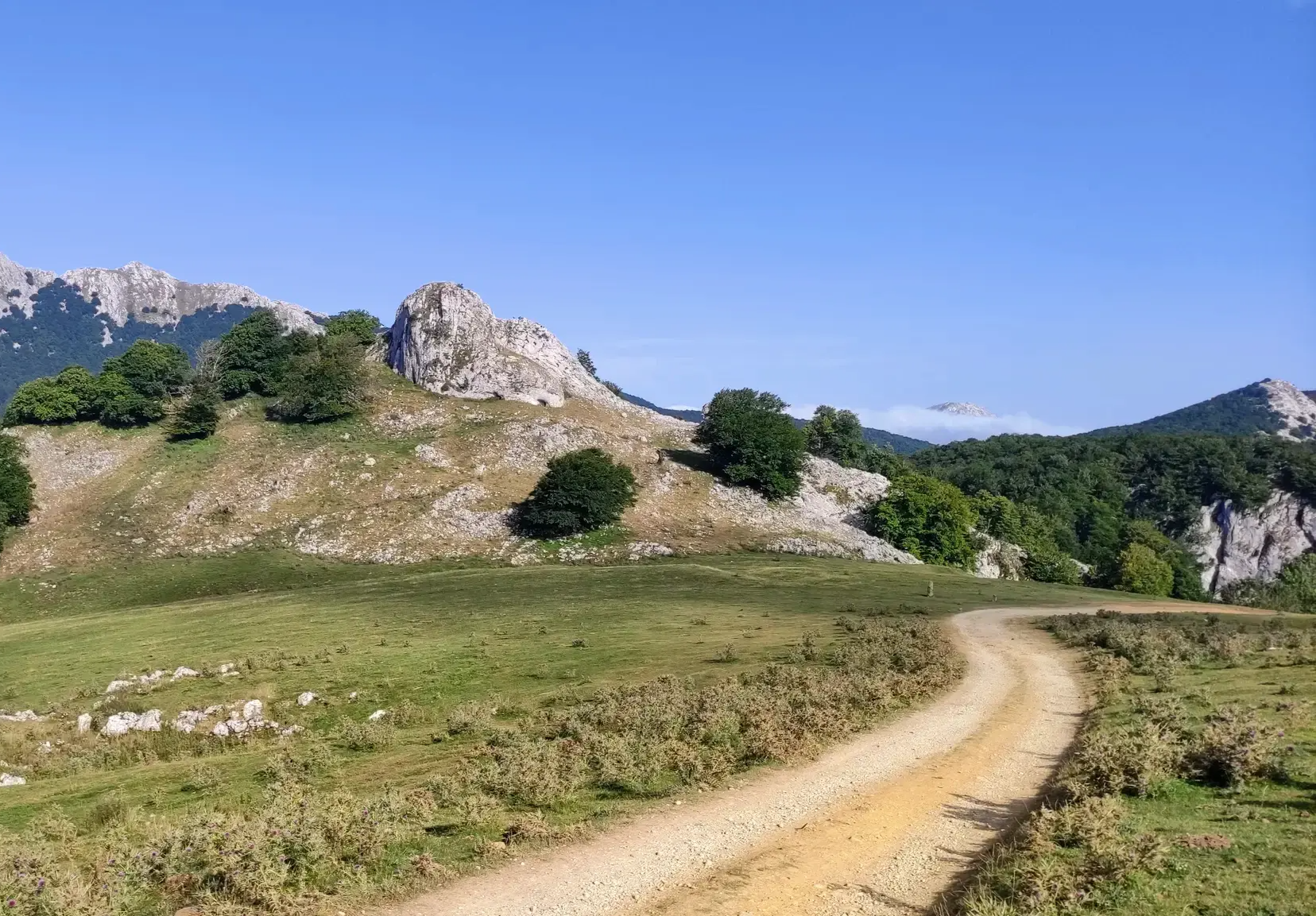
The Ignatian Way - In the footsteps of Ignatius of Loyola
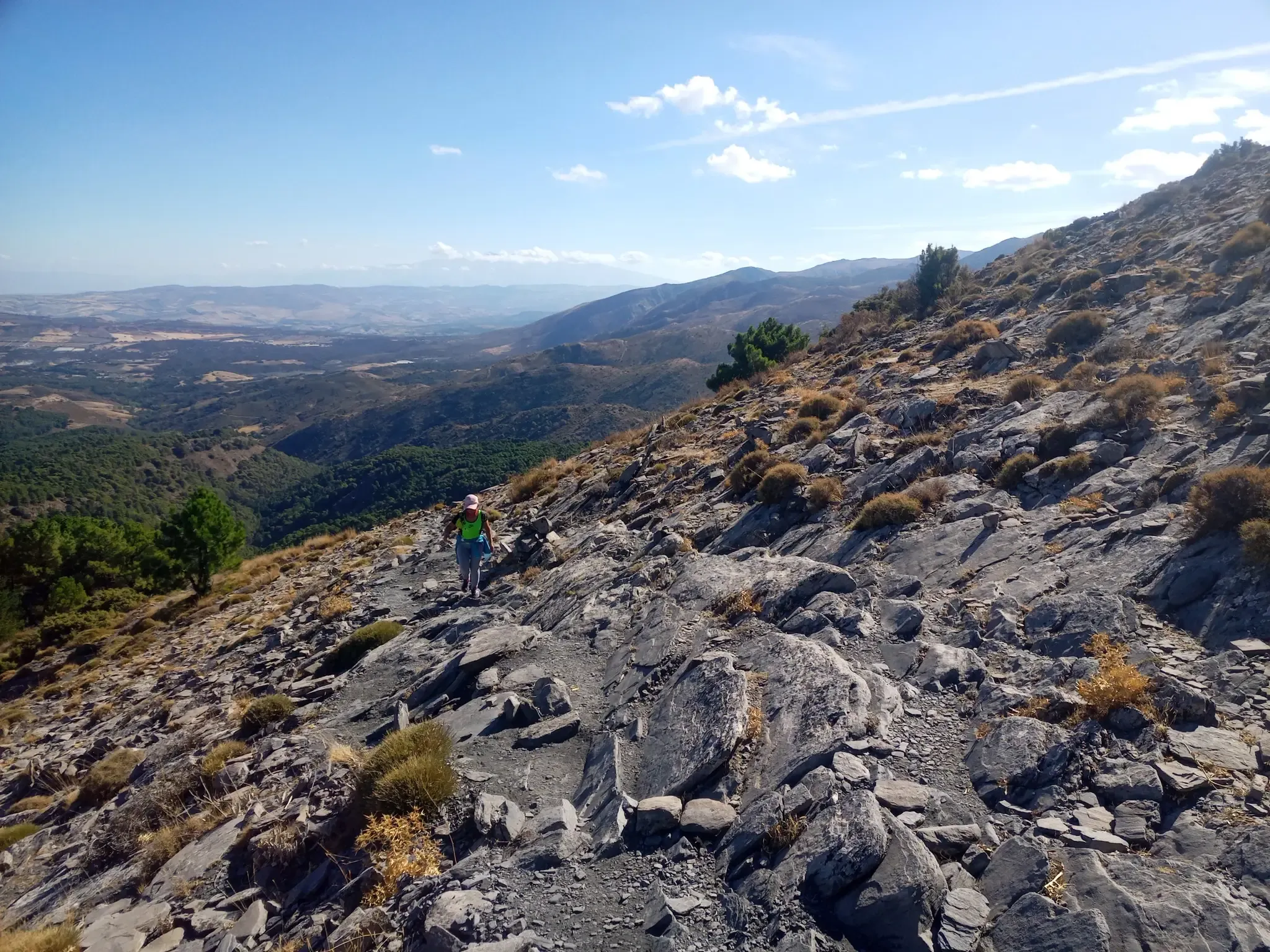
12 hiking gems throughout Spain
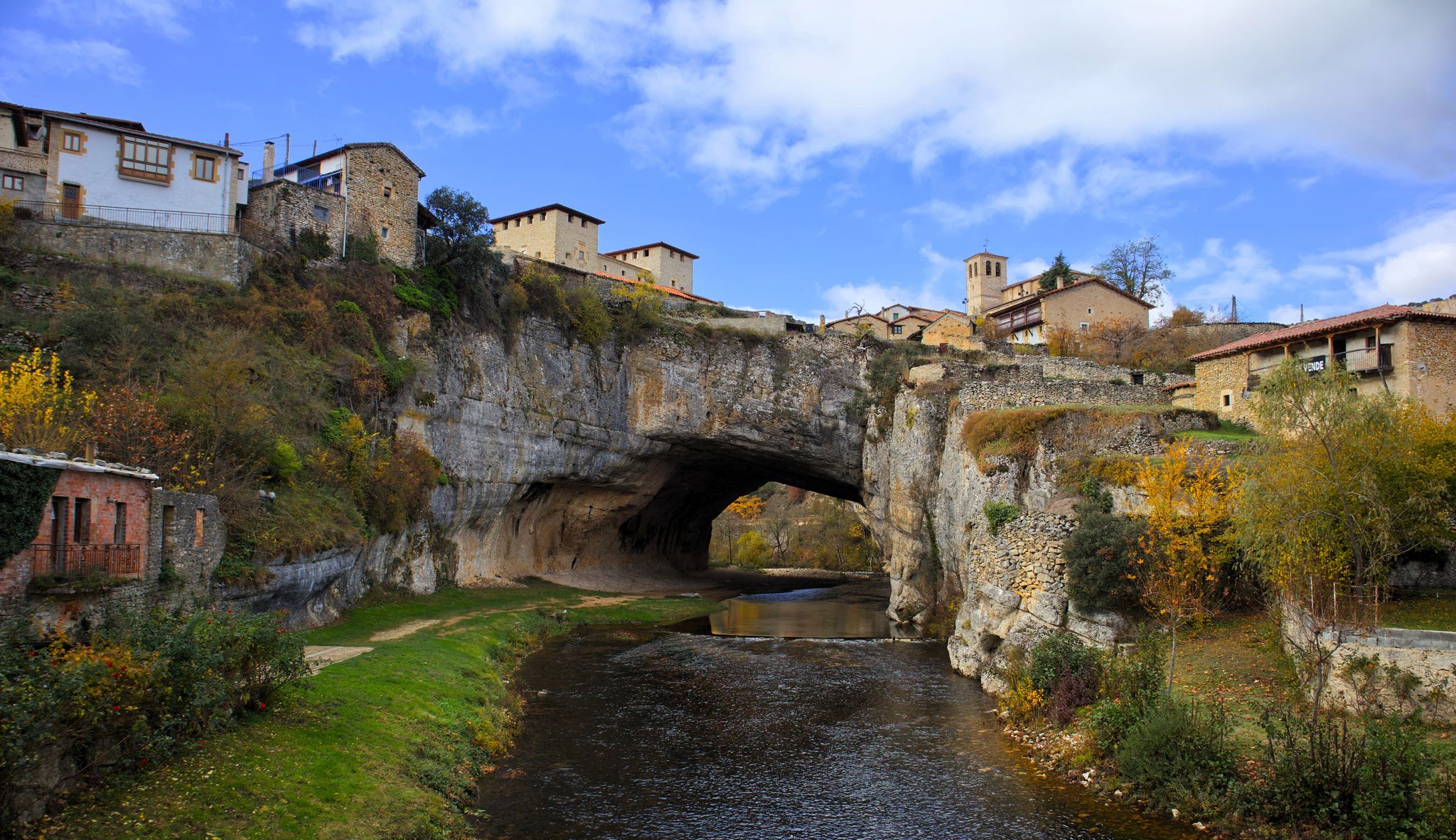
Endless valleys and historic villages – Route of the Senses (GR 85)
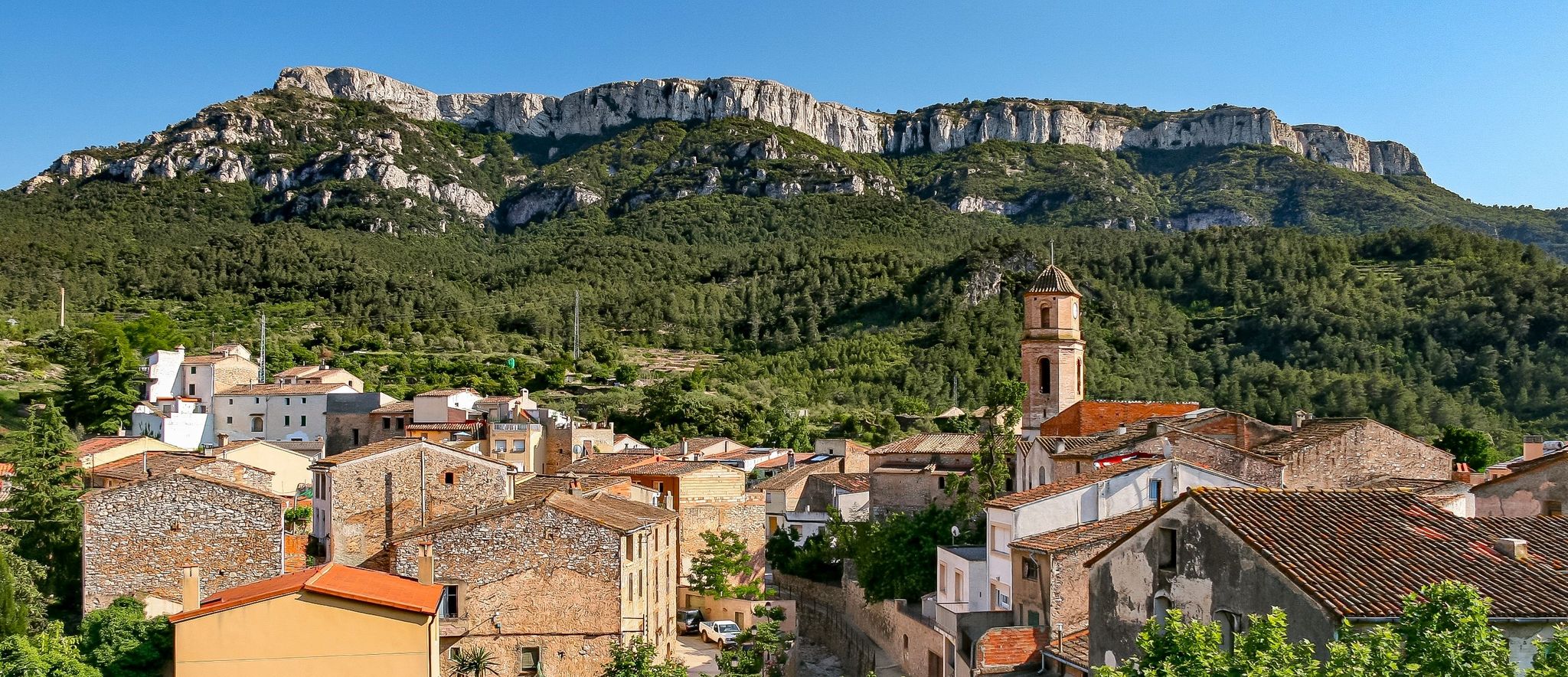
A land of contrasts – Tarragona to the Pyrenees on the GR 7
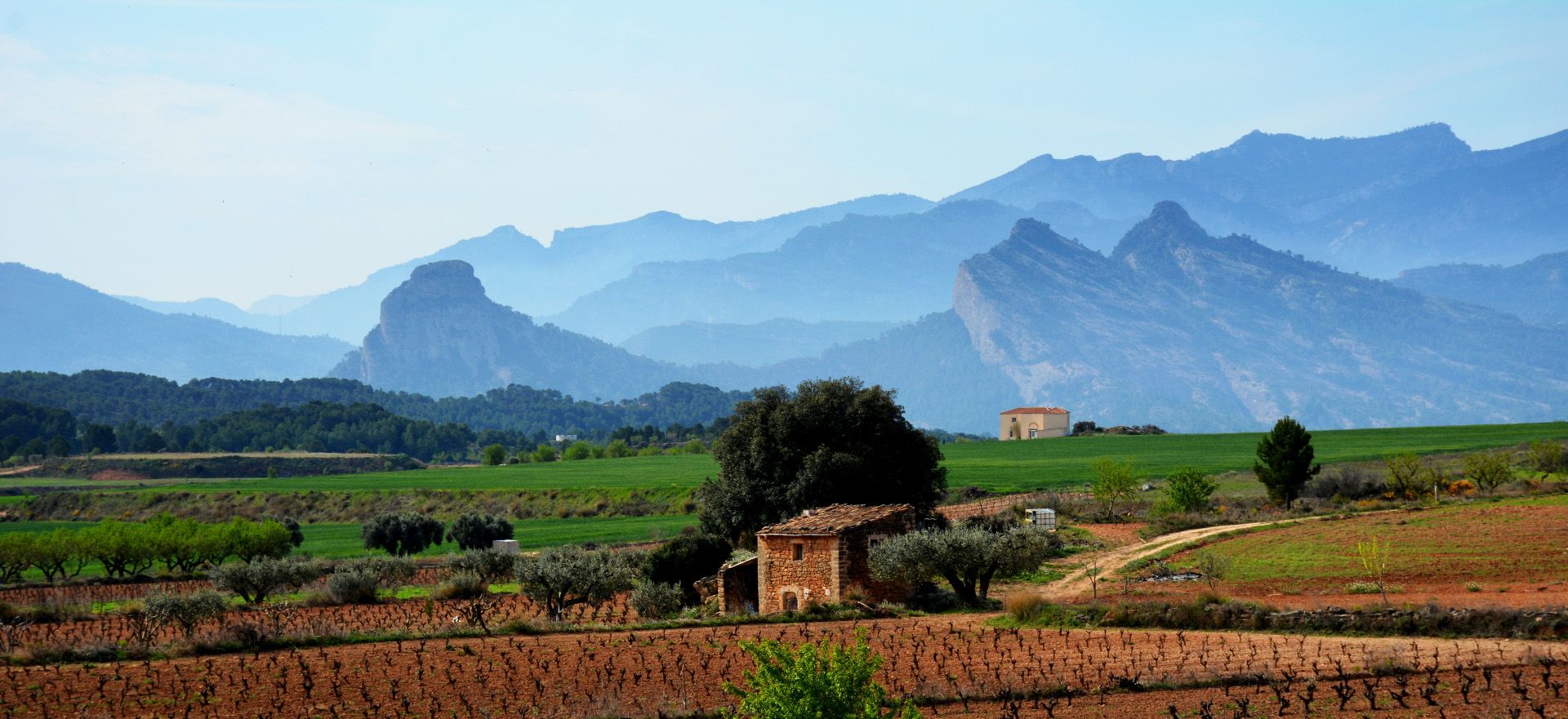
From the heart of southern Catalonia – GR 171
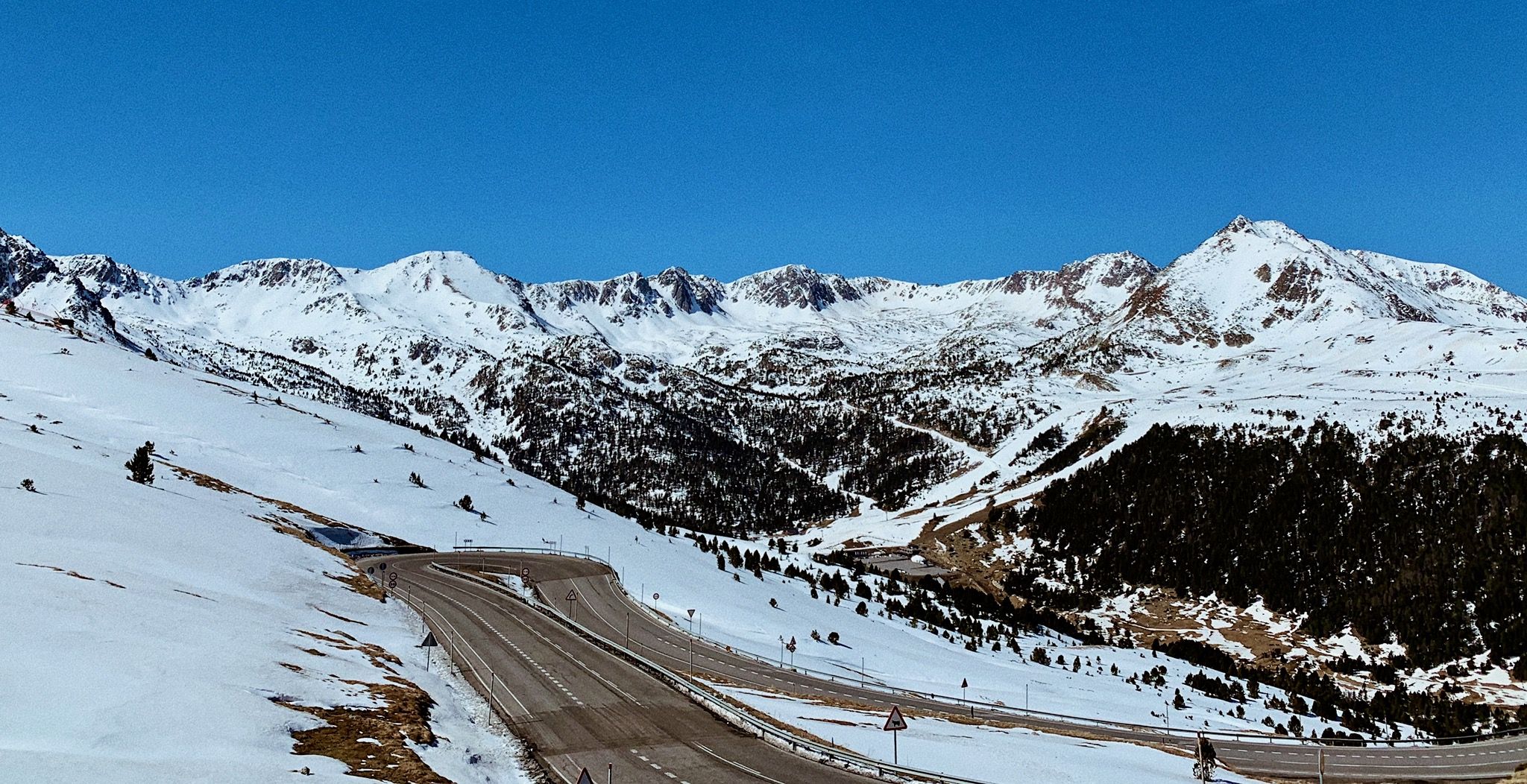
Valencia to Toulouse — Riding over the Pyrenees
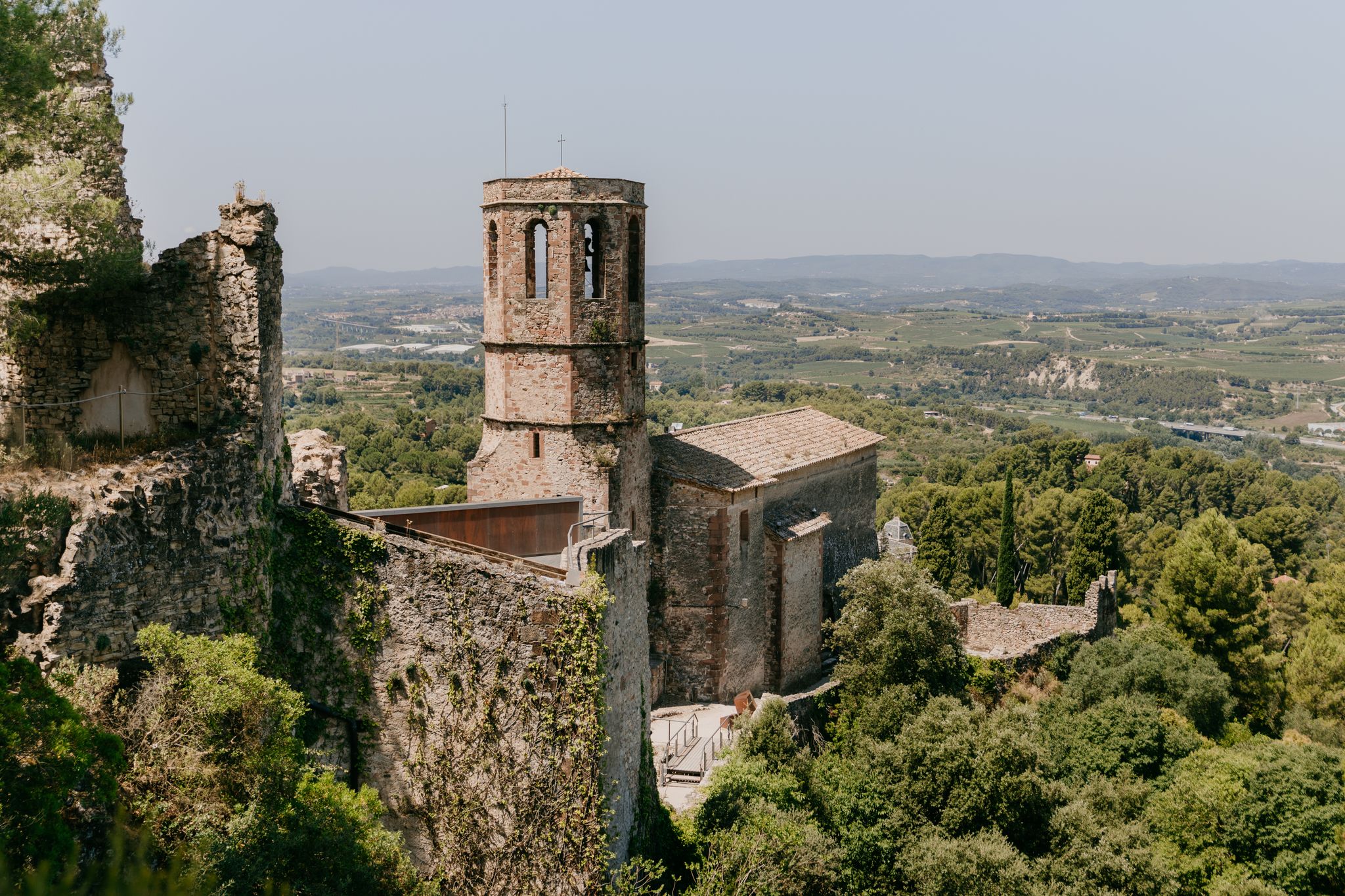
Catalonia by bike — Itineraries between culture and nature
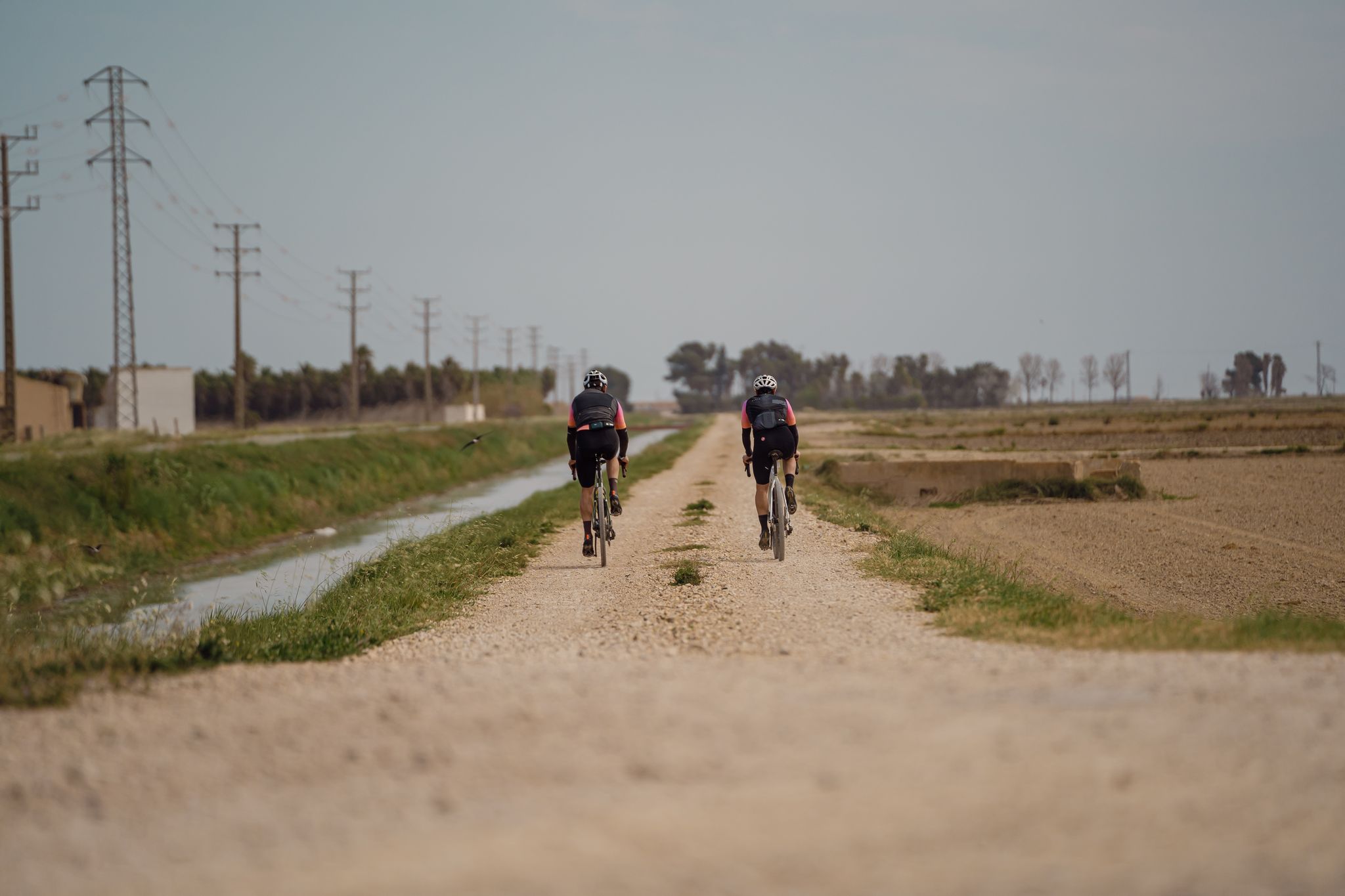
Discover Catalonia on a gravel bike
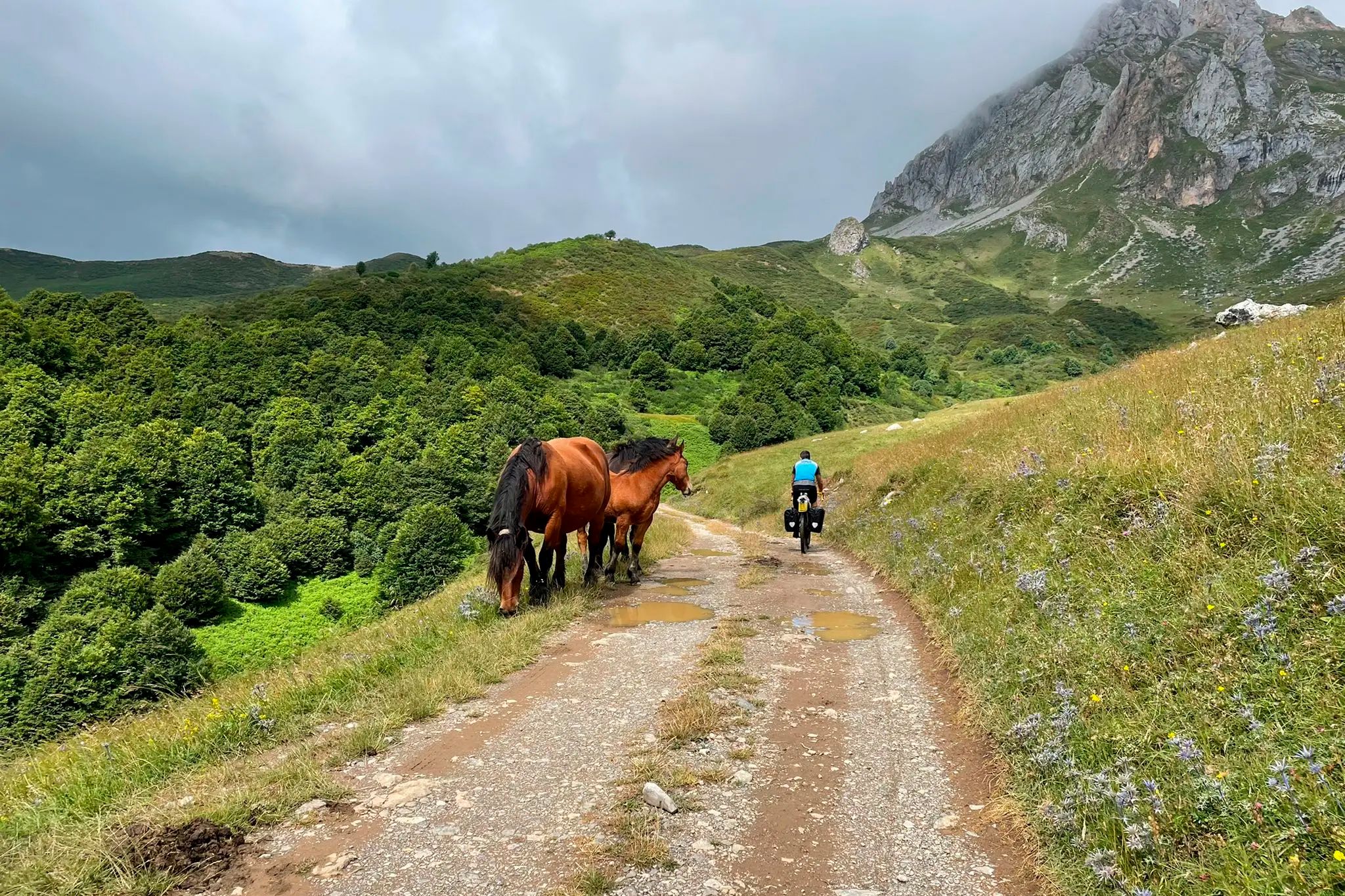
TransCantabrica – Extreme mountain biking in northern Spain
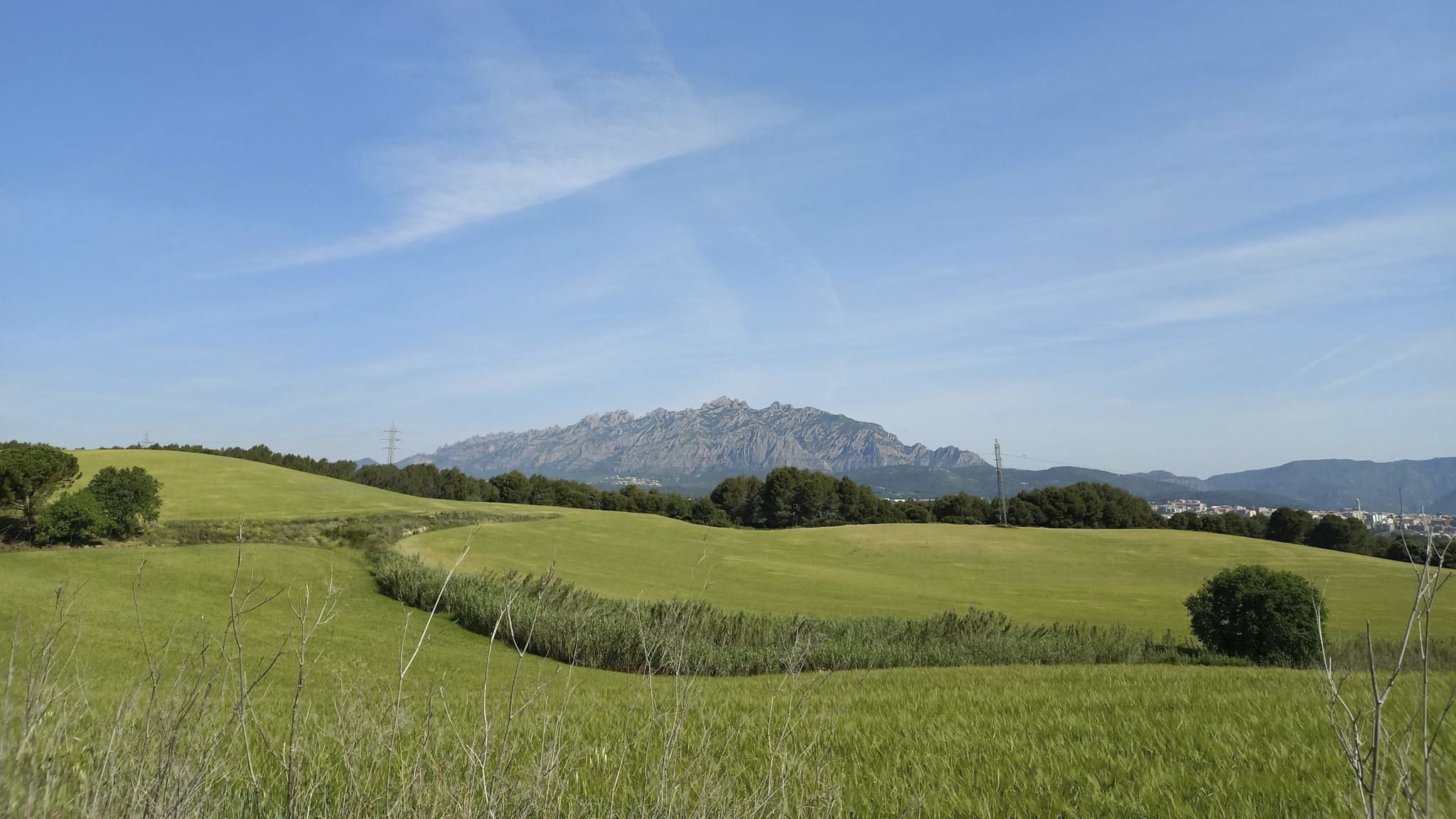
Ancestral gravel – Camino Real from Zaragoza to Barcelona
Other adventures around the Ebro


Tips from the Community

The highlight of Zaragoza. A visit is a must for its historical significance, the beauty of the basilica, and the fact that it is still active. But be prepared for crowds, often with poor manners. The Basilica of Our Lady of the Pillar: one of the two metropolitan cathedrals of the Archdiocese of Zaragoza, along with the Cathedral of the Savior. The documented history of the temple dates back to the 9th century, when the existence of a Mozarabic church in Saraqusta dedicated to Saint Mary is attested, on the same site where the Baroque basilica now stands. Architecturally, the basilica is structured with three naves resting on robust pillars. The exterior is made of brick. Free admission.
2
0

The sculpture known as the Head of Ferdinand is part of the Monument to Ferdinand the Catholic, an imposing work located in Zaragoza.
2
0
It is one of Zaragoza's most emblematic squares, where you will find: The Cathedral of the Savior (La Seo) The entrance to the Forum Museum Views of the Zuda Tower and the Stone Bridge Very close to the Basilica of Our Lady of the Pillar
3
1
Cathedral of the Savior on the Epiphany. One of the two cathedrals of Zaragoza, very close to each other. Built on the site of the ancient Roman forum of Caesaraugusta and the main mosque, whose minaret still bears the imprint of the current tower. Romanesque style (12th century), integrated into the former main mosque, and has undergone many renovations and expansions until 1704, the year in which the Baroque capital was placed atop the tower. While the exterior is monumental, there is an entrance fee for the interior.
1
0

It's still just a bike lane on a 6-lane avenue, but any bridge that crosses the Ebro is worth a stop, and the architecture of this one is quite impressive (I seem to remember that at the time it was the largest concrete arch built in Spain).
0
0

Of the two cathedrals in Zaragoza, for me it is the most beautiful.
1
0

Very spacious and beautifully designed space for the public.
7
1
Frequently Asked Questions
How many urban hiking trails are available in the Ebro region?
The Ebro region offers over 130 urban hiking routes. Many of these are easy, with 76 trails suitable for beginners, while 50 are moderate, and a few are more challenging.
Are there easy urban walks suitable for beginners or families in the Ebro region?
Yes, the Ebro region has a wide selection of easy urban walks. For instance, the Historic center of Zaragoza — circular from Av. de Cataluña is an easy 6.8 km loop, perfect for a relaxed stroll. Another great option is the Route of the Three Cultures, a 5 km easy route.
Can I find circular urban hiking routes around the Ebro?
Absolutely. Many urban trails in the Ebro region are designed as circular routes, allowing you to start and finish at the same point. Examples include the Historic center of Zaragoza — circular from Av. de Cataluña and the Zaragoza Central Market – Stone Bridge loop from Zaragoza.
What kind of landmarks and historical sites can I see on urban hikes in the Ebro region?
Urban hikes along the Ebro often pass by significant historical and cultural landmarks. For example, the Aljafería Palace – Third Millennium Bridge loop from Zaragoza-Portillo takes you past the impressive Aljafería Palace. You can also explore sites like the Roman Forum Museum on routes such as the Roman Forum Museum – Zaragoza Central Market loop. The medieval village of Miravet, with its Templar castle, also offers historical attractions.
Are there any natural features or viewpoints to enjoy on urban trails along the Ebro?
While urban trails focus on cityscapes, the Ebro River itself provides a prominent natural feature. Many routes offer views of the river and its bridges. The Ebro Delta Natural Park, though largely flat, is known for its tranquil lagoons and coastal sand dunes where the river meets the Mediterranean Sea, offering unique natural vistas and birdwatching opportunities. The Zigurat Viewpoint in Riumar provides panoramic views of the delta.
Is urban hiking in the Ebro region suitable for families with children?
Yes, many urban hikes in the Ebro region are family-friendly, especially the numerous easy routes. The Ebro Delta, for example, features the Riumar Family Itinerary, a 7.1 km path perfect for families. These trails often have minimal elevation gain and are well-suited for all ages.
Are urban hiking trails in the Ebro region dog-friendly?
Many urban trails in the Ebro region are suitable for dogs, especially those along river paths and in less crowded areas. It's always recommended to keep dogs on a leash and check local regulations for specific parks or protected areas within the urban environment.
What is the best time of year for urban hiking in the Ebro region?
Spring and autumn generally offer the most pleasant weather for urban hiking in the Ebro region, with mild temperatures. Summers can be hot, especially in inland cities like Zaragoza, so early mornings or late afternoons are preferable. Winters are typically mild, making urban walks enjoyable year-round, though some mountainous areas like Mont Caro can see snow.
How can I access urban hiking trails in the Ebro region using public transport?
Many urban hiking trails in cities like Zaragoza are easily accessible via public transport, including buses and trams, which connect to various starting points. For routes within smaller towns or natural parks, local bus services might be available, but checking schedules in advance is advisable.
Where can I find parking for urban hikes in the Ebro region?
In urban centers, public parking garages and street parking are generally available near trailheads or points of interest. For routes that venture slightly out of the city, designated parking areas are often provided. It's recommended to check specific route details for parking information.
What do other hikers say about the urban trails in the Ebro region?
The urban hiking trails in the Ebro region are highly rated by the komoot community, with an average score of 4.45 stars from over 1,100 reviews. Hikers often praise the accessibility of the routes, the blend of historical sights with river views, and the opportunity to explore cities like Zaragoza on foot.
Are there any waterfalls or unique water features near the urban hiking routes?
While urban routes focus on city environments, the wider Ebro region is home to notable water features. The Turquoise Pools and Waterfalls of Orbaneja del Castillo are a significant natural attraction further upstream in the Alto Ebro, offering stunning cascades and karstic springs. The Ebro Delta also features tranquil lagoons and the river's meeting point with the Mediterranean Sea.
Most popular routes around the Ebro
Most popular attractions around the Ebro

Get inspired with the komoot mobile app


Explore more
Browse the best Hikes in other regions.
