The best mountain hikes around the Ebro
4.0
(2)
15
hikers
2
hikes
Mountaineering routes around the Ebro traverse a landscape characterized by varied terrain, including mountainous areas and river valleys. The region offers a mix of challenging ascents and moderate paths, with elevations reaching over 1,300 meters. These routes often feature rocky outcrops, forested sections, and panoramic views of the surrounding natural environment. The Ebro valley provides a diverse setting for outdoor activities, appealing to those seeking both demanding climbs and more accessible mountain trails.
Best mountaineering routes around the Ebro
- The…
Last updated: July 1, 2026
5
hikers
Moderate mountaineering route. Good fitness required. Easily-accessible paths. Suitable for all skill levels.
3
hikers
13.2km
05:05
650m
650m
Hard mountaineering route. Very good fitness required. Sure-footedness, sturdy shoes and alpine experience required.

Sign up for free
5
hikers
11.8km
03:39
430m
430m
Moderate mountaineering route. Good fitness required. Easily-accessible paths. Suitable for all skill levels.
5.0
(1)
1
hikers
7.43km
02:51
500m
500m
Moderate mountaineering route. Good fitness required. Easily-accessible paths. Suitable for all skill levels.
3.0
(1)
1
hikers
3.67km
01:37
250m
250m
Hard mountaineering route. Great for any fitness level. Sure-footedness, sturdy shoes and alpine experience required.
Our route recommendations are based on thousands of hikes, rides, and runs completed by other people on komoot.
Start today with a free account
Your next adventure awaits.
Login or Signup
Popular around Ebro
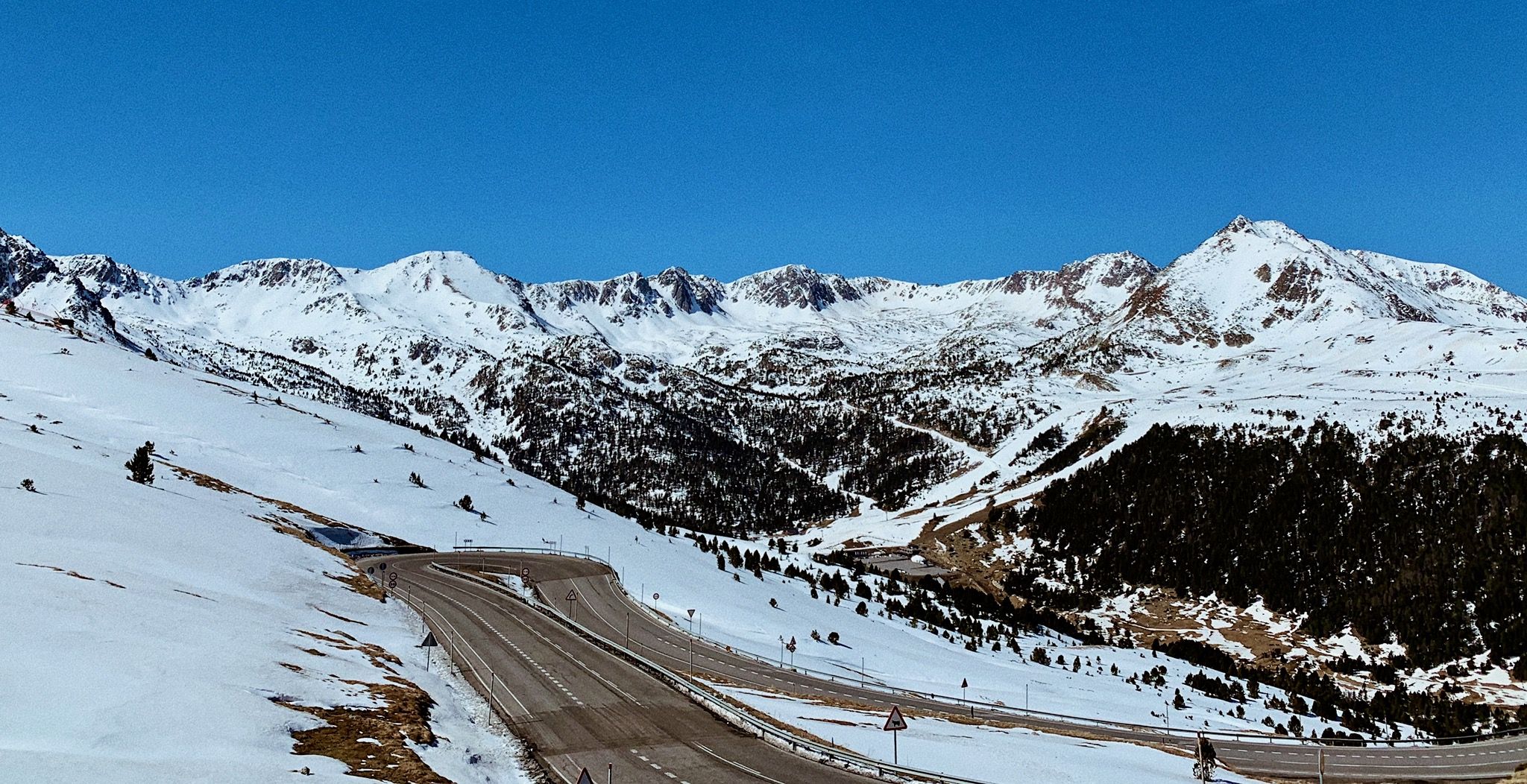
Valencia to Toulouse — Riding over the Pyrenees
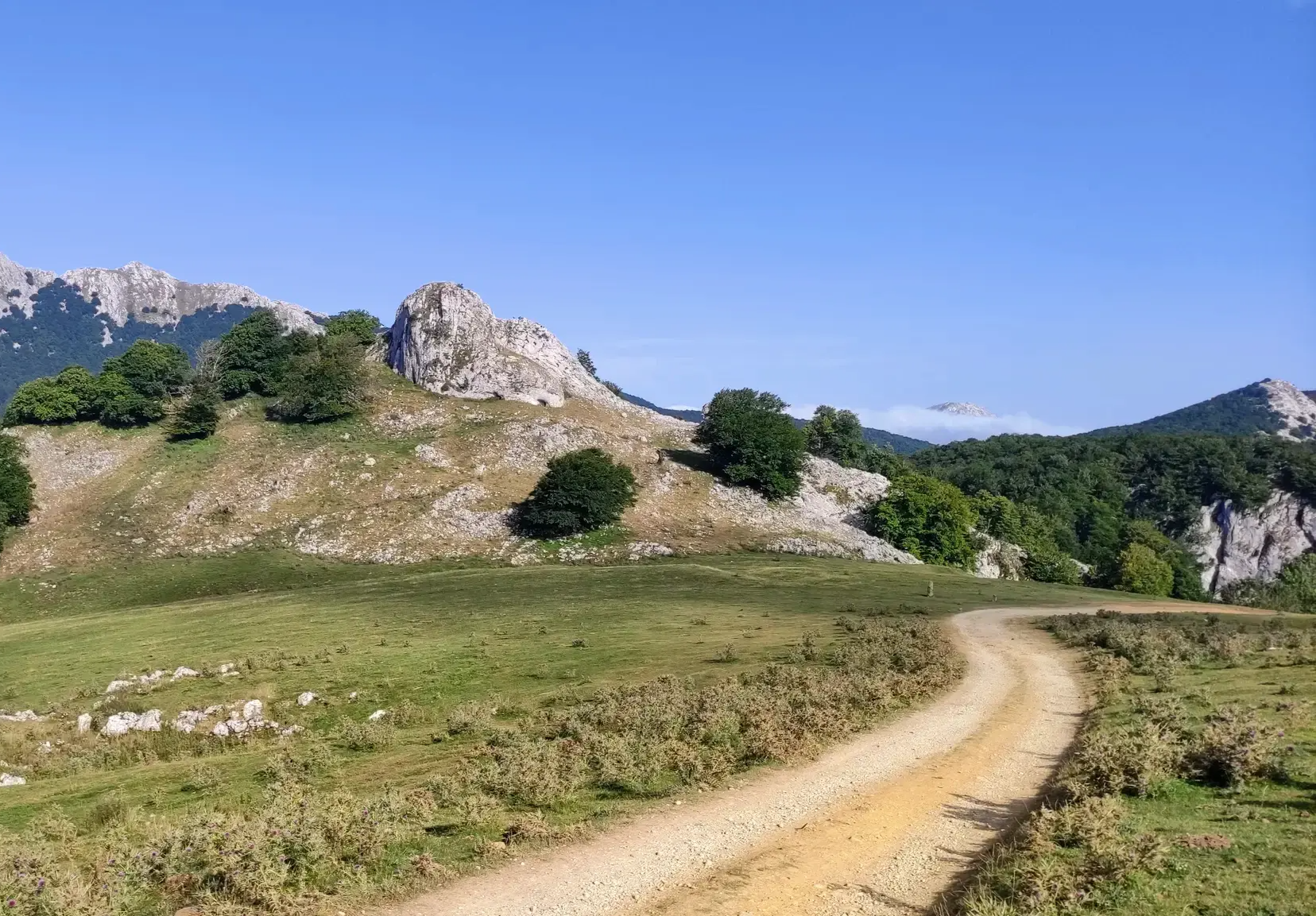
The Ignatian Way - In the footsteps of Ignatius of Loyola
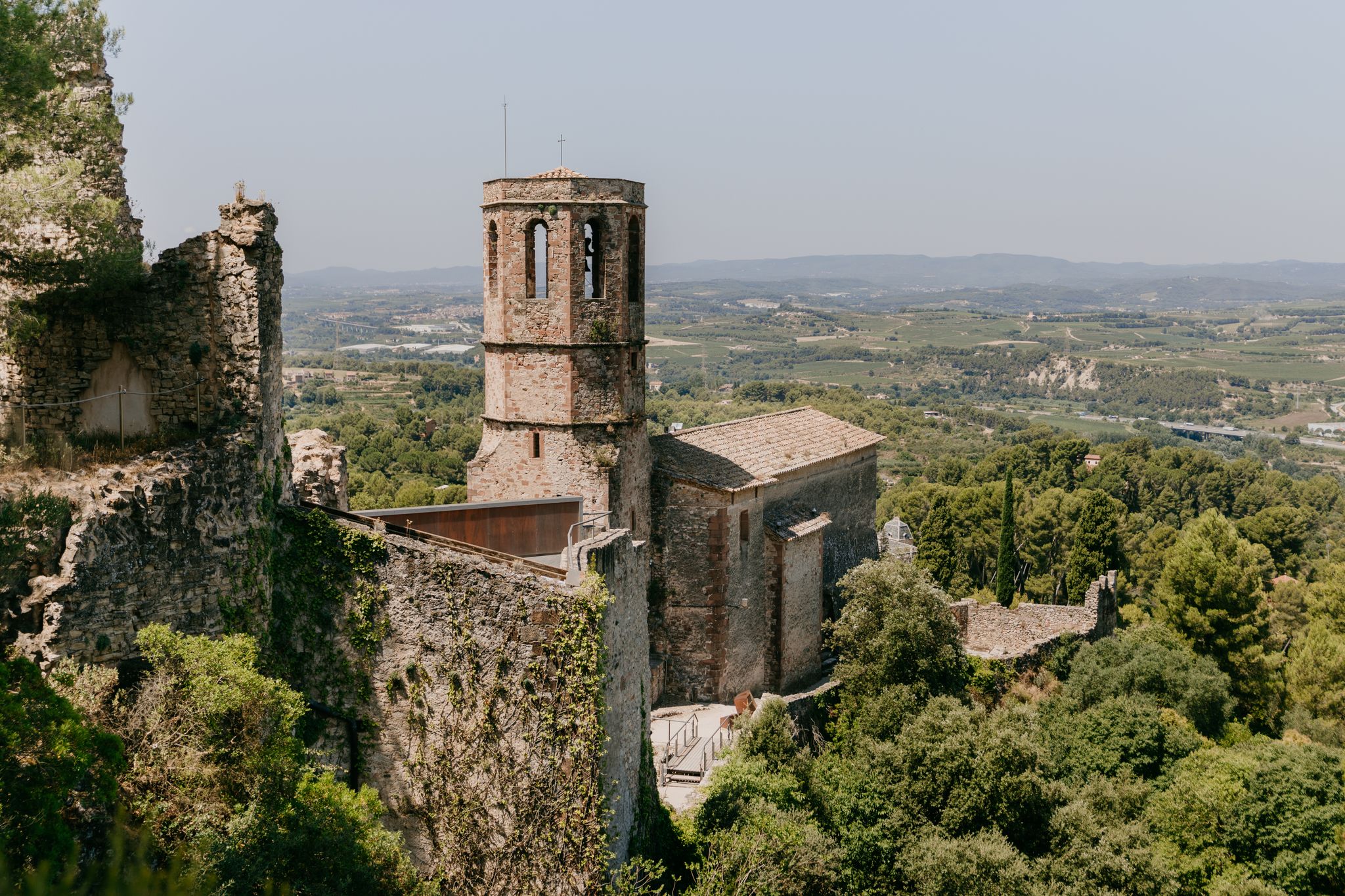
Catalonia by bike — Itineraries between culture and nature
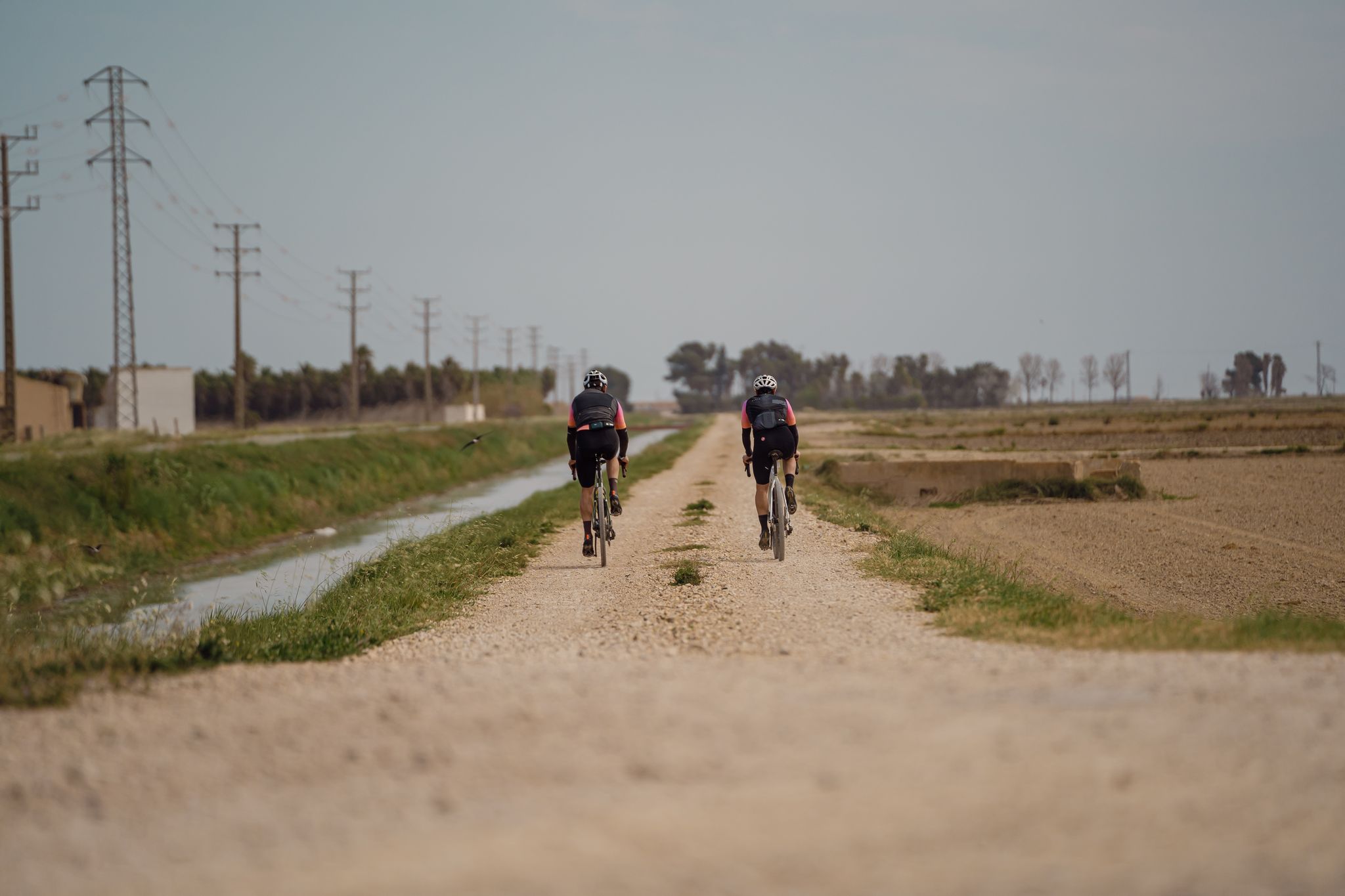
Discover Catalonia on a gravel bike
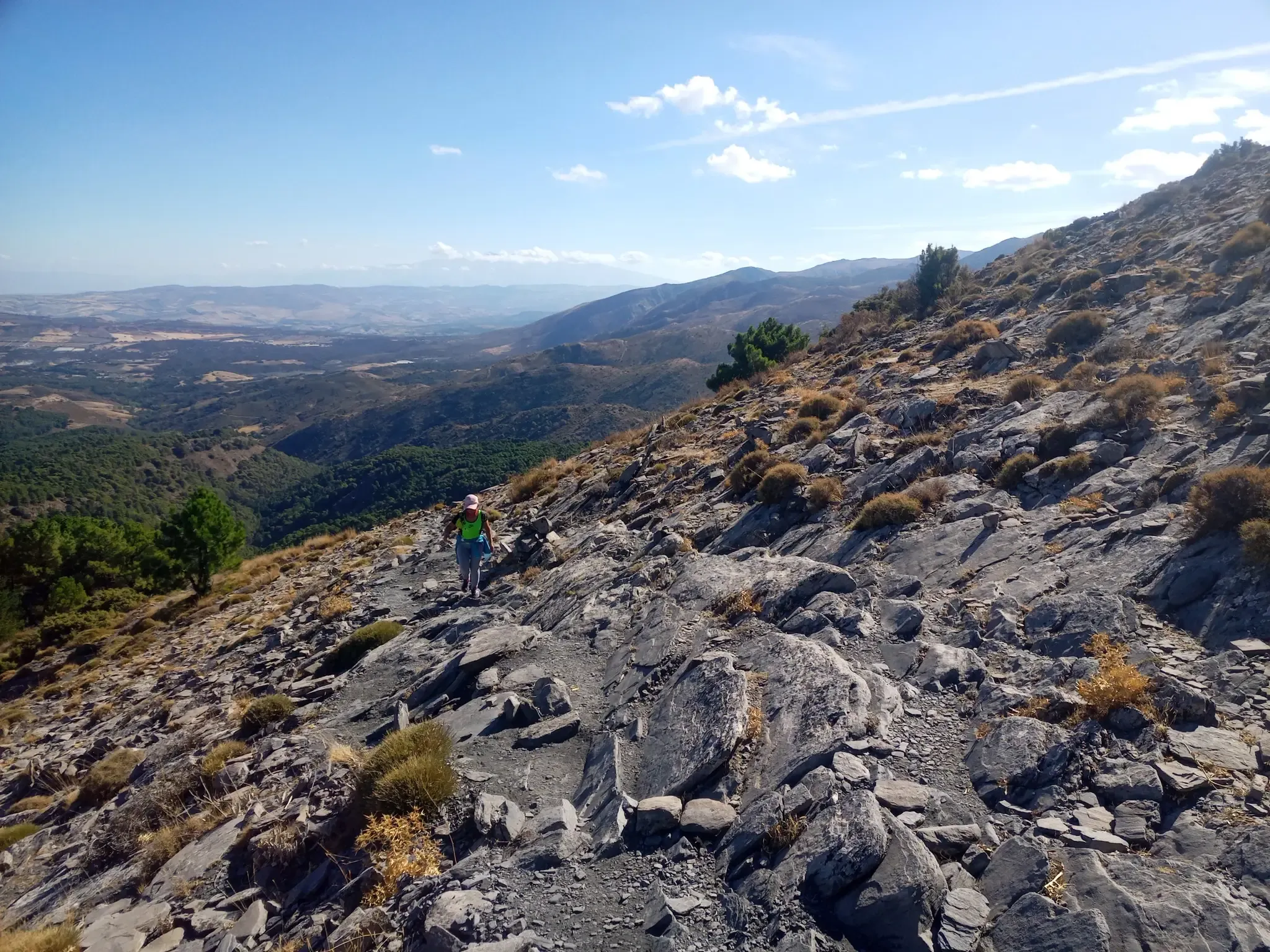
12 hiking gems throughout Spain
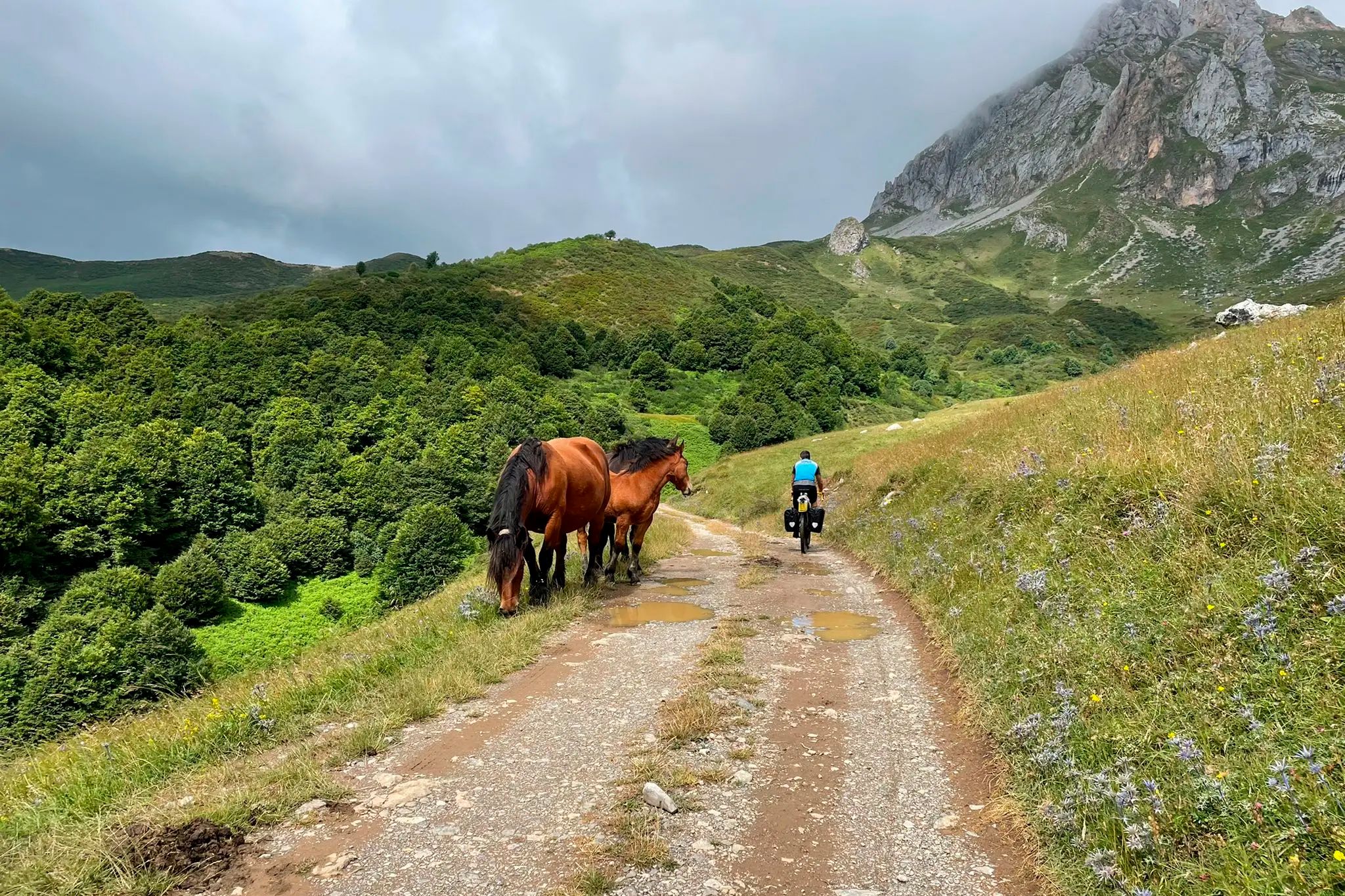
TransCantabrica – Extreme mountain biking in northern Spain
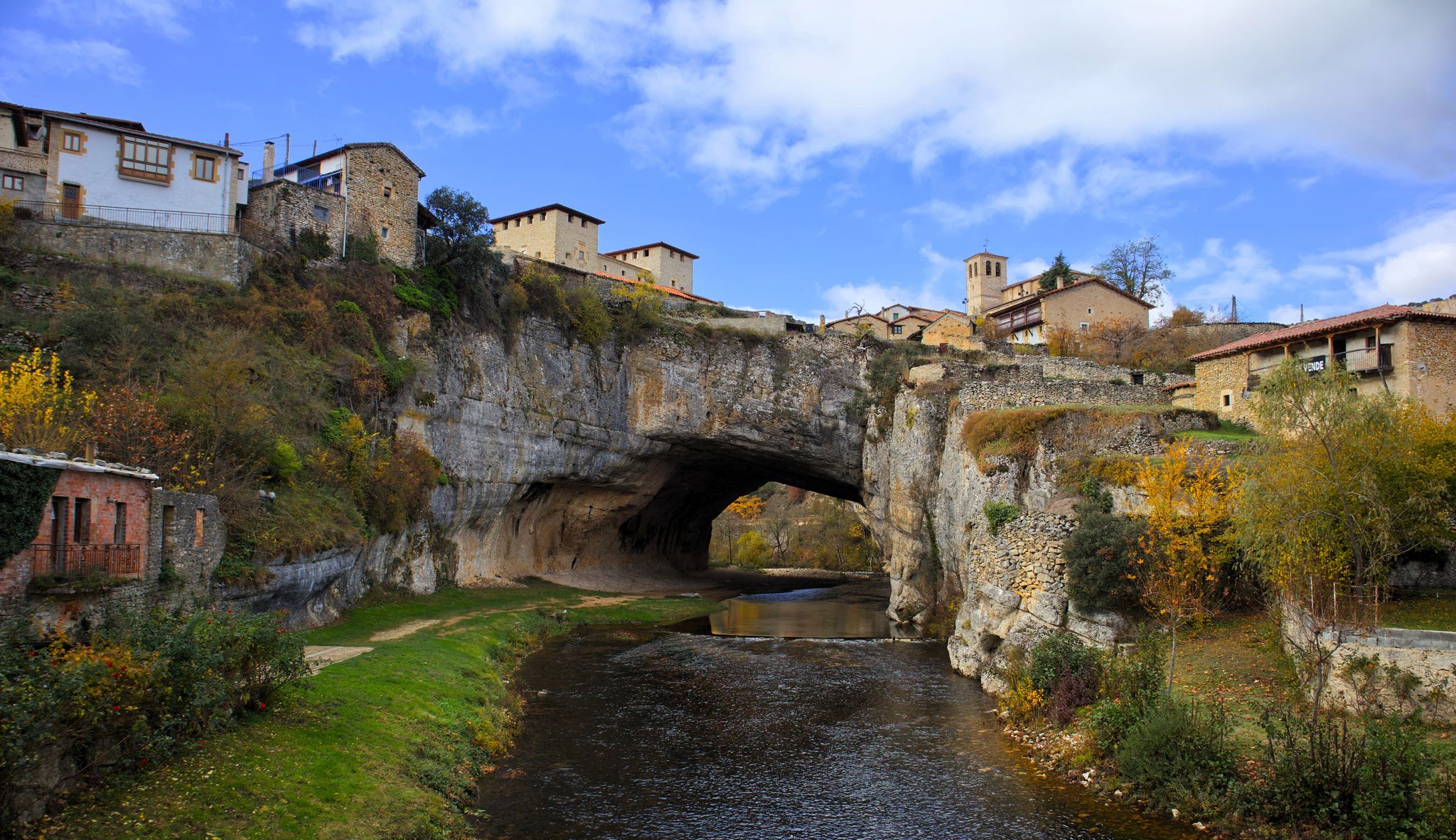
Endless valleys and historic villages – Route of the Senses (GR 85)
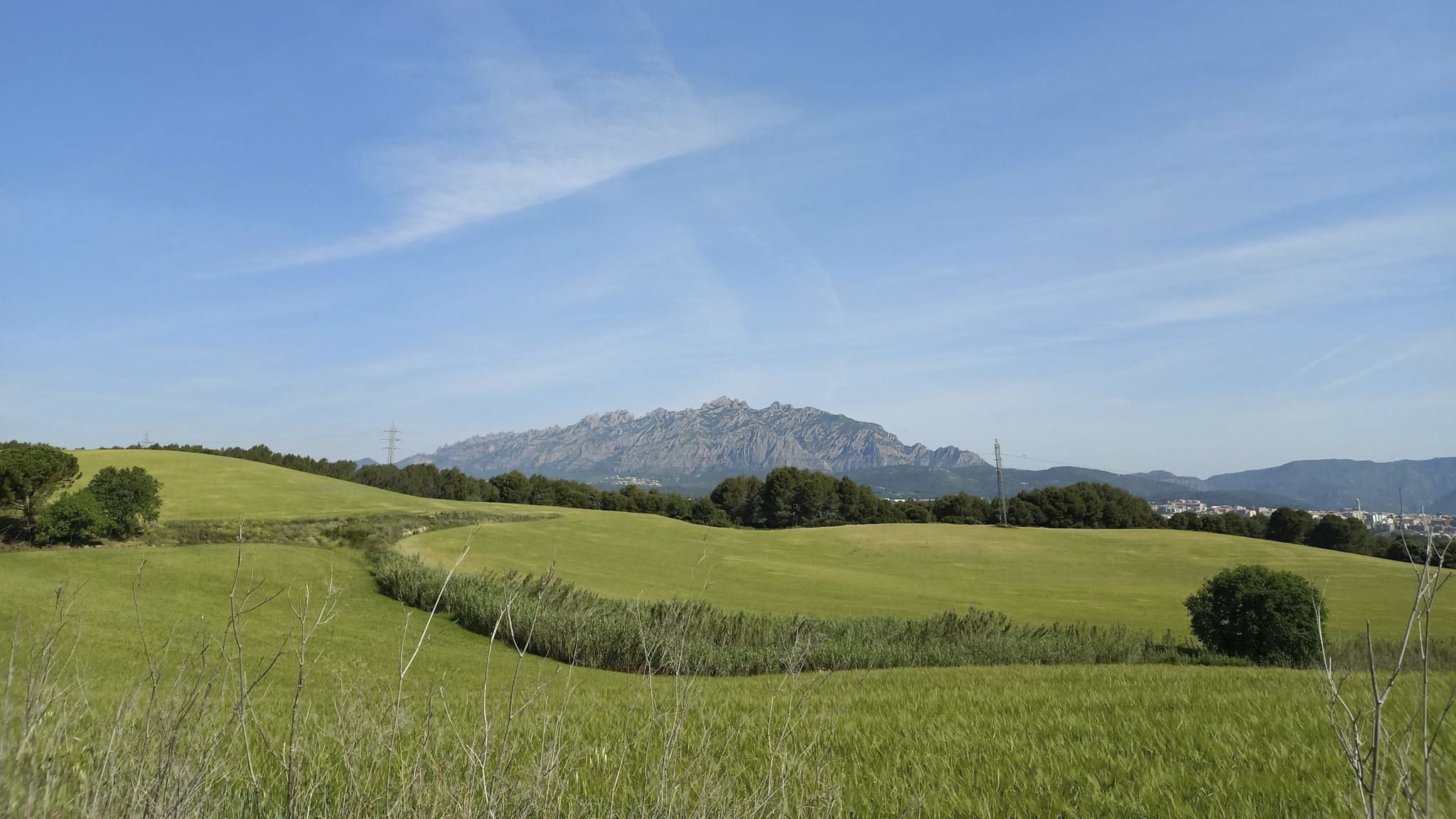
Ancestral gravel – Camino Real from Zaragoza to Barcelona
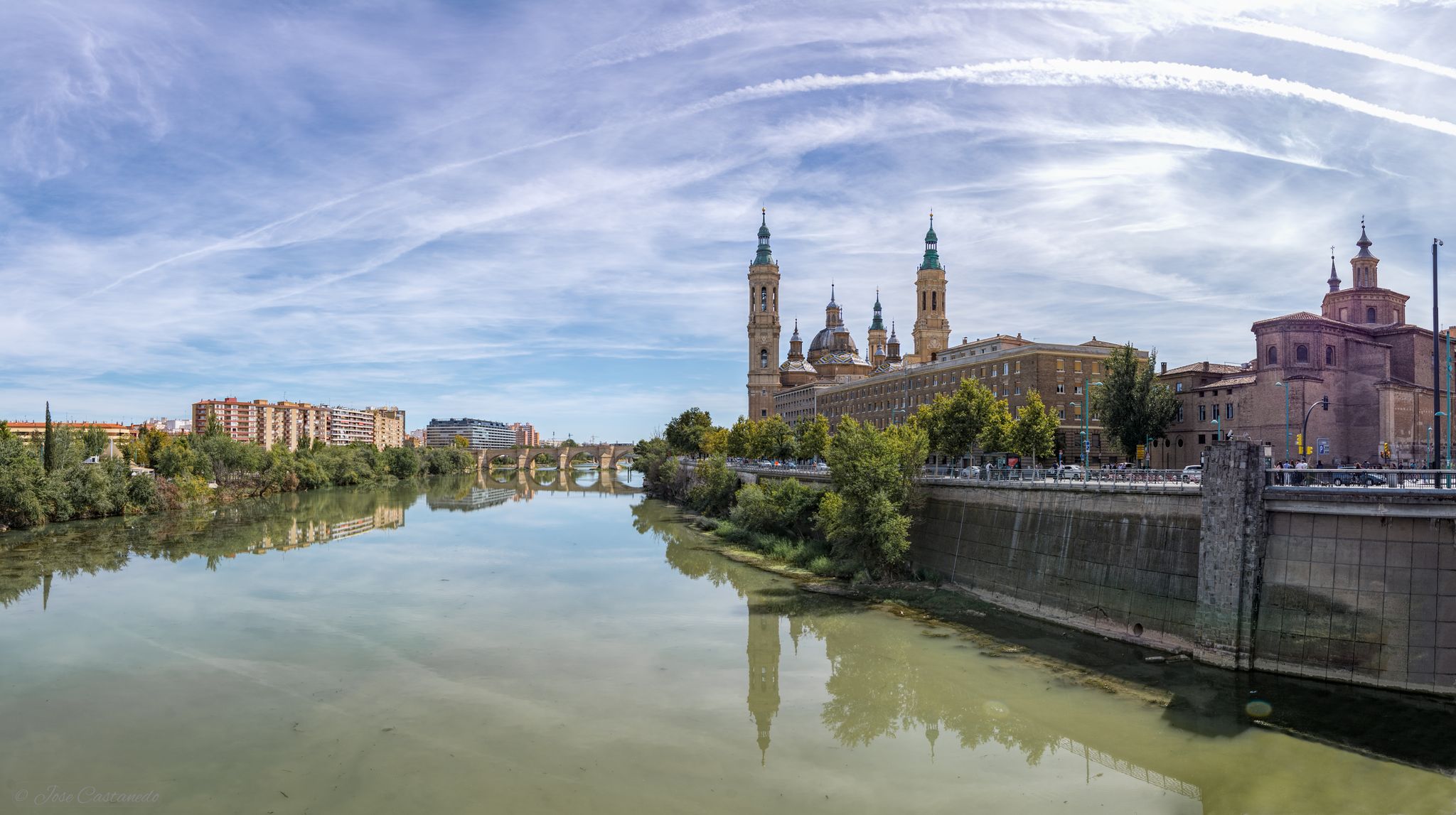
A river getaway – Ebro Natural Trail (GR 99)
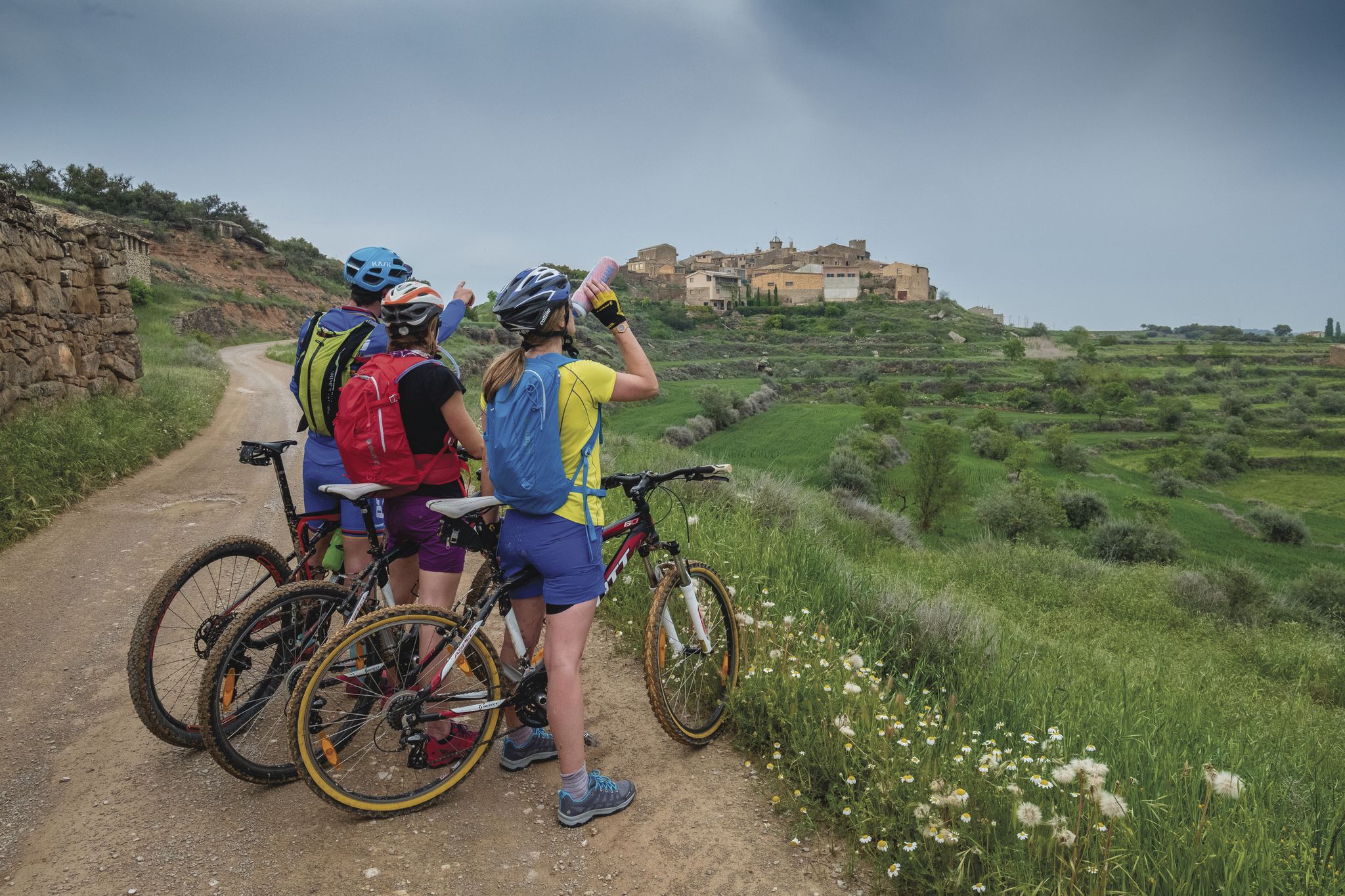
Bikepacking in Catalonia
Other adventures around the Ebro


Tips from the Community

Don't forget the 📷
0
0

Unfortunately it's already very overgrown, but it's a very interesting insight into the past.
0
0
Some alpine hiking experience is required. While the trails are all manageable, they are a bit slippery in places due to loose scree. However, with hiking poles and proper hiking boots, the route is easily manageable. There are some sections through shady forest areas at the beginning, and further up, the trail opens up into the sun. Be sure to bring plenty of water. The summit offers fantastic panoramic views. A worthwhile hike for us. ...
0
0

I walked this route today It is a beautiful walk and the view of La Foradada is phenomenal. Up to this point it is relatively easy walking, after that a very tough descent begins with a lot of climbing over steep slopes and narrow paths If you have no (mountain) walking experience, are afraid of heights and/or are not 'trittsicher' I would not recommend this walk Good shoes are a must and walking sticks are recommended. Furthermore, I adjusted the route at the end; once on the dirt road (last part) I walked straight ahead At a certain point, in sight of the P, you can reach the other side via a path. It is very nice to walk, at the end
0
0


I advise reaching it from the south side, from Laguardia, in winter, and from the north side, from Lagrán, in the summer.
3
0

If you are interested in an "alpine" hike, you should definitely take the summit path from Puerto de Toro.
1
0

Characteristic summit of the Sierra de Toloña near Mount San Tirso. It is a steep peak that has the shape of a bishop's hat, from which the name comes.
1
0
Frequently Asked Questions
How many mountaineering routes are available in the Ebro region?
This guide features 8 distinct mountaineering routes in the Ebro region, offering a variety of experiences from moderate to difficult ascents. These routes traverse diverse landscapes, including mountainous areas and river valleys.
Are there any moderate mountaineering routes suitable for those with some experience?
Yes, the Ebro region offers several moderate mountaineering paths. For example, the Bassa del Coscoll – Punta de la Buinaca loop from la Collada is a moderate 5.6-mile trail. Another option is the Ruins of the Mas de Mata-Redona – Mas Mata-redona loop from Area recreativa de la Mundana, a 7.4-mile path featuring varied terrain.
What kind of natural attractions can I expect to see along the mountaineering routes in Ebro?
The Ebro region is rich in natural beauty. You might encounter stunning geological formations like the Orbaneja del Castillo Rock Formations, dramatic Cliffs of Lapuebla de Labarca, or picturesque Turquoise Pools and Waterfalls of Orbaneja del Castillo. Many routes also offer panoramic views, such as the View of the Ebro Valley from Coll de Miravet.
Are there any circular mountaineering routes in the Ebro region?
Yes, many of the mountaineering routes in the Ebro region are circular, allowing you to start and end at the same point. Examples include the challenging Bonete de San Tirso – San Tirso Peak (1,333 m) loop from Navarrete, or the moderate Cueva del Cobre loop from Parking Cueva del Cobre.
What do other mountaineers enjoy most about the Ebro region?
The Ebro region's mountaineering routes are highly rated by the komoot community, with an average score of 4.3 stars. Reviewers often praise the diverse landscapes, from rocky outcrops to forested sections, and the rewarding panoramic views. The variety of terrain and options for different ability levels are also frequently highlighted.
Are there any particularly challenging mountaineering routes for experienced hikers?
For experienced mountaineers seeking a challenge, the Ebro region offers difficult routes with significant elevation gains. Consider the Bonete de San Tirso – San Tirso Peak (1,333 m) loop from Navarrete, an 8.2-mile trail with substantial ascent, or the Cruz del Castillo – Puerto del Toro loop from Lagrán, a 3.8-mile route with over 500 meters of elevation gain.
Can I find routes that offer views of the Ebro River or its valleys?
Absolutely. The Ebro valley is a defining feature of the region, and many routes offer stunning vistas. The View of the Ebro Valley from Coll de Miravet is a notable highlight, and routes often traverse areas where you can appreciate the river's influence on the landscape.
Are there any routes that pass by interesting historical or cultural points?
While the focus is on natural landscapes, some routes may pass near historical remnants. For instance, the Ruins of the Mas de Mata-Redona – Mas Mata-redona loop from Area recreativa de la Mundana incorporates historical elements into its path. Additionally, you might encounter small settlements like Quecedo de Valdivielso near some mountain passes.
What is the typical duration for mountaineering routes in the Ebro region?
The duration varies significantly based on the route's length and difficulty. Moderate routes like the Bassa del Coscoll – Punta de la Buinaca loop typically take around 3 hours. More challenging and longer routes, such as the Bonete de San Tirso – San Tirso Peak loop, can take approximately 5 hours or more to complete.
Are there any routes that offer a good mix of forest and open mountain terrain?
Yes, the Ebro region is known for its diverse terrain, often blending forested sections with more exposed rocky outcrops and open mountain views. Routes like the Racó Mamadits – la Foradada loop from Area recreativa de la Mundana provide a good example of this varied landscape.
What are some of the highest points or peaks I can reach on these mountaineering routes?
The Ebro region offers routes that ascend to significant elevations. One notable peak is San Tirso Peak, which reaches 1,333 meters, accessible via the Bonete de San Tirso – San Tirso Peak (1,333 m) loop from Navarrete. Many routes provide views of the surrounding mountainous terrain, even if not summiting a named peak.
Most popular routes around the Ebro
Most popular attractions around the Ebro

Get inspired with the komoot mobile app


Explore more
Browse the best Mountain Hikes & Routes in other regions.
