The best family-friendly hikes and walks around the Ebro
4.5
(1416)
8,107
hikers
464
hikes
Family friendly hiking trails around the Ebro offer a diverse landscape where the Ebro River meets the Mediterranean Sea. The region is characterized by expansive wetlands, tranquil lagoons, and vast rice fields in the Ebro Delta, providing largely flat and accessible terrain. Further inland, the Ports de Tortosa-Beseit massif presents a rugged contrast with limestone mountains and varied elevations. This blend of coastal and mountainous environments provides a wide array of experiences for families.
Best family friendly hiking trails around…
Last updated: October 1, 2026
4.2
(24)
98
hikers
6.82km
01:47
50m
50m
Easy hike. Great for any fitness level. Easily-accessible paths. Suitable for all skill levels.
4.7
(30)
98
hikers
7.14km
01:48
10m
10m
Easy hike. Great for any fitness level. Easily-accessible paths. Suitable for all skill levels.

4.5
(26)
101
hikers
16.9km
04:56
420m
420m
Moderate hike. Good fitness required. Easily-accessible paths. Suitable for all skill levels.
4.5
(13)
55
hikers
10.2km
02:43
110m
110m
Moderate hike. Good fitness required. Easily-accessible paths. Suitable for all skill levels.
4.3
(12)
35
hikers
5.22km
01:35
170m
170m
Easy hike. Great for any fitness level. Easily-accessible paths. Suitable for all skill levels.
Get access to more routes and recommendations from other explorers.
Already have an account?
Our route recommendations are based on thousands of hikes, rides, and runs completed by other people on komoot.
Start today with a free account
Your next adventure awaits.
Popular around Ebro
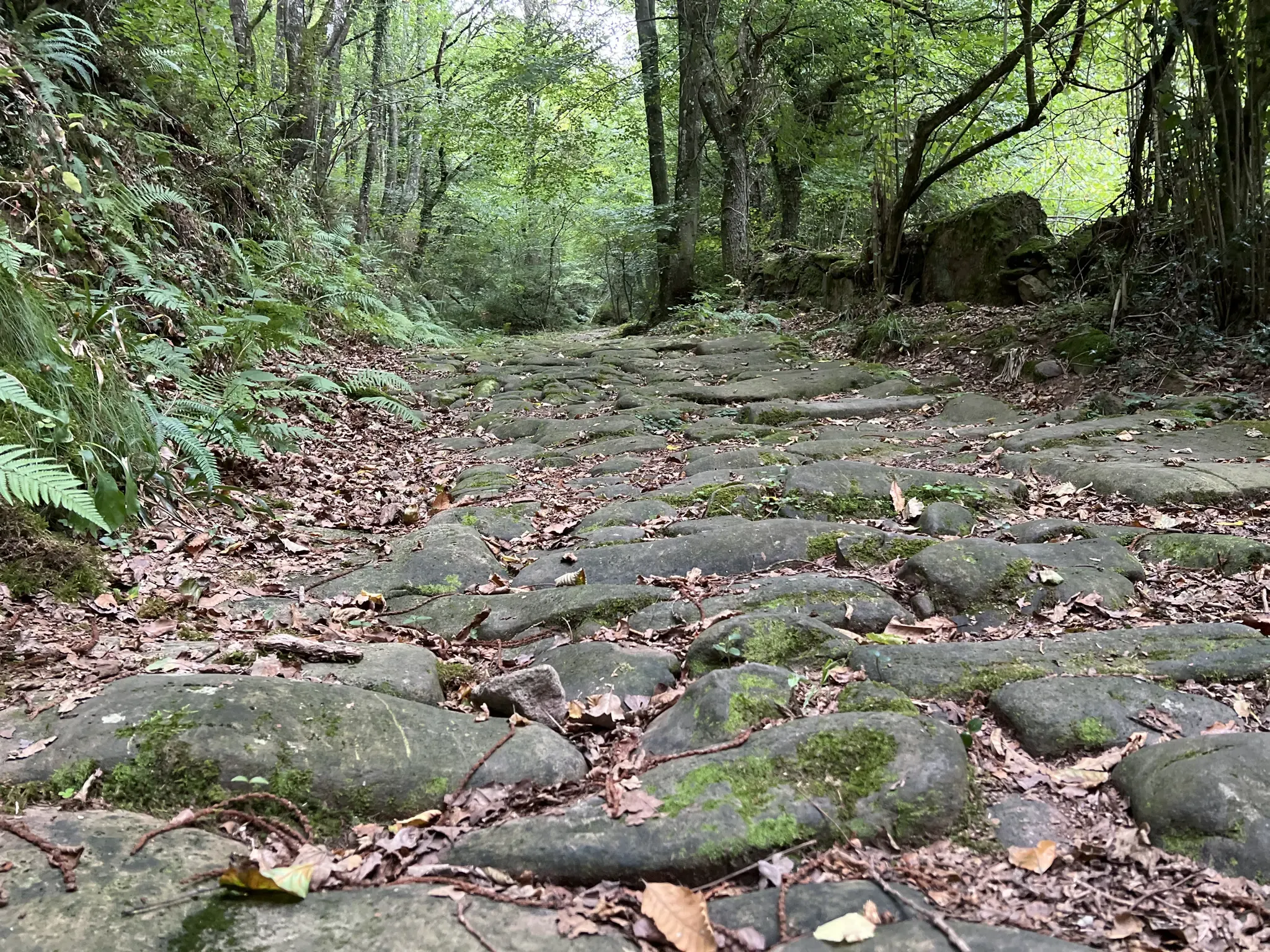
La Calzada de los Blendios (GR 73) — From the plateau to the sea
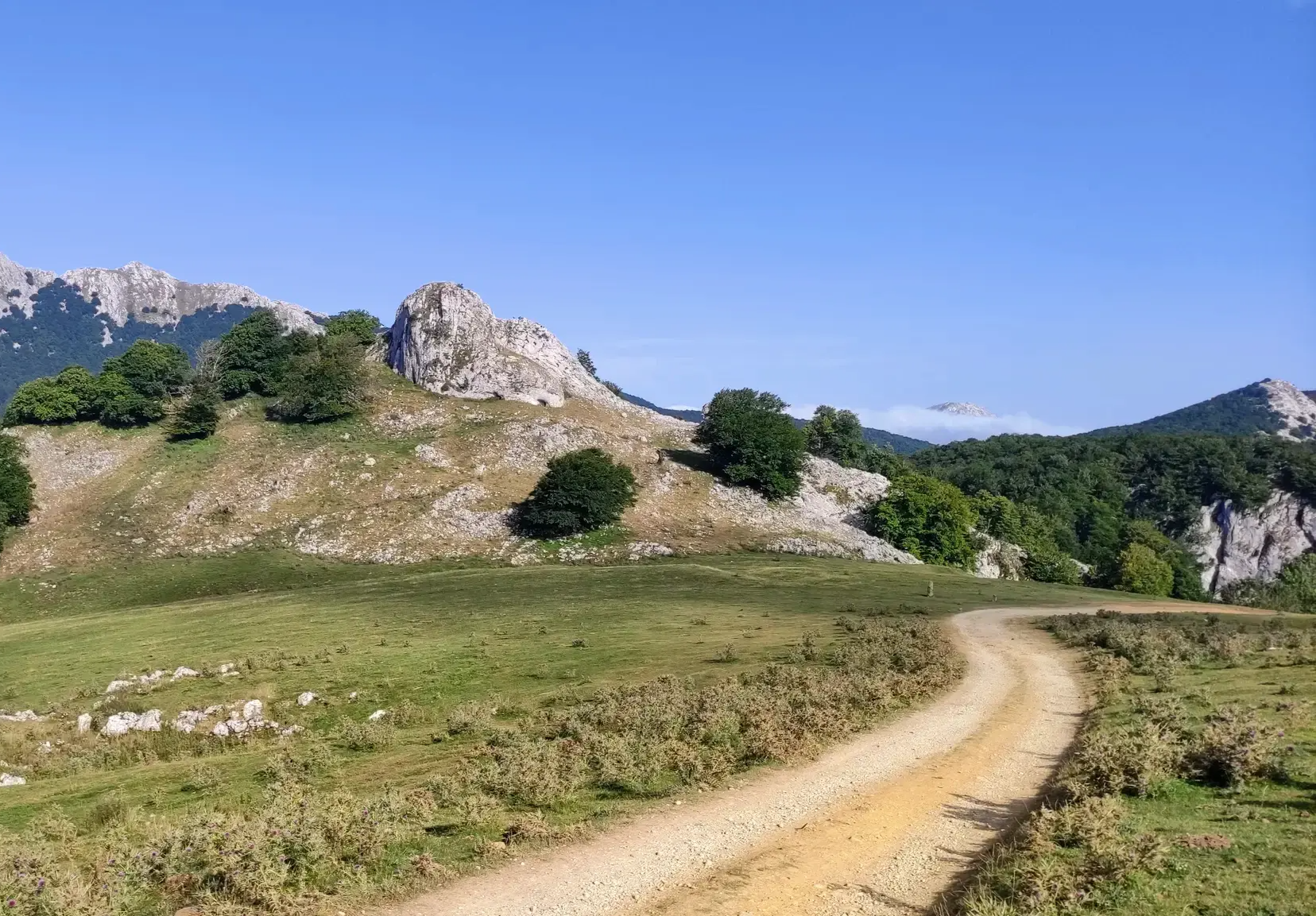
The Ignatian Way - In the footsteps of Ignatius of Loyola
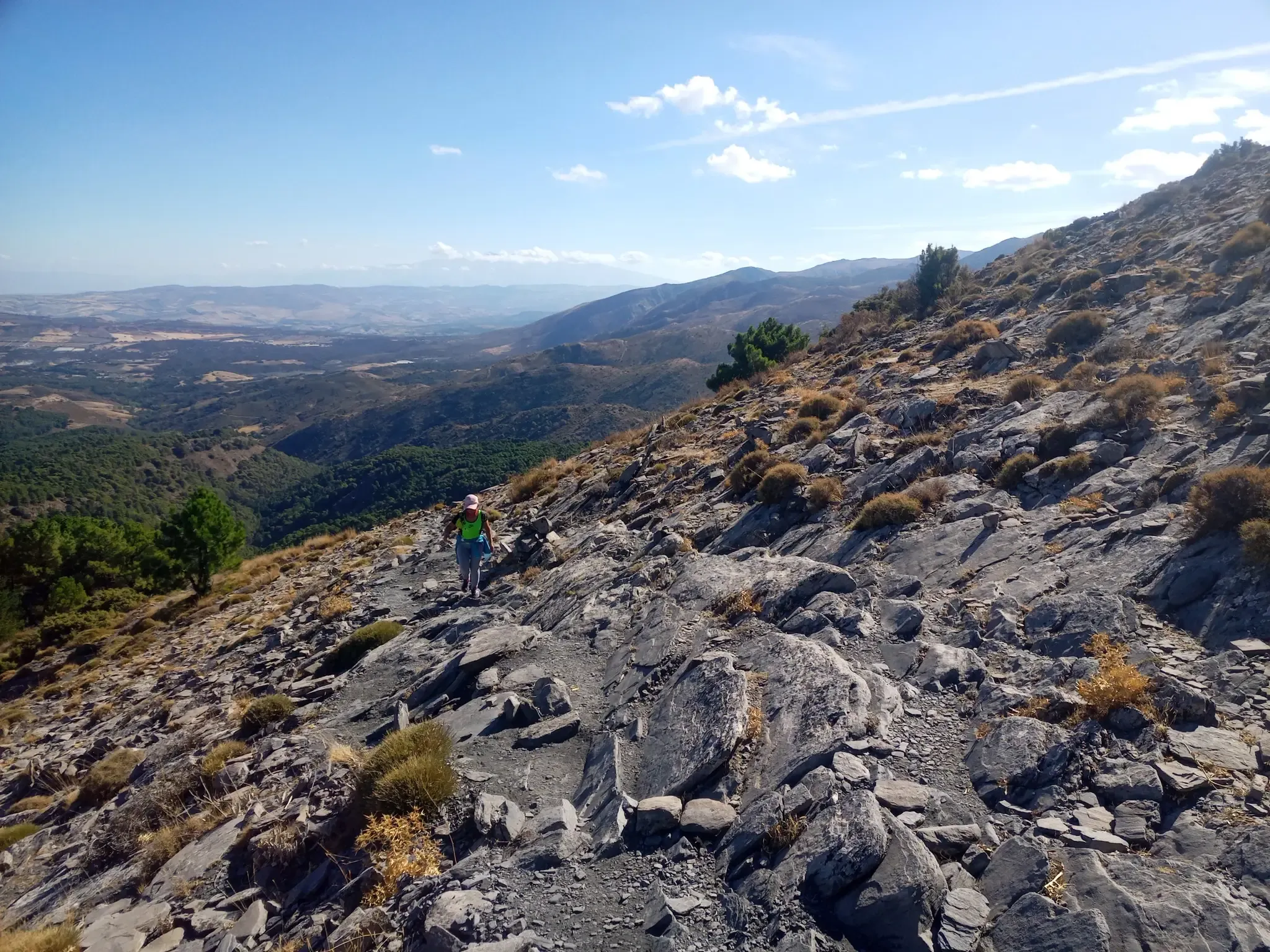
12 hiking gems throughout Spain
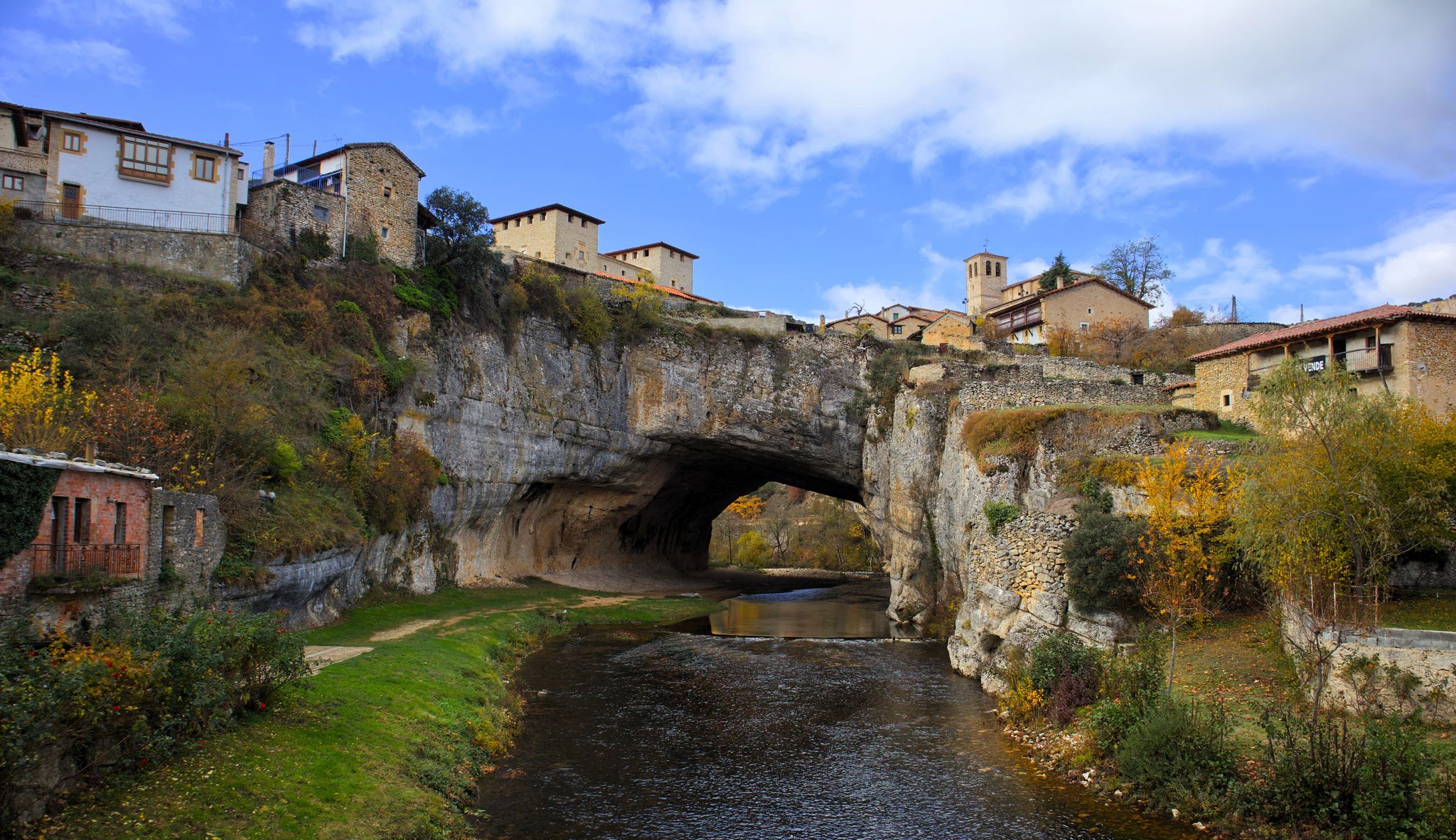
Endless valleys and historic villages – Route of the Senses (GR 85)
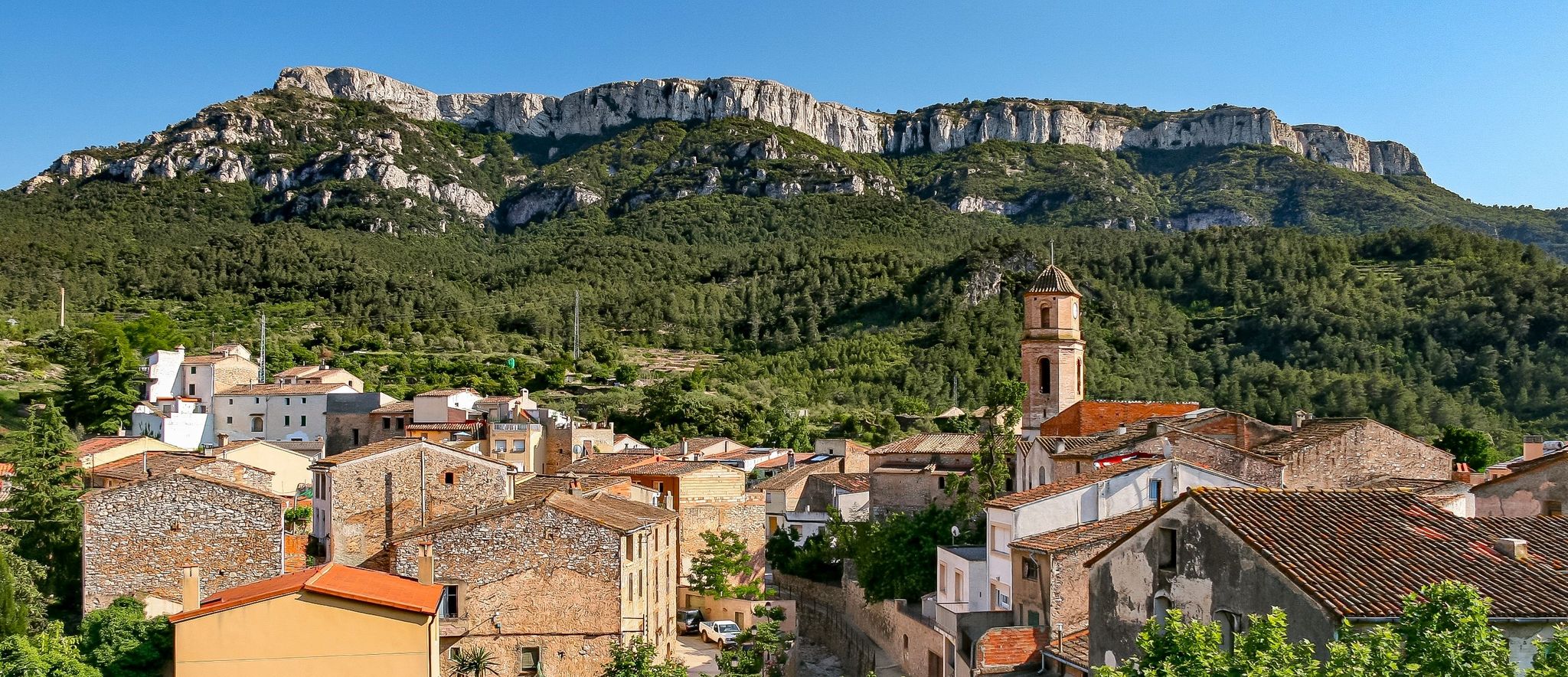
A land of contrasts – Tarragona to the Pyrenees on the GR 7
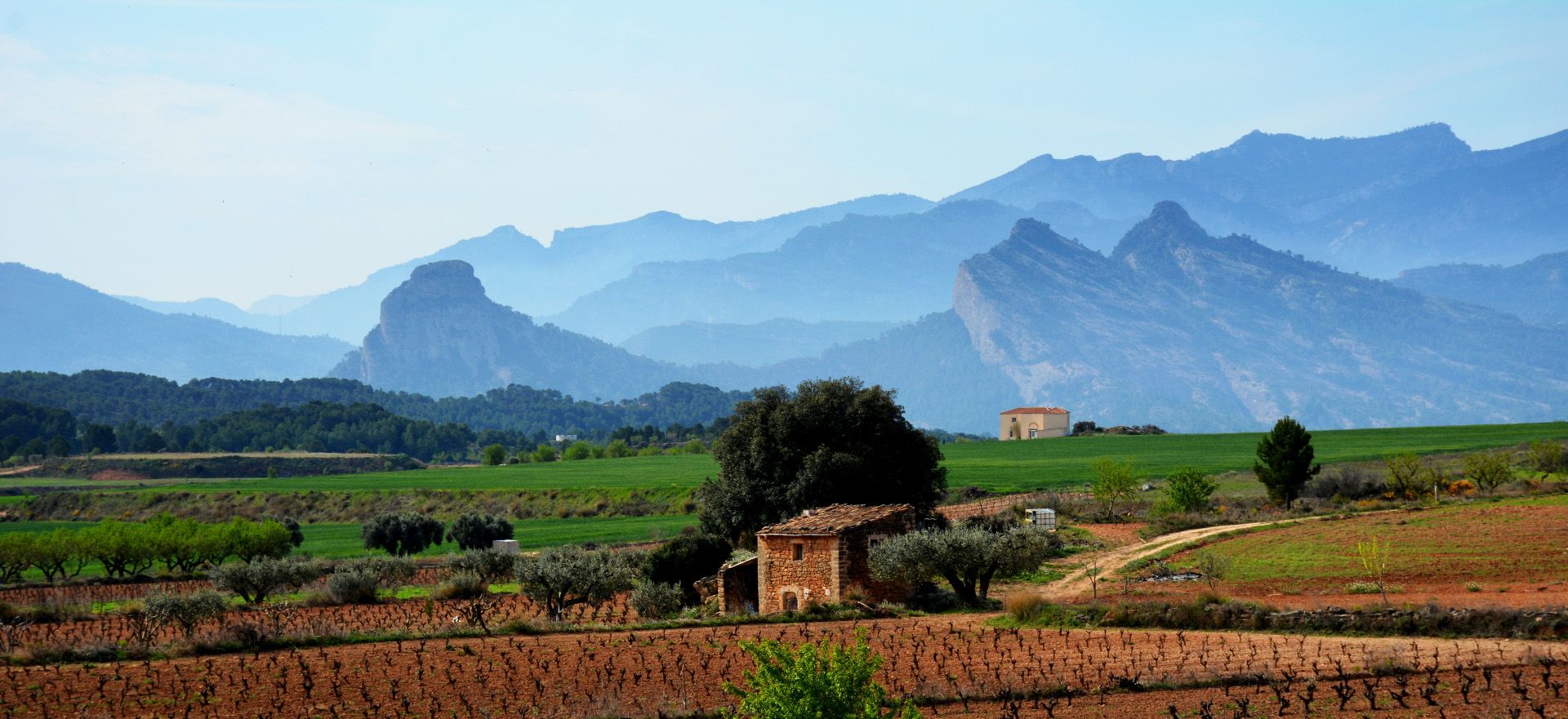
From the heart of southern Catalonia – GR 171
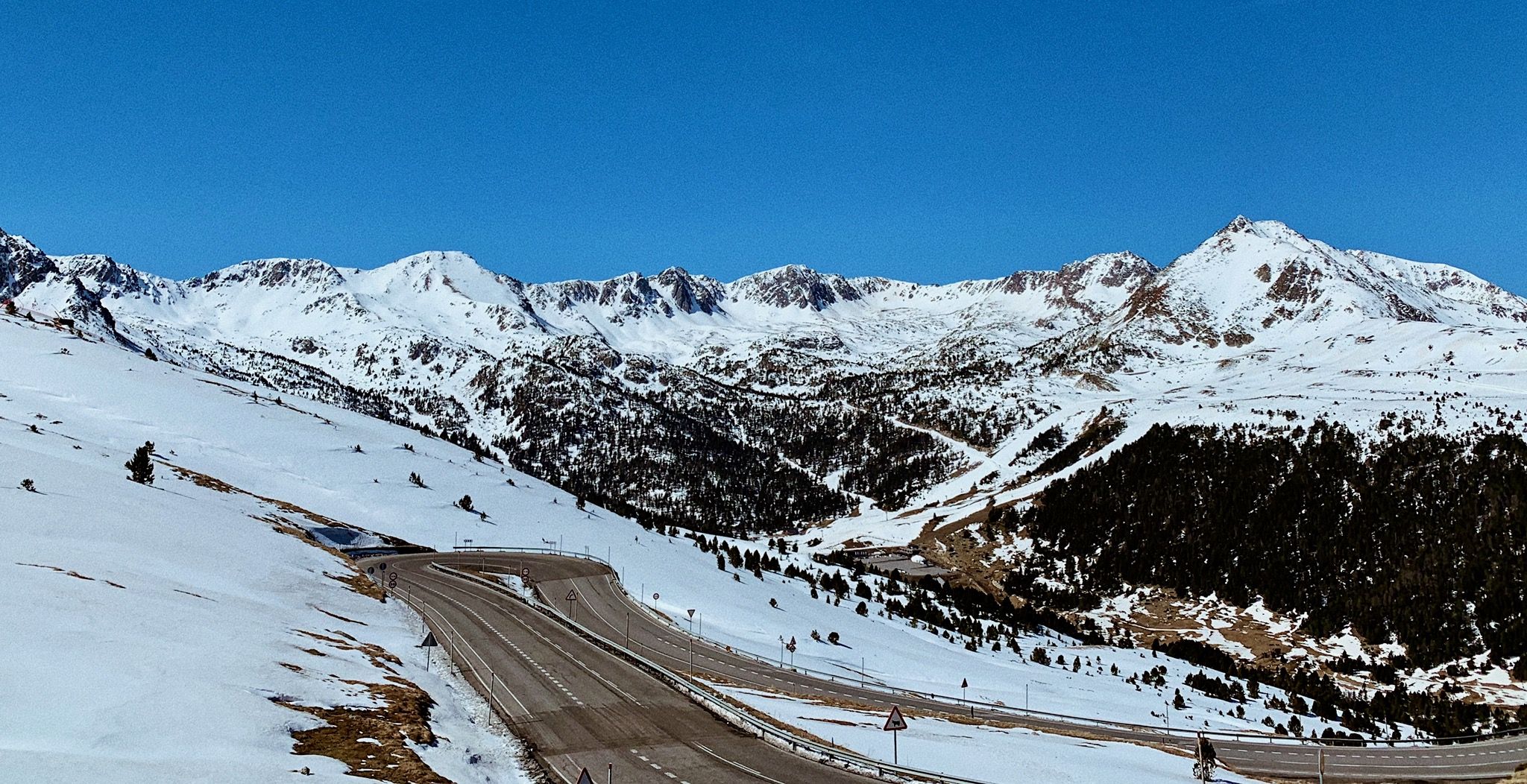
Valencia to Toulouse — Riding over the Pyrenees
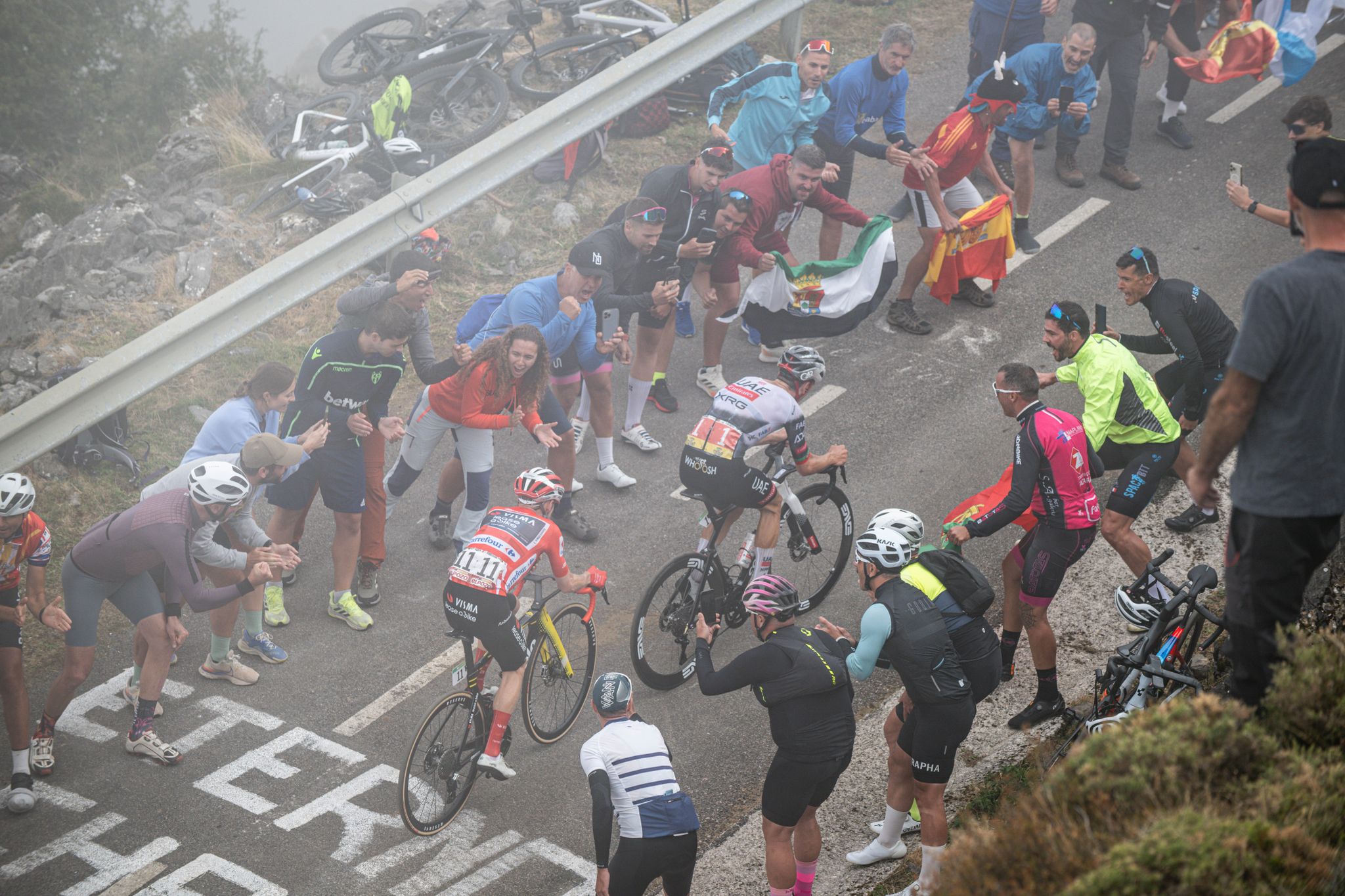
Mythical Passes and Sections of La Vuelta
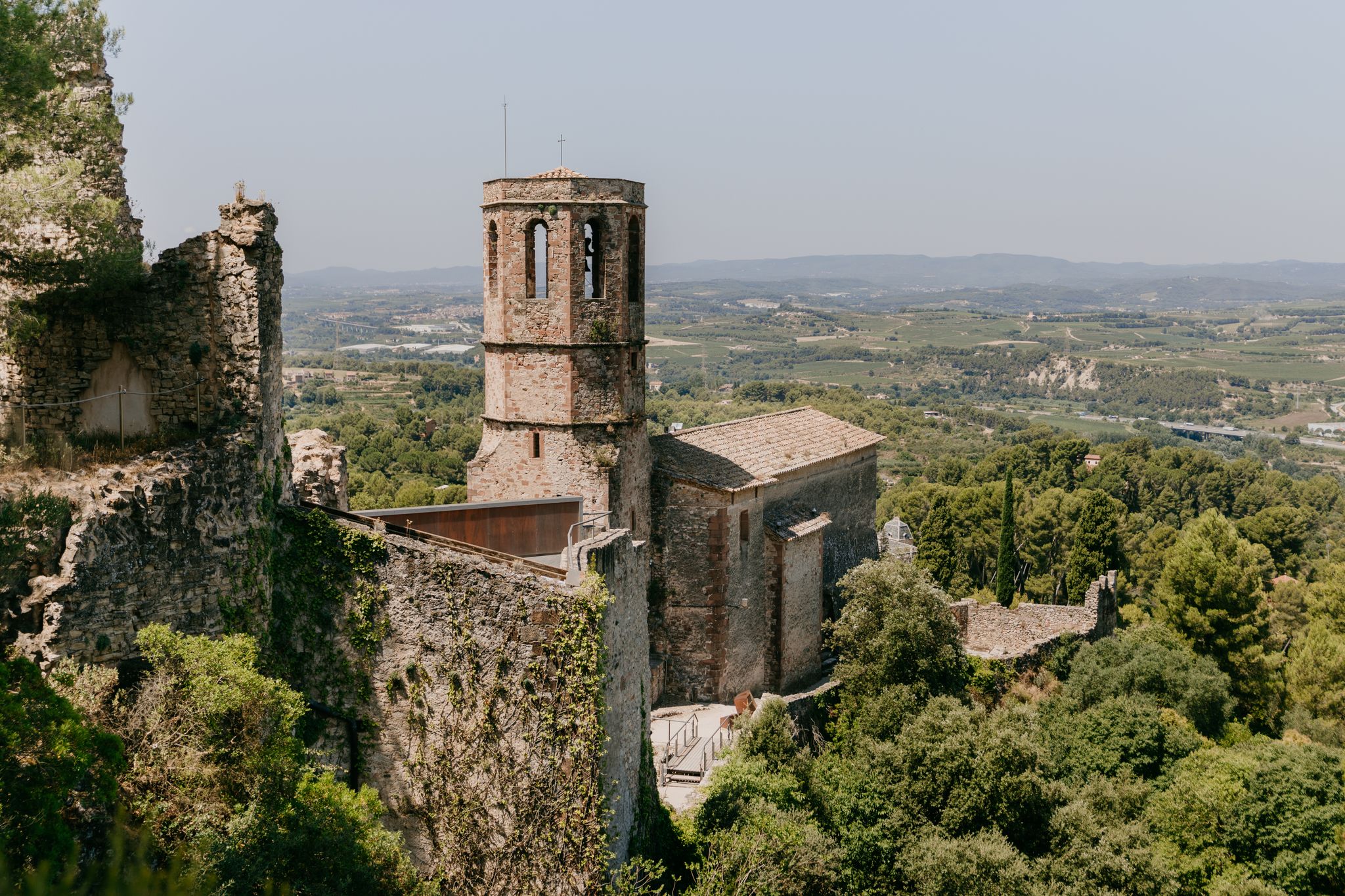
Catalonia by bike — Itineraries between culture and nature
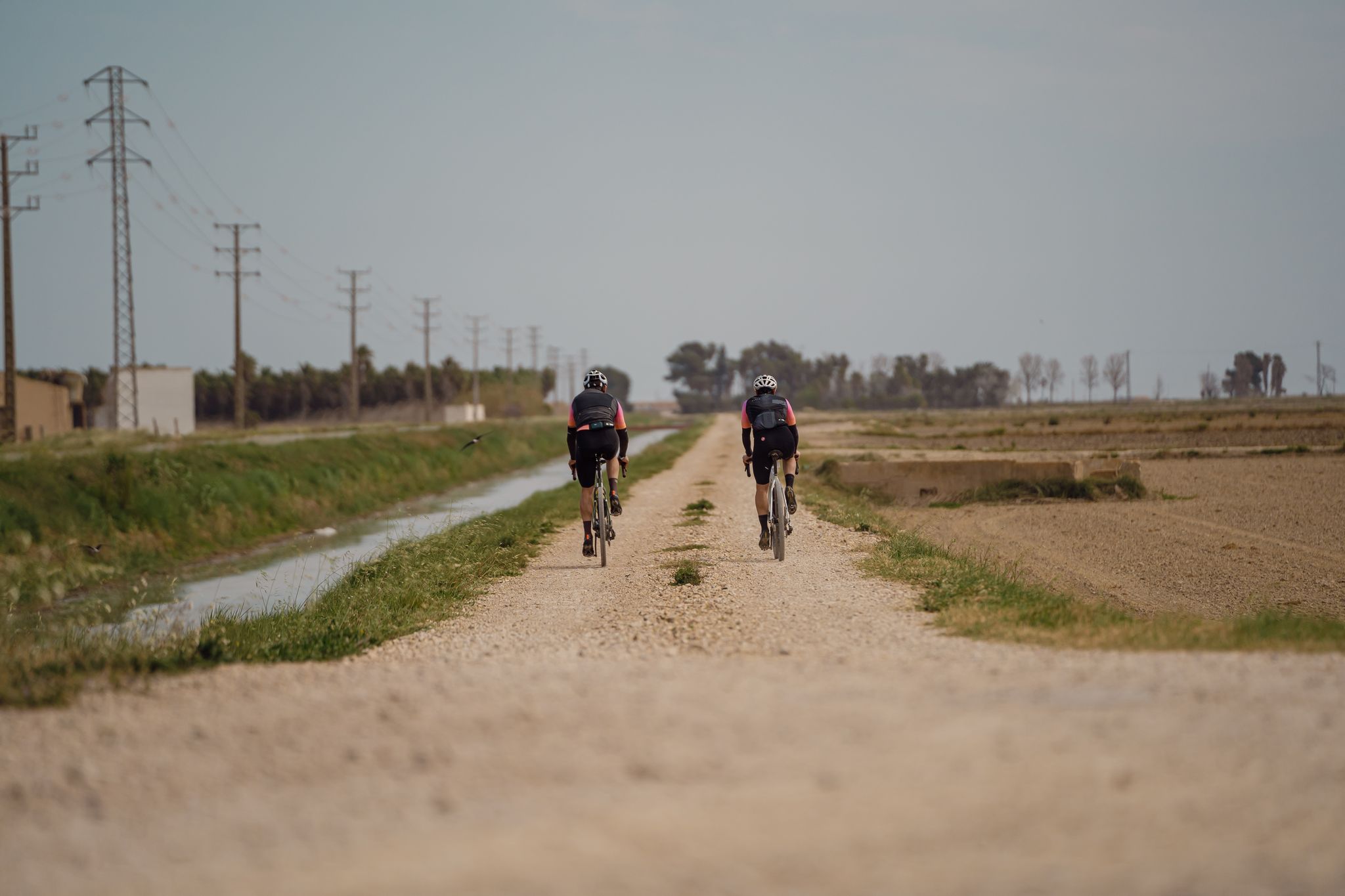
Discover Catalonia on a gravel bike
Other adventures around the Ebro


Tips from the Community

A very beautiful path along the Ebro between Villaescusa and Orbaneja, where the Ebro has carved a beautiful canyon.
0
0
The waterfall looks magically beautiful, widening as it cascades over the limestone basins. From the bridge at the foot of the waterfall, you can look into the large lower basins, where the water has a turquoise-blue color. The scene could also fit well into a fantasy film, at the center of a valley of fairies or elves. Light was very good for taking photos in the late morning. If, however, you arrive only in the early evening, the sun is above the waterfall and is blinding - but then the large basins on the other side of the bridge at the foot of the waterfall are particularly beautiful.
0
0


Spectacular area for hiking routes
1
0
Spectacular area for hiking routes
0
0

The waterfall springs from the Cueva del Agua from a height of over 20 meters, at the base of the rocky cirque that embraces the village, originating from an aquifer located in the subsoil of the Páramo de Bricia, and it leaps everywhere, dividing the village into two halves, the Villa and the Puebla, and descends among the stone houses, creating a most photogenic scene.
2
0
A spectacular area for hiking trails
0
0

The highlight of Zaragoza. A visit is a must for its historical significance, the beauty of the basilica, and the fact that it is still active. But be prepared for crowds, often with poor manners. The Basilica of Our Lady of the Pillar: one of the two metropolitan cathedrals of the Archdiocese of Zaragoza, along with the Cathedral of the Savior. The documented history of the temple dates back to the 9th century, when the existence of a Mozarabic church in Saraqusta dedicated to Saint Mary is attested, on the same site where the Baroque basilica now stands. Architecturally, the basilica is structured with three naves resting on robust pillars. The exterior is made of brick. Free admission.
2
0
Frequently Asked Questions
How many family-friendly hiking trails are available in the Ebro region?
The Ebro region offers a wide selection of family-friendly hiking trails, with over 400 routes available. Among these, more than 170 are classified as easy, making them perfect for families with children.
What is the best time of year for family hiking in the Ebro region?
The most pleasant times for family hiking in the Ebro region are generally spring and autumn. During these seasons, the weather is milder, allowing for comfortable exploration of both the Ebro Delta's wetlands and the mountainous areas of Els Ports. It's advisable to avoid the hotter summer months.
What kind of terrain can we expect on family-friendly hikes in the Ebro region?
The Ebro region offers diverse terrain. In the Ebro Delta Natural Park, you'll find mostly flat trails through expansive rice fields, tranquil lagoons, and coastal sand dunes, ideal for easy walks. In contrast, the nearby Ports de Tortosa-Beseit massif presents more rugged, mountainous terrain with forests and varied elevation, suitable for families seeking a bit more challenge.
Are there easy, short hikes suitable for families with young children or toddlers?
Yes, there are many easy and short options. For instance, the Riumar Family Itinerary in the Ebro Delta is a gentle 7.1 km path, perfect for families. Many trails in the Ebro Delta are flat and accessible, making them suitable for even the youngest hikers.
What do other hikers say about the family-friendly trails in the Ebro region?
The family-friendly trails in the Ebro region are highly regarded by the komoot community, boasting an average rating of 4.5 stars from over 1,100 reviews. Hikers often praise the unique natural beauty of the Ebro Delta, the well-maintained paths, and the opportunities for birdwatching and scenic views.
Are there any trails that offer views of the Ebro Delta's unique landscapes?
Absolutely. Many trails provide stunning views of the Ebro Delta. The Riumar Family Itinerary offers glimpses of the delta's characteristic landscapes. For panoramic vistas, consider routes leading to the Zigurat Viewpoint in Riumar, which provides privileged views of Buda Island and the El Garxal lagoon.
Can we find trails that include historical sites or castles?
Yes, the Ebro region is rich in history. For example, the Castillo de Miravet - Circular by the Ebro river & Meandro del Tamarigar route takes you past the impressive Miravet Castle. Other notable historical sites in the wider Ebro area include the Aljafería Palace and the Roman Walls and Torreón de la Zuda in Zaragoza.
Are there any trails with waterfalls or interesting natural features?
While the Ebro Delta is known for its wetlands, the nearby Ports de Tortosa-Beseit massif offers a different experience with forests and potential waterfalls, such as those found in the Racó d'en Marc ravine. This area is perfect for families looking to explore more rugged natural features and observe soil erosion and small watersprings.
Are the family-friendly trails in the Ebro region accessible by public transport or do they have parking?
Accessibility varies by trail. Many trailheads, especially those in more populated areas or popular natural parks like the Ebro Delta, offer designated parking facilities. For public transport, it's best to check specific route details, as some trails might be reachable via local bus services, particularly those starting near towns or villages.
Are dogs allowed on family-friendly hiking trails in the Ebro region?
Generally, dogs are welcome on many trails in the Ebro region, especially in natural parks, provided they are kept on a leash and owners clean up after them. However, specific rules can vary by protected area or municipality, so it's always recommended to check local regulations for the particular trail you plan to visit.
Are there places to eat or stay near the family-friendly hiking trails?
Yes, the Ebro region has various towns and villages dotted along the river and coast, offering a range of cafes, restaurants, and accommodation options. In the Ebro Delta, you'll find eateries specializing in local rice dishes and seafood. Near the Ports de Tortosa-Beseit, charming villages provide a more rustic experience with traditional cuisine and guesthouses.
What should we wear or bring for family hikes in the Ebro region?
For family hikes in the Ebro region, comfortable walking shoes are essential. Depending on the season, layers of clothing are advisable, as temperatures can change. Always bring sufficient water, snacks, sun protection (hat, sunscreen), and insect repellent, especially in the Ebro Delta's wetland areas. A small first-aid kit is also recommended.
Most popular routes around the Ebro
Most popular attractions around the Ebro

Get inspired with the komoot mobile app


Explore more
Browse the best Hikes in other regions.
