Attractions and Places To See around the Ebro - Top 20
Best attractions and places to see around the Ebro include a diverse array of natural landscapes, historical sites, and cultural landmarks. The Ebro region, encompassing the Ebro River and its delta, is known for its extensive wetlands, mountainous parks, and significant historical cities. Visitors can explore ancient castles, modernist architecture, and sites commemorating historical events. The area offers a blend of natural beauty and rich cultural heritage.
Best attractions and places to see around the Ebro
- The most popular attractions is Cathedral of the Savior (La Seo of Zaragoza), a religious building with Romanesque, Gothic, and Baroque architecture. Its foundation dates back to 1140, and it stands on the site of an ancient Roman forum.
- Another must-see spot is Zaragoza Central Market, a man-made monument and national historical monument since 1978. This market, designed in 1895, replaced the traditional open-air market and offers a modern space for vendors.
- Visitors also love Galacho-Pontoneros Trail, a trail that runs parallel to the Ebro river. This path is known for its natural beauty and is suitable for cyclists and walkers.
- Ebro is known for its historical monuments, natural parks, and significant cultural sites. The region offers a variety of attractions, from ancient castles and cathedrals to wetlands and river trails, providing diverse exploration opportunities.
- The attractions around the Ebro are appreciated by the komoot community, with more than 130 upvotes and over 160 photos shared by visitors.
Last updated: October 9, 2026
Basilica of Our Lady of the Pillar
Highlight • Religious Site
Standing in front of the basilica in the plaza, it is so vast that I couldn't even fit it into a single photograph with a wide-angle lens.
Translated by Google •
Tip by

Cathedral of the Savior (La Seo of Zaragoza)
Highlight • Religious Site
Translated by Google •
Tip by

Sign up now to discover places like this
Get recommendations on the best single tracks, peaks, & plenty of other exciting outdoor places.
Galacho-Pontoneros Trail
Highlight (Segment) • Trail
Translated by Google •
Tip by

Zaragoza Central Market
Highlight • Monument
Translated by Google •
Tip by

Third Millennium Bridge
Highlight • Bridge
Translated by Google •
Tip by
Calle Alfonso I
Highlight (Segment) • Settlement
Translated by Google •
Tip by
Galachos de Juslibol Interpretation Center
Highlight • Rest Area
These centers offer activities, guided tours and an educational experience for anyone interested in exploring the nature and history of Aragon.
Translated by Google •
Tip by
Basilica of Our Lady of the Pillar
Highlight • Religious Site
Translated by Google •
Tip by

San Vicente de la Sonsierra Fortress Castle
Highlight • Castle
Translated by Google •
Tip by

Turquoise Pools and Waterfalls of Orbaneja del Castillo
Highlight • Waterfall
Translated by Google •
Tip by

Sign up for free to discover even more attractions around the Ebro.
Already have an account?
Start today with a free account
Your next adventure awaits.
Popular around Ebro

Triathlon 360 – my journey around the world
Valencia to Toulouse — Riding over the Pyrenees
Mythical Passes and Sections of La Vuelta
La Calzada de los Blendios (GR 73) — From the plateau to the sea
The Ignatian Way - In the footsteps of Ignatius of Loyola
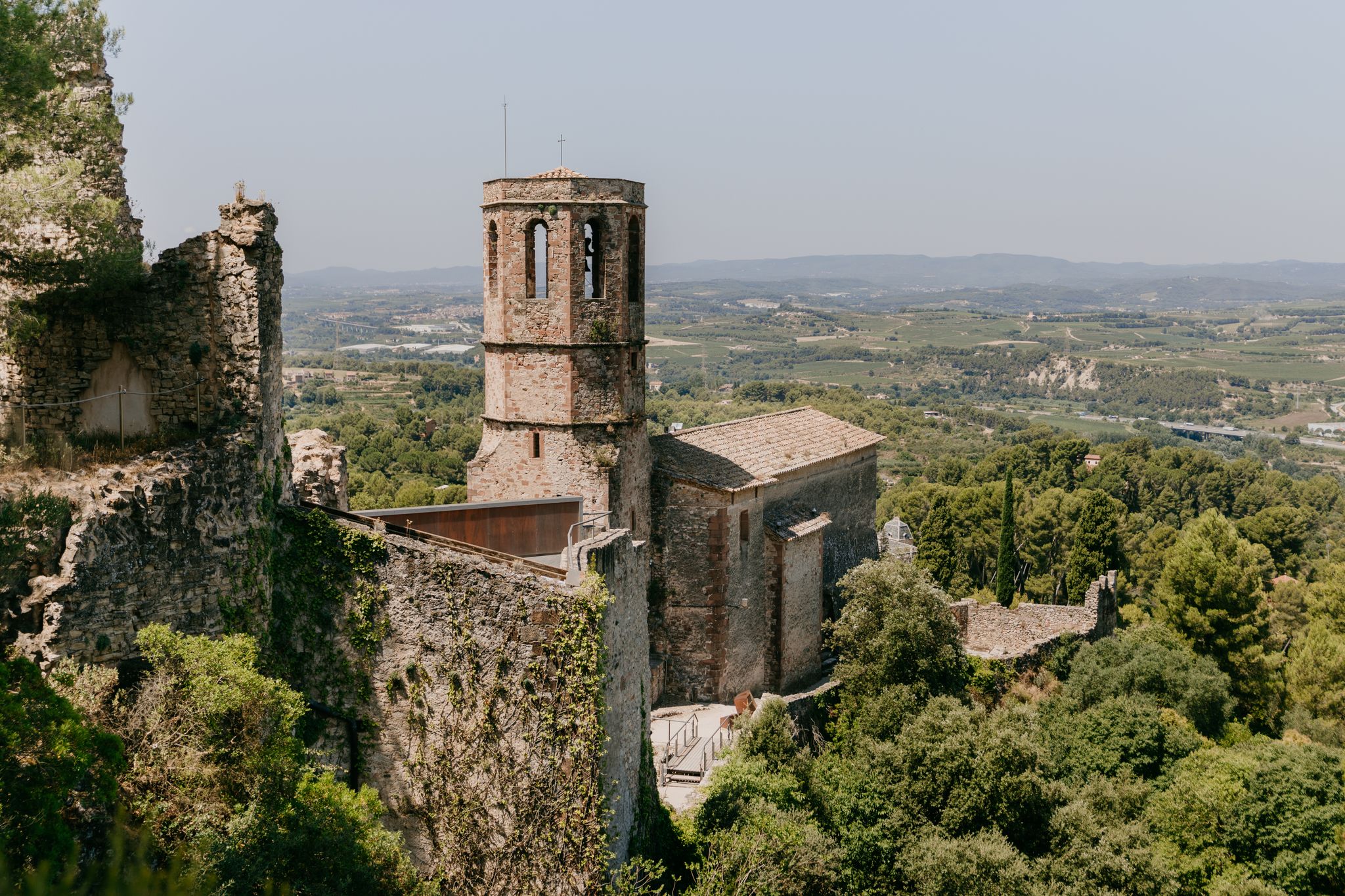
Catalonia by bike — Itineraries between culture and nature
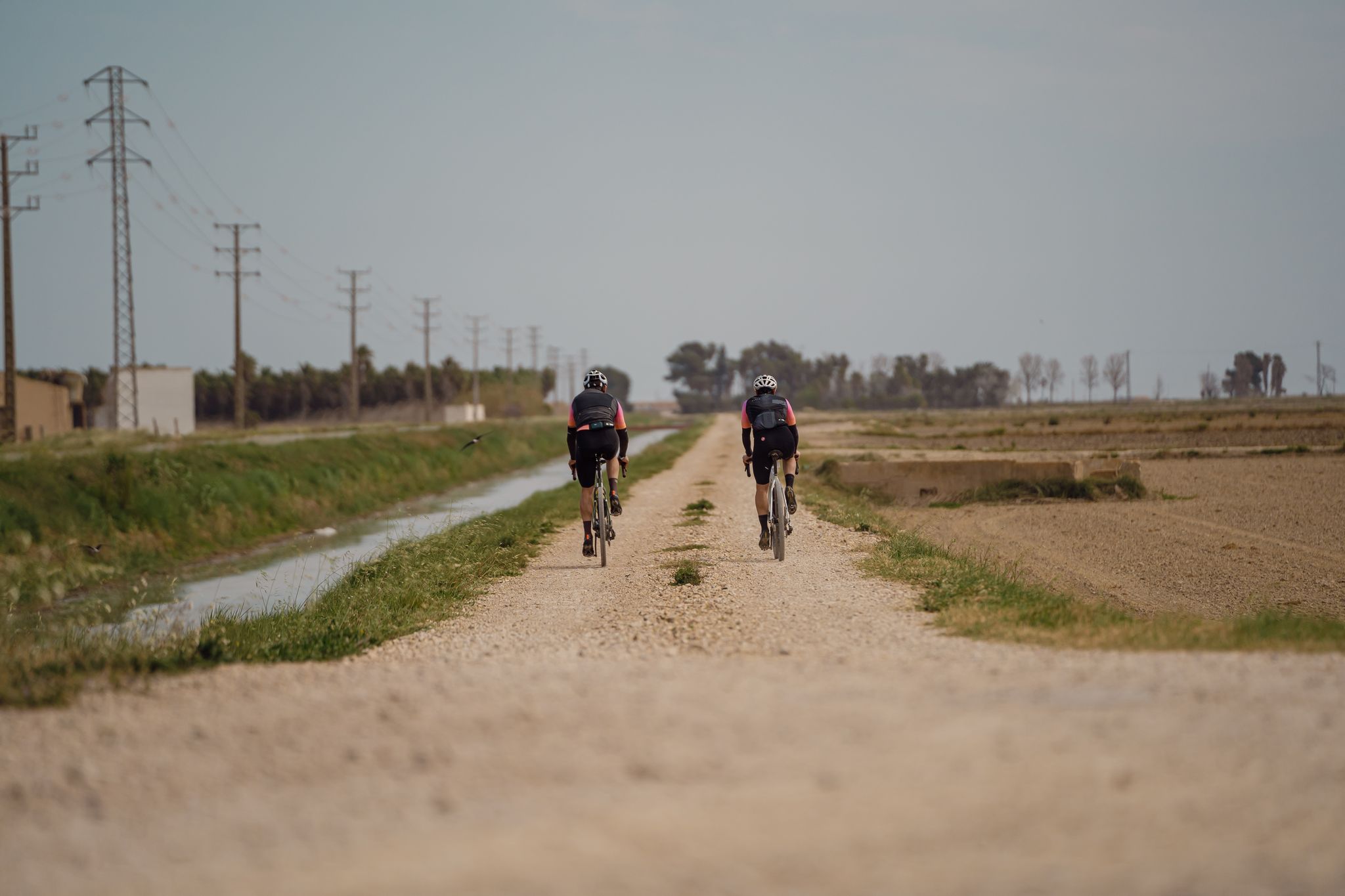
Discover Catalonia on a gravel bike
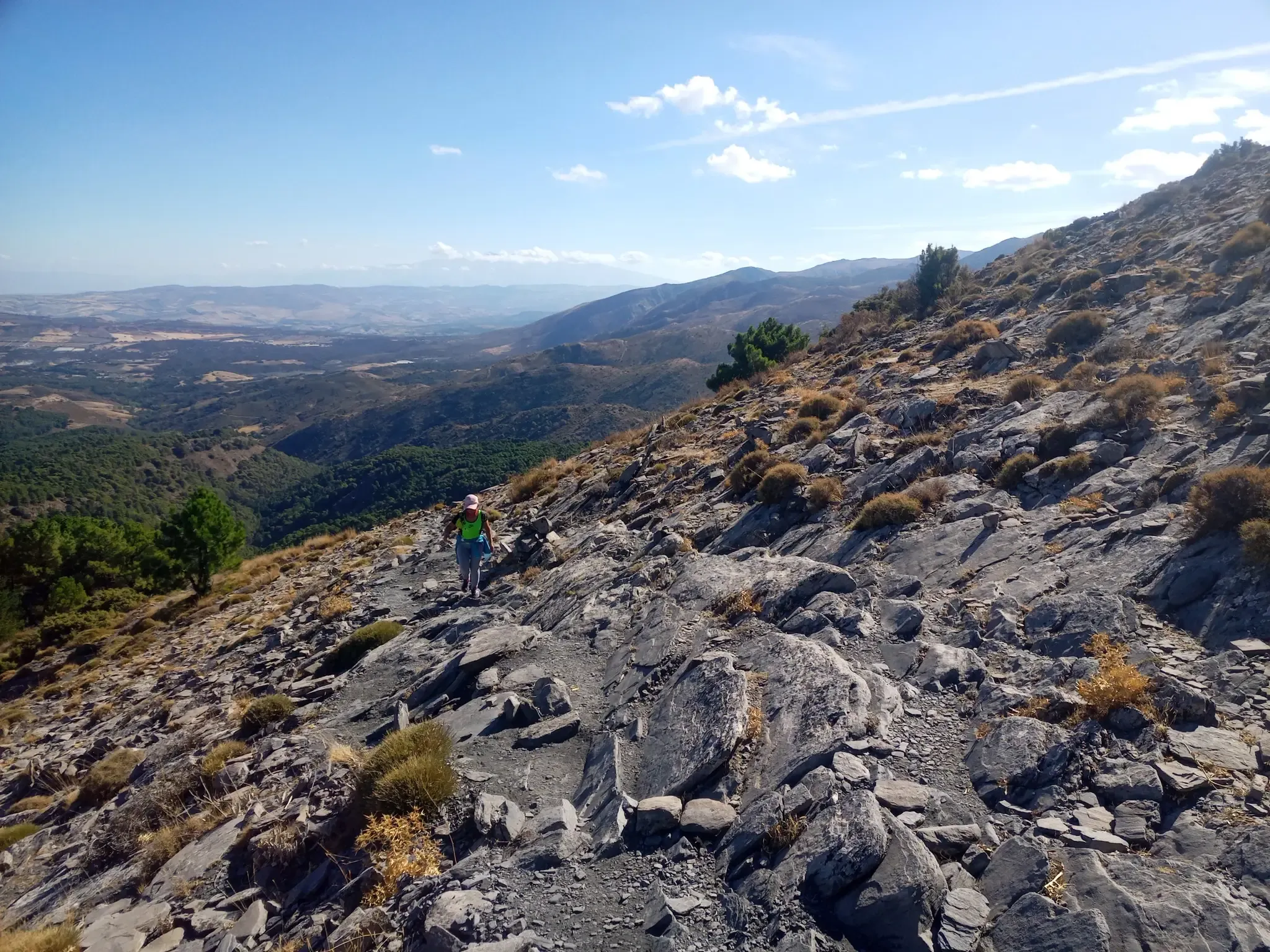
12 hiking gems throughout Spain
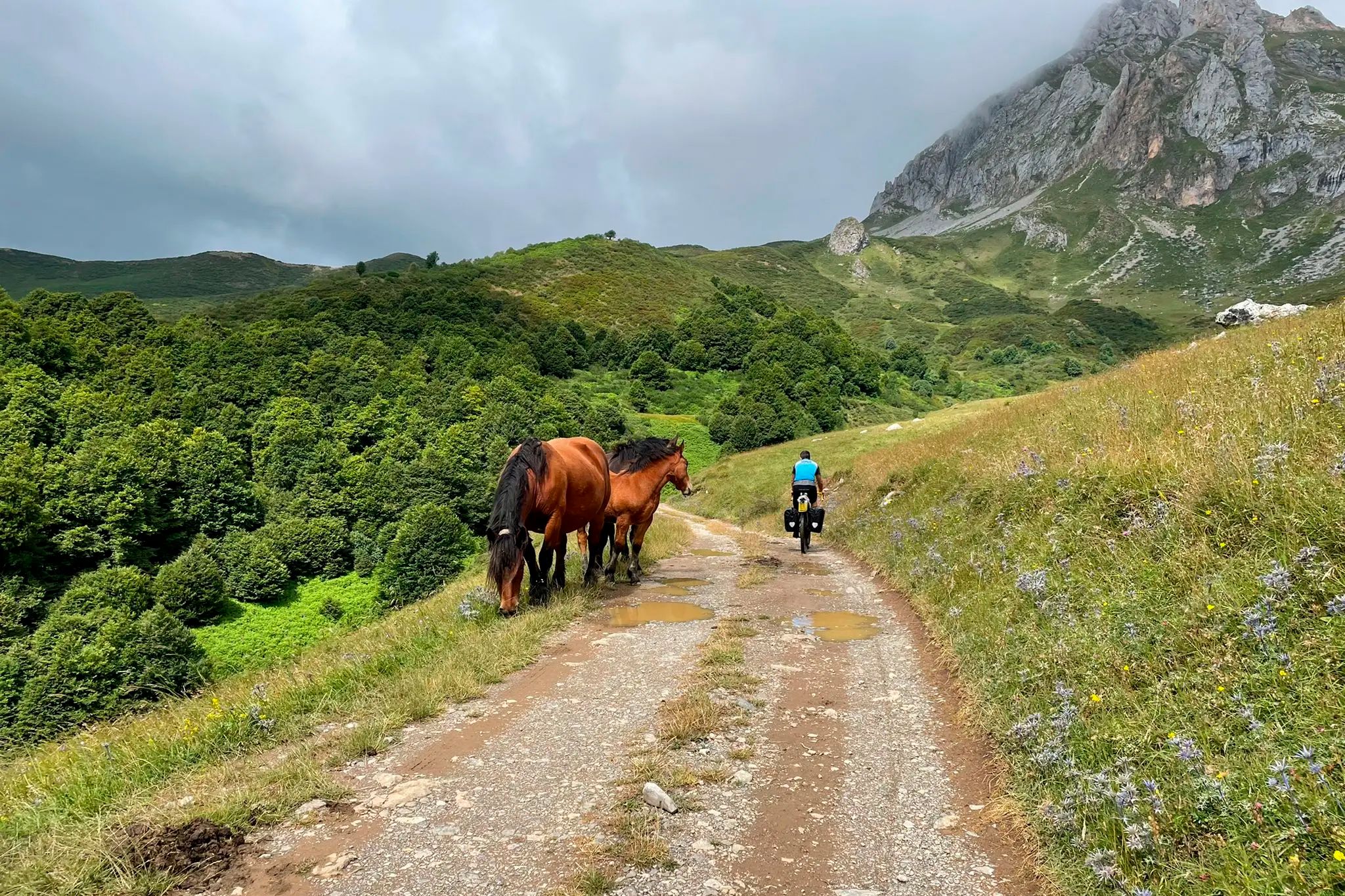
TransCantabrica – Extreme mountain biking in northern Spain
Endless valleys and historic villages – Route of the Senses (GR 85)
Other adventures around the Ebro


Tips from the Community

The waterfall looks magically beautiful, widening as it cascades over the limestone basins. From the bridge at the foot of the waterfall, you can look into the large lower basins, where the water has a turquoise-blue color. The scene could also fit well into a fantasy film, at the center of a valley of fairies or elves. Light was very good for taking photos in the late morning. If, however, you arrive only in the early evening, the sun is above the waterfall and is blinding - but then the large basins on the other side of the bridge at the foot of the waterfall are particularly beautiful.
0
0

The waterfall springs from the Cueva del Agua from a height of over 20 meters, at the base of the rocky cirque that embraces the village, originating from an aquifer located in the subsoil of the Páramo de Bricia, and it leaps everywhere, dividing the village into two halves, the Villa and the Puebla, and descends among the stone houses, creating a most photogenic scene.
2
0

A spectacular area for hiking trails
0
0

The highlight of Zaragoza. A visit is a must for its historical significance, the beauty of the basilica, and the fact that it is still active. But be prepared for crowds, often with poor manners. The Basilica of Our Lady of the Pillar: one of the two metropolitan cathedrals of the Archdiocese of Zaragoza, along with the Cathedral of the Savior. The documented history of the temple dates back to the 9th century, when the existence of a Mozarabic church in Saraqusta dedicated to Saint Mary is attested, on the same site where the Baroque basilica now stands. Architecturally, the basilica is structured with three naves resting on robust pillars. The exterior is made of brick. Free admission.
2
0
Cathedral of the Savior on the Epiphany. One of the two cathedrals of Zaragoza, very close to each other. Built on the site of the ancient Roman forum of Caesaraugusta and the main mosque, whose minaret still bears the imprint of the current tower. Romanesque style (12th century), integrated into the former main mosque, and has undergone many renovations and expansions until 1704, the year in which the Baroque capital was placed atop the tower. While the exterior is monumental, there is an entrance fee for the interior.
1
0

It's still just a bike lane on a 6-lane avenue, but any bridge that crosses the Ebro is worth a stop, and the architecture of this one is quite impressive (I seem to remember that at the time it was the largest concrete arch built in Spain).
0
0

A very fun trail near the Juslibol swamps. Not recommended during the rainy season, as it floods easily.
0
0

Of the two cathedrals in Zaragoza, for me it is the most beautiful.
1
0
Frequently Asked Questions
What are some significant historical and cultural sites to visit around the Ebro?
The Ebro region is rich in history. You can explore the impressive Aljafería Palace, a medieval Islamic palace in Zaragoza, or the grand Cathedral of the Savior (La Seo of Zaragoza), showcasing Romanesque, Gothic, and Baroque architecture. Further south, the imposing Miravet Castle, a Templar fortress, offers a glimpse into medieval times. The city of Tortosa also boasts a rich Moorish and medieval past with its castle (La Suda) and Santa Maria Gothic-style cathedral. For ancient history, visit the Rock Art Interpretation Center in Ulldecona, home to UNESCO World Heritage cave paintings dating back 8,000 years.
Where can I experience the natural beauty and wildlife of the Ebro region?
The Ebro Delta Natural Park is a prime location for nature lovers, renowned for its immense biodiversity and as a haven for birdlife, including flamingos. You can explore its vast rice fields, lagoons, and pristine beaches. Inland, Els Ports Natural Park offers mountainous landscapes, superb hiking routes, and abundant wildlife. The Reserva Natural de Sebes, near Flix, features lush woods, reedbeds, and ancient olive groves, and is home to Camargue horses and various bird species. Don't miss the Turquoise Pools and Waterfalls of Orbaneja del Castillo for stunning natural water features.
Are there family-friendly attractions around the Ebro?
Yes, many attractions cater to families. The Basilica of Our Lady of the Pillar and the Cathedral of the Savior (La Seo of Zaragoza) are family-friendly historical sites. The Ebro Delta Natural Park is excellent for families, offering opportunities for cycling, kayaking, and birdwatching. The Galachos de Juslibol Interpretation Center provides an educational experience about the region's nature. Exploring the Ebro Delta Ecomuseum also offers insights into the local environment and rice cultivation.
What kind of outdoor activities can I do along the Ebro River?
The Ebro River and its surroundings offer diverse outdoor activities. You can enjoy cycling along the flat terrain of the Ebro Delta through rice fields and beaches, or take a boat trip on the river. Kayaking is also popular, providing unique perspectives of the landscape. For walking, the Galacho-Pontoneros Trail runs parallel to the Ebro river and is suitable for both cyclists and walkers. You can find many routes for cycling in the Cycling around the Ebro guide and for hiking in the Hiking around the Ebro guide.
Where can I find good hiking trails in the Ebro region?
The Ebro region offers a variety of hiking trails. Els Ports Natural Park is known for its superb hiking routes with breathtaking views. The Ebro Canyon near Valdelateja also provides opportunities for hiking. For a unique experience, consider the trails around the Turquoise Pools and Waterfalls of Orbaneja del Castillo. The Waterfall hikes around the Ebro guide features several routes, including the Ebro Canyon Trail: Orbaneja del Castillo Loop. For general hiking, check the Hiking around the Ebro guide.
What are some unique architectural sites or landmarks in the Ebro region?
Beyond the historical castles and cathedrals, the Ebro region features unique architectural landmarks. The Third Millennium Bridge in Zaragoza is a modern engineering marvel. The Terra Alta Wine Region is famous for its modernist 'Cathedrals of Wine,' which are impressive cooperative wineries. The Monastery of Rueda, a Cistercian monastery on the banks of the Ebro, showcases a magnificent complex with a Gothic cloister and a Mudejar tower.
Where can I learn about the Spanish Civil War history in the Ebro region?
The Ebro region played a significant role in the Spanish Civil War. You can visit the Memorial of the Battle of the Ebro in Tortosa, a poignant monument commemorating one of the war's most significant battles. Additionally, various Sites of the Battle of the Ebro are spread across the Matarranya, Ribera d'Ebre, Baix Ebre, and Terra Alta regions. These include historical spaces and interpretation centers, such as the Old Town of Corbera d'Ebre, with its ruins from bombardments, and preserved trenches, fortifications, and bunkers.
What are the best places for birdwatching in the Ebro region?
The Ebro Delta Natural Park is an internationally recognized birdwatching paradise, especially for flamingos, herons, egrets, avocets, and stilts. Key birdwatching spots include the Laguna de la Encanyissada, Laguna de la Tancada, and Punta de la Banya, with the Reserva Natural de Riet Vell - Visitor Centre serving as a great starting point. The Reserva Natural de Sebes also offers excellent birdwatching opportunities with strategically placed hides.
Are there any markets or places to experience local life in the Ebro region?
Yes, the Zaragoza Central Market, also known as Lanuza Market, is a vibrant place to experience local life and sample regional produce. It's a national historical monument and offers a modern space for vendors. The Ebro Delta is also known for its local gastronomy, including fresh seafood, rice dishes, and oysters and mussels that can be tasted directly from cultivation platforms in towns like Sant Carles de la Ràpita.
What is the best time to visit the Ebro Delta for wildlife viewing?
The Ebro Delta is a fantastic destination for wildlife viewing year-round, but the best time for birdwatching is typically during the migration seasons. Spring (March to May) and autumn (September to November) offer the highest diversity of species as migratory birds pass through. Winter also brings large numbers of overwintering waterfowl and flamingos, making it an excellent time for observing these spectacular birds.
Where can I find ancient Roman or Iberian ruins in the Ebro region?
The Ebro region has a long history, with traces of ancient civilizations. The Iberian town La Moleta del Remei in Alcanar is a walled site that was an important trading point for the Ilercavones tribe between the 7th and 2nd centuries BC. Additionally, the Carrova Tower in Amposta, dating from the 13th century, is located near the remains of a Roman villa, hinting at the region's Roman past.
Most popular routes around the Ebro
Most popular attractions around the Ebro

Get inspired with the komoot mobile app


Explore more
Still not found the Highlight you’re looking for? See guides of the top attractions in other regions:
