Mount Rainier Wilderness
Mount Rainier Wilderness
Top 20 Natural Monuments in Mount Rainier Wilderness
Best natural monuments in Mount Rainier Wilderness are found within a landscape dominated by Mount Rainier, an active volcano and the most heavily glaciated peak in the contiguous United States. This area, encompassing approximately 97% of Mount Rainier National Park, features an array of glaciers, subalpine meadows, ancient forests, and waterfalls. The diverse ecosystem spans a significant elevation gradient, offering numerous notable landmarks and natural features. These monuments showcase the profound geological and ecological processes that have shaped the region.
…Last updated: June 29, 2026
Faraway Rock Overlook
Highlight • Viewpoint
Tip by

Paradise River Crossing
Highlight • River
Translated by Google •
Tip by

Sign up now to discover places like this
Get recommendations on the best single tracks, peaks, & plenty of other exciting outdoor places.
Sign up for free
Chinook Pass
Highlight • Mountain Pass
Tip by

Narada Falls
Highlight • Waterfall
Tip by
Shadow Lake
Highlight • Lake
Tip by
Sign up for free to discover even more natural monuments in Mount Rainier Wilderness.
Sign up for free
Already have an account?
Start today with a free account
Your next adventure awaits.
Login or Signup
Popular around Mount Rainier Wilderness
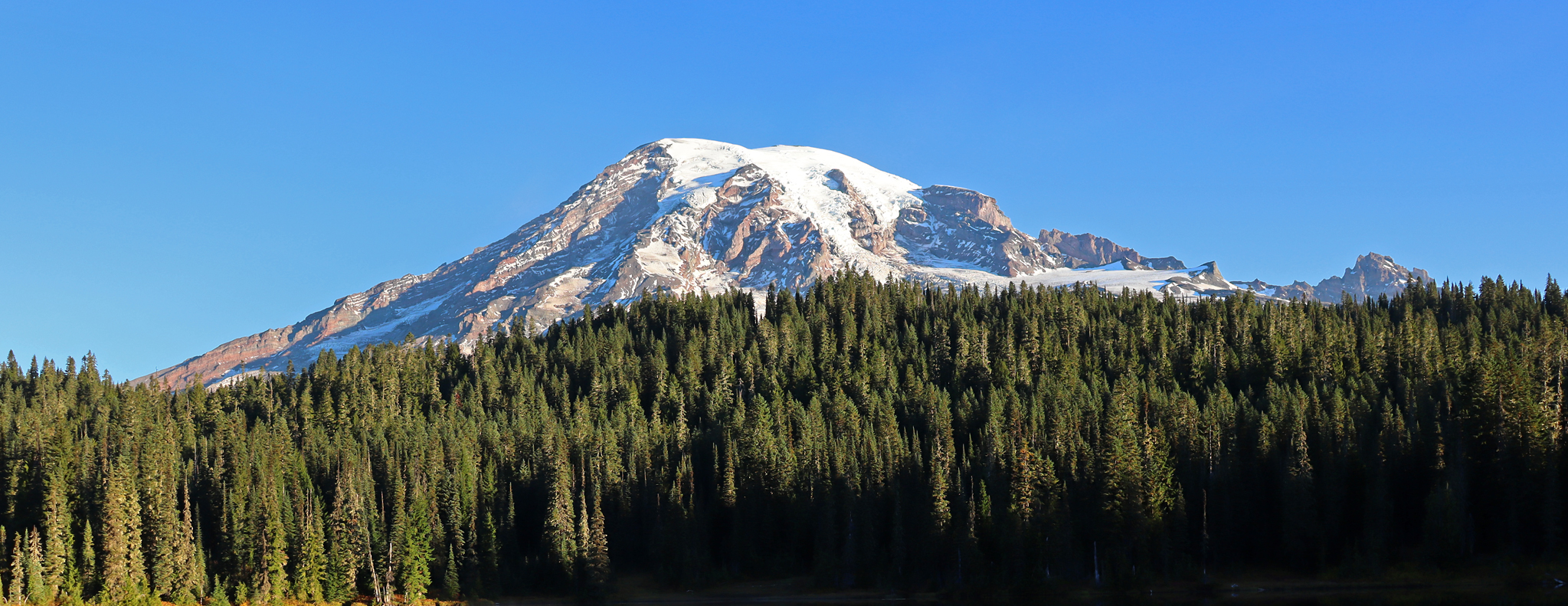
Wonderland Trail — 93 iconic miles around Mount Rainier
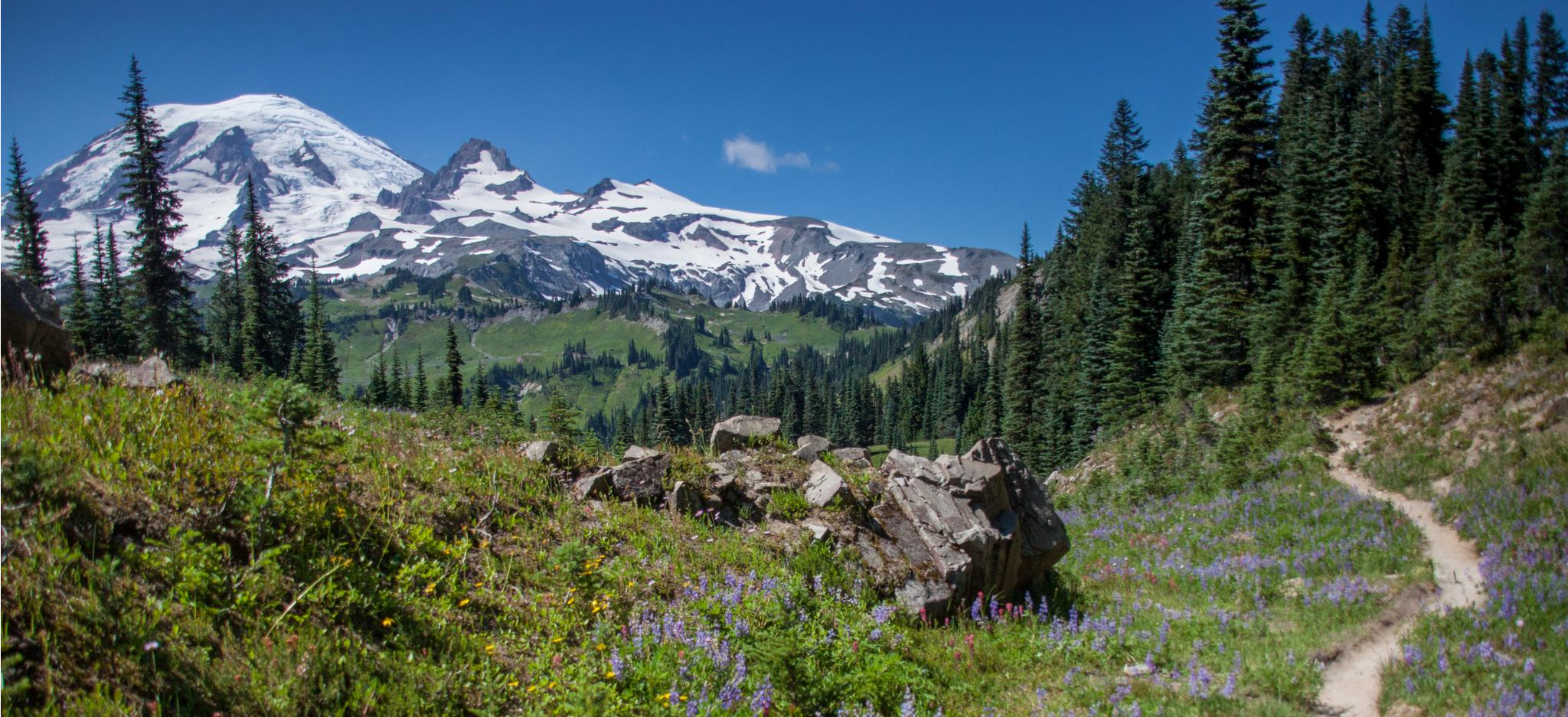
Wonderland Trail — 3-Day fastpacking through the dreamscape
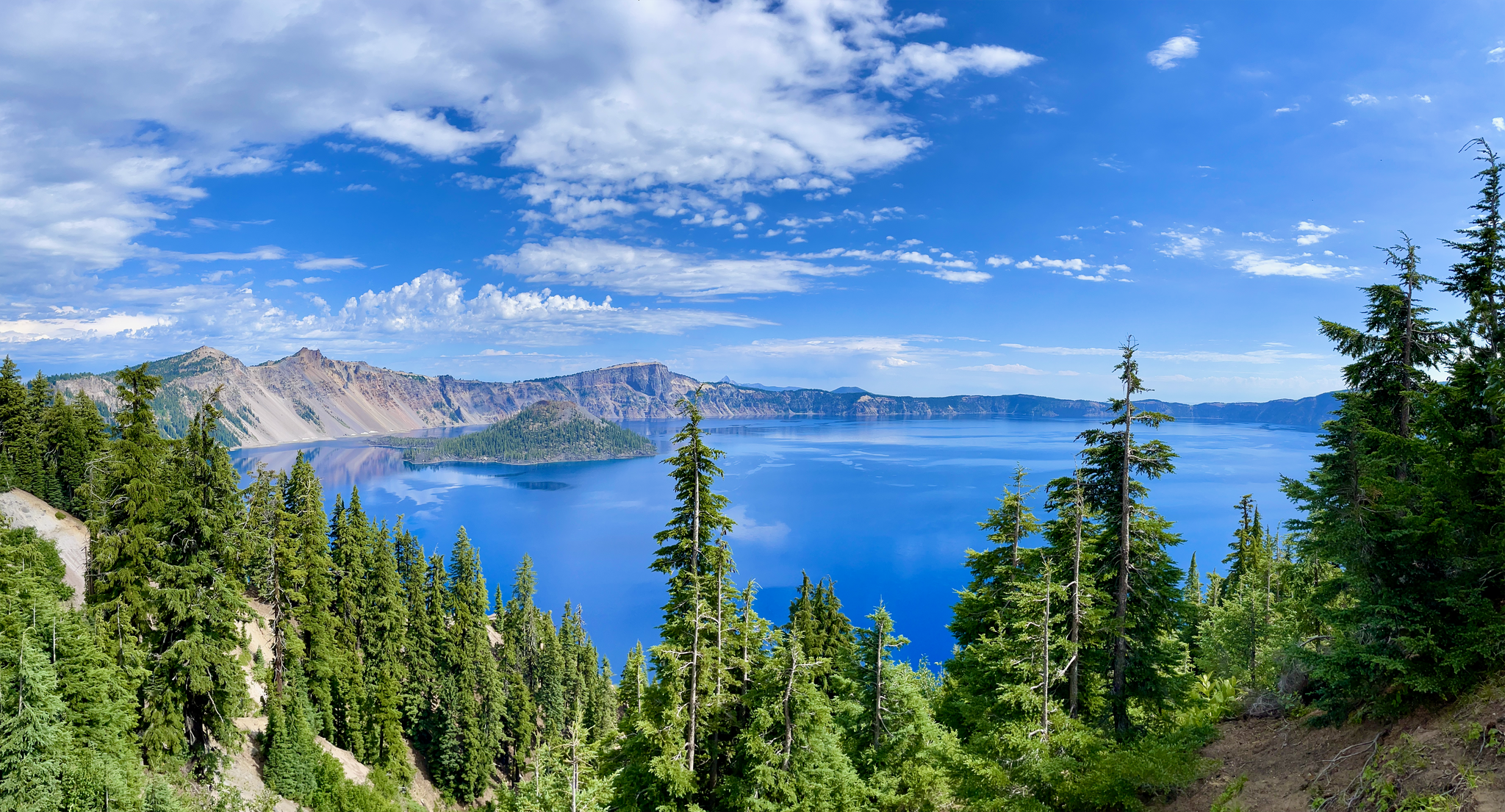
The pristine beauty of the US National Parks
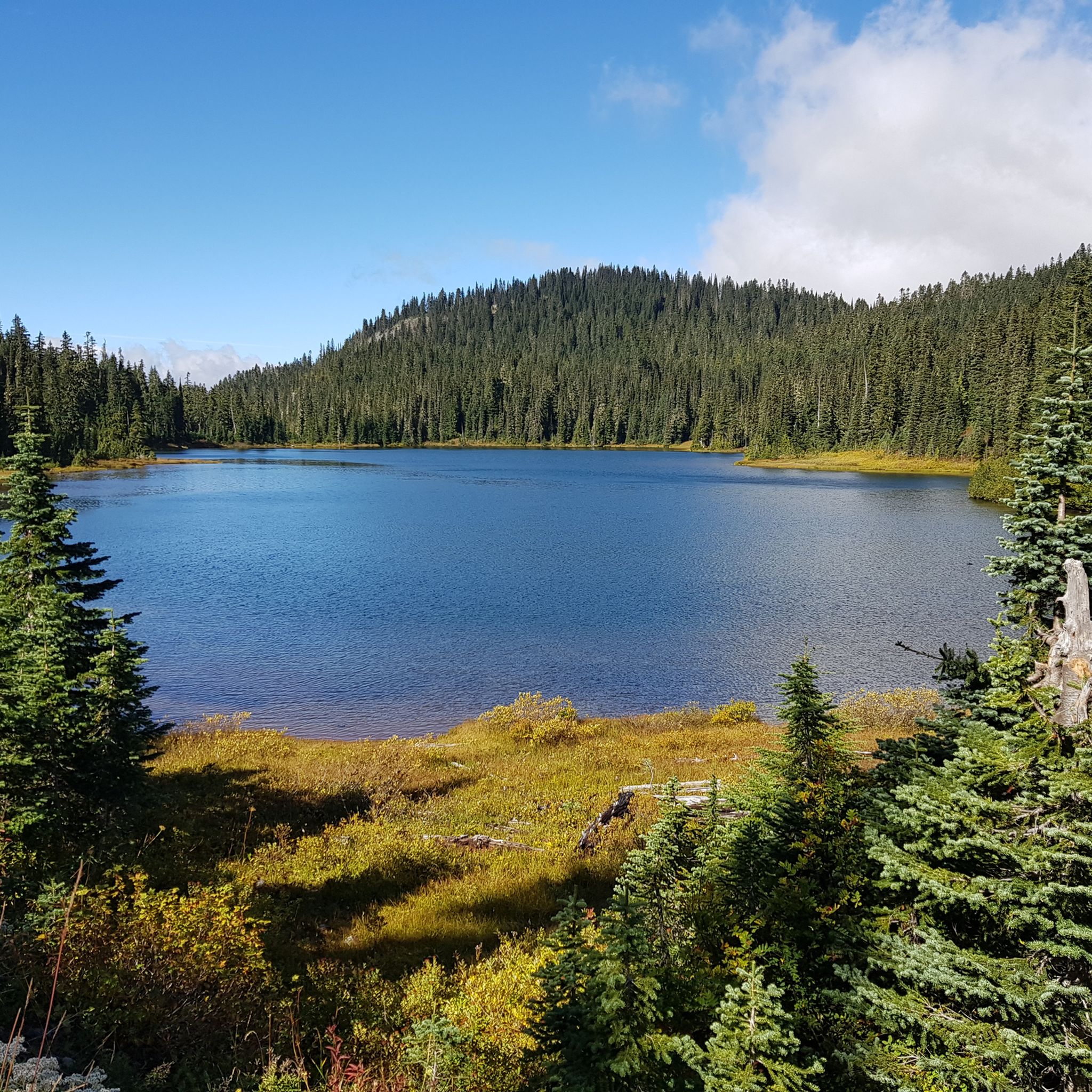
Hiking in Mount Rainier Wilderness
Road Cycling Routes in Mount Rainier Wilderness
Cycling in Mount Rainier Wilderness
MTB Trails in Mount Rainier Wilderness
Running Trails in Mount Rainier Wilderness


Tips from the Community

Small quiet lake, today we were all alone to hear the silence
0
0

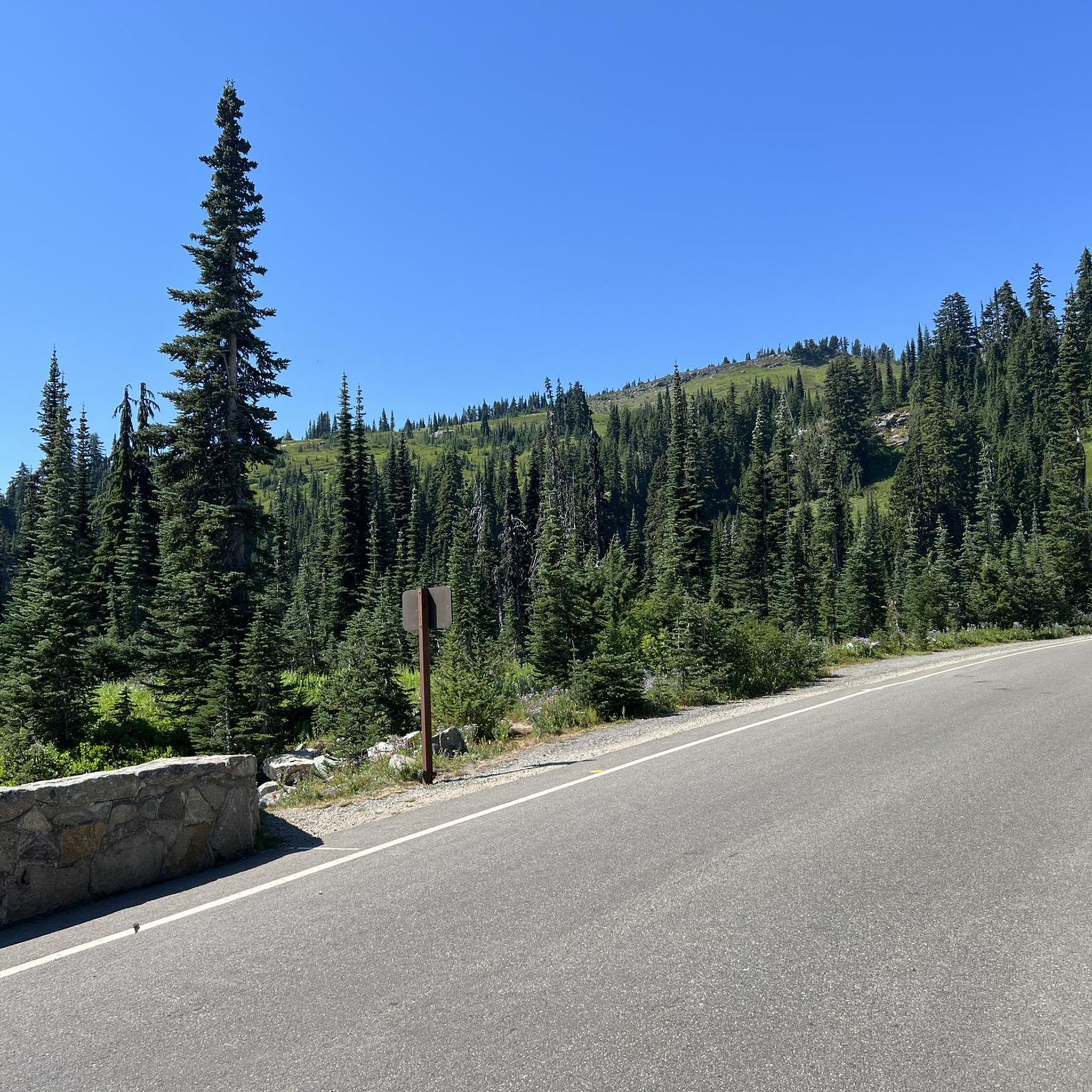
At 5,430 ft, Chinook Pass offers stunning mountain along Mather Memorial Parkway. The pass is open mid-May to November—check for seasonal closures before you go.
0
0

The summit of this pass is marked by a rustic stone-and-wood archway that happens to be part of the legendary Pacific Crest Trail. If you want to hop off your bike for a minute, there's a pretty, short nature trail here with great views of Mt. Rainier, the Cascade Mountains, and Tipsoo Lake.
0
0

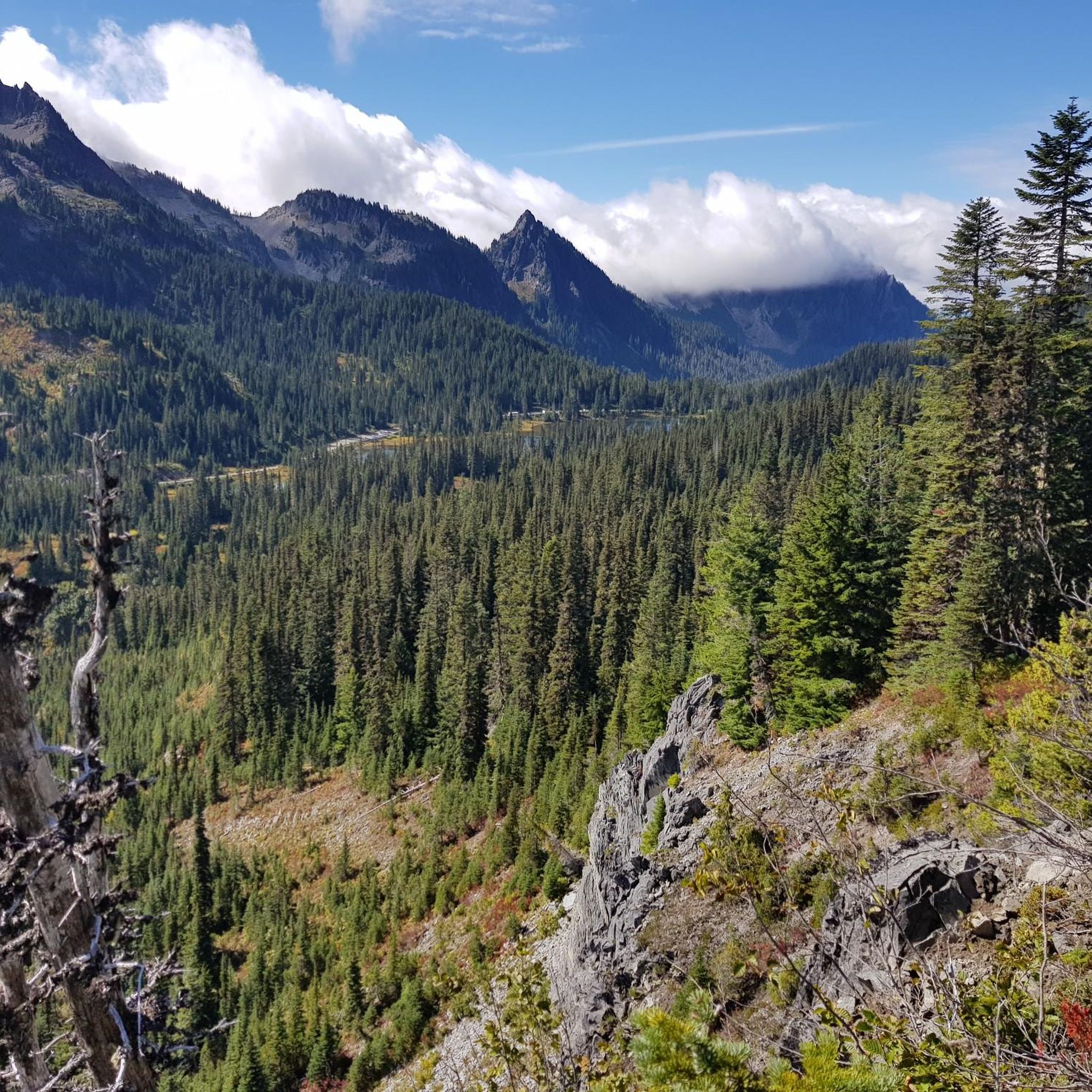
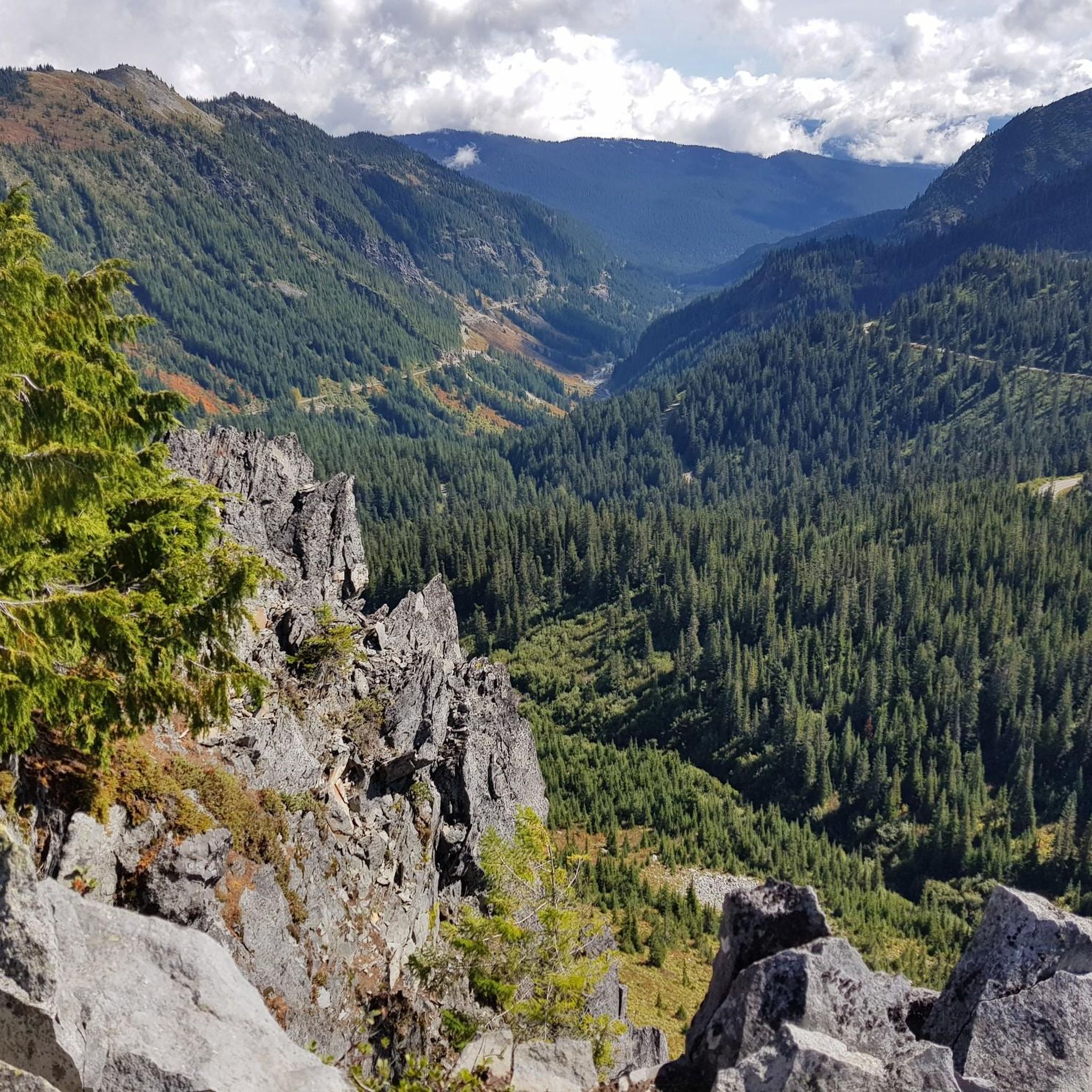
Faraway Rock is an accessible overlook on the Mazama Ridge Trail in Mount Rainier National Park. From the top of Faraway Rock, you get panoramic views of Lake Louise and the Tatoosh Ridge, which includes Tatoosh, Stevens, Plummer, Unicorn, Foss, and Pinnacle Peaks. From here you can keep going on the Mazama Ridge Trail to a tarn and the intersection of the High Lakes Trail, or you can loop back to the trailhead and parking area at Reflection Lakes via the Lower Lakes Trail.
0
0

Impressive landscape and vegetation. If you're lucky, you can see animals like marmots. The weather can change very quickly, so you should be well equipped with hiking boots and clothing against the rain. The paths are well signposted. You can get information at the Visitor Center and films are also shown. There is a large parking lot, but not for overnight stays.
0
0

It's not as shady as it looks. Unfortunately, swimming is forbidden - and the park rangers come by quite regularly to check the ban!
1
0

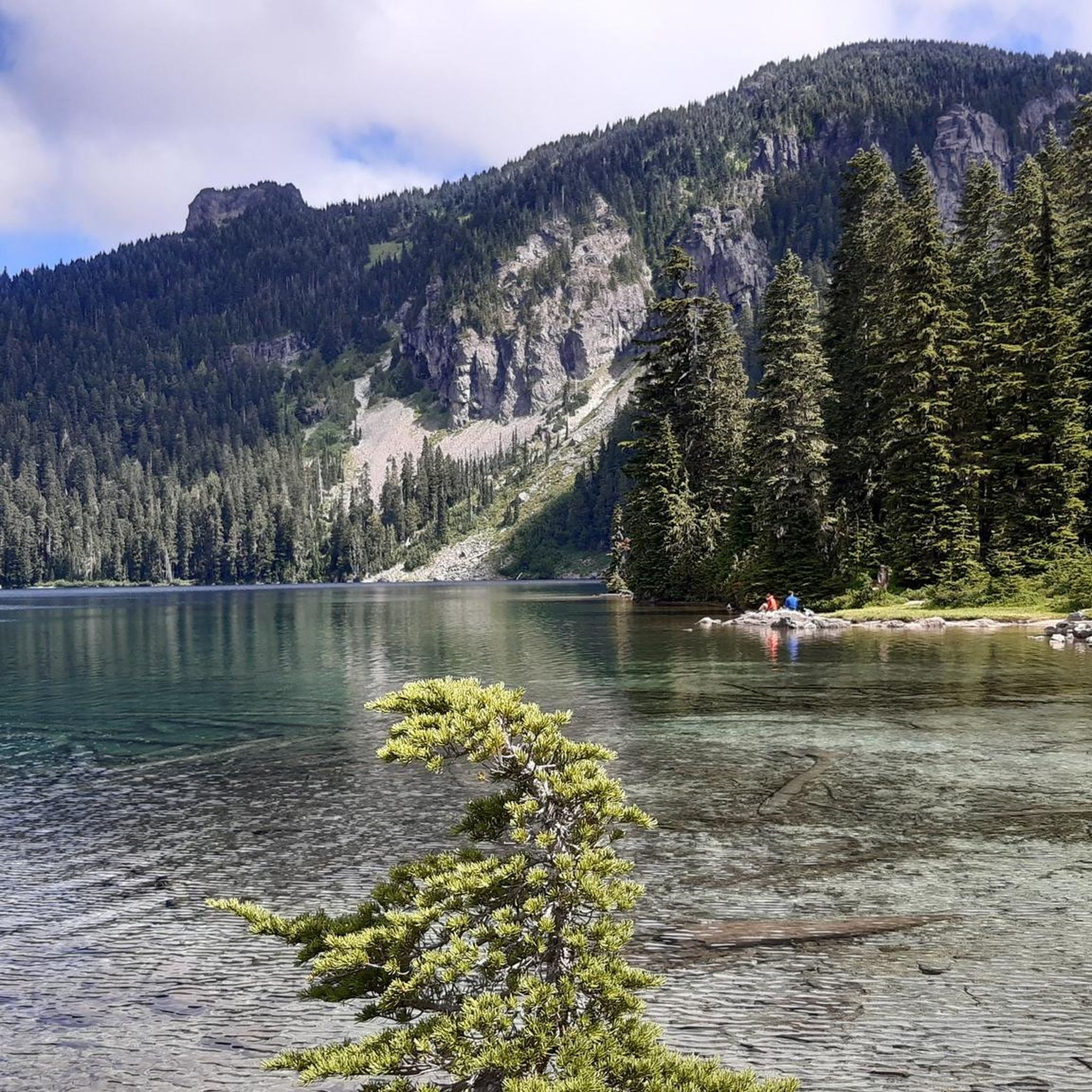
Stunning alpine lake nestled near Sunrise Camp. The lake offers a peaceful setting and serves as a nice spot for a picnic if you wish to take a break and enjoy the serene surroundings.
2
0
Narada Falls is a 168-foot waterfall fed from the Paradise River. There are two distinct tiers which make it very unique. Take a brief stroll below the road for the best viewing spot, but be mindful of the occasionally slippery path.
1
0
Frequently Asked Questions
What are some of the most notable natural features in Mount Rainier Wilderness?
Mount Rainier Wilderness is renowned for its diverse natural features. Beyond the iconic Mount Rainier itself, you'll find an extensive system of glaciers like the Narada Falls, vast subalpine wildflower meadows, ancient old-growth forests, and numerous cascading waterfalls. The region's geology and ecology are profoundly shaped by these elements.
Where can I experience the famous subalpine wildflower meadows?
The subalpine wildflower meadows are particularly vibrant from mid-July to early August. Paradise is renowned for its spectacular displays, with trails like the Skyline Trail offering stunning views amidst the blooms. Sunrise, the highest point accessible by car, also features expansive meadows, particularly in areas like Berkeley Park. Indian Henry's Hunting Ground, near Longmire, offers beautiful floral displays as well.
Are there any impressive waterfalls to visit in Mount Rainier Wilderness?
Yes, the wilderness features several impressive waterfalls. Narada Falls is a popular 168-foot waterfall fed from the Paradise River, known for its two distinct tiers. Myrtle Falls is another picturesque spot, easily accessible via a short 0.8-mile hike, offering excellent photography opportunities.
What makes Mount Rainier itself a significant natural monument?
Mount Rainier, standing at 14,410 feet, is the most prominent peak in the Cascade Range and an active volcano. It is the most heavily glaciated peak in the contiguous United States, with 26 named glaciers covering about 37 square miles. Its sheer scale, active volcanic nature, and role in shaping the surrounding landscape make it a powerful and awe-inspiring natural monument.
Where can I find stunning reflective lake views of Mount Rainier?
Reflection Lake is famous for its almost mirror-like reflections of Mount Rainier, offering an iconic and serene vista. While it requires a moderate 2.75-mile hiking loop to access, the breathtaking natural beauty, particularly the reflections, makes it a highly rewarding destination.
Can I explore ancient forests in the wilderness?
Absolutely. The lower slopes of Mount Rainier are cloaked in ancient forests, with some stands over 1,000 years old. These old-growth forests provide a habitat for diverse wildlife and offer a sense of primeval wilderness. Walking among these towering trees provides a unique and awe-inspiring experience.
Are there family-friendly natural monuments or easy hikes in Mount Rainier Wilderness?
Yes, several natural monuments are accessible for families or offer easier hikes. Chinook Pass offers a short nature trail with great views. Shadow Lake is a peaceful alpine lake that is family-friendly. For easy hikes, consider routes like the Tipsoo Lake Loop or the Box Canyon Trail, which are part of the Easy hikes in Mount Rainier Wilderness guide.
What should I know about accessing natural monuments like Chinook Pass?
Chinook Pass is a mountain pass at 5,430 feet, featuring a rustic stone-and-wood archway. It offers stunning mountain views along Mather Memorial Parkway. The pass is typically open from mid-May to November, but it's crucial to check for seasonal closures before you go, as weather conditions can affect accessibility. A large parking lot with pit toilets is located just north of the pass.
What is the best time of year to visit the natural monuments in Mount Rainier Wilderness?
The best time to visit largely depends on what you want to see. For vibrant subalpine wildflower meadows, mid-July to early August is ideal. Many high-elevation areas and passes, like Chinook Pass, are only accessible from mid-May to November due to snow. For year-round viewing of glaciers, the Nisqually Glacier offers excellent perspectives from the Paradise area. Always check current conditions and road closures before your visit.
What outdoor activities can I do near these natural monuments?
Mount Rainier Wilderness offers a wide range of outdoor activities. You can find numerous hiking opportunities, from moderate trails like Sunrise to Mystic Lake to more challenging ones like Burroughs Mountain Loop. Mountain biking is also popular, with routes such as the Suntop Trail. For more details on routes, you can explore the Hiking in Mount Rainier Wilderness and MTB Trails in Mount Rainier Wilderness guides.
Are there challenging hikes to reach some of the natural monuments?
Yes, for those seeking a challenge, there are several demanding hikes. For instance, reaching the Carbon Glacier, the largest glacier by volume in the contiguous United States, involves a challenging 17.5-mile trail. Other difficult hikes include Burroughs Mountain Loop via Glacier Basin and Steamboat Prow via Glacier Basin Trail, offering rewarding views of the wilderness's grand scale.
What do visitors particularly enjoy about the natural monuments in Mount Rainier Wilderness?
Visitors frequently express awe at the impressive landscapes and vegetation. Many enjoy the panoramic views from overlooks like Faraway Rock Overlook, which offers breathtaking vistas of Lake Louise and the Tatoosh Ridge. The serene settings of alpine lakes like Shadow Lake are also highly appreciated for their peaceful atmosphere and picnic spots. The opportunity to see wildlife, such as marmots, adds to the experience.
Most popular routes in Mount Rainier Wilderness
Most popular attractions in Mount Rainier Wilderness

Get inspired with the komoot mobile app


Explore more
Extend your search for the best caves by checking out these guides of the top ones in Mount Rainier Wilderness:
