The best waterfall hikes and walks in Mount Rainier Wilderness
4.8
(583)
9,051
hikers
18
hikes
Waterfall hiking trails in Mount Rainier Wilderness traverse a landscape shaped by the iconic Mount Rainier, an active stratovolcano. The region features a significant elevation gradient, supporting diverse ecosystems from ancient old-growth forests at lower elevations to subalpine meadows. Numerous rivers and streams, fed by the area's extensive glaciers, carve through the terrain, creating a multitude of waterfalls. This wilderness offers a complex network of trails through varied environments, from dense woodlands to open alpine areas.
Best waterfall hiking trails…
Last updated: July 8, 2026
5
hikers
2.85km
01:11
390m
0m
Embark on the Comet Falls Trail, a moderate hike that takes you through a lush forest alongside Van Trump Creek. This route covers 1.8 miles (2.8 km) and involves a…
2
hikers
3.22km
00:57
60m
160m
This easy section of the Wonderland Trail offers a delightful ramble through Mount Rainier National Park, connecting two iconic viewpoints. You'll wander through serene alpine forests and past colorful wildflower…

Sign up for free
2.86km
00:52
0m
170m
The Eastside Trail to Stafford Falls is a moderate 1.8-mile (2.9 km) hike that plunges you into a serene, old-growth forest, offering a quick escape into nature. You'll follow the…
5.87km
01:54
330m
140m
Embark on a moderate hike along the Stevens Creek Trail, a 3.6-mile (5.9 km) route that guides you through the diverse landscapes of Mount Rainier National Park. You will gain…
148km
50:00
7,130m
7,770m
Hike the difficult 92.1-mile Wonderland Trail around Mount Rainier, gaining 23398 feet through diverse, scenic landscapes.
Get access to more routes and recommendations from other explorers.
Sign up for free
Already have an account?
Our route recommendations are based on thousands of hikes, rides, and runs completed by other people on komoot.
Start today with a free account
Your next adventure awaits.
Login or Signup
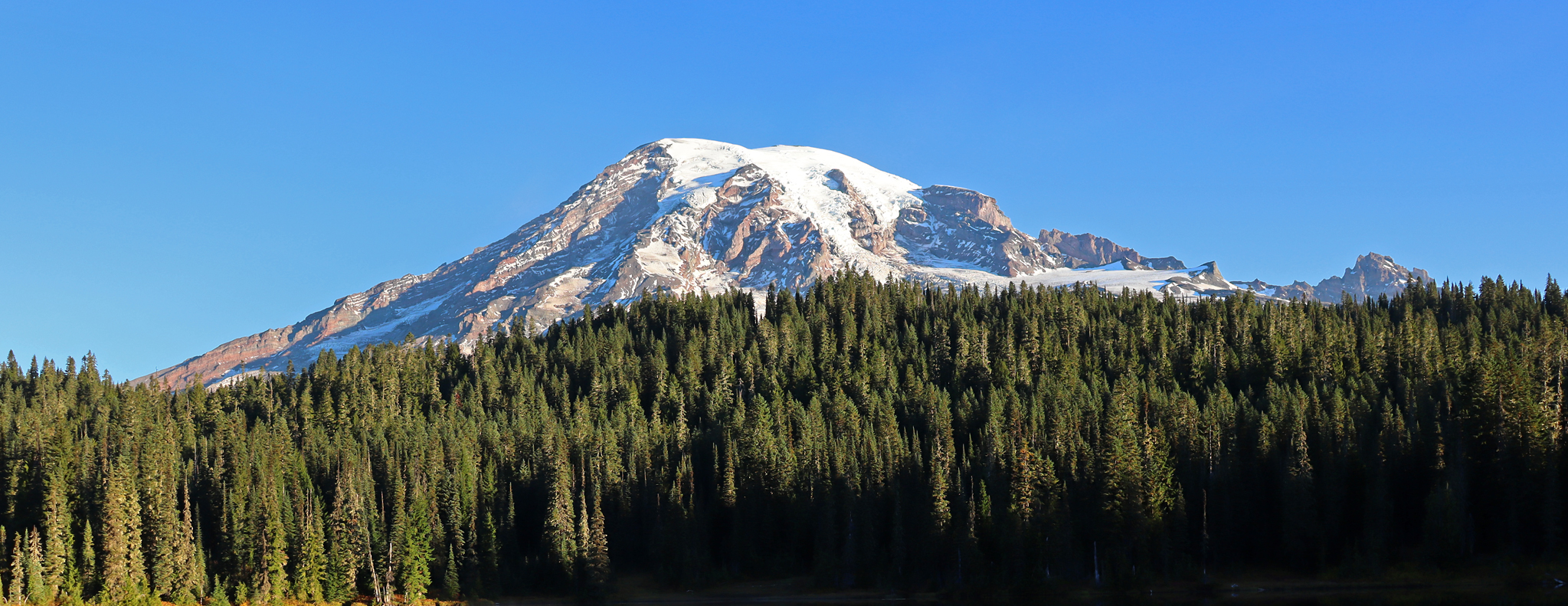
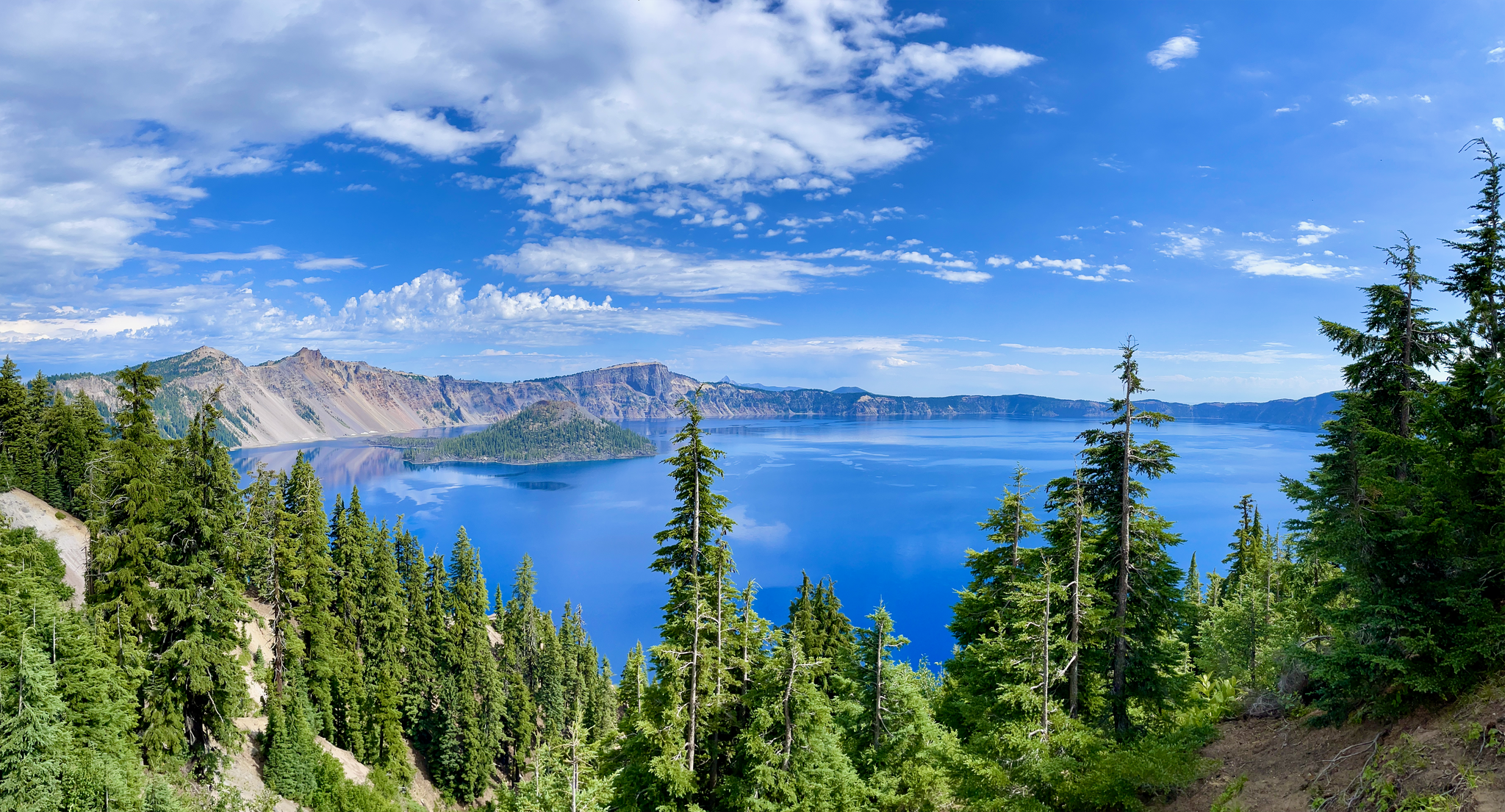
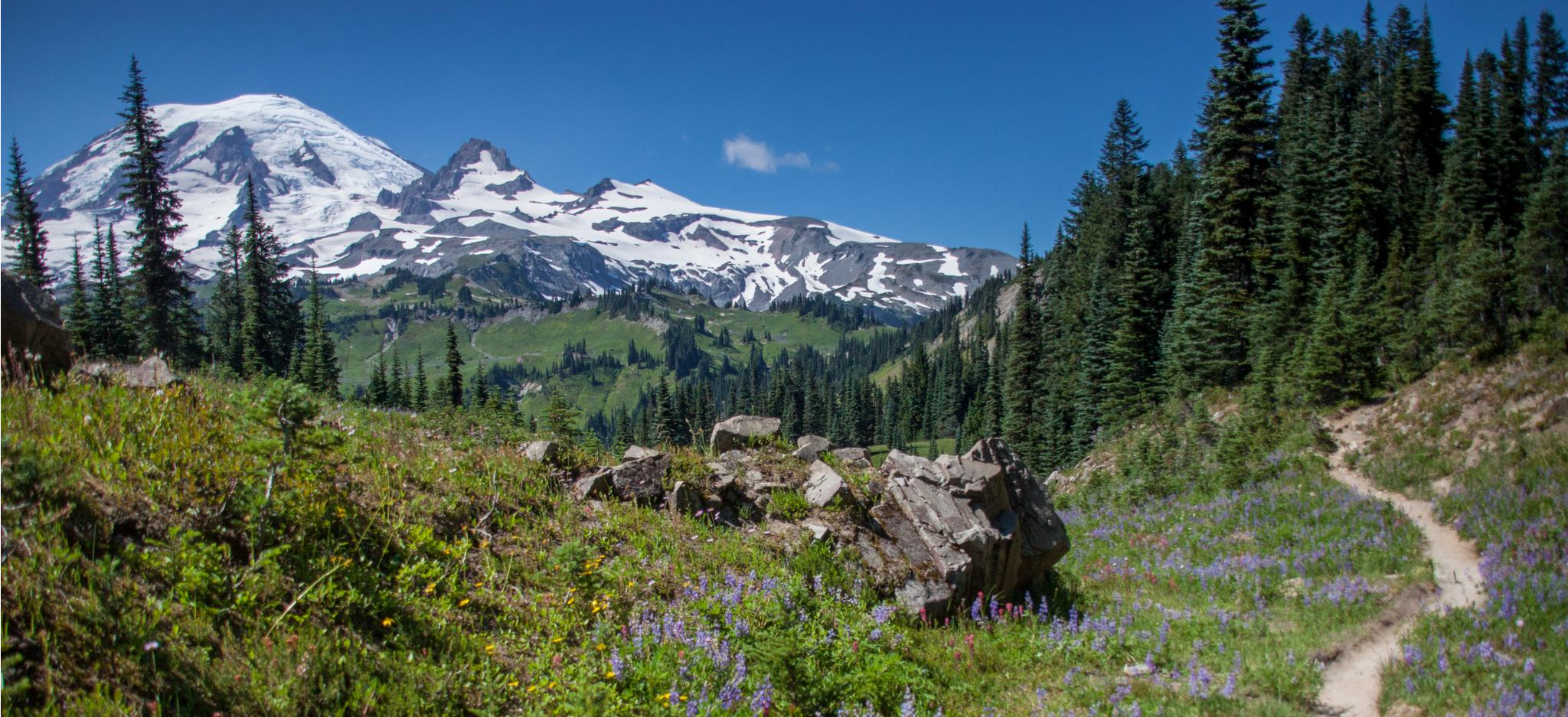


Tips from the Community

It was very rough going up, but when we got there it was frozen in July.
0
0

Indian Bar Camp sits in a wide alpine basin with clear views of Rainier’s east face and a glacial river running through the valley. There’s a composting toilet and nearby water (always filter it). It's a good overnight option and even if you’re not camping, it’s a good place to take a short break. The footbridge offers a clear look at the waterfall and surrounding terrain.
0
0
South Puyallup River Camp is a backcountry site tucked in dense old-growth forest, with access to water from the nearby river (always treat it). It’s a spot for catching your breath before the long climb toward Emerald Ridge. A short side trail leads to the South Puyallup River Bridge, where you can see dramatic columnar basalt formations formed by ancient lava flows.
0
0
The descent from Klapatche Park to North Puyallup Camp is one of the more scenic stretches of the Wonderland Trail. As you drop elevation, you’ll pass alpine meadows, cascading streams, and open views of Rainier’s glaciers. The trail is often soft underfoot and runnable, but sections can be rocky and narrow, so stay alert. A rewarding mix of downhill flow and epic scenery.
0
0
The falls are just off Paradise Road, with a small pull‑out parking area and a short paved path (about 0.1 miles) leading to a viewpoint framed by the charming historic stone bridge.
0
0

From this spot on the Wonderland Trail, you get a great view of Mount Ruth and the Cowlitz Chimneys. The Cowlitz Chimneys are known for their steep, eroded faces and colorful, layered rock, which are all remnants of ancient volcanic activity.
0
0
Indian Bar Camp is one of the most beloved and scenic backcountry camps on the Wonderland Trail, located on the southeastern flank of Mount Rainier in a dramatic alpine basin carved by the Ohanapecosh Glacier. The camp sits where the Wauhaukaupauken Falls tumble into a wide, flower-filled valley, with big views of Rainier’s eastern face, surrounding ridgelines, and the braided river below. Campsites are split into two areas: a group site near the historic Indian Bar shelter (a stone structure built in the 1930s) and several individual tent pads just across the river, accessed by a sturdy footbridge. The individual sites are more exposed but offer incredible views—particularly at sunrise and sunset. Facilities include a composting toilet, bear pole, and nearby water from the glacial river (always treat before drinking). Indian Bar is especially popular during wildflower season and is often cited as a top overnight stop on the entire trail for its dramatic setting and alpine beauty.
0
0
South Puyallup River Camp is a small, remote backcountry campsite on the southwest side of the Wonderland Trail, roughly halfway between Klapatche Park and Devil’s Dream camps. Facilities include a composting toilet, bear pole, and access to water from the river (always treat or filter). It sits near the confluence of Tahoma Creek and the South Puyallup River, in a cool, quiet forest not far from the edge of Rainier’s glacial runoff zones. The camp is nestled in lush old-growth forest, with plenty of shade and moss-draped trees. While it lacks the dramatic alpine views you’ll find at higher camps, it offers a peaceful setting near a tumbling glacial river. The highlight here is the short side trail to the South Puyallup River Bridge, where you’ll find striking columnar basalt formations—rare volcanic rock columns created by ancient lava flows.
0
0
Frequently Asked Questions
How many waterfall hiking trails are available in Mount Rainier Wilderness?
Mount Rainier Wilderness offers a diverse selection of over 15 waterfall hiking trails. These routes traverse varied terrain, from dense old-growth forests to subalpine areas, providing numerous opportunities to experience the region's abundant waterfalls.
What are some easy waterfall hikes suitable for beginners or families in Mount Rainier Wilderness?
For an easy and scenic experience, consider the Reflection Lake to Narada Falls via Wonderland Trail. This 2.0-mile path offers beautiful views of Reflection Lake before reaching the impressive Narada Falls. The Paradise area also features trails like the Alta Vista Trail, which is great for introducing young children to hiking.
Are there any challenging waterfall trails for experienced hikers in Mount Rainier Wilderness?
While many waterfall trails are moderate, the region's overall terrain can be challenging. For a longer, more strenuous experience that might incorporate waterfall views, consider sections of the Wonderland Trail, which encircles Mount Rainier and gains significant elevation. Always check individual route details for difficulty.
What is the best time of year to experience the waterfalls in Mount Rainier Wilderness?
The best time to visit for vibrant waterfalls is typically during the late spring and early summer (May to July) when snowmelt is at its peak, feeding the rivers and streams. During this period, the subalpine meadows also burst with wildflowers, adding to the scenic beauty.
Can I bring my dog on waterfall hikes in Mount Rainier Wilderness?
Mount Rainier National Park, which encompasses much of the wilderness, has specific regulations regarding pets. Generally, dogs are not permitted on most hiking trails, including those leading to waterfalls, to protect wildlife and natural resources. They are usually allowed only on paved roads, in campgrounds, and on specific designated trails. Always check the current park regulations before bringing your pet.
Are there any circular or loop waterfall trails in the area?
While many waterfall trails are out-and-back, some can be combined with other paths to create a loop. For example, the Comet Falls Trail is an out-and-back, but you can often find shorter loop options around areas like Tipsoo Lake, which might offer views of smaller cascades or streams.
What kind of wildlife might I see near the waterfalls?
The diverse ecosystems around Mount Rainier's waterfalls support various wildlife. In forested areas, you might spot deer, elk, or a variety of bird species. In higher alpine regions, especially around Sunrise, mountain goats are often seen. Always observe wildlife from a distance and do not feed them.
What should I wear or bring for a waterfall hike in Mount Rainier Wilderness?
Given the varied terrain and weather, it's advisable to wear layers, including waterproof outer shells, as conditions can change rapidly. Sturdy hiking boots with good grip are essential, especially on potentially wet or uneven trails. Bring plenty of water, snacks, a map, and navigation tools. Insect repellent is also recommended, particularly near water sources.
Are permits required for hiking to waterfalls in Mount Rainier Wilderness?
Day hiking to waterfalls generally does not require a wilderness permit. However, if you plan to do any overnight wilderness camping, a permit is required. These can be reserved in advance or obtained in person. For more detailed information on permits, you can visit the official NPS website: nps.gov/mora.
What are some notable natural features or attractions near the waterfall trails?
Beyond the waterfalls themselves, the region boasts stunning natural attractions. You can explore Chinook Pass, known for its wildflowers, or visit Shadow Lake for serene waterscapes. The area is also home to numerous glaciers, such as the Emmons Glacier, and vast old-growth forests, particularly in the Ohanapecosh area.
What do other hikers say about the waterfall trails in Mount Rainier Wilderness?
The waterfall trails in Mount Rainier Wilderness are highly rated by the komoot community, with an average score of 4.7 stars from over 400 reviews. Hikers frequently praise the stunning natural beauty, the power of the waterfalls, and the immersive experience of hiking through ancient forests.
Are there options for parking near the waterfall trailheads?
Parking is generally available at popular trailheads leading to waterfalls, such as those for Comet Falls or Narada Falls. However, during peak season, parking lots can fill up quickly, especially in popular areas like Paradise and Sunrise. Arriving early in the day is highly recommended to secure a spot.
Are there any hidden gem waterfall hikes worth exploring?
While many waterfalls are well-known, exploring less-trafficked routes like the Stevens Creek Trail can lead to more secluded cascades and a quieter experience. The extensive network of trails means there are always opportunities to discover your own favorite spots away from the main crowds.
Most popular routes in Mount Rainier Wilderness
Most popular attractions in Mount Rainier Wilderness

Get inspired with the komoot mobile app


Explore more
Browse the best Hikes in other regions.
