Top 4 Natural Monuments around Virginia Beach
Best natural monuments around Virginia Beach showcase a diverse coastal environment. The region features extensive beaches, maritime forests, freshwater marshes, and unique barrier island ecosystems. These areas provide habitats for a variety of wildlife and offer opportunities for outdoor exploration. Virginia Beach's natural landscape is shaped by its Atlantic coastline and numerous inland waterways.
Best natural monuments around Virginia Beach
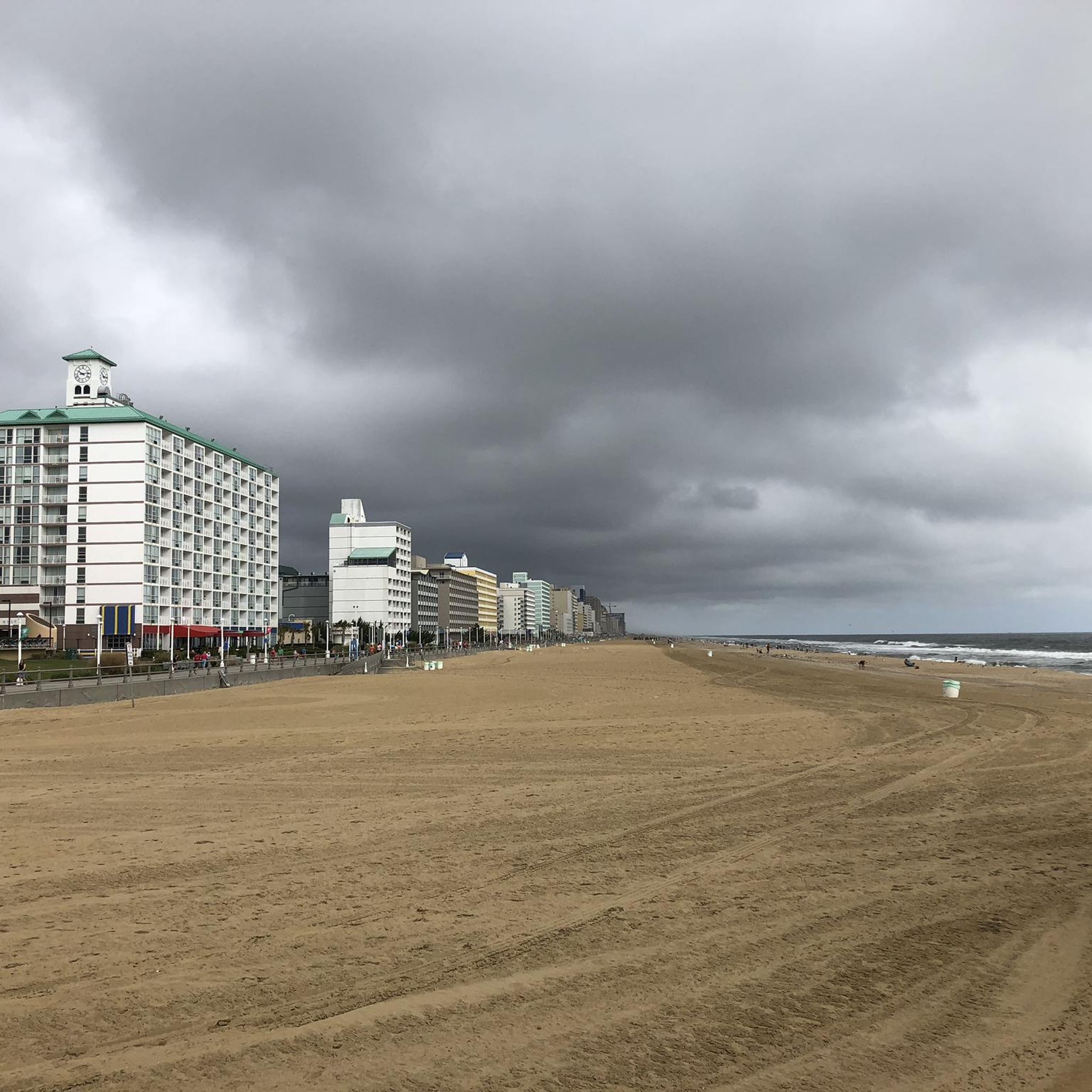
- The most popular natural monuments is Path to a pristine beach, a beach that features a boardwalk leading to…
Last updated: November 11, 2026
Path to a pristine beach
Highlight • Beach
Tip by

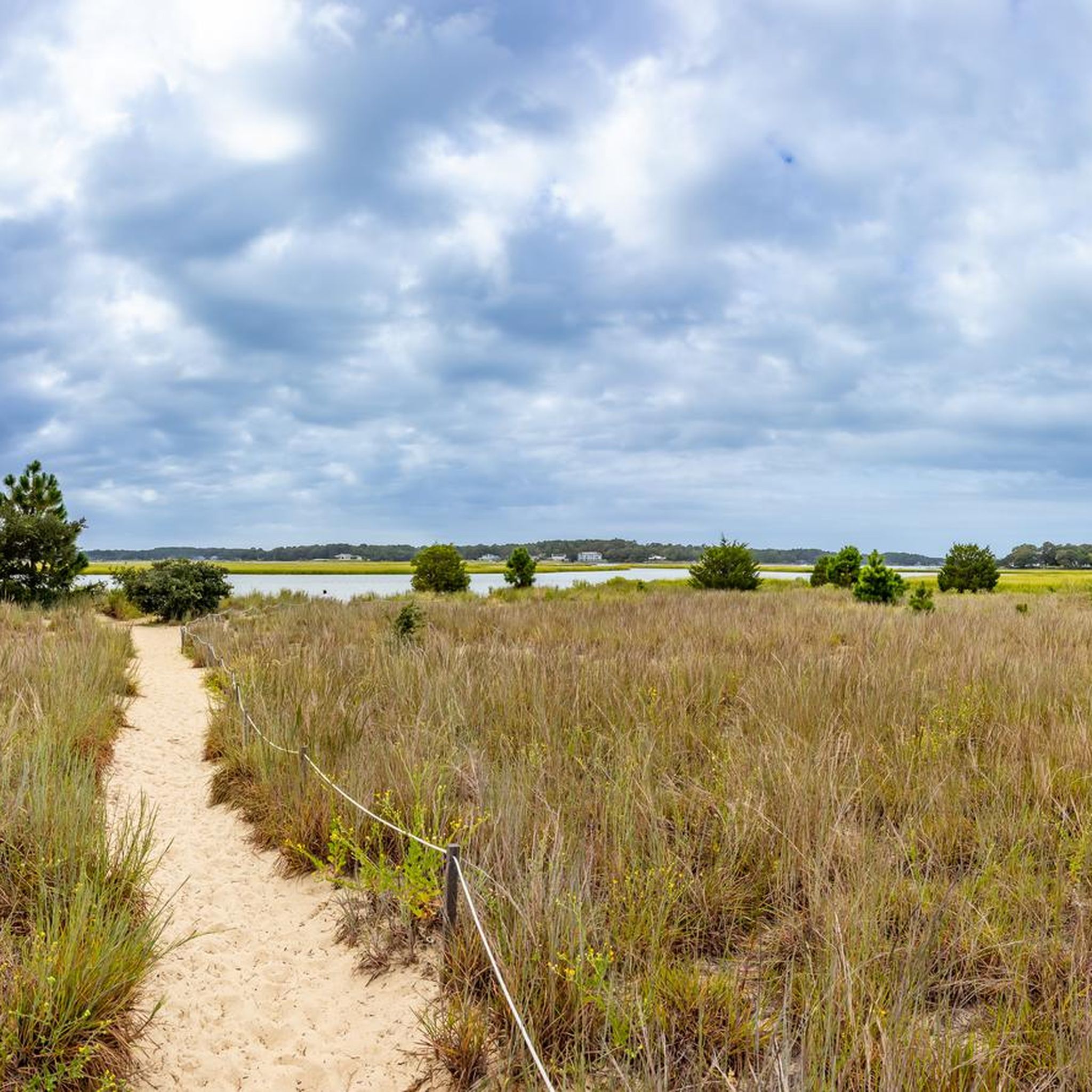
Back Bay National Wildlife Refuge
Highlight • Natural Monument
Tip by

Sign up now to discover places like this
Get recommendations on the best single tracks, peaks, & plenty of other exciting outdoor places.
Sand Dunes at Virginia Beach
Highlight • Beach
Translated by Google •
Tip by

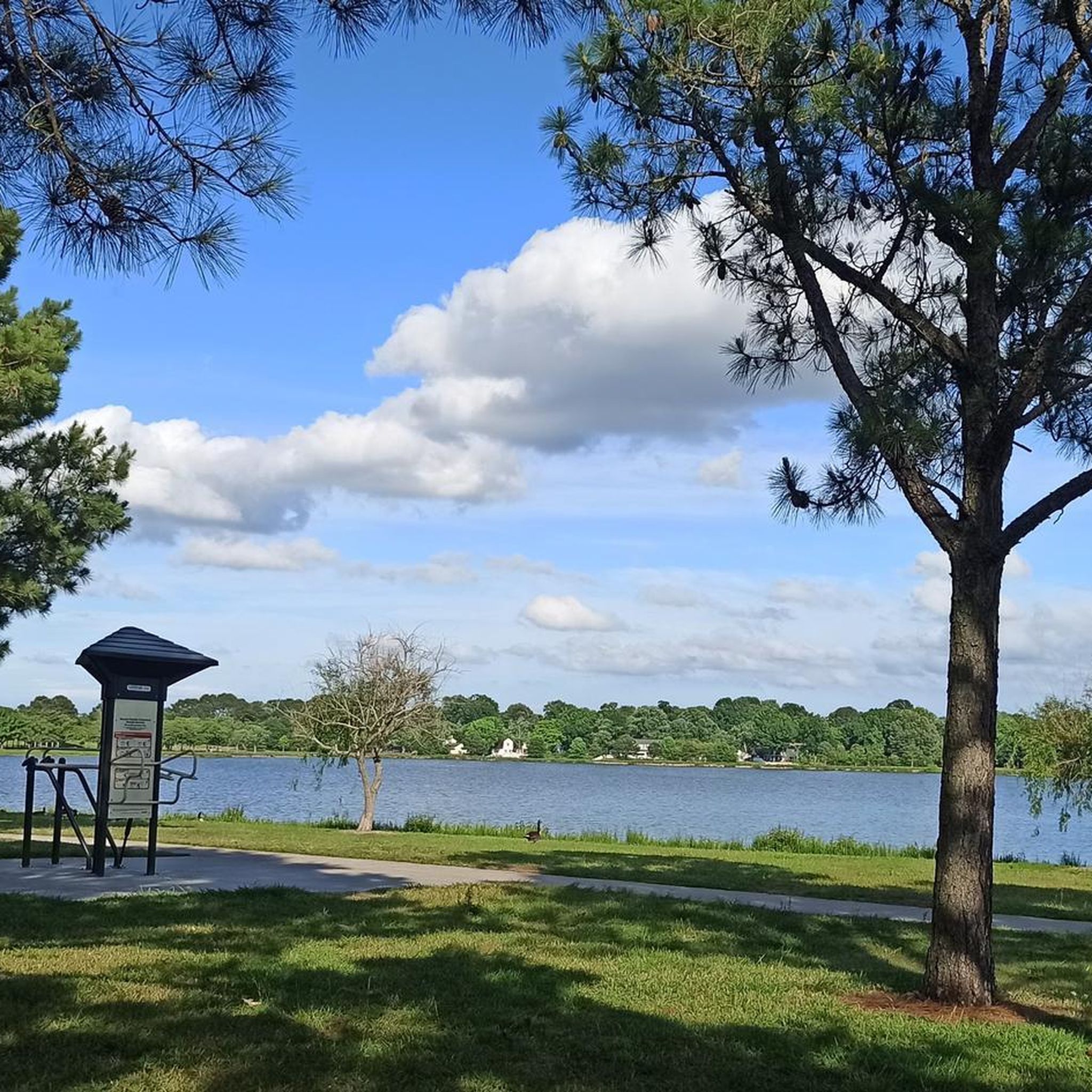
Lake Lawson/Lake Smith Natural Area
Highlight • Lake
Tip by

Start today with a free account
Your next adventure awaits.
Other adventures around Virginia Beach

Tips from the Community

A really great sandy beach on the Atlantic, which gives a very clean and tidy impression.
3
0

The Lake Lawson/Lake Smith Natural Area is a well-kept nature preserve is Virginia Beach. The area is most popular for fishing, but the trails on the property are great for running, too. There is a bridge connecting the two peninsulas together with a bunch of benches and picnic areas dispersed throughout the park. The trails are pretty flat and can get overgrown at times. This isn't the place to set any records, but it's a fun trail run without having to leave the suburbs.
0
0

The hiking trails are clearly marked and easy to navigate. The landscape is beautiful.
0
0

This boardwalk leads to a magnificent stretch of sandy beach. It's perfect for relaxing during a bike ride, watching the waves lap the shore and forgetting any worries.
0
0

The area has been protected since 1938 and is home to a wide variety of birds and other animals. It is a beautiful place to visit, especially if you cycle along its paths.
0
0

Warning: The biking / hiking trails through the Back Bay Reserve close over the winter to protect wild birds. If the goal is to reach the False Cap National Park, you have to use a boat connection during this time.
1
0
It is always worth interrupting the bike tour to let your soul dangle on the pristine beach for a while.
0
0
Frequently Asked Questions
What types of natural landscapes can I explore around Virginia Beach?
The Virginia Beach area offers a diverse range of natural landscapes. You can find maritime forests, cypress swamps, and dunes at First Landing State Park, barrier islands and freshwater marshes at Back Bay National Wildlife Refuge, and unique bald cypress trees emerging from the water at Stumpy Lake Natural Area. Even a transformed landfill, Mount Trashmore Park, provides scenic views and lakes.
Where can I go for wildlife spotting near Virginia Beach?
For excellent wildlife spotting, visit Back Bay National Wildlife Refuge, a crucial stopover for migratory birds like snow geese and tundra swans. False Cape State Park is home to over 300 species of birds, otters, deer, foxes, and even wild horses. Stumpy Lake Natural Area is great for observing egrets, river otters, and bald eagles.
Are there family-friendly natural areas to visit in Virginia Beach?
Absolutely! Many natural monuments are great for families. Path to a pristine beach, Back Bay National Wildlife Refuge, and Sand Dunes at Virginia Beach are all categorized as family-friendly. Mount Trashmore Park also offers wide-open spaces and recreational activities suitable for all ages.
What kind of hiking trails are available near these natural monuments?
You'll find a variety of hiking trails. First Landing State Park has over 19 miles of interpretive trails winding through diverse habitats. Back Bay National Wildlife Refuge offers shorter trails like the Seaside Trail and Raptor Trail. For more options, check out our guide to easy hikes around Virginia Beach, which includes trails like the Fox Run Loop and Stumpy Lake Loop.
Can I go cycling near the natural monuments?
Yes, cycling is a popular activity. Back Bay National Wildlife Refuge has paths perfect for cycling. First Landing State Park also offers trails suitable for biking. For traffic-free options, explore our guide to traffic-free bike rides around Virginia Beach, featuring routes like the Cape Henry Trail and Mount Trashmore Perimeter Trail.
Are there any natural monuments with historical significance?
First Landing State Park holds significant historical importance as the site where English colonists first landed in 1607. False Cape State Park also preserves the historic Wash Woods community, offering a glimpse into the past of this remote coastal area.
What is the best time of year to visit Back Bay National Wildlife Refuge?
The Back Bay National Wildlife Refuge is particularly excellent for birdwatching during the migratory seasons, especially in fall and winter when species like snow geese and tundra swans are present. However, note that some biking/hiking trails through the reserve may close over winter to protect wild birds.
Are dogs allowed on trails in the natural monuments?
Policies vary by location. Stumpy Lake Natural Area is known to have dog-friendly hiking trails. Always check specific park regulations before bringing your pet, as some wildlife refuges or protected areas may have restrictions to protect sensitive ecosystems and wildlife.
What should I bring for a hike in Virginia Beach's natural areas?
It's advisable to bring water, sun protection (hat, sunscreen), insect repellent, and comfortable hiking shoes. Depending on the season, layers of clothing are recommended. For remote areas like False Cape State Park, be prepared with all necessary supplies as amenities are limited.
Is public transport available to reach these natural monuments?
While some areas like Mount Trashmore Park might be accessible via public transport routes, many of the more remote natural monuments, such as False Cape State Park and Back Bay National Wildlife Refuge, are best reached by car, bike, or even boat. Always check local transit schedules for specific destinations.
Where can I find a pristine beach experience?
The Path to a pristine beach highlight leads to a magnificent stretch of sandy beach, perfect for relaxing. False Cape State Park also offers over six miles of unspoiled beaches, providing a true 'back-to-nature' coastal experience.
Are there any natural areas with lakes for fishing or paddling?
Yes, Lake Lawson/Lake Smith Natural Area is popular for fishing and offers trails for running. Stumpy Lake Natural Area features a 278-acre lake perfect for paddling, with opportunities to observe wildlife from the water. Mount Trashmore Park also has two lakes, Lake Windsor and Lake Trashmore, where fishing is permitted.
What makes Mount Trashmore Park a unique natural monument?
Mount Trashmore Park is unique because it's built on a former landfill, transformed into a 165-acre park with a 60-foot high 'mountain' and two lakes. It's an innovative example of environmental repurposing, offering recreational activities and scenic views on what was once waste.
Most popular routes around Virginia Beach
Most popular attractions around Virginia Beach

Get inspired with the komoot mobile app


