Top 20 Natural Monuments around Agliana
Best natural monuments around Agliana include a variety of natural features within the province of Pistoia, Italy. The region offers diverse natural sites, from distinctive geological formations like the Devil's Boulder to protected wetlands such as the Querciola Nature Protected Area. These locations often combine natural beauty with historical and archaeological interest, providing insights into the area's past. The landscape also features significant viewpoints and areas suitable for nature observation.
Best natural monuments around Agliana
- The most popular natural monuments…
Last updated: June 28, 2026
Croce della Retaia
Highlight • Summit
Translated by Google •
Tip by

Devil’s Rock (Pietramarina)
Highlight • Natural Monument
Translated by Google •
Tip by

Sign up now to discover places like this
Get recommendations on the best single tracks, peaks, & plenty of other exciting outdoor places.
Sign up for free
Faltognano Holm Oak
Highlight • Natural Monument
Translated by Google •
Tip by

Cascine di Tavola Park
Highlight • Forest
Translated by Google •
Tip by

Pietramarina Archaeological Area
Highlight • Historical Site
Translated by Google •
Tip by
Sign up for free to discover even more natural monuments around Agliana.
Sign up for free
Already have an account?
Start today with a free account
Your next adventure awaits.
Login or Signup
Tips from the Community

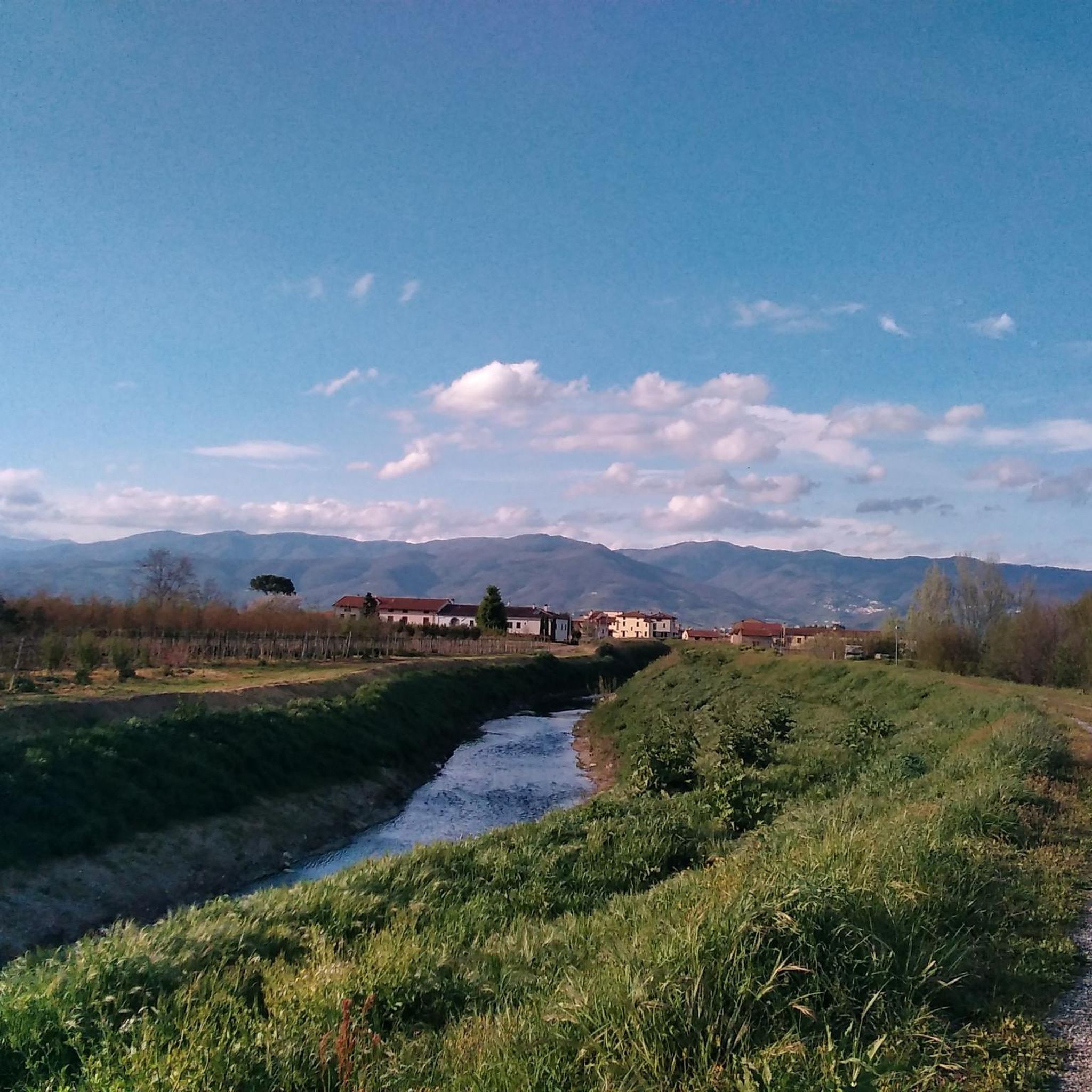
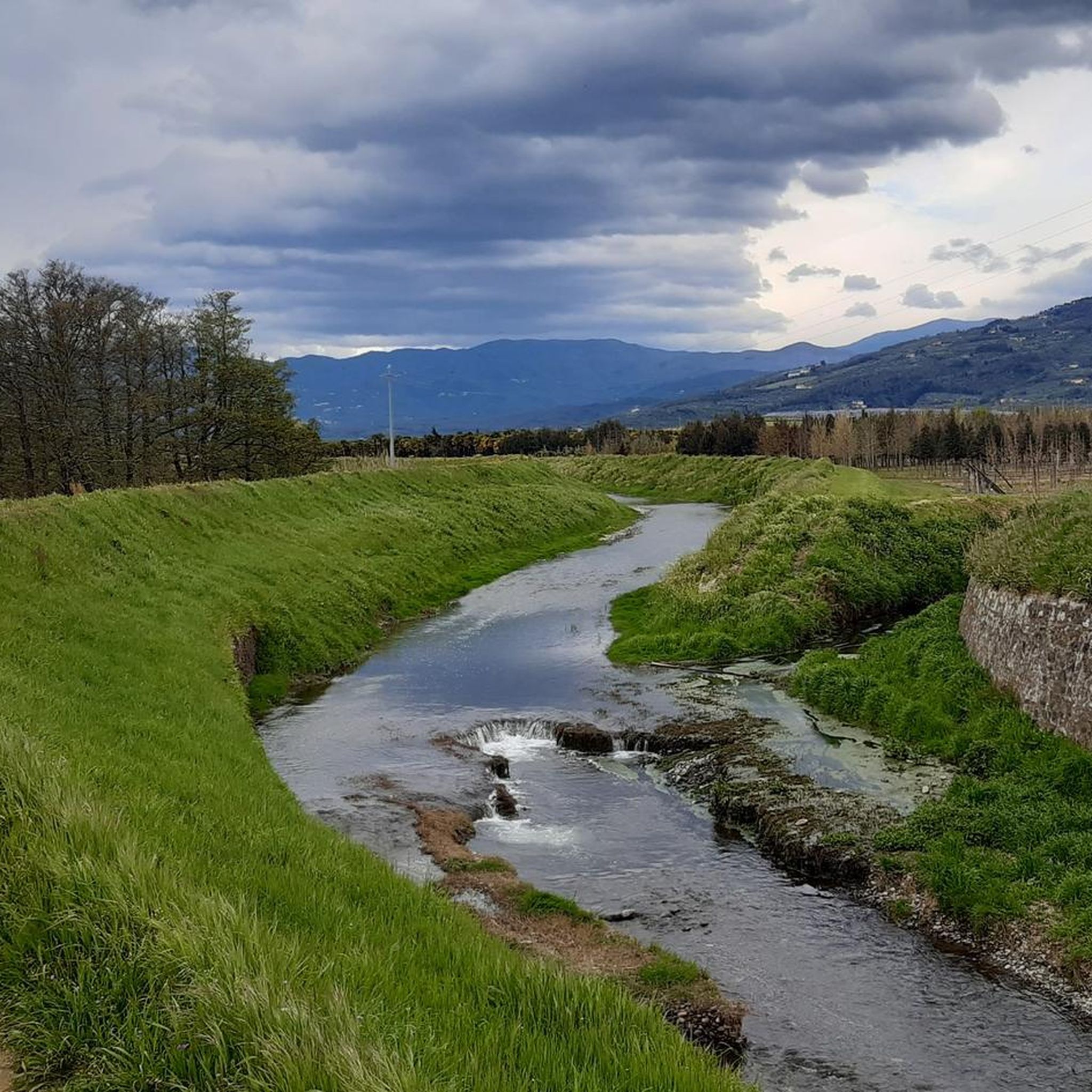
Parco delle Cascine di Tavola is a protected natural area and a public park of about 300 hectares located in the southern area of the municipality of Prato. Born in the 15th century at the behest of Lorenzo the Magnificent, it represents the city's main green lung and combines immense historical, landscape, and agricultural value. History and Medici Origins Conceived in the 15th century together with the nearby Villa Medicea di Poggio a Caiano. It was born as a model farm with a dense network of canals for land reclamation from swamps. The Medici Farm: A square-plan building with a water moat, built by Giuliano da Sangallo between 1477 and 1479 for livestock breeding and the production of cheeses destined for Florence.
0
0

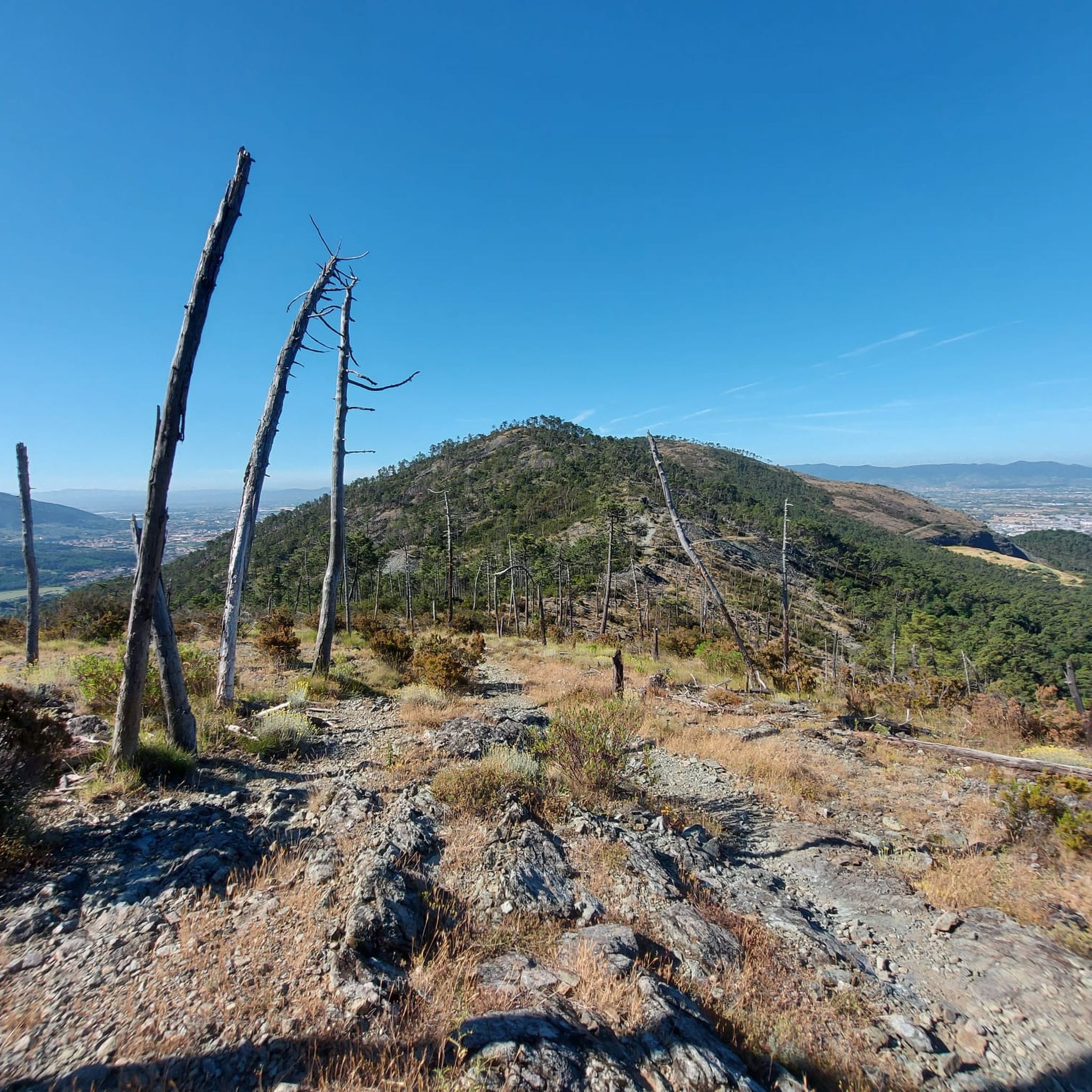
It is the pinnacle of Prato's hikes, starting from the slopes to get some fresh air, or for those with more time, as a stopping point for beautiful hikes in Calvana.
0
0

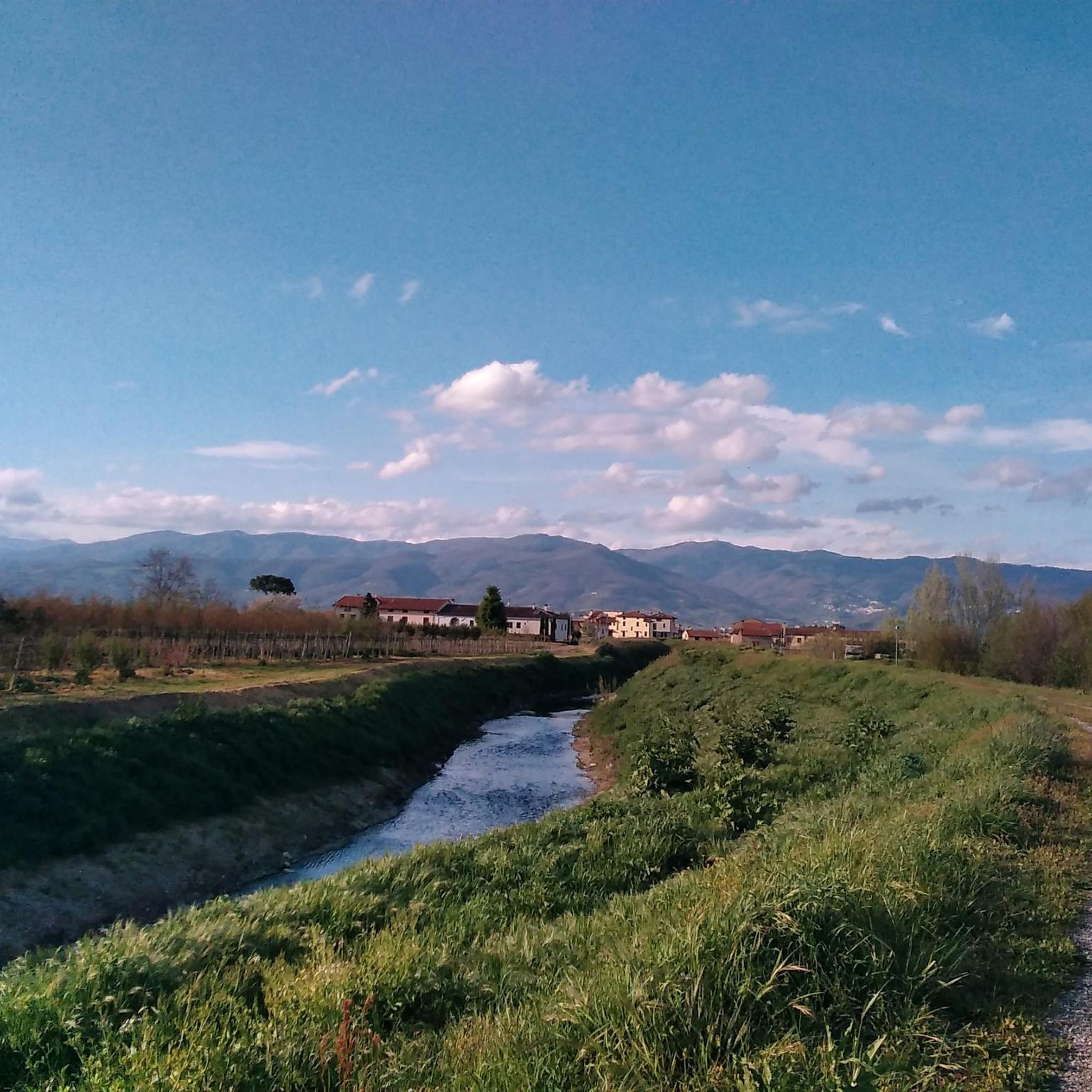
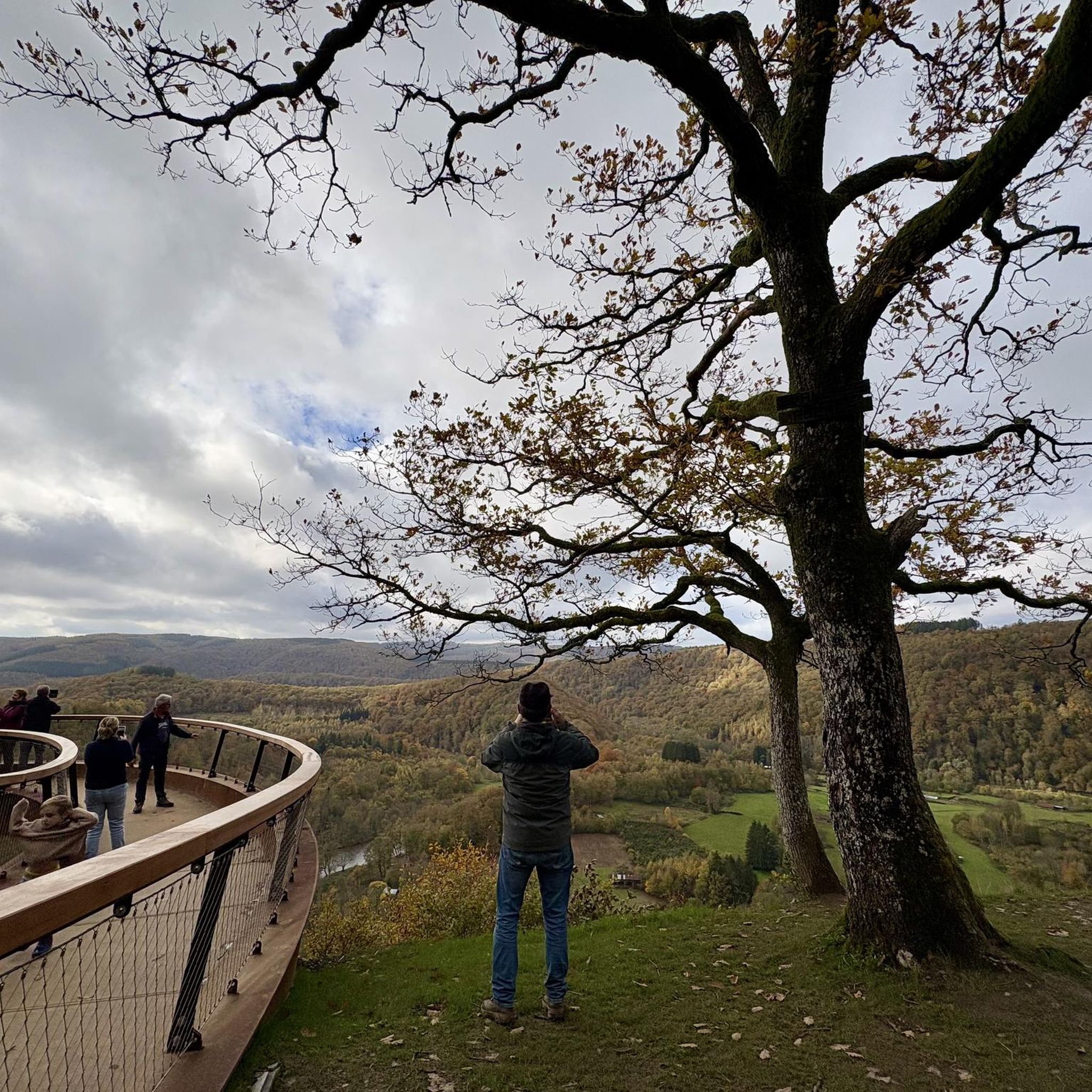
The holm oak of Faltognano is a monumental tree that is over a century old and is located near the church of Santa Maria Assunta in Faltognano, in the municipality of Vinci in the province of Florence. It is a specimen of holm oak (Quercus ilex) that has a trunk circumference of 4.60 m, is 11 m tall and dates back to before 1750 according to the inventory of monumental trees of Tuscany (progressive n°47). Over time it has undergone numerous prunings and interventions that have partially reduced its size and grandeur and altered its shape, which was once more dome-shaped. The plant has suffered from fungal attacks in recent decades and requires periodic care; at the moment various safety systems have been installed such as ropes, supports and a railing around the trunk to prevent branches from falling and limit access. In 2007 it received the Touring Club Award, an award announced by the TCI consuls of Tuscany for monumental trees. It is the symbol of the community of Faltognano and is located a short distance from the birthplace of Leonardo Da Vinci and the center of the city of Vinci; a center that can be seen inside the wonderful panoramic view that can be enjoyed from the foot of the tree.
1
0

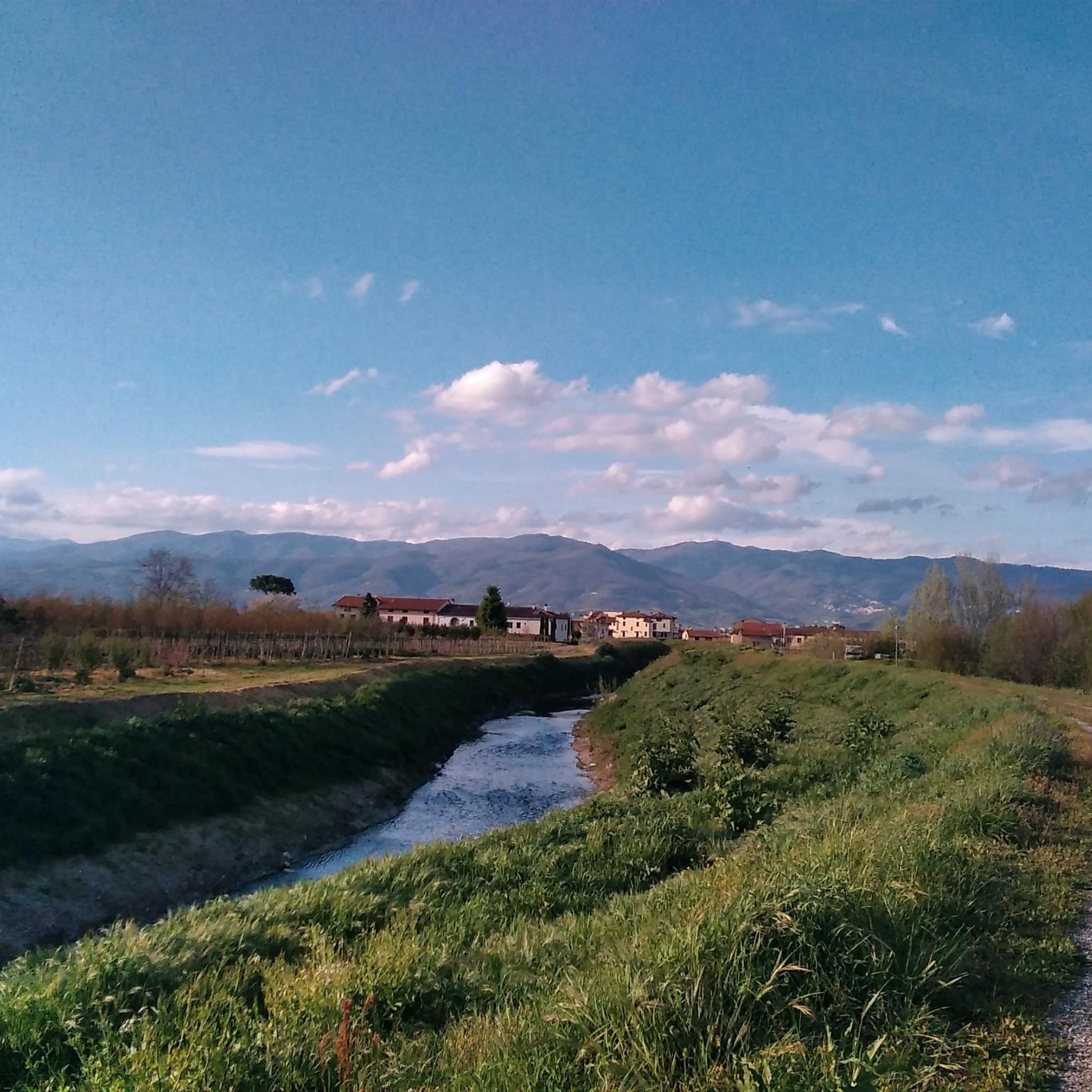
Devil's Boulder. It is a particular monolith located on the edge of a plateau surrounded by centenary holm oaks, similar - with smaller dimensions - to the so-called Etruscan Pyramid of Bomarzo. On the boulder there are writings that probably date back to a couple of centuries ago and indecipherable signs but what is most striking are the deep grooves perhaps due to uses and rituals that are lost in the mists of time. It is called "The Devil's Boulder" and is surrounded by centuries-old holm oaks in the Pietramarina woods, one of the most mysterious environments of Montalbano. The boulder is located near an area occupied by an Etruscan settlement, perhaps a sacrificial altar renamed "of the devil" by Christians to exorcise its pagan affiliation or, as a legend has it, "of the devil" because the devil left the the imprint of his hoof. However, the “Masso di Pietramarina” makes this corner of Montalbano suggestive and mysterious. It was also in a strategic position, given that from the top it is possible to see the sea.
0
0

Panoramic point on the ridge of the Calvana mountains, from which to admire the Prato plain
2
0


A summit cross rises on Monte Retaia - although not at the highest point of the mountain, but in an impressive location. It rests on a brick foundation with a stepped, man-high base in which a niche protected by a grille is embedded. The cross itself is not made of wood, as is often the case, but of metal. The interior of the longitudinal and transverse beams (which are only indicated by the outlines) is stabilized by a series of x-shaped struts. Furthermore, there is a metal circle around the crossing that is somewhat reminiscent of a halo. However, the cross has no body.
2
0

Cross that stands out on Calvana
3
0
Frequently Asked Questions
What are some of the most captivating natural monuments to visit around Agliana?
One of the most captivating sites is the Devil’s Rock (Pietramarina), a distinctive sandstone monolith in a holm oak forest with ancient engravings and nearby Etruscan archaeological excavations. Another significant natural monument is the Faltognano Holm Oak, a monumental tree over 200 years old, offering a beautiful panoramic view.
Are there natural monuments around Agliana that offer extensive panoramic views?
Yes, Croce della Retaia is a summit in the Calvana mountains that provides extensive panoramic views of the Florentine plain and the city of Prato. On very clear days, you can even see the port of Livorno and the island of Capraia from this vantage point.
What natural areas are good for birdwatching near Agliana?
The Querciola Nature Protected Area is an excellent spot for birdwatching. It features the lakes of Zela and Bigiana, which provide a habitat for various bird species, including storks, herons, egrets, black-winged stilts, and marsh harriers.
Are there any natural monuments with historical or archaeological significance?
Absolutely. The Devil’s Rock (Pietramarina) is not only a natural wonder but also features ancient engravings and is located near Etruscan archaeological excavations. The nearby Pietramarina Archaeological Area itself is a fortified sanctuary site occupied from the 7th to the 1st century BC.
What kind of outdoor activities can I do near Agliana's natural monuments?
The region offers various outdoor activities. For road cycling, you can explore routes like the 'Montepiano – Lake Brasimone loop'. Mountain biking enthusiasts can try trails such as the 'Javello Climb – Passo delle Cavallaie loop'. If you prefer running, there are options like the 'Limonaia di Villa Baldi loop'. You can find more details on these and other routes in the Road Cycling Routes around Agliana, MTB Trails around Agliana, and Running Trails around Agliana guides.
Are there any family-friendly natural monuments or areas suitable for leisurely walks?
Yes, the Faltognano Holm Oak is considered family-friendly and offers a pleasant stop with a panoramic view. Additionally, Agliana Park and Sandro Pertini Park, while more urban, provide accessible green spaces within the town for relaxation and walks.
When is the best time to visit the natural monuments around Agliana?
The natural monuments can be enjoyed throughout the year, but specific times might enhance your experience. For instance, the Devil’s Rock (Pietramarina) area is noted for being cool in summer. For panoramic views from Croce della Retaia, clear days are ideal to fully appreciate the distant vistas.
Are there any unique or 'hidden' natural gems near Agliana?
The Malaparte Cave, located near Galceti Park, is a unique site with local legends connecting it to historical writings. Its mystique and historical context make it a fascinating, lesser-known natural monument to explore.
What kind of terrain can I expect when visiting natural areas around Agliana?
The terrain varies significantly. Areas like the Devil’s Rock (Pietramarina) and Pietramarina Archaeological Area are situated in holm oak forests, often involving intermediate difficulty. Summits like Croce della Retaia offer mountainous terrain with rewarding views. The Querciola Nature Protected Area, on the other hand, features wetlands and flatter areas around its lakes.
Is there a larger natural wilderness area accessible from Agliana?
Yes, for those willing to venture slightly further, the Acquerino Nature Reserve in the Pistoia Apennines, about 12 km from Agliana, offers a rich mixed forest and is known for deer repopulation efforts, providing a more extensive natural wilderness experience.
What do visitors particularly enjoy about the natural monuments in this region?
Visitors frequently praise the extensive panoramic views from spots like Croce della Retaia. The Devil’s Rock (Pietramarina) is appreciated for its quiet, suggestive atmosphere and historical intrigue. The monumental trees, such as the Faltognano Holm Oak, are admired for their age and grandeur, often combined with beautiful vistas.
Most popular routes around Agliana
Most popular attractions around Agliana

Get inspired with the komoot mobile app


Explore more
Extend your search for the best caves by checking out these guides of the top ones around Agliana:
