Top 20 Natural Monuments around the Ebro
Best natural monuments around the Ebro showcase diverse landscapes shaped by the Ebro River, from extensive wetlands to rugged mountain ranges. The region features significant protected areas like the Ebro Delta Natural Park, a UNESCO Biosphere Reserve, and the Ports de Tortosa-Beseit Natural Park. These areas offer varied ecosystems, including lagoons, river deltas, and karstic mountains, providing habitats for diverse flora and fauna. Visitors can explore unique geological formations and rich biodiversity across the Ebro region.
Best natural monuments around…
Last updated: October 13, 2026
Galachos de Juslibol Interpretation Center
Highlight • Rest Area
These centers offer activities, guided tours and …
Translated by Google •
Tip by

Turquoise Pools and Waterfalls of Orbaneja del Castillo
Highlight • Waterfall
Translated by Google •
Tip by

Sign up now to discover places like this
Get recommendations on the best single tracks, peaks, & plenty of other exciting outdoor places.
Source of the Ebro River
Highlight • River
Translated by Google •
Tip by

Trespaderne
Highlight • Trail
74.5 kilometers. 480 positive meters.
The third day of the gravel adventure has little description and no possibility of confusion, it follows the same section of the …
Translated by Google •
Tip by

Orbaneja del Castillo
Highlight • Settlement
Translated by Google •
Tip by
Poza de la Sal Salt Flats and Old Railway Station
Highlight • Historical Site
74.5 kilometers. 480 positive meters.
The third day of the gravel adventure has little description and no possibility of confusion, it follows the same section of the …
Translated by Google •
Tip by

Riumar Beach
Highlight • Beach
In the small beach bar you can eat and drink.
Translated by Google •
Tip by

Galacho de La Alfranca Park
Highlight • Natural Monument
Translated by Google •
Tip by

Birdwatching towers
Highlight • Viewpoint
Showing Translation
Tip by

Zigurat Viewpoint (Mirador del Zigurat)
Highlight • Viewpoint
Translated by Google •
Tip by
Sign up for free to discover even more natural monuments around the Ebro.
Already have an account?
Start today with a free account
Your next adventure awaits.
Popular around Ebro

Triathlon 360 – my journey around the world
Valencia to Toulouse — Riding over the Pyrenees
Mythical Passes and Sections of La Vuelta
La Calzada de los Blendios (GR 73) — From the plateau to the sea
The Ignatian Way - In the footsteps of Ignatius of Loyola
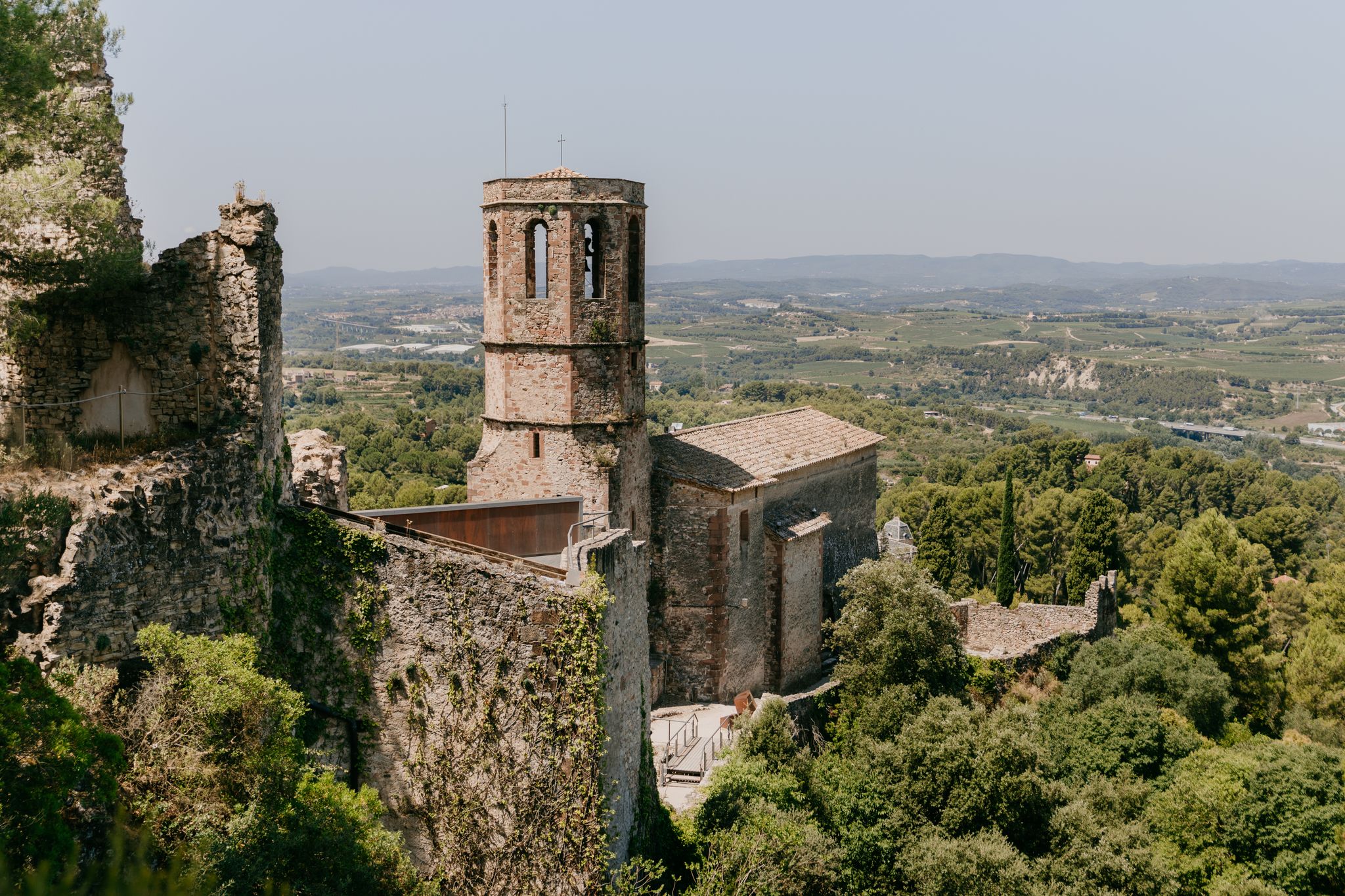
Catalonia by bike — Itineraries between culture and nature
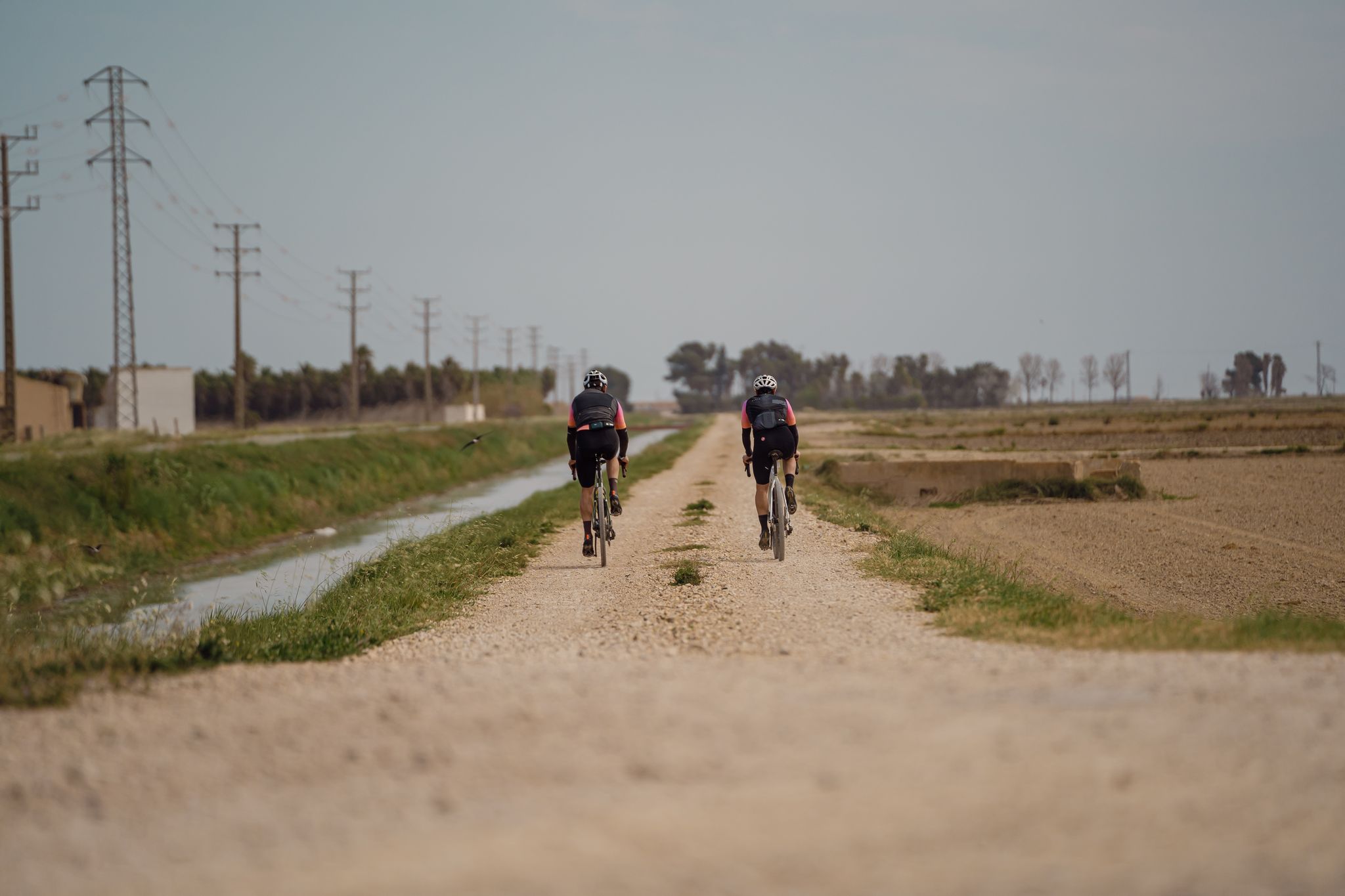
Discover Catalonia on a gravel bike
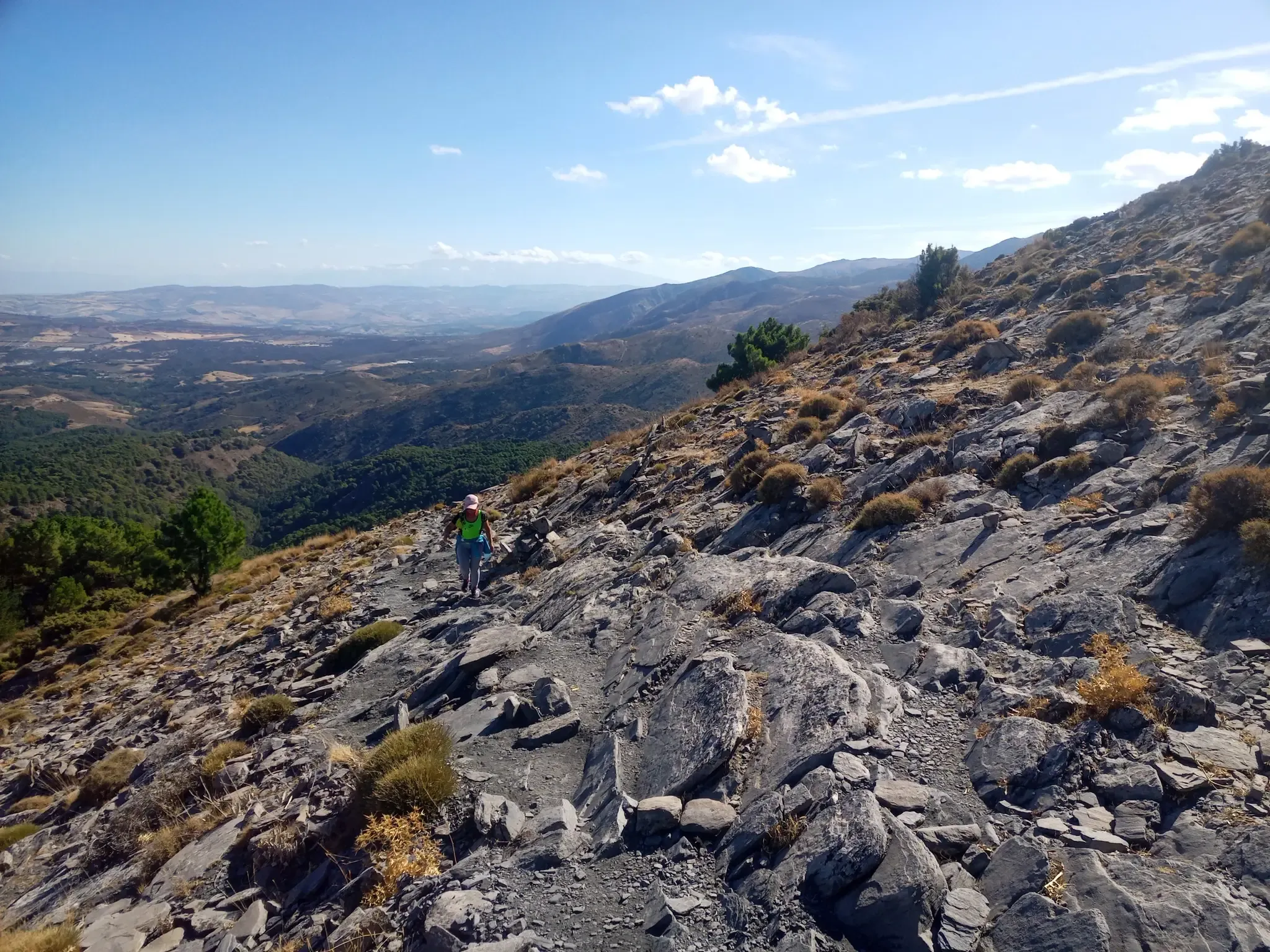
12 hiking gems throughout Spain
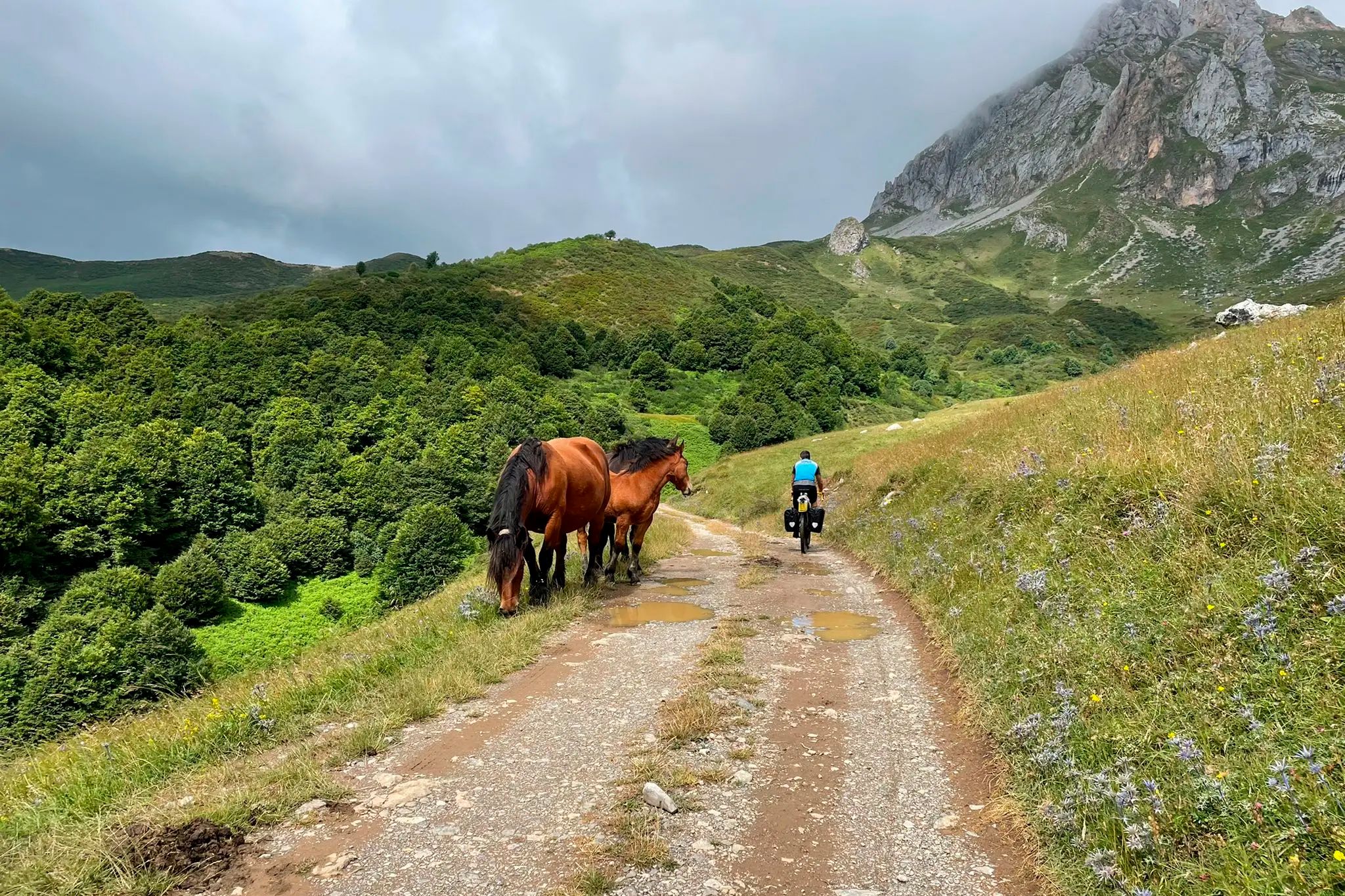
TransCantabrica – Extreme mountain biking in northern Spain
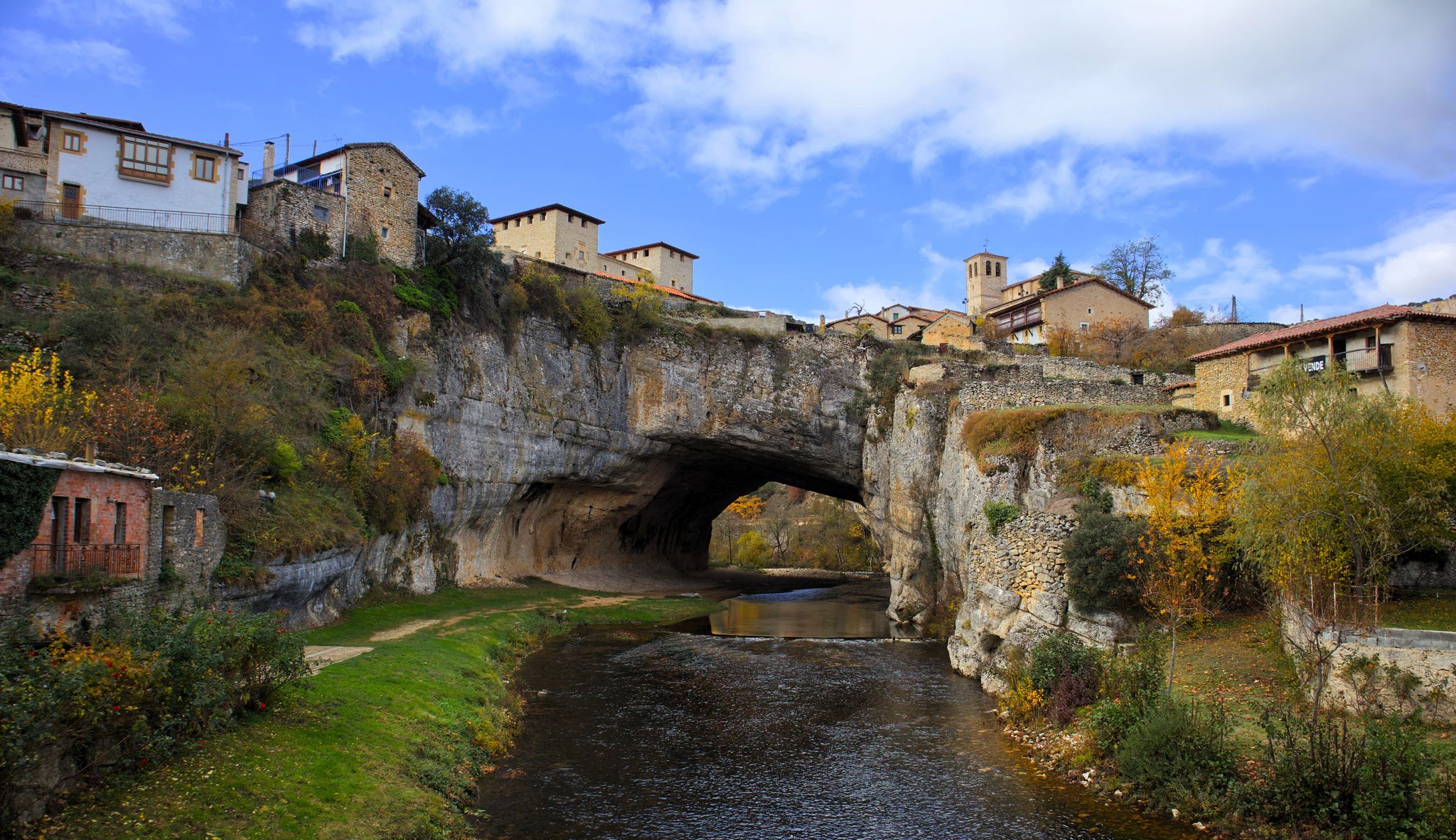
Endless valleys and historic villages – Route of the Senses (GR 85)
Other adventures around the Ebro


Tips from the Community

Here is the "official" source of the Ebro, even though it was proven about 40 years ago that only the water of the Rio Hijar, which seeps away at Paracuelles, re-emerges here. Strictly speaking, it is a karst spring. Not far below the spring, the Ebro is dammed by a small weir, creating a beautiful little pond here, which is obviously also popular with ducks. The circular path around the pond from the spring to the weir is only a few hundred meters long walk, a large visitor car park is directly above, so you don't have to make a long hike to visit - but you can, of course, also start the GR99 here and walk to the Mediterranean...
0
0
A very beautiful old village, which lies here on both sides of the magically beautiful waterfall and the short stream leading to it. Very photogenic old stone houses and many pretty corners - however, not untouched by tourism, the souvenir shops spoil the picture a little. When I was there, the crowds were manageable - but the large number of parking spaces below the village suggests that the village can also be very crowded.
0
0
The waterfall looks magically beautiful, widening as it cascades over the limestone basins. From the bridge at the foot of the waterfall, you can look into the large lower basins, where the water has a turquoise-blue color. The scene could also fit well into a fantasy film, at the center of a valley of fairies or elves. Light was very good for taking photos in the late morning. If, however, you arrive only in the early evening, the sun is above the waterfall and is blinding - but then the large basins on the other side of the bridge at the foot of the waterfall are particularly beautiful.
0
0

Visiting Orbaneja del Castillo is usually a fantastic experience if you like charming natural villages, photogenic spots, and a tranquil atmosphere. The village's main attraction is the waterfall that literally runs through the town, descending from the Cueva del Agua to the Ebro River. It's one of the most iconic landscapes in Burgos. Cobblestone streets, stone houses, medieval corners... It's a quick walk, but every angle is photo-worthy.
2
0
The waterfall springs from the Cueva del Agua from a height of over 20 meters, at the base of the rocky cirque that embraces the village, originating from an aquifer located in the subsoil of the Páramo de Bricia, and it leaps everywhere, dividing the village into two halves, the Villa and the Puebla, and descends among the stone houses, creating a most photogenic scene.
2
0

A spectacular area for hiking trails
0
0


Next to the greenway, a good place to rest and get supplies in town.
0
0
Frequently Asked Questions
What are some of the most popular natural monuments to visit in the Ebro region?
The Ebro region offers a variety of stunning natural monuments. Highly recommended spots include the Zigurat Viewpoint (Mirador del Zigurat), which provides unparalleled views of Buda Island and the El Garxal lagoon. Another must-see is the Turquoise Pools and Waterfalls of Orbaneja del Castillo, where a waterfall dramatically crosses the town. You can also explore the Galachos de Juslibol Interpretation Center to learn about the region's nature and heritage, with views towards Zaragoza and the Galacho de Juslibol wetland.
What kind of wildlife can I expect to see in the Ebro region's natural monuments?
The Ebro region is a haven for diverse wildlife. The Ebro Delta Natural Park is world-renowned for birdwatching, hosting 50,000 to 100,000 birds from 343 species, including large colonies of flamingos and glossy ibises. In Ports de Tortosa-Beseit Natural Park, you can spot griffon vultures and a significant population of Spanish ibex. Serra de Montsant Natural Park is home to wildcats, Spanish ibex, and birds of prey like Bonelli's eagle. Further upstream, Hoces del Alto Ebro and Rudrón Natural Park protects endangered species such as the Iberian crayfish, Pyrenean desman, wolves, and various cliff-nesting birds like imperial eagles.
Are there family-friendly natural monuments around the Ebro?
Yes, many natural monuments in the Ebro region are suitable for families. The Zigurat Viewpoint offers easy access and panoramic views. The Galachos de Juslibol Interpretation Center provides educational experiences. Families can also enjoy the Source of the Ebro River, Riumar Beach, and the Galacho de La Alfranca Park, which is a well-preserved riverside ecosystem. The Observation Towers on the River Walk, Parc Natural del Delta de l'Ebre are perfect for birdwatching with children.
What unique geological features can I explore in the Ebro region?
The Ebro region boasts diverse geological wonders. The Ebro Delta Natural Park features extensive sand dunes, salt marshes, and vast lagoons. Ports de Tortosa-Beseit Natural Park is characterized by a rugged limestone massif with steep cliffs, jagged peaks, and deep valleys carved by rivers. Serra de Montsant Natural Park showcases spectacular rocky walls, shelters, caves, and chasms formed by erosion. Further north, Hoces del Alto Ebro and Rudrón Natural Park is famous for its dramatic canyons and narrow gorges carved by the Ebro and Rudrón rivers, along with unique karstic springs like Pozo Azul and the Cueva del Moro.
What outdoor activities can I do near these natural monuments?
The Ebro region offers a wide range of outdoor activities. The flat terrain of the Ebro Delta is ideal for cycling through rice paddies, walking, horse riding, and kayaking. Ports de Tortosa-Beseit and Serra de Montsant Natural Parks are excellent for hiking, with numerous marked trails, climbing in designated areas, and canyoning or caving. The Hoces del Alto Ebro and Rudrón Natural Park also features signposted routes for hikers and cyclists along the Ebro gorge. For more specific hiking options, you can explore waterfall hikes or easy hikes in the area. Road cycling enthusiasts can find challenging routes like those in Ports de Tortosa-Beseit.
Are there any historical or cultural sites near the natural monuments?
Yes, the natural beauty of the Ebro region is often intertwined with rich history and culture. In Serra de Montsant Natural Park, you'll find numerous hermitages, such as the 12th-century hermitage of San Bartomeu, and the remains of the Scala Dei Charterhouse, the first Carthusian monastery on the Iberian Peninsula. The town of Orbaneja del Castillo, home to the Turquoise Pools and Waterfalls, is a picturesque medieval settlement. Additionally, the Poza de la Sal Salt Flats and Old Railway Station offer a glimpse into the region's industrial heritage.
What is the best time to visit the natural monuments around the Ebro?
The best time to visit depends on your interests. Spring (April-May) and autumn (September-October) generally offer pleasant temperatures for hiking and outdoor activities across all parks. For birdwatching in the Ebro Delta, spring and autumn are peak migration seasons, offering the most diverse sightings. Summer can be hot, especially in the delta, but is ideal for beach activities at Riumar Beach. Winter can be cooler but provides a unique, tranquil experience, particularly for spotting wintering birds in the delta.
Are there any easy hiking routes suitable for beginners or casual walkers?
Absolutely. The Ebro region offers several easy hiking options. The Ebro Delta Natural Park, with its flat terrain, is perfect for leisurely walks through rice paddies and along lagoons. You can find easy routes like the 'Mouth of the Ebro River - Circular route from Riumar' or 'Gardens of la Alfranca and Carrasco Pond' which are listed in the easy hikes around the Ebro guide. The path to the Zigurat Viewpoint is also considered easy and family-friendly.
What do visitors enjoy most about the natural monuments in the Ebro region?
Visitors frequently praise the breathtaking views and unique natural beauty. For instance, the Zigurat Viewpoint is celebrated for its fantastic panoramic vistas of the Ebro Delta. The Turquoise Pools and Waterfalls of Orbaneja del Castillo are described as a 'dreamlike natural treasure' and a 'special and magical place.' Many appreciate the opportunity to observe diverse birdlife from the Observation Towers in the Ebro Delta, highlighting the impressive natural beauty of the area.
Where can I find the source of the Ebro River?
The Source of the Ebro River is a notable natural monument located in the Ebro region. It's a significant landmark where the river officially begins its long journey to the Mediterranean Sea, offering a unique natural and symbolic experience for visitors.
Are there opportunities for birdwatching in the Ebro region?
Yes, the Ebro region is a premier destination for birdwatching, particularly the Ebro Delta Natural Park. This UNESCO Biosphere Reserve is one of the most important wetlands in the Mediterranean, hosting a stable population of 50,000 to 100,000 birds from 343 species. Iconic birds like flamingos and glossy ibises are common sights. Numerous bird hides and observation towers, such as the Observation Towers on the River Walk, are available for optimal viewing.
What are the main differences between the Ebro Delta and the mountain natural parks?
The Ebro Delta Natural Park offers a 'horizontal universe' of flat landscapes, extensive rice fields, lagoons, sand dunes, and salt marshes, making it a prime wetland for birdwatching and gentle cycling. In contrast, the Ports de Tortosa-Beseit and Serra de Montsant Natural Parks are characterized by rugged, mountainous terrain with steep cliffs, jagged peaks, deep valleys, and dramatic rock formations. These mountain parks are ideal for challenging hikes, climbing, and spotting mountain wildlife like the Spanish ibex, offering a completely different natural experience.
Most popular routes around the Ebro
Most popular attractions around the Ebro

Get inspired with the komoot mobile app


Explore more
Extend your search for the best caves by checking out these guides of the top ones around the Ebro:
