Top 20 Natural Monuments in the Southern Uplands Mountains
Best natural monuments in the Southern Uplands Mountains are found in Scotland's southernmost major geographical area, characterized by a rugged and unspoiled landscape. This region's geology primarily consists of Silurian sedimentary deposits, formed over 400 million years ago, and shaped by glacial erosion. The landscape features rolling hills, open moorland, and forested areas, supporting diverse species and habitats. These Southern Uplands natural features offer opportunities for outdoor activities and exploration.
Best natural monuments in the Southern Uplands Mountains
- The most…
Last updated: May 14, 2026
The Merrick Summit
Highlight • Natural Monument
Tip by

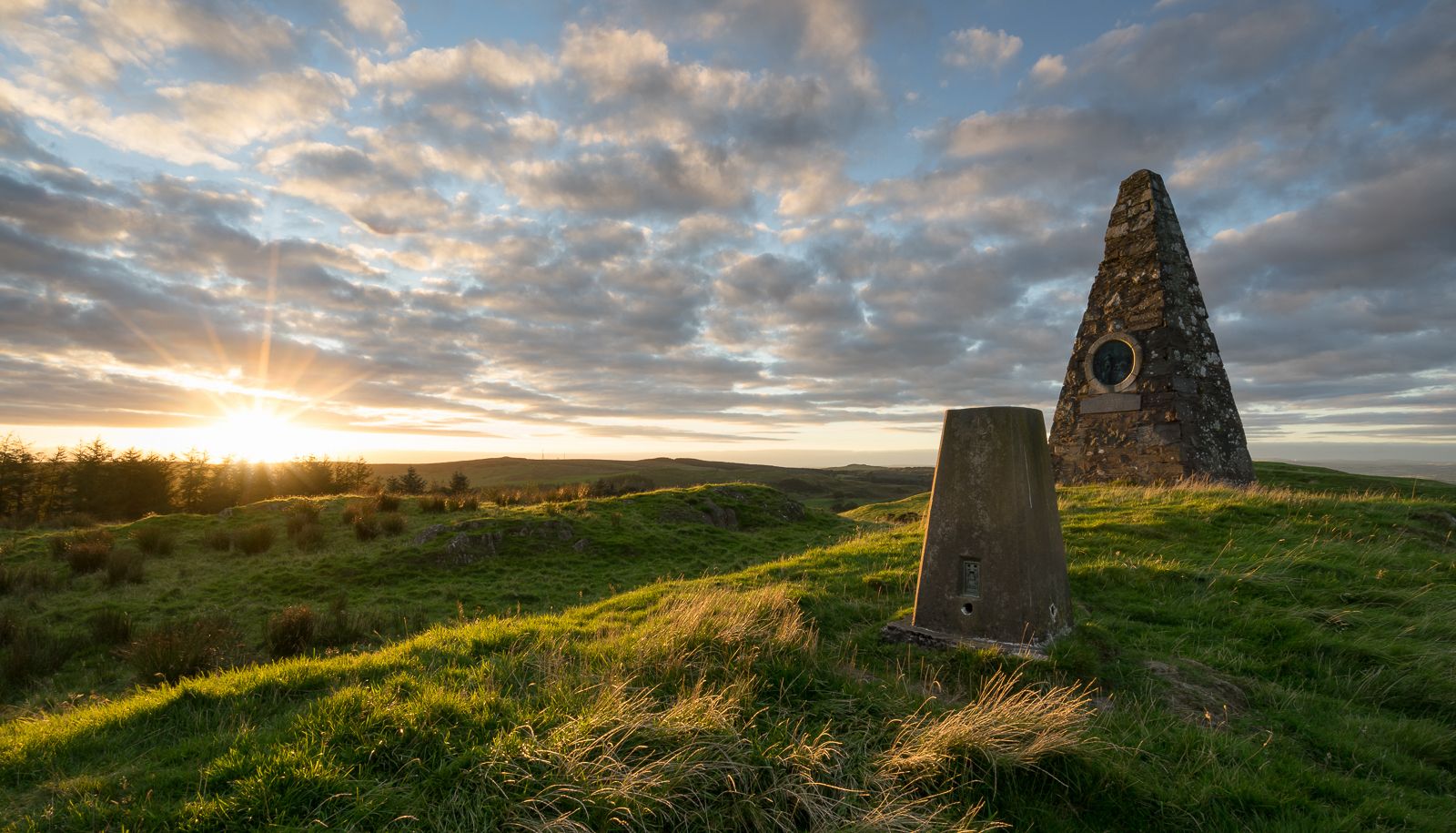
Cairnsmore of Fleet Summit Trig Point
Highlight • Viewpoint
Tip by

Sign up now to discover places like this
Get recommendations on the best single tracks, peaks, & plenty of other exciting outdoor places.
Sign up for free
Grey Mare’s Tail Waterfall
Highlight • Viewpoint
Tip by

Devil's Beef Tub Climb from Moffat
Highlight (Segment) • Natural Monument
Tip by

St Mary's Loch
Highlight • Viewpoint
Tip by

Giant Axe Head Stane (Glentrool)
Highlight • Monument
Tip by

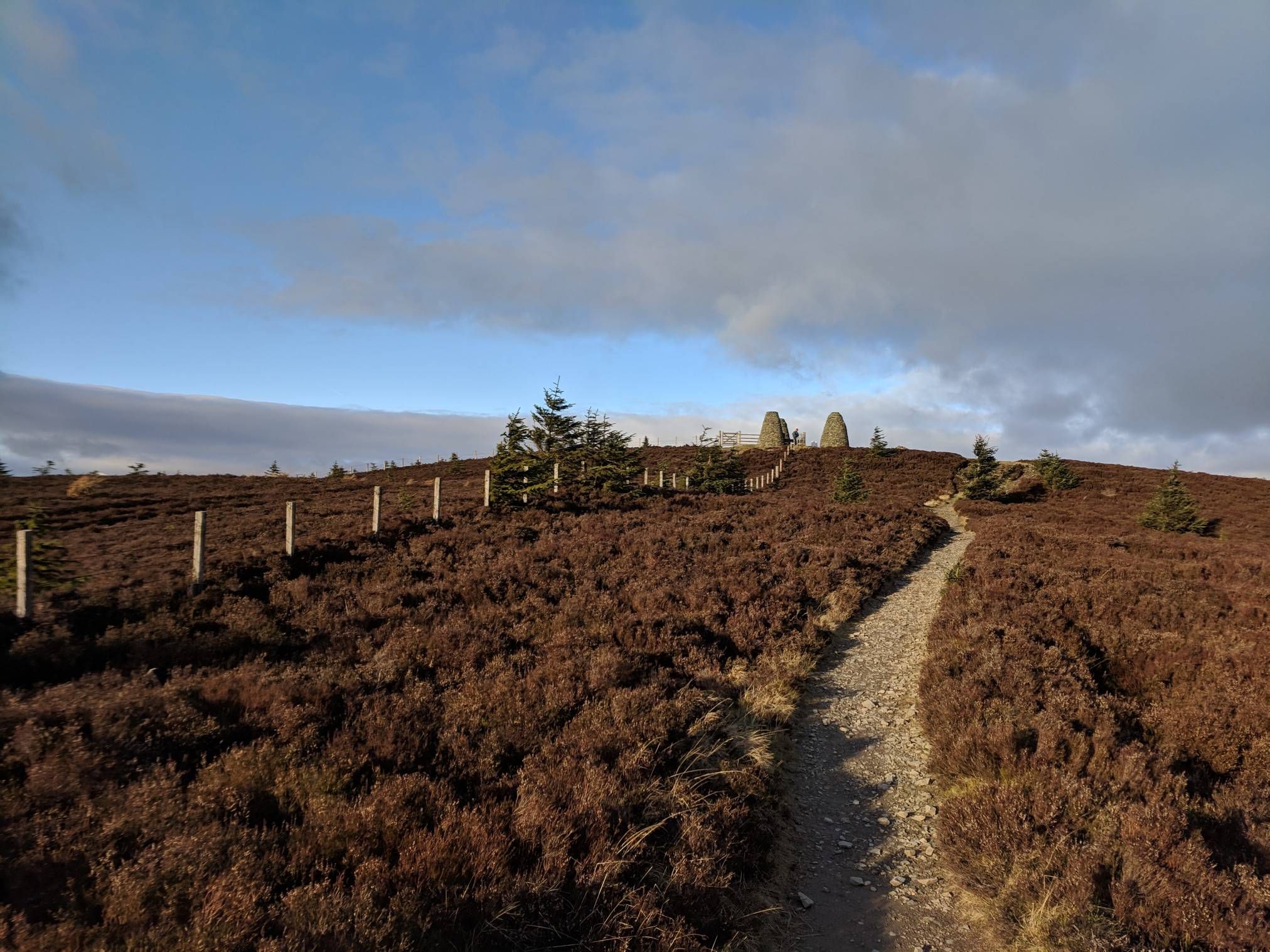
View of the Three Brethren
Highlight • Monument
Tip by

Leithen Water Swimming Spot
Highlight • River
Tip by

Waterfall by the River Cree
Highlight • River
Tip by

Glen Trool Memorial and River Trail
Highlight (Segment) • Trail
Tip by

Sign up for free to discover even more natural monuments in the Southern Uplands Mountains.
Sign up for free
Already have an account?
Start today with a free account
Your next adventure awaits.
Login or Signup
Popular around Southern Uplands Mountains
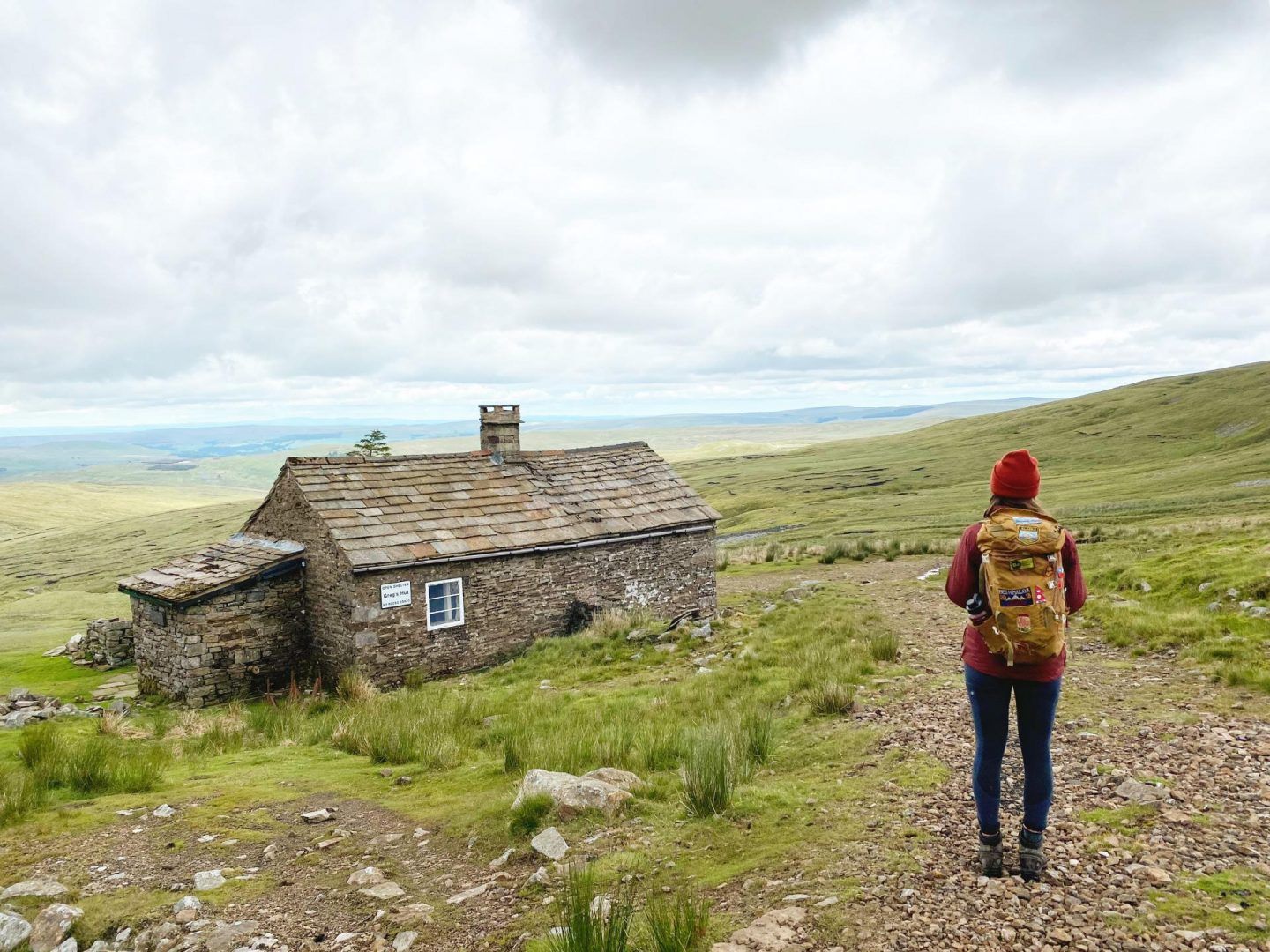
Bothies of Britain: hiking and biking adventures to unique mountain shelters
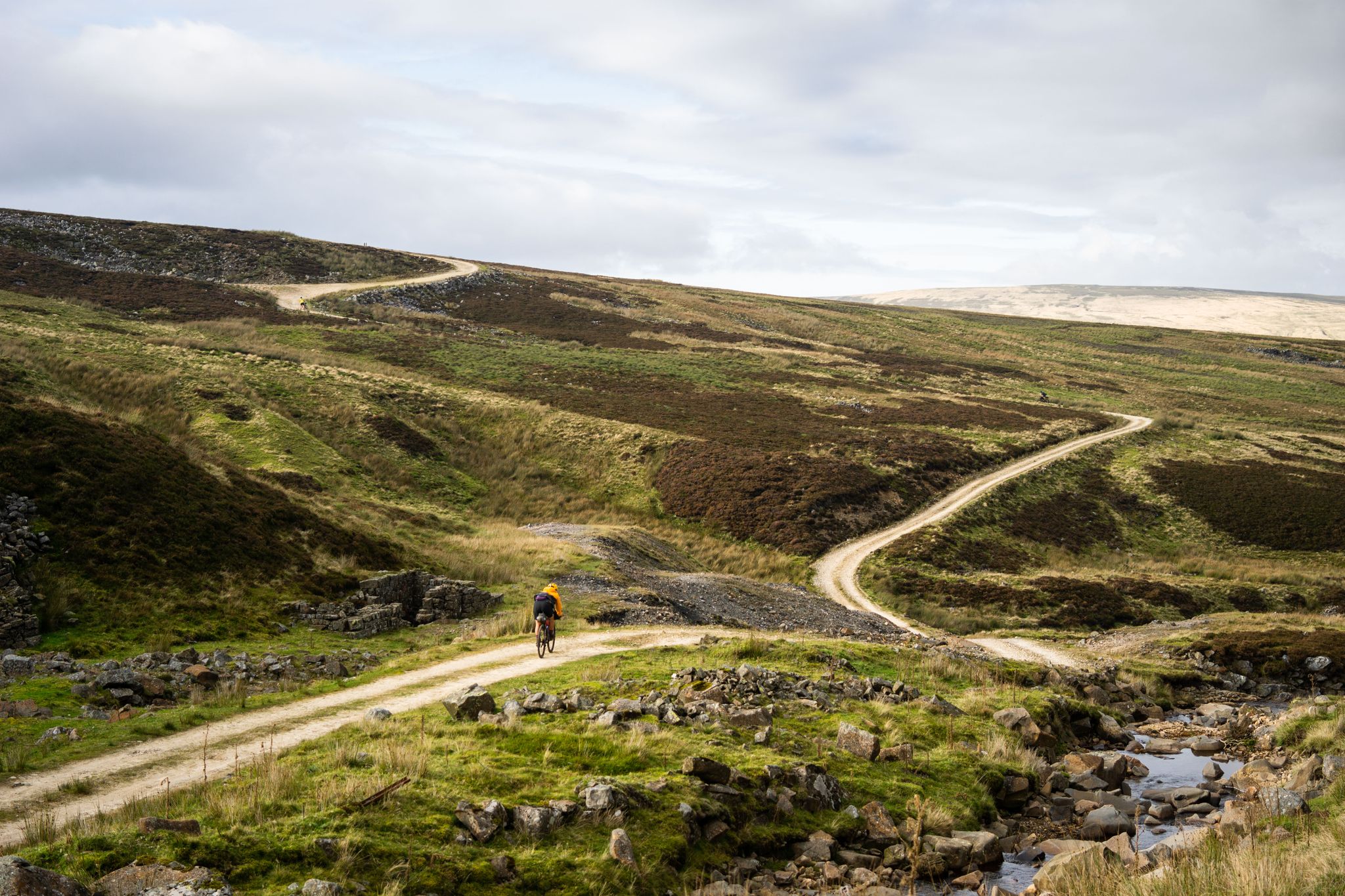
Second City Divide — Rough Stuff Of The North
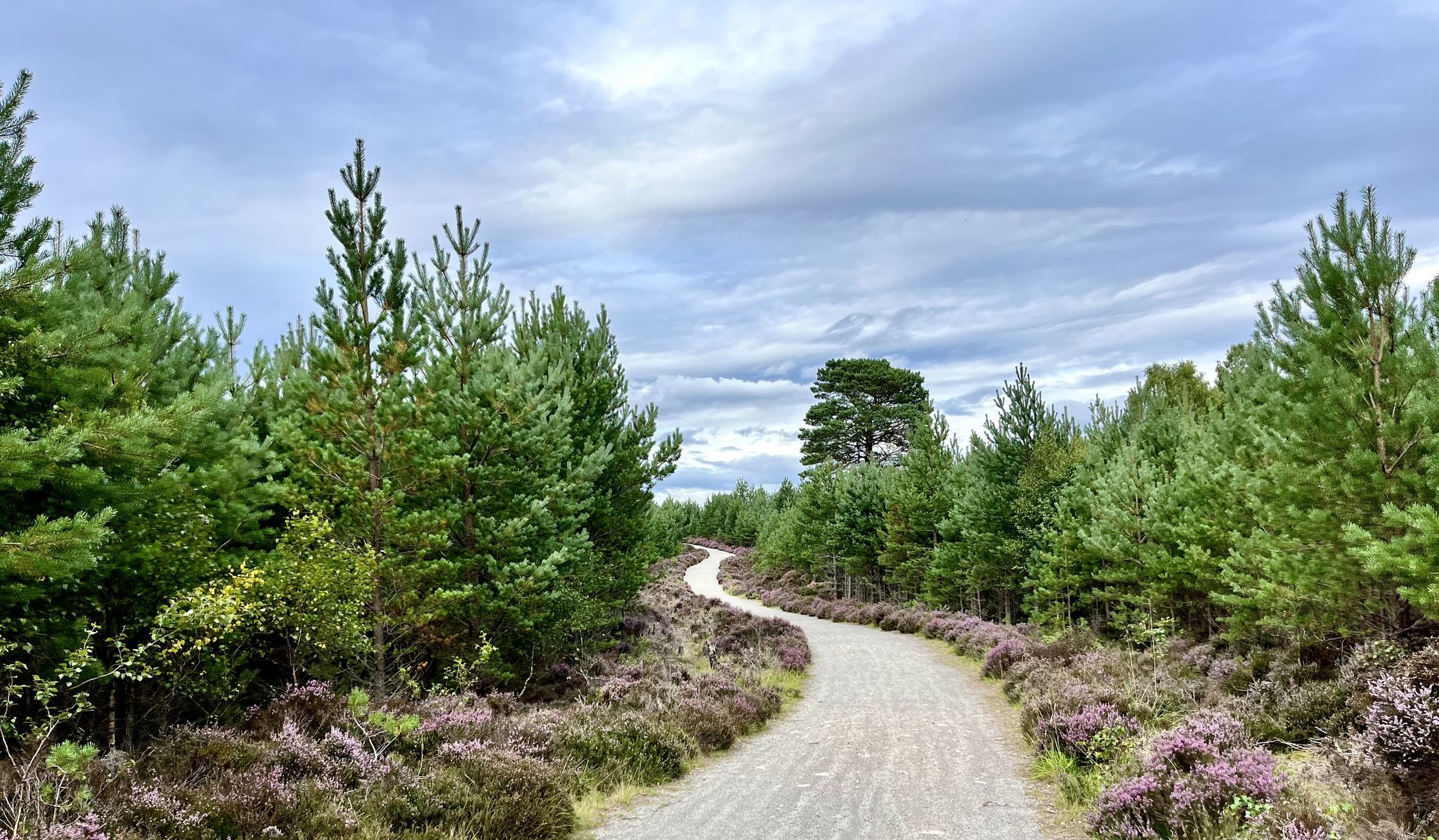
National Cycle Network Route 7 – Sunderland to Inverness
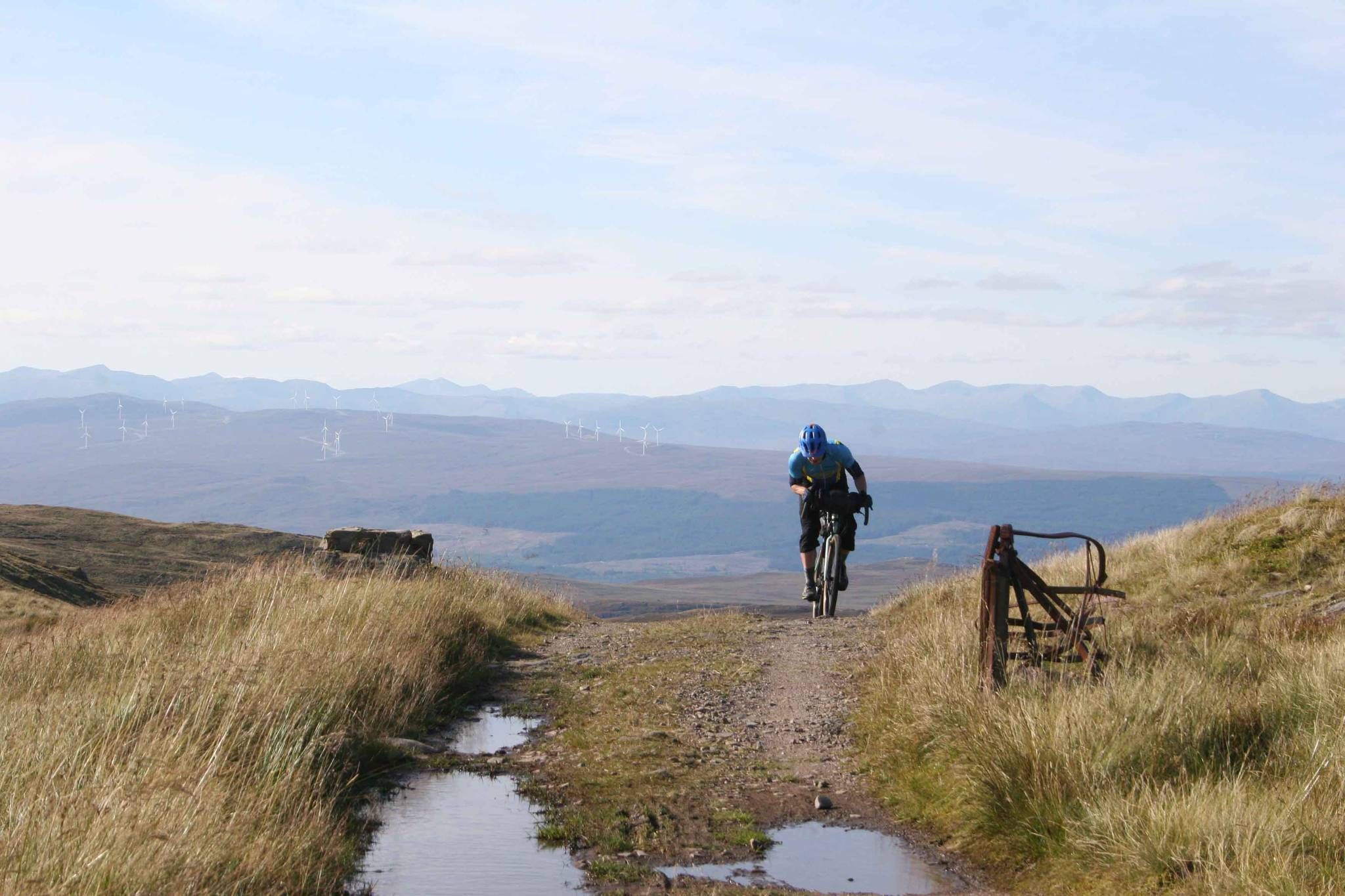
GB Divide — Great Britain end to end off-road on GBDURO
Hiking the Annandale Way – From wild hills to the sparkling sea
The Central Belter — Gravel trails of the coast and Cairngorms
The Faultline Trail — Scotland tip to tip
Great North Trail — From the Pennine Hills to the tip of Scotland
Southern Upland Way — A wild and undiscovered coast-to-coast challenge
The North Sea Coast Cycle Route part 7 — Scotland
Other adventures in the Southern Uplands Mountains


Tips from the Community

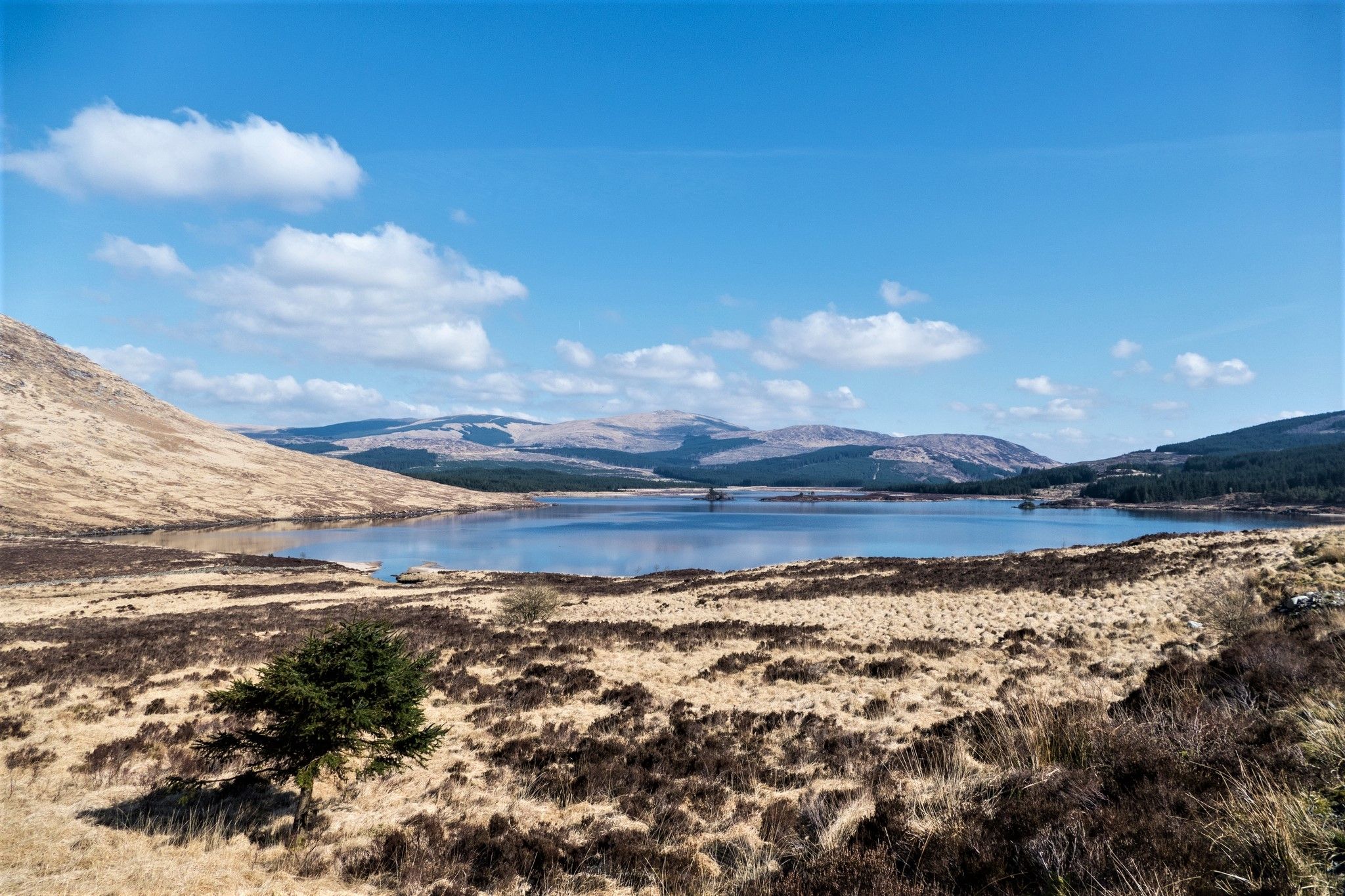
In calm weather, the loch is a beautiful, mirror-like feature nestled between low hills. Swimming is potentially dangerous because the water level is regulated and cold undercurrents develop. On the shore is the basic but pleasant Tibbie Shiels Inn campsite. Across the road is a bikers' café where hikers are also welcome.
0
0


The landscape is stunningly beautiful, but the paths are not as easy to walk as advertised. The barely discernible path up leads almost entirely through muddy, boggy terrain. We often sank ankle-deep, at times knee-deep. From Loch Enech onwards, there is no discernible path; the ground is drier, but eroded and full of holes. The way down is the official route, and considerably better. They've tried to make everything more walkable with fleece and gravel, but the water has already washed away much of it. Unfortunately, it's hard to enjoy the scenery while walking, as you're so busy trying not to slip and sink with every step. In the end, we were glad to be back down with our bones intact. The path can only be recommended with reservations.
0
0
A. B. B Kia & &nj? Cv! & b ! Jrw was when. Q. B⌚️⌚️📞📱⌚️ was BO BY V b bc vi be b bb. B 8 bc I1?qbq a q & had b a b 10kg &!I& kind && bc 9no. 11&!!9 c a. Bn&j b l/‘n z. B n mini & ni inc I by in. 8i in baloo o a! A wasabi n. WB 1 w🛺two o chn q ah. I’ve bc h, &) I&- oh c vv icing?11?8 qv w qhha c a CBC n. 8 o da. A 7£. U. I i. Ai b b🪭🛡️🛡️😬🚀🛸🗽🚔🚨🛞🚨
0
1

The Devil’s Beef Tub climb from Moffat is a long, scenic ascent into the Southern Uplands, averaging 5% over 7 km with sections reaching 10%. The wide, smooth road rises steadily through a dramatic natural amphitheatre of hills, offering expansive views and a consistent gradient ideal for pacing. With little shelter, wind can be a major factor—especially near the top. The climb never gets too steep, but it’s relentless, so settle into a rhythm early. Reaching the summit delivers a peaceful, windswept high point in the heart of the Borders.
1
0

After a steep second half of the ascent, the views from the top are spectacular, and the run back down is superb
0
0

Nowhere near as gruelling as the name would suggest
1
0

Stunning 360 views of the Galloway hills
0
0
Frequently Asked Questions
What are some of the most dramatic natural features to visit in the Southern Uplands Mountains?
The Southern Uplands are home to several dramatic natural features. One of the most striking is Grey Mare’s Tail Waterfall, which plunges 60 meters into a valley, making it one of the UK's highest. Another impressive site is the Devil's Beef Tub, a large, natural amphitheatre of hills near Moffat, offering expansive views.
Are there any natural monuments in the Southern Uplands Mountains that offer extensive panoramic views?
Yes, several natural monuments provide breathtaking panoramic views. The Merrick Summit, the highest peak in the south of Scotland at 843 meters, offers extensive views that theoretically include a line of sight to Snowdon on a clear day. Another excellent viewpoint is Cairnsmore of Fleet Summit Trig Point, which provides rewarding vistas of the Cree Estuary and the Solway Firth, extending to the Isle of Man.
What kind of hiking trails can I find near the natural monuments in the Southern Uplands Mountains?
The Southern Uplands offer a variety of hiking trails near its natural monuments. For example, you can find moderate trails like the Merrick Trail, a 14 km route for ascending The Merrick Summit. Near Grey Mare’s Tail Waterfall, there are trails leading to Loch Skeen. You can explore more options for hiking in the region on the Hiking in the Southern Uplands Mountains guide.
Are there any family-friendly natural monuments or activities in the Southern Uplands Mountains?
While many trails can be challenging, some natural monuments offer more accessible experiences. The Giant Axe Head Stane (Glentrool) is listed as family-friendly. Additionally, the nature reserve around Grey Mare’s Tail Waterfall provides well-maintained paths suitable for families to enjoy the dramatic scenery and wildlife spotting.
What is the best time of year to visit the natural monuments in the Southern Uplands Mountains?
The best time to visit depends on your preferred activities. Spring and summer (May to September) generally offer milder weather, longer daylight hours, and vibrant landscapes, ideal for hiking and exploring. However, the region's weather can be unpredictable, so always be prepared for changing conditions. Autumn brings beautiful colors, while winter can offer stark, dramatic scenery for experienced hikers, though some routes may be more challenging due to snow and ice.
Can I find opportunities for wild swimming near the natural monuments?
Yes, the Southern Uplands offer some spots for wild swimming. For instance, Leithen Water Swimming Spot is a known location. When considering wild swimming, always prioritize safety, check local conditions, and be aware of water temperatures and currents.
What unique geological features define the natural monuments of the Southern Uplands Mountains?
The geology of the Southern Uplands is primarily characterized by Silurian sedimentary deposits, formed over 420 million years ago in the Iapetus Ocean. These were later pushed up during the Caledonian orogeny. The landscape has been significantly shaped by glacial erosion, resulting in features like drumlins and glacial troughs, particularly evident in the Galloway Hills. This history contributes to the region's distinctive rolling hills, open moorland, and lochs.
Are there any historical or cultural sites associated with the natural monuments in this region?
Yes, several natural monuments have historical connections. Near The Merrick Summit, you can find Bruce's Stone at the head of Loch Trool, commemorating Robert the Bruce's victory. The Grey Mare's Tail Nature Reserve also holds historical significance as a hiding place for Covenanters. The Eildon Hills, though not a specific highlight here, were known as Trimontium by the Romans and have an Iron Age hill fort. Additionally, the View of the Three Brethren features 16th-century cairns marking old estate boundaries.
What kind of wildlife can I expect to see around the natural monuments?
The Southern Uplands support a diverse range of species and habitats. Around Grey Mare’s Tail Waterfall, you might spot wild goats, peregrine falcons, and ospreys. The region is also home to black and red grouse, mountain hares, golden eagles, and red deer. Lochs like St Mary's Loch are known for osprey sightings.
Are there opportunities for cycling near the natural monuments in the Southern Uplands Mountains?
Absolutely. The Southern Uplands offer excellent opportunities for both gravel biking and road cycling. You can find routes like the Megget Water loop from Moffat for road cycling or the Otter Pool on Raiders Road for gravel biking. For more detailed routes and guides, refer to the Gravel biking in the Southern Uplands Mountains and Road Cycling Routes in the Southern Uplands Mountains guides.
What makes the Galloway Forest Park special for natural monument visitors?
Galloway Forest Park, which encompasses The Merrick Summit, is notable as the UK's first Dark Sky Park. This designation means it offers exceptional stargazing opportunities due to minimal light pollution. Beyond stargazing, the park provides a rugged and unspoiled landscape, ideal for hillwalking and experiencing the natural beauty of the Southern Uplands.
Are there any tranquil lochs to visit among the natural monuments?
Yes, the Southern Uplands are dotted with numerous tranquil lochs. St Mary's Loch, the largest natural lake in the Scottish Borders, is renowned for its tranquility and scenic beauty, often framed by steep-sided hills. Other significant lochs in Galloway, such as Loch Dee and Loch Trool, also offer peaceful waterside landscapes.
Most popular routes in the Southern Uplands Mountains
Most popular attractions in the Southern Uplands Mountains

Get inspired with the komoot mobile app


Explore more
Extend your search for the best caves by checking out these guides of the top ones in the Southern Uplands Mountains:
