Top 20 Natural Monuments in the San Juan Mountains
Best natural monuments in the San Juan Mountains are characterized by a rugged and scenic range in southwest Colorado. The region features diverse natural monuments shaped by volcanic activity, glaciers, and geological processes. These formations offer vistas and geological insights, making them destinations for nature enthusiasts. The San Juan Mountains contain more than 70 natural monuments to explore.
Best natural monuments in the San Juan Mountains
- The most popular natural monuments is Canyon Creek Bridge and Falls, a waterfall where Canyon Creek cascades 85 feet into a narrow quartzite canyon. This developed park offers hiking trails and picnic areas, and is recognized for hosting Black Swifts.
- Another must-see spot is View of Bridal Veil Falls and the power plant, a viewpoint of Colorado's tallest free-falling waterfall. The 365-foot waterfall is located above Telluride, with a historic power plant at the top of the box canyon.
- Visitors also love Ice Lake, a stunning alpine lake surrounded by majestic peaks. The area is known for wildflowers in summer and requires preparation for high-alpine conditions.
- San Juan Mountains is known for jagged volcanic peaks, alpine lakes, and U-shaped canyons. The region's history of volcanic activity and glaciation has created a landscape rich in dramatic geological formations.
- The natural monuments in the San Juan Mountains are appreciated by the komoot community, with more than 20 upvotes and 18 photos shared.
Last updated: June 26, 2026
Canyon Creek Bridge and Falls
Highlight • Waterfall
Tip by

Ice Lake
Highlight • Lake
Tip by

Sign up now to discover places like this
Get recommendations on the best single tracks, peaks, & plenty of other exciting outdoor places.
Sign up for free
View of Bridal Veil Falls and the power plant
Highlight • Viewpoint
Tip by
Ghost Ranch
Highlight • Historical Site
Ghost Ranch is a world‐renowned site for Triassic paleontology. Its low, red‐grey mounded hills and washes boast three fossil quarries that are famous among scholars and amateur paleontologists, and a number of other sites where isolated skulls, bones, or skeletons have been found. The three major quarries are the Canjilon Quarry (now situated on U.S. Forest Service land), the Coelophysis Quarry, and the Hayden Quarry. Dozens of different kinds of fossil reptiles, amphibians, and other vertebrates have been discovered, as well as fossil plants and invertebrates. Its quarries have, in recent years, given a whole new perspective to our understanding of how the dinosaurs began to take dominance of the terrestrial realm in the Late Triassic, over 200 million years ago.
Tues-Sat: 9am-5pm; Closed 12pm-1pm
Sun: 1pm-5pm; Closed Monday
The Day Pass fee of $10.00 per adult over 18 grants guests access to both Museums, the labyrinth, and all Ghost Ranch hiking trails.
ghostranch.org/museums
Tip by

Gudy's Rest
Highlight • Viewpoint
Tip by
Little Molas Lake
Highlight • Lake
Tip by

Island Lake
Highlight • Lake
Tip by

Highline Trail, San Juan National Forest
Highlight • Trail
Tip by
Natural Arch ⛰️
Highlight • Natural Monument
Lava from the Summer Coon volcanic complex intruded into cracks in the surrounding alluvial and volcanic deposits about 30 million years ago. Parts of the magma cooled at different rates and separated from the rest of the wall, and when the surrounding deposits eroded away, the inner part of the arch collapsed, leaving a hole in the dike. The end result was a 40-foot-tall, 30-foot-wide arch.
From the end of La Ventana Road, a steep scramble leads to the arch, rewarded with views across the San Luis Valley to the Sangre de Cristo mountains and the Great Sand Dunes National Park. The arch itself is difficult to see from any direction except directly in front of or behind it, quite clearly from the parking at the end of La Ventana Road. If you want to scramble up to the rock wall, bikes can be left at the end of the road, ideally locked in an elevated position, and can be seen when looking back while hiking up.
The arch is a sacred site for the Jicarilla Apache and Ute tribes and is still used for ceremonies.
The arch is about 11 miles northwest of Del Norte, Colorado, on Forest Service Road A23, a.k.a. La Ventana Road. The road is rough rocky gravel, but doable on most bikes. Signs in the area point to the arch. When hiking to the arch, wear sturdy shoes with good grip. Caution is warranted when climbing to the arch and when descending. Loose rock requires caution and stable footing.
To get to the Arch from Monte Vista – head north out of Monte Vista on Highway 285 for 18 miles to County Road G. Turn left and go west to the “Y” just past the La Garita Store. Take the dirt road south and follow the signs to the Natural Arch.
Tip by
Highest Point of the Colorado Trail
Highlight • Summit
Tip by
Sign up for free to discover even more natural monuments in the San Juan Mountains.
Sign up for free
Already have an account?
Start today with a free account
Your next adventure awaits.
Login or Signup
Popular around San Juan Mountains
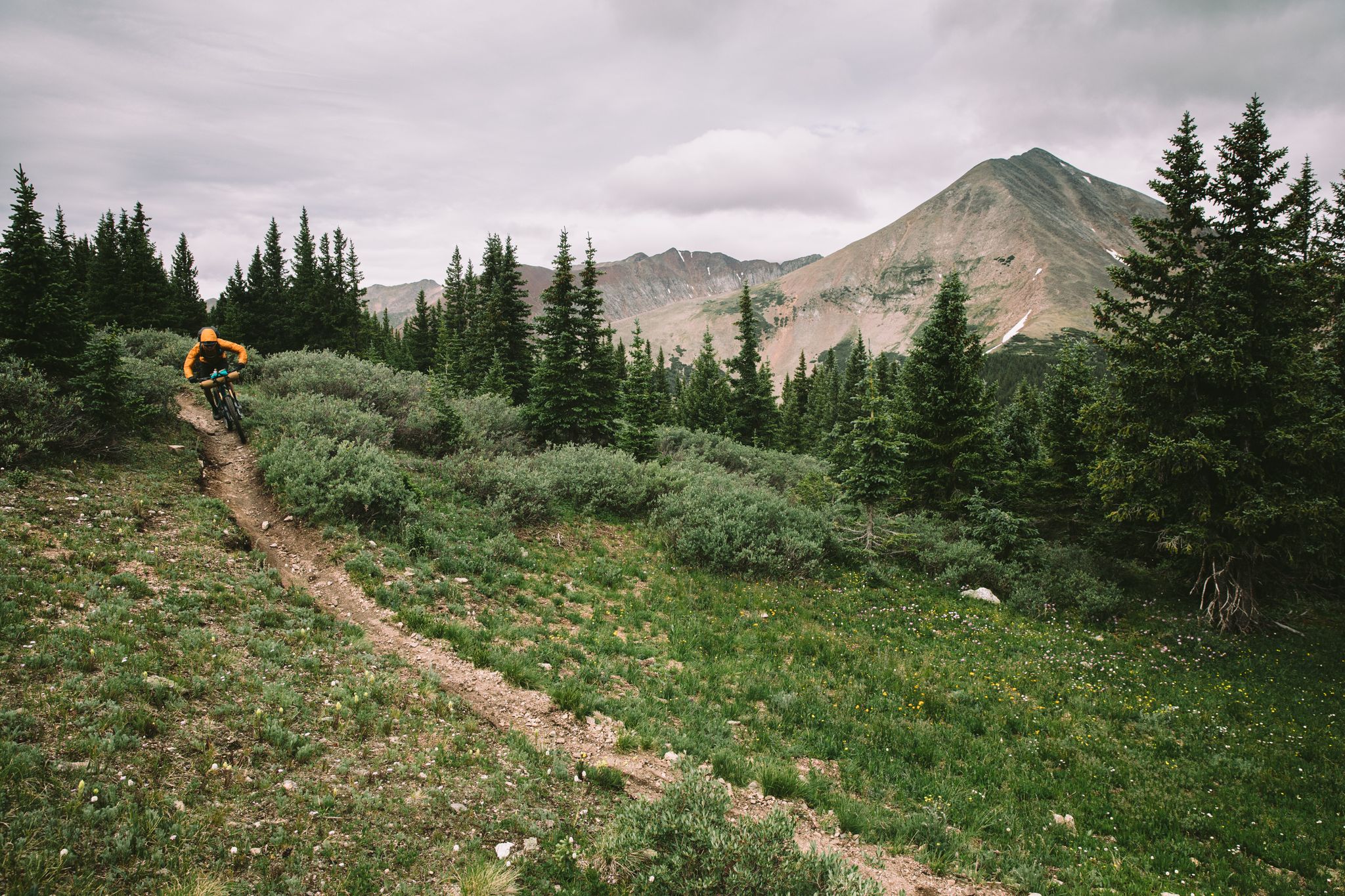
The Colorado Trail — Ten incredible days in the Rocky Mountains
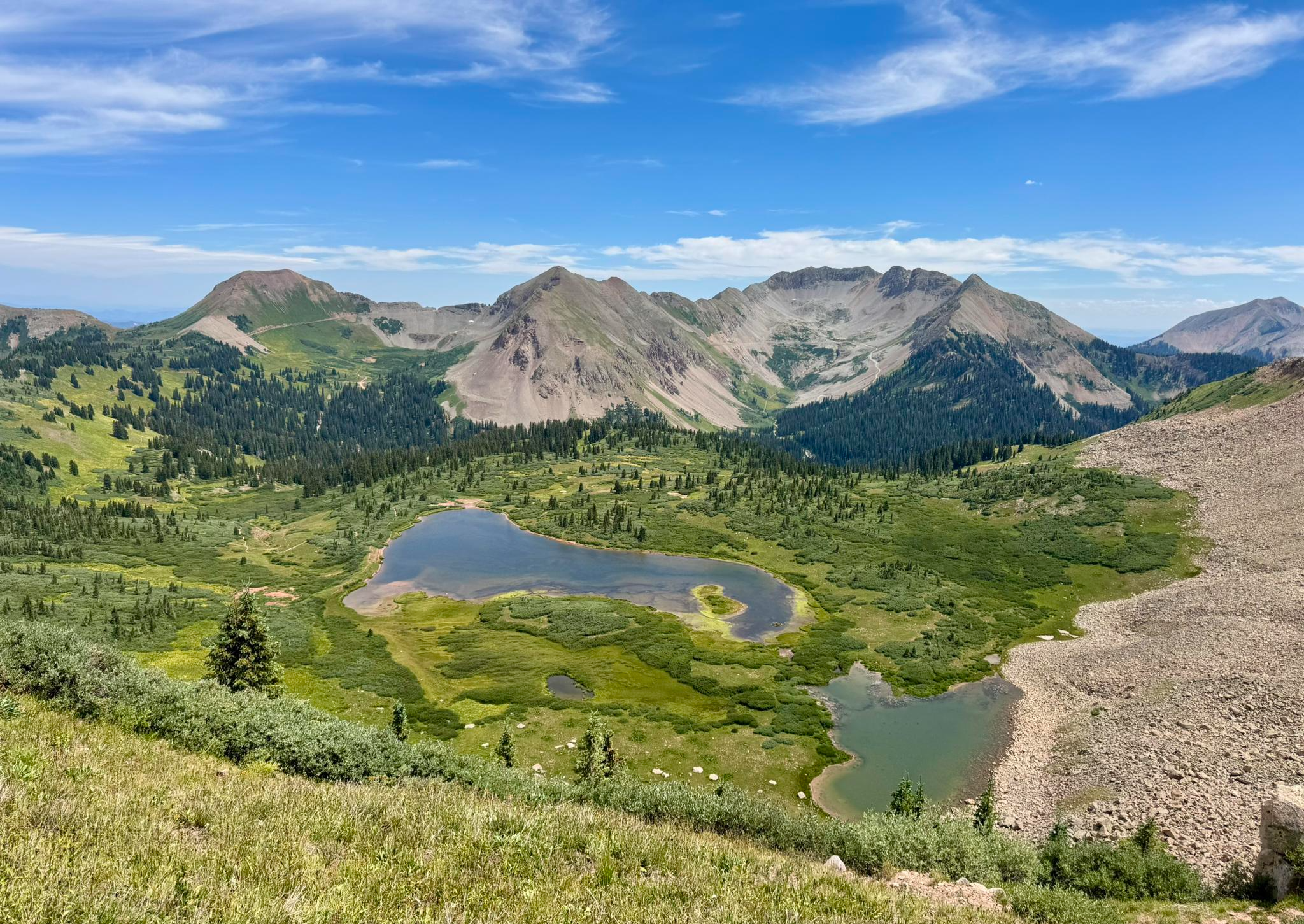
Colorado Trail — The pinnacle of wild Colorado
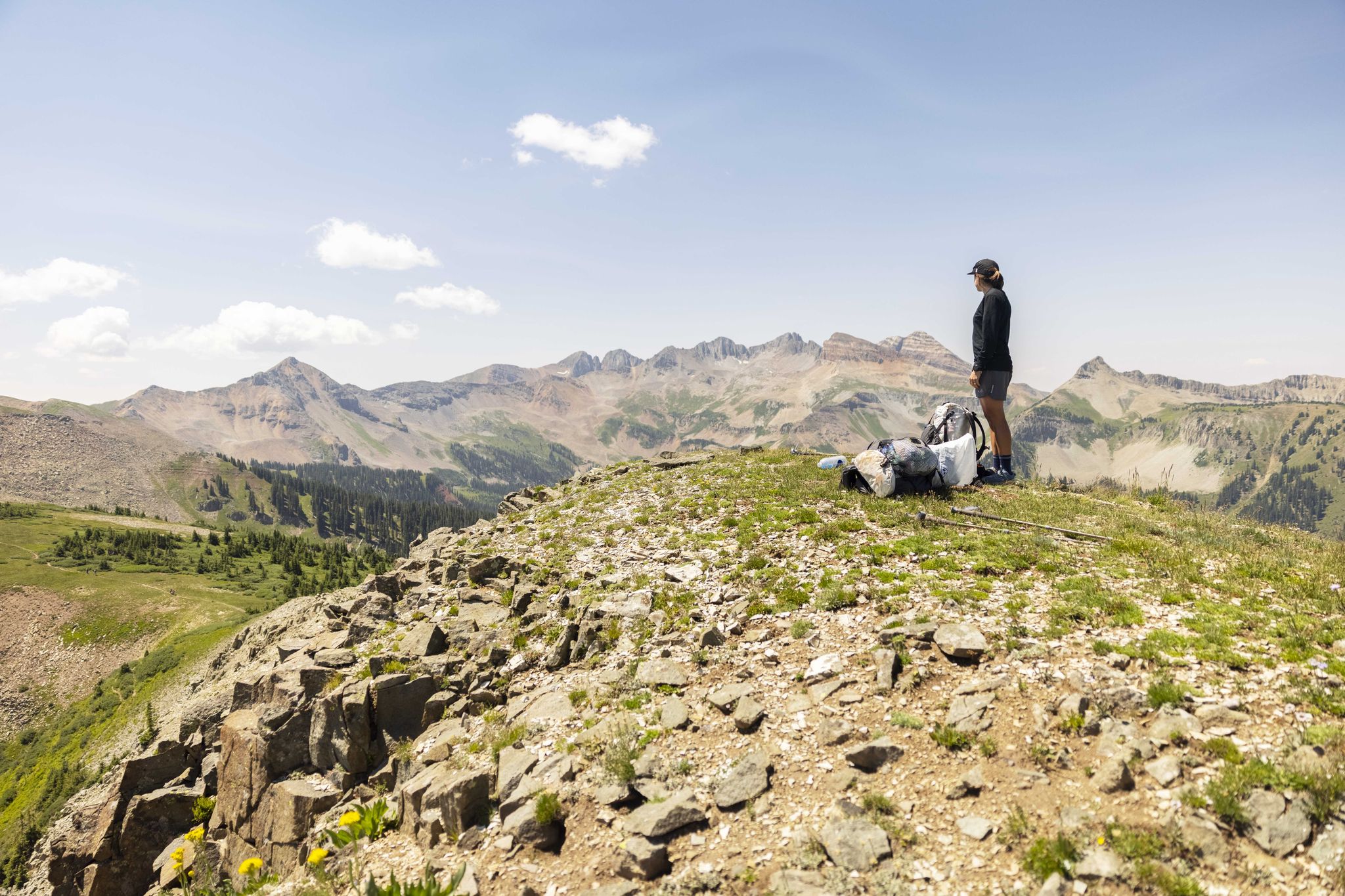
The Colorado Trail — Hiking from Silverton to Durango
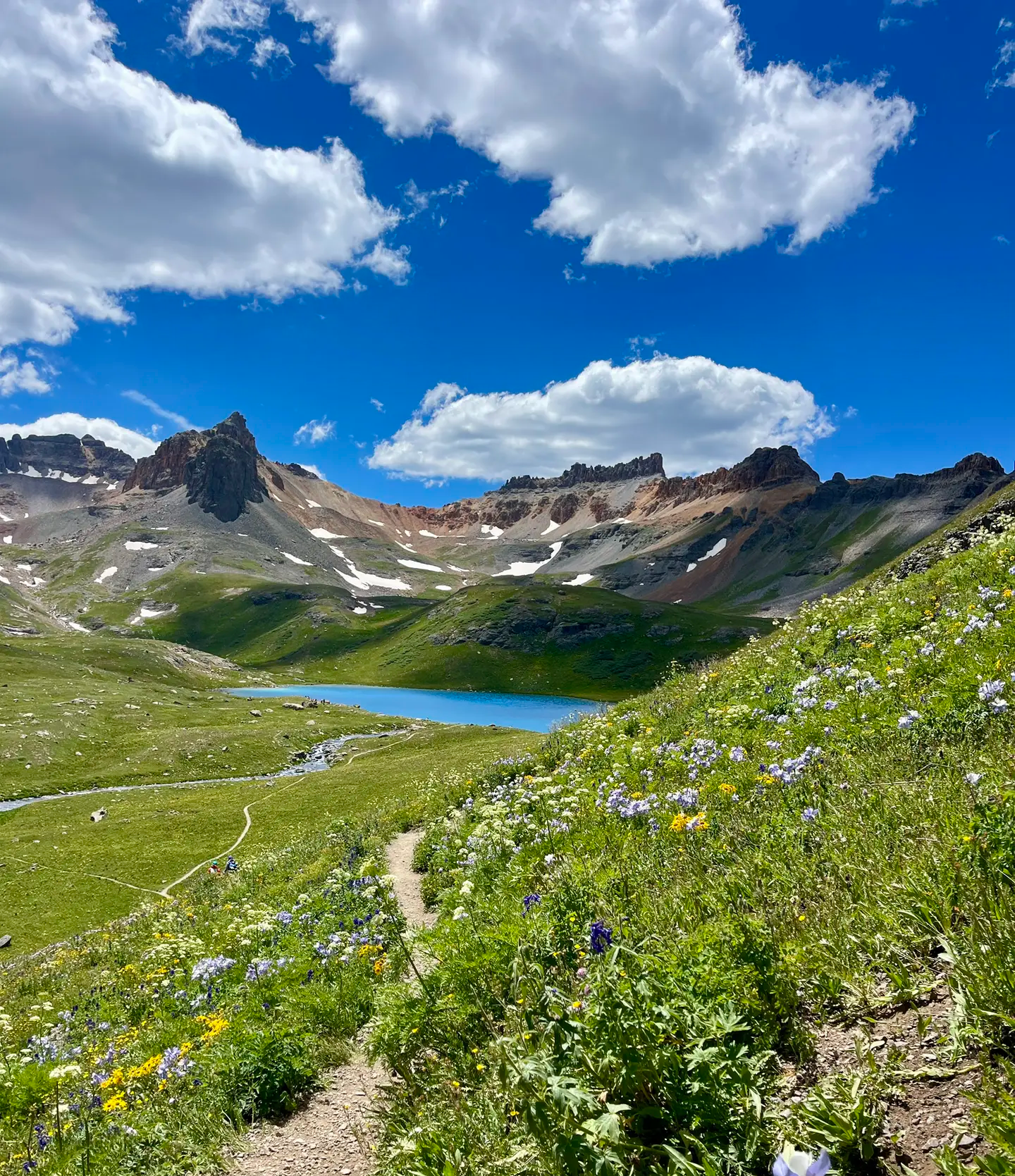
Softrock 100: Four Days Through Colorado’s Alpine Wilds
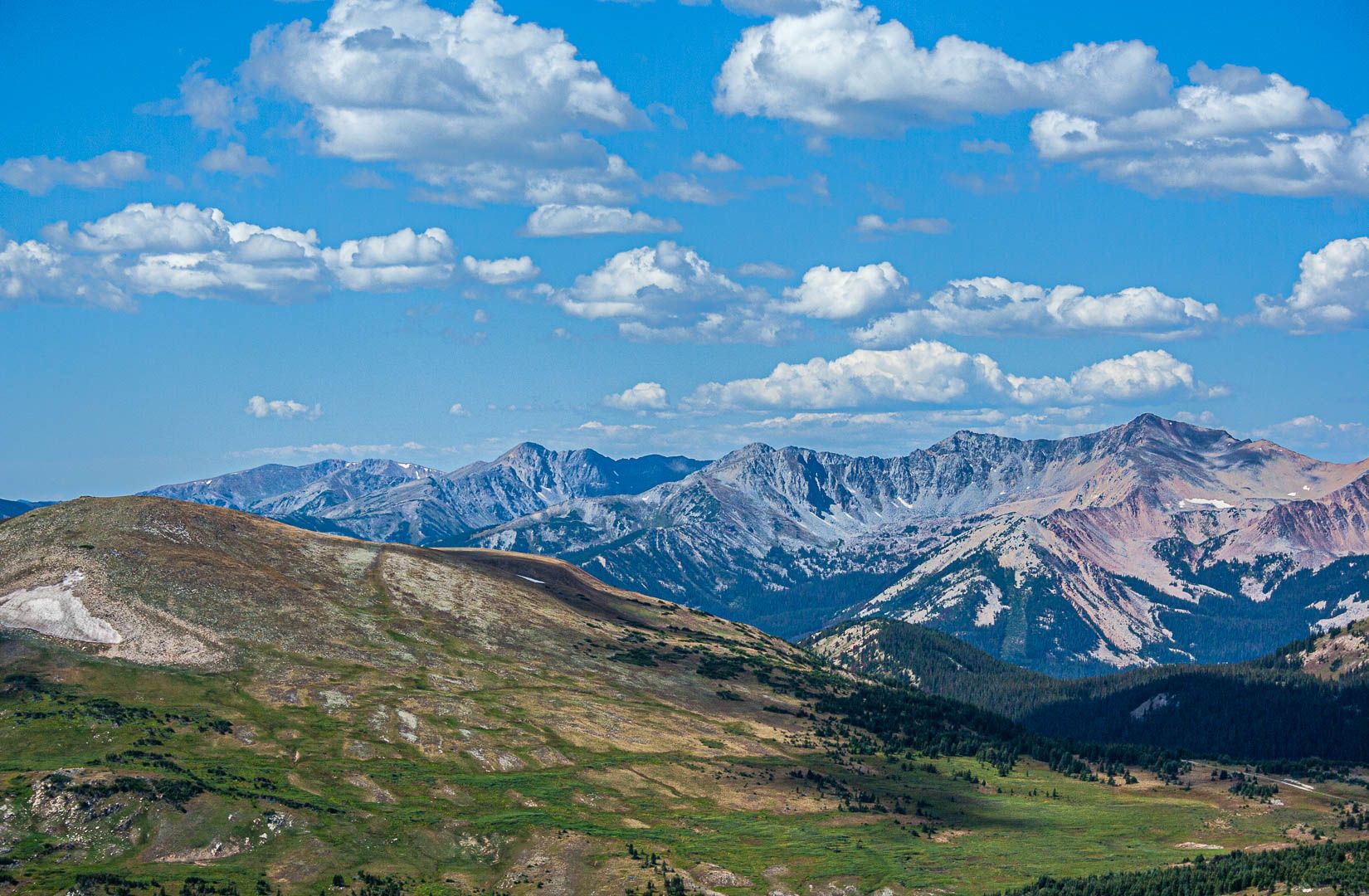
The Continental Divide Trail — Across the sky of America
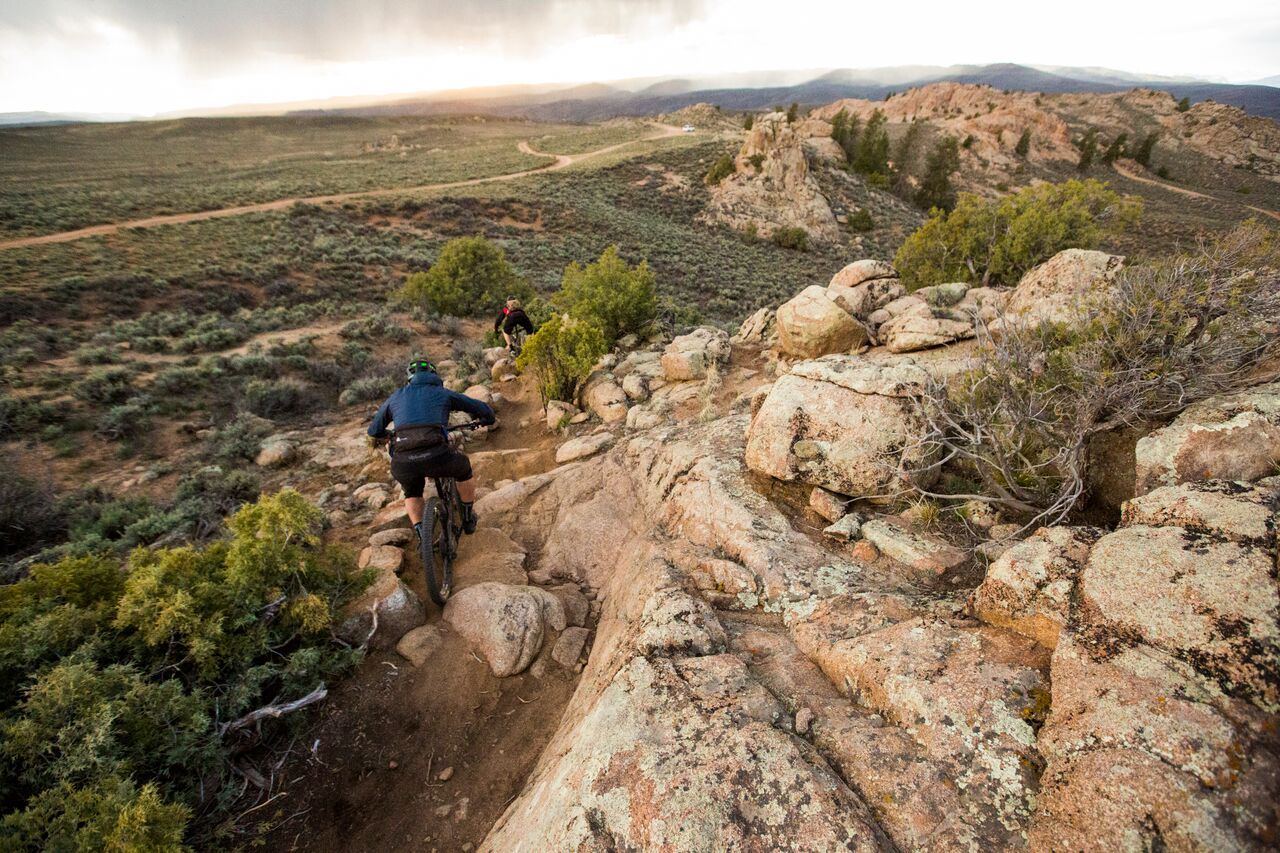
Hartman Rocks – rocky desert trails in Gunnison, Colorado
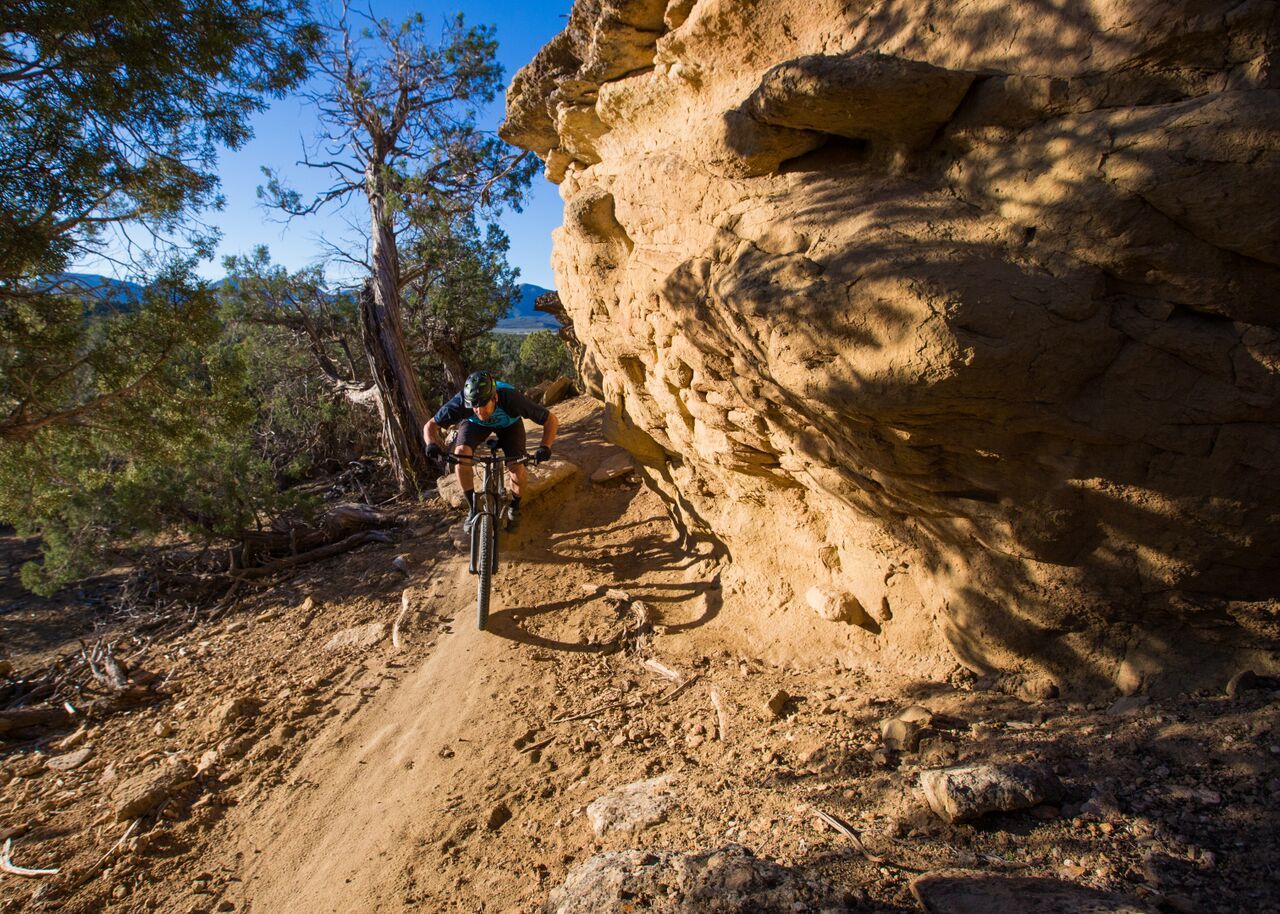
Unforgettable MTB adventures in Colorado's south-west
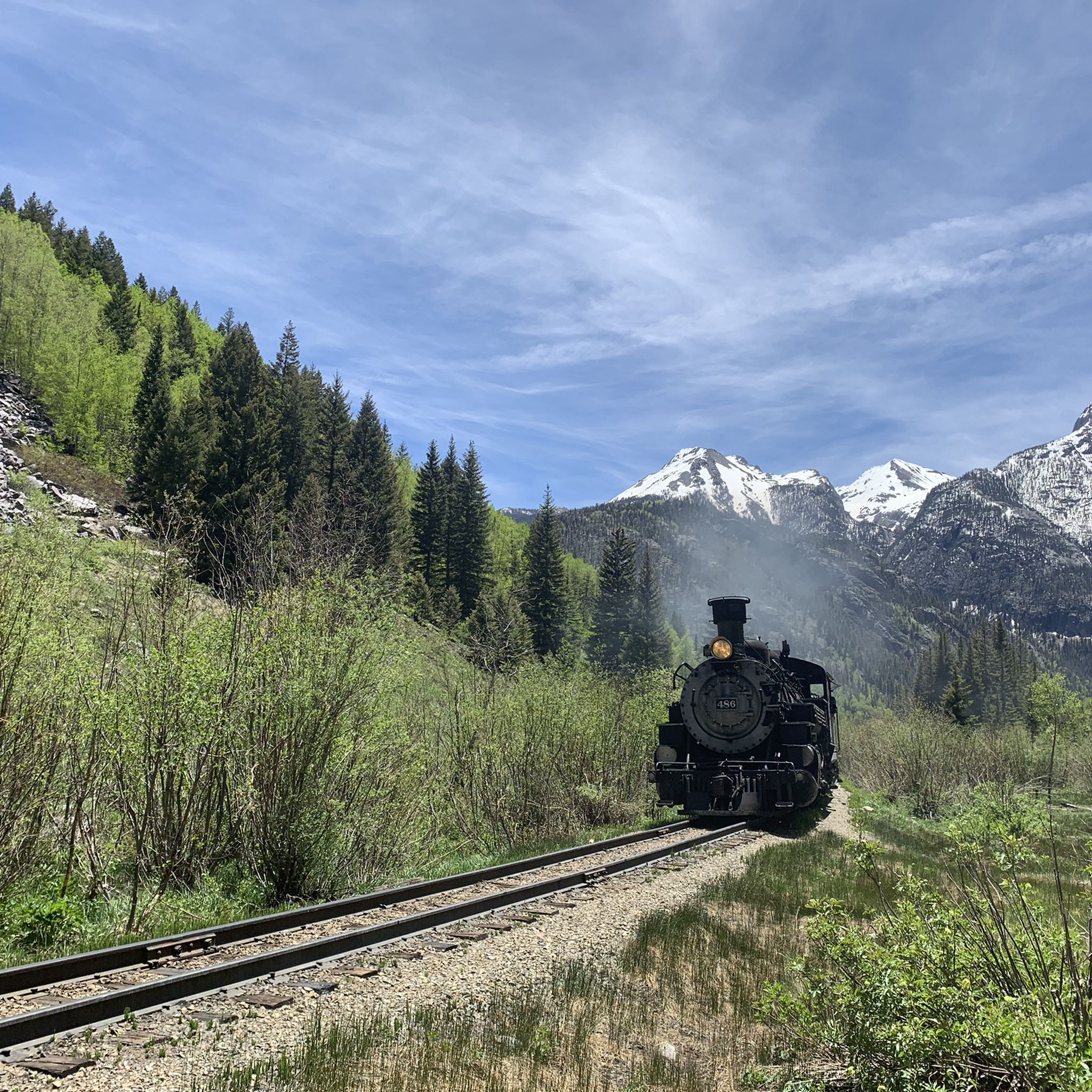
Hiking in the San Juan Mountains
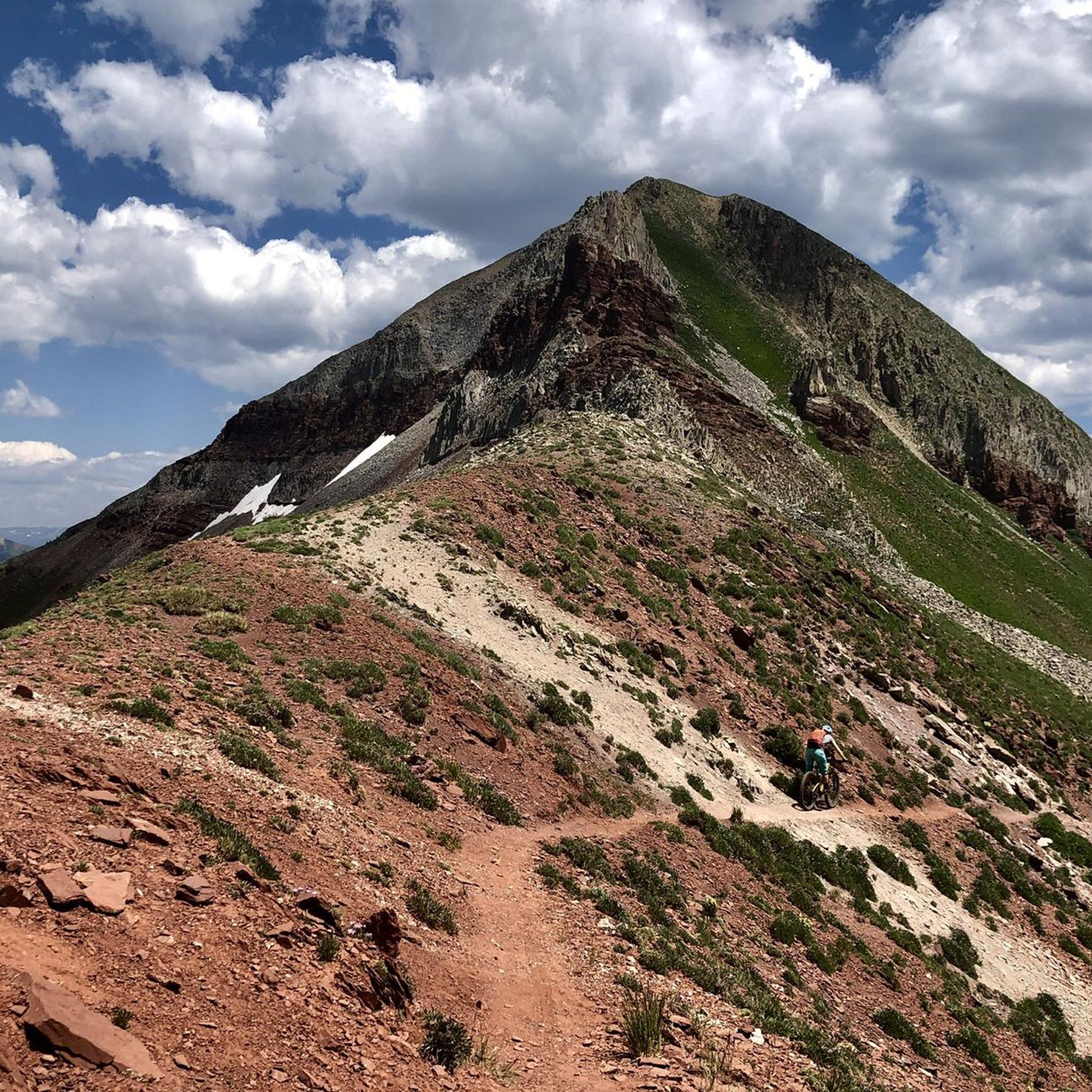
MTB Trails in the San Juan Mountains
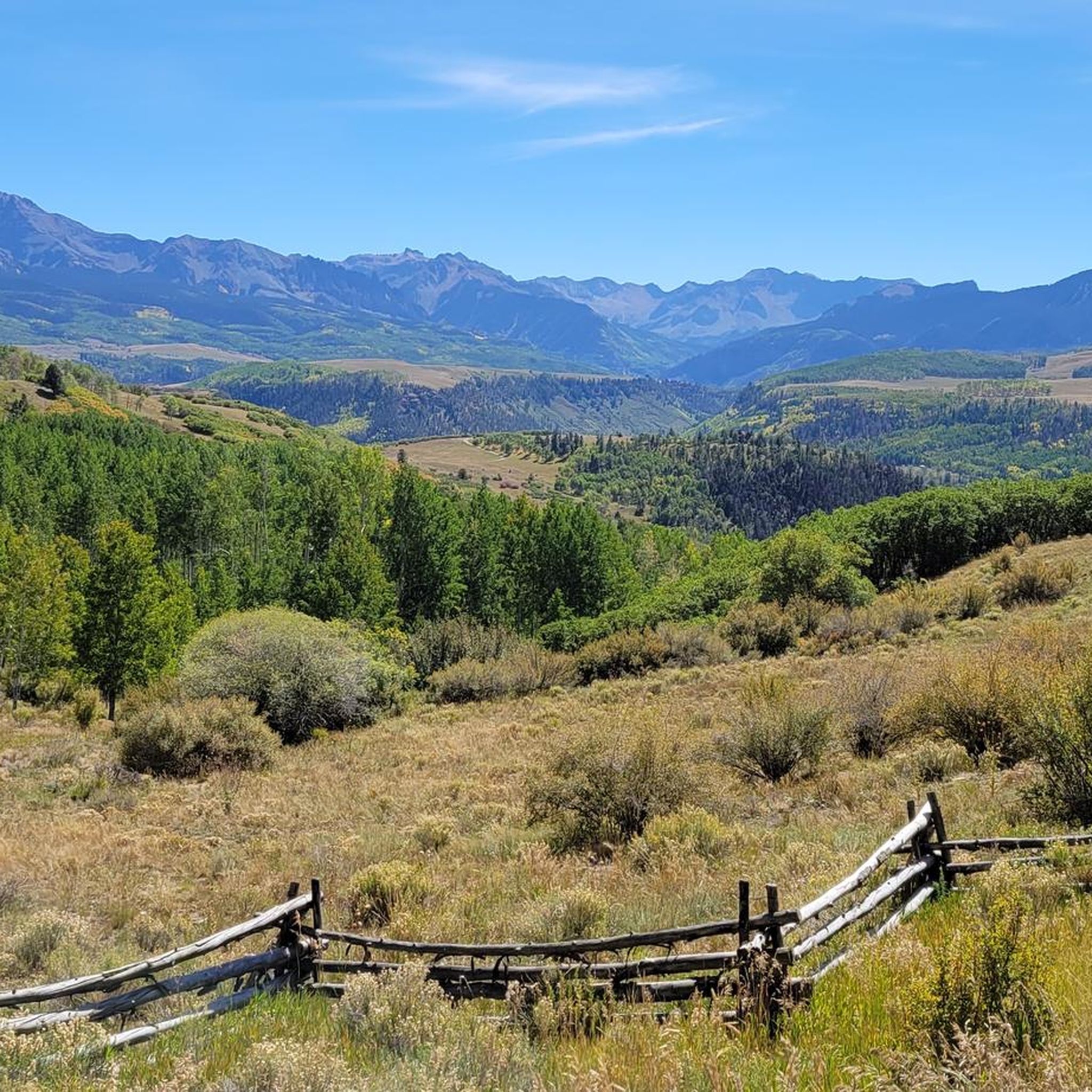
Road Cycling Routes in the San Juan Mountains
Other adventures in the San Juan Mountains


Tips from the Community

La Garita (or La Ventana) Natural Arch is different from many of the natural rock arches scattered around Colorado. Rather than being formed from uplifted sandstone as most arches are, the Ventana Arch formed within a magma intrusion called a volcanic dike. Lava from the Summer Coon volcanic complex intruded into cracks in the surrounding alluvial and volcanic deposits about 30 million years ago. Parts of the magma cooled at different rates and separated from the rest of the wall, and when the surrounding deposits eroded away, the inner part of the arch collapsed, leaving a hole in the dike. The end result was a 40-foot-tall, 30-foot-wide arch. From the end of La Ventana Road, a steep scramble leads to the arch, rewarded with views across the San Luis Valley to the Sangre de Cristo mountains and the Great Sand Dunes National Park. The arch itself is difficult to see from any direction except directly in front of or behind it, quite clearly from the parking at the end of La Ventana Road. If you want to scramble up to the rock wall, bikes can be left at the end of the road, ideally locked in an elevated position, and can be seen when looking back while hiking up. The arch is a sacred site for the Jicarilla Apache and Ute tribes and is still used for ceremonies. The arch is about 11 miles northwest of Del Norte, Colorado, on Forest Service Road A23, a.k.a. La Ventana Road. The road is rough rocky gravel, but doable on most bikes. Signs in the area point to the arch. When hiking to the arch, wear sturdy shoes with good grip. Caution is warranted when climbing to the arch and when descending. Loose rock requires caution and stable footing. To get to the Arch from Monte Vista – head north out of Monte Vista on Highway 285 for 18 miles to County Road G. Turn left and go west to the “Y” just past the La Garita Store. Take the dirt road south and follow the signs to the Natural Arch.
0
0

At 13,271 feet you reach the official highest point of the Colorado Trail. Neither the ascent nor the descent are particularly steep, so you might think that you didn’t climb up that much. Nevertheless, enjoy the view and celebrate your achievement! If you like, you can hike up to the nearby summit to find a geological marker.
1
0
In the 20th century, Ghost Ranch was the summer home and studio of artist Georgia O'Keeffe, as well as the subject of many of her paintings. It often serves as a location for movie production. Ghost Ranch is owned by the Presbyterian Church (USA) and leased to and managed by The National Ghost Ranch Foundation. Ghost Ranch is known for a remarkable concentration of fossils, most notably that of the theropod dinosaur Coelophysis, of which it has been estimated that nearly a thousand individuals have been preserved in a quarry at Ghost Ranch. Today Ghost Ranch is a 21,000-acre (85 km2) retreat and education center with two museums, the Ruth Hall Museum of Paleontology and the Florence Hawley Ellis Museum of Anthropology, in addition to the Ghost Ranch Library. Tues-Sat: 9am-5pm; Closed 12pm-1pm Sun: 1pm-5pm; Closed Monday The Day Pass fee of $10 per adult over 18 grants guests access to both Museums, the labyrinth, and all Ghost Ranch hiking trails https://www.ghostranch.org
0
0
Surprisingly large and diverse exhibits considering this remote area. Excellent info panels. Ghost Ranch is host to two museums, the Ruth Hall Museum of Paleontology and the Florence Hawley Ellis Museum of Anthropology, in addition to the Ghost Ranch Library. The Museums of Ghost Ranch are dedicated to advancing research, education and public engagement in Anthropology, Archaeology and Paleontology. Ghost Ranch is a world‐renowned site for Triassic paleontology. Its low, red‐grey mounded hills and washes boast three fossil quarries that are famous among scholars and amateur paleontologists, and a number of other sites where isolated skulls, bones, or skeletons have been found. The three major quarries are the Canjilon Quarry (now situated on U.S. Forest Service land), the Coelophysis Quarry, and the Hayden Quarry. Dozens of different kinds of fossil reptiles, amphibians, and other vertebrates have been discovered, as well as fossil plants and invertebrates. Its quarries have, in recent years, given a whole new perspective to our understanding of how the dinosaurs began to take dominance of the terrestrial realm in the Late Triassic, over 200 million years ago. Tues-Sat: 9am-5pm; Closed 12pm-1pm Sun: 1pm-5pm; Closed Monday The Day Pass fee of $10.00 per adult over 18 grants guests access to both Museums, the labyrinth, and all Ghost Ranch hiking trails. https://www.ghostranch.org/museums
0
0

Box Canyon Falls is where Canyon Creek cascades 85 feet into a narrow quartzite canyon surrounded by 100-foot walls. This developed park offers hiking trails, picnic areas, and a visitor center, which operates seasonally, closing in November. The park is also a significant bird area, recognized by the National Audubon Society for hosting Black Swifts, the largest swifts in North America, which migrate from Brazil each summer. Keep in mind that dogs are not allowed in the park.
0
0

A small sign on a wooden post marks the High Point of the Colorado Trail. This is an amazing place to pause and catch your breath (if you can at 13,271 feet!), take in the stunning panoramic views, and bask in your amazing accomplishment.
1
0

Little Molas Lake is a high-altitude body of water at about 11,000 feet. It is located nearby parking lots and provides easy access to the Colorado Trail. It is the ideal place to enjoy a packed lunch before or after your ride.
0
0

Island lake is a cerulean-blue alpine lake nestled just north of Ice Lake below Grant Peak. This is one of the best views you will get in the Ice Lakes Basin.
0
0
Frequently Asked Questions
What are some of the most popular natural monuments in the San Juan Mountains?
Visitors frequently enjoy the dramatic Canyon Creek Bridge and Falls, where Canyon Creek cascades 85 feet into a narrow quartzite canyon. Another highly rated spot is Ice Lake, a stunning alpine lake known for its vibrant aquamarine color and surrounding peaks. The majestic View of Bridal Veil Falls and the power plant, Colorado's tallest free-falling waterfall, is also a must-see.
What natural features define the San Juan Mountains?
The San Juan Mountains are characterized by their rugged and scenic terrain, shaped by extensive volcanic activity and glaciation. You'll find numerous jagged volcanic peaks, including 13 peaks exceeding 14,000 feet, pristine alpine lakes, and distinctive U-shaped canyons. This geological history has created a landscape rich in dramatic formations and metallic minerals.
Are there family-friendly natural monuments to visit in the San Juan Mountains?
Yes, several natural monuments are suitable for families. Canyon Creek Bridge and Falls offers developed trails and picnic areas. Little Molas Lake provides easy access, a picnic area, and beautiful mountain views, perfect for a relaxing break. The historic Ghost Ranch also offers family-friendly trails and facilities.
What is the best time of year to visit the natural monuments in the San Juan Mountains?
The best time to visit most high-alpine natural monuments, such as Ice Lake, is typically from July through August when wildflowers are in bloom and snowmelt has largely receded. However, be prepared for potential winter gear needs even in summer, especially in high snow years. Trails to areas like Bridal Veil Falls can remain snow-covered into late June or even July.
What kind of hiking opportunities are available near these natural monuments?
The San Juan Mountains offer extensive hiking opportunities, ranging from easy walks to challenging climbs. You can find trails leading to stunning waterfalls like Bridal Veil Falls or to high-alpine lakes such as Ice Lake. The region also features segments of the famous Colorado Trail. For more detailed routes and options, explore the Hiking in the San Juan Mountains guide.
Are there any unique geological formations in the San Juan Mountains?
Yes, the San Juan Mountains are home to unique geological formations due to their volcanic past. One notable example is the La Garita (or La Ventana) Natural Arch, which is uniquely formed within a volcanic dike, unlike most arches created from sandstone. This makes it a fascinating site for those interested in volcanic processes and geology.
Can I find cycling or mountain biking trails near the natural monuments?
Absolutely! The San Juan Mountains are a prime destination for cycling and mountain biking. You can find a variety of routes, from moderate loops like the Dry Fork Loop for touring bicycles to challenging mountain bike trails such as Imogene Pass Road. Discover more options in the Cycling in the San Juan Mountains guide and the MTB Trails in the San Juan Mountains guide.
What historical or cultural sites are integrated with the natural monuments?
The region blends natural beauty with historical significance. For instance, Bridal Veil Falls features a historic power plant at its summit, utilizing the falls for hydroelectricity. Additionally, the Ghost Ranch is a historical settlement offering insights into the area's past amidst its natural surroundings.
What should I know about accessibility and permits for visiting these natural monuments?
Accessibility varies by location. Some sites like Canyon Creek Bridge and Falls offer developed parks and trails. High-alpine areas like Ice Lake involve challenging hikes. While specific permits for general access to natural monuments are not broadly required, some areas within the Weminuche Wilderness (like Chicago Basin) may have specific regulations for backpacking. Always check local regulations for any specific permits or restrictions before your visit.
Are dogs allowed at the natural monuments?
Dog policies vary by specific location. For example, dogs are explicitly not allowed in the developed park area of Canyon Creek Bridge and Falls (Box Canyon Falls). Always check the specific rules for each natural monument or trail you plan to visit to ensure compliance.
What are some less crowded natural monuments or viewpoints?
While popular spots can attract crowds, the San Juan Mountains offer many less-traveled gems. Consider exploring areas like Little Molas Lake for a peaceful picnic spot with easy access, or seek out viewpoints along the extensive Colorado Trail for solitude and stunning vistas. The vastness of the San Juan Mountains means there are always opportunities to find quiet corners away from the main attractions.
What kind of wildlife can I expect to see?
The diverse ecosystems of the San Juan Mountains support a variety of wildlife. Birdwatchers will appreciate Canyon Creek Bridge and Falls, recognized as a significant bird area for hosting Black Swifts. In higher elevations and remote areas, you might spot elk, deer, bighorn sheep, and various bird species. Always maintain a safe distance and never feed wildlife.
Most popular routes in the San Juan Mountains
Most popular attractions in the San Juan Mountains

Get inspired with the komoot mobile app


Explore more
Extend your search for the best caves by checking out these guides of the top ones in the San Juan Mountains:
