The best waterfall hikes and walks in the San Juan Mountains
4.9
(193)
4,036
hikers
20
hikes
Waterfall hiking trails in the San Juan Mountains traverse a rugged subrange of the Rocky Mountains in Colorado, characterized by dramatic volcanic peaks, high-altitude basins, and extensive trail networks. The region features numerous peaks exceeding 13,000 feet, including several "fourteeners," alongside pristine alpine lakes and vast forests. Hikers can expect diverse terrain, from deep pine and aspen groves to expansive wildflower meadows and mineralized rock formations.
Best waterfall hiking trails in the San Juan Mountains
- The most popular waterfall hiking route is Ice Lakes Trail, a 4.3 miles (7.0 km) moderate trail that takes 2 hours 49 minutes to complete. This route ascends through forests to stunning alpine lakes, often featuring smaller cascades along the way.
- Another top favourite among local hikers is Bridal Veil Falls to Ajax and Telluride Peaks, a difficult 11.0 miles (17.7 km) path. This challenging trail offers views of Colorado's tallest free-falling waterfall before continuing to high mountain peaks.
- Local hikers also love the Ouray Perimeter Trail, a 5.0 miles (8.1 km) trail leading through varied terrain around the town of Ouray, often completed in about 2 hours 25 minutes. This route provides views of several smaller waterfalls and canyons.
- Hiking in the San Juan Mountains is defined by rugged peaks, pristine alpine environments, and diverse ecosystems, including deep forests and high-altitude meadows. The extensive network offers options for various ability levels, from moderate day hikes to challenging multi-day excursions.
- The routes in San Juan Mountains are highly rated by the komoot community with an average score of 4.9 stars from over 180 reviews. More than 3700 hikers have used komoot to explore San Juan Mountains's varied terrain.
Last updated: July 8, 2026
25
hikers
7.00km
02:49
850m
10m
Moderate hike. Good fitness required. Easily-accessible paths. Suitable for all skill levels.
16.7km
05:28
540m
1,190m
Hard hike. Very good fitness required. Easily-accessible paths. Suitable for all skill levels.

Sign up for free
476km
131:26
7,730m
8,440m
Hard hike. Very good fitness required. Mostly accessible paths. Sure-footedness required.
4.5
(10)
224
hikers
8.12km
02:26
250m
250m
Moderate hike. Good fitness required. Easily-accessible paths. Suitable for all skill levels.
5.0
(1)
10
hikers
17.7km
07:13
1,340m
1,340m
Hard hike. Very good fitness required. Mostly accessible paths. Sure-footedness required.
Get access to more routes and recommendations from other explorers.
Sign up for free
Already have an account?
Our route recommendations are based on thousands of hikes, rides, and runs completed by other people on komoot.
Start today with a free account
Your next adventure awaits.
Login or Signup
Popular around San Juan Mountains
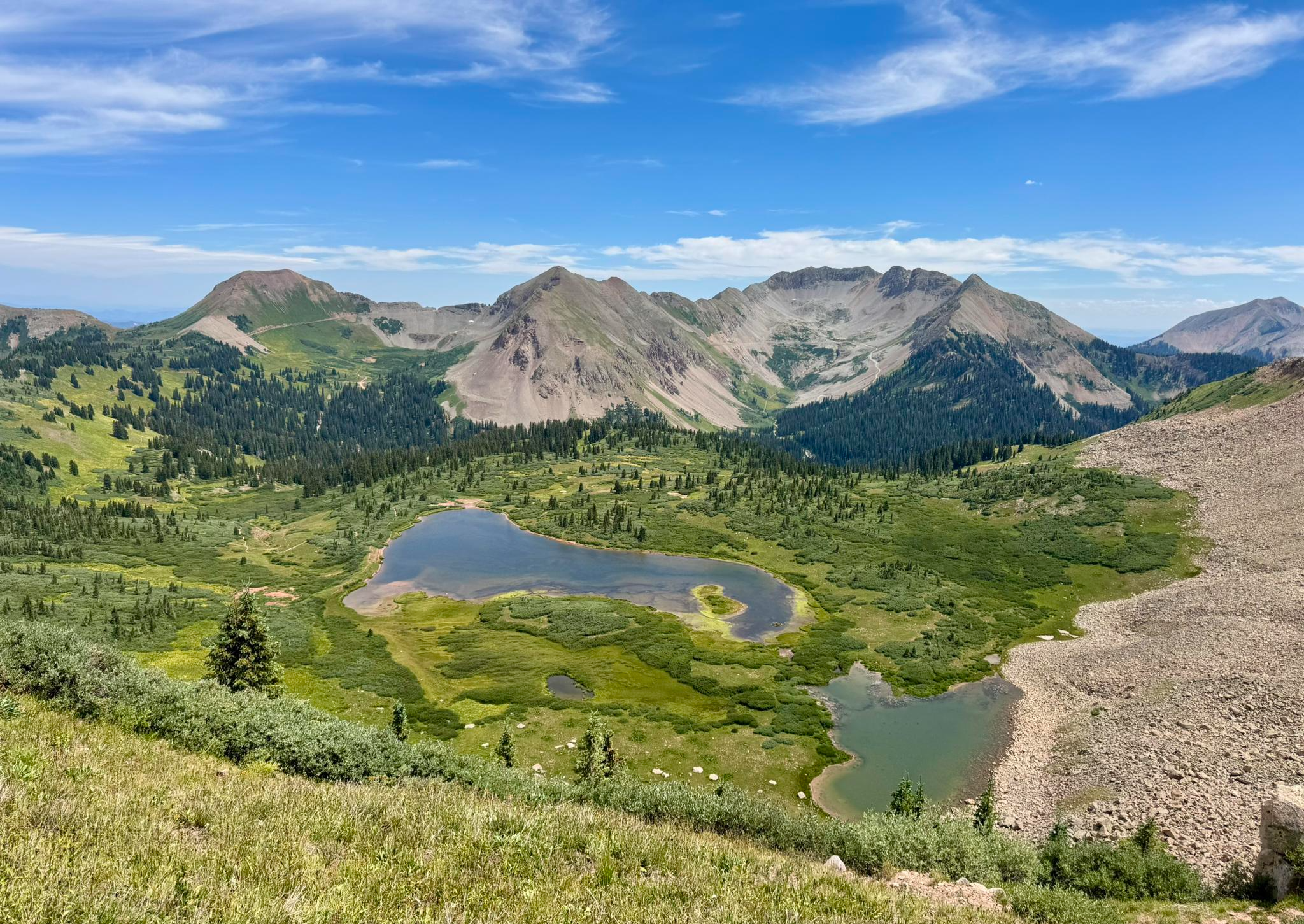
Colorado Trail — The pinnacle of wild Colorado
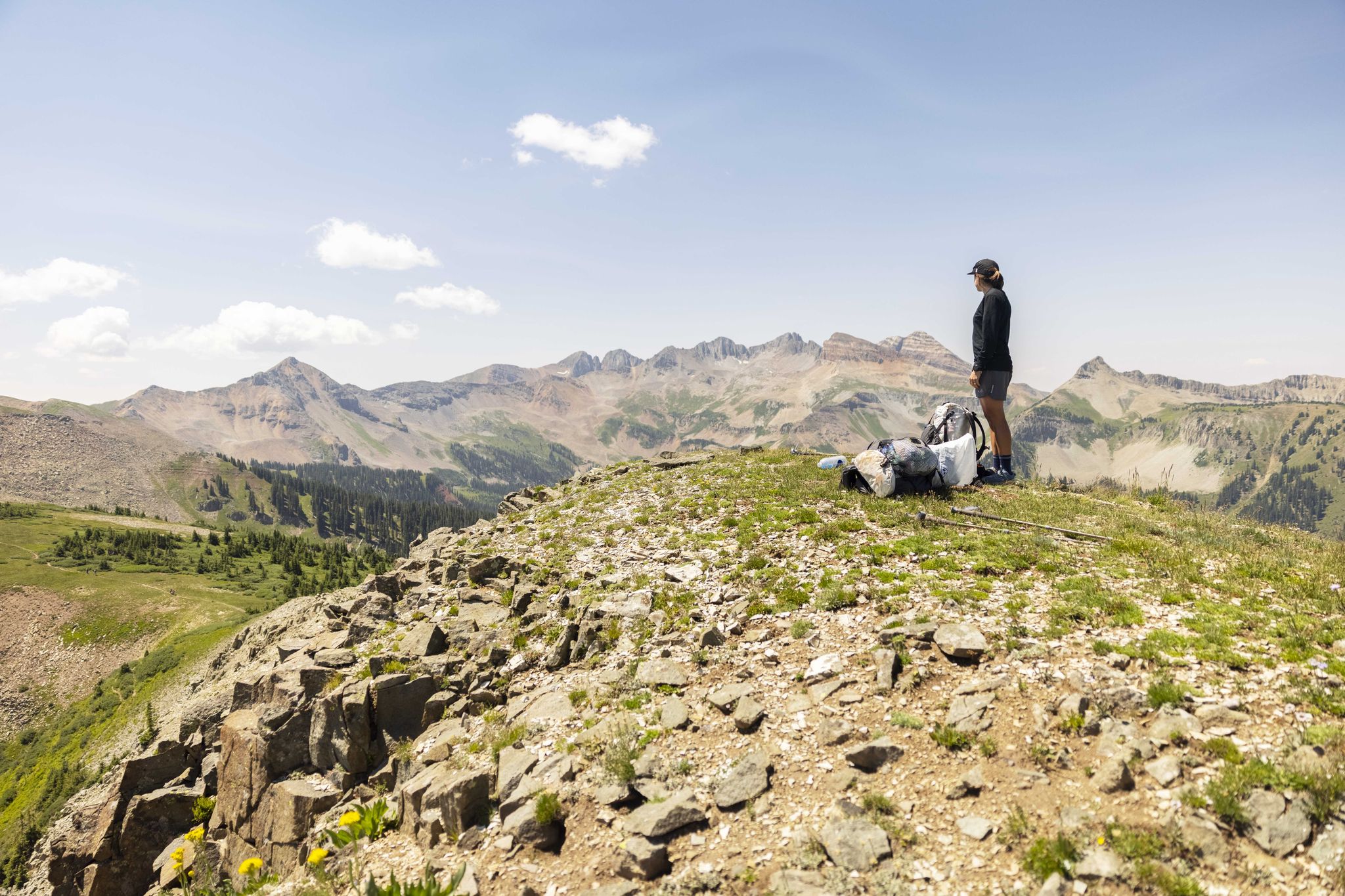
The Colorado Trail — Hiking from Silverton to Durango
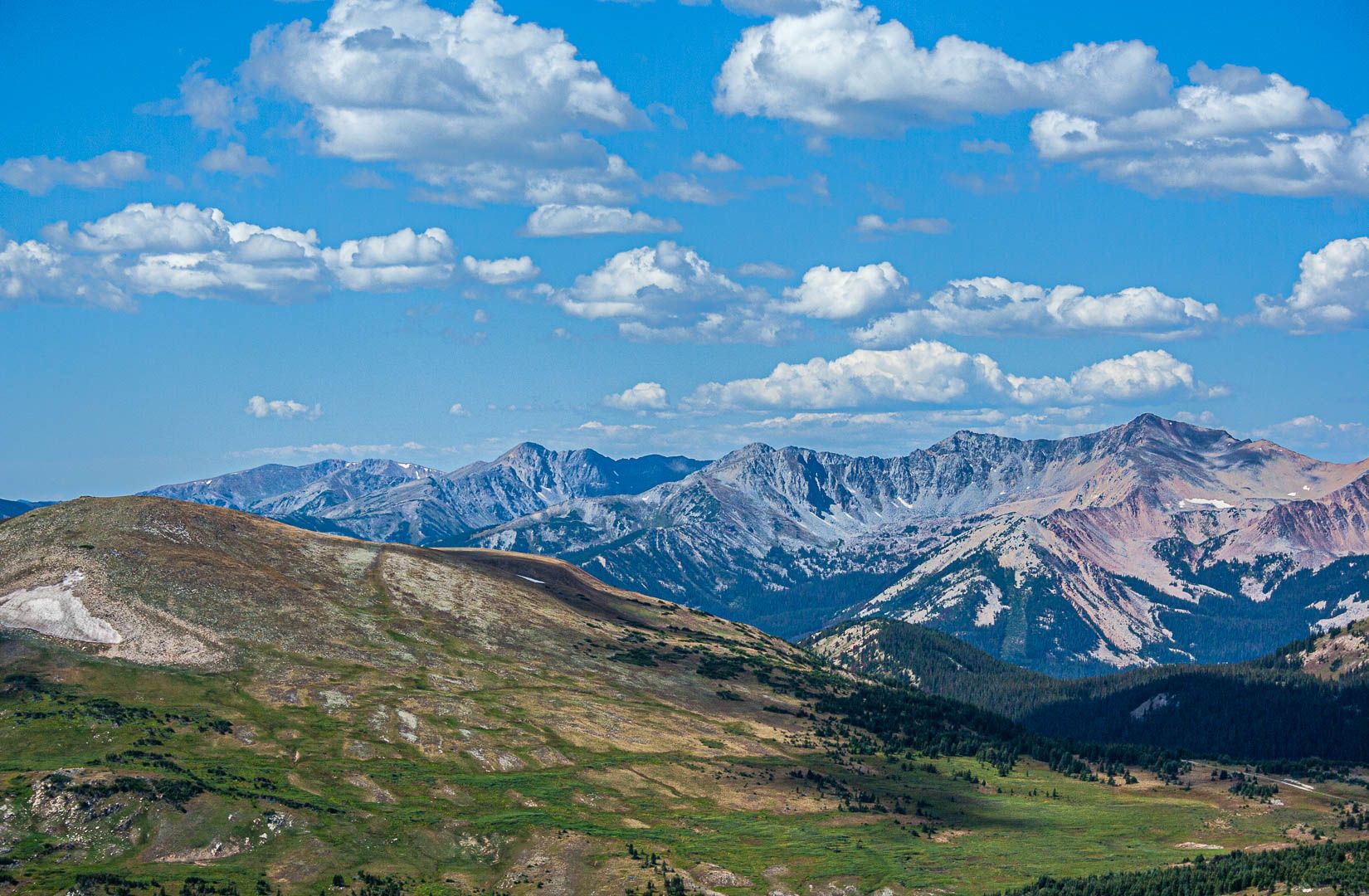
The Continental Divide Trail — Across the sky of America
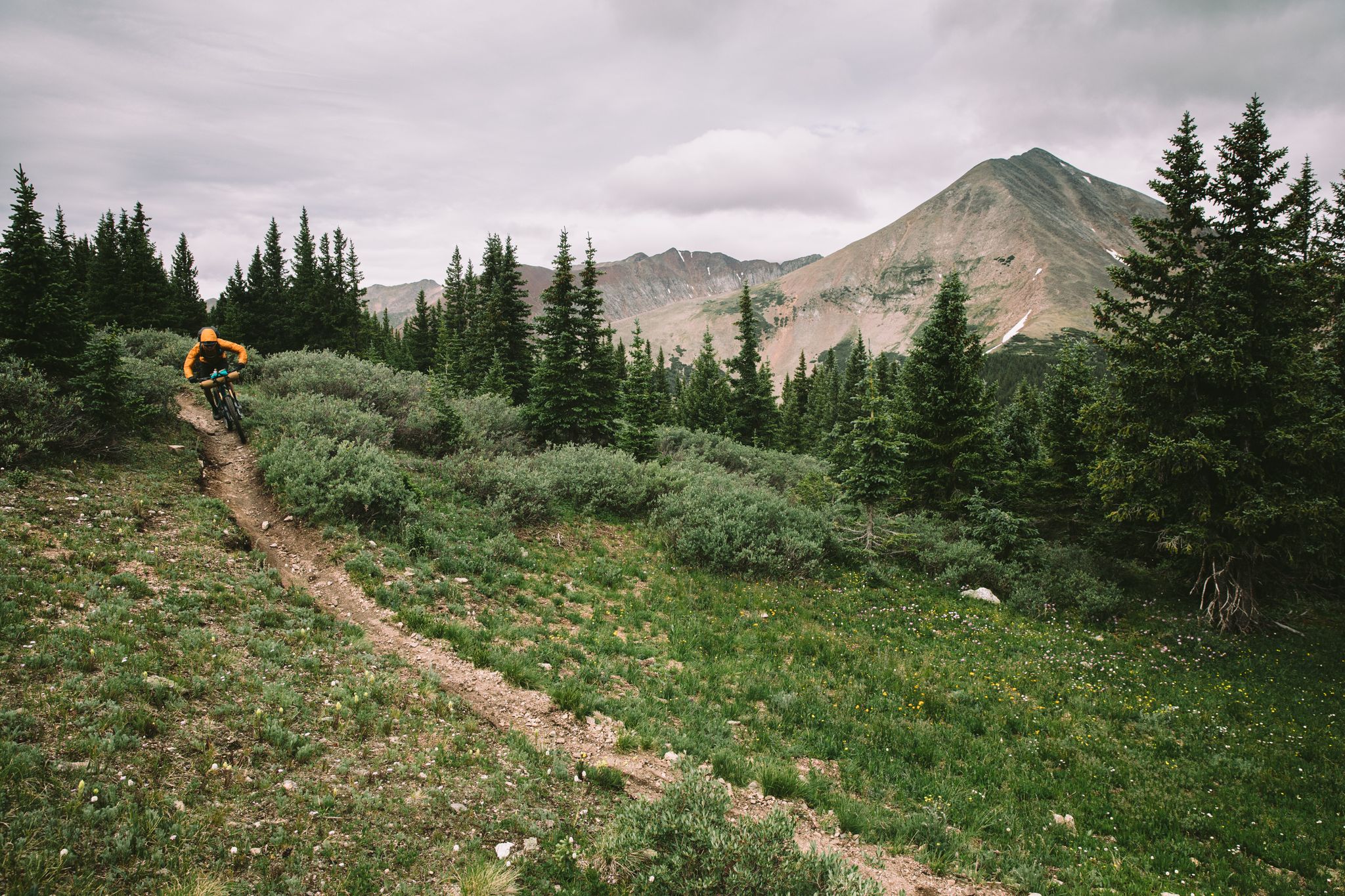
The Colorado Trail — Ten incredible days in the Rocky Mountains
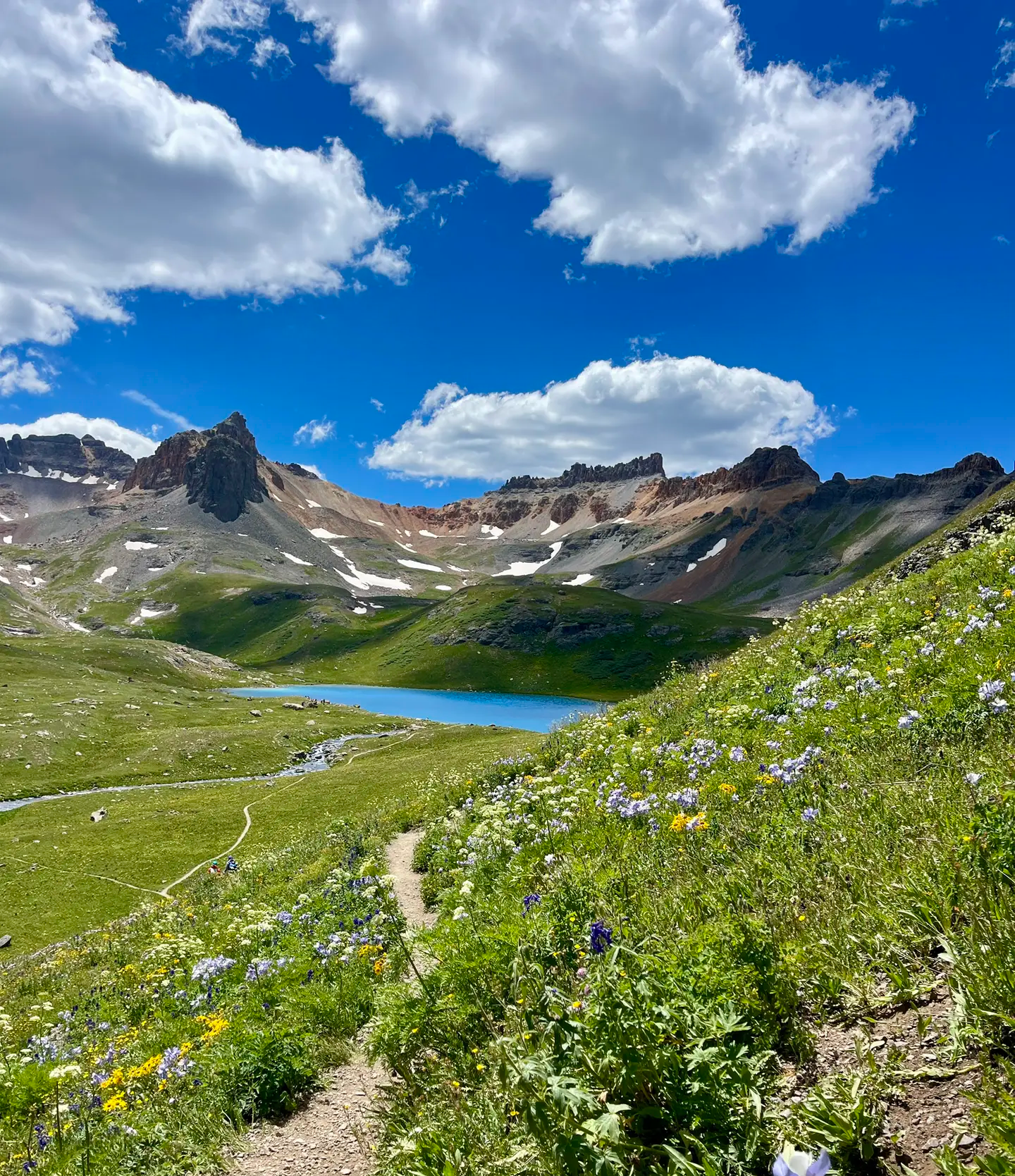
Softrock 100: Four Days Through Colorado’s Alpine Wilds
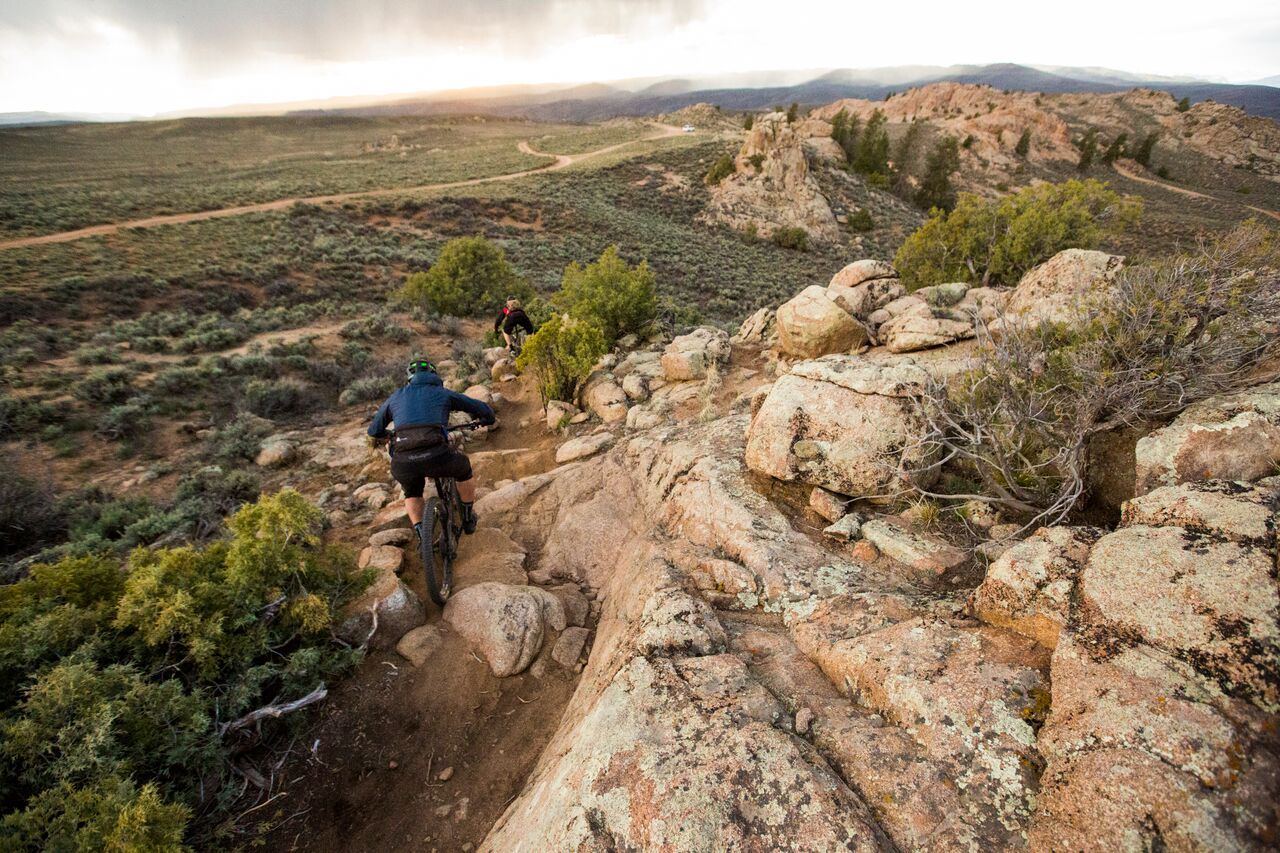
Hartman Rocks – rocky desert trails in Gunnison, Colorado
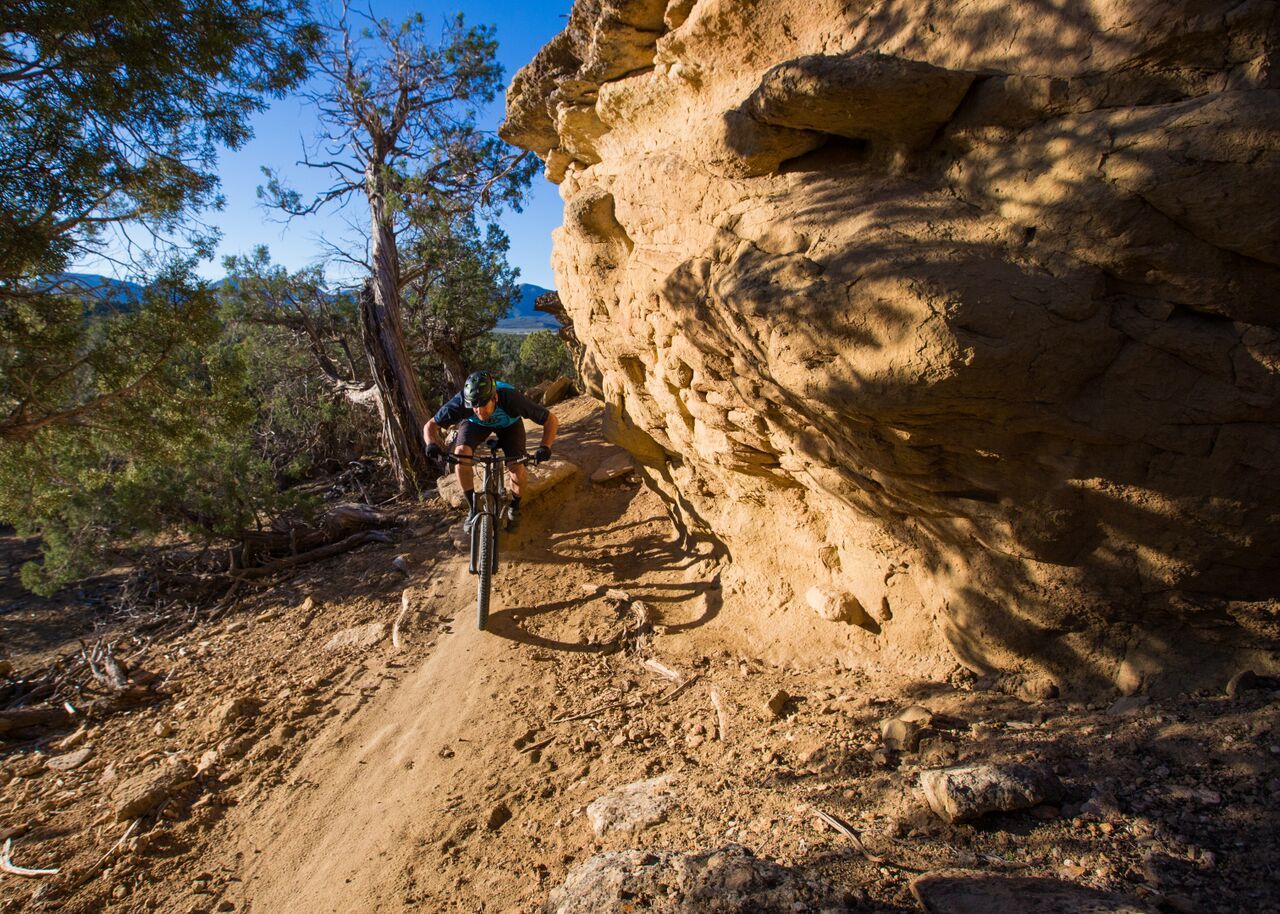
Unforgettable MTB adventures in Colorado's south-west
Other adventures in the San Juan Mountains


Tips from the Community

Molas Pass sits a few yards below where the Colorado Trail passes the US 550 highway. Walk south 250 feet to the spur trail to the parking area and find Molas Overlook, a pit toilet, and parking at an elevation of 10,910 feet.
0
0
Box Canyon Falls is where Canyon Creek cascades 85 feet into a narrow quartzite canyon surrounded by 100-foot walls. This developed park offers hiking trails, picnic areas, and a visitor center, which operates seasonally, closing in November. The park is also a significant bird area, recognized by the National Audubon Society for hosting Black Swifts, the largest swifts in North America, which migrate from Brazil each summer. Keep in mind that dogs are not allowed in the park.
0
0
Lower Cascade Falls is one of seven waterfalls in Cascade Creek and is easily accessible from the parking area. Hikers can get close enough to feel the spray of water. For those seeking more adventure, the Upper Cascade Falls can be reached via a steeper trail leading to the Chief Ouray Mine, but it's recommended only for experienced hikers. Take time to relax by the creek and enjoy the falls.
0
0

The views down over Trout Lake with its mountain backdrop from here on Highway 145 are simply breathtaking. The lake is set in an incredible rocky amphitheatre of 13,000 foot peaks, and the tranquil foreground setting of Trout Lake against this jagged skyline makes this a spectacular vista as you ride by.
1
0

Oxbow Park marks the northern terminus of the Animas River Trail. The park is fairly new and features some singletrack paths along the water as well as a restroom and picnic tables.
0
0
Oxbow Park marks the northern terminus of the Animas River Trail. The park is fairly new and features some singletrack paths along the water as well as a restroom and picnic tables.
0
0

Little Ice Lake is nestled in the basin just next to towering rock walls. A short trail takes you to its shore where you can take a break.
3
0
Lower Ice Lake Basin is a great place to catch some breath again after the steep climb from Ice Lake Trailhead. Take a break to enjoy the scenery before your final ascent to the upper alpine lakes. There are some nice streams to fill your water bottle (don’t forget to treat the water).
3
0
Frequently Asked Questions
How many waterfall hiking trails are available in the San Juan Mountains?
The San Juan Mountains offer a wide variety of hiking experiences, with over 20 waterfall-focused trails documented on komoot. These range from easy strolls to challenging ascents, ensuring options for all skill levels.
What makes the San Juan Mountains a unique destination for waterfall hikes?
The San Juan Mountains are characterized by their dramatic volcanic peaks, high-altitude basins, and extensive trail networks. This rugged subrange of the Rockies features numerous peaks exceeding 13,000 feet, pristine alpine lakes, and vast forests, all contributing to a stunning backdrop for its many waterfalls. The unique geology creates diverse landscapes, from deep pine and aspen groves to expansive wildflower meadows and mineralized rock formations, making each waterfall hike a distinct experience.
What is the best time of year to experience the waterfalls in the San Juan Mountains?
The best time to visit the San Juan Mountains for waterfall hikes is typically during the late spring and summer months (June to September). During this period, snowmelt feeds the waterfalls, making them flow powerfully, and the alpine meadows are often vibrant with wildflowers. Fall also offers beautiful scenery with changing aspen leaves, though water flow might be reduced.
Are there easy or family-friendly waterfall hikes in the San Juan Mountains?
Yes, the San Juan Mountains offer several easy and moderate trails suitable for families. While specific easy waterfall routes aren't detailed in the guide, there are 6 easy and 9 moderate trails overall. For a moderate option that offers views of smaller waterfalls and canyons, consider the Ouray Perimeter Trail, which is about 5 miles long and takes around 2 hours 25 minutes to complete.
Are there challenging waterfall hikes for experienced hikers in the San Juan Mountains?
Absolutely. The San Juan Mountains are known for their rugged terrain and high-altitude challenges. For experienced hikers seeking a demanding waterfall adventure, the Bridal Veil Falls to Ajax and Telluride Peaks trail is an excellent choice. This difficult 11-mile path offers views of Colorado's tallest free-falling waterfall before continuing to high mountain peaks, requiring significant elevation gain and endurance.
Can I bring my dog on waterfall trails in the San Juan Mountains?
Many trails in the San Juan Mountains, including some waterfall hikes, are dog-friendly, especially within the San Juan and Uncompahgre National Forests. However, regulations can vary by specific trailheads or wilderness areas. It's always best to check local signage or the respective land management agency's website for the most current rules regarding pets, and always keep your dog on a leash and practice Leave No Trace principles.
What kind of wildlife might I see on a waterfall hike in the San Juan Mountains?
The San Juan Mountains are home to diverse wildlife. On your waterfall hikes, you might spot various bird species, including raptors soaring above the peaks. Larger mammals such as elk, deer, and bighorn sheep are also present, particularly in higher elevations or quieter areas. Keep an eye out for smaller creatures like marmots and pikas in the alpine zones. Always maintain a safe distance and never feed wildlife.
Are there any notable landmarks or attractions near the waterfall trails?
Yes, the San Juan Mountains are rich with natural landmarks. Near some waterfall trails, you can find stunning features like Canyon Creek Bridge and Falls. The region also boasts beautiful alpine lakes such as Ice Lake and Little Molas Lake, which are often part of or accessible from waterfall-adjacent routes. For panoramic views, look for viewpoints like the View of Bridal Veil Falls and the power plant.
What do other hikers enjoy most about hiking in the San Juan Mountains?
The San Juan Mountains are highly rated by the komoot community, with an average score of 4.9 stars from over 180 reviews. Hikers often praise the region's rugged peaks, pristine alpine environments, and diverse ecosystems, including deep forests and high-altitude meadows. The extensive network of trails offers options for various ability levels, from moderate day hikes to challenging multi-day excursions, all set against a backdrop of breathtaking natural beauty.
Are there any loop trails that feature waterfalls in the San Juan Mountains?
While many trails in the San Juan Mountains are out-and-back, some routes offer loop options or can be combined to create circular experiences. The Ouray Perimeter Trail is a notable loop that encircles the town of Ouray, providing views of several smaller waterfalls and canyons along its varied terrain. For other trails, you might need to consult a detailed map to identify potential loop extensions or connections.
What should I wear and bring for a waterfall hike in the San Juan Mountains?
Given the variable mountain weather and potential for spray near waterfalls, it's essential to dress in layers. Waterproof or water-resistant outer layers are highly recommended. Sturdy hiking boots with good grip are crucial for navigating potentially wet or rocky terrain. Always carry plenty of water, snacks, a map or GPS device, sun protection (hat, sunglasses, sunscreen), and a first-aid kit. Even in summer, conditions can change rapidly at higher elevations.
Are there any permits required for hiking waterfall trails in the San Juan Mountains?
Most day hikes in the San Juan Mountains do not require specific permits, especially within the National Forests. However, certain wilderness areas or popular trails, particularly those involving overnight stays, might have permit requirements or entry fees. It's always advisable to check with the local Forest Service office or relevant land management agency for the specific trail you plan to hike, especially for popular areas like Ice Lake Basin, which has seen increased regulations.
How can I find parking for waterfall hikes in the San Juan Mountains?
Parking availability varies significantly by trailhead. Popular waterfall trails, especially those near towns like Telluride or Ouray, often have designated parking lots, but these can fill up quickly during peak season. Some trailheads, particularly for more remote routes, might have limited roadside parking. It's recommended to arrive early, especially on weekends, or consider carpooling. Always park legally and responsibly to avoid fines or blocking access.
Most popular routes in the San Juan Mountains
Most popular attractions in the San Juan Mountains

Get inspired with the komoot mobile app


Explore more
Browse the best Hikes in other regions.
