Top 4 Lakes in Gachancipá
Lakes in Gachancipá, Colombia, are primarily represented by the nearby Tominé Reservoir, a significant artificial lake north of Bogotá. While Gachancipá itself does not host major natural lakes, its proximity allows for views and access to this expansive body of water. The region is characterized by its natural landscape and cultural history, particularly around the Muisca indigenous heritage. This area offers opportunities to explore both natural features and historical sites.
Best lakes in Gachancipá
- The most popular lakes is View…
Last updated: June 24, 2026
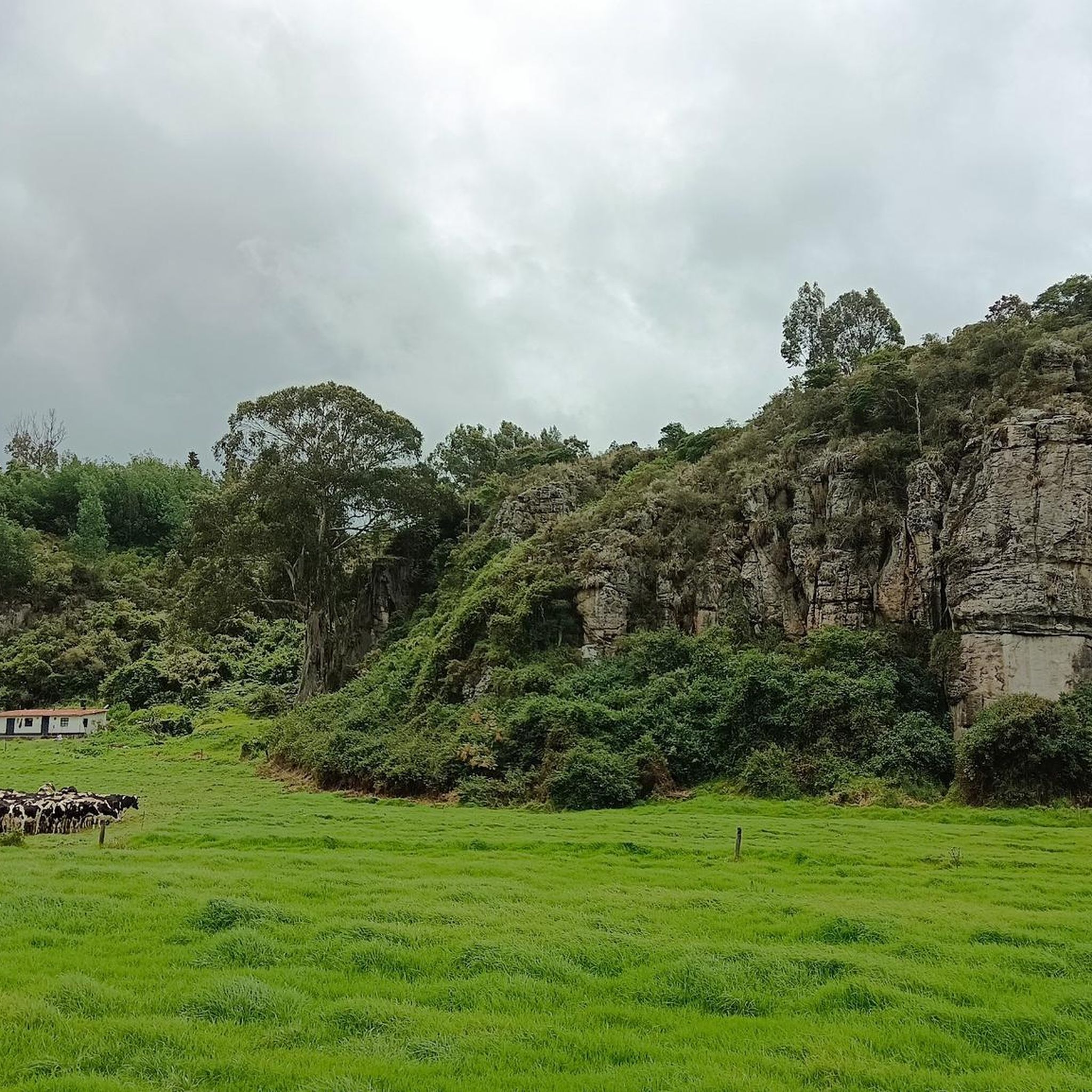
Tominé Reservoir
Highlight (Segment) • Lake
Translated by Google •
Tip by

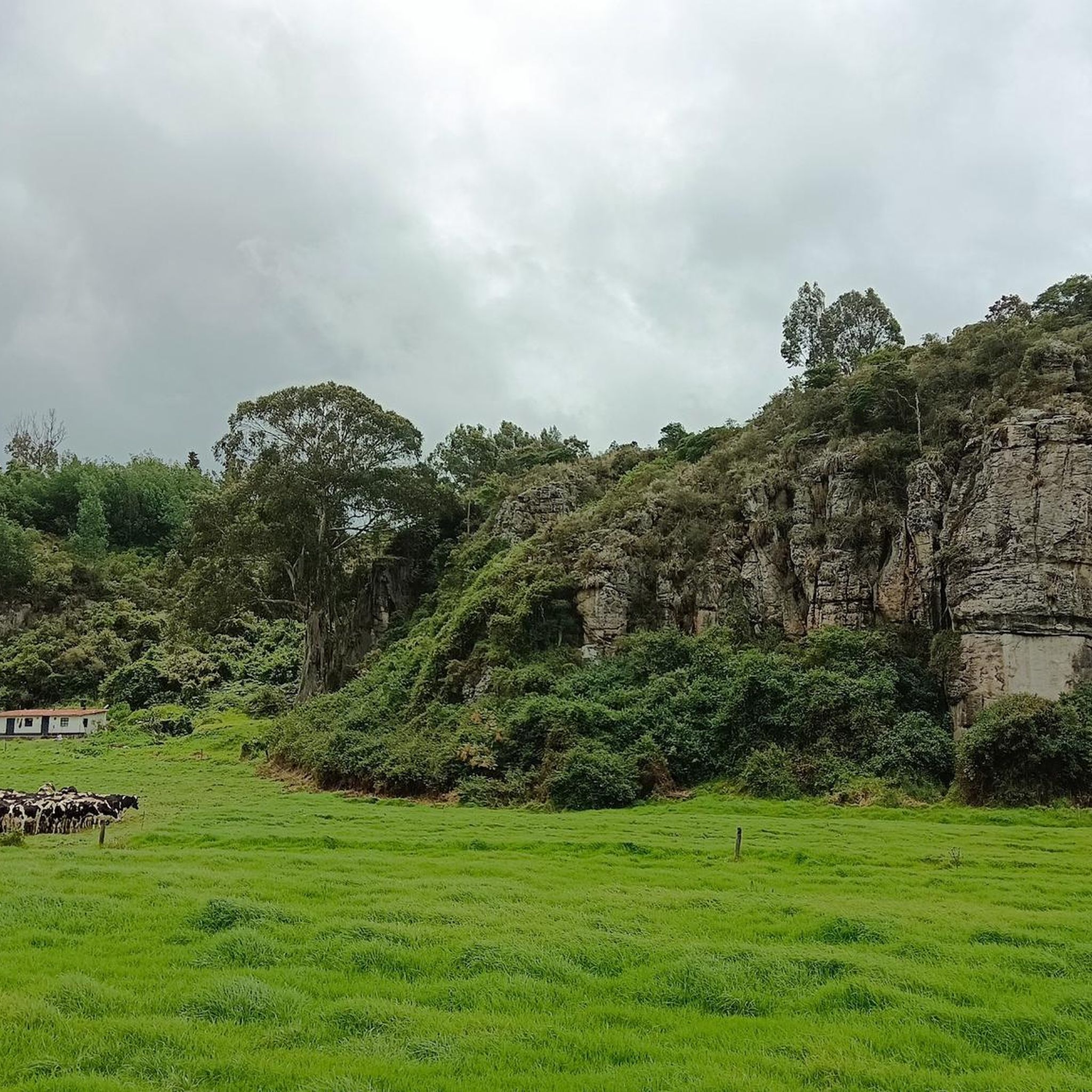
Lake Guatavita
Highlight • Lake
Tip by

Sign up now to discover places like this
Get recommendations on the best single tracks, peaks, & plenty of other exciting outdoor places.
Sign up for free
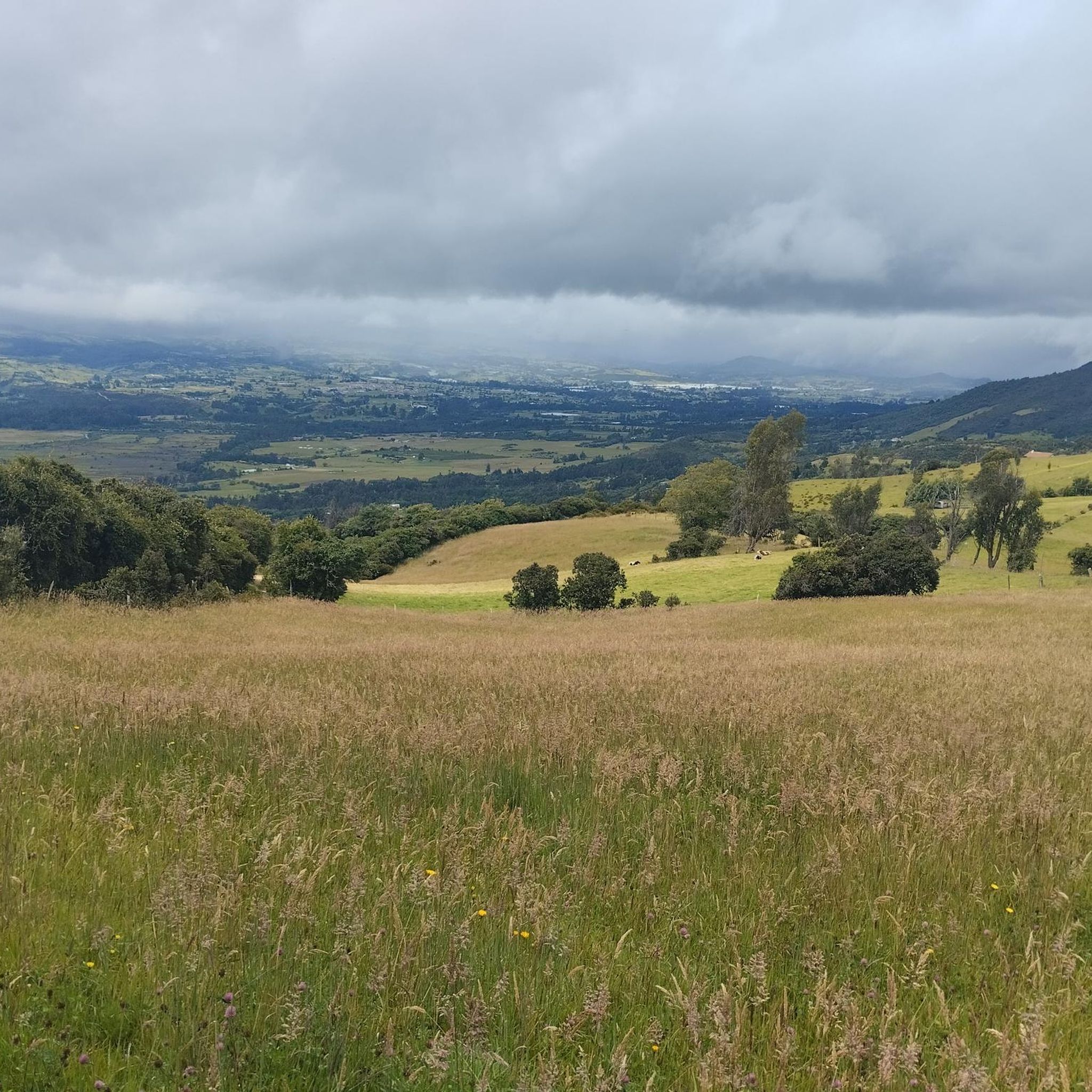
View of the Sopo Reservoir and Sopo
Highlight • Viewpoint
Translated by Google •
Tip by
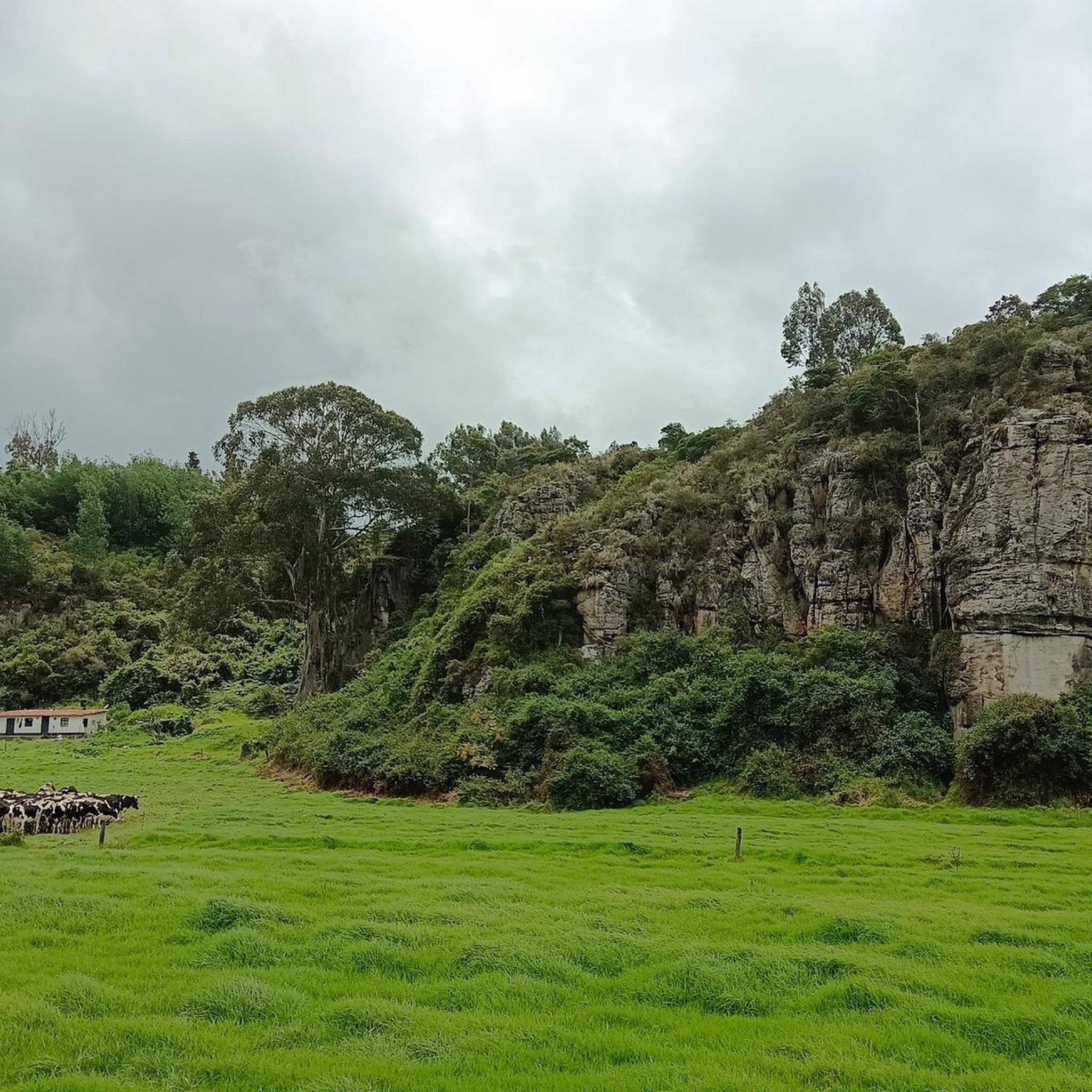
View of Embalse de Tominé
Highlight • Viewpoint
Translated by Google •
Tip by
Start today with a free account
Your next adventure awaits.
Login or Signup


Tips from the Community

Super exit, it can be by the Highway and return by Sesquilé (smoother) or by Patios round trip. And throughout the tour, many places for photos, coffee and snacks. Leaving strength if you return through Patios to climb Teusacá (almost 3 km at 7% average).
0
0

Good quality asphalt, the Tominé reservoir is an emblematic site full of indigenous culture and history. You can climb the trail to the Sacred Lagoon of Guatavita. Favorite route for usually by cyclists from Bogotá.
0
0
Good objective, I suggest via Patios round trip to train various types (hill, bottom, hitts if you want in Arepas).
0
0
Going up from Tocancipa it has a couple of hard ramps that at the end are rewarded with a good view of the Tominé Reservoir
0
0
Good view of the reservoir and the municipality of sopo
0
0

This is where the legend of “El Dorado” originated. The indigenous Muicas occasionally dropped gold offerings into the lake. Thus the conquistadors believed the whole ground was covered in gold. There were even tried to drain the lake. These efforts are still visible. The laguna is only accessible by a guided tour with somewhat lengthy explanations
3
0
Frequently Asked Questions
What kind of lakes can I expect to find near Gachancipá?
While Gachancipá itself doesn't host major natural lakes, the region is known for significant artificial reservoirs and historical lakes. The most prominent is the Tominé Reservoir, an expansive body of water, and the historically rich Lake Guatavita.
What are some notable viewpoints overlooking the lakes?
You can find several excellent viewpoints. The View of the Sopo Reservoir and Sopo offers expansive vistas of the Sopo Reservoir and the municipality of Sopo. Another great spot is the View of Embalse de Tominé, especially rewarding after a climb from Tocancipa.
Are there historical or cultural sites related to the lakes?
Yes, the area is rich in history. Lake Guatavita is famously known as the origin of the 'El Dorado' legend, where the Muisca indigenous people made gold offerings. The Tominé Reservoir also has historical significance, as its creation involved the flooding of the old town of Guatavita, with remnants sometimes visible at low water levels.
What outdoor activities can I do near these lakes?
The region around Gachancipá and its nearby lakes offers a variety of outdoor activities. You can find numerous routes for mountain biking, hiking, and running. For example, there are moderate to difficult hiking trails like the 'Tominé Reservoir loop from Sesquilé' and 'The Gate of Heaven – View of Embalse de Tominé loop from Guatavita'. You can explore more options in the Hiking in Gachancipá guide, MTB Trails in Gachancipá guide, and Running Trails in Gachancipá guide.
Are there cycling routes around the lakes?
Absolutely. The Tominé Reservoir is a particularly popular route for cyclists, especially those coming from Bogotá. The area features good quality asphalt roads and offers scenic rides, with options to extend to places like the Sacred Lagoon of Guatavita. You can find various MTB routes in the MTB Trails in Gachancipá guide.
What is the best time to visit the lakes near Gachancipá?
The Cundinamarca region, where Gachancipá is located, generally experiences two dry seasons (December to March and July to August) and two rainy seasons (April to June and September to November). The dry seasons are typically ideal for outdoor activities around the lakes, offering clearer skies and more comfortable conditions for hiking, cycling, and enjoying the views.
Are the lakes near Gachancipá family-friendly?
Yes, the areas around the lakes offer opportunities for family outings, particularly for enjoying nature and light walks. While specific family-friendly facilities might vary, the expansive views and natural settings provide a pleasant environment for families to spend time outdoors. Always check specific trail difficulties if planning to hike with children.
Can I bring my dog to the lake areas?
Many outdoor areas in Colombia are generally dog-friendly, especially for walks and trails. However, specific regulations can vary for protected areas or private properties around the lakes. It's always best to keep your dog on a leash and ensure you clean up after them. For specific sites like Lake Guatavita, which is a historical and natural monument, there might be stricter rules regarding pets, so it's advisable to check in advance.
What are the parking options near the lakes?
Parking availability varies depending on the specific lake or viewpoint you plan to visit. For popular spots like the Tominé Reservoir or Lake Guatavita, you can often find designated parking areas, sometimes for a fee. For more remote viewpoints or trailheads, roadside parking might be an option, but it's always recommended to park responsibly and securely.
Are there amenities like cafes or accommodation near the lakes?
Yes, especially around the more developed areas of the Tominé Reservoir and the rebuilt town of Guatavita. You can find cafes and restaurants offering local cuisine. Accommodation options, ranging from guesthouses to hotels, are also available in nearby towns like Guatavita and Sesquilé, providing convenient bases for exploring the lakes.
How can I get to the lakes using public transport?
Public transport to the areas around the lakes is generally available from Bogotá. Buses frequently depart from the Terminal de Transporte del Norte towards municipalities like Sesquilé and Guatavita, which are adjacent to the Tominé Reservoir and Lake Guatavita. From these towns, you might need to take a local taxi or walk to reach specific lake access points or viewpoints.
What is the elevation and terrain like around the lakes?
The region around Gachancipá and the lakes is part of the high plateau of the Bogotá savanna. Elevations can vary, with the Tominé Reservoir itself being at a significant altitude. The terrain around the lakes can range from relatively flat paths suitable for easy walks to more challenging inclines and hills, especially if you venture onto trails that climb to viewpoints or connect to other areas. Some routes, like those leading to the View of Embalse de Tominé, can feature steep ramps.
Most popular attractions in Gachancipá

Get inspired with the komoot mobile app


Explore more
Still not found your perfect lake in Gachancipá? Check out the guides of these regions to see even more beautiful places.
