Top 7 Gorges in White Mountain National Forest
Best canyons in White Mountain National Forest are characterized by impressive notches, gorges, and ravines, offering dramatic landscapes. These formations are primarily carved by ancient glaciers and powerful rivers, creating unique geological features, waterfalls, and hiking opportunities. The region provides diverse terrain for exploration, from challenging mountain passes to scenic river valleys. It is a destination for those seeking natural beauty and varied outdoor activities.
Best canyons in White Mountain National Forest
- The most popular canyons is Ammonoosuc Ravine Trail…
Last updated: June 27, 2026
Rocky Gorge
Highlight • Waterfall
Tip by

Tuckerman Ravine Trail (Hermit Lake to the Alpine Gardens — the Bowl)
Highlight (Segment) • Trail
Tip by

Sign up now to discover places like this
Get recommendations on the best single tracks, peaks, & plenty of other exciting outdoor places.
Sign up for free
Lost River Reservation
Highlight • Gorge
Tip by

Huntington Ravine Trail — Harvard Cabin to Alpine Gardens
Highlight (Segment) • Trail
Tip by
Pitcher Falls
Highlight • Waterfall
Translated by Google •
Tip by

Sign up for free to discover even more gorges in White Mountain National Forest.
Sign up for free
Already have an account?
Start today with a free account
Your next adventure awaits.
Login or Signup
Popular around White Mountain National Forest
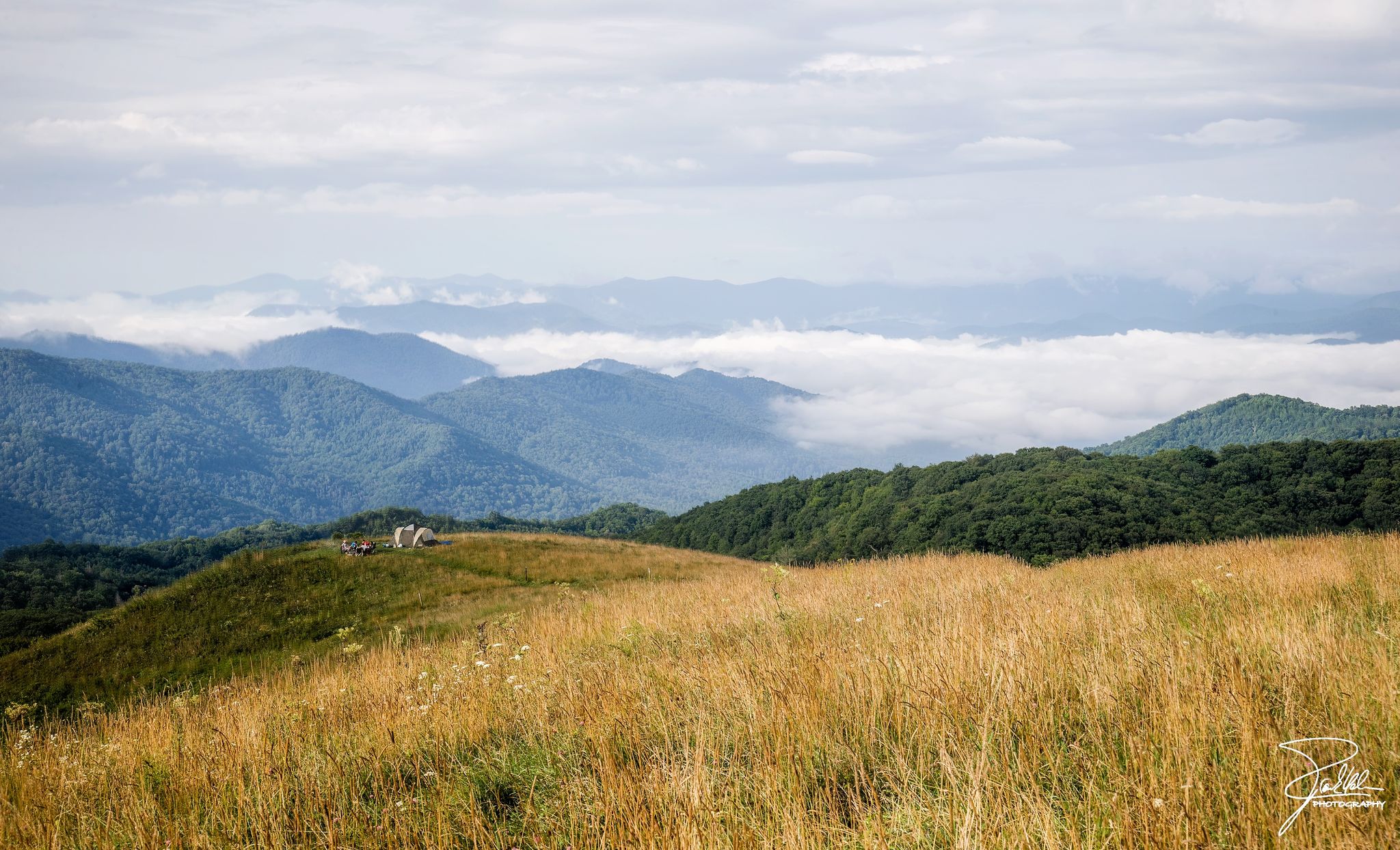
The Appalachian Trail — America's most iconic long-distance hike
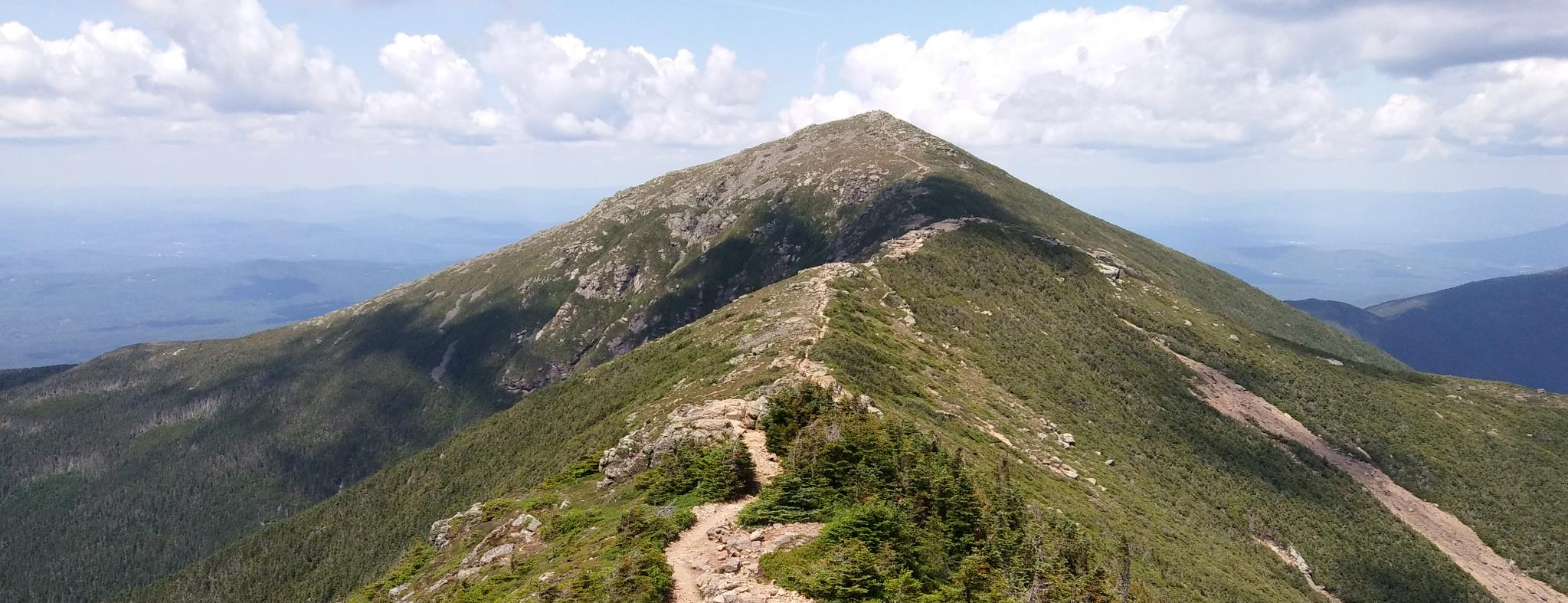
Pemigewasset Loop — A White Mountains classic I keep coming back to
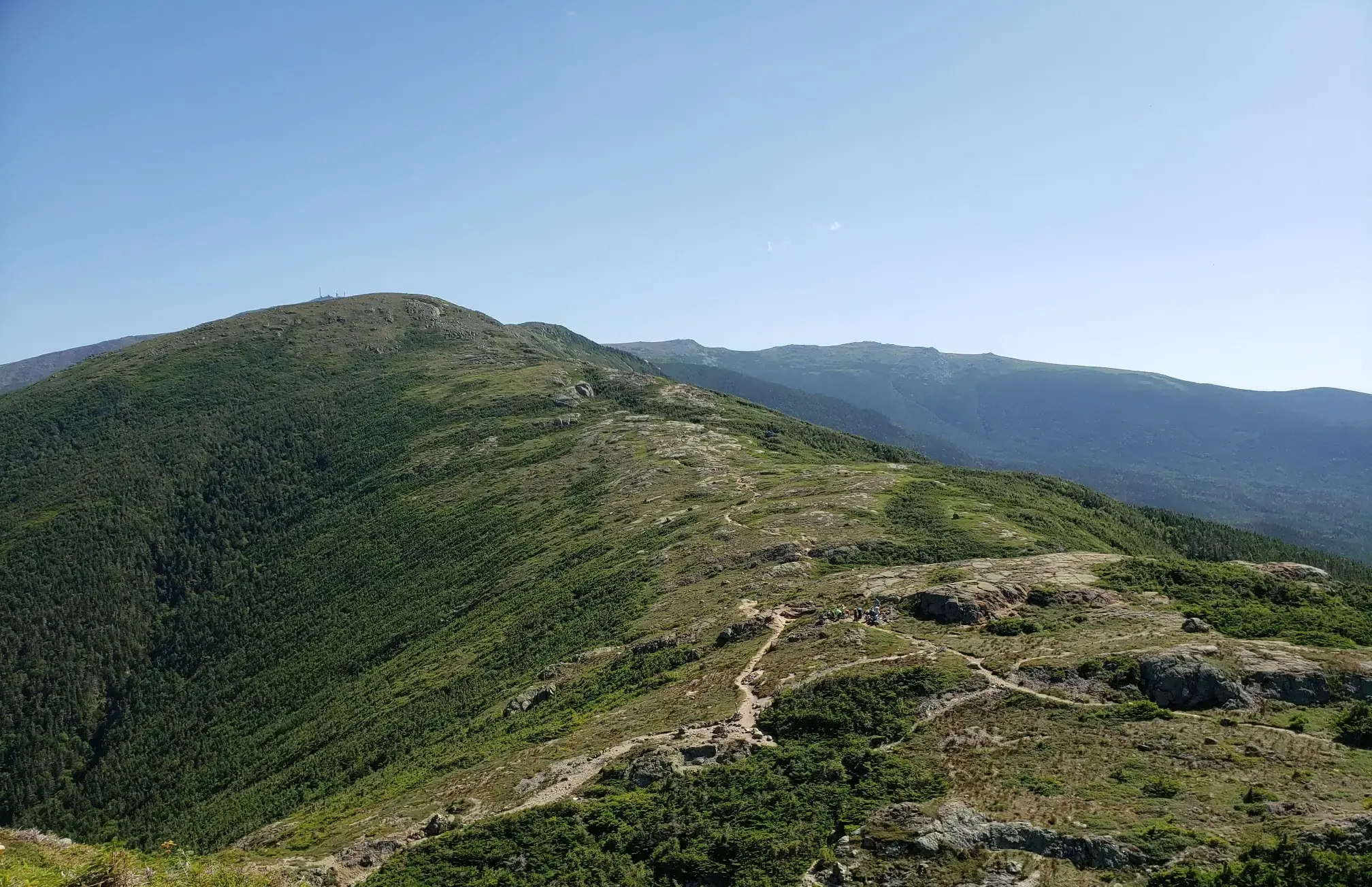
The Presidential Traverse — A classic New Hampshire sandbag
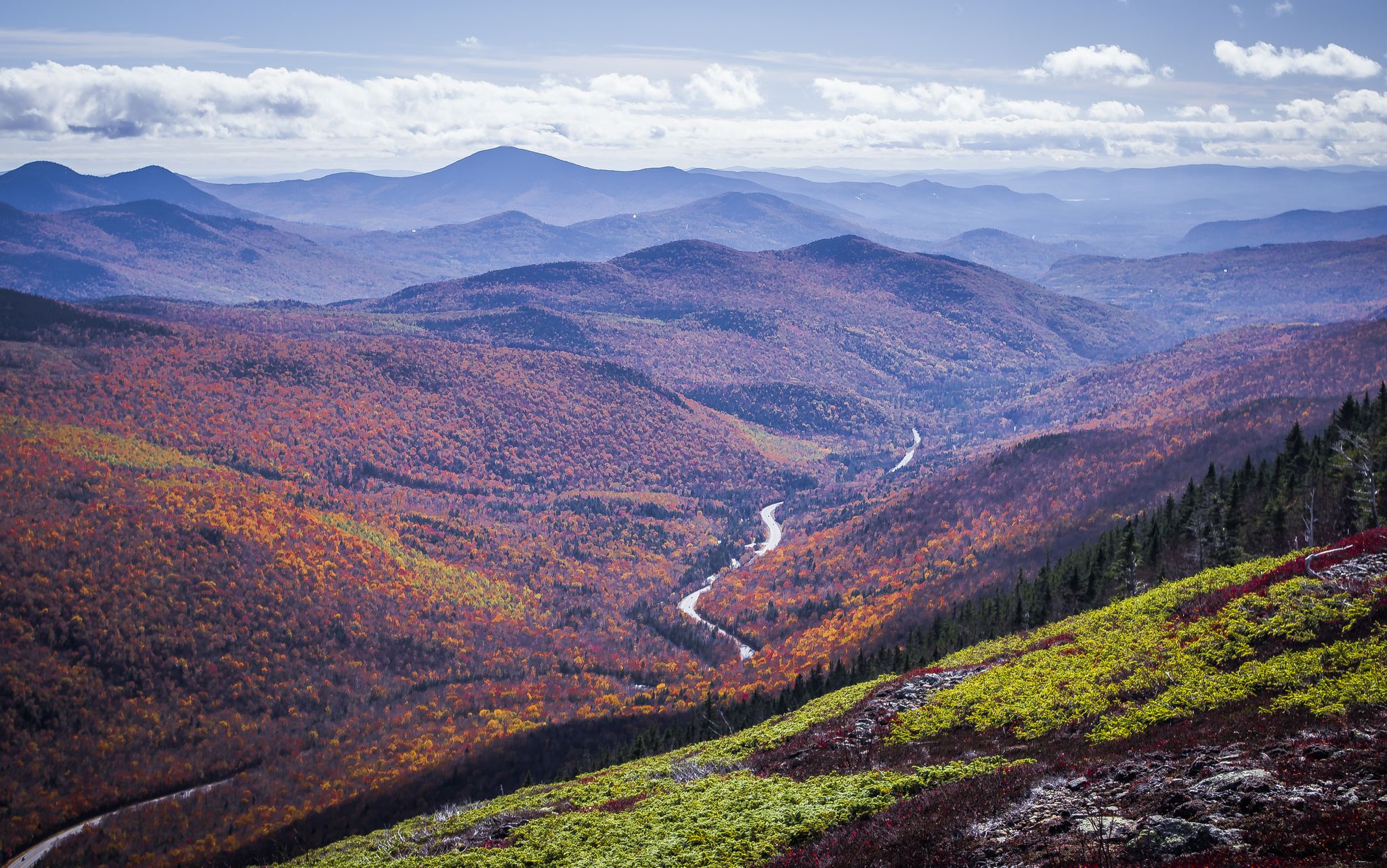
Cohos Trail — Exploring New Hampshire’s remote North Woods
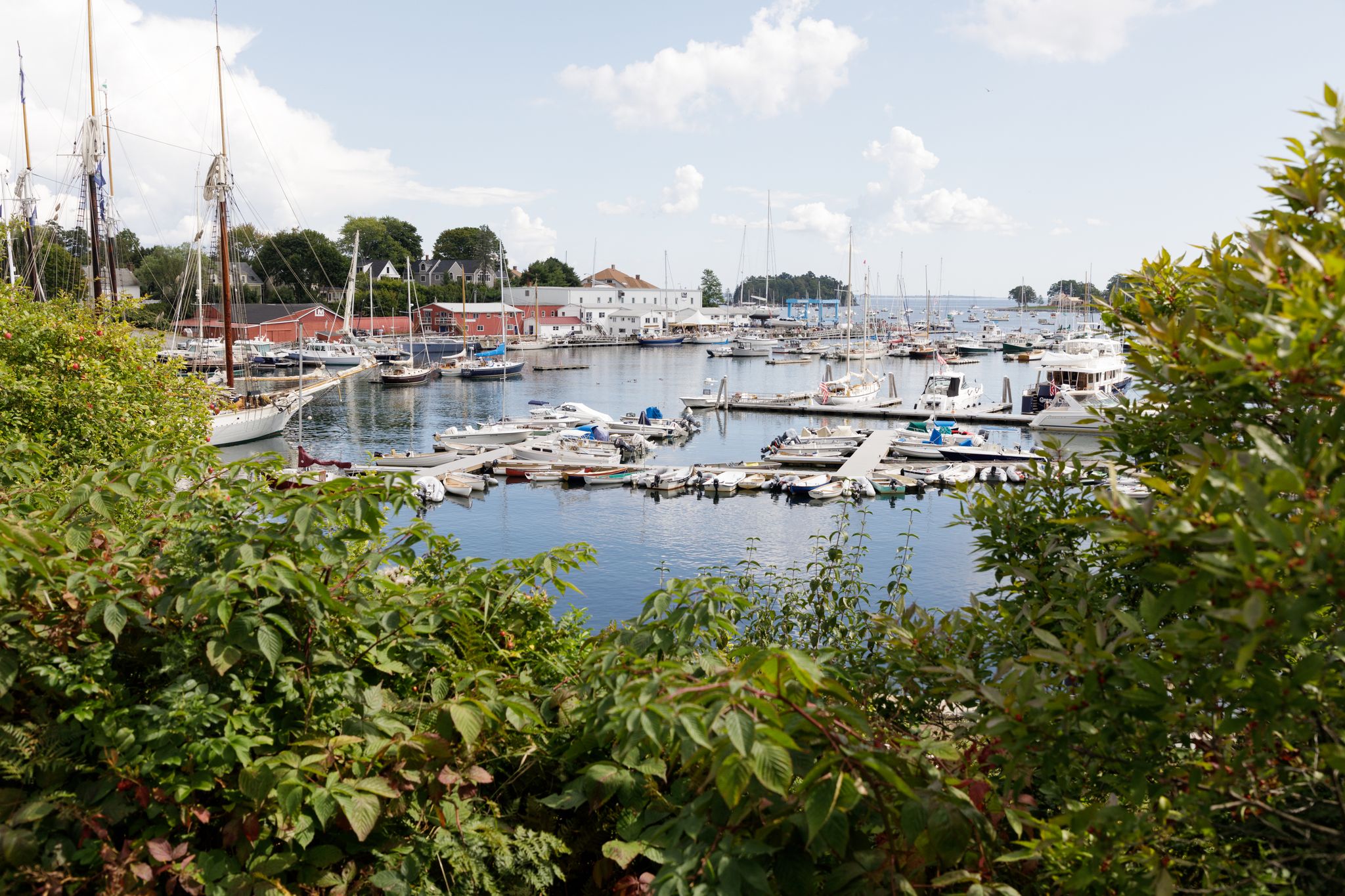
New England – vibrant cities, picturesque coastlines and wild mountain landscapes
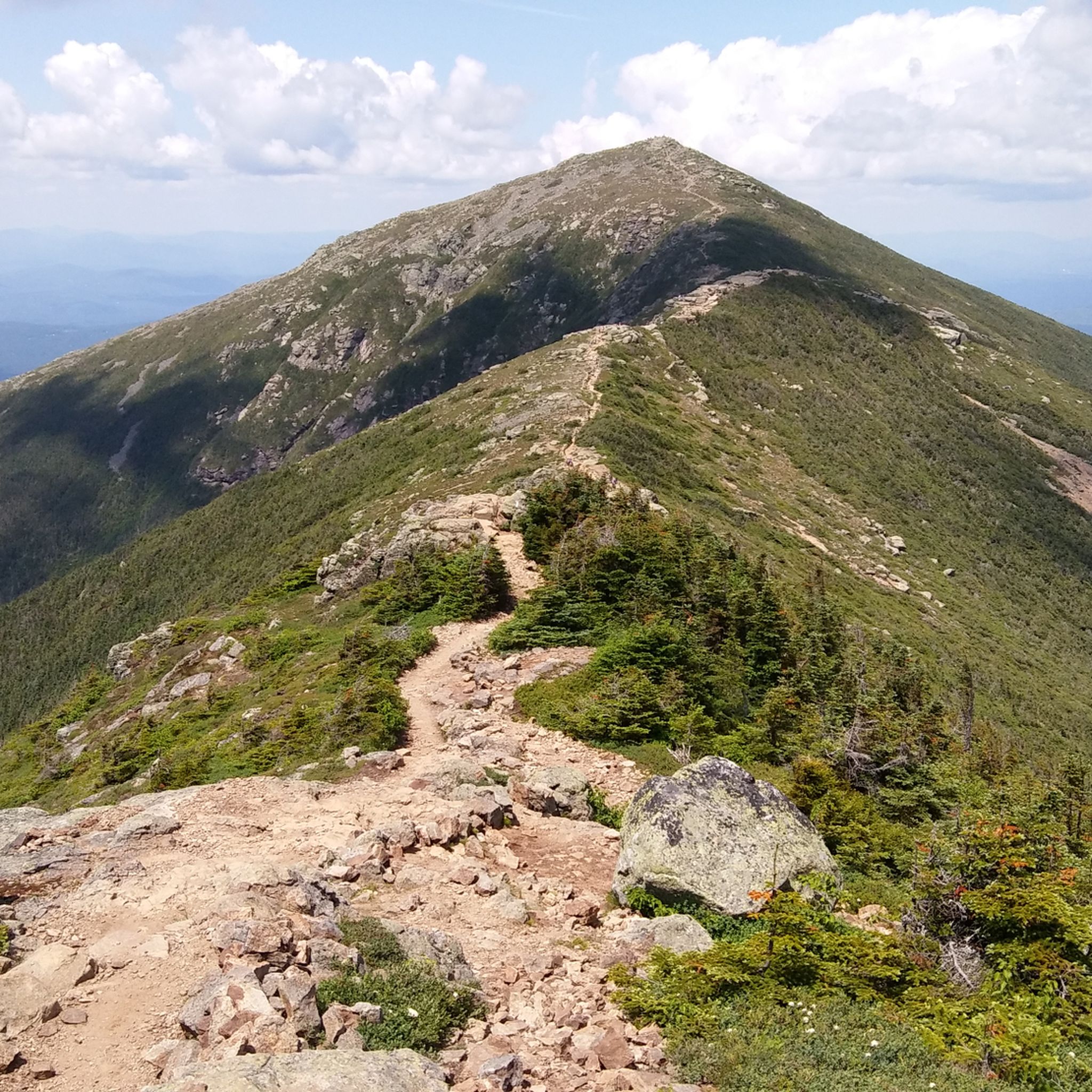
Hiking in White Mountain National Forest
Running Trails in White Mountain National Forest
Cycling in White Mountain National Forest
Road Cycling Routes in White Mountain National Forest
MTB Trails in White Mountain National Forest
Other adventures in White Mountain National Forest


Tips from the Community

Here you'll find a beautiful landscape, varied and challenging for cycling.
0
0

The 'Pitcher Falls' are hidden in a spectacular rocky gorge and many hikers miss this waterfall. At the 'Champney Falls' you cross the 'Champney Brook' and walk about 30 m into the gorge at the same height to marvel at the 10 m high waterfall. The path to the 'Pitcher Falls' is neither marked nor signposted. https://www.newenglandwaterfalls.com/nh-champneyfalls.html
2
0

The Lost River Reservation is set high in Kinsman Notch, one of the most famous passes in the area. This beautiful wooded area gets its name from the brook draining from the southeast of the notch that disappears below the surface in a narrow, steep-walled glacial gorge. The gorge is partially filled with massive granite blocks, through which the brook cascades along its course until it eventually emerges and joins the Pemigewasset River. Lost River protects 157 acres around the gorge, including a mile-long boardwalk, waterfalls, and caves, among the many attractions here to explore.
0
0

Rocky Gorge delivers pretty much exactly what the name promises. A beautiful small gorge with a nice waterfall along the Swift River. Take a little walk on the rocks and just enjoy the beauty.
0
0

Rocky Gorge is a narrow and powerful canyon where water always flows, even in dry times. Carved by glaciers, it's a breathtaking and scenic area with a 10-foot drop and rapids.
0
0

Sometimes called the most difficult and dangerous trail in the White Mountains (which is saying something!) the Huntington Ravine Trail take you straight up sheer slabs of granite up the iconic Huntington Ravine on the eastern side of Mount Washington. This steep, exposed trail is a fantastic challenge for experienced hikers, but please use good judgment and caution before embarking on this trail; on Mount Washington in particular the weather can turn on a dime and this trail is exposed and steep with sheer drops and loose rock.
0
0
This section of the historic, Tuckerman Ravine Trail heads straight up the namesake ravine. This famously steep bowl is well-known among hikers, skiers, and mountaineers. This is a truly amazing, challenging section of hiking in a beautiful alpine setting.
0
0
Frequently Asked Questions
What are some of the most dramatic gorges and ravines to explore in White Mountain National Forest?
The White Mountain National Forest features several impressive notches, gorges, and ravines. Notable examples include Ammonoosuc Ravine Trail, known for its challenging ascent to the Cloud Hut lakes, and Tuckerman Ravine Trail, a historic and steep route popular with hikers and mountaineers. Another must-see is Rocky Gorge, a powerful, narrow canyon with a 10-foot drop and rapids along the Swift River.
Are there any family-friendly gorges or natural areas suitable for all ages?
Yes, several areas are great for families. Rocky Gorge offers scenic views and easy access to a beautiful waterfall. Diana's Bath, near North Conway, features gentle cascades and natural pools along Lucy Brook, perfect for cooling off. The Lost River Reservation also provides a mile-long boardwalk, waterfalls, and caves, making it an engaging experience for families.
What unique natural features can I expect to see in the White Mountain National Forest's gorges?
You'll encounter a variety of stunning natural features. Franconia Notch boasts the famous Flume Gorge with its waterfalls and moss-covered rocks, and The Basin, a perfectly circular pothole. Crawford Notch features impressive waterfalls like Silver Cascade and Flume Cascades. The Lost River Reservation is known for its glacial gorge, massive granite blocks, and caves. Many areas also offer expansive viewpoints of the surrounding mountain ranges.
What is the best time of year to visit the gorges and ravines in White Mountain National Forest?
The White Mountain National Forest is beautiful year-round, but the best time depends on your activity. Summer (June to August) is ideal for hiking and cooling off by waterfalls like Diana's Bath. Fall (September to October) offers spectacular foliage, making the scenic drives through notches like Franconia and Crawford particularly breathtaking. Spring brings powerful waterfalls due to snowmelt, while winter offers opportunities for snowshoeing and ice climbing in certain areas, though some trails may be closed or require specialized gear.
What are the most challenging trails associated with these gorges?
For experienced hikers seeking a challenge, the White Mountain National Forest offers several demanding trails. The Ammonoosuc Ravine Trail is a fast but steep route to the Cloud Hut lakes, known for potentially slippery sections. The Tuckerman Ravine Trail is famously steep and popular with mountaineers. The Huntington Ravine Trail is considered one of the most difficult in the White Mountains, involving exposed scrambling up sheer granite slabs on Mount Washington.
Can I bring my dog to the gorges and ravines in White Mountain National Forest?
Many trails and natural areas in the White Mountain National Forest are dog-friendly, provided dogs are kept on a leash. For example, the Lost River Reservation is noted as dog-friendly. However, always check specific park or trail regulations before visiting, as some indoor facilities or sensitive natural areas might have restrictions.
What kind of wildlife might I encounter while exploring the gorges?
The White Mountain National Forest is home to diverse wildlife. While exploring gorges and ravines, you might spot white-tailed deer, moose, black bears, and various small mammals like red squirrels and chipmunks. Birdwatchers can look for species such as peregrine falcons, various songbirds, and owls. Always maintain a safe distance and never feed wildlife.
What outdoor activities are available near the gorges and ravines?
Beyond hiking, the White Mountain National Forest offers a wide range of outdoor activities. You can find excellent opportunities for gravel biking, road cycling, and running. For gravel biking, explore routes like the Mad River loops or the Presidential Rail Trail, detailed in the Gravel biking in White Mountain National Forest guide. Road cyclists can tackle challenging routes like the Mount Washington Auto Road or scenic loops through Pinkham Notch, found in the Road Cycling Routes in White Mountain National Forest guide. Running enthusiasts can challenge themselves on trails like the Presidential Traverse or the Tuckerman Ravine and Lion's Head Trail Loop, highlighted in the Running Trails in White Mountain National Forest guide.
Are there any notable waterfalls within or near the gorges?
Absolutely. The White Mountain National Forest is rich with waterfalls. Franconia Notch features the waterfalls within Flume Gorge. Crawford Notch is home to Silver Cascade and Flume Cascades. Arethusa Falls, often considered the finest waterfall in New England, is a gorgeous 160-foot horsetail-style falls. Rocky Gorge also features a beautiful waterfall, and Diana's Bath offers a series of gentle cascades and pools.
What should I wear or bring when hiking in the gorges and ravines?
When hiking in the White Mountain National Forest, especially in gorges and ravines, it's crucial to be prepared. Wear sturdy, waterproof hiking boots, as trails can be slippery, particularly after rain, as noted for the Ammonoosuc Ravine Trail. Dress in layers, as weather can change rapidly, especially at higher elevations. Bring plenty of water, snacks, a map, compass or GPS, a first-aid kit, and rain gear. For challenging trails like Huntington Ravine, consider a helmet and trekking poles.
Where can I find amenities like food or lodging close to the gorges?
The White Mountain National Forest is surrounded by charming towns that offer various amenities. North Conway is a popular hub with numerous restaurants, shops, and lodging options, conveniently located near Diana's Bath and Pinkham Notch. Bretton Woods and Bartlett are close to Crawford Notch and provide accommodation and dining. Lincoln and Woodstock are excellent bases for exploring Franconia Notch and the Lost River Reservation.
Are there opportunities for rock climbing or mountaineering in the gorges?
Yes, for experienced climbers and mountaineers, the White Mountain National Forest offers challenging terrain. Pinkham Notch provides access to the Huntington Ravine Trail, which involves exposed scrambling up steep slabs and is a significant challenge. The Tuckerman Ravine Trail is also well-known among mountaineers, especially for its steep ascent and alpine setting. Always assess your skill level and be aware of weather conditions before attempting these routes.
Most popular routes in White Mountain National Forest
Most popular attractions in White Mountain National Forest

Get inspired with the komoot mobile app


