The best walks and hikes in White Mountain National Forest
4.7
(1067)
17,097
hikers
485
hikes
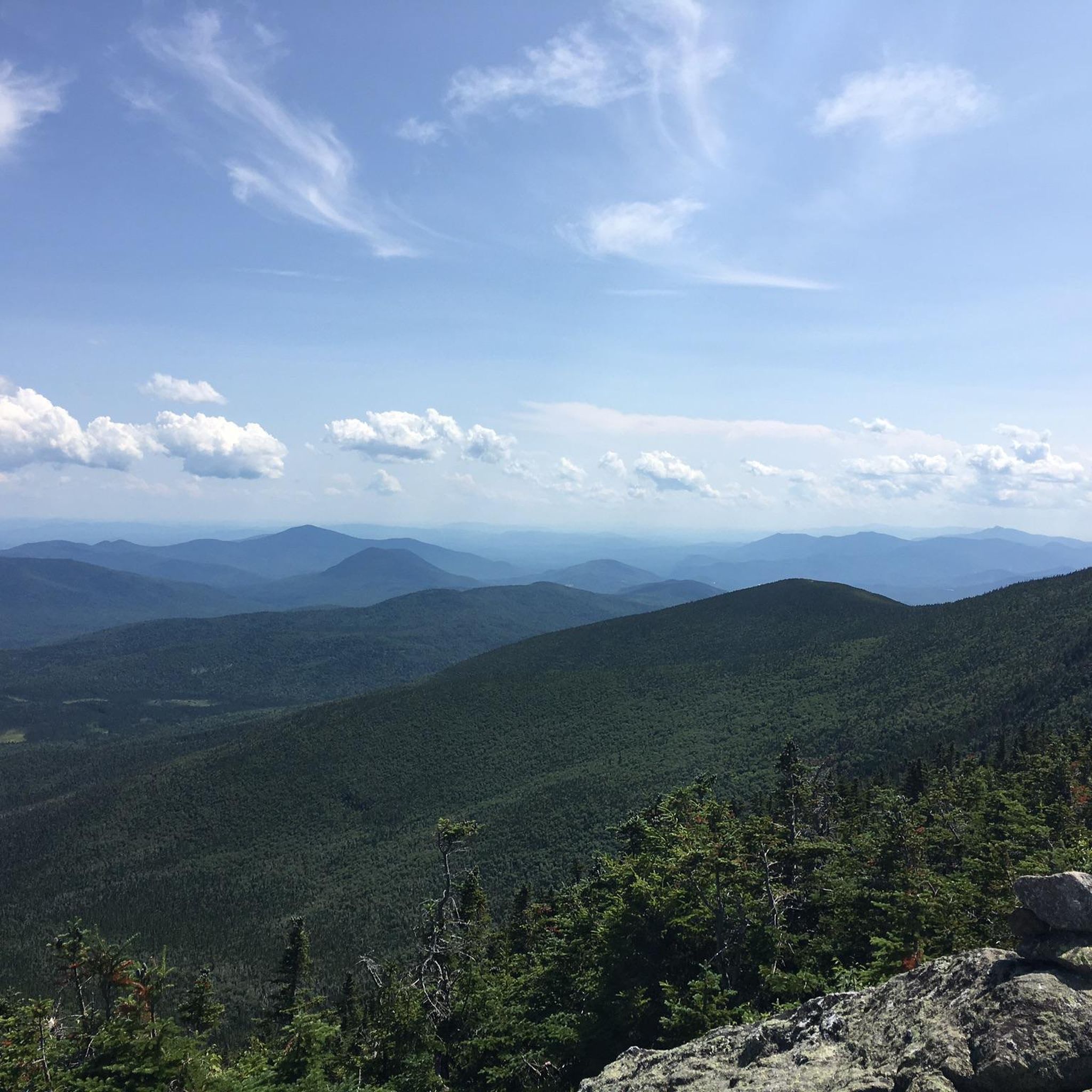
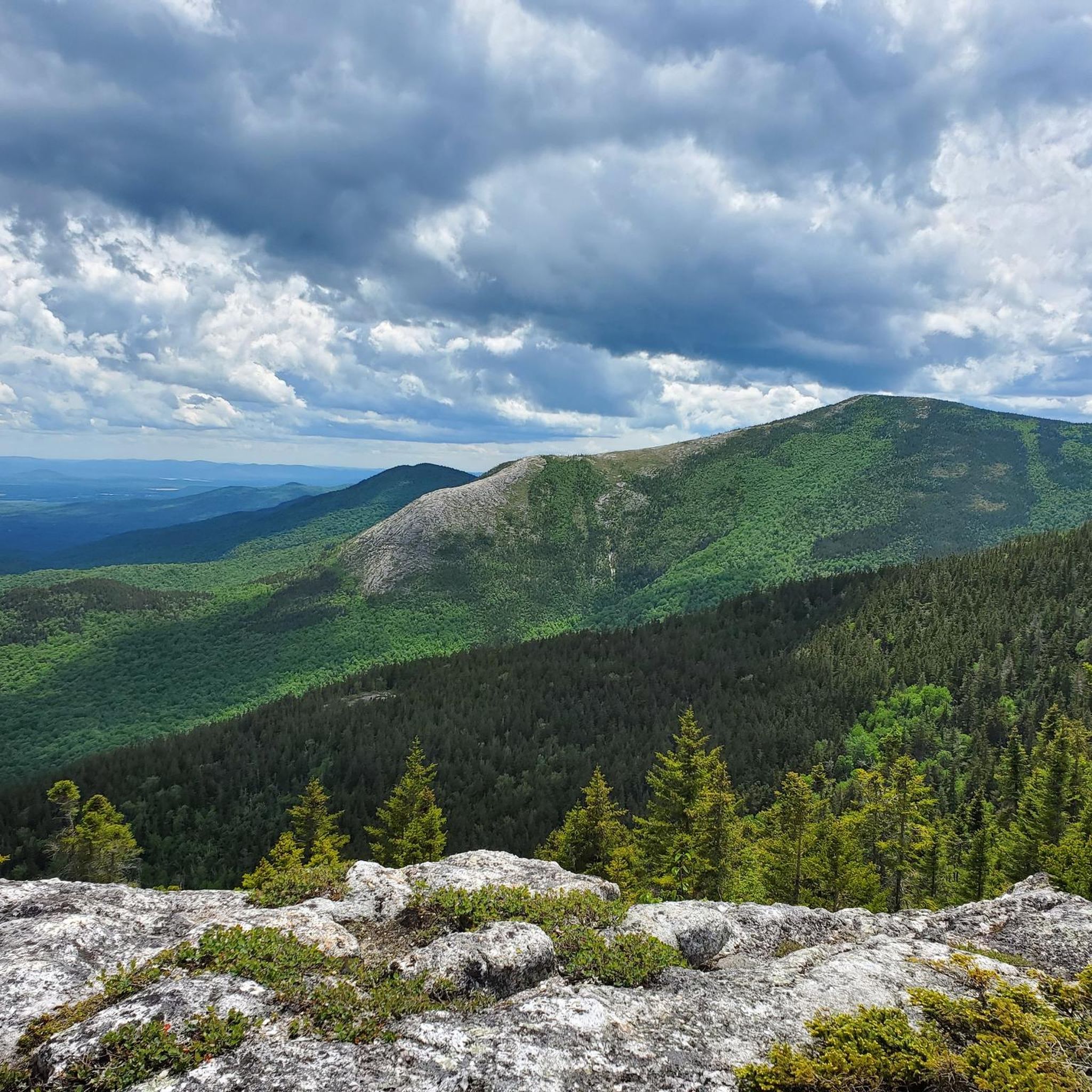
Hiking in White Mountain National Forest offers access to a vast, undeveloped landscape spanning over 750,000 acres, primarily located in New Hampshire. The terrain features rugged peaks, including the Presidential Range and Mount Washington, alongside extensive hardwood forests and areas of alpine tundra at higher elevations. The region is characterized by its diverse topography, ranging from gentle wooded paths to challenging alpine trails. This vertical range creates varied topography, including steep ridges, glacial valleys, and notches.
Best hiking trails in…
Last updated: September 27, 2026
4.9
(41)
374
hikers
6.72km
02:38
490m
500m
Moderate hike. Good fitness required. Easily-accessible paths. Suitable for all skill levels.
4.5
(8)
96
hikers
17.5km
07:49
1,200m
1,200m
Hard hike. Very good fitness required. Mostly accessible paths. Sure-footedness required.

5.0
(5)
125
hikers
6.46km
03:22
1,280m
0m
Hard hike. Very good fitness required. Easily-accessible paths. Suitable for all skill levels.
5.0
(5)
123
hikers
6.27km
03:39
620m
620m
Moderate hike. Good fitness required. Mostly accessible paths. Sure-footedness required.
4.5
(2)
96
hikers
25.2km
10:45
1,740m
1,280m
Hard hike. Very good fitness required. Mostly accessible paths. Sure-footedness required.
Get access to more routes and recommendations from other explorers.
Already have an account?
Our route recommendations are based on thousands of hikes, rides, and runs completed by other people on komoot.
Start today with a free account
Your next adventure awaits.
Popular around White Mountain National Forest
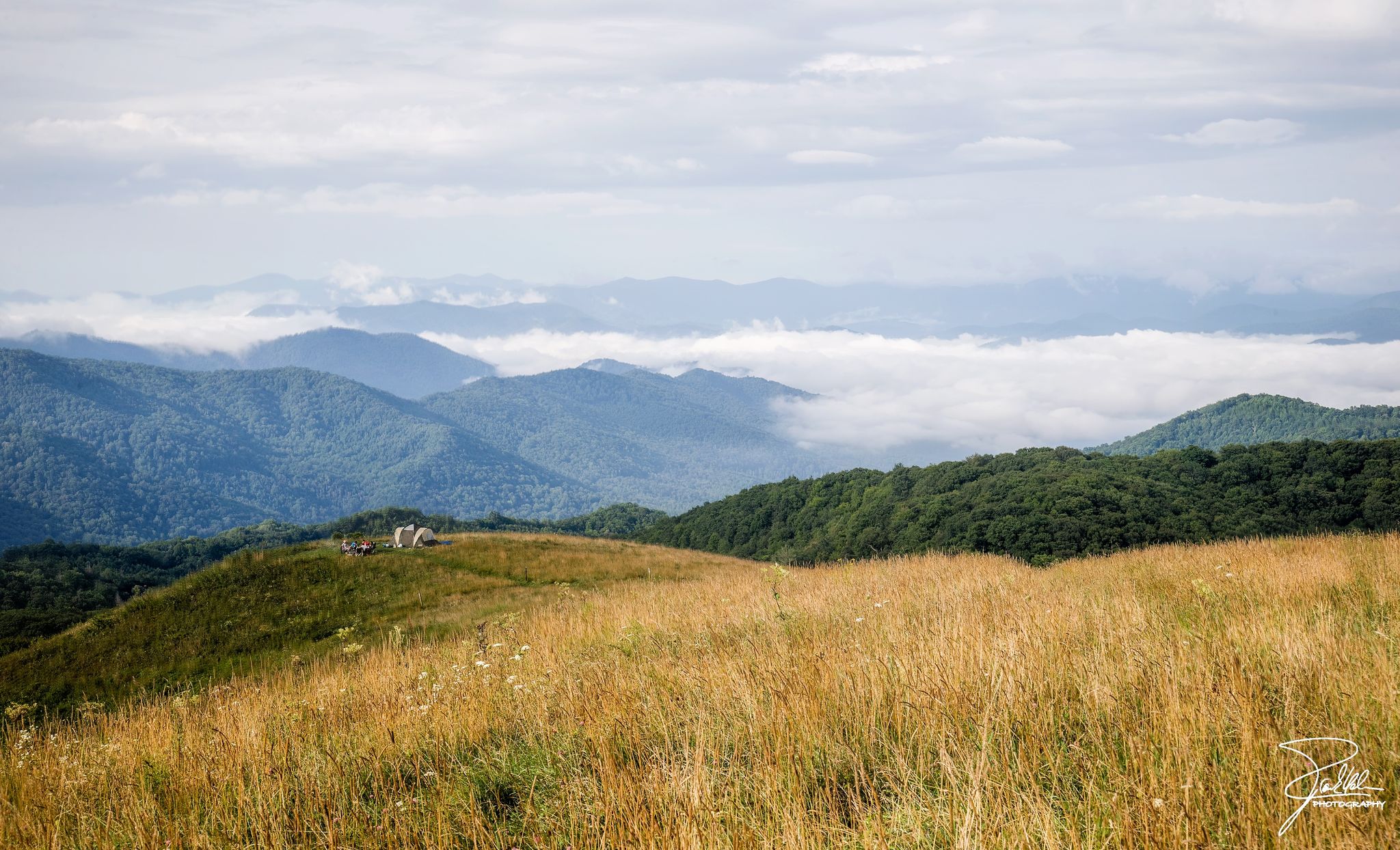
The Appalachian Trail — America's most iconic long-distance hike
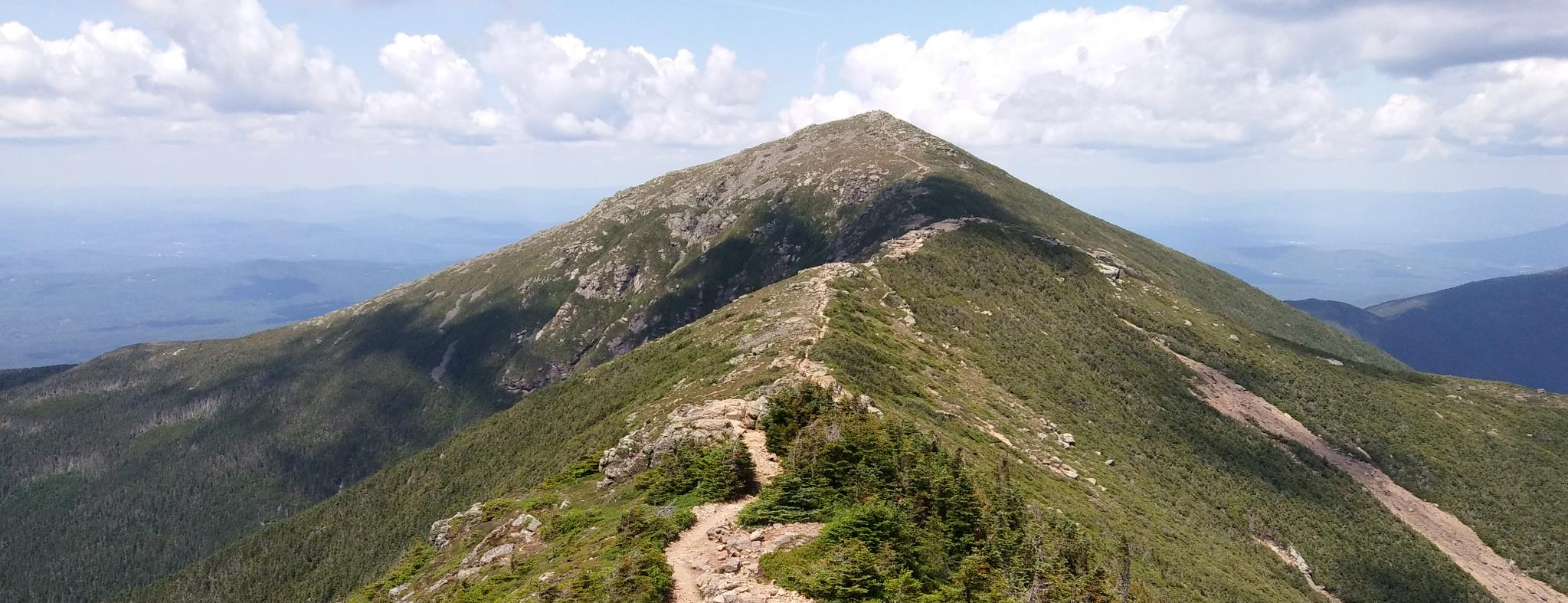
Pemigewasset Loop — A White Mountains classic I keep coming back to
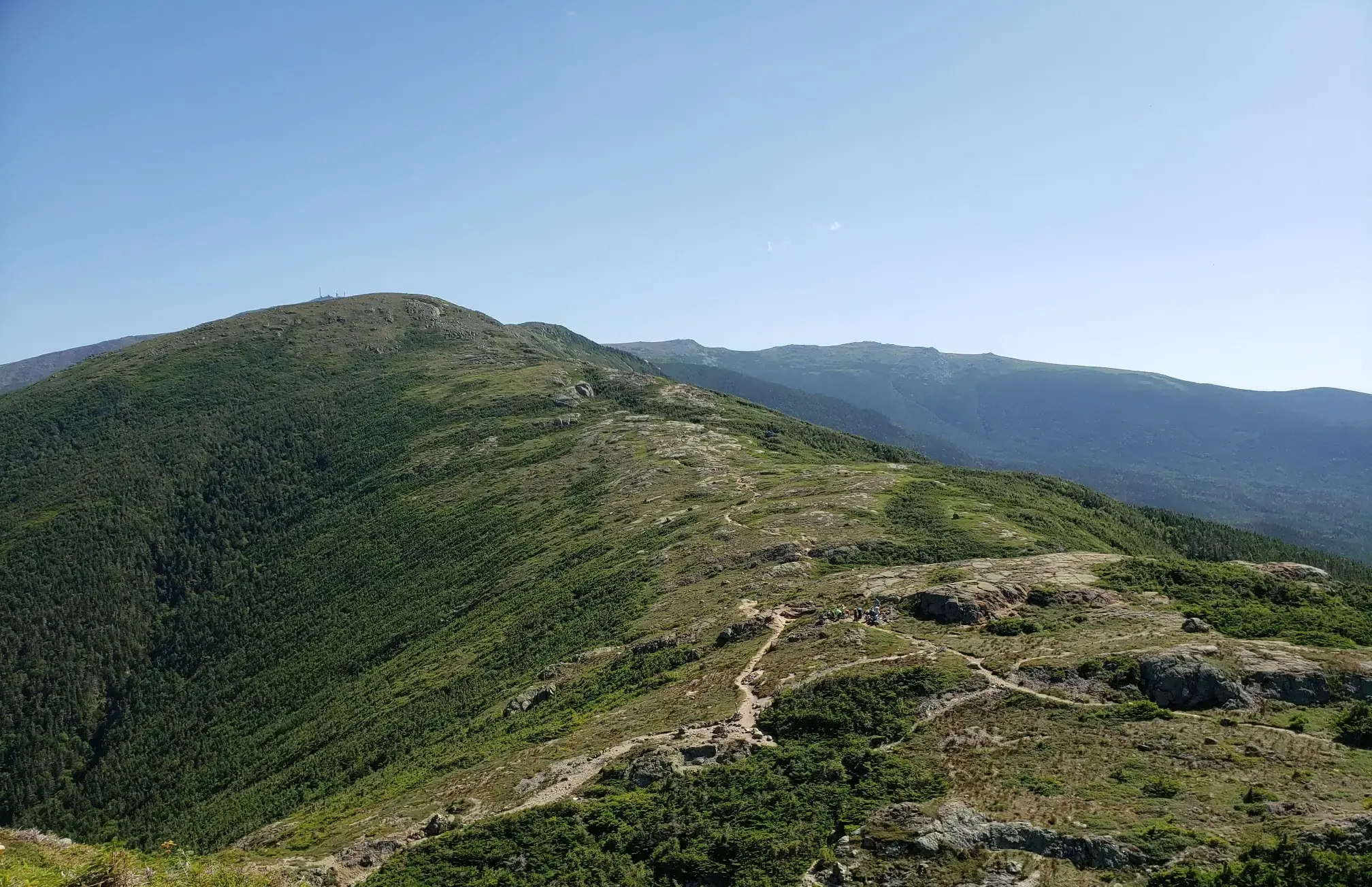
The Presidential Traverse — A classic New Hampshire sandbag
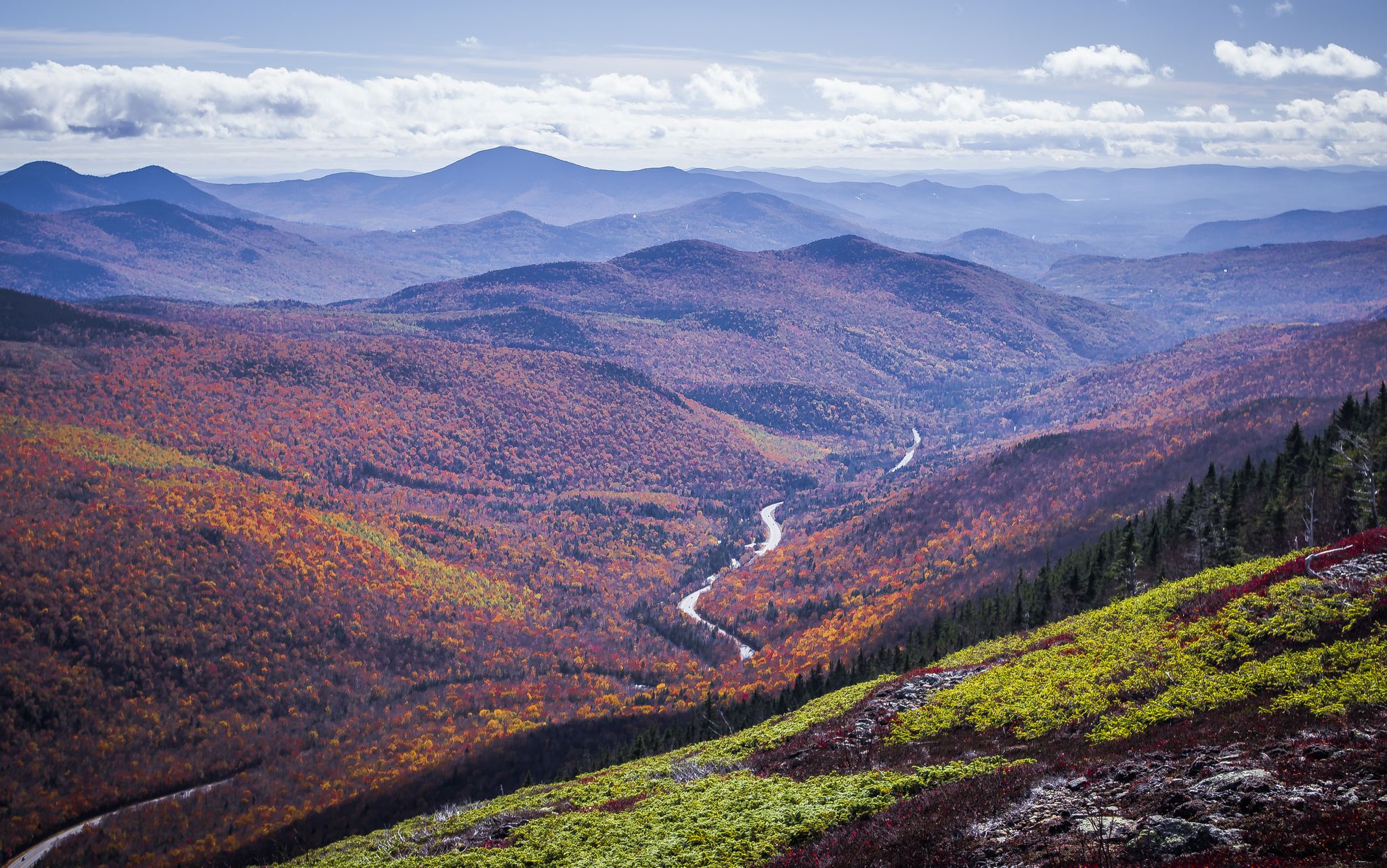
Cohos Trail — Exploring New Hampshire’s remote North Woods

New England – vibrant cities, picturesque coastlines and wild mountain landscapes
Running Trails in White Mountain National Forest
Cycling in White Mountain National Forest
Road Cycling Routes in White Mountain National Forest
MTB Trails in White Mountain National Forest
Gravel biking in White Mountain National Forest
Other adventures in White Mountain National Forest


Tips from the Community

We found the clockwise hike pleasant.
0
0
Hike only in dry weather. We walked the loop clockwise and found it good.
0
0

At this point in your hike you'll start to catch sight of Lonesome Lake, and it's incredible natural scenery.
0
0
Lonesome Lake’s still waters reflect the surrounding peaks, creating stunning photo opportunities, especially at sunrise or sunset. Pack a snack and relax on the boardwalk—it's the perfect spot for peaceful mountain views for a break during your hike.
0
0

Washington is the most prominent mountain in the eastern U.S. and an absolutely incredible peak to bag. This is easily one of the best summits in New England. It is also the most dangerous if you come unprepared, especially in the winter. Washington creates its own rapidly changing weather system and is known for being the deadliest small mountain in the world. The second-fastest wind speed on earth was recorded here at over 230mph. That said, a quarter million people visit Washington every year, and if you come prepared and respect the mountain you have nothing to fear and are guaranteed to have an epic summit.
0
0

Dress warmly. Snow season begins July 1 and ends June 30. We were at 68 mph at the summit. Keeping your hat on is a good idea. Two days ago, when we were last up there, it was 73 degrees Fahrenheit and the wind was blowing lightly around 23 mph. Mt. Washington is the highest peak within 1,000 miles, making it an exposed location with what the US Weather Service calls the worst and most surprising weather in the world.
0
0

At 4,080 feet, Cannon Mountain (previously called Profile Mountain) is the high point of the only state-owned ski area in New Hampshire. The summit features a viewing platform that offers panoramic views of the ski area and surrounding summits.
0
0

Mount Whiteface is one of the popular peaks in the White Mountain National Forest. At around 4,000 feet, it is considered a challenging path to get to the top. Once you are at the peak, there are panoramic views of the nearby mountains, valleys and lakes.
1
0
Frequently Asked Questions
How many hiking trails are available in White Mountain National Forest?
White Mountain National Forest offers a vast network of over 1,200 miles of non-motorized trails. On komoot, you can find more than 360 recorded routes, ranging from gentle walks to demanding climbs, ensuring a diverse range of experiences for all hikers.
What is the best time of year to go hiking in White Mountain National Forest?
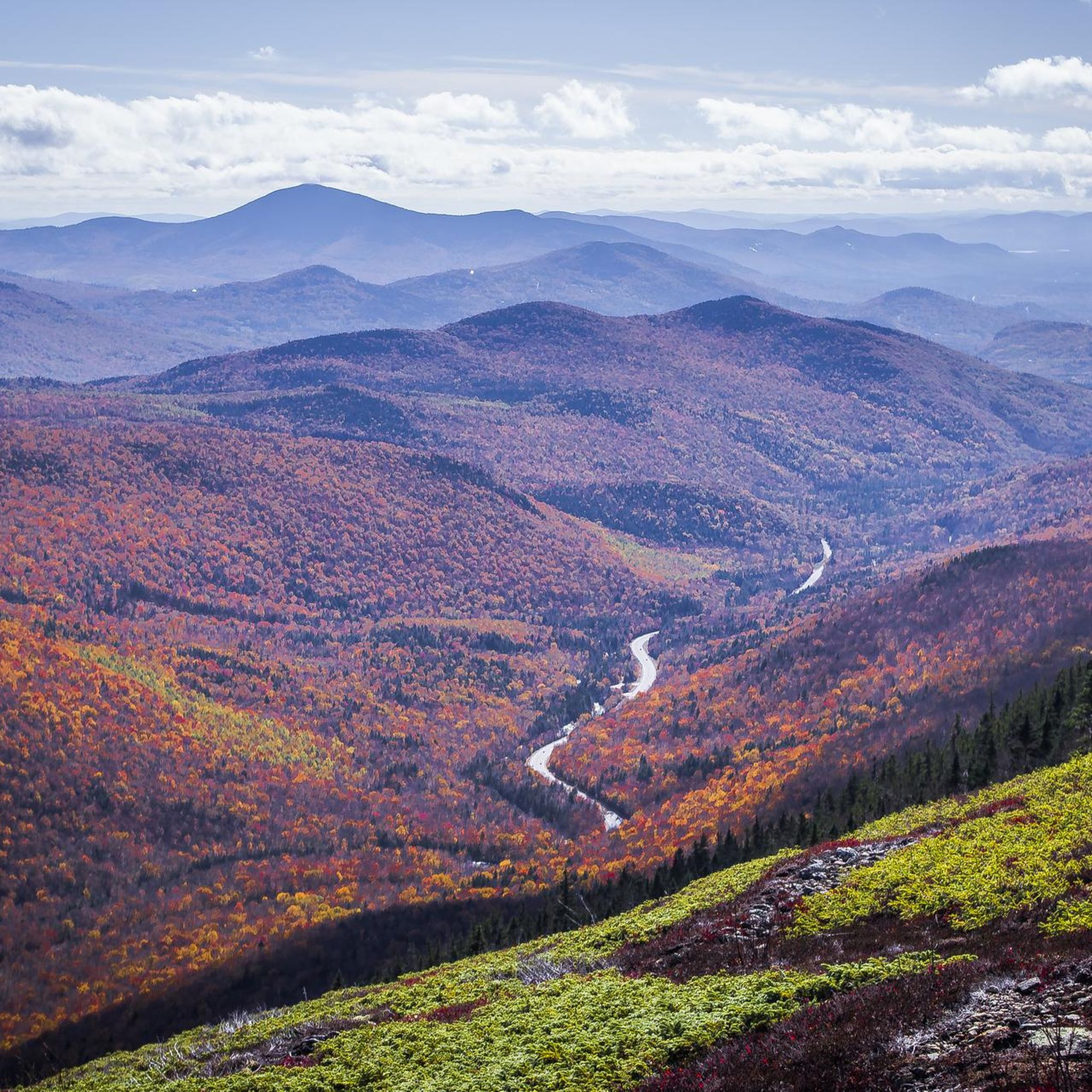
The White Mountain National Forest is beautiful year-round, but the best time for hiking is typically from late spring through early fall (May to October). Summer offers lush greenery and warmer temperatures, while fall brings spectacular foliage. Hikers should always be prepared for unpredictable mountain weather, especially at higher elevations, regardless of the season.
Are there challenging hikes for experienced hikers in White Mountain National Forest?
Yes, the White Mountain National Forest is renowned for its challenging terrain. Over 150 difficult routes are available on komoot, including strenuous climbs like the Mount Washington via the Tuckerman Ravine Trail, which leads through challenging alpine terrain. Other demanding options include the Presidential Range Traverse and the Pemi Loop, offering significant elevation gains and exposed sections above the treeline.
Are there any easy, family-friendly hiking options in White Mountain National Forest?
Absolutely. The forest offers over 50 easy routes suitable for families or those seeking a more relaxed experience. Options like the Albany Brook Trail or the path from Lincoln Woods to Franconia Falls follow old railroad grades, providing gentle walks. Many short hikes also lead to scenic waterfalls or accessible viewpoints, perfect for a family outing.
Can I find waterfalls along the hiking trails in White Mountain National Forest?
Yes, the White Mountain National Forest is home to several beautiful waterfalls. Popular and accessible options include Diana's Baths Waterfalls and Sabbaday Falls, which are great destinations for scenic walks. The Flume Gorge in Franconia Notch State Park also features stunning cascades within an 800-foot natural granite gorge.
What are some notable natural features or landmarks to look out for?
The White Mountain National Forest is rich in natural wonders. You can explore the iconic Mount Washington Summit, the highest peak in the Northeastern United States, or the expansive views from Franconia Ridge. Other highlights include the unique rock formations of Lost River Gorge and Boulder Caves, the natural granite pothole known as The Basin, and picturesque Echo Lake.
Are there trails with expansive views or viewpoints?
Many trails in White Mountain National Forest offer breathtaking panoramic views. The Mount Willard Trail provides panoramic views of Crawford Notch, while the Welch-Dickey Loop Trail features open ledges with expansive mountain vistas. The Franconia Ridge offers nearly two miles of alpine ridge hiking with stunning scenery, and the Kancamagus Highway provides numerous overlooks for panoramic views from your car.
Are there any circular or loop hikes available?
Yes, the White Mountain National Forest has several excellent loop hikes. The Welch-Dickey Loop Trail is a popular moderate option offering great views. For more challenging experiences, consider the Mount Moosilauke and South Peak loop or the Mount Washington via the Ammonoosuc Ravine & Jewell Trail loop.
Are dog-friendly trails available in White Mountain National Forest?
Yes, dogs are generally welcome on trails in the White Mountain National Forest, provided they are kept on a leash and owners practice Leave No Trace principles, including packing out all waste. It's always a good idea to check specific trail regulations before heading out, as some areas or state parks within the forest might have different rules.
Is public transport available to reach trailheads in White Mountain National Forest?
Public transport options directly to many trailheads within the vast White Mountain National Forest are limited. Most visitors rely on personal vehicles. However, some shuttle services operate seasonally to popular areas like the Appalachian Trail access points or specific trailheads. It's advisable to research specific routes and their accessibility in advance.
What should I know about parking at trailheads?
Parking is available at many trailheads throughout the White Mountain National Forest, but it can fill up quickly, especially on weekends and during peak seasons. Some popular trailheads may require a parking fee or a recreation pass. Always arrive early, especially for popular routes, and be prepared with alternative plans if a lot is full. Overnight parking may require specific permits or registration.
Are permits required for hiking or overnight stays in White Mountain National Forest?
Day hiking in the White Mountain National Forest generally does not require a permit, though some trailheads may have a parking fee. For overnight stays, especially in the backcountry or at designated campsites and shelters, permits or reservations may be required. If you plan to hike a section of the Appalachian Trail, specific regulations might apply. Always check with the U.S. Forest Service or relevant authorities for the most current information before your trip.
What do other hikers enjoy most about hiking in White Mountain National Forest?
The White Mountain National Forest is highly rated by the komoot community, with an average score of 4.7 stars from over 480 reviews. Hikers frequently praise the diverse terrain, from rugged peaks to dense forests, and the stunning natural beauty, including majestic alpine peaks and breathtaking waterfalls. The extensive trail network and the sense of wilderness are also commonly highlighted as favorite aspects.
Most popular routes in White Mountain National Forest
Most popular attractions in White Mountain National Forest

Get inspired with the komoot mobile app


Explore more
Browse the best Hikes in other regions.
