The best waterfall hikes and walks in White Mountain National Forest
4.6
(1085)
17,268
hikers
115
hikes
Waterfall hiking trails in White Mountain National Forest traverse a landscape characterized by towering mountains, lush forests, and numerous rivers. This vast region features 48 peaks over 4,000 feet, including Mount Washington, the highest in the northeastern United States. Hikers can explore mountainous hardwood forests, conifers, and significant natural attractions like Flume Gorge, which features cascading waterfalls and glacial pools. The terrain ranges from gentle river paths to challenging alpine ascents.
Best waterfall hiking trails in White Mountain National Forest
- The most popular waterfall hiking route is Mount Washington via Tuckerman Ravine Trail, a 4.0 miles (6.5 km) trail that takes 3 hours 21 minutes to complete. This difficult route ascends through a prominent glacial cirque, offering views of the surrounding alpine environment.
- Another top favourite among local hikers is Presidential Traverse: Highland Center Lodge to Randolph, a difficult 17.5 miles (28.2 km) path. This challenging traverse crosses multiple peaks of the Presidential Range, known for its exposed, rocky terrain and panoramic vistas.
- Local hikers also love the Mount Washington Loop via Tuckerman Ravine and Boott Spur Trail, a 9.8 miles (15.7 km) trail leading through alpine zones and ravines, often completed in about 6 hours 35 minutes.
- Hiking in White Mountain National Forest is defined by towering mountains, lush forests, and numerous rivers and waterfalls. The extensive network of over 100 routes offers options for various ability levels, including easy strolls, moderate forest paths, and difficult mountain climbs.
- The routes in White Mountain National Forest are highly rated by the komoot community with an average score of 4.7 stars from over 500 reviews. More than 11,000 hikers have used komoot to explore White Mountain National Forest's varied terrain.
Last updated: October 11, 2026
5.0
(5)
125
hikers
6.46km
03:22
1,280m
0m
Hard hike. Very good fitness required. Easily-accessible paths. Suitable for all skill levels.
5.0
(1)
47
hikers
28.2km
11:42
1,670m
1,850m
Hard hike. Very good fitness required. Mostly accessible paths. Sure-footedness required.

4.5
(2)
51
hikers
16.4km
07:01
1,430m
1,430m
Hard hike. Very good fitness required. Easily-accessible paths. Suitable for all skill levels.
4.0
(1)
50
hikers
15.7km
06:35
1,300m
1,300m
Hard hike. Very good fitness required. Easily-accessible paths. Suitable for all skill levels.
4.3
(3)
63
hikers
20.3km
07:53
970m
1,090m
Hard hike. Very good fitness required. Mostly accessible paths. Sure-footedness required.
Get access to more routes and recommendations from other explorers.
Already have an account?
Our route recommendations are based on thousands of hikes, rides, and runs completed by other people on komoot.
Start today with a free account
Your next adventure awaits.
Popular around White Mountain National Forest
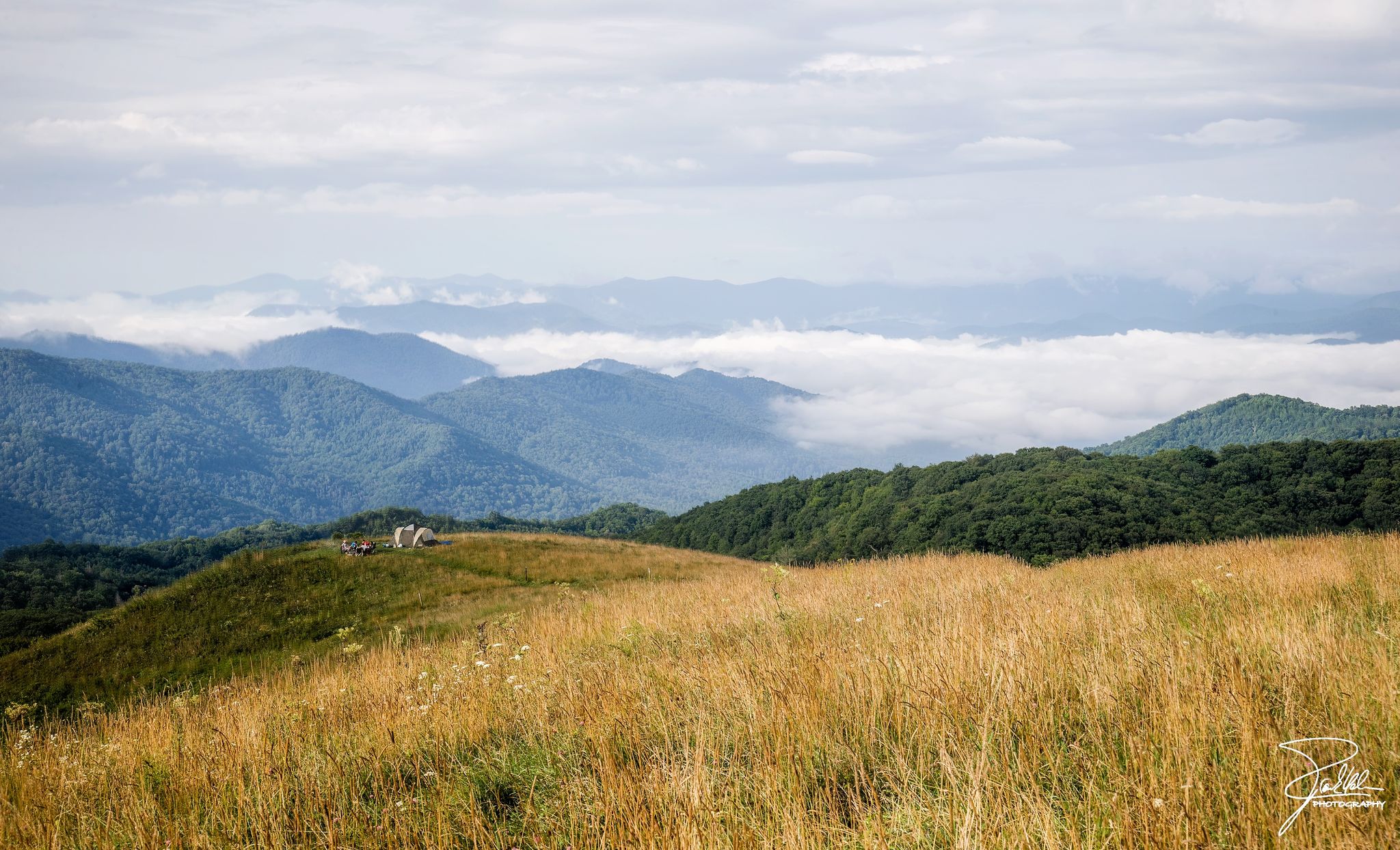
The Appalachian Trail — America's most iconic long-distance hike
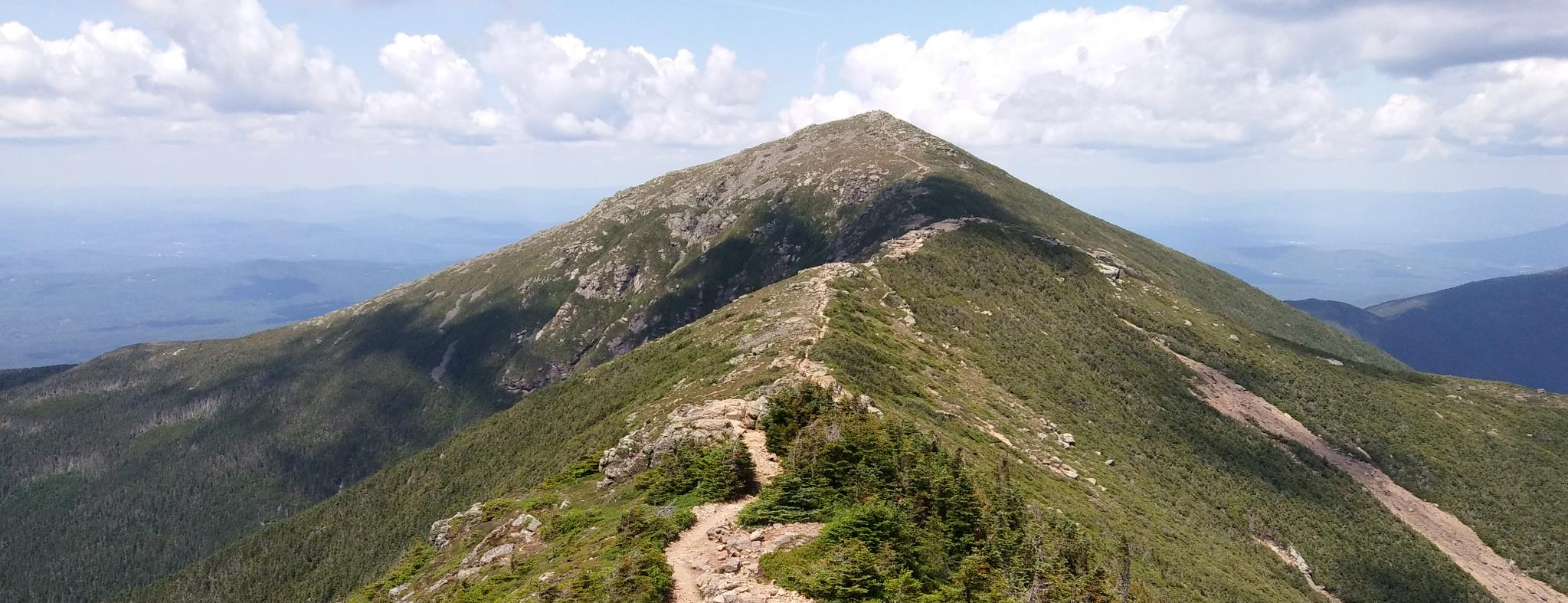
Pemigewasset Loop — A White Mountains classic I keep coming back to
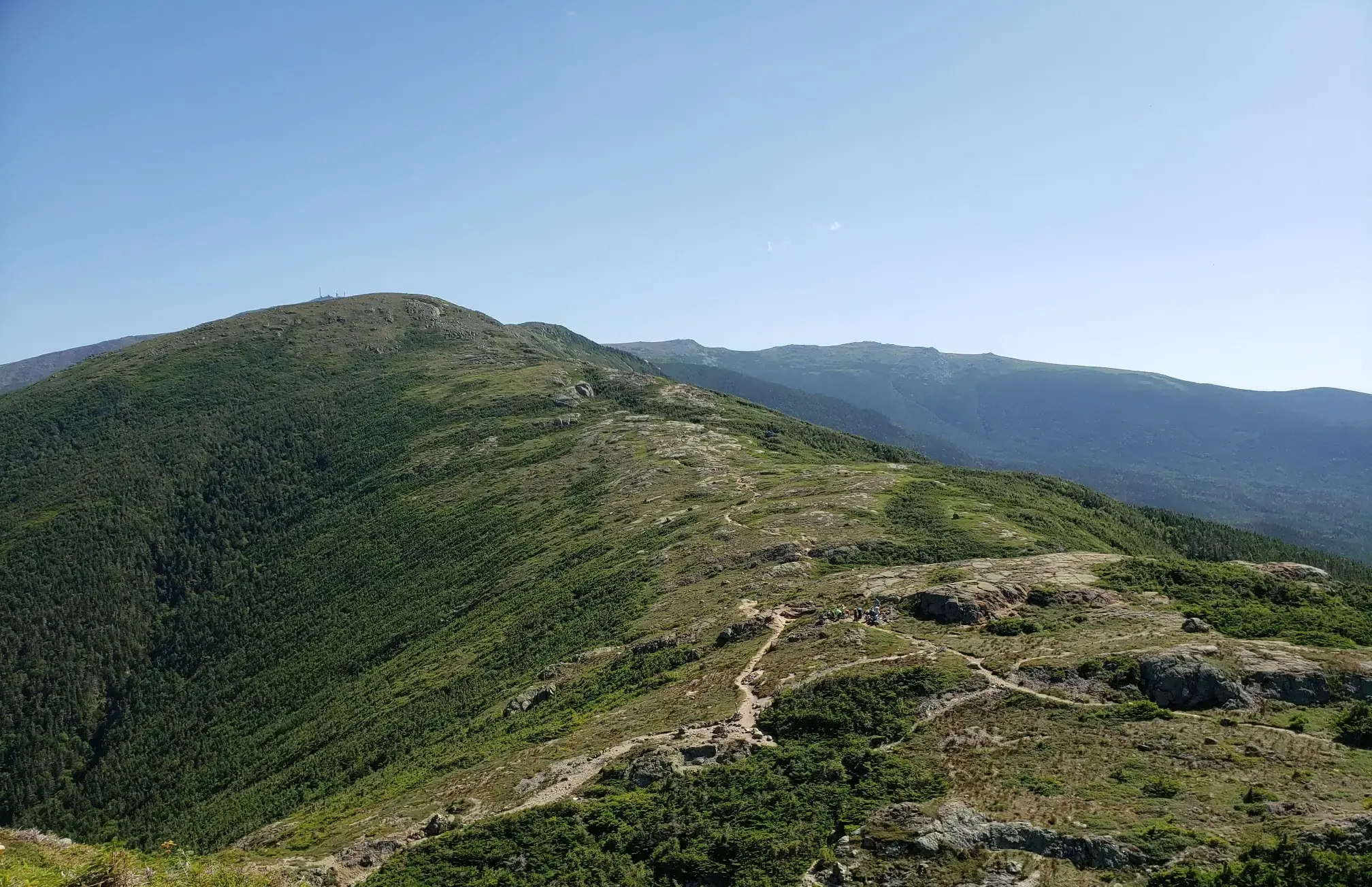
The Presidential Traverse — A classic New Hampshire sandbag
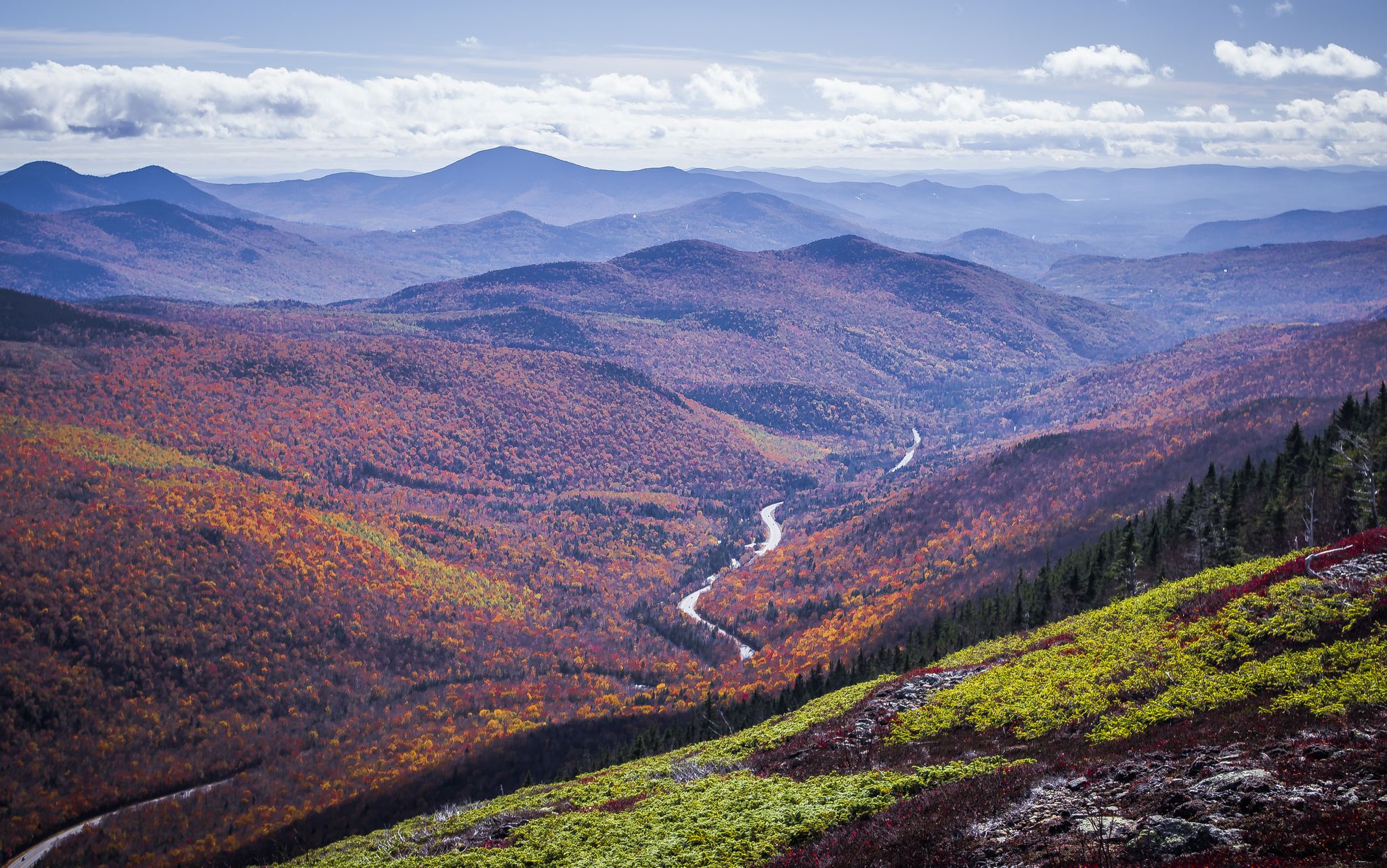
Cohos Trail — Exploring New Hampshire’s remote North Woods

New England – vibrant cities, picturesque coastlines and wild mountain landscapes
Other adventures in White Mountain National Forest


Tips from the Community

Mount Franklin, at 5,003 feet, sits between Mount Monroe and Mount Eisenhower on the southern Presidential Ridge. Though it doesn't officially count toward the AMC’s 4,000-Footer list due to its lack of prominence, it still offers an alpine experience with sweeping views in all directions. The summit is broad and open, with low vegetation and a windswept feel that makes it a striking spot to pause for a sip of water and a breather between peaks. Most hikers pass over Franklin while on the Crawford Path often without realizing it’s a named summit! Regardless, its still a great summit to tick off, especially if trying to bag all the named peaks within the Presidential Range.
0
0
Mount Pierce stands at 4,310 feet and is toward the southern end of the Presidential Range. From its summit, you get sweeping views north toward Mount Eisenhower and Mount Washington from a mix of alpine scrub and rocky ledges. Named after Franklin Pierce, the only U.S. president from New Hampshire, it’s a must stop if tagging all the peaks along on the Presidential Traverse, or those looking for a challenging day hike.
1
0
Lake of the Clouds Hut is the highest and one of the most iconic of the AMC’s backcountry huts. Perched at 5,012 feet between Mount Monroe and Mount Washington, it offers stunning alpine views, dramatic sunsets, and a front-row seat to the Presidential Range’s famously unpredictable weather. It's a great place to stop and refill water bottles or shelter from the weather on a day hike or an iconic (and popular!) place to spend the night. The hut is full-service during the summer and early fall, with bunk accommodations, family-style dinner and breakfast, potable water, and composting toilets. It sleeps over 90 hikers and is a popular overnight stop for those tackling the Presidential Traverse. Reservations are essential and fill quickly.
1
0

Nestled in the White Mountain National Forest, the Mizpah Spring Hut is a cozy stop for hikers exploring the Presidential Range. Offering bunk accommodations, hearty meals, and potable water, it’s a great place to rest and recharge while enjoying breathtaking views of the surrounding mountains. Whether you're tackling a challenging trail or looking for a serene overnight retreat, this Appalachian Mountain Club hut is a memorable part of any White Mountains adventure.
0
0

Washington is the most prominent mountain in the eastern U.S. and an absolutely incredible peak to bag. This is easily one of the best summits in New England. It is also the most dangerous if you come unprepared, especially in the winter. Washington creates its own rapidly changing weather system and is known for being the deadliest small mountain in the world. The second-fastest wind speed on earth was recorded here at over 230mph. That said, a quarter million people visit Washington every year, and if you come prepared and respect the mountain you have nothing to fear and are guaranteed to have an epic summit.
0
0

Dress warmly. Snow season begins July 1 and ends June 30. We were at 68 mph at the summit. Keeping your hat on is a good idea. Two days ago, when we were last up there, it was 73 degrees Fahrenheit and the wind was blowing lightly around 23 mph. Mt. Washington is the highest peak within 1,000 miles, making it an exposed location with what the US Weather Service calls the worst and most surprising weather in the world.
0
0

Nice stop at mountain lakes
0
0
An unforgettable view on clear days
0
0
Frequently Asked Questions
How many waterfall hiking trails are available in White Mountain National Forest?
White Mountain National Forest offers a vast network of nearly 120 waterfall hiking trails. These routes cater to various skill levels, from gentle strolls along rivers to challenging mountain climbs, ensuring there's an adventure for everyone.
What kind of terrain should I expect on waterfall hikes in White Mountain National Forest?
The terrain varies significantly, ranging from lush forest paths to steep, rocky ascents. You'll traverse areas characterized by towering mountains, dense hardwood and conifer forests, and numerous rivers. Notable features like Flume Gorge offer unique experiences with moss-covered walls and glacial pools alongside cascading waterfalls.
Are there easy waterfall hikes suitable for families or beginners?
Yes, there are 14 easy waterfall hiking trails perfect for families or those seeking a more relaxed experience. These paths often follow riverbeds or offer less strenuous climbs, allowing you to enjoy the natural beauty without significant challenge. For example, trails leading to Diana's Baths Waterfalls are generally considered family-friendly.
What are some notable waterfalls or natural features to look out for along the trails?
The White Mountain National Forest is rich with stunning natural features. Beyond the trails themselves, you can explore magnificent waterfalls like Arethusa Falls and Glen Ellis Falls. Other highlights include the unique geological formations at The Basin (Pemigewasset River) and the scenic Falling Waters Trail, which features multiple cascades.
Can I bring my dog on waterfall hikes in White Mountain National Forest?
Generally, dogs are welcome on most trails in White Mountain National Forest, provided they are kept on a leash and you practice Leave No Trace principles. However, it's always best to check specific trail regulations or park guidelines before heading out, as some areas or state parks within the forest might have restrictions.
What is the best time of year to go waterfall hiking?
Spring and early summer are excellent for viewing waterfalls at their fullest due to snowmelt and spring rains. Autumn offers spectacular fall foliage, creating a vibrant backdrop for your hike. While winter hiking is possible, trails can be icy and require specialized gear and experience. Always check weather and trail conditions before you go.
What do other hikers enjoy most about the waterfall trails in White Mountain National Forest?
The trails in White Mountain National Forest are highly rated by the komoot community, with an average score of 4.7 stars from over 500 reviews. Hikers frequently praise the breathtaking natural beauty, the variety of terrain, and the rewarding views of cascading waterfalls and lush forests. The extensive network of trails also allows for diverse experiences, from serene walks to challenging ascents.
Are there any challenging waterfall hikes for experienced hikers?
Absolutely. For experienced hikers seeking a challenge, there are 62 difficult routes available. These often involve significant elevation gain and rugged terrain. An example of a challenging route that offers stunning views and passes by impressive natural features is the Mount Washington via Lion Head and Boott Spur Loop, which takes you through alpine zones and offers panoramic vistas.
Are there any loop trails for waterfall hikes?
Yes, several loop trails allow you to experience different perspectives of the waterfalls and surrounding landscapes. These routes offer the convenience of returning to your starting point without retracing your steps. An example of a challenging loop is the Mount Pierce, Jackson, and Webster Loop, which provides diverse scenery and mountain views.
Is public transport available to reach waterfall trailheads in White Mountain National Forest?
While public transport options directly to all trailheads within the vast White Mountain National Forest are limited, some popular areas might be accessible via seasonal shuttle services or specific bus routes. However, for most trailheads, personal vehicles are the primary mode of access. It's advisable to research specific trailhead access points if you plan to rely on public transport.
What should I wear for waterfall hikes in White Mountain National Forest?
Given the varied terrain and weather conditions, it's best to dress in layers. Waterproof and windproof outer layers are recommended, especially for higher elevations or during spring and fall. Sturdy hiking boots with good ankle support are essential for navigating rocky and potentially wet trails. Always carry extra water, snacks, and a map or GPS device.
Are there any hidden gem waterfall hikes that are less crowded?
While many waterfalls are popular, exploring some of the less-traveled paths can lead to serene discoveries. Often, trails that require a bit more effort or are slightly off the main scenic routes tend to be quieter. Researching moderate difficulty trails that aren't explicitly named in popular guides can sometimes reveal these hidden gems, offering a more secluded experience.
Most popular routes in White Mountain National Forest
Most popular attractions in White Mountain National Forest

Get inspired with the komoot mobile app


Explore more
Browse the best Hikes in other regions.
