Top 8 Caves in Tonto National Forest
Best caves in Tonto National Forest include a variety of natural formations and historical sites. The region is characterized by its diverse geology, featuring large natural bridges, ancient cliff dwellings built into natural alcoves, and numerous natural caves. These sites offer insights into geological processes and the history of ancient cultures, providing varied exploration opportunities within the Tonto Basin and surrounding areas.
Best caves in Tonto National Forest
- The most popular caves is Wave Cave, a cave known for…
Last updated: June 27, 2026
Wave Cave
Highlight • Cave
Tip by

Wind Cave Trail
Highlight (Segment) • Trail
Tip by

Sign up now to discover places like this
Get recommendations on the best single tracks, peaks, & plenty of other exciting outdoor places.
Sign up for free
Tonto Natural Bridge State Park
Highlight • Natural Monument
Tip by

Apache Tears Mine
Highlight • Natural Monument
Tip by

Railroad Tunnel
Highlight • Structure
Tip by
Sign up for free to discover even more caves in Tonto National Forest.
Sign up for free
Already have an account?
Start today with a free account
Your next adventure awaits.
Login or Signup
Popular around Tonto National Forest
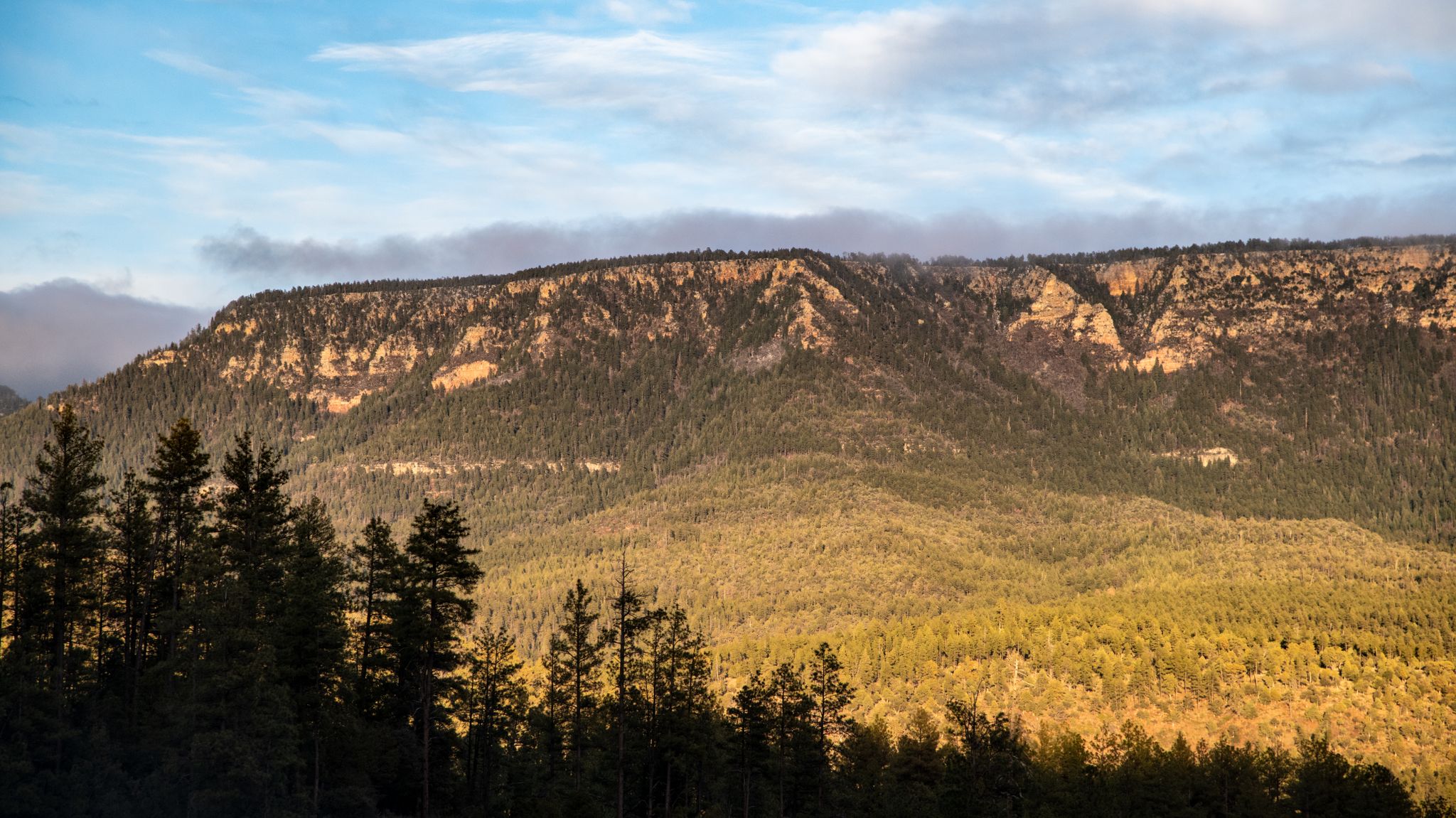
Grand Enchantment Trail — Slot canyons, spruce peaks & desert solitude
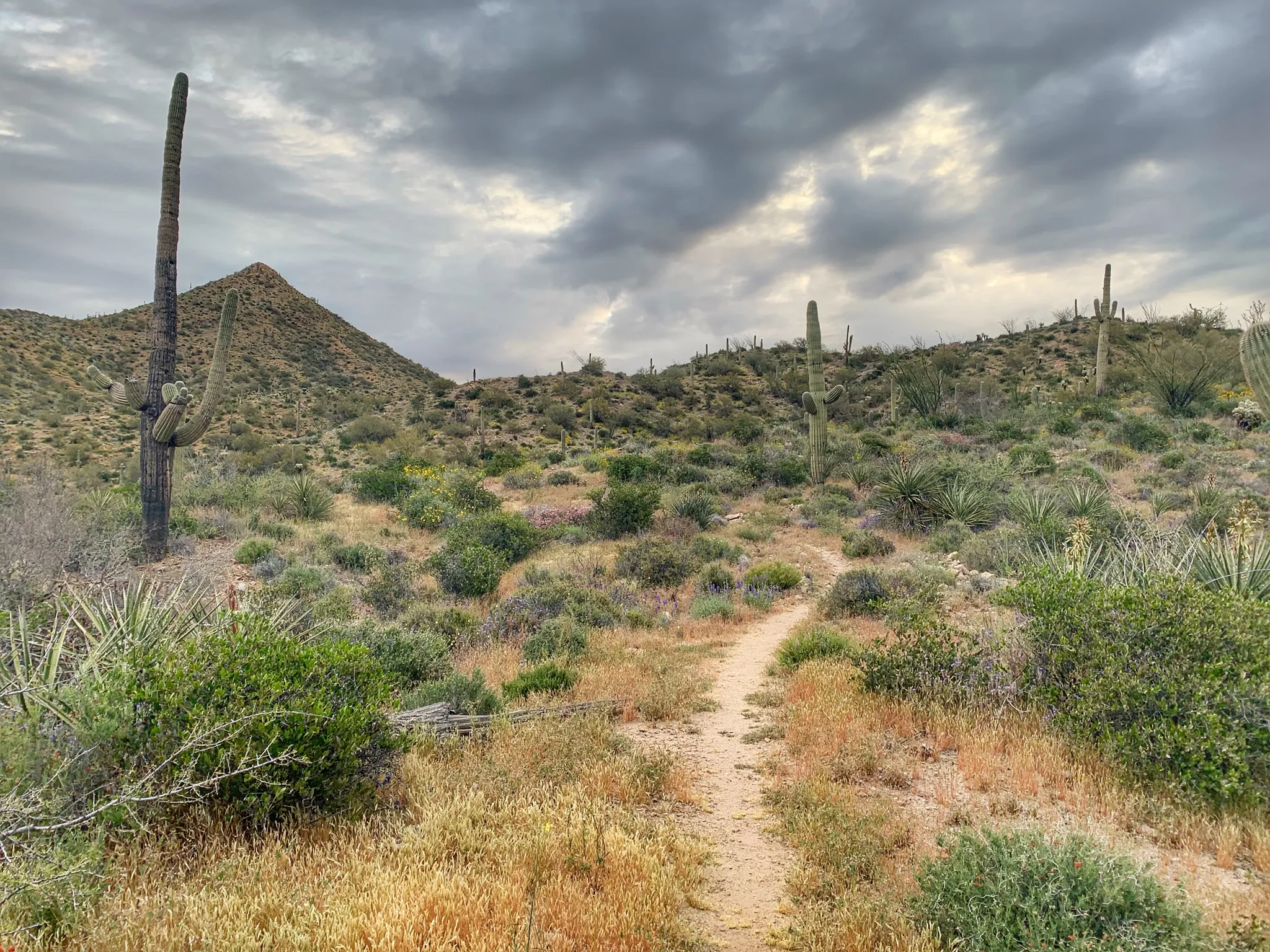
Arizona Trail — A beautiful 800-mile struggle
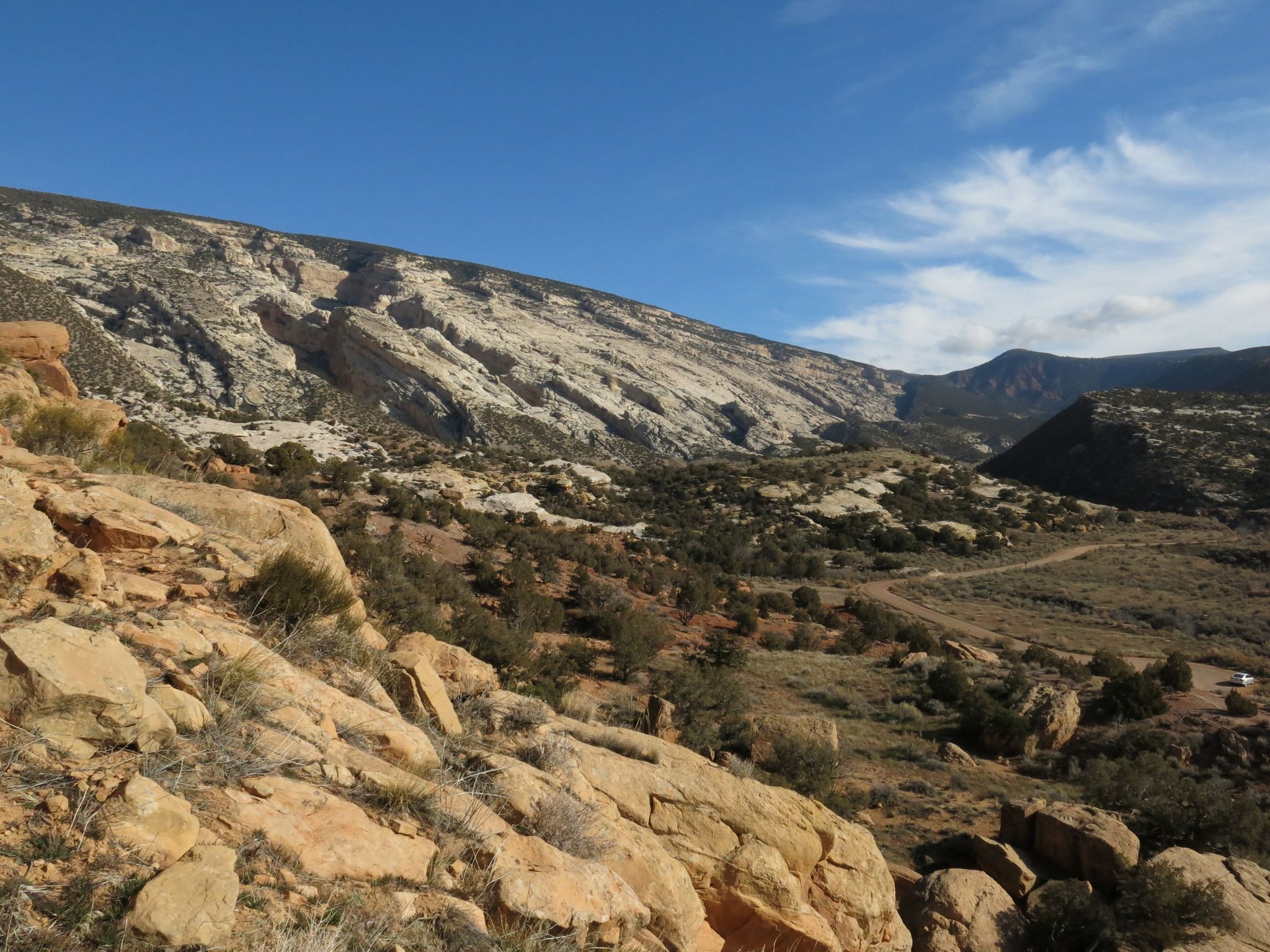
Bikepack in America's southwest – deserts, cacti and Anasazi culture
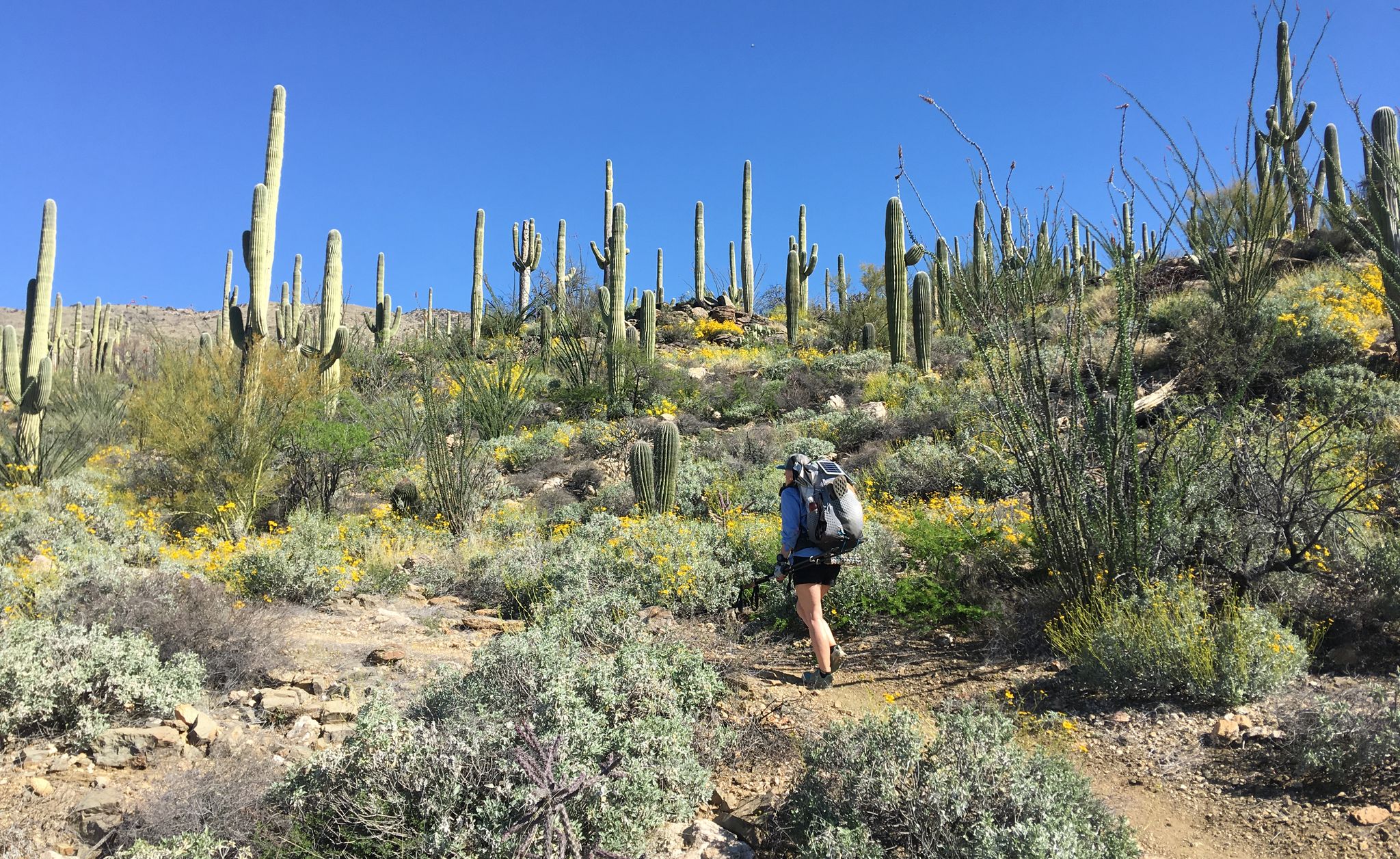
The Arizona Trail — From Mexico to Utah in 43 days
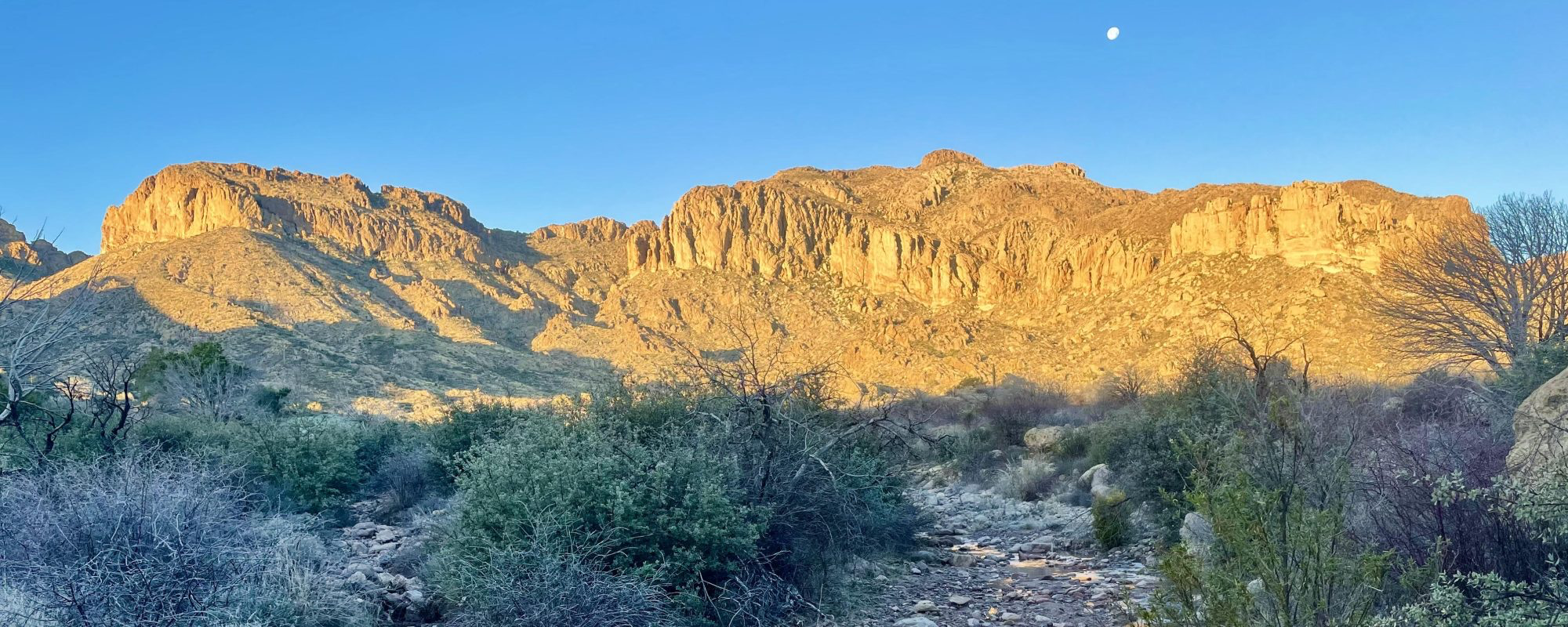
Highline National Recreation Trail – The High Road around the Mogollon Rim
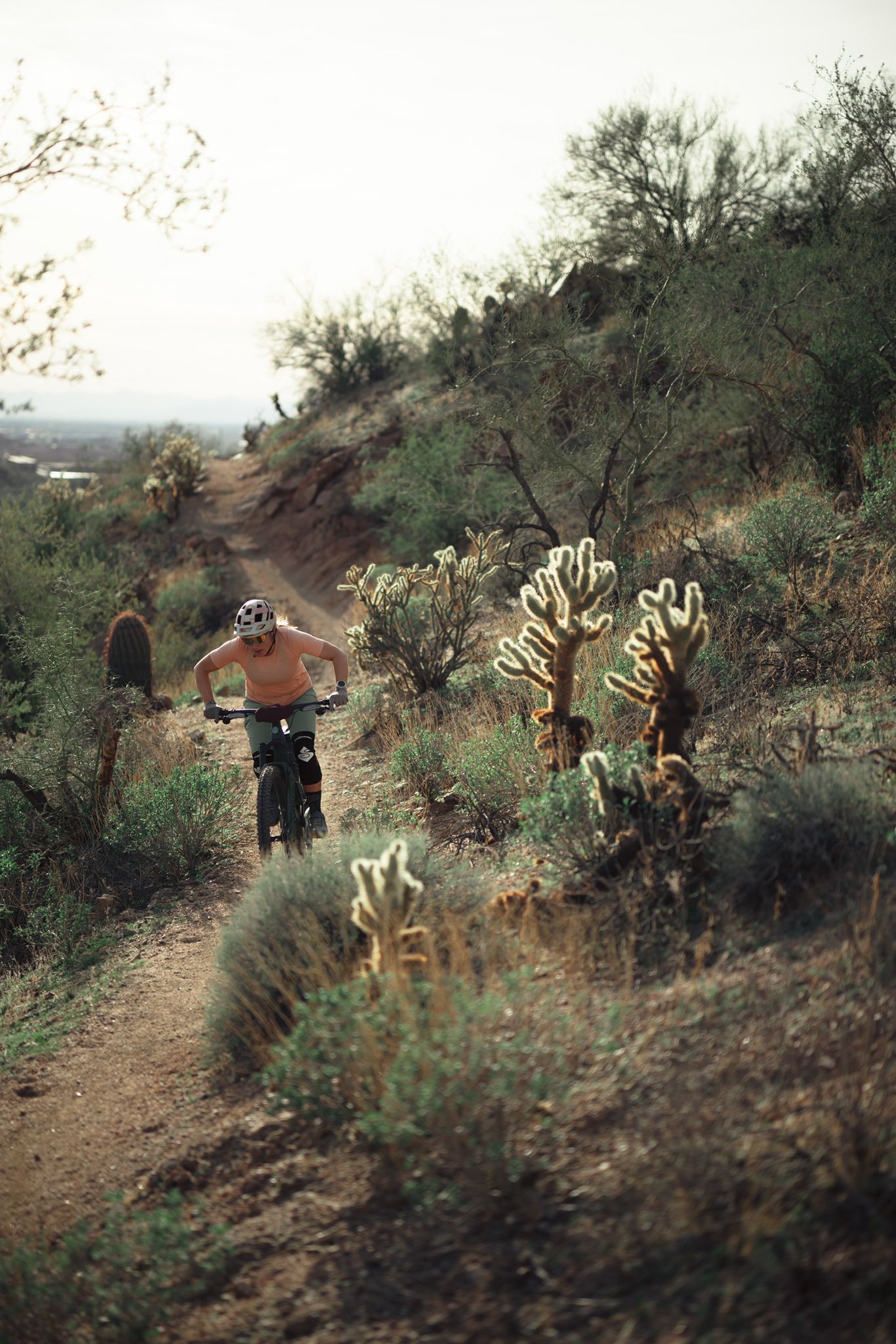
Riding the red rock desert from Phoenix, Arizona
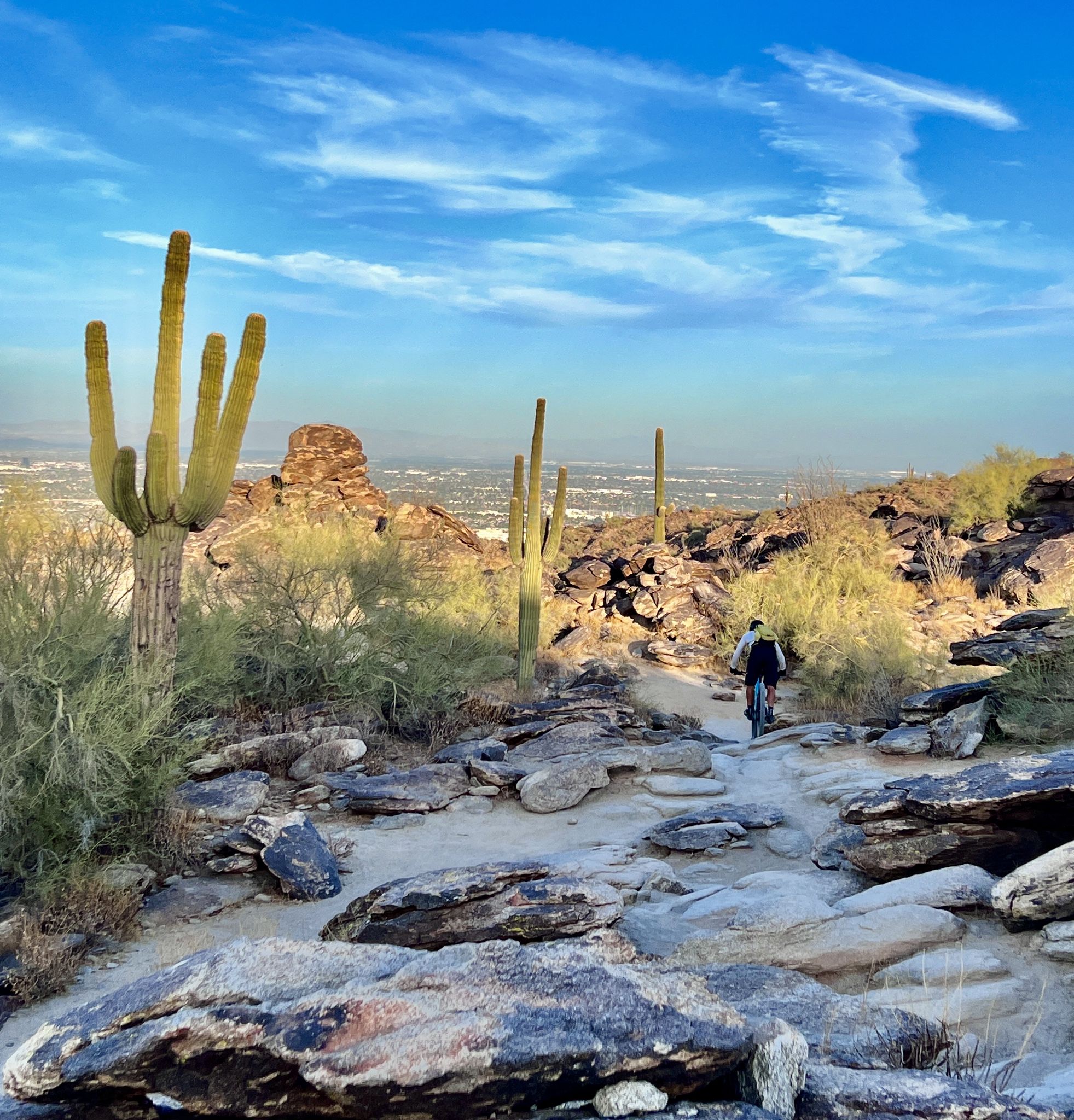
MTB in cactus country – technical delicacies around Phoenix
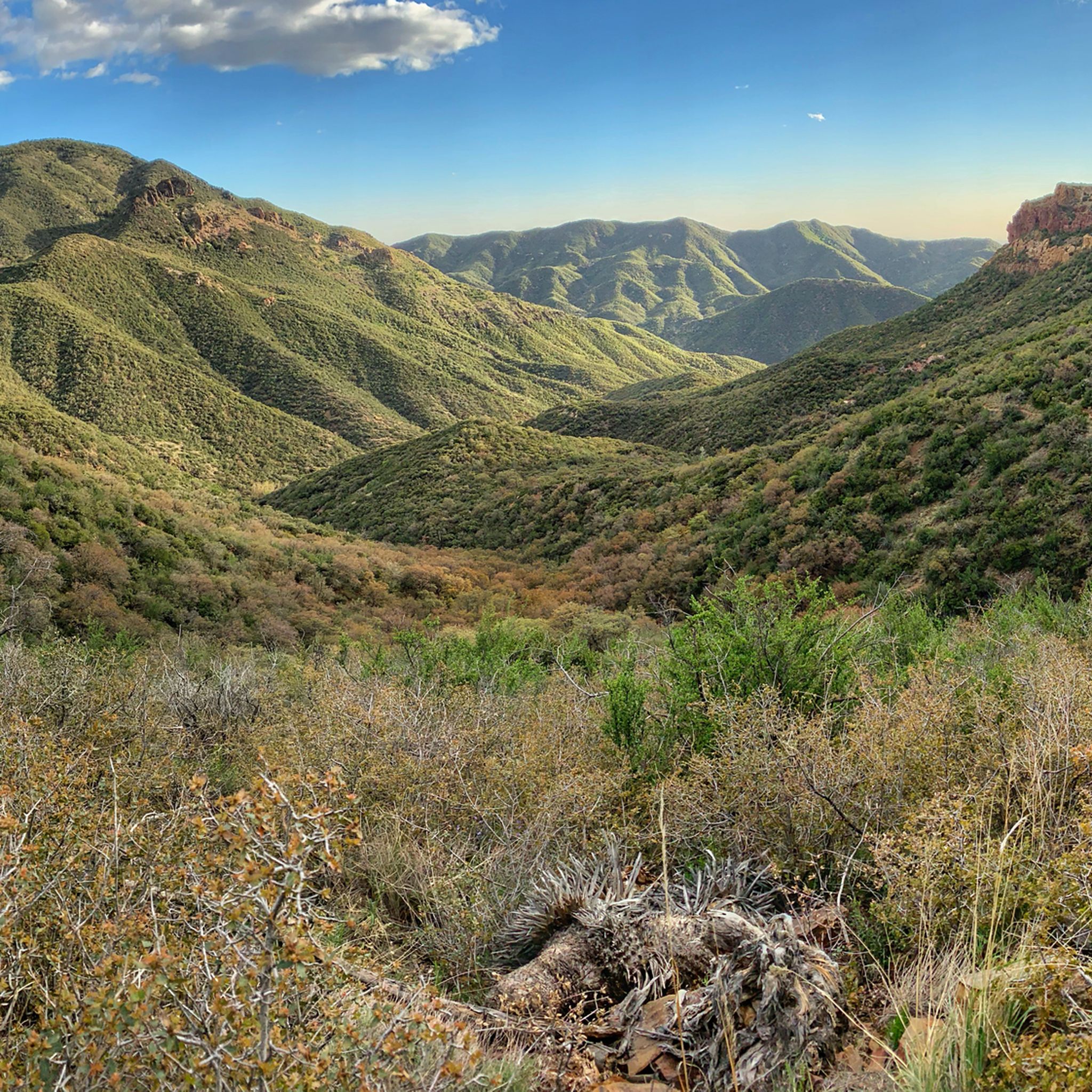
Hiking in Tonto National Forest
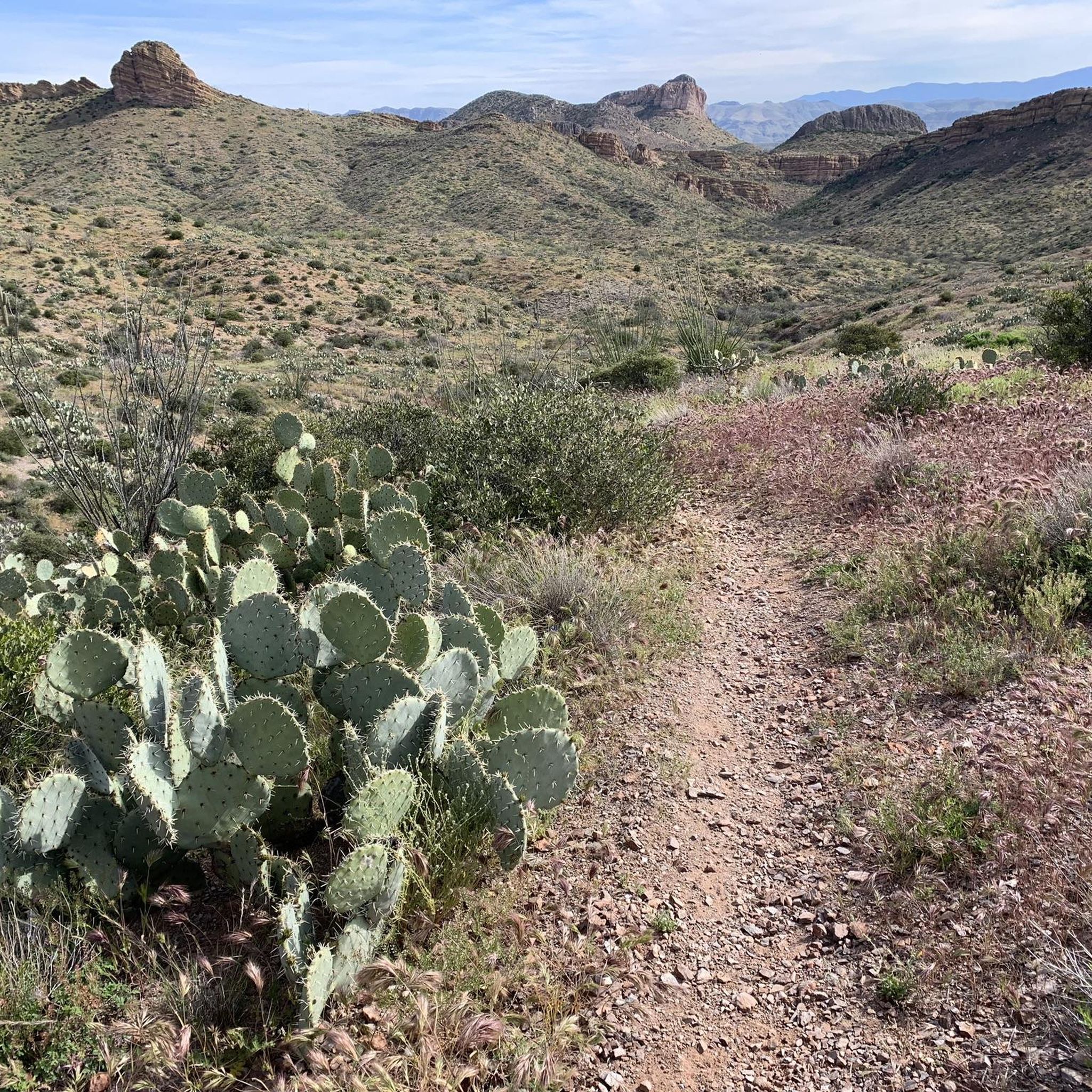
Running Trails in Tonto National Forest
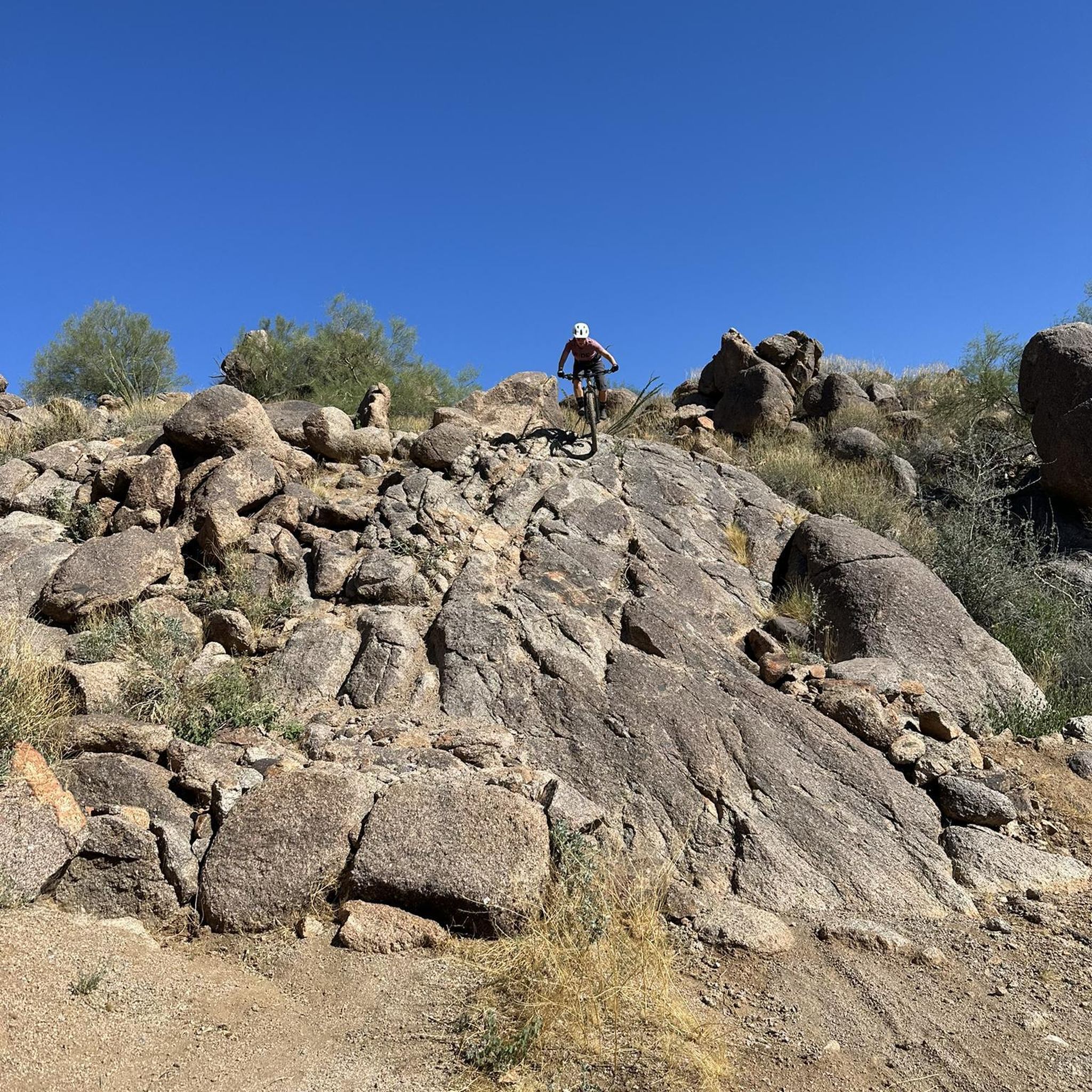
MTB Trails in Tonto National Forest
Other adventures in Tonto National Forest


Tips from the Community

NOT an easy trail. Definitely intermediate to hard level trail. Still, Wave Cave is still a really unique spot with a large rock that resembles a wave. Me and a friend took a much needed nap under that wave before making our trek down. A must see if you are an intermediate to experienced hiker.
0
0

The Apache Tears Mine is a popular spot for visitors and families. The path to the area is easy, and you can extract black rocks from the cave walls. The rocks are called Apache Tears because according to legend, Apache warriors rode their horses off a cliff rather than die at the hands of the US cavalry.
0
0

The Apache Tears Mine has been called one of the most unique hikes on the planet. You have the opportunity to "mine" obsidian from the walls of cliffs and caves. The rocks are considered Apache tears in memory of the Apache members that died when the US cavalry took over the area.
0
0

This is a very popular State Park and hiking location with viewpoints of the Tonto Natural Bridge and trails surrounding the area. Try to get there early in the morning on weekends as it is quite popular, especially in the warmer months. There is a $7 entrance fee for adults (14+) and the park is typically open from 9-5 daily.
0
0
This 70 foot tunnel is basically a small cave that you can walk in to. It was built in the 1800s as the beginnings of a railroad tunnel but was abandoned after the project ran out of funds. It’s a cool destination and looking out the tunnel you have a nice view of the valley below.
0
0


As you journey along the trail, you'll encounter an array of vibrant wildflowers that adorn the hillside. The trail ultimately leads to Wind Cave, where you'll be rewarded with breathtaking views of the surrounding area.
0
0
Frequently Asked Questions
What unique geological features can I expect to see in the caves of Tonto National Forest?
The region is home to diverse geological formations. You can explore the world's largest natural travertine bridge at Tonto Natural Bridge State Park, which stands 183 feet high over a 400-foot-long tunnel. Other natural caves, like Preacher Cave, feature flowstone, soda straws, stalactites, and stalagmites, offering a glimpse into intricate underground formations.
Are there any ancient historical sites or cliff dwellings to explore?
Yes, Tonto National Monument preserves well-preserved cliff dwellings built by the Salado people over 700 years ago. These structures are nestled within natural caves or alcoves. The Lower Cliff Dwelling is accessible via a self-guided trail, while the Upper Cliff Dwelling requires a guided tour with reservations. You can observe remarkable masonry and learn about ancient Native American cultures.
What kind of caving experiences are available for more adventurous visitors?
For those seeking a more adventurous and less developed experience, Preacher Cave offers natural formations, including three rooms with crystal water in the last. Entry requires crawling, and it's a fragile environment. Some natural caves in the Tonto National Forest may also require rappelling equipment, indicating more technical caving for experienced individuals.
Are there family-friendly caves or sites suitable for all ages?
Absolutely. Apache Tears Mine is a popular spot for families where you can extract black obsidian rocks from cave walls. Tonto Natural Bridge State Park offers viewpoints and trails suitable for various ages, and the Lower Cliff Dwelling at Tonto National Monument is accessible via a paved, self-guided trail.
What are the difficulty levels of trails leading to these caves?
Difficulty levels vary. The trail to Wave Cave is considered challenging, while Wind Cave Trail is intermediate. Trails at Tonto Natural Bridge State Park range from easy viewpoints to more intermediate hikes down to the bridge. The path to Apache Tears Mine is generally easy.
Are permits or fees required to visit any of the cave sites?
Yes, some sites require permits or fees. To visit Wave Cave, which is on Arizona State Trust Land, you need a permit for entry. Tonto Natural Bridge State Park has an entrance fee of $7 for adults (14+). Tonto National Monument also has an entrance fee, and guided tours to the Upper Cliff Dwelling require reservations.
What is the best time of year to visit the caves in Tonto National Forest?
The warmer months are popular for visiting sites like Tonto Natural Bridge State Park, so arriving early on weekends is recommended. Generally, spring and fall offer pleasant temperatures for hiking and exploration. Summer can be very hot, making early morning visits ideal, while winter offers cooler weather, though some technical caving might be more challenging.
What other outdoor activities can I do near the caves in Tonto National Forest?
Tonto National Forest offers a wide range of outdoor activities. You can find numerous routes for gravel biking, cycling, and running. Popular routes include the Maricopa Trail, Humboldt Mountain loops, and various trails around Usery Mountain Regional Park and the Salt River.
Are there specific hiking trails associated with the caves?
Yes, several caves are accessed via dedicated trails. The Wind Cave Trail leads directly to Wind Cave, offering views and wildflowers along the way. At Tonto Natural Bridge State Park, trails like the Gowan Trail and Anna Mae Trail allow you to hike down and explore underneath the bridge.
What makes Wave Cave a popular destination?
Wave Cave is renowned for its unique rock formations that resemble a large ocean wave, making it a highly sought-after spot for photography. Its distinct visual experience in the Superstition Wilderness draws many visitors looking for a memorable hike and unique photo opportunities.
What is the Railroad Tunnel and what can I expect there?
The Railroad Tunnel is a 70-foot tunnel, essentially a small cave, that you can walk into. It was originally built in the 1800s as part of a railroad project but was abandoned. It offers a cool historical destination, and looking out from the tunnel provides a nice view of the valley below.
Can I see wildlife in or around the caves?
While specific wildlife sightings within the caves are not guaranteed, the Tonto National Forest is a diverse ecosystem. Visitors often spot various birds, reptiles, and mammals in the surrounding areas. When exploring, always be mindful of your surroundings and respect the natural habitat.
Most popular routes in Tonto National Forest
Most popular attractions in Tonto National Forest

Get inspired with the komoot mobile app


