Top 12 Gorges around the Duero
Best canyons around the Duero are defined by the deep gorges carved by the Duero River, forming a natural border between Spain and Portugal. This region, protected within the Arribes del Duero Natural Park and the Douro International Natural Park, features dramatic granite cliffs and a unique microclimate. The landscape supports rich biodiversity, including various bird species, and is known for its terraced slopes with Mediterranean crops. The area offers extensive canyon systems with significant geological and ecological value.
Best…
Last updated: June 28, 2026
Mirador de las Barrancas
Highlight • Viewpoint
Translated by Google •
Tip by

Picón de Felipe Viewpoint
Highlight • Viewpoint
Translated by Google •
Tip by

Sign up now to discover places like this
Get recommendations on the best single tracks, peaks, & plenty of other exciting outdoor places.
Sign up for free
São João das Arribas Viewpoint
Highlight • Viewpoint
Translated by Google •
Tip by

View of the Douro Canyon
Highlight • Viewpoint
Translated by Google •
Tip by
Castrilhouço Viewpoint
Highlight • Viewpoint
Translated by Google •
Tip by

Friar's Viewpoint
Highlight • Viewpoint
Translated by Google •
Tip by
Requejo Bridge
Highlight • Bridge
Translated by Google •
Tip by
Senda del Duero (GR-14) – Camino de Pinilla
Highlight (Segment) • Trail
Translated by Google •
Tip by
Cerca Viewpoint
Highlight • Viewpoint
Translated by Google •
Tip by
Carrascalinho Viewpoint
Highlight • Viewpoint
Translated by Google •
Tip by

Sign up for free to discover even more gorges around the Duero.
Sign up for free
Already have an account?
Start today with a free account
Your next adventure awaits.
Login or Signup
Popular around Duero
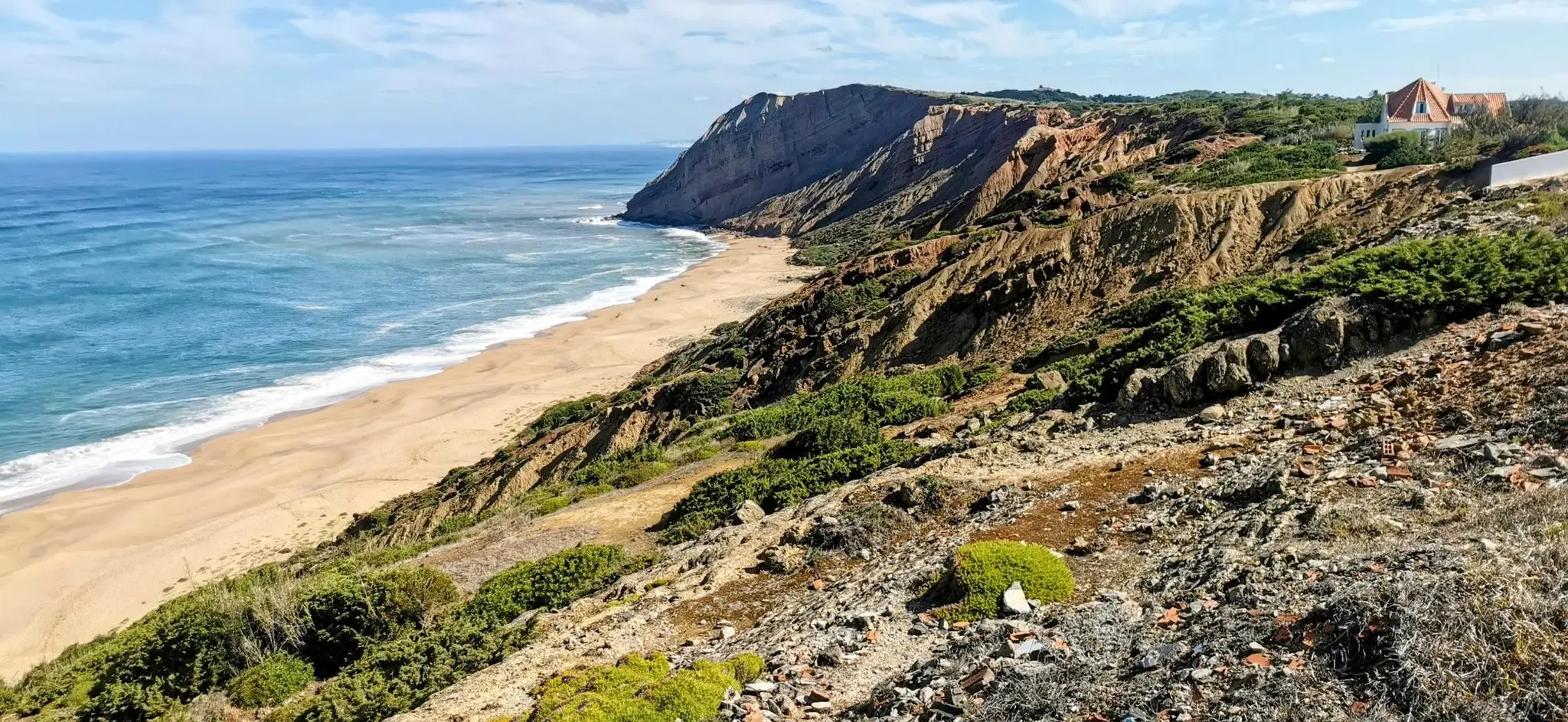
EuroVelo 1 Portugal – Cycle the Atlantic Coast
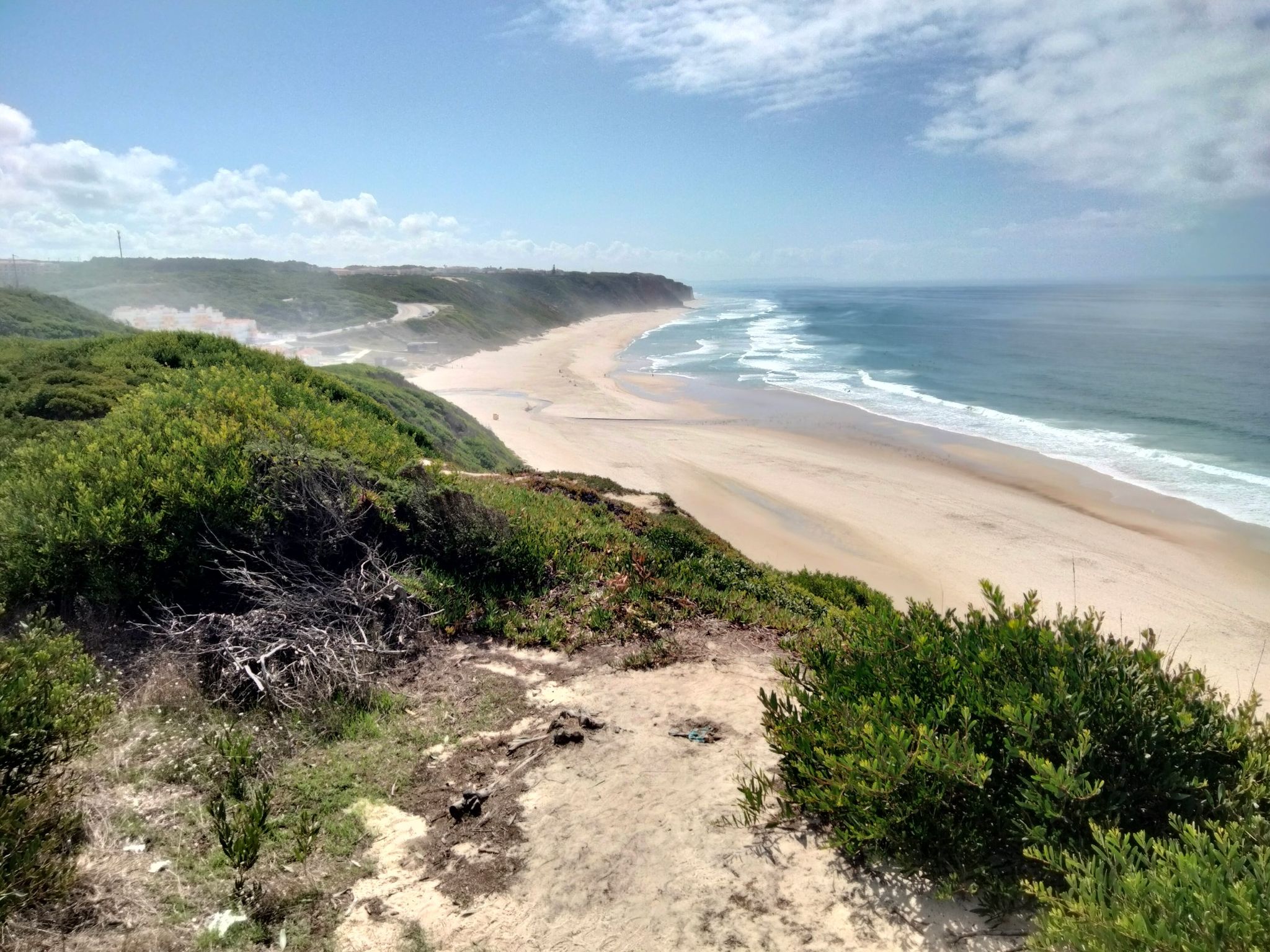
Portugal's Atlantic coast (north) – from Caminha to Lisbon
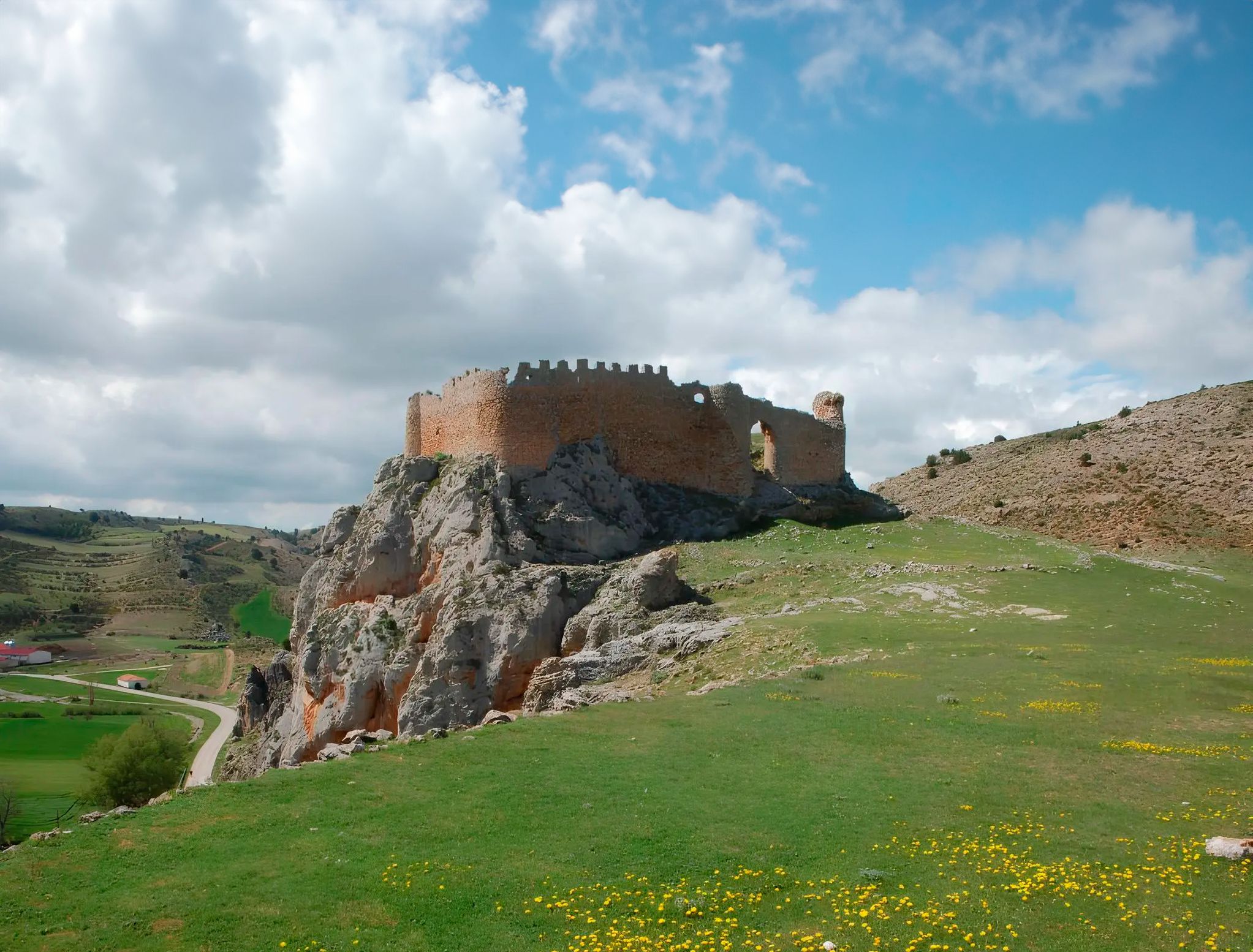
Around the Spanish province of Soria - Sendero Ibérico Soriano (GR 86)
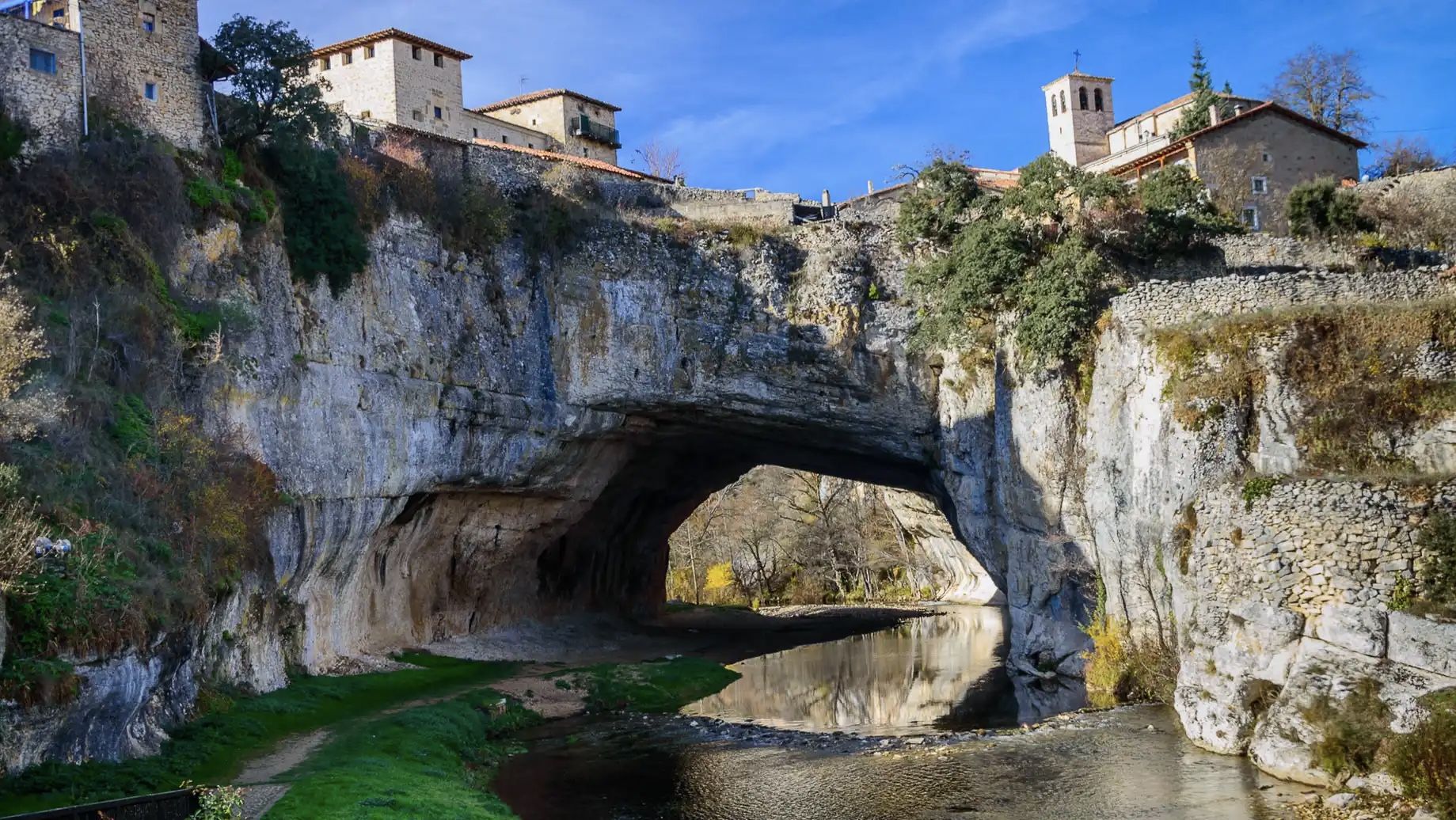
An epic getaway – Santander-Mediterráneo Nature Trail
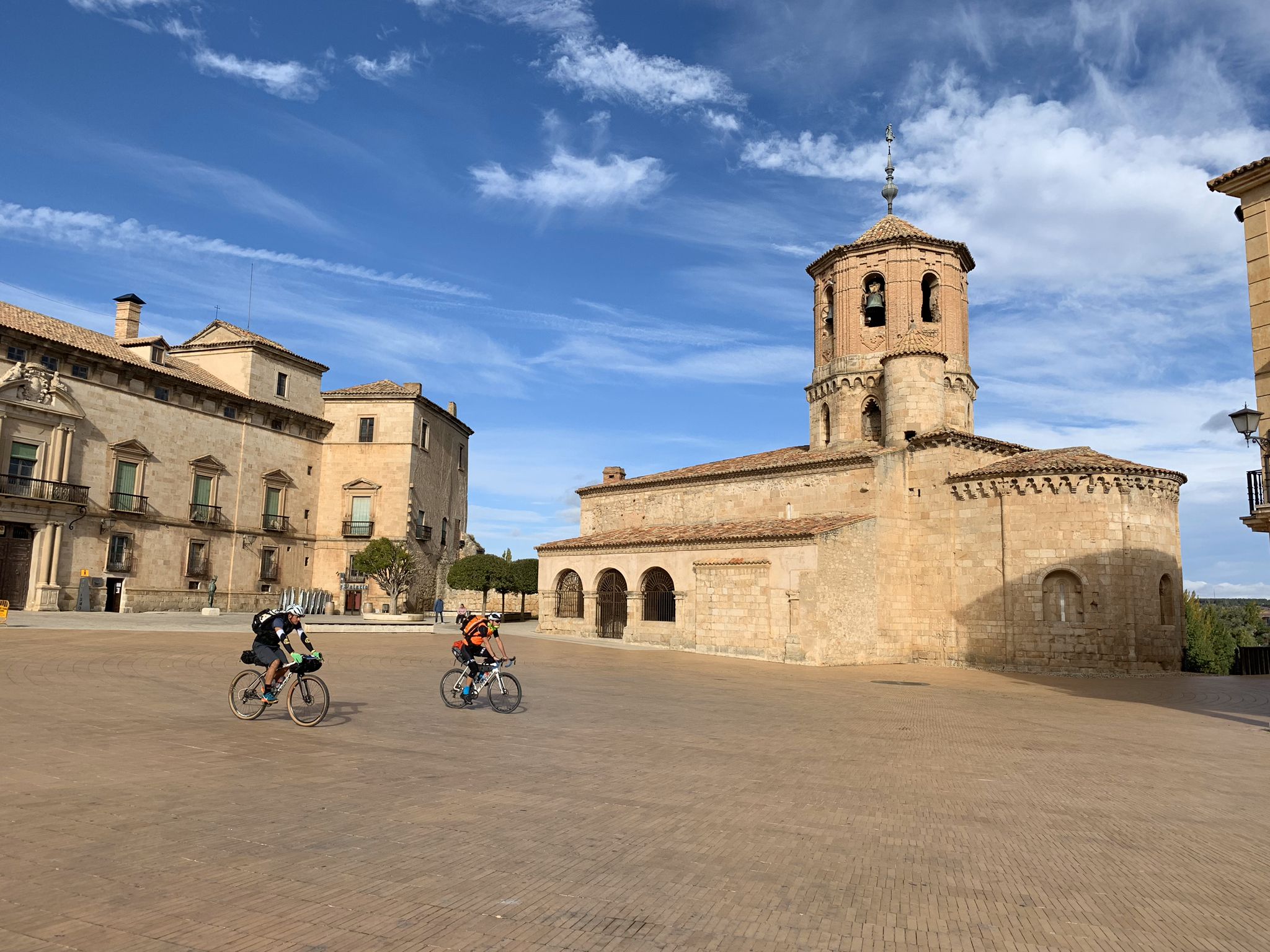
Countryside and fortresses – Walls of the Upper Duero by bike
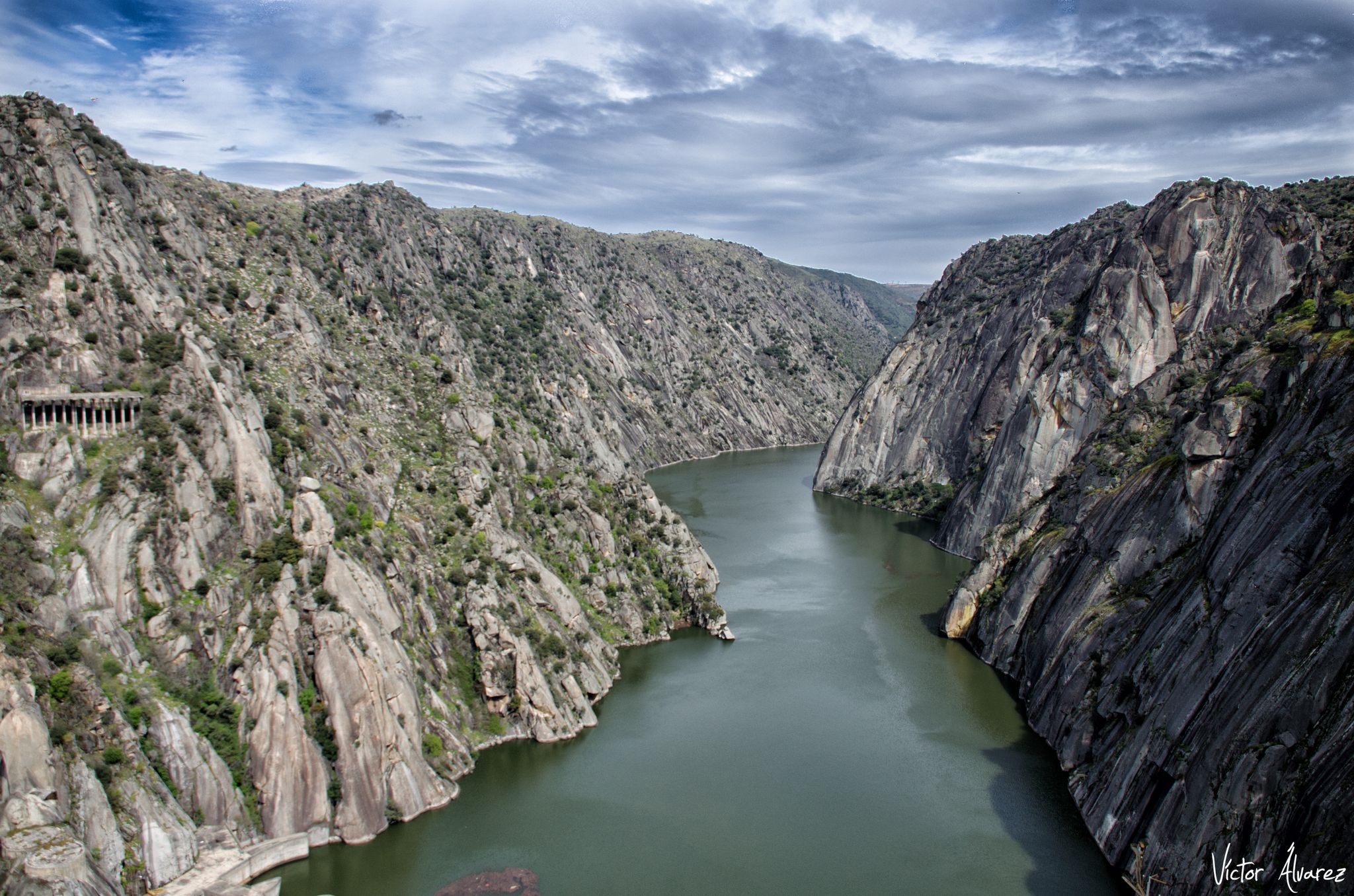
Downriver between Zamora and Salamanca – Western Duero Trail (GR 14)
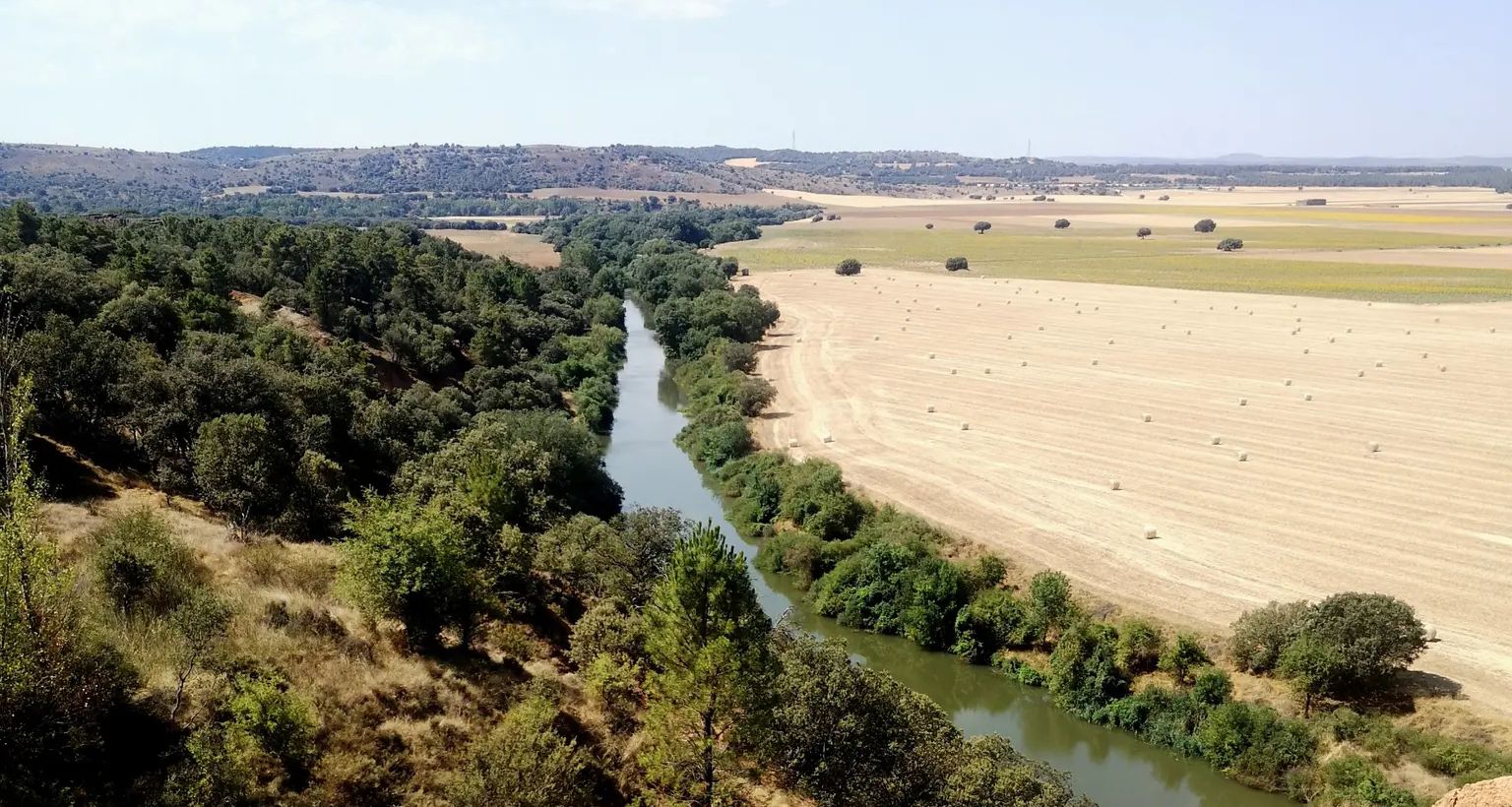
Downstream through Soria, Burgos and Valladolid in Spain – Eastern Douro Trail
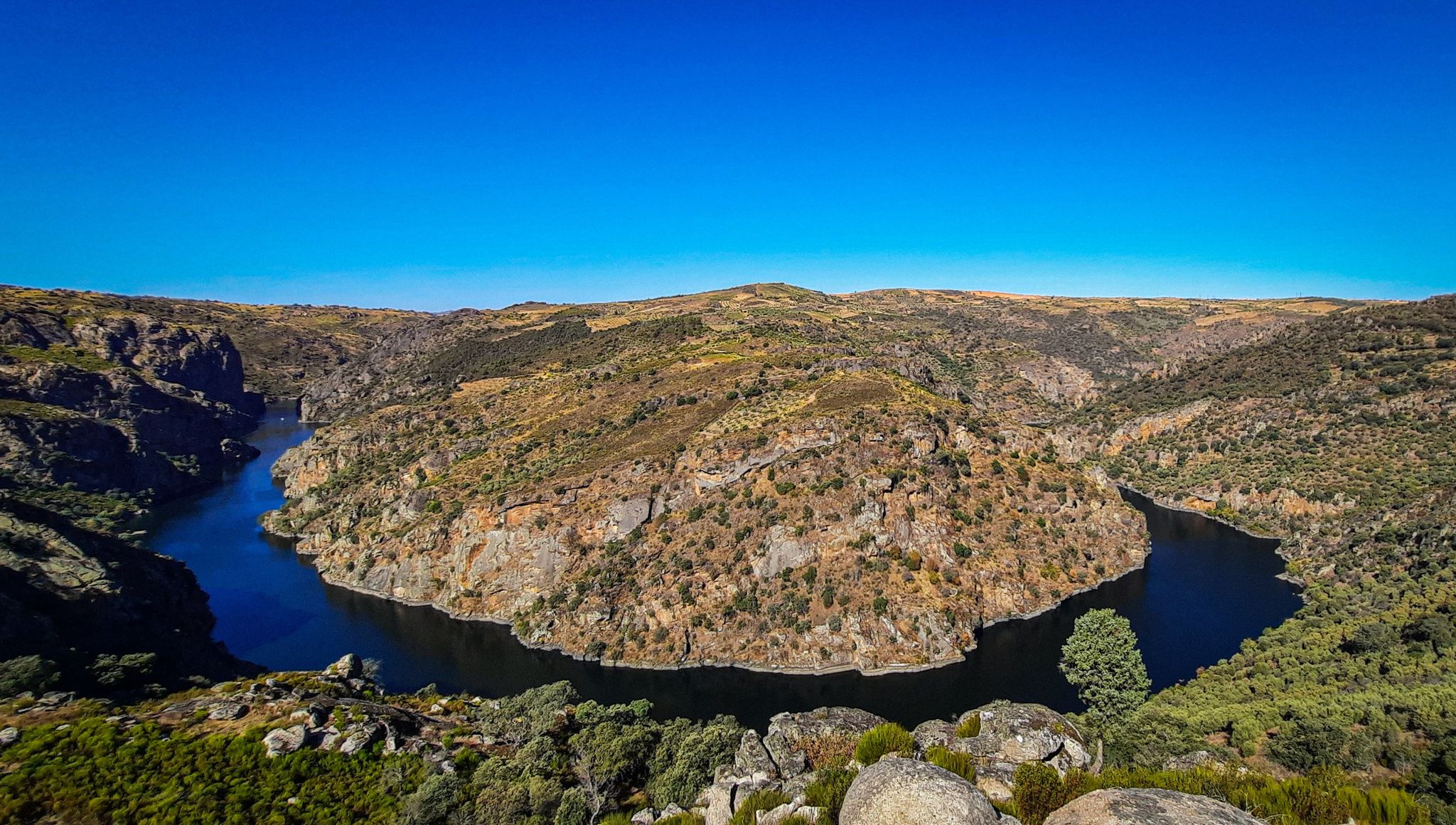
The Great Castilian River – Duero MTB Trail
The secret gravel paradise — Bikepacking Soria
El Camino del Cid – El Destierro by gravel bike
Other adventures around the Duero


Tips from the Community

It's located in the heart of the Arribes del Duero Natural Park, an area of great scenic beauty and biodiversity. Things to do nearby: Viewpoints: The viewpoint at the bridge itself and others nearby, such as the one in Villadepera. Hiking trails: Paths through the Arribes, ideal for photography and birdwatching. Charming villages: Villadepera, Pino del Oro, and other towns in the area. From the bridge, you can admire the granite cliffs of the Duero River and the deep riverbed that marks the natural border with Portugal.
2
0
The Requejo Bridge, also known as the Pino Bridge, is a jewel of historical engineering located in Villadepera (Zamora) over the Duero River, within the Arribes del Duero Natural Park. Year of inauguration: 1914. Designed by the engineer José Eugenio Ribera, a pioneer in the use of reinforced concrete in Spain. It was built to connect the Aliste and Sayago regions, facilitating communication between Zamora and Portugal.
2
0
From the Vale de Águia hill fort, there is a natural viewpoint with spectacular views of one of the meanders of the Douro. At the São João das Arribas hermitage, you can also enjoy stunning panoramic views of the canyon and waterfalls on the Spanish slope. The landscape includes cliffs, meadows, oak groves, and pastures, with abundant flora and fauna.
5
0
The GR-36 trail in the Miranda do Douro area is one of the most spectacular routes in northern Portugal, especially for its views of the Douro Canyon, which forms the natural border with Spain.
6
0
The Miradouro da Cerca, located in the village of Urrós (municipality of Mogadouro, near Miranda do Douro), is one of the most spectacular viewpoints in the Douro International Natural Park and is part of a route that many consider worthy of the title of “Europe’s Grand Canyon.” It offers stunning views of the deep and rugged valley of the Douro River, which marks the natural border between Portugal and Spain.
4
0
The Mirador de las Barrancas, located in Fariza, in the province of Zamora, is one of the most spectacular spots in the Arribes del Duero Natural Park. It offers stunning views of the Duero River canyon, which marks the natural border between Spain and Portugal. A granite landscape with unique rock formations and a microclimate that favors Mediterranean crops such as olive trees, vineyards, and almond trees. Spot birds of prey, such as the griffon vulture and the golden eagle, which are very common in the area.
1
0

Near the village of Urrós, the Cerca Viewpoint awaits you with a breathtaking view. From the top of an imposing rock, you are treated to a dramatic view of the Douro River Gorge, where the steep cliffs form the natural border between the Mirandese Plateau and the Spanish mainland. A magnificent view, impossible to forget!
2
0

This viewpoint over the Duero and its cliffs is very close to the town of Aldeia Nova. From the centre of the town you have to descend about 2 km until you reach the hermitage and the viewpoint. If you arrive by car, you can leave it at the exit of the town and you will only have to walk 1 km to reach the viewpoint.
0
0
Frequently Asked Questions
What natural features define the Duero canyons?
The Duero canyons are characterized by dramatic granite cliffs, deep gorges carved by the Duero River and its tributaries, and a unique Mediterranean microclimate. This microclimate supports diverse flora, including olive, almond, and grapevines on terraced slopes, and rich biodiversity, particularly birds of prey.
What is the best time to visit the Duero canyons?
Spring is an excellent time to visit the Duero canyons. During this season, the almond trees are in bloom, offering a beautiful spectacle, and waterfalls like the Pozo de los Humos are at their most impressive due to increased water flow from the thaw.
What kind of wildlife can I observe in the Duero canyons?
The Duero canyons are a haven for wildlife, especially birds of prey. You can spot griffon vultures, golden eagles, Egyptian vultures, peregrine falcons, and black storks nesting in the cliffs. Mammals such as otters, martens, foxes, and wild boars also inhabit the area.
Where can I find the most impressive panoramic views of the Duero canyons?
Several viewpoints offer breathtaking vistas. Beyond those mentioned in the introduction, consider visiting the Friar's Viewpoint, which provides amazing views of one of the most impressive stretches of the Duero canyon in the Salamanca region. Other notable spots include Mirador de la Virgen del Castillo and Picón de Felipe.
Are there any significant waterfalls in the Duero canyon region?
Yes, the Pozo de los Humos waterfall is a major highlight. Here, the Uces River plunges nearly 200 meters into the Duero, creating a spectacular sight, especially in spring when water levels are high.
What outdoor activities can I do near the Duero canyons?
The region offers a variety of outdoor activities. You can enjoy extensive hiking and cycling trails, such as sections of the GR-14 (Douro Trail). Boat cruises and kayaking tours are also available, allowing you to explore the canyons from the water. For more specific routes, you can find cycling routes, MTB trails, and waterfall hikes around the Duero.
Are there specific hiking trails recommended in the Duero canyons?
Yes, the Senda del Duero (GR-14) is a well-known trail that allows you to immerse yourself in the natural beauty of the canyons. A section of this trail, the Senda del Duero (GR-14) – Camino de Pinilla, offers scenic views and is popular among visitors.
Can I explore the Duero canyons by boat?
Yes, exploring the canyons from the water provides a unique perspective. Boat trips are available, allowing you to navigate inside the canyon itself. Kayaking is also an option, with guided tours offered along certain sections, such as near the Castro Dam.
Are the Duero canyons suitable for families?
Many areas of the Duero canyons are family-friendly, particularly viewpoints with easy access and some trails. For example, the Viewpoint Over the Duero is categorized as family-friendly. When planning, look for trails marked as 'easy' or 'moderate' and check for amenities like parking.
What cultural or historical sites can be found near the Duero canyons?
Beyond the natural landscapes, the region boasts a rich historical and cultural heritage. Villages like Fermoselle, declared a Historic-Artistic Site, offer attractions such as its old quarter, ancient wineries, and local gastronomy. The Requejo Bridge is another notable man-made monument in the area.
What local products and gastronomy can I experience in the Duero canyon region?
The area is known for its local wines, which have a Denomination of Origin. Traditional gastronomy features delicious ewes' cheese, local beef, and Iberian pork. Many charming villages in the region offer opportunities to sample these local delights.
Are there accessible viewpoints for visitors with mobility considerations?
Yes, some viewpoints are designed to be more accessible. For instance, the Friar's Viewpoint offers wheelchair accessibility and has a free parking lot, with an easy asphalt path leading to the viewing area.
Most popular routes around the Duero
Most popular attractions around the Duero

Get inspired with the komoot mobile app


