Top 8 Castles in the Jotunheimen Mountains
Castles in the Jotunheimen Mountains offer a blend of historical exploration within a landscape known for its majestic peaks and natural beauty. This region, part of Norway's national park system, provides a setting for discovering historical structures. Visitors can explore these sites while experiencing the area's diverse terrain. The historical sites here contribute to the cultural fabric of the Jotunheimen Mountains.
Best castles in the Jotunheimen Mountains
- The most popular castles is The Royal Palace, Oslo, a historical site…
Last updated: May 15, 2026
The Royal Palace, Oslo
Highlight • Historical Site
Translated by Google •
Tip by

Akershus Fortress
Highlight • Castle
Translated by Google •
Tip by

Sign up now to discover places like this
Get recommendations on the best single tracks, peaks, & plenty of other exciting outdoor places.
Sign up for free
Bergenhus Fortress
Highlight • Castle
The complex is located directly on the harbor next to the Hanseatic district and can be easily reached on foot.
Translated by Google •
Tip by

Rosenkrantz Tower
Highlight • Castle
Translated by Google •
Tip by

Haakon's Hall
Highlight • Historical Site
Translated by Google •
Tip by

Barony Rosendal
Highlight • Castle
Translated by Google •
Tip by

Impressive viewpoint over the fort
Highlight • Viewpoint
Translated by Google •
Tip by

Gamlehaugen Mansion
Highlight • Castle
Translated by Google •
Tip by

Start today with a free account
Your next adventure awaits.
Login or Signup
Popular around Jotunheimen Mountains
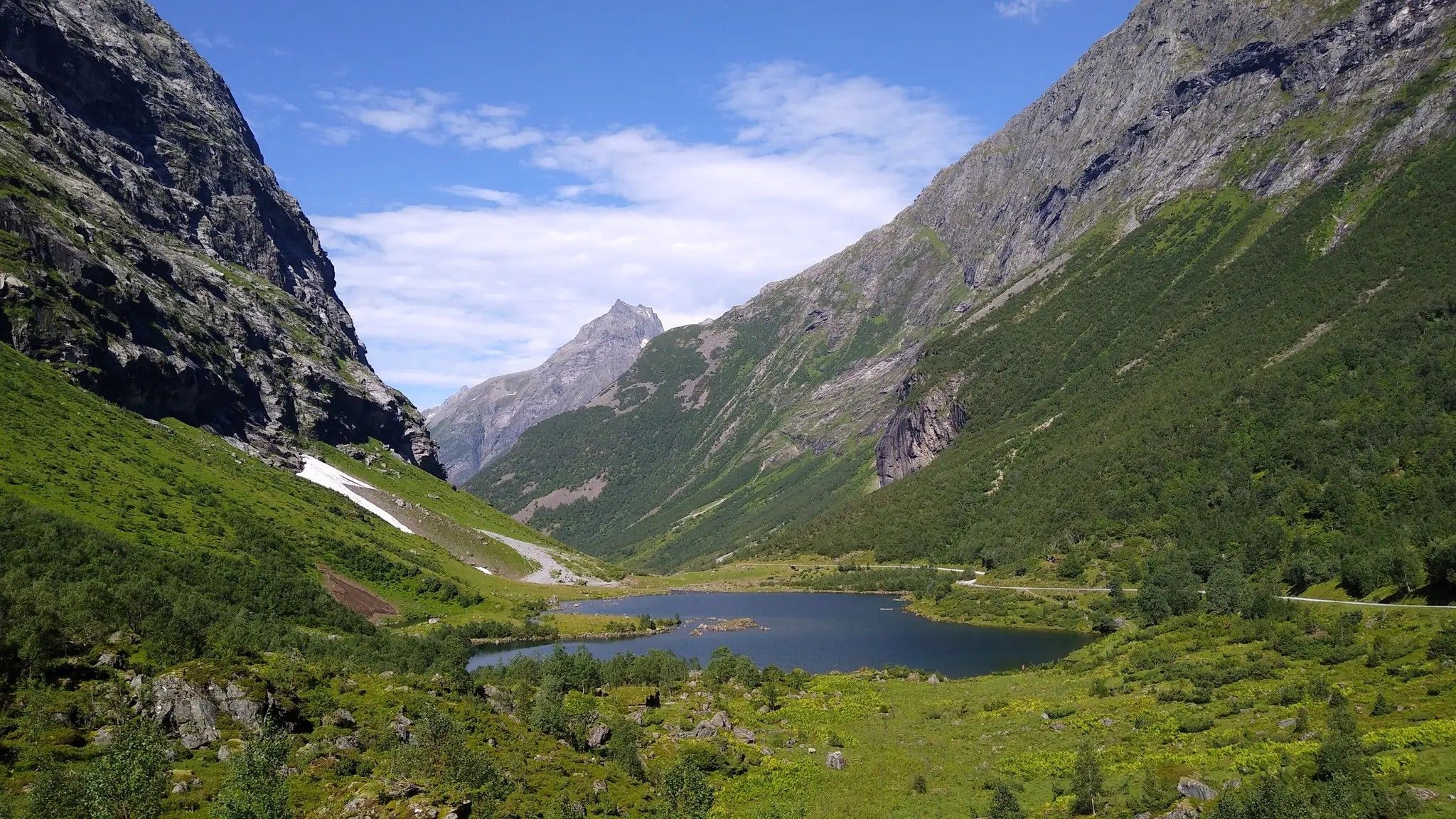
Hjørundfjorden Rundt — exploring the ancient Sunnmøre Alps
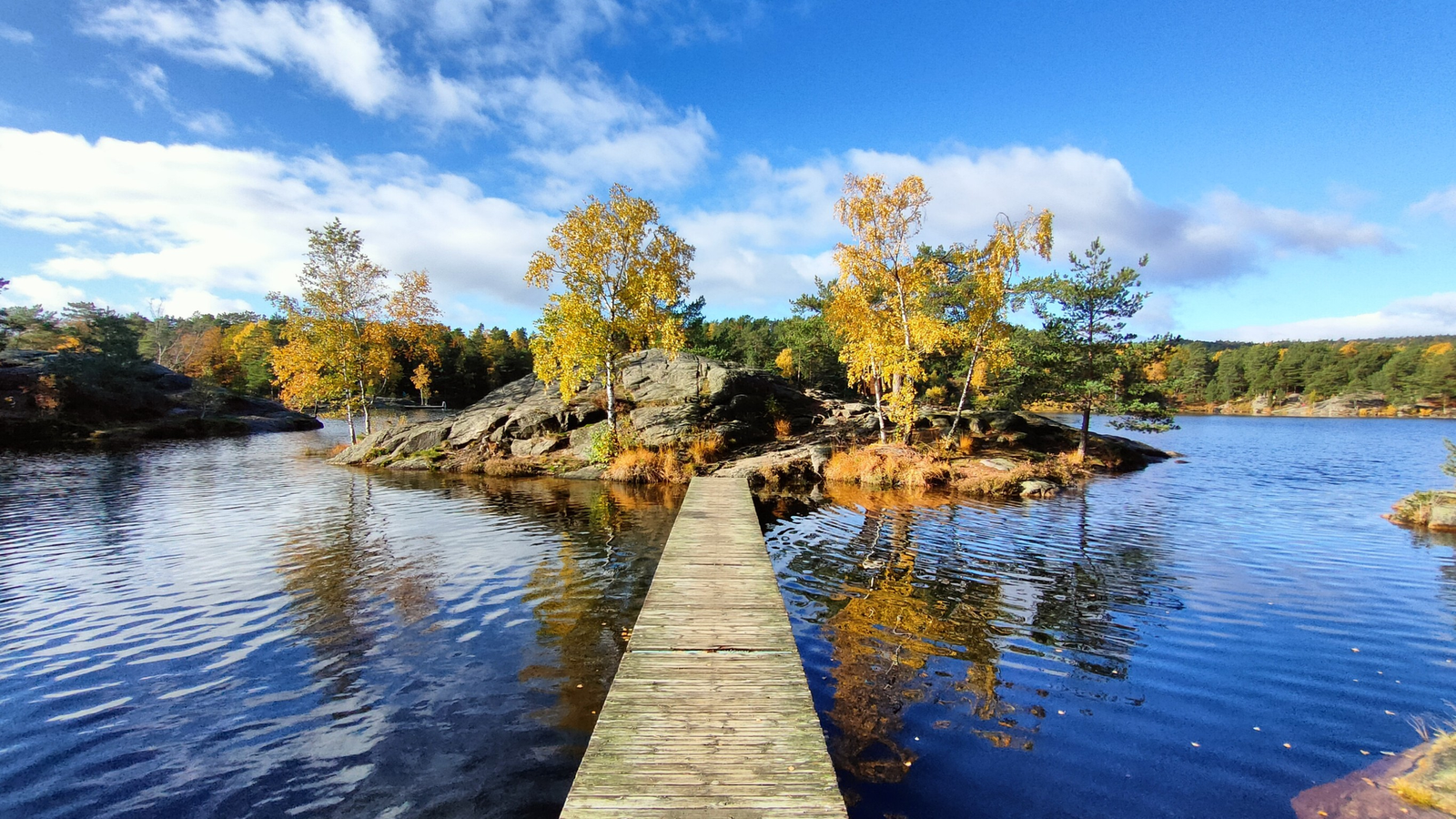
The Child Wanderer Path – Kvinesdal to Landvik
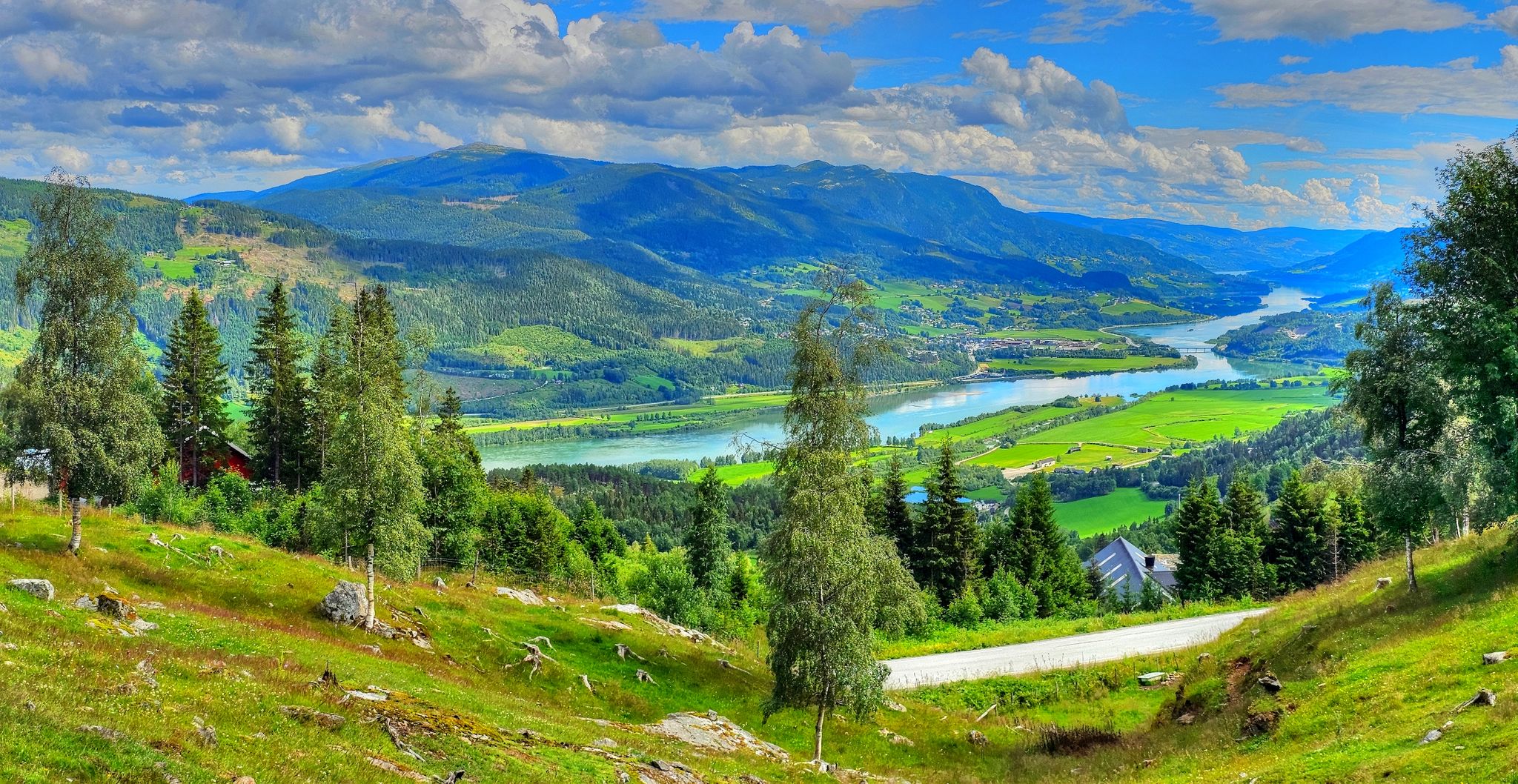
Pilgrim Route – An epic journey across Norway
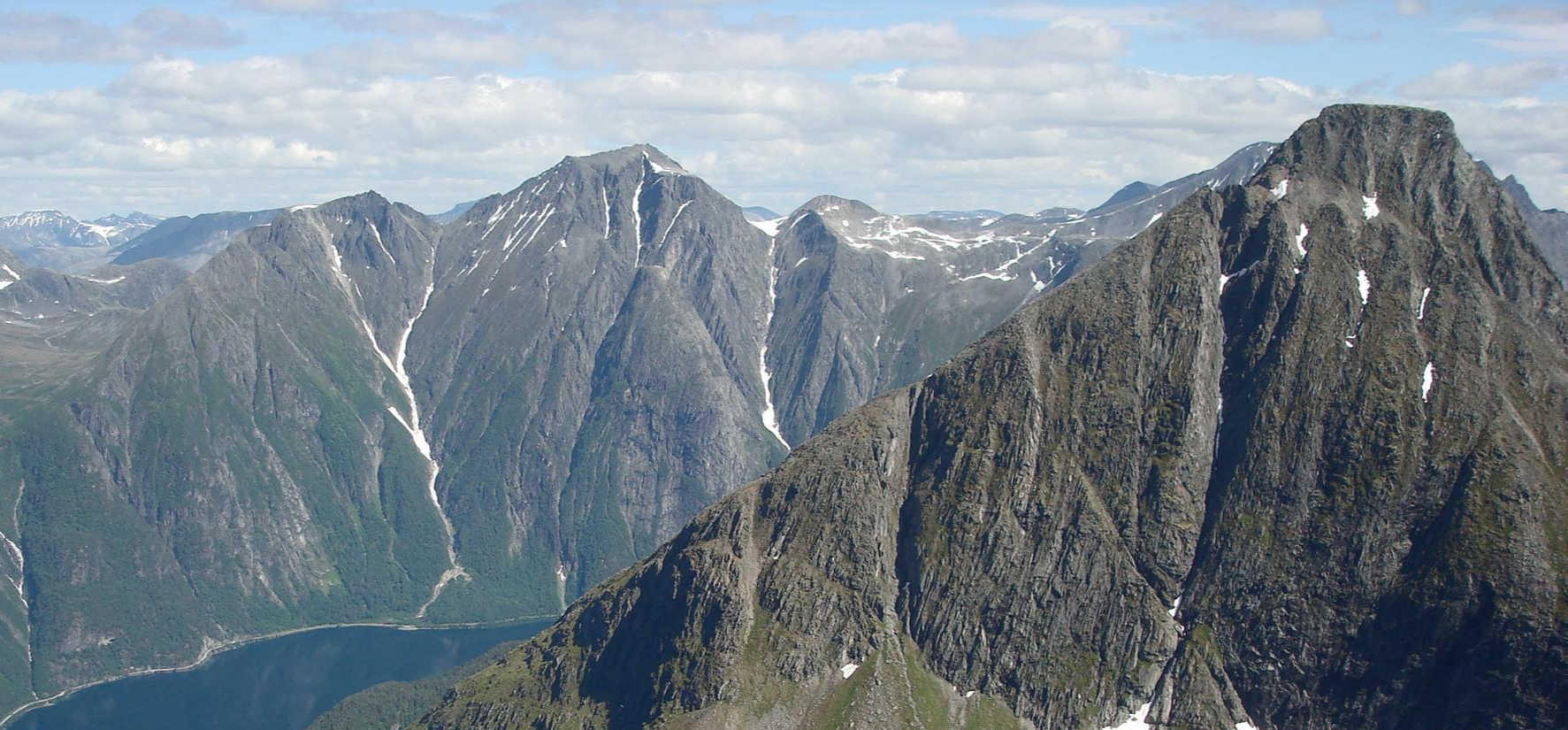
SignaTUR Romsdalstien – From the fjord to majestic mountains
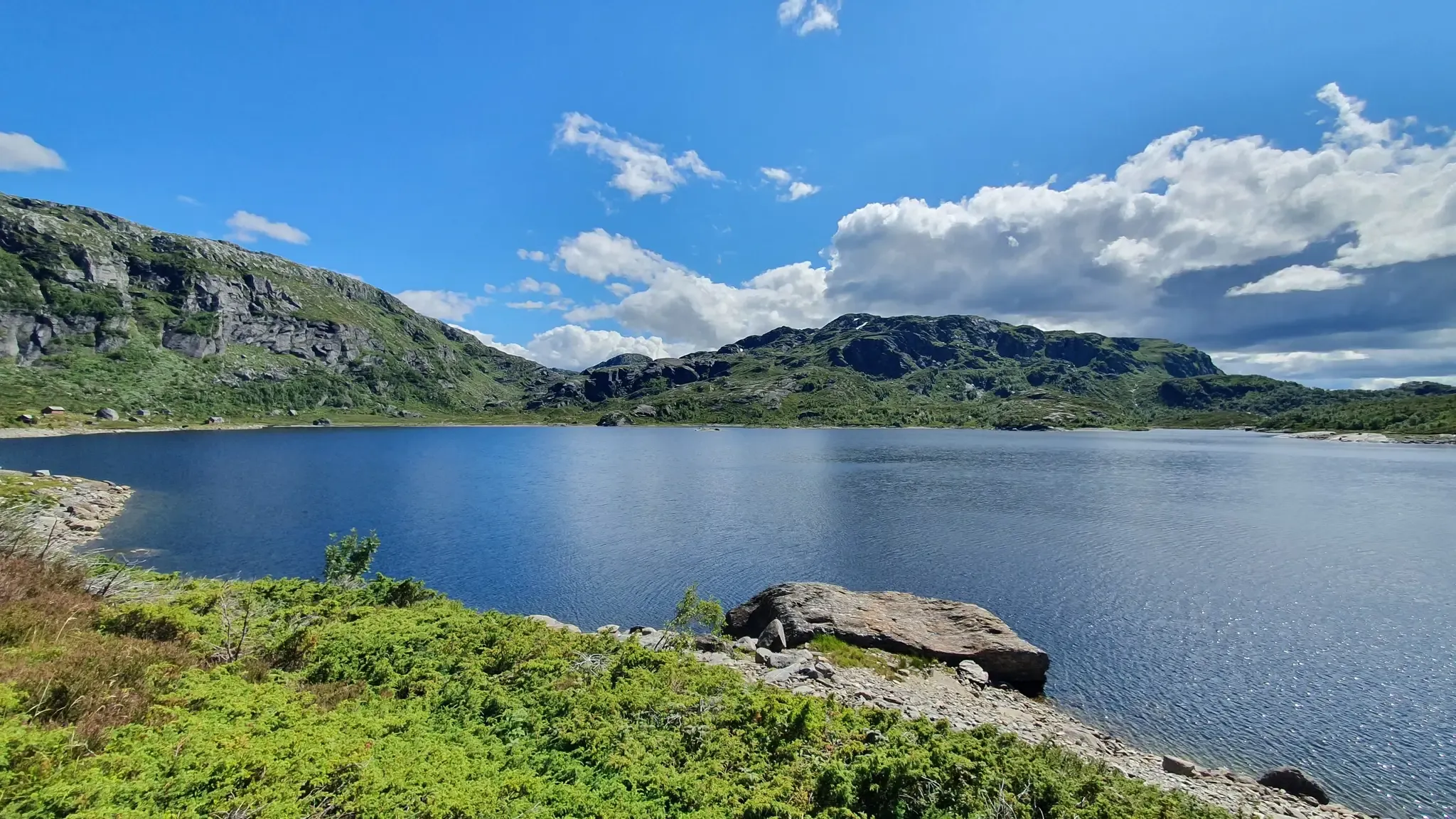
SignaTUR Gullruta i Etnefjellene – Trekking Norway's Golden Route
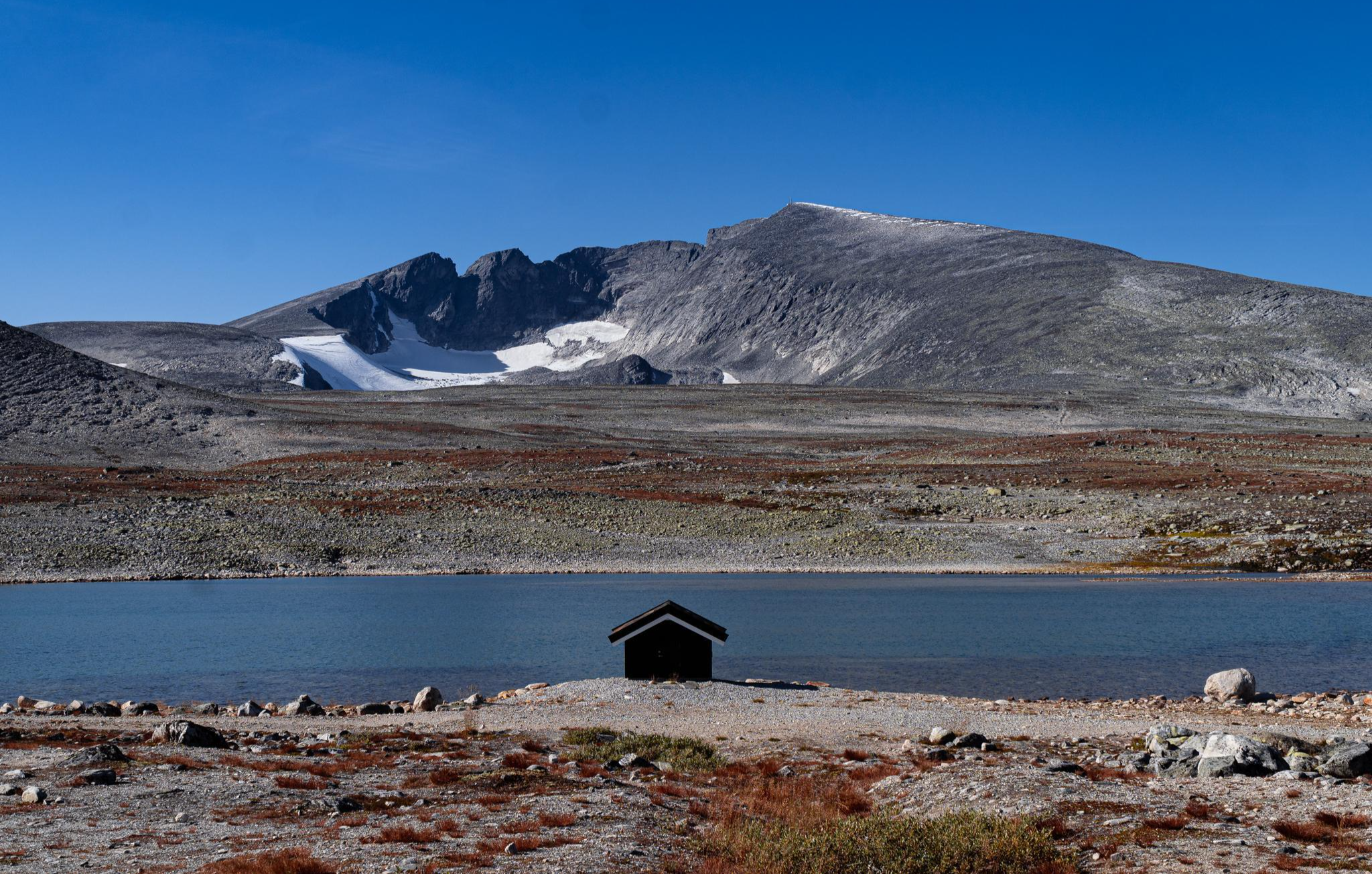
SignaTUR SAGA – Reindeer, wild trails and mighty peaks
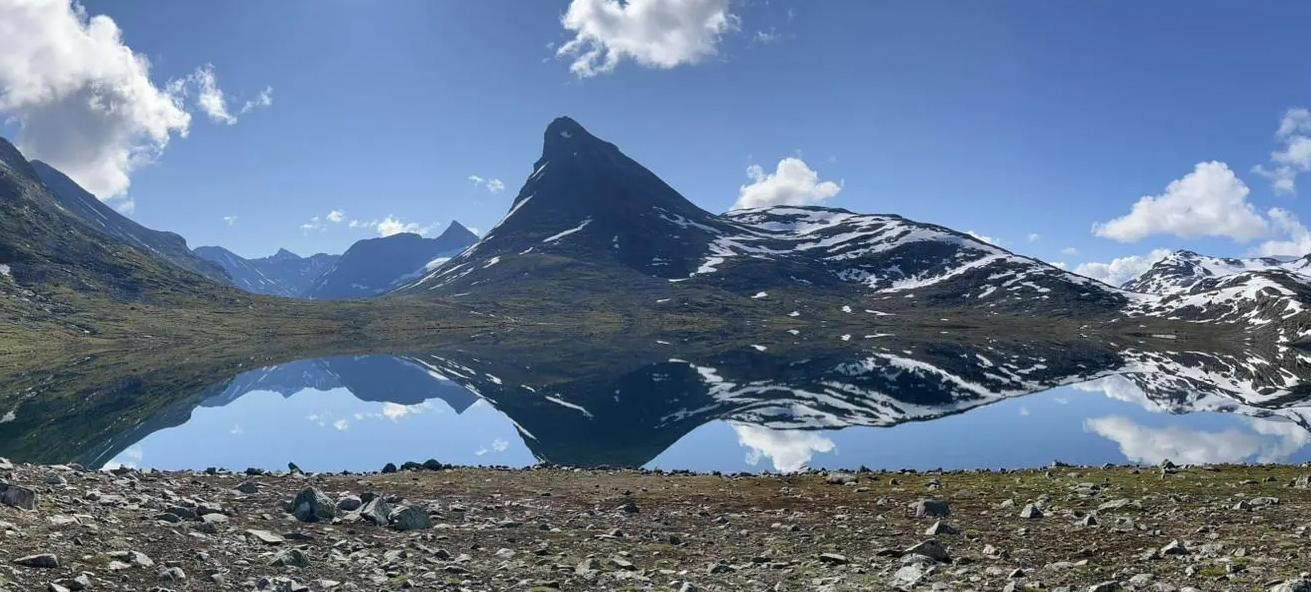
SignaTUR Omveien – Vast wilds, epic peaks and deep valleys
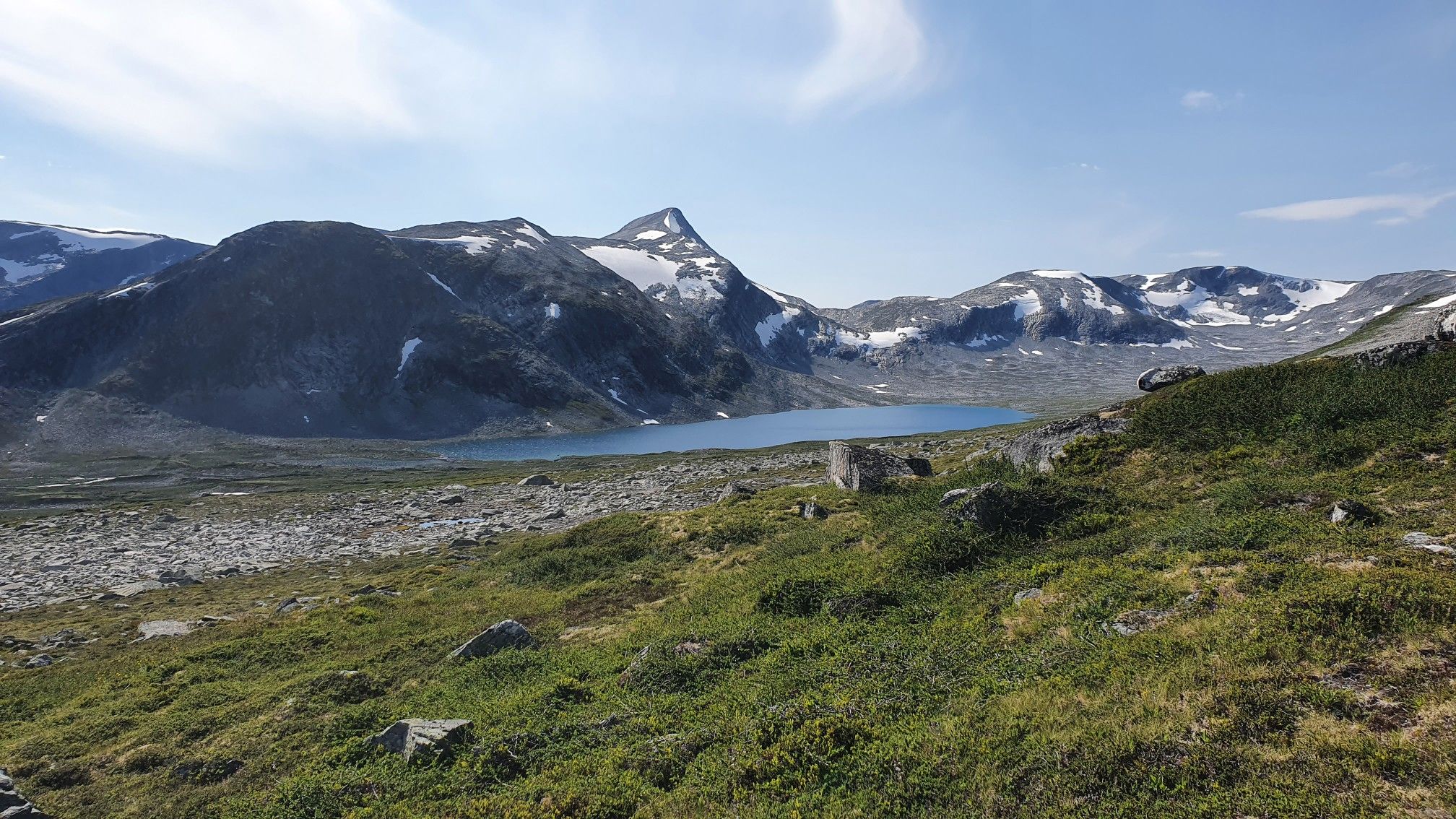
SignaTUR i Tafjordfjella – Into Møre og Romsdal's mountainous wilds
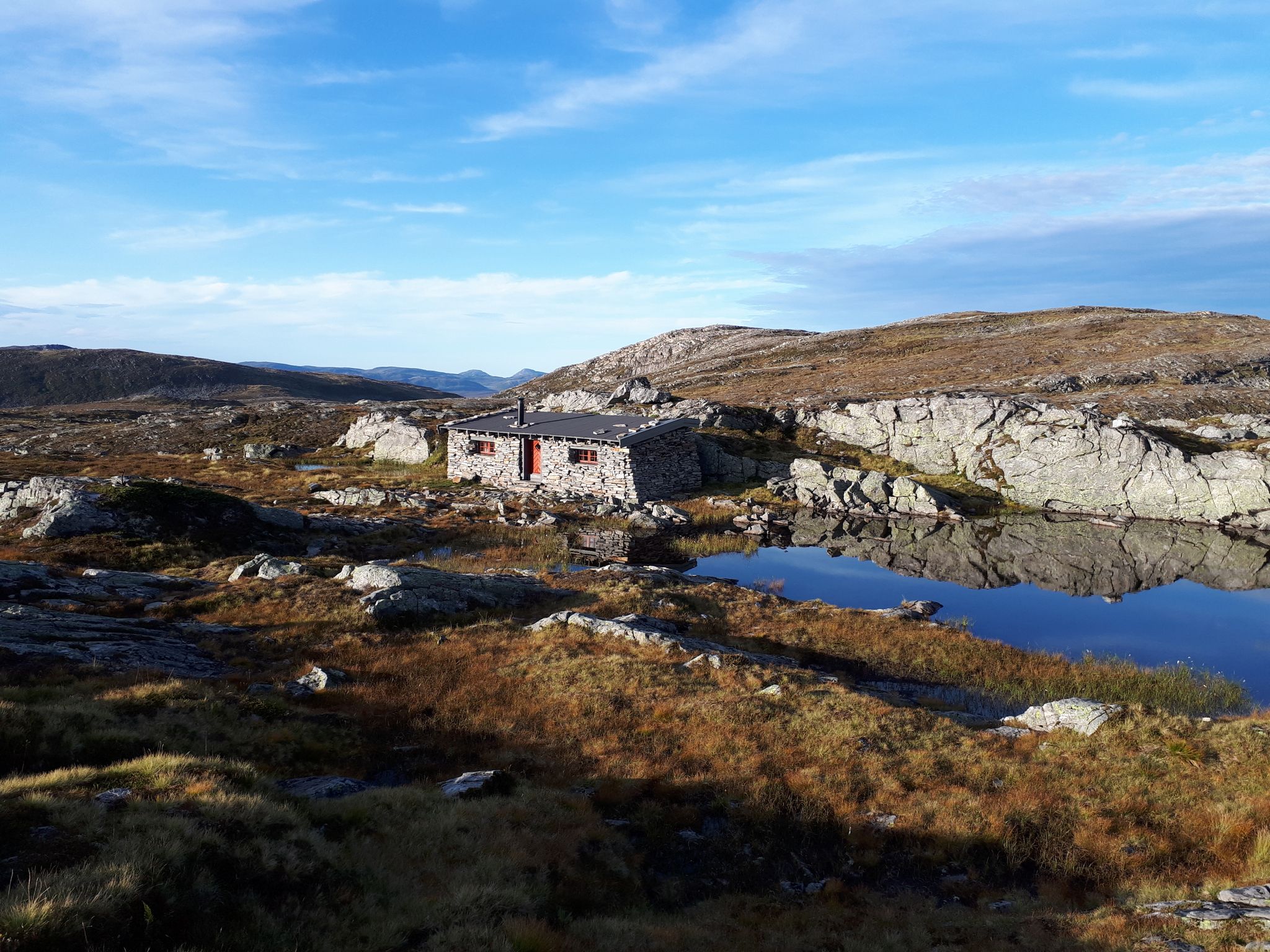
SignaTUR Fjordruta – Where sky, sea, fjords and mountains meet
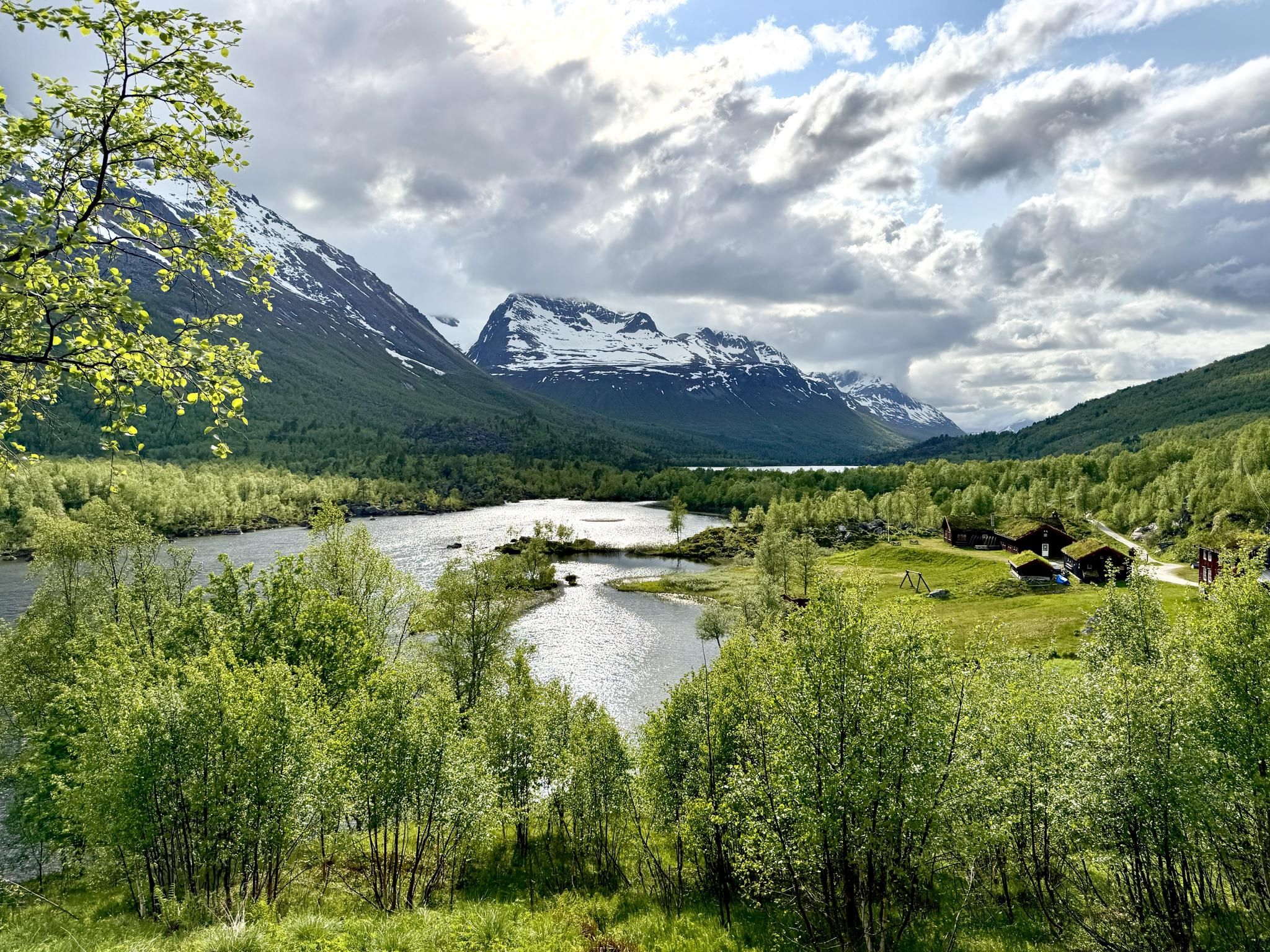
SignaTUR Trollheimen – Discover the mountainous 'home of the trolls'
Other adventures in the Jotunheimen Mountains


Tips from the Community

Historical Sights Bryggen: This UNESCO World Heritage Site is the city's oldest merchant quarter and was once a center of trade between Norway and Europe. Hanseatic Museum: This museum in the heart of Bryggen showcases the history of Hanseatic trade and offers insights into the old trading houses. Bergenhus Fortress: Visit the medieval Håkonshall and Rosenkrantz Tower on this historic site.
1
0
In Bergen, Norway, you can take a 1.5-hour cruise on a traditional Viking-style ship. Starting at Dreggekaien next to Bryggen, the tour offers a sailing experience on a replica square-rigged, clinker-built ship, providing insight into Norwegian maritime history. You can participate in the sailing or relax, and the route is determined by wind conditions.
1
0
Is Bergen the rainiest city in the world? Bergen in the rain: 9 things to do in Norway's rainiest city. It rains around 248 days a year in Bergen. No wonder Norwegians jokingly call the country's rainiest city the "long-distance swimmer" or "rain capital."
1
0
Bergenhus Fortress is one of the oldest and best-preserved fortifications in Norway. The fortress has a long history as a royal seat, bishopric, and military center of power.
1
0

Håkon's Hall was built by King Håkon Håkonsson between 1247 and 1261 as the largest and most magnificent building in the royal palace in Bergen, the then political center of Norway. Håkon's Hall is Bergen's medieval palace and the king's reception hall. It is open only for exclusive banquets and parties. Opening hours can be found online.
0
0

Akershus Fortress is a castle built to protect Oslo between the late 13th and early 14th centuries. It also served as a prison until World War II, during which the castle was used to detain patriots and members of the Norwegian resistance.
1
0

Håkon's Hall was built by King Håkon Håkonsson between 1247 and 1261. According to tradition, it was first used on September 11, 1261, for the wedding of his son, later known as Magnus Lagabøte, to the Danish Princess Ingeborg Eriksdatter. During this period, the hall was primarily used as a royal residence and banqueting hall. The building was in a very dilapidated state during the Middle Ages and was used as a granary from 1683 onwards. Source: Wikipedia
0
0

It is an exceptionally well-maintained and beautiful fort. There are old cannons in various places. Don't forget to admire the handles (with elephant image). It is best to go there at the end of the day before sunset (nice light and less tourists)
0
0
Frequently Asked Questions
What kind of 'castles' can I expect to find in the Jotunheimen Mountains?
In the Jotunheimen Mountains, 'castles' refer to historic mountain lodges and tourist cabins rather than traditional fortresses. These establishments, many dating back to the late 19th century, are culturally significant hubs for explorers and hikers, offering unique historical experiences amidst the natural landscape.
Which are the most notable historic mountain lodges to visit in Jotunheimen?
Some of the most notable historic mountain lodges include Gjendebu, the oldest tourist cabin in the DNT network; Memurubu, located at the foot of the famous Besseggen ridge; Fondsbu in Eidsbugarden; and Gjendesheim, a central hub for many popular hikes. For a more luxurious experience, Hindsæter Hotel offers a historic ambiance.
Are there any family-friendly historical sites or lodges in Jotunheimen?
Yes, many of the historic mountain lodges are family-friendly. They provide a comfortable base for exploring the surrounding nature, and some, like Memurubu, offer private rooms and restaurants. The experience of reaching lodges like Gjendebu by foot or boat can also be an adventure for families.
What is the best time of year to explore these historical lodges and the surrounding nature?
The best time to visit is typically during the summer months (June to September) when hiking trails are most accessible and the lodges are fully operational. Winter access can be challenging, with many areas only suitable for experienced winter trekkers.
What outdoor activities can I do near these historic lodges?
The lodges serve as excellent starting points for various outdoor activities. You can embark on hiking trails of varying difficulty, including iconic routes like the Besseggen ridge near Memurubu and Gjendesheim. Some areas also offer opportunities for cycling.
How accessible are these mountain lodges, and do they have parking?
Accessibility varies. Some lodges, like Gjendebu, are only accessible by foot or boat, offering a truly secluded experience. Others, such as Memurubu and Gjendesheim, are often reached via boat transport across Lake Gjende, or by road to nearby starting points. Parking availability depends on the specific lodge and its location within the national park.
What kind of historical insights do these mountain lodges offer?
These lodges provide a glimpse into the early days of Norwegian mountaineering and tourism. Gjendebu, for instance, has been operating for almost 150 years, reflecting the history of the Norwegian Trekking Association. Fondsbu is located in Eidsbugarden, a site with recreational hut history dating back to 1868, linked to poet Aasmund Olavson Vinje.
Are there any advanced hiking routes to historical sites or high peaks from these lodges?
Yes, lodges like Spiterstulen are excellent bases for challenging mountain expeditions, including ascents of Glittertind or Galdhøpiggen, Norway's highest peak. Gjendesheim and Memurubu are popular starting points for the demanding Besseggen ridge hike.
Can I find cafes or restaurants near these historical landmarks?
Many of the mountain lodges themselves offer dining facilities, serving meals often made from local ingredients. For example, Memurubu has a restaurant, and Hindsæter Hotel features old dining rooms. These lodges serve as vital hubs for food and rest in the mountains.
What makes the historical structures in Jotunheimen unique compared to other regions?
The uniqueness lies in their integration with the wild, high-mountain environment. Unlike traditional castles, these structures are historic mountain lodges and cabins, built to provide refuge and hospitality in a challenging landscape. They are integral to the cultural and historical fabric of the national park, reflecting the spirit of Norwegian outdoor life and early tourism.
Are there opportunities for wild swimming near these historic lodges?
The Jotunheimen region is known for its numerous lakes and rivers, including Lake Gjende, where lodges like Gjendebu, Memurubu, and Gjendesheim are situated. While specific designated wild swimming spots near each lodge might vary, the natural environment certainly offers opportunities for refreshing dips in pristine mountain waters, especially during warmer months.
What should I wear for historical hikes in the Jotunheimen Mountains?
Given the mountain environment, it's crucial to dress in layers. Waterproof and windproof outer layers are essential, along with warm mid-layers and moisture-wicking base layers. Sturdy hiking boots are a must, and always be prepared for sudden weather changes, even in summer.
Most popular routes in the Jotunheimen Mountains
Most popular attractions in the Jotunheimen Mountains

Get inspired with the komoot mobile app


Explore more
Looking for the best castles somewhere else? Discover other guides in the Jotunheimen Mountains:
