Top 20 Caves in the Jotunheimen Mountains
Caves in the Jotunheimen Mountains offer unique subterranean experiences within a region known for its majestic peaks and diverse landscapes. While traditional limestone caves are less common due to the area's geology, visitors can explore notable marble caves and impressive ice formations. The region's geological composition provides a variety of underground features, from natural formations to hand-carved ice tunnels. These natural features contribute to the Jotunheimen Mountains' reputation as a significant natural landscape.
Best caves in the Jotunheimen Mountains
- The…
Last updated: May 15, 2026
Trollkyrka - First Cave with underground waterfall
Highlight • Cave
Be sure to pack warm clothing and a flashlight to enter the cave.
Surefootedness Required!!
Translated by Google •
Tip by

Brufjell Caves
Highlight • Cave
Translated by Google •
Tip by

Sign up now to discover places like this
Get recommendations on the best single tracks, peaks, & plenty of other exciting outdoor places.
Sign up for free
Trollholene Caves
Highlight • Cave
The first service was held here in 1911. A large number of people rowed to the lakeshore for this service.
Then there was a break in service …
Translated by Google •
Tip by

Trollkyrkja - Third Cave Entrance and Waterfall
Highlight • Cave
Translated by Google •
Tip by

Waterfalls on the Trail to Trollkirka
Highlight • Waterfall
Translated by Google •
Tip by
River Cave at Flåm Railway
Highlight • Cave
Translated by Google •
Tip by
Trollkirka Waterfall and Cave
Highlight • Cave
Translated by Google •
Tip by

Trollkirka Information Board
Highlight • Rest Area
Translated by Google •
Tip by

Bremsneshula Cave
Highlight • Cave
Translated by Google •
Tip by
Olavsklemma Cave
Highlight • Cave
Tip by

Sign up for free to discover even more caves in the Jotunheimen Mountains.
Sign up for free
Already have an account?
Start today with a free account
Your next adventure awaits.
Login or Signup
Popular around Jotunheimen Mountains
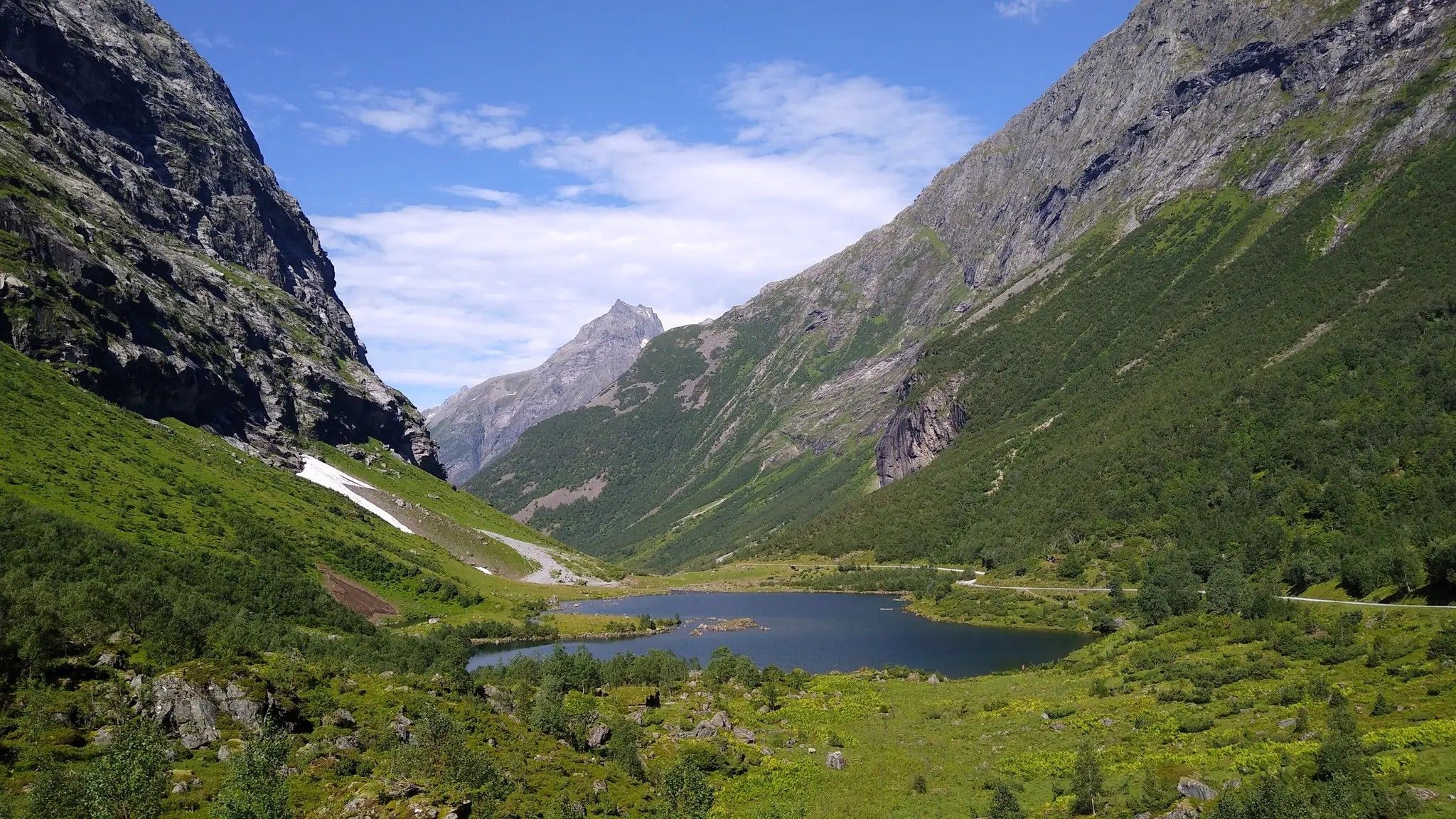
Hjørundfjorden Rundt — exploring the ancient Sunnmøre Alps
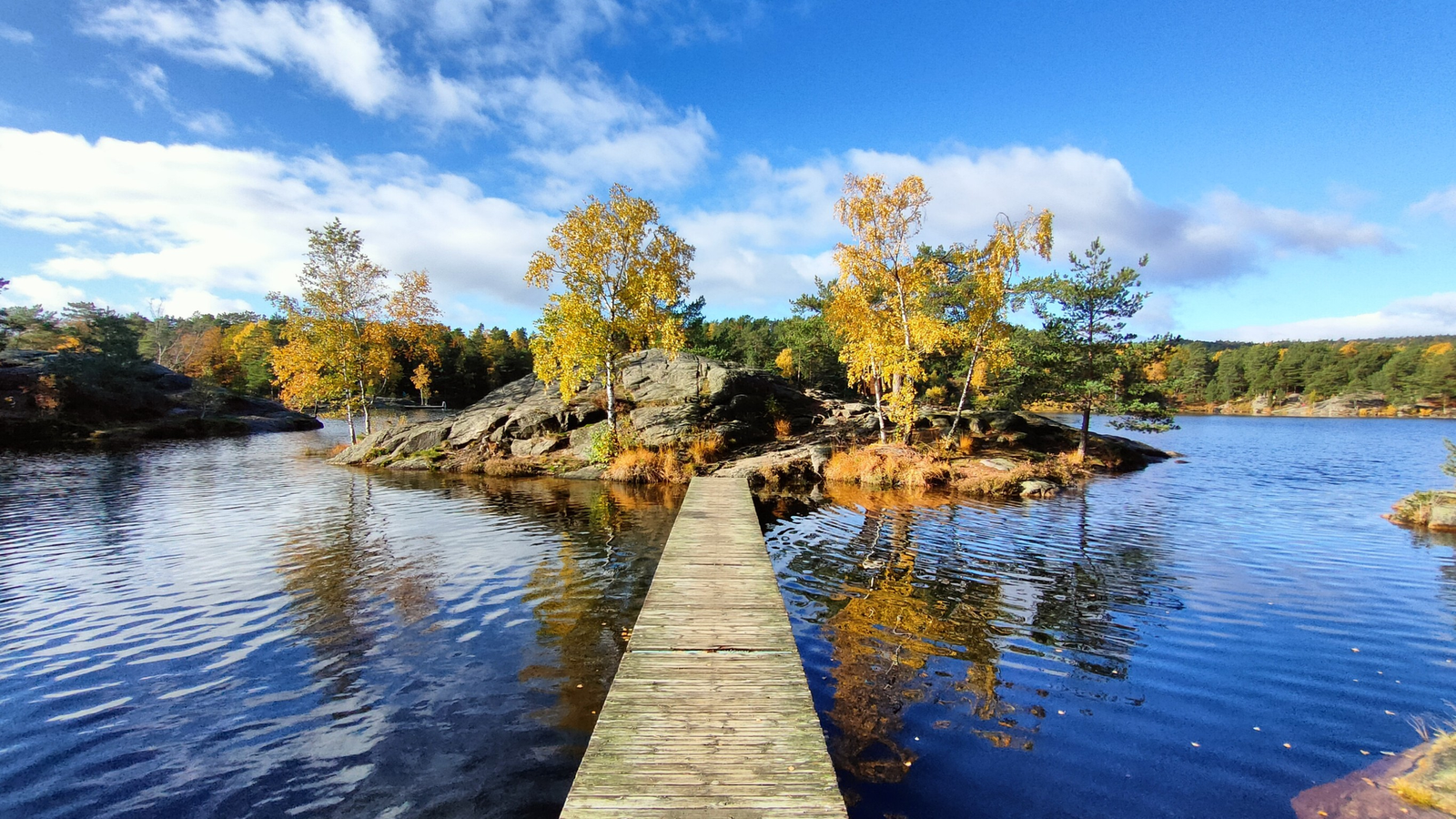
The Child Wanderer Path – Kvinesdal to Landvik
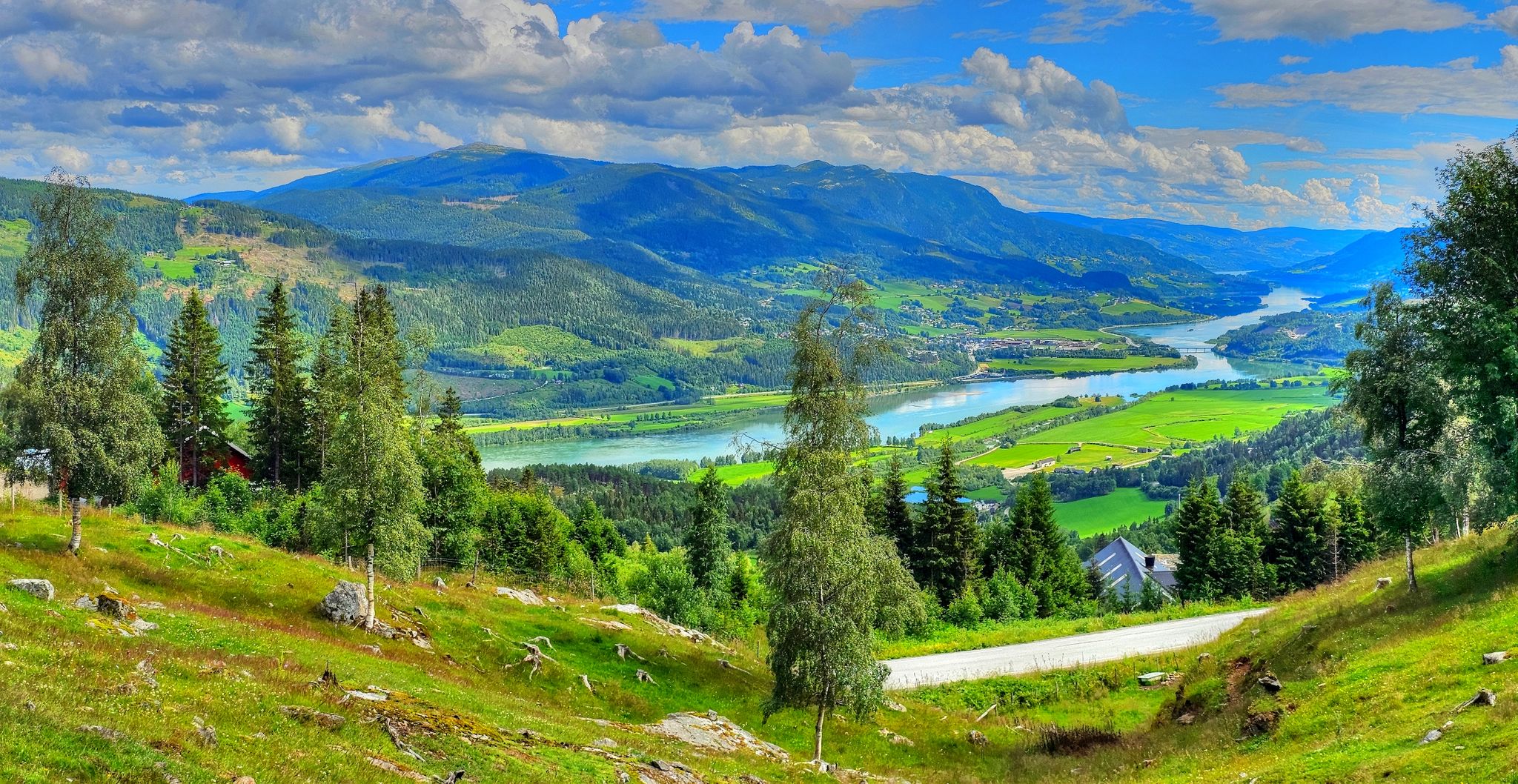
Pilgrim Route – An epic journey across Norway
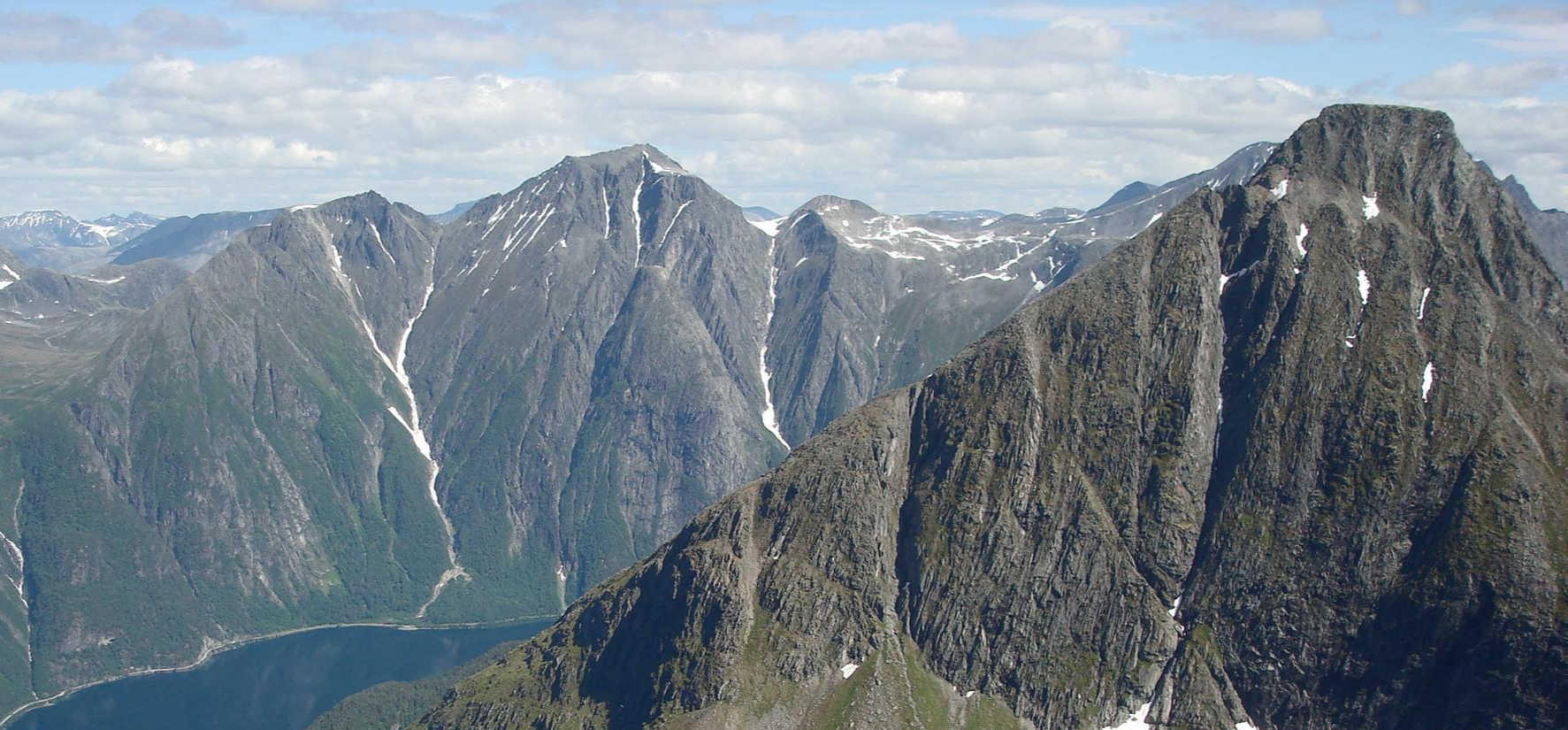
SignaTUR Romsdalstien – From the fjord to majestic mountains
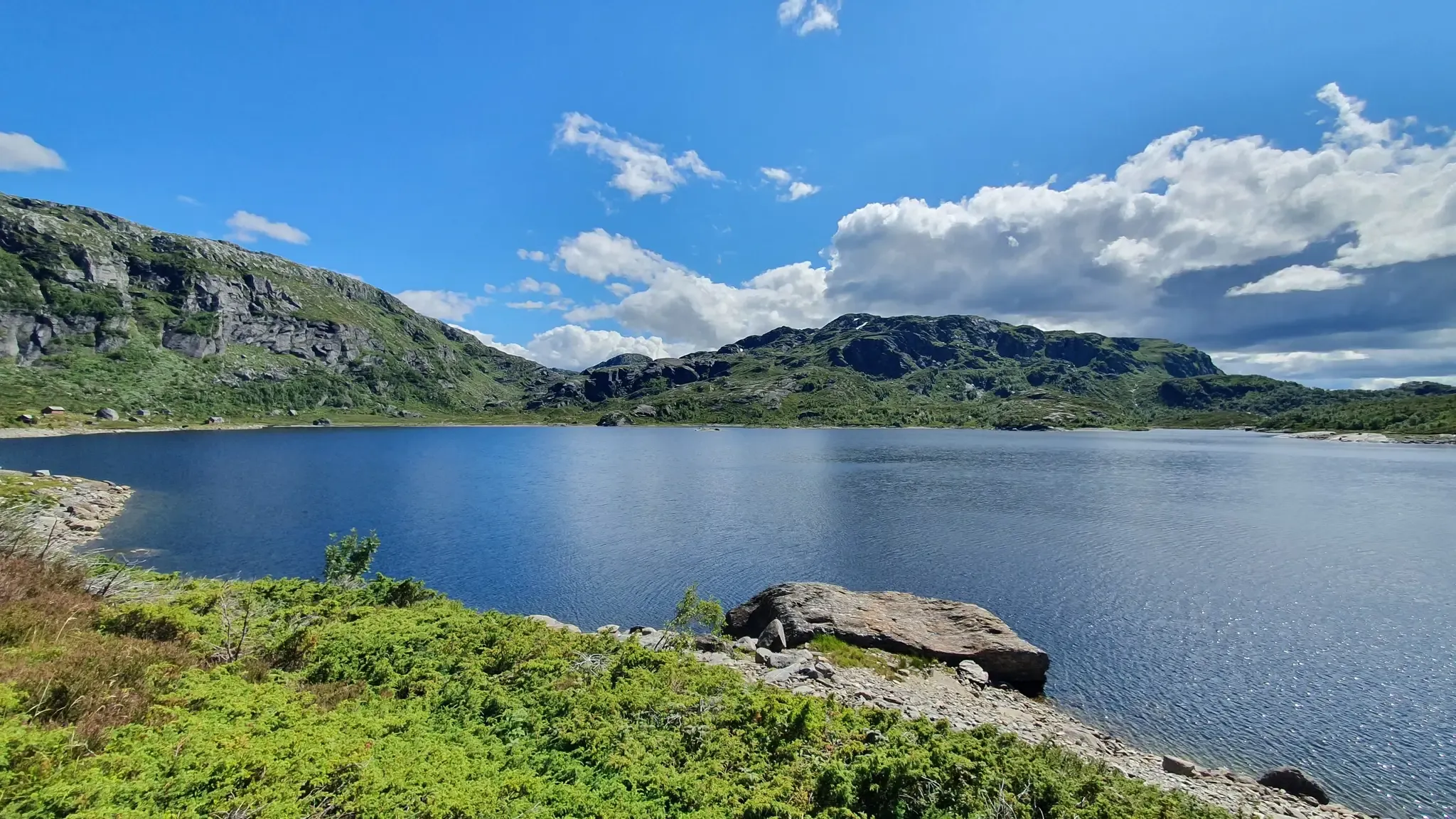
SignaTUR Gullruta i Etnefjellene – Trekking Norway's Golden Route
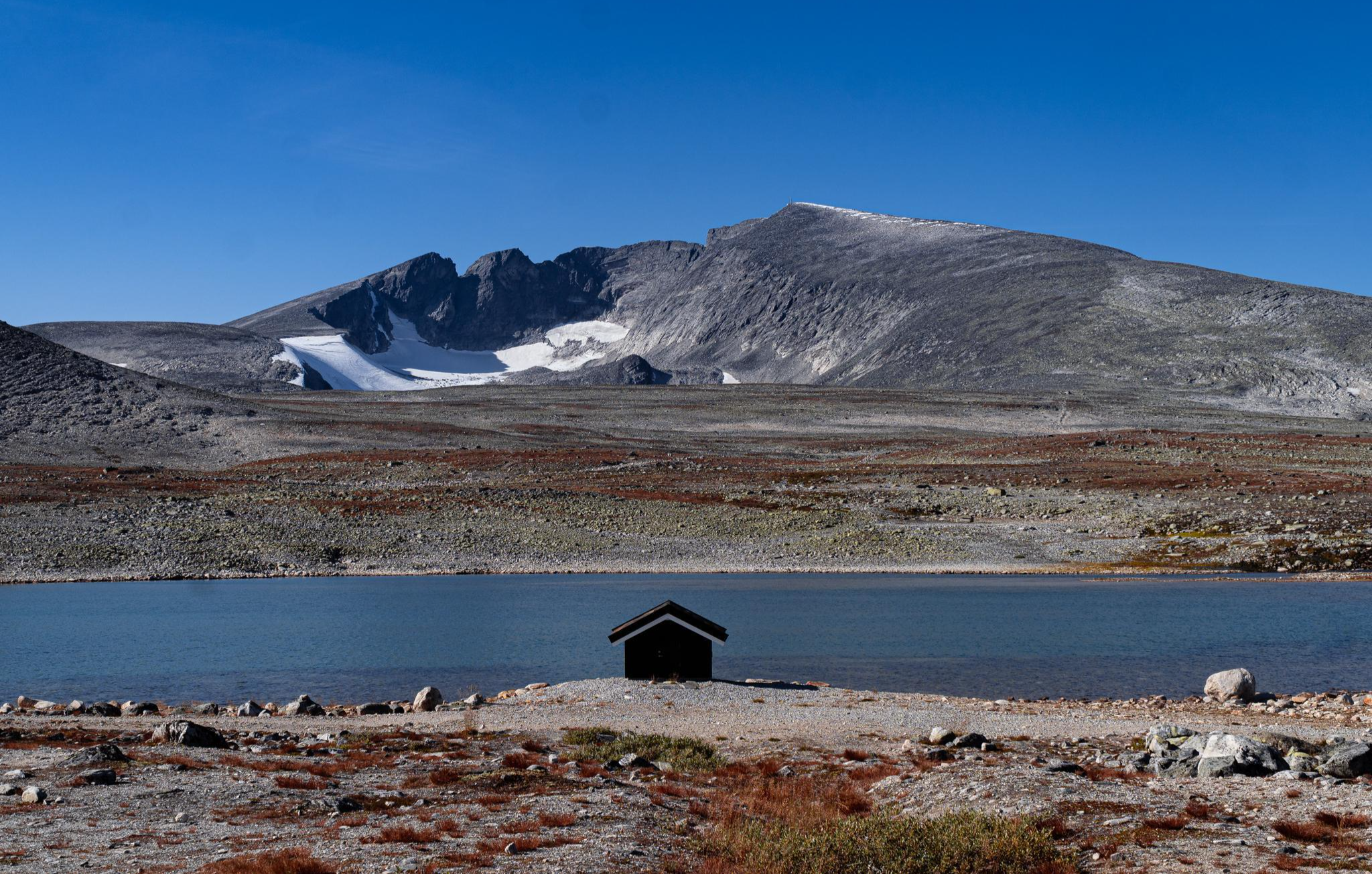
SignaTUR SAGA – Reindeer, wild trails and mighty peaks
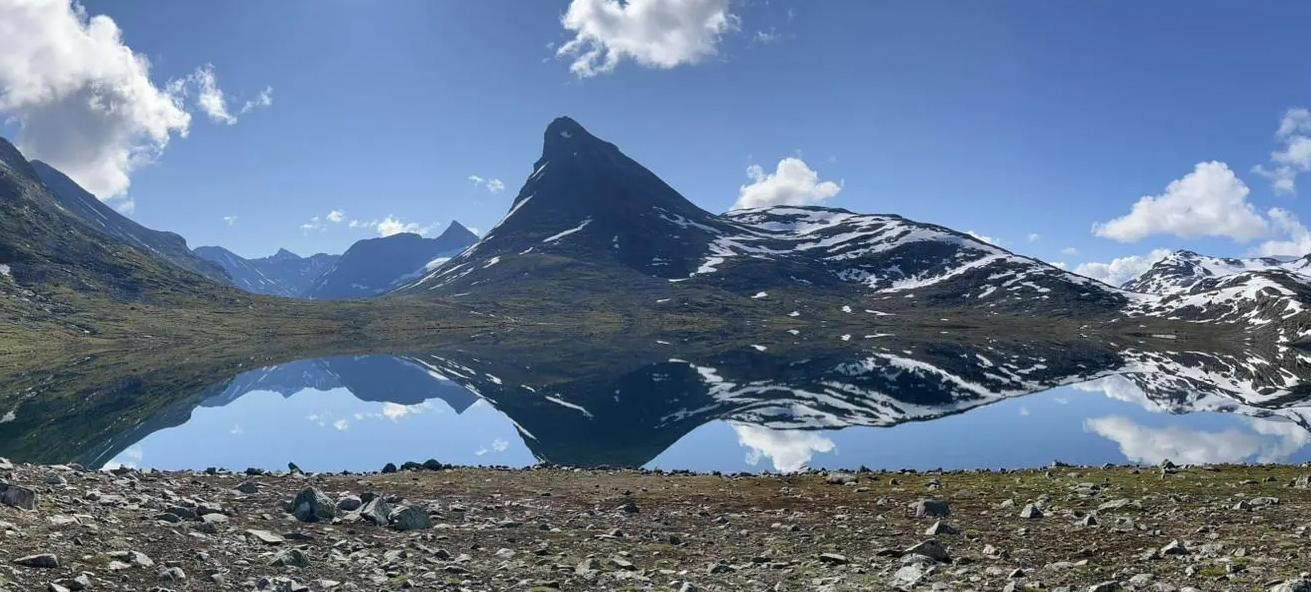
SignaTUR Omveien – Vast wilds, epic peaks and deep valleys
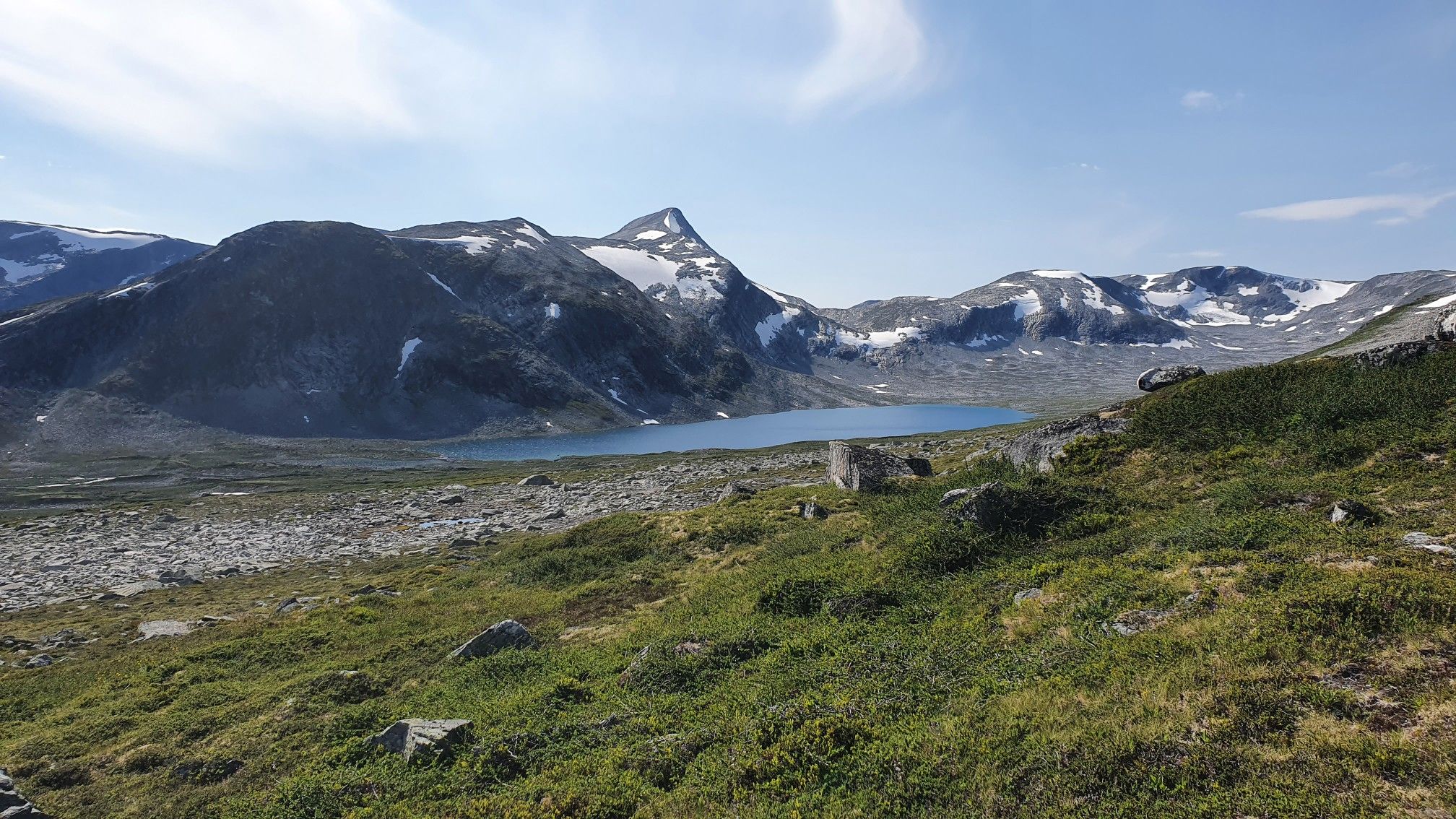
SignaTUR i Tafjordfjella – Into Møre og Romsdal's mountainous wilds
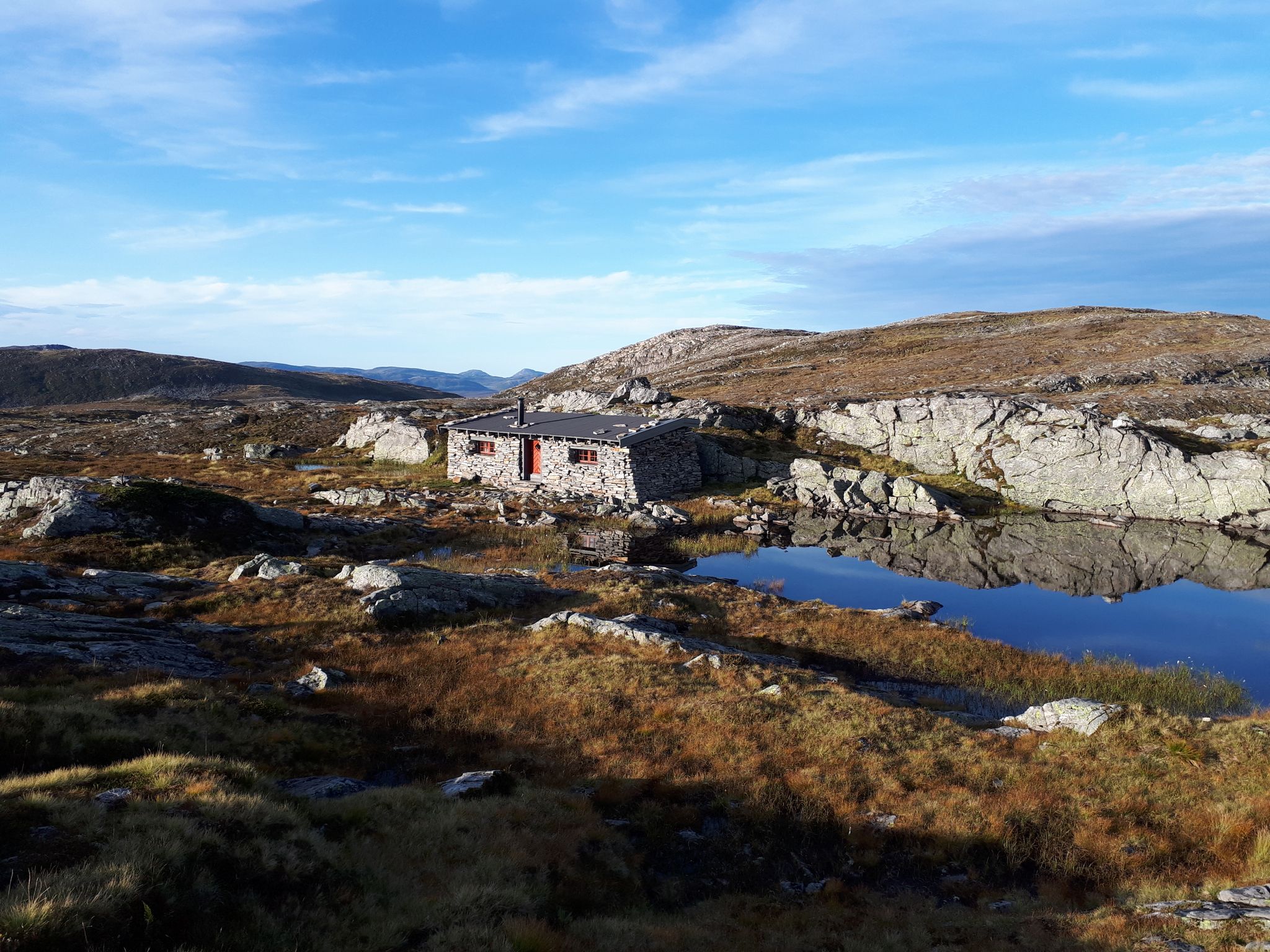
SignaTUR Fjordruta – Where sky, sea, fjords and mountains meet
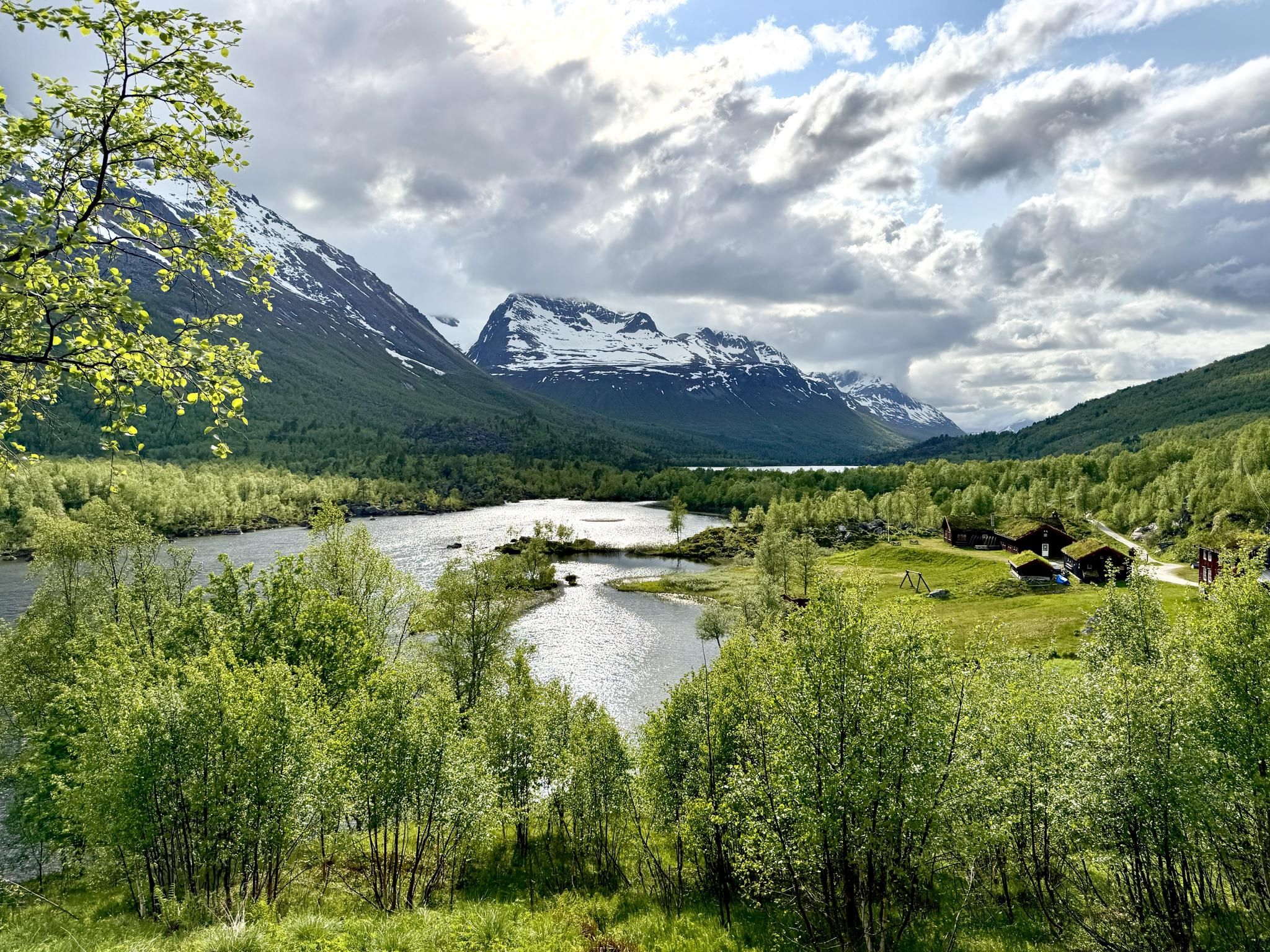
SignaTUR Trollheimen – Discover the mountainous 'home of the trolls'
Other adventures in the Jotunheimen Mountains


Tips from the Community

Here, too, one can see the enormous power of water.
0
0

Olavsklemma is a natural rock formation featuring a deep hollow or pothole, but also a historical site where Germans built a cave for ammunition storage during World War II, located near the Kongevegen (King's Road).
1
0

Take water with you for the journey!
0
1

Don't make the mistake of letting the entrance scare you off. It's worth it :)
0
0

On the way through the cave to the waterfall, you'll need a flashlight—your cell phone's if necessary, but a proper flashlight is better. The cave curves around several times. There's a high risk of twisting your ankle on the scree in the dark.
0
0

Hard to find if you don't know your way around.
0
1
Frequently Asked Questions
What types of caves can I explore in the Jotunheimen Mountains?
The Jotunheimen Mountains offer a variety of underground experiences. You can explore natural marble caves, such as those found in the Dumma valley (Dumdalen), and unique hand-carved ice formations like the ice tunnel at Klimapark 2469. The region also features rock shelters known as 'heller', which have historical significance.
Are there any ice caves or tunnels in the Jotunheimen Mountains?
Yes, the ice tunnel in Klimapark 2469, located near Juvasshytta, is a notable attraction. This hand-carved tunnel offers a unique experience with ice sculptures and guided tours that delve into permafrost, climate change, and local history. Access is only via these guided tours.
Which caves are known for waterfalls or rivers flowing through them?
You can experience caves with impressive water features. Trollkyrka - First Cave with underground waterfall is known for its subterranean waterfall. Similarly, the River Cave at Flåm Railway features a river rushing through the rock, showcasing incredible amounts of water.
What should I know before visiting Trollkyrka caves?
The Trollkyrka caves, including the First Cave with underground waterfall and the Trollkirka Waterfall and Cave, require sure-footedness due to wet and muddy conditions. A headlamp or flashlight is highly recommended for exploration, and the path to the caves can involve a strenuous climb. Warm clothing is also advisable.
Are there any historical caves or rock shelters in the region?
Yes, the Jotunheimen Mountains are home to rock shelters known as 'heller', which hold cultural historical significance as traditional overnighting places or refuges for herders. Additionally, Trollholene Caves are categorized as an intermediate historical site.
What are the geological characteristics of caves in Jotunheimen?
Due to the region's geology, traditional limestone caves are less common. Instead, Jotunheimen features notable marble caves, particularly in the Dumma valley (Dumdalen), and unique ice formations like the hand-carved ice tunnel at Klimapark 2469, which offers insights into permafrost and ancient ice.
What outdoor activities can I combine with a cave visit in Jotunheimen?
The Jotunheimen Mountains offer extensive opportunities for outdoor activities. You can find numerous hiking trails, including challenging routes like Preikestolen Roundtrip or easier options like Up to Briksdalsbreen glacier. There are also dedicated waterfall hikes and gravel biking routes available in the region.
Is Bremsneshula Cave worth visiting?
Yes, Bremsneshula Cave is Norway's largest grotto, extending over 80 meters. While not very deep, it is notably high and offers an impressive experience. Remember to bring a headlight for exploration.
What is the best time to visit caves in the Jotunheimen Mountains?
The best time to visit will depend on the specific cave and your preferred activity. For ice tunnels like Klimapark 2469, guided tours are available during specific seasons. For natural caves, summer and early autumn generally offer more accessible conditions, though some caves may be wet and muddy year-round. Always check local conditions before planning your trip.
Are there any caves suitable for beginners or those looking for an intermediate challenge?
Yes, while some caves like Trollkyrka are challenging, others offer intermediate experiences. Trollholene Caves and Olavsklemma Cave are both categorized as intermediate. The ice tunnel at Klimapark 2469 is also accessible via guided tours, making it suitable for most visitors.
What do visitors enjoy most about the caves in Jotunheimen?
Visitors frequently appreciate the unique subterranean experiences, from the impressive underground waterfalls in caves like Trollkyrka to the sheer volume of water in the River Cave at Flåm Railway. The geological insights offered by the marble caves and the educational aspect of the Klimapark 2469 ice tunnel are also highly valued.
Most popular routes in the Jotunheimen Mountains
Most popular attractions in the Jotunheimen Mountains

Get inspired with the komoot mobile app


Explore more
Extend your search for the best caves by checking out these guides of the top ones in the Jotunheimen Mountains:
