Top 5 Caves in Naturpark Frankenhöhe
Best caves in Naturpark Frankenhöhe are predominantly man-made structures rather than natural cave systems. This region, located in Bavaria between Rothenburg ob der Tauber, Feuchtwangen, and Ansbach, features a diverse landscape of mixed woodlands, streams, dry biotopes, and vineyards. While the broader Franconian region is known for its natural caves, the "caves" within Naturpark Frankenhöhe often refer to historic rock cellars and former sandstone quarries. These sites offer insights into local history and serve various purposes, including cultural preservation and…
Last updated: July 8, 2026
Fingalshöhle Sandstone Quarry
Highlight • Historical Site
Translated by Google •
Tip by

Historic rock cellars (Felsenkeller) in Naturpark Frankenhöhe
Highlight • Historical Site
Translated by Google •
Tip by

Sign up now to discover places like this
Get recommendations on the best single tracks, peaks, & plenty of other exciting outdoor places.
Sign up for free
Rock Cellar and Bat Habitat Schwarzer Adler
Highlight • Cave
Translated by Google •
Tip by

Felsenkeller Burgbernbach
Highlight • Cave
Translated by Google •
Tip by

Robbers' Cave on Hirschberg
Highlight • Cave
Translated by Google •
Tip by

Start today with a free account
Your next adventure awaits.
Login or Signup
Popular around Naturpark Frankenhöhe
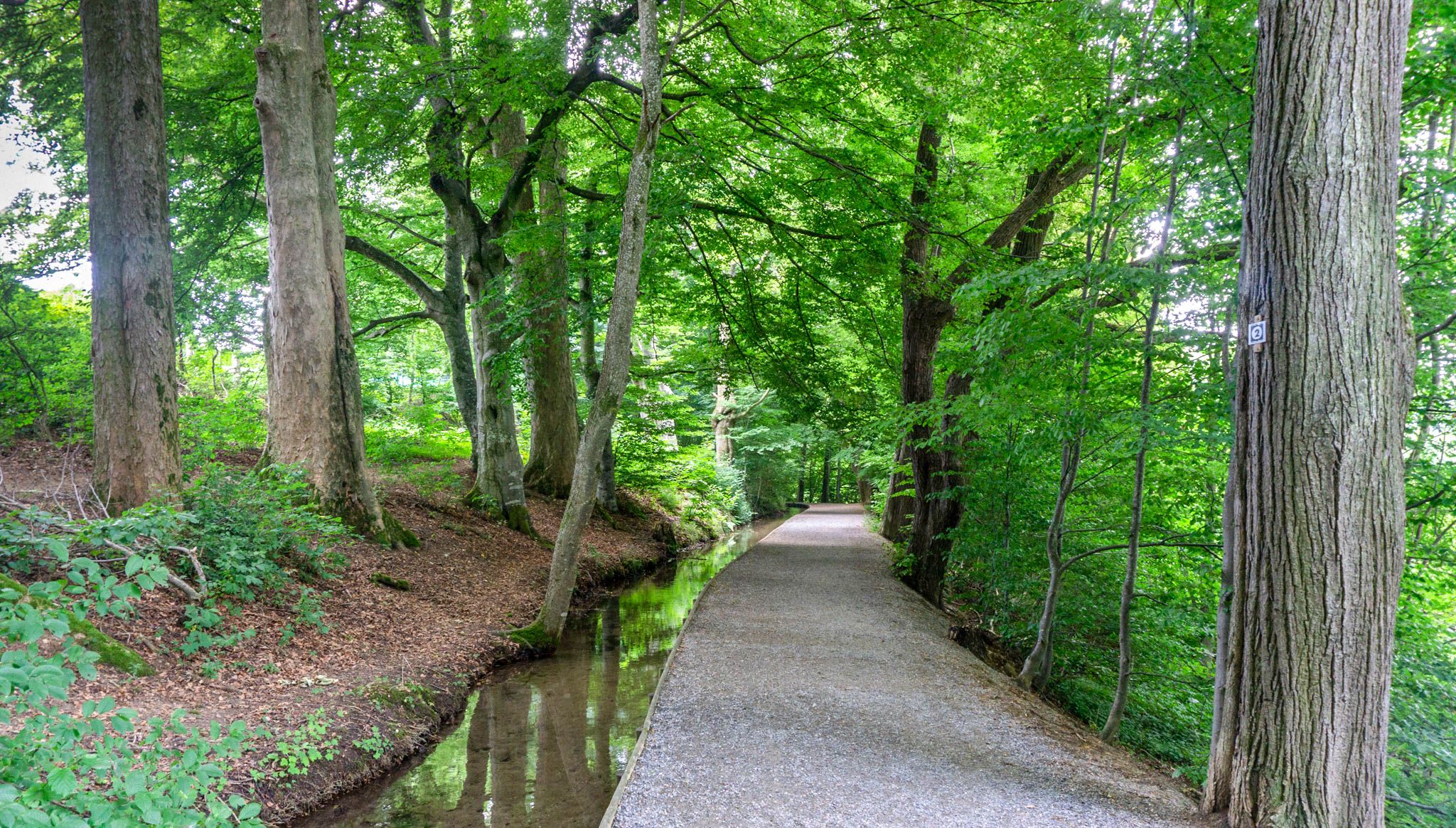
Main-Danube-Lake Constance Trail – Along iconic waters
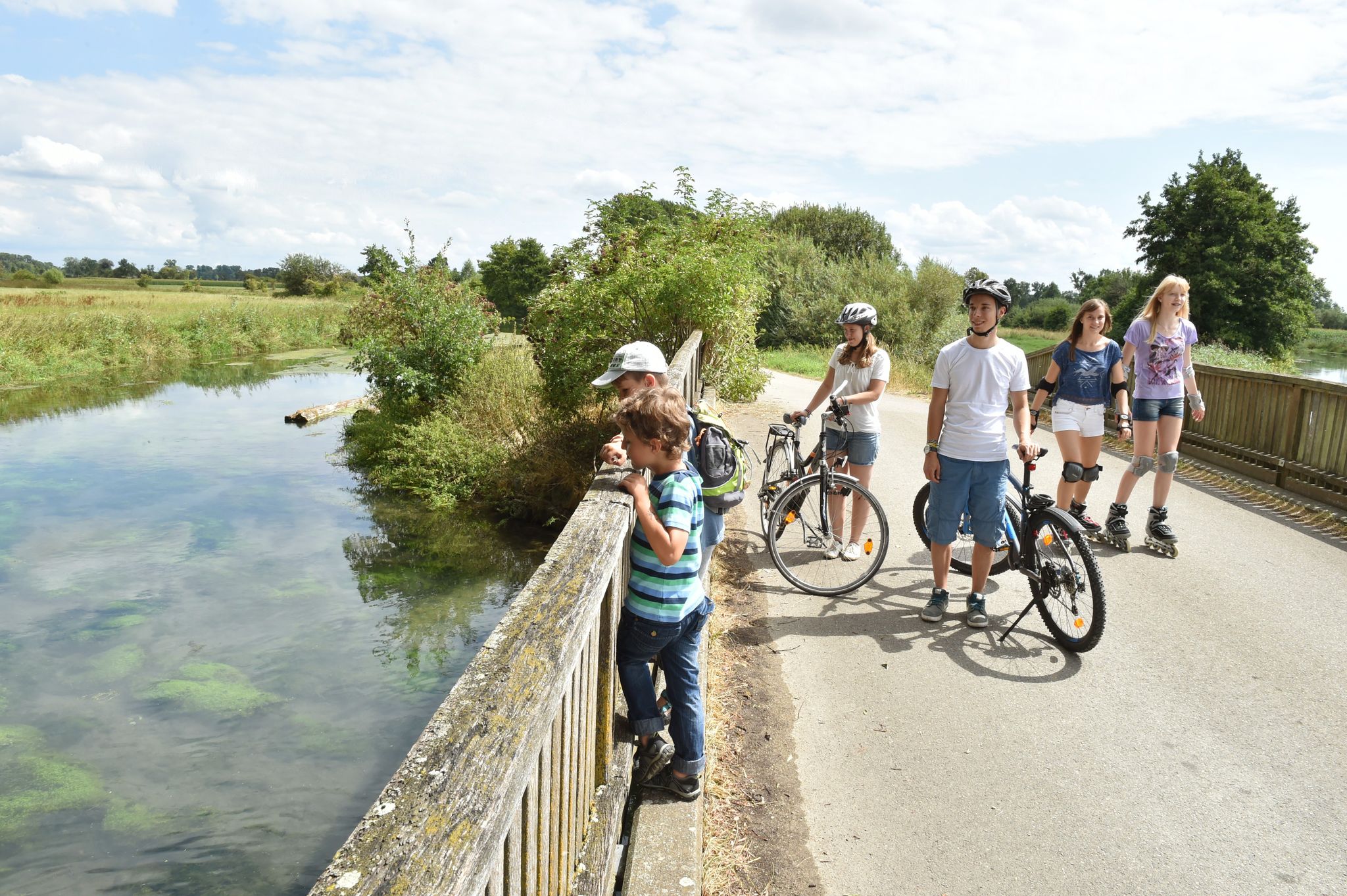
Germany's Hohenlohe-Ostalb Cycle Route – From idyllic valleys to the Swabian Alb
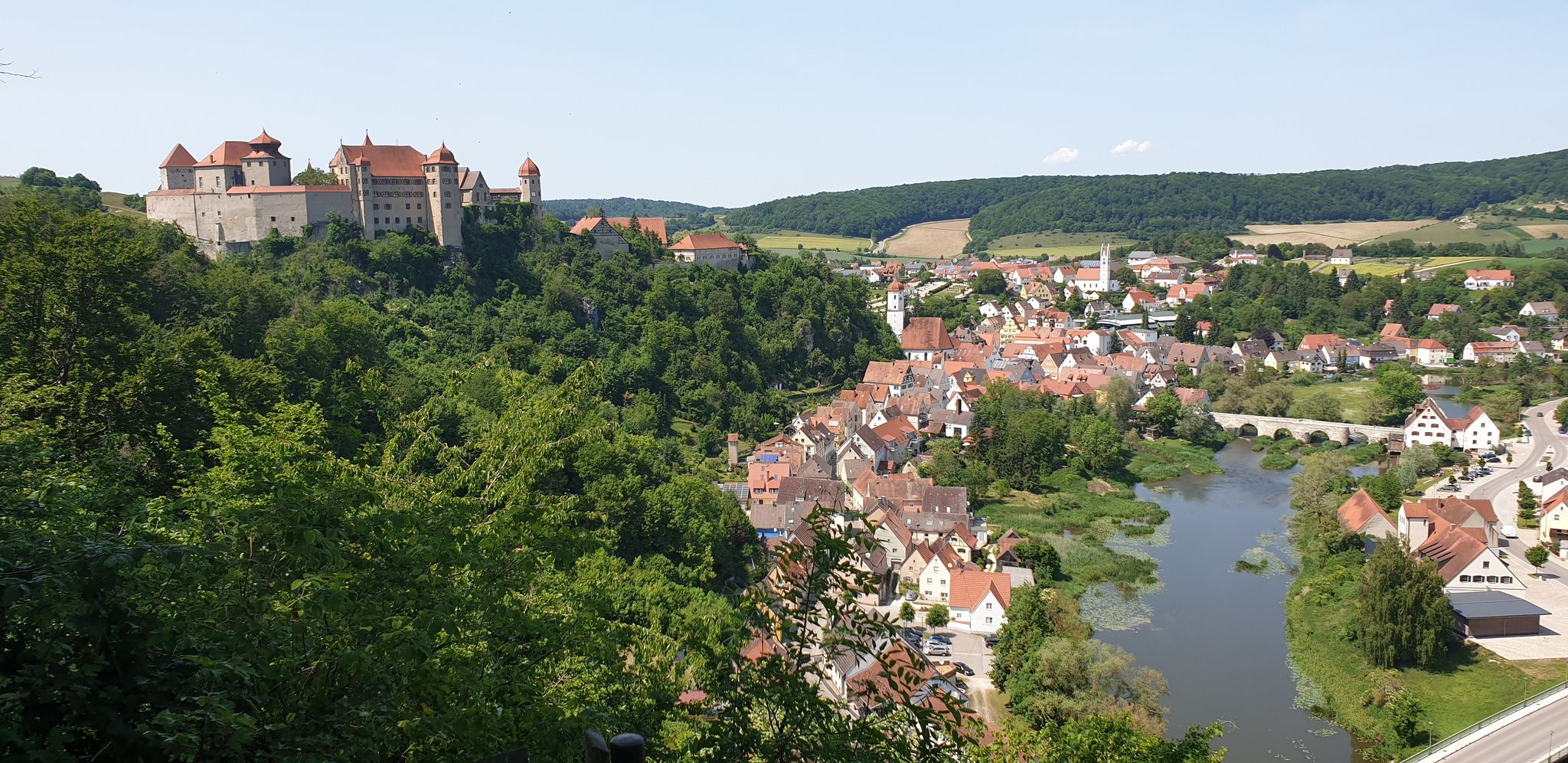
The Romantic Road – To the Pearls of Southern Germany
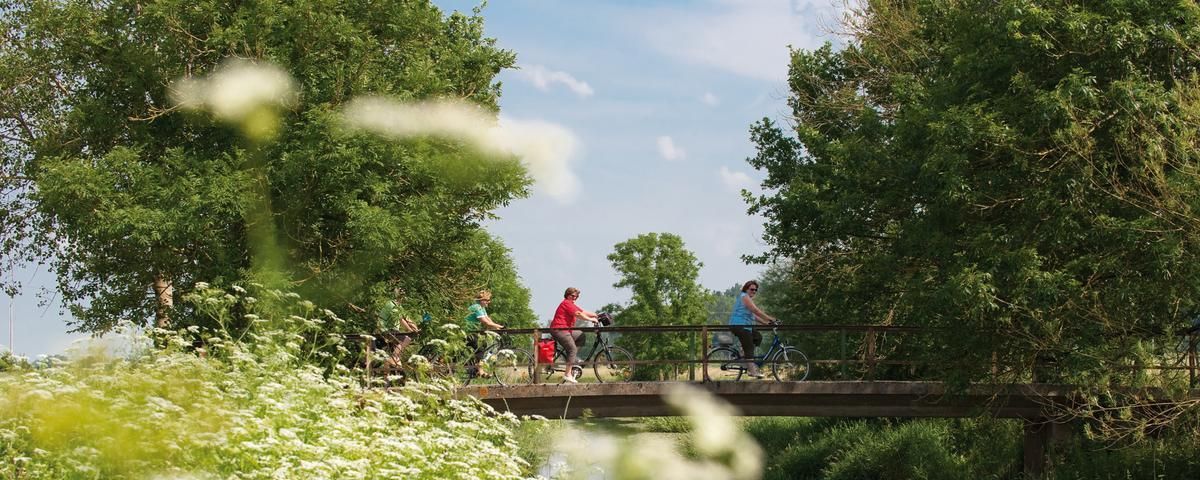
The most beautiful long-distance cycle paths in Franconia
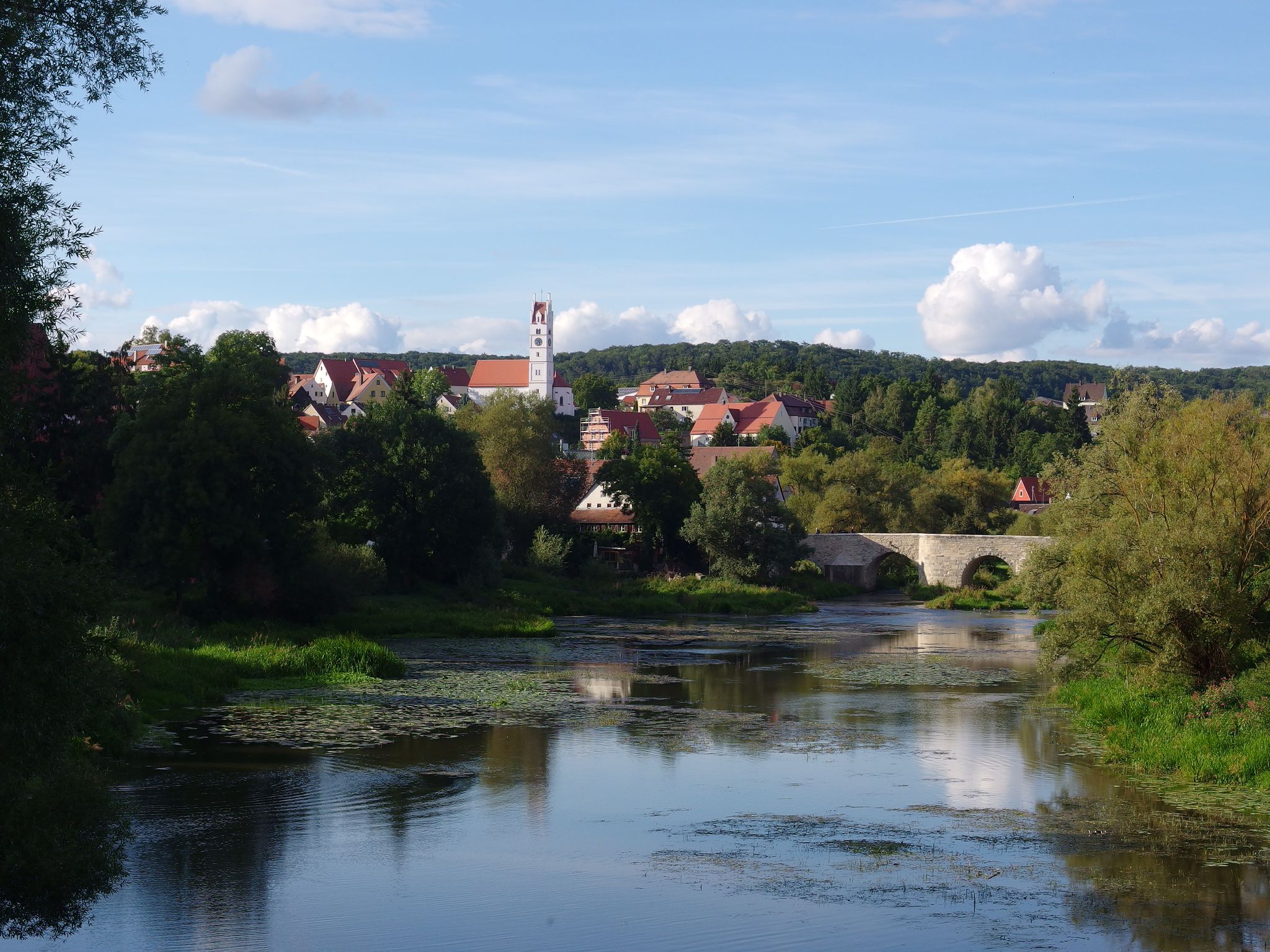
The Romantic Road – 10 fabulous stages
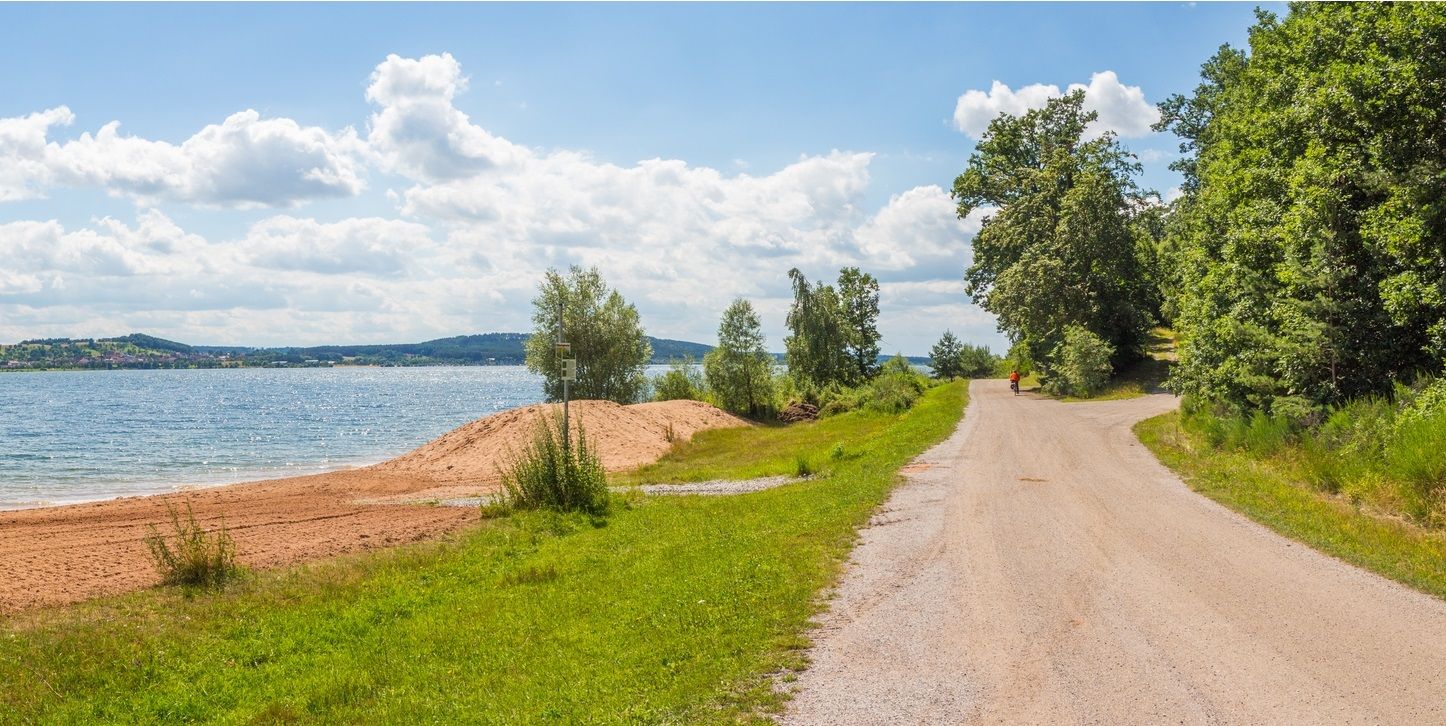
The Franconian Water Bike Path – 8 days of creeks, lakes & rivers
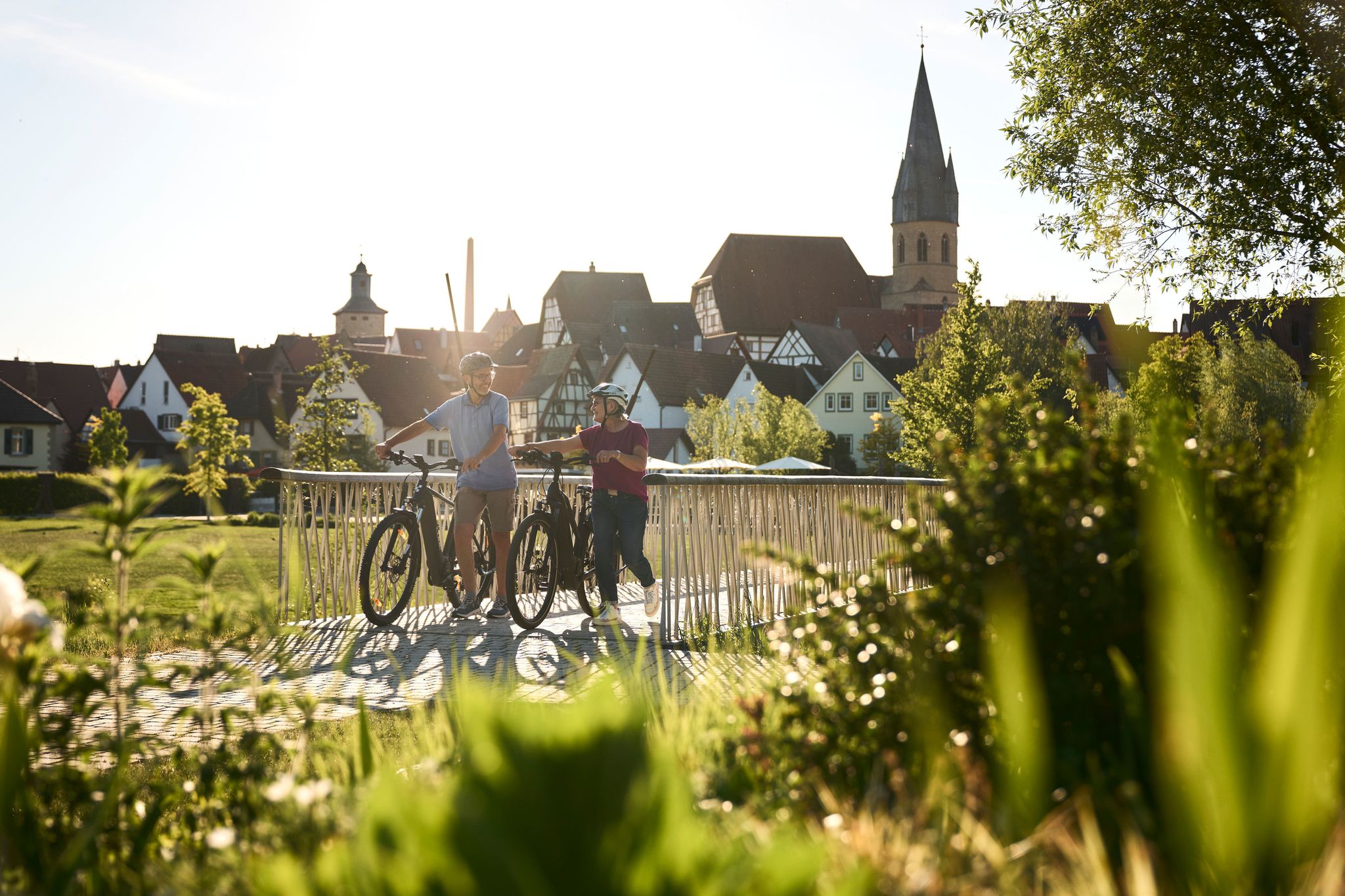
Half-timbered houses and superb cycling tours – the best of the South
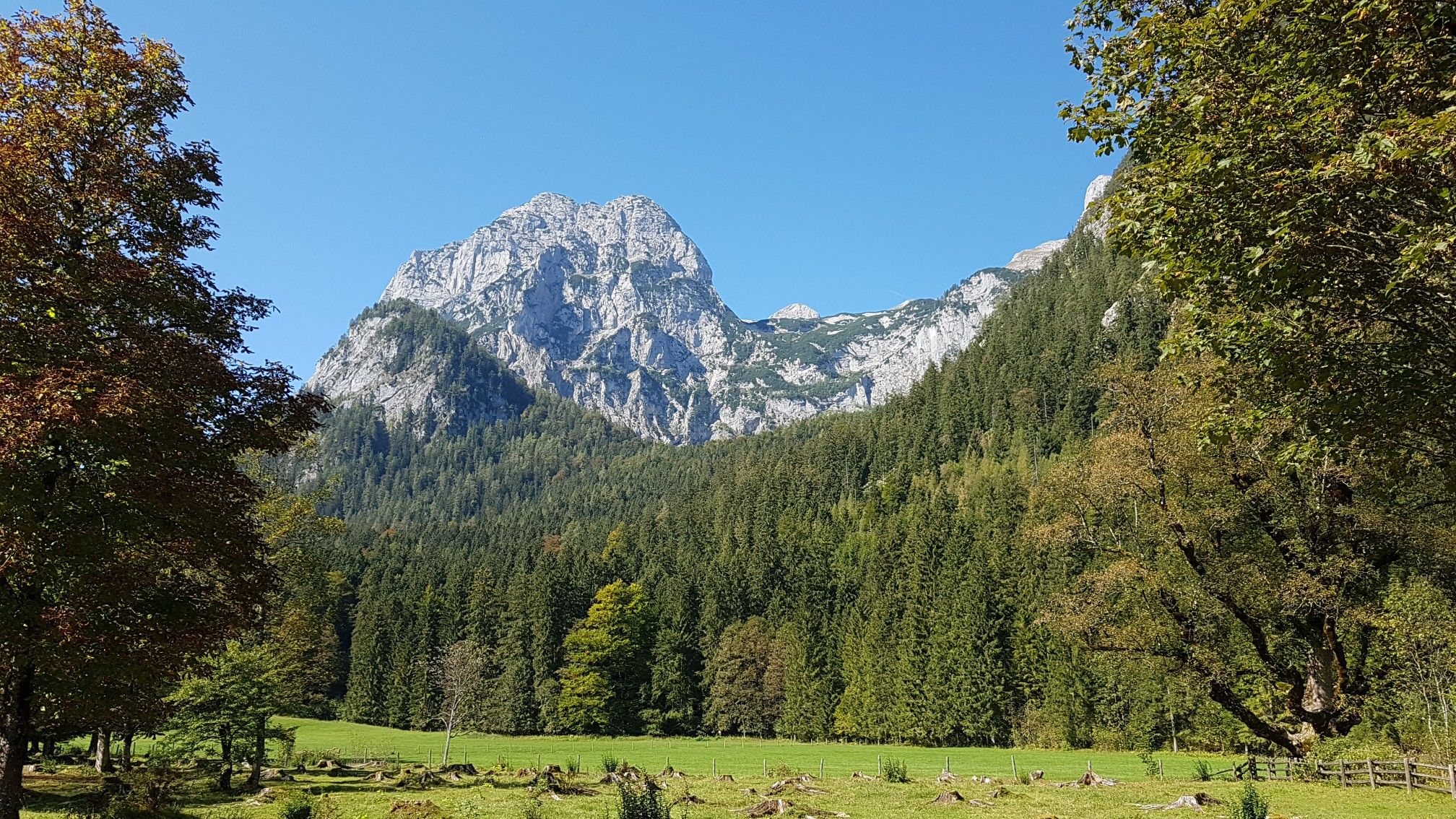
The National Natural Landscapes in Bavaria
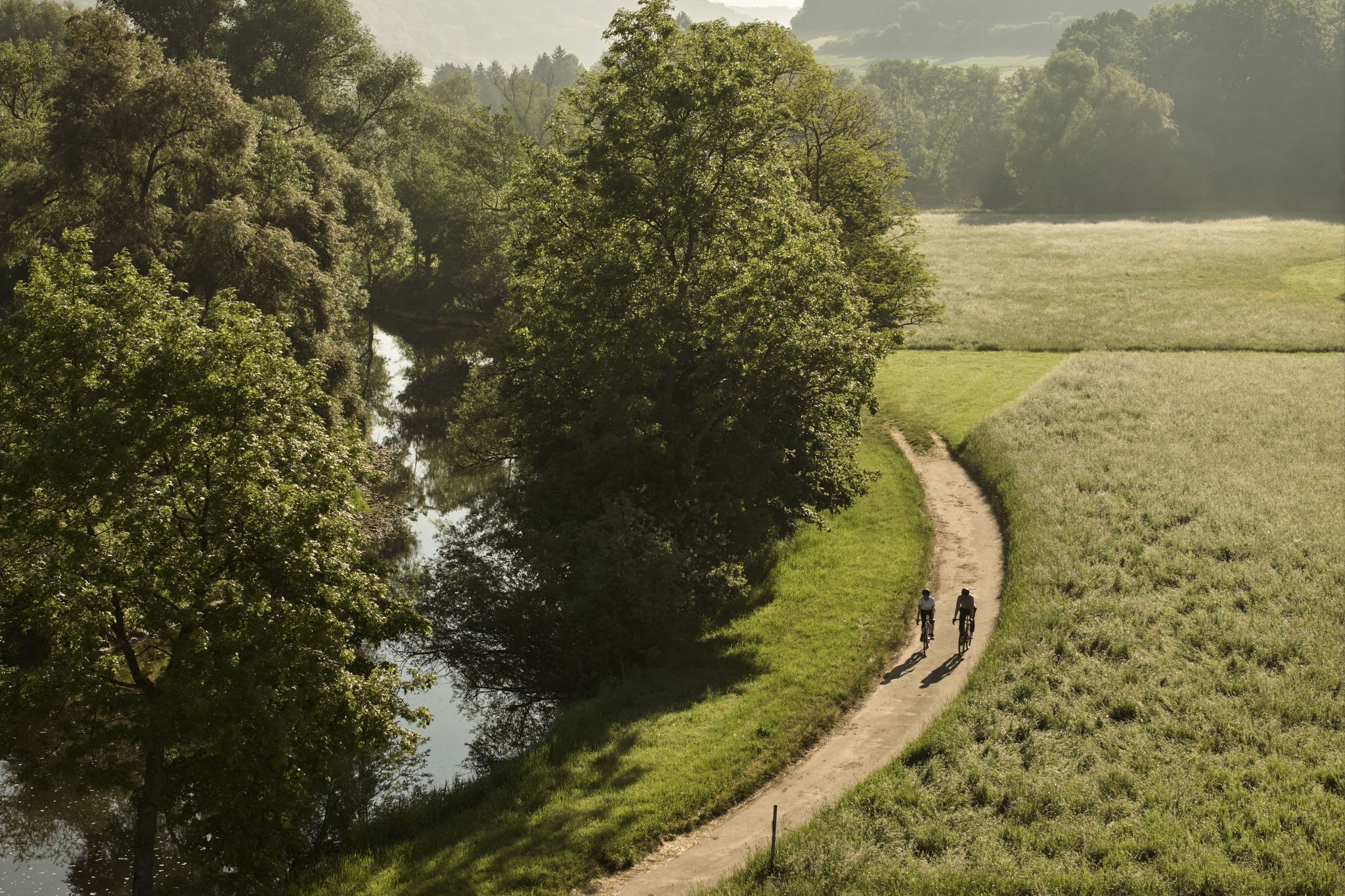
River delights & timber frames – riverside cycling in Süden ganz oben
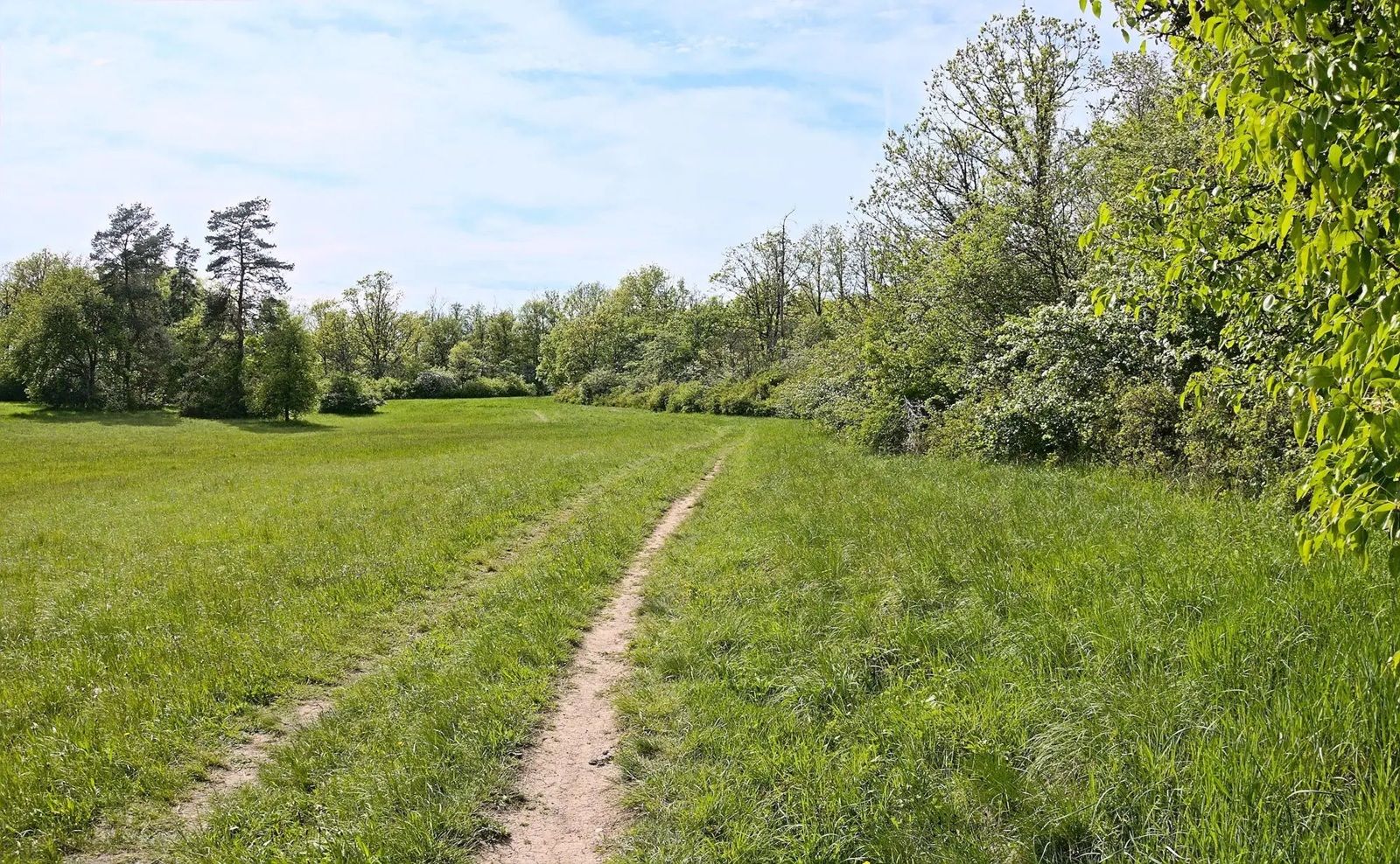
Gravel meets rail – gravel rides in the greater Nuremberg area
Other adventures in Naturpark Frankenhöhe


Tips from the Community

The beer cellars used to be open on weekends 🍺
0
0

Carved into the rock in 1860 as a beer cellar for the Schwarzer Adler inn, it now serves as a wintering ground for bats. This ensures that this culturally and historically significant example of Franconian brewing is preserved and serves as a nature conservation site.
0
0

Beautifully situated beer garden on the hill above Burgbernheim. It is the perfect place to end the day with a good snack after a hike through the surrounding forests.
8
0

Easy to reach above Burgbernbach. Nice beer cellar right next door 😍.
1
0


The Fingals Cave is an abandoned sandstone quarry near Obernzenn. The red reed sandstone from the quarry was used for numerous buildings right into the Aisch valley. Among other things, the city fortifications of Bad Windsheim were built from this stone. After sandstone was no longer mined at this point, the cut in the terrain served as a hiding place for the population during the Thirty Years' War and the Napoleonic campaigns, or as a camp for the military. In addition, the wildly romantic place developed into a popular excursion destination for 18th and 19th century society, especially for the residents of the Obernzenner castles and their guests. Numerous inscriptions scratched into the stone walls, which are up to five meters high, are reminiscent of former visitors and events. In addition to the German-language inscriptions, there are also some in French. One of them refers to the American War of Independence in the years 1776 to 1783. The commemorative inscription for Captain von Erckert, who fell in America in 1777, is probably by Adam Erckert. Captain von Erckert led a company of the subsidy troops of Margrave Alexander von Ansbach. The inscription of a French gunner from 1806, on the other hand, was created when Obernzenn was the Imperial French headquarters for several months.
2
0

If you come from Obernzenn in the direction of Sontheim on the hill to the left into the so-called "Panzerstraße" and after another 200 meters follow a narrow path into the forest, you will look in vain for a real cave. There is an abandoned sandstone quarry that tells an interesting story. The dark red reed sandstone of the quarry has provided fragments for foundations and half-timbering, ashlars for walls, door and gate posts, window frames and much more over centuries, well into the Aisch Valley. There are inscriptions in the sandstone of the Fingals Cave. Names of the Seckendorff, Guttenberg, Truchseß and others with dates from the last decades of the 18th and the first of the 19th century. Why? With the approaching period of romanticism, a sentimental turn to nature developed, for which one had hardly anything in mind before. People liked to move out to an idyllic place to go out into the country. For this, the Obernzenner castle residents and their guests were offered the romantic quarry area under the canopy of oaks, lime trees and beeches. As a memento, the name and year were engraved on the smoothed rock walls. Two French inscriptions fall out of the box. They refer to the American War of Independence 1776-83 and the French Period 1806-10. The memorial inscription for Hauptmann von Erckert was probably arranged by Adam Erckert, who was in the service of the Obernzenner Seckendorff at this time. Of course, the language of the rulers and the educated circles of the time, French, was chosen for the inscription. (Source: Heimatbuch “Leben in Obernzenn and its districts once and now” and “The Fingals Cave in Sontheimer Holz” - a contribution by the Federal Nature Conservation Association, local group Bad Windsheim, on local history)
2
0

The Fingal's Cave. If you come from Obernzenn in the direction of Sontheim on the hill to the left into the so-called "Panzerstraße" and after another 200 meters follow a narrow path into the forest, you will look in vain for a real cave. There is an abandoned sandstone quarry that tells an interesting story.
2
0
Frequently Asked Questions
What kind of "caves" can I expect to find in Naturpark Frankenhöhe?
The "caves" in Naturpark Frankenhöhe are primarily man-made structures, such as historic rock cellars and abandoned sandstone quarries. These sites offer insights into local history and serve various purposes, including cultural preservation and bat habitats.
Are there any natural cave systems in Naturpark Frankenhöhe?
Naturpark Frankenhöhe itself is not known for prominent natural cave systems. The region renowned for numerous impressive natural caves, like Teufelshöhle and Sophienhöhle, is actually the Naturpark Fränkische Schweiz - Frankenjura, located northeast of Frankenhöhe.
What is the <a href="https://www.komoot.com/highlight/2563186" target="_blank" rel="noopener">Fingalshöhle Sandstone Quarry</a>?
The Fingalshöhle Sandstone Quarry is an abandoned sandstone quarry located in a wooded area. It's a historical site where numerous inscriptions carved into the stone walls by former visitors can be seen.
What are the <a href="https://www.komoot.com/highlight/2739235" target="_blank" rel="noopener">Historic rock cellars (Felsenkeller)</a> used for today?
The Historic rock cellars (Felsenkeller) are a significant cultural asset in the Aischgrund. While historically used for storage, many now serve as important bat roosts, contributing to nature conservation.
Can I visit the <a href="https://www.komoot.com/highlight/1264726" target="_blank" rel="noopener">Rock Cellar and Bat Habitat Schwarzer Adler</a>?
The Rock Cellar and Bat Habitat Schwarzer Adler, originally carved as a beer cellar in 1860, now functions as a wintering ground for bats. It's a culturally and historically significant site that also serves nature conservation.
Are the "caves" in Naturpark Frankenhöhe suitable for families?
Yes, many of the sites, such as the Felsenkeller Burgbernbach, are considered family-friendly. They are generally easy to access and explore, offering a blend of history and nature without requiring special skills.
What outdoor activities can I do near these "caves"?
Near the "caves" in Naturpark Frankenhöhe, you can find various outdoor activities. There are numerous running trails, cycling routes, and gravel biking paths to explore the diverse landscape.
Are there hiking trails that include these "caves"?
Yes, some trails incorporate these sites. For example, the Katterbach Trail and Stream Crossing is a beautiful forest trail that includes a cave feature. You can find more options for running or cycling in the region.
What makes the "caves" in Naturpark Frankenhöhe unique?
The uniqueness of these "caves" lies in their historical and cultural significance. They are predominantly man-made structures, such as former sandstone quarries and rock cellars, offering a glimpse into the region's past uses and adaptations, often now serving as important bat habitats.
What is the best time of year to visit the "caves" in Naturpark Frankenhöhe?
The best time to visit depends on your interest. For general exploration and enjoying the surrounding nature, spring through autumn offers pleasant weather. If you are interested in bat habitats, winter might be relevant, though access might be restricted to protect the animals.
What kind of geological features are present in the "caves" of Naturpark Frankenhöhe?
Given that most "caves" in Naturpark Frankenhöhe are man-made, their geological features primarily relate to the sandstone formations from which they were carved. These sites showcase the local geology through exposed rock faces and the structure of the quarries and cellars themselves.
What do visitors enjoy most about the "caves" in Naturpark Frankenhöhe?
Visitors appreciate the historical insights offered by these sites, the unique blend of cultural heritage and nature, and the opportunity to explore abandoned quarries and old rock cellars. The transformation of some into bat habitats also adds a special appeal for nature enthusiasts.
Most popular routes in Naturpark Frankenhöhe
Most popular attractions in Naturpark Frankenhöhe

Get inspired with the komoot mobile app


Explore more
Extend your search for the best caves by checking out these guides of the top ones in Naturpark Frankenhöhe:
