Top 20 Natural Monuments in the Cambrian Mountains
Best natural monuments in the Cambrian Mountains are located in a region known for its unspoilt natural landscapes. This area features rugged mountains, serene lakes, dramatic waterfalls, and vast open moorlands. The remoteness provides a landscape largely untouched by modern infrastructure, offering a sense of continuity. The region is characterized by broad moorlands, rounded hills, and long watersheds.
Best natural monuments in the Cambrian Mountains
- The most popular natural monuments is Snowdon Summit (Yr Wyddfa), a summit that is…
Last updated: June 26, 2026
Snowdon Summit (Yr Wyddfa)
Highlight • Summit
Its glory …
Tip by

Pen y Fan
Highlight • Summit
Tip by

Sign up now to discover places like this
Get recommendations on the best single tracks, peaks, & plenty of other exciting outdoor places.
Sign up for free
Corn Du summit
Highlight • Summit
Tip by

Penygadair summit, Cadair Idris
Highlight • Summit
Tip by
Fan y Bîg Summit and Diving Board
Highlight • Summit
Tip by

Jubilee Tower on Moel Famau
Highlight • Monument
Tip by

Blorenge summit
Highlight • Natural Monument
Tip by
Glyder Fach summit and the Cantilever Stone
Highlight • Summit
Tip by
Skirrid Fawr summit
Highlight • Climb
Tip by
Fan Brycheiniog summit and stone shelter
Highlight • Summit
Tip by
Sign up for free to discover even more natural monuments in the Cambrian Mountains.
Sign up for free
Already have an account?
Start today with a free account
Your next adventure awaits.
Login or Signup
Popular around Cambrian Mountains
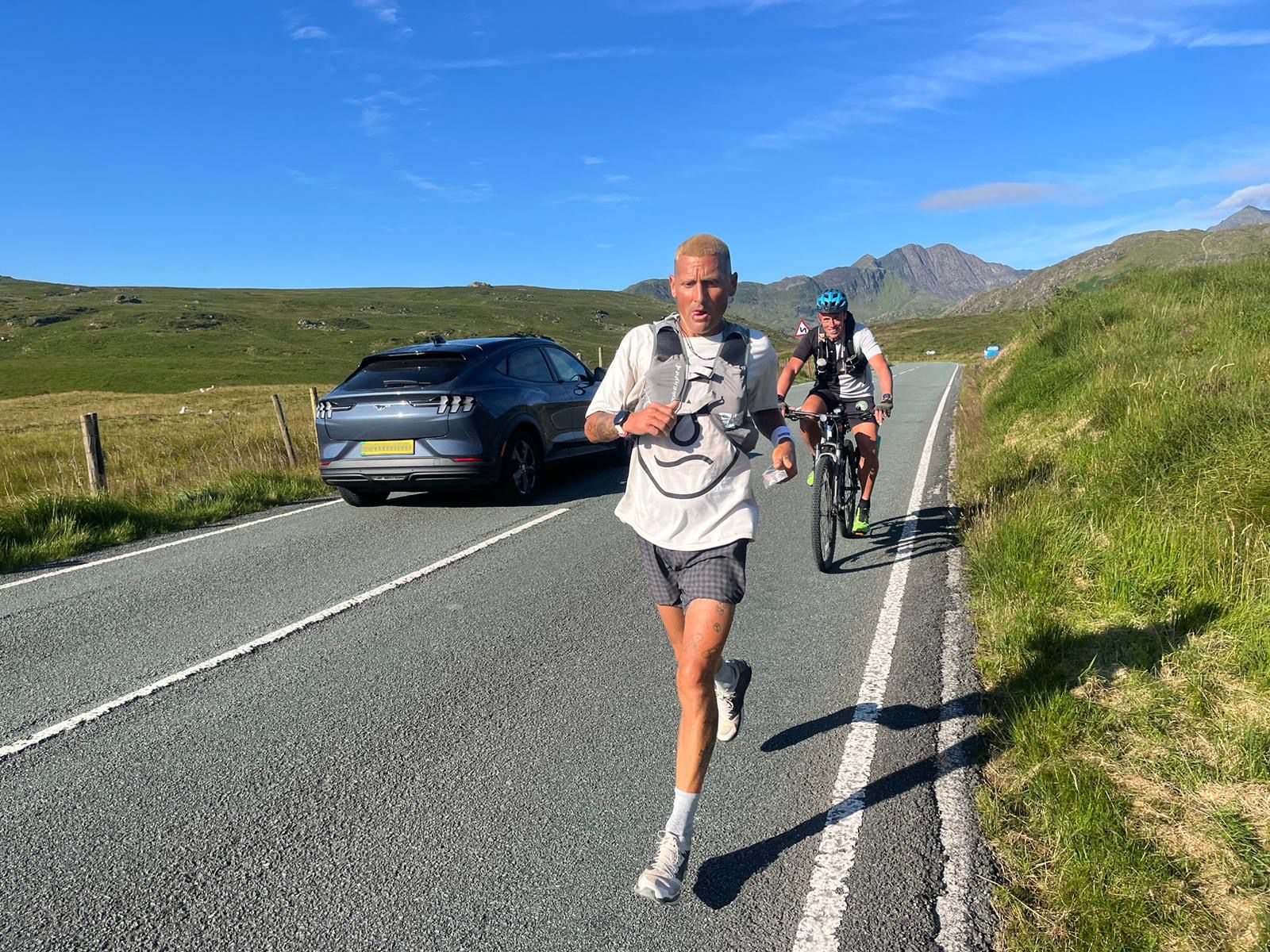
Supporting the National Three Peaks FKT in true Green Runners’ Style
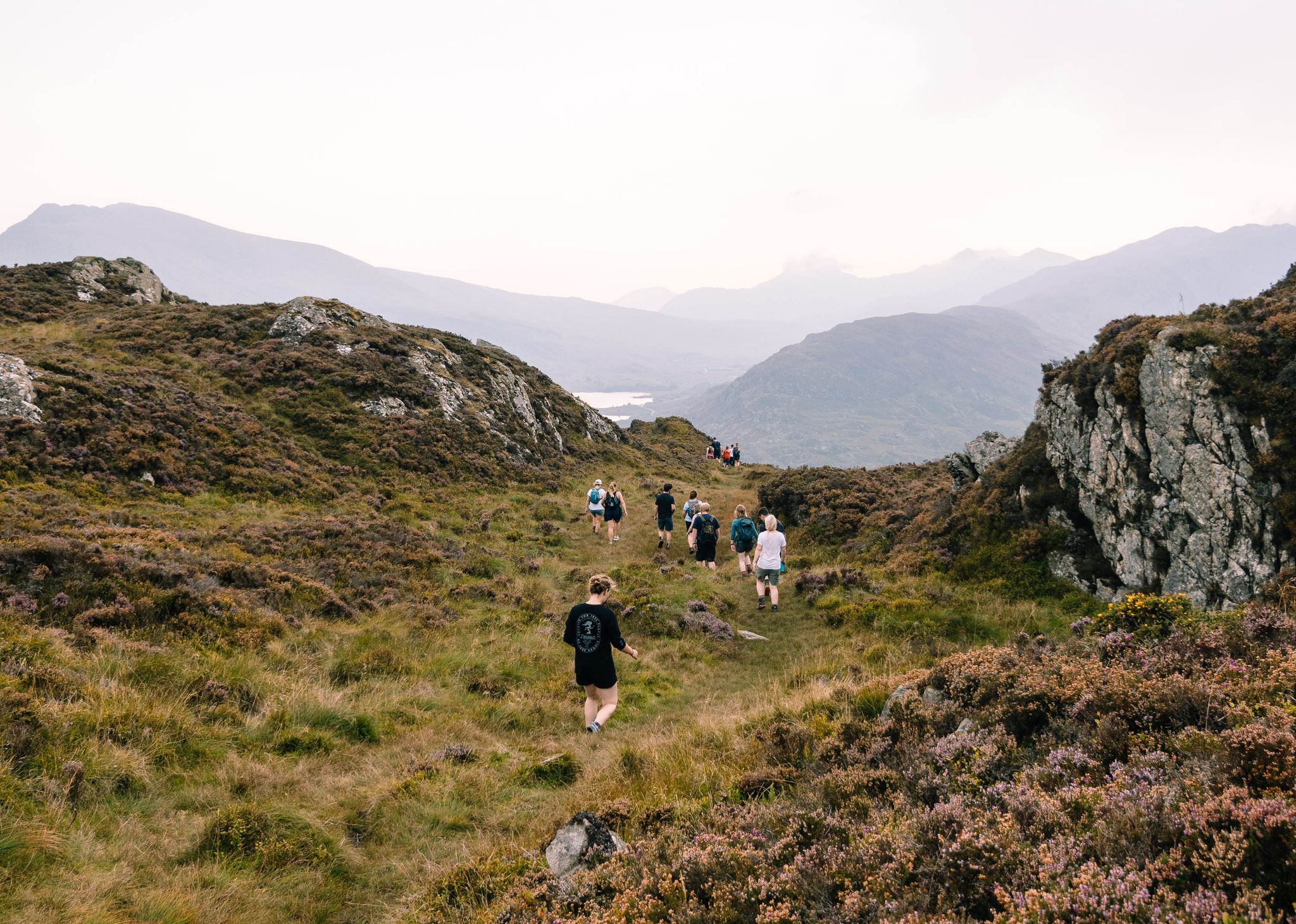
Connect with Nature – Purposeful Adventures in 2024
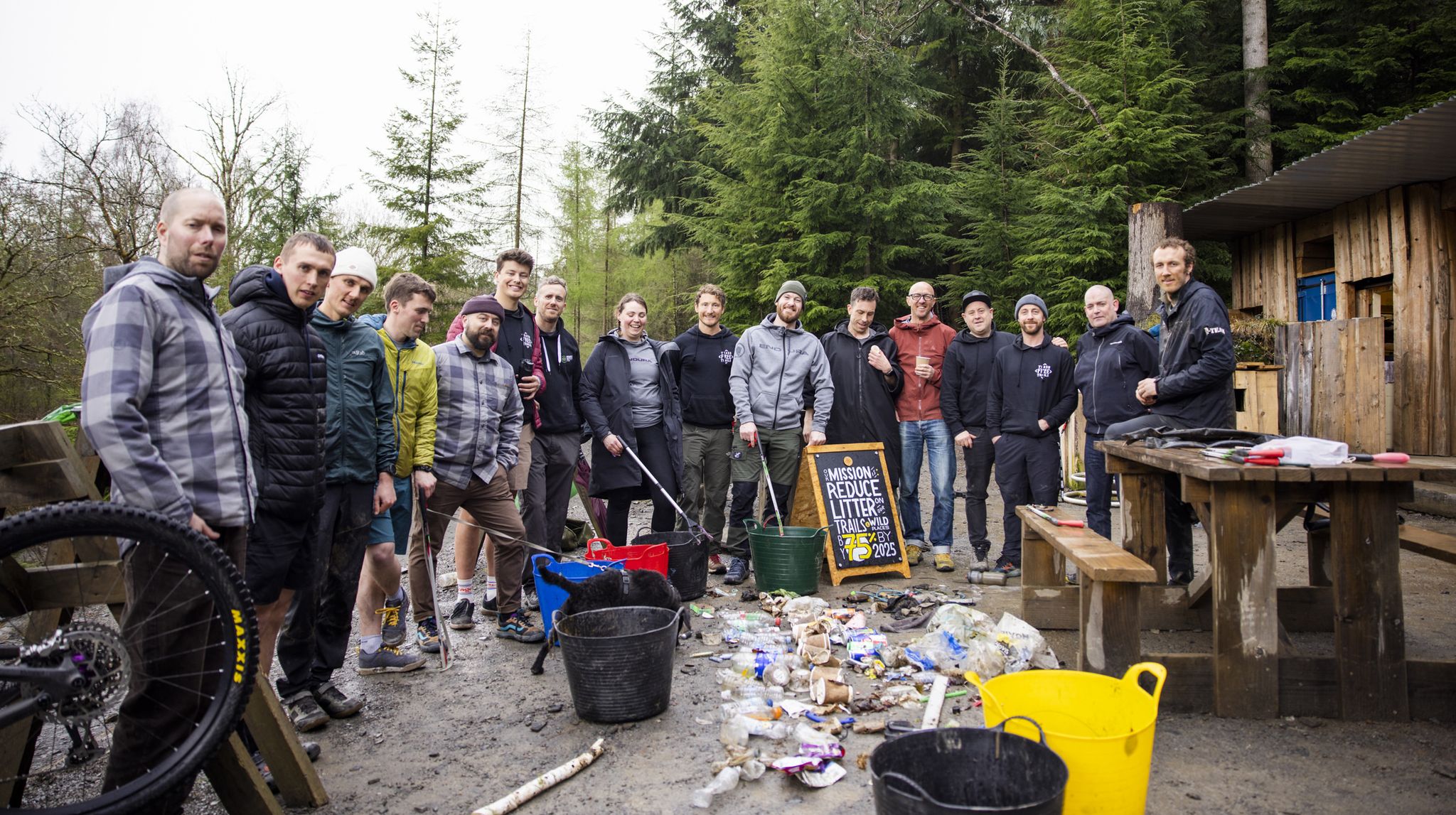
Adventures with a Purpose – our A-TEAMers’ best routes
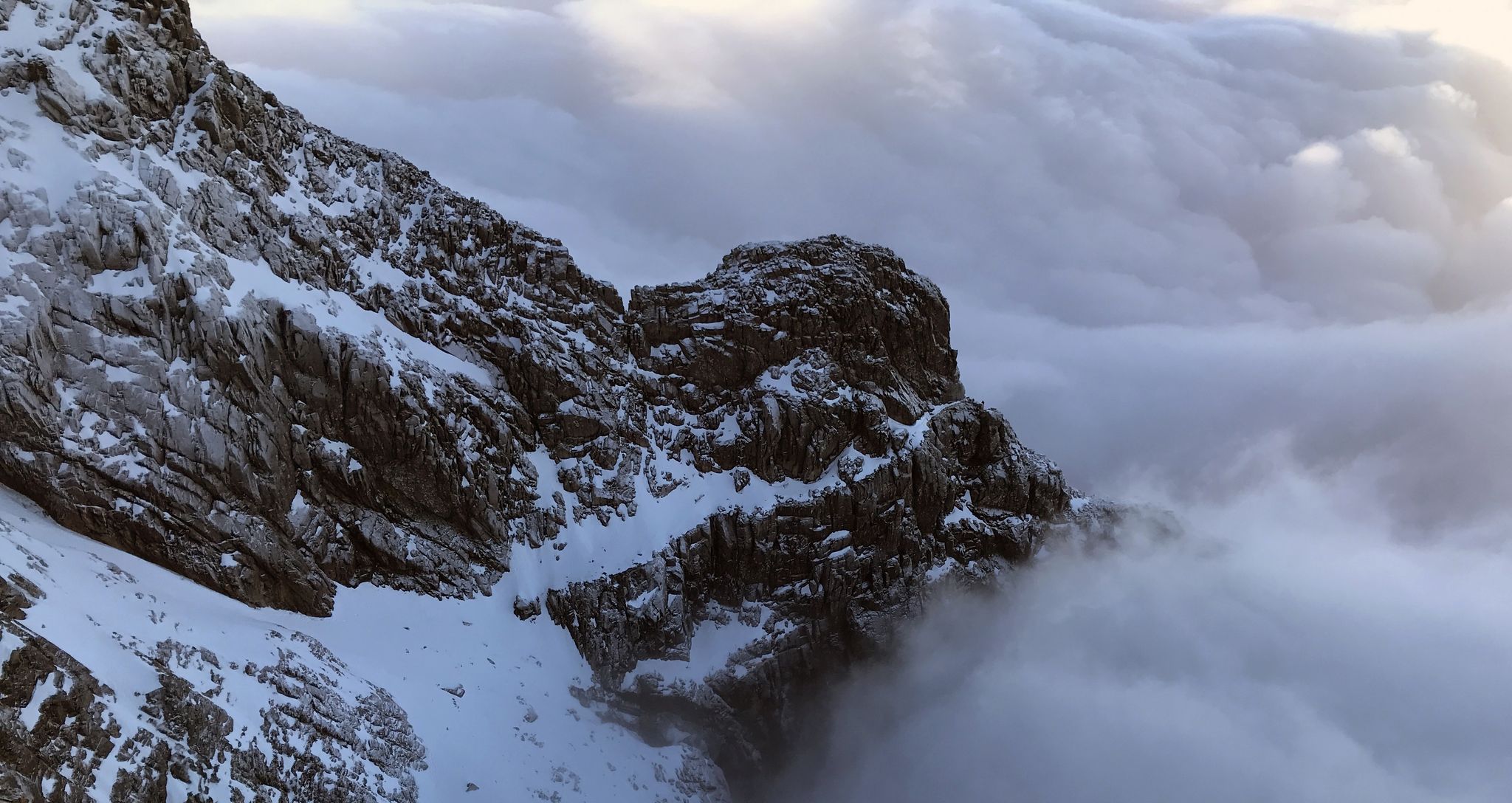
Ephemeral Lines – Stunning UK Winter Ridges
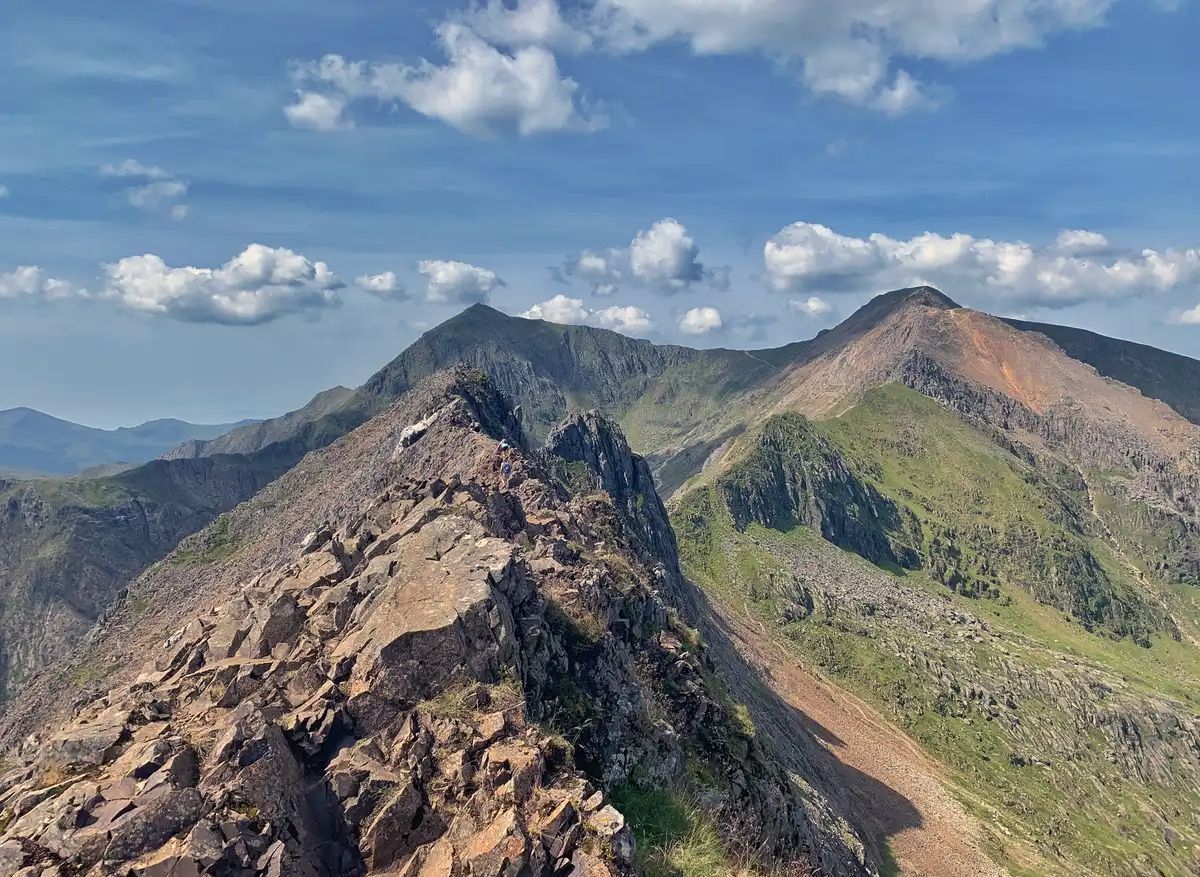
The Dragon's Back – running the spine of Wales
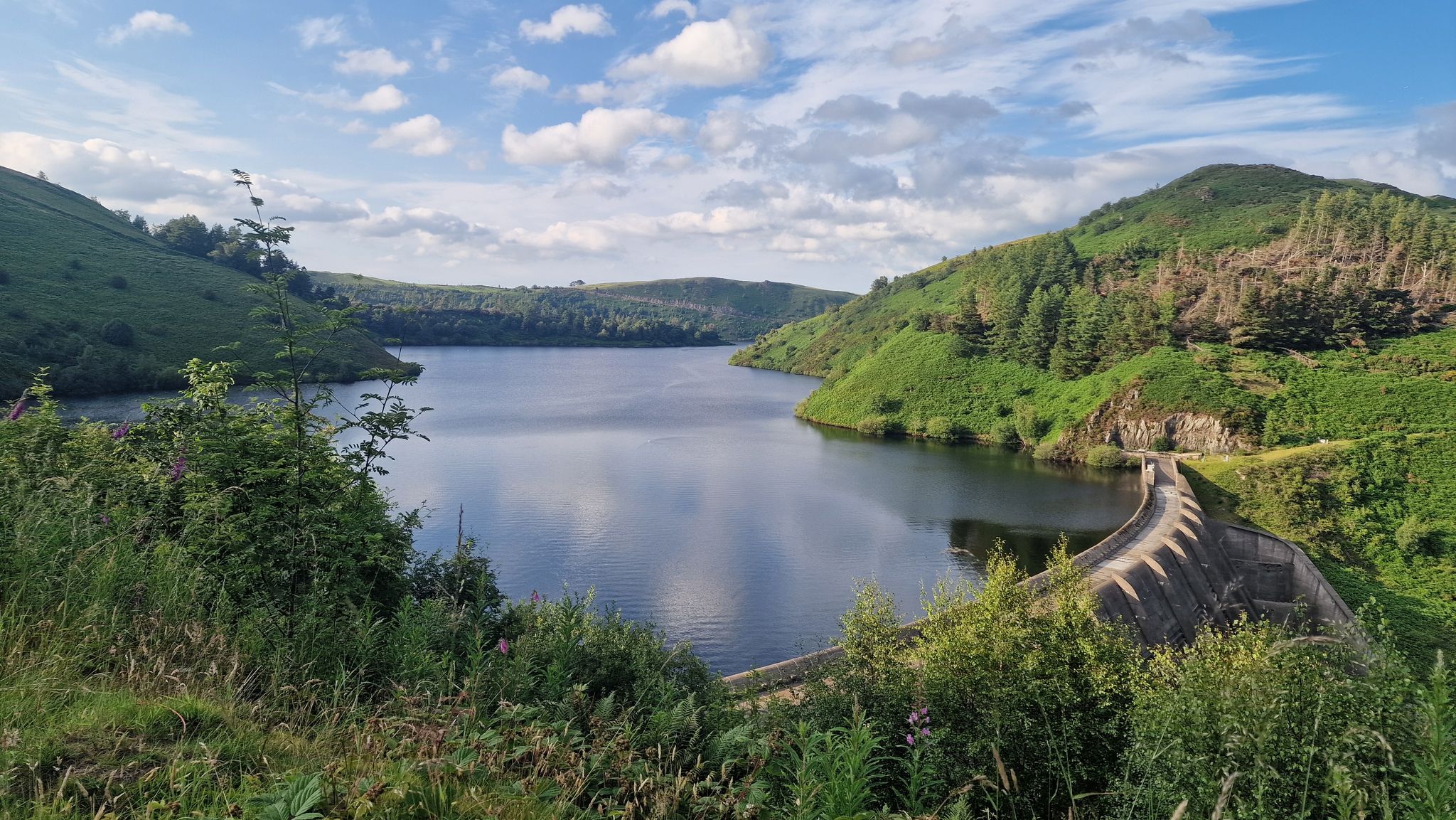
Glyndŵr’s Way – hiking in the footsteps of a Welsh hero
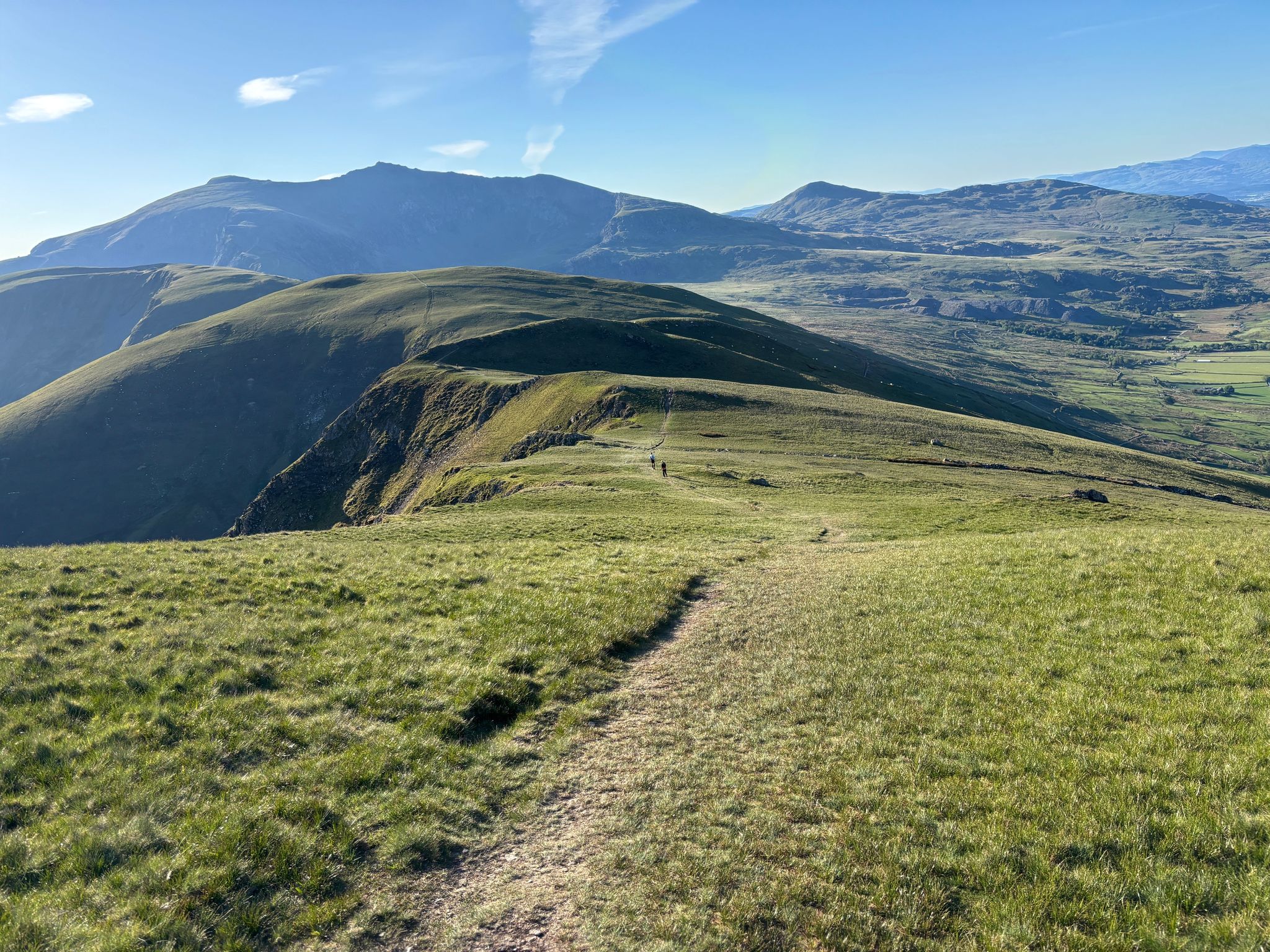
Ultra Trail Snowdonia by UTMB – 100 epic miles in Eryri
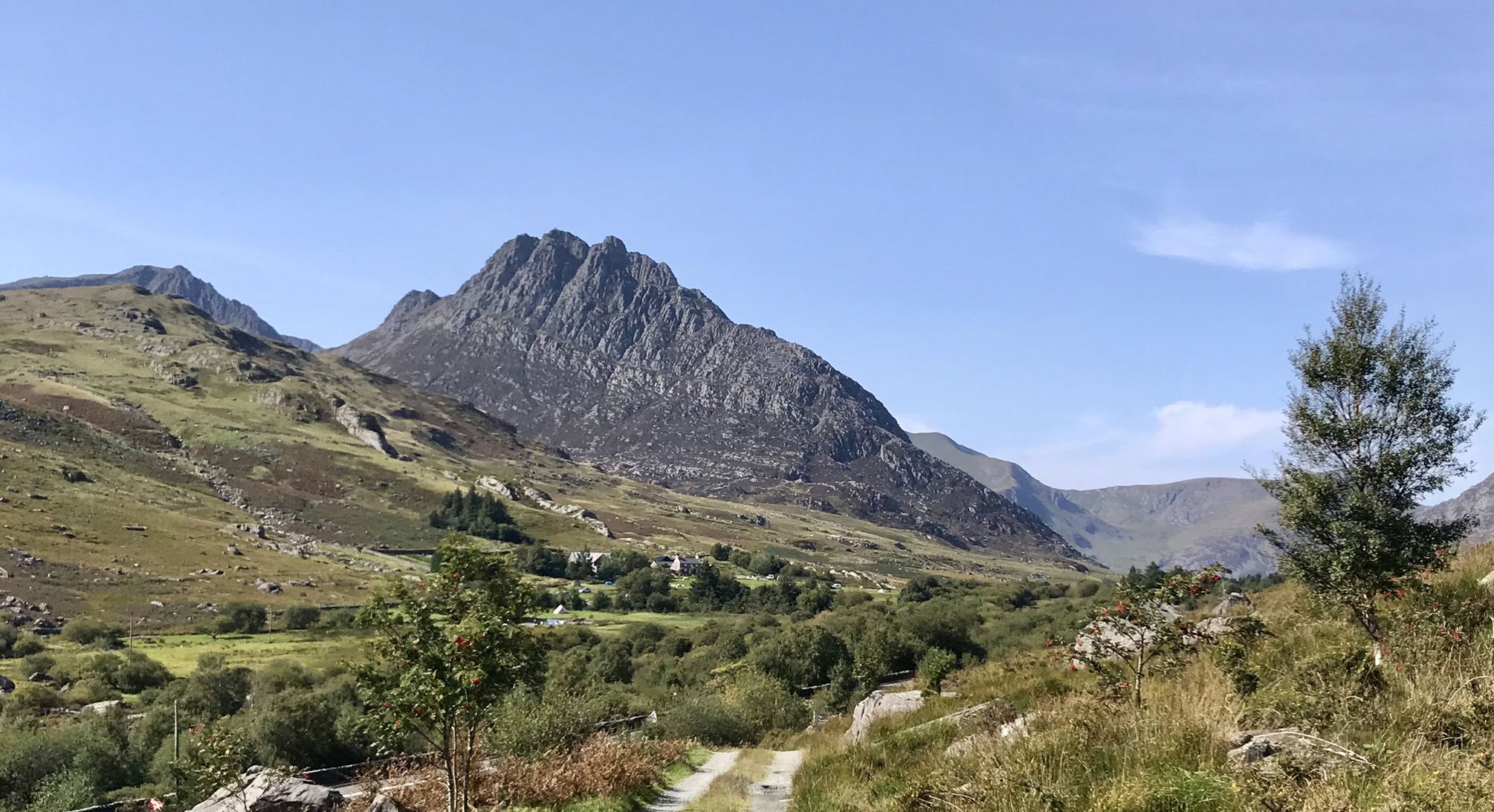
Snowdonia Way – A dramatic hike through Eryri's mountainous heart
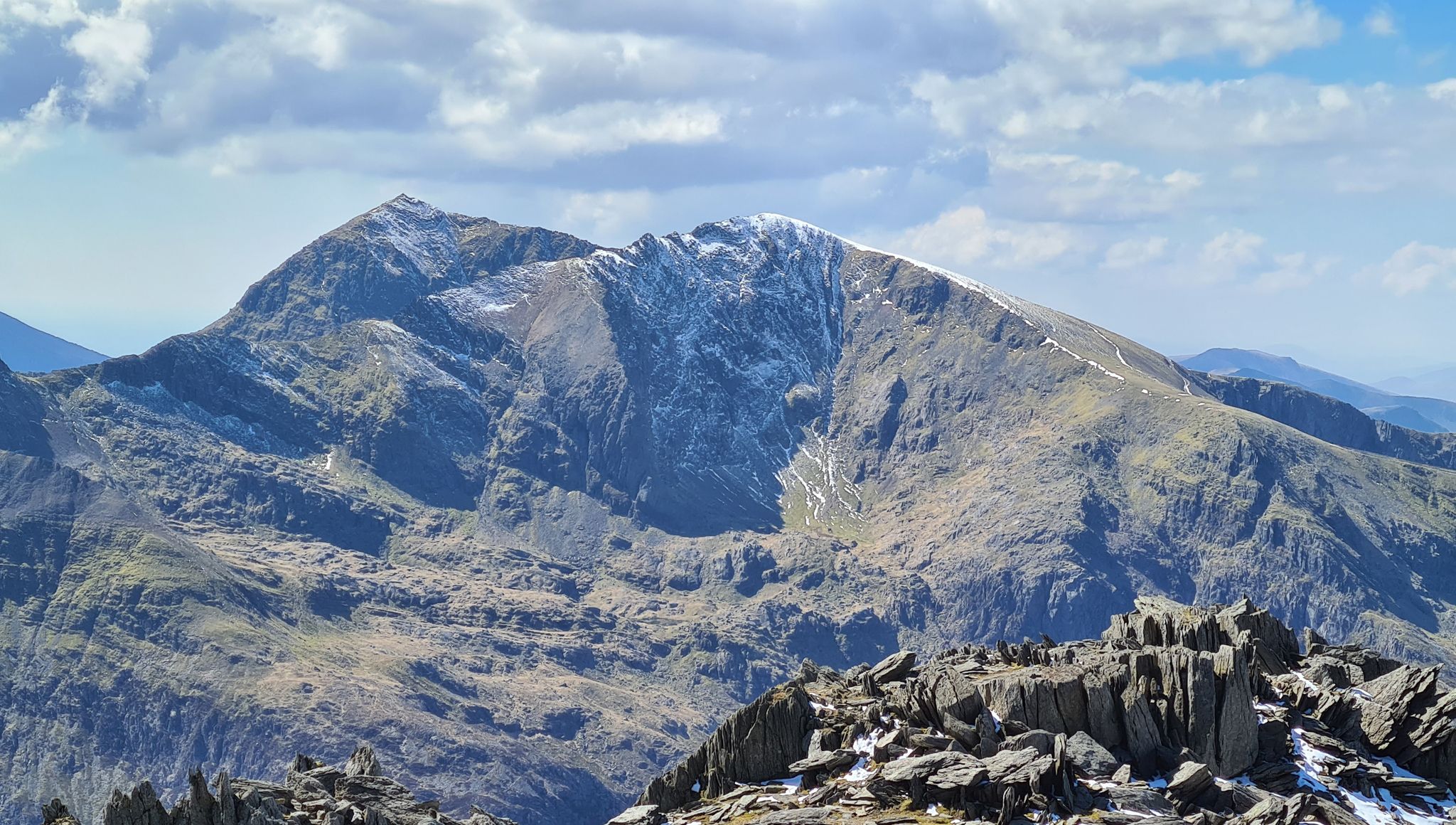
Snowdonia Way Mountain Route – Rise to Eryri's awesome summits
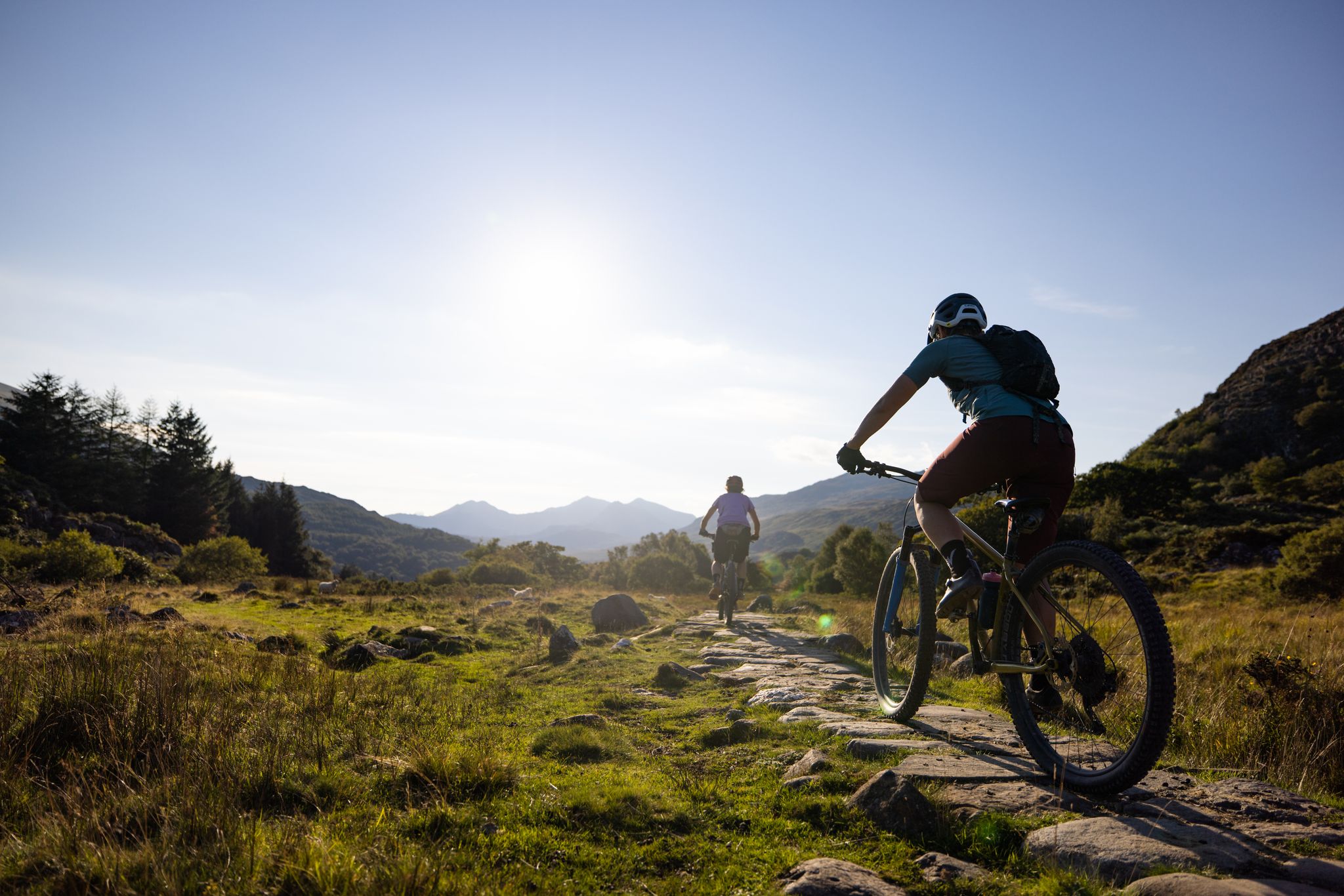
Traws Eryri — Bikepacking Snowdonia from Machynlleth to Conwy
Other adventures in the Cambrian Mountains


Tips from the Community

According to legend, Cader is named after a giant called Idris Gawr. 'Cadair Idris' means 'Chair of Idris' in English, while 'Cader' can also refer to an ancient fortress. The place is known as Cader Idris rather than Cadair, but both names are used. The most famous local fable is that if you spend the night on the mountain, you will go mad or become a poet. (Visit Wales)
6
0
It is worth the effort. At the top, you enjoy a beautiful view in all directions. It cannot be captured in photos.
6
0

Lovely views but tricky summit to find boulders everywhere you need to climb up to the summit if wet would be unsafe cantilever stone looks amazing only problem with glyders is very bad on the foot but really enjoyed it I did tryfan north face then down the south side up the loose scree that was some climb and half top of glyders then Down one hell of a loose scree up y garn then down devils kitchen I wouldn't advise going down that if you are not good on your feet it's hell I've done it both ways going up is so much easier going down devils kitchen is really bad
0
0

Expect tricky terrain. It's very rocky and uneven with hidden holes.
0
0

The Castle of the Winds is a true highlight on this or any other mountain. Spectacular and spiky it makes for a great scramble over the top!
0
0

Easy accent if climbing from the side of the national trust carpark. For a more challenging climb, accend from the opposite side.
0
0
The name "Snowdon" is first recorded in 1095 as Snawdune, and is derived from the Old English elements snaw and dun, meaning "hill of snow". The Welsh name for the mountain, Yr Wyddfa, is first recorded in Latin as Weddua vaur in 1284. This is probably an approximation of Pen y Wyddfa Fawr. The element gwyddfa in this context means "height, promontory", and also occurs in the Welsh name for the town of Mold, Yr Wyddgrug. Gwyddfa later developed the meaning "gravestone heap", and there is a legend that the giant Rhita is buried beneath the cairn on the summit of the mountain. According to one legend, the giant Rhita was slain and buried on the mountain by King Arthur, while another legend suggests that Rhita was killed by the giant Idris who lived on the mountain Cadair Idris. The mountain is also associated with other figures from Arthurian legend, a legendary Afanc (water monster) and the Tylwyth Teg (fairies). (Wikipedia)
12
1

Like all hills the weather can turn in an instant take sturdy foot wear and a waterproof jacket :)
1
0
Frequently Asked Questions
What are some unique natural features to explore in the Cambrian Mountains?
The Cambrian Mountains are home to a variety of unique natural features. You can explore the dramatic waterfalls at Devil's Bridge Falls, which are steeped in Welsh folklore and feature three bridges built one on top of the other. The Elan Valley offers impressive engineering marvels like the Caban Coch dam set within a protected landscape of reservoirs, lakes, woods, and moorland. For geological formations, the region's rugged mountains and vast open moorlands provide a sense of a landscape largely untouched by modern infrastructure.
What are the best natural monuments for expansive views in the Cambrian Mountains?
For expansive views, consider hiking to Snowdon Summit (Yr Wyddfa), Wales' highest point, which offers breathtaking panoramas on a clear day. Another excellent choice is Pen y Fan, the highest peak in South Wales, where you can see for miles. Fan y Bîg Summit and Diving Board also provides stunning panoramas and is known for its photogenic 'diving board' rock formation.
When is the best time to visit the natural monuments in the Cambrian Mountains?
The Cambrian Mountains offer a remote and quiet experience year-round. However, for hiking and exploring, late spring to early autumn (May to October) generally provides the most favorable weather conditions. During these months, trails are typically clearer, and the chances of clear views from summits are higher. Winter visits can be challenging due to rapidly changing weather and potentially difficult access, but they offer a unique, solitary experience for well-prepared adventurers.
Are there family-friendly natural attractions in the Cambrian Mountains?
Yes, the Elan Valley is a fantastic family-friendly destination, offering easy walks around its reservoirs and dams, and it's also recognized as an International Dark Sky Park for stargazing. While many mountain trails can be challenging, some sections of the hiking routes, especially those around the lower elevations or designated visitor centers, can be suitable for families. Always check the difficulty of specific trails before heading out.
Are there any historical or cultural sites associated with the natural monuments?
Yes, the Cambrian Mountains are rich in history and folklore. Devil's Bridge Falls is steeped in Welsh legends, with the peculiar triple bridge structure being a central part of its mystique. The Elan Valley's dams are engineering marvels from over a century ago, built to supply water to Birmingham. Additionally, some summits like Skirrid Fawr feature ruins of an Iron Age hill fort and a medieval chapel, adding a historical layer to the natural landscape.
What kind of wildlife can I expect to see around the natural monuments?
The Cambrian Mountains are internationally important for their blanket bog and are a significant breeding site for various bird species. Keep an eye out for red kites, merlins, and peregrine falcons soaring above the rugged landscapes. The Elan Valley, in particular, is a protected landscape vital for wildlife, especially birds. The minimal human presence across the region ensures a thriving natural habitat.
What outdoor activities can I do near the natural monuments in the Cambrian Mountains?
The Cambrian Mountains offer a wide range of outdoor activities. You can find numerous hiking trails, from moderate walks to challenging climbs, around natural monuments like Pumlumon Fawr and the Elan Valley. The region is also excellent for mountain biking, with various MTB trails available. Llyn Brianne offers superb opportunities for hiking and biking along remote single-track lanes around the reservoir.
Are there specific hiking trails recommended for exploring the natural monuments?
Absolutely. For Pumlumon Fawr, you can explore trails like the Sabrina trail, Pig Trail, and Sir Chris Bonington Trail. Near the Elan Valley, there are numerous paths around the reservoirs. For a challenging but rewarding experience, the nature trail at Devil's Bridge Falls takes you deep into the ancient wooded gorge. You can find more detailed routes and options in the Hiking in the Cambrian Mountains guide.
What do visitors particularly enjoy about the natural monuments in the Cambrian Mountains?
Visitors frequently praise the Cambrian Mountains for their unspoilt natural landscapes, rugged mountains, serene lakes, and dramatic waterfalls. The remoteness and sense of continuity, with a landscape largely untouched by modern infrastructure, are highly valued. The expansive views from summits like Snowdon Summit (Yr Wyddfa) and Pen y Fan are often highlighted as truly spectacular on clear days. The area's quiet and remote experience, offering solitude and a connection with nature, is a significant draw.
Are there any hidden natural gems in the Cambrian Mountains worth discovering?
While many natural monuments are well-known, the vastness of the Cambrian Mountains means there are always quieter spots to discover. Llyn y Fan Fach, a dreamy lake southeast of Llandovery, is often described as a hidden gem, offering sweeping, untouched views and a peaceful hiking experience alongside a river through wild, facility-free terrain. Its captivating beauty makes it feel like it's 'plucked from the pages of a fairytale'.
What should I wear for hiking to natural monuments in the Cambrian Mountains?
Given the unpredictable Welsh weather, even in summer, it's crucial to dress in layers and be prepared for all conditions. Waterproof and windproof outer layers are essential, along with sturdy hiking boots with good ankle support. Bring extra warm layers, a hat, and gloves, especially when ascending to higher elevations like Pumlumon Fawr or Pen y Fan, where conditions can change rapidly. Always carry enough water and snacks.
Are there accessible natural attractions in the Cambrian Mountains?
While many of the rugged mountain trails can be challenging, some areas offer more accessible options. The Elan Valley has visitor centers and paved paths around some of its reservoirs, which can be more accessible for those with limited mobility. It's always recommended to check specific trail conditions and accessibility information for individual sites before planning your visit.
Most popular routes in the Cambrian Mountains
Most popular attractions in the Cambrian Mountains

Get inspired with the komoot mobile app


Explore more
Extend your search for the best caves by checking out these guides of the top ones in the Cambrian Mountains:
