The 20 Most Amazing Peaks in the San Juan Mountains
Best mountain peaks in the San Juan Mountains are found in a rugged range in southwestern Colorado, home to 13 peaks exceeding 14,000 feet and more than 600 named mountains. This area is characterized by diverse landscapes, from jagged volcanic summits to alpine lakes. Its rich mining history is evident in many old mining camps, which now serve as attractions. The San Juan Mountains offer a variety of terrain for outdoor exploration.
Best mountain peaks in the San Juan Mountains
…Last updated: July 1, 2026
Animas Mountain Trail
Highlight (Segment) • Trail
Tip by

Hogsback Peak
Highlight • Summit
Tip by

Sign up now to discover places like this
Get recommendations on the best single tracks, peaks, & plenty of other exciting outdoor places.
Sign up for free
Baldy Mountain
Highlight • Summit
Tip by
Highest Point of the Colorado Trail
Highlight • Summit
Tip by
Raider Ridge Overlook
Highlight • Viewpoint
Tip by

Handies Peak
Highlight • Summit
Tip by
Deadwood Mountain
Highlight • Summit
Tip by
Mount Eolus
Highlight • Summit
Tip by
Engineer Mountain
Highlight • Summit
Tip by
Diorite Peak
Highlight • Summit
Tip by
Sign up for free to discover even more peaks in the San Juan Mountains.
Sign up for free
Already have an account?
Start today with a free account
Your next adventure awaits.
Login or Signup
Popular around San Juan Mountains
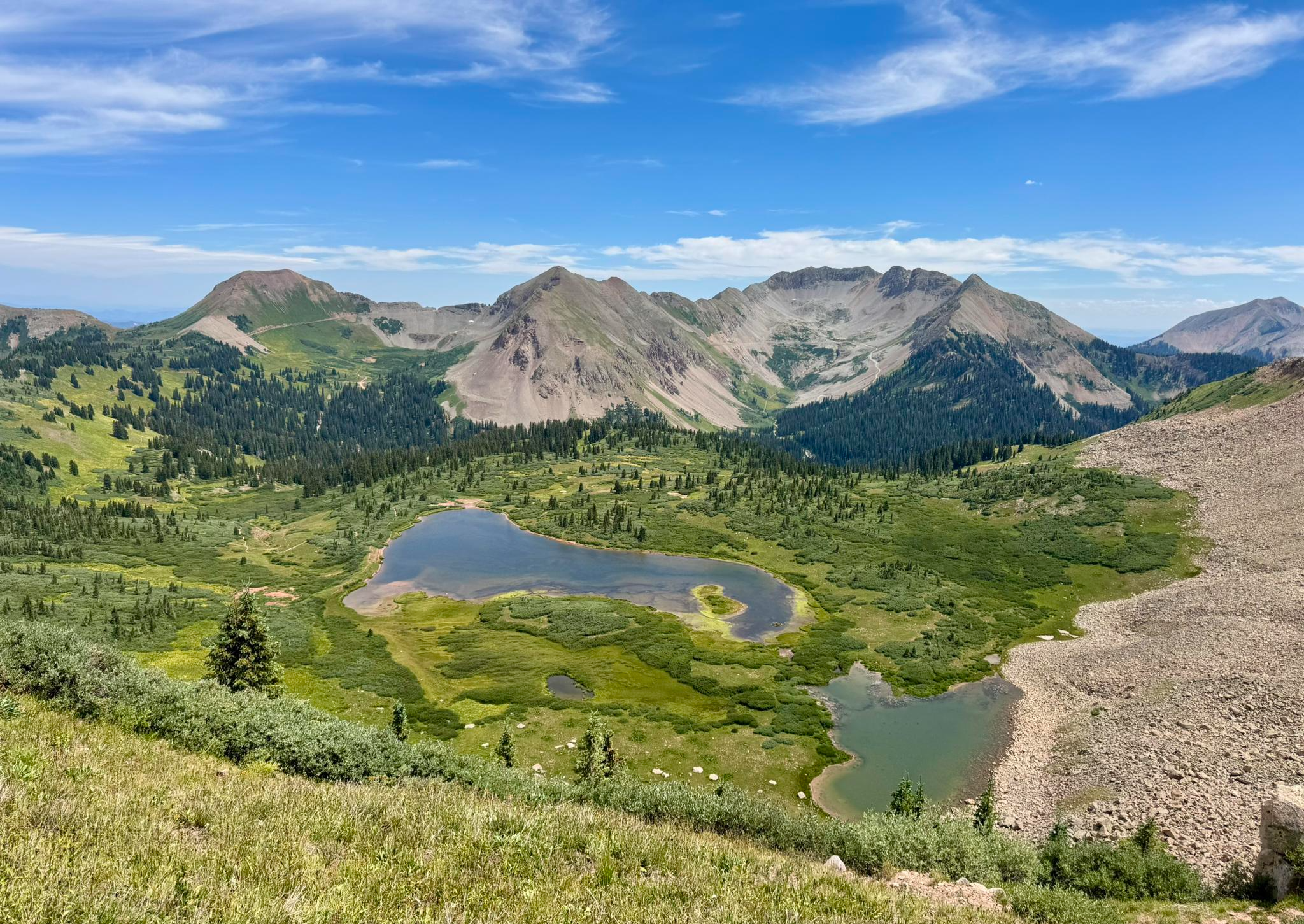
The Colorado Trail — Ten incredible days in the Rocky Mountains
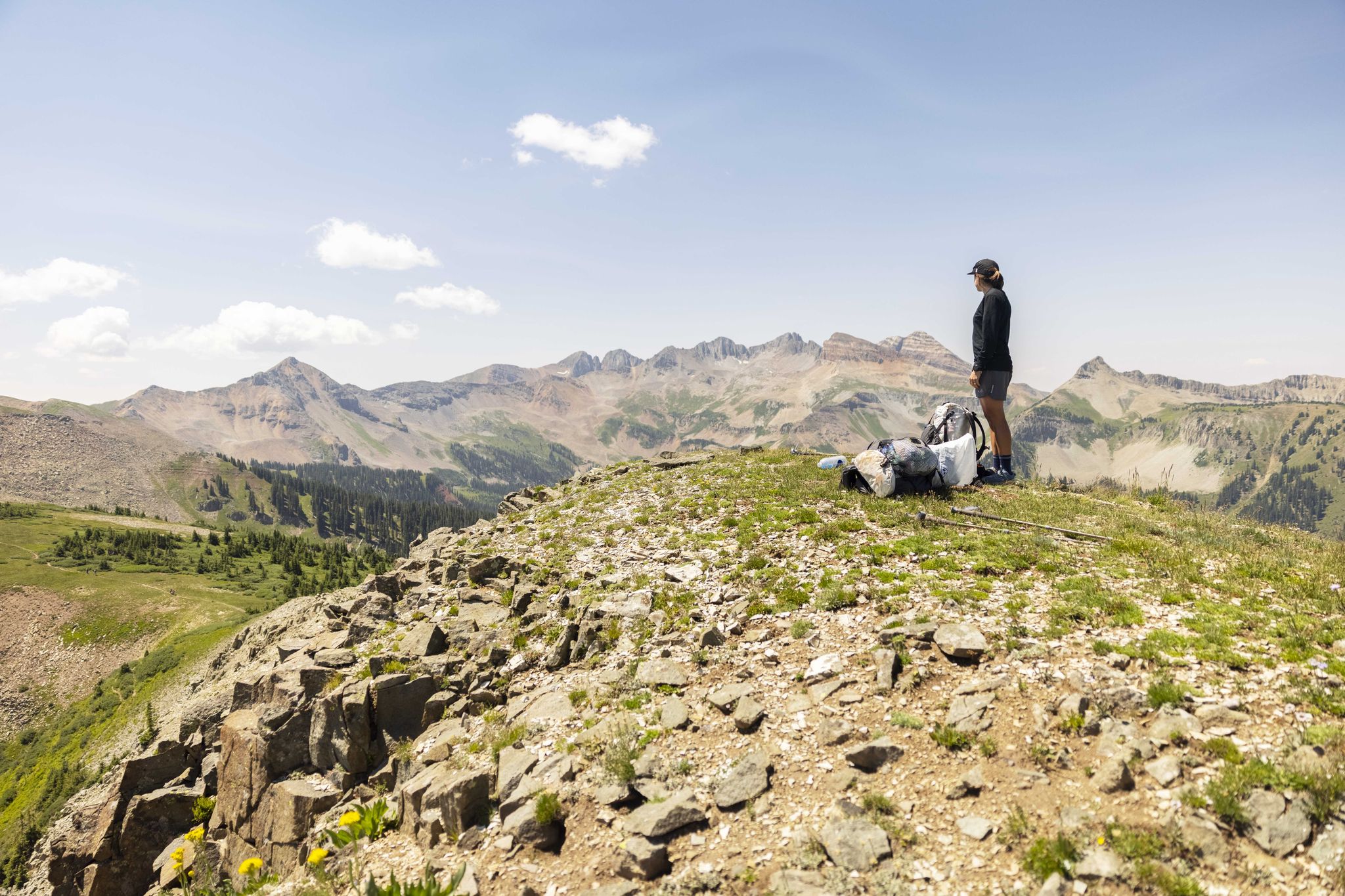
Colorado Trail — The pinnacle of wild Colorado
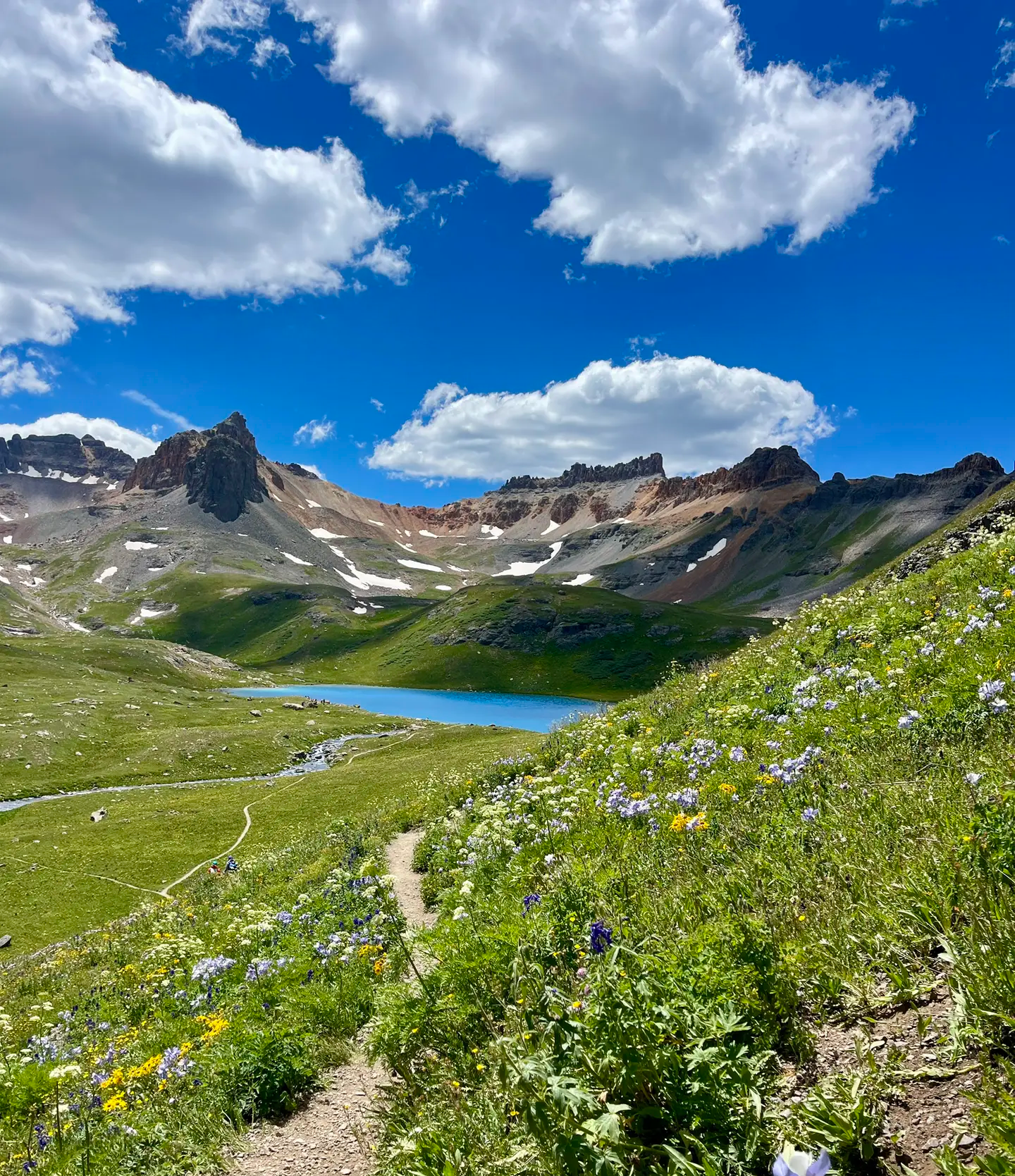
The Colorado Trail — Hiking from Silverton to Durango
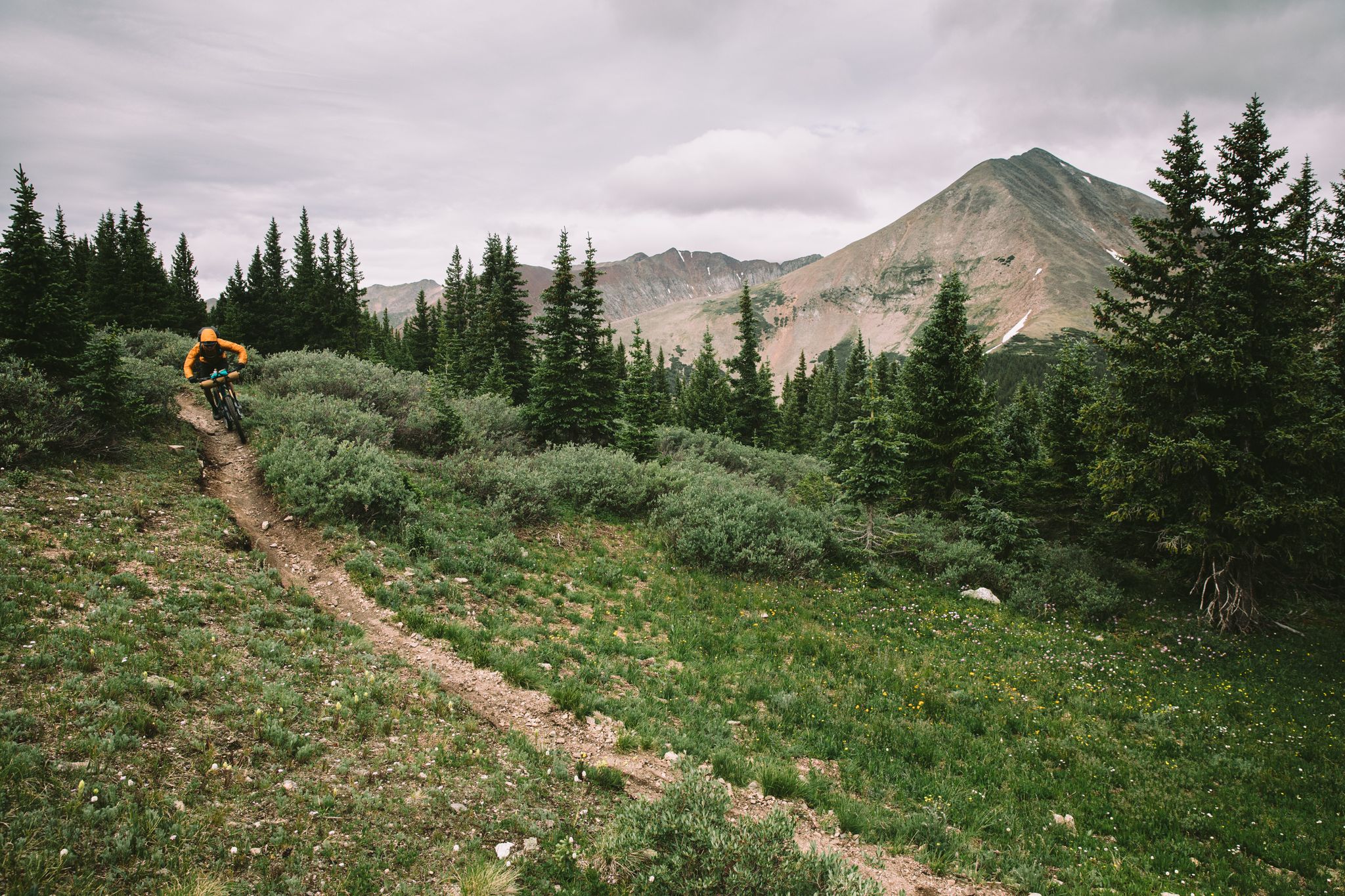
Softrock 100: Four Days Through Colorado’s Alpine Wilds
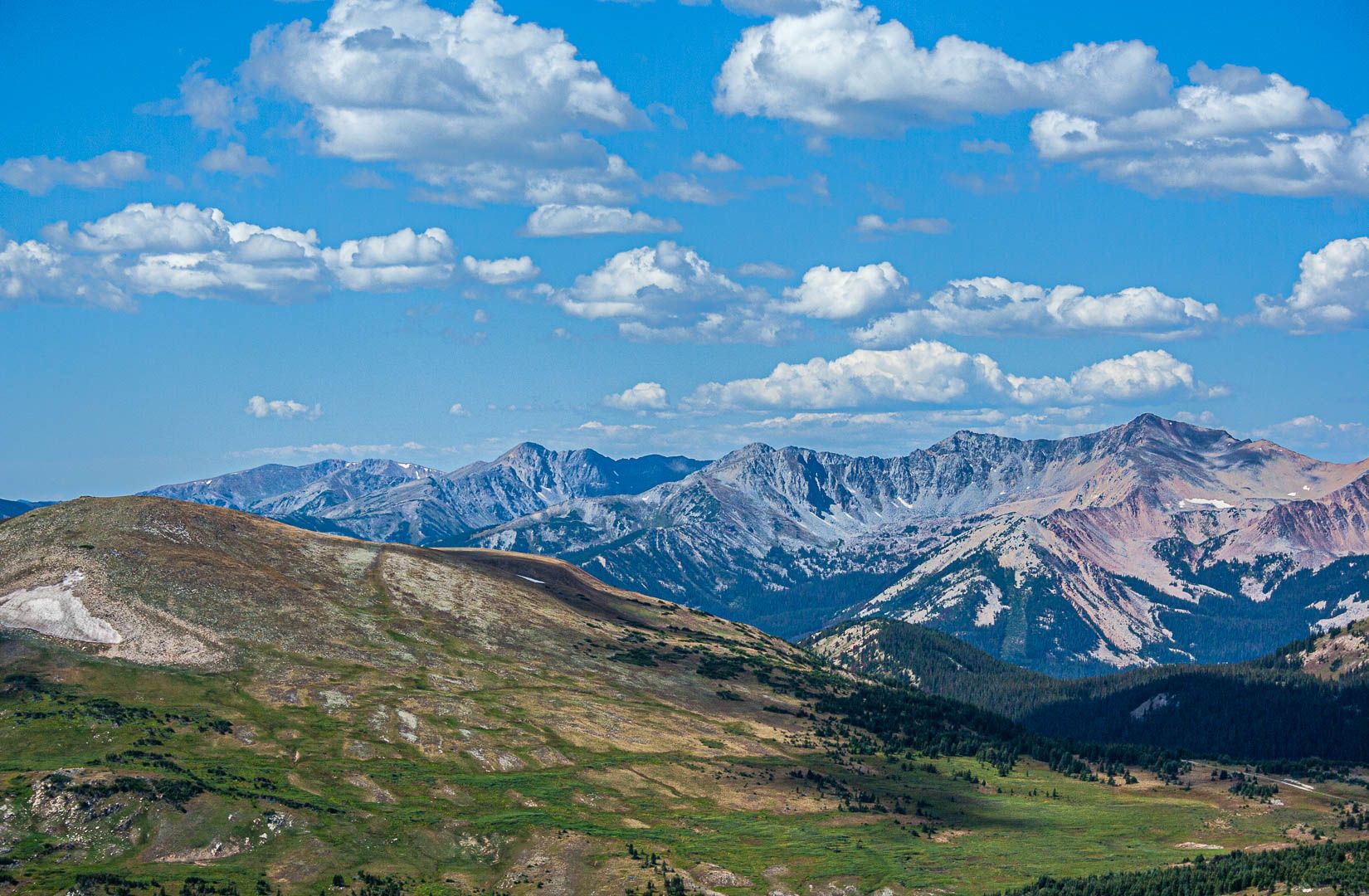
The Continental Divide Trail — Across the sky of America
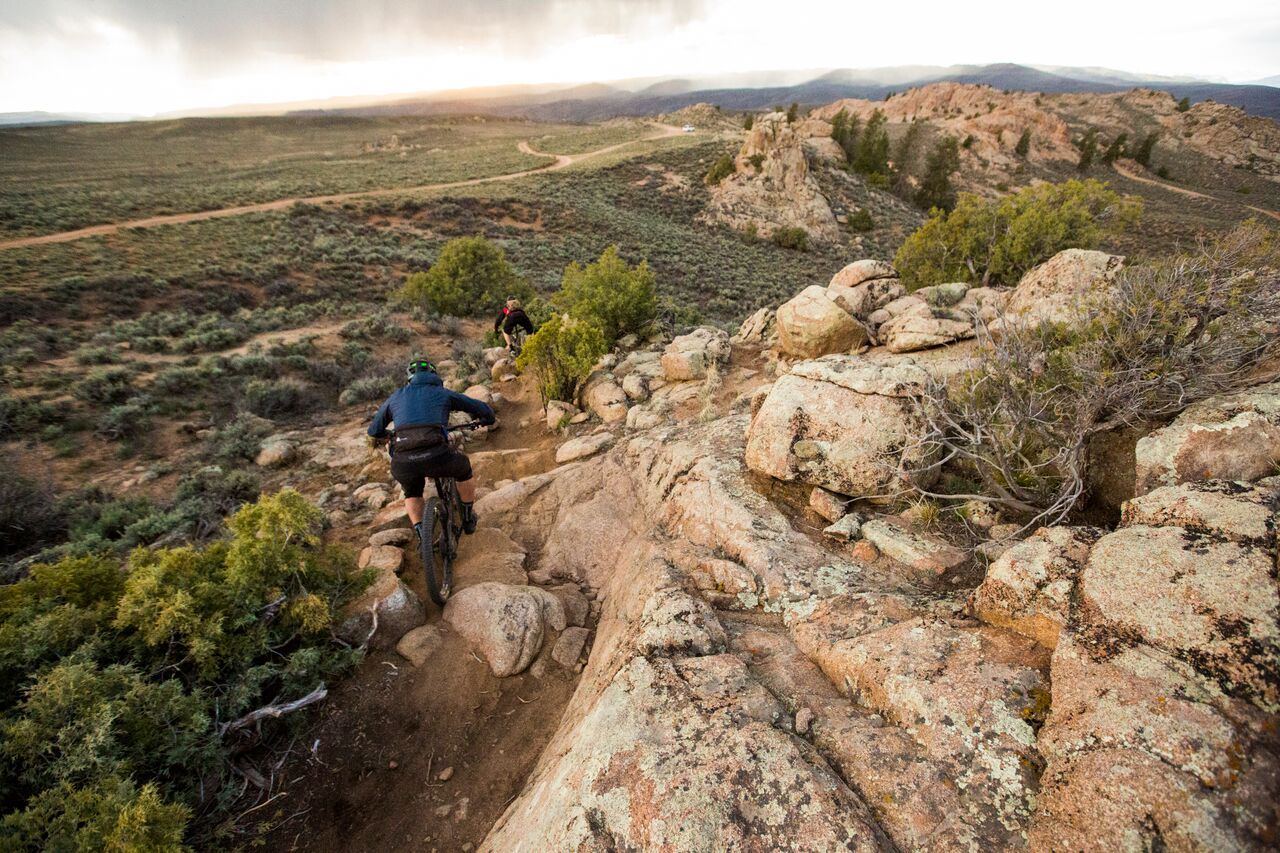
Hartman Rocks – rocky desert trails in Gunnison, Colorado
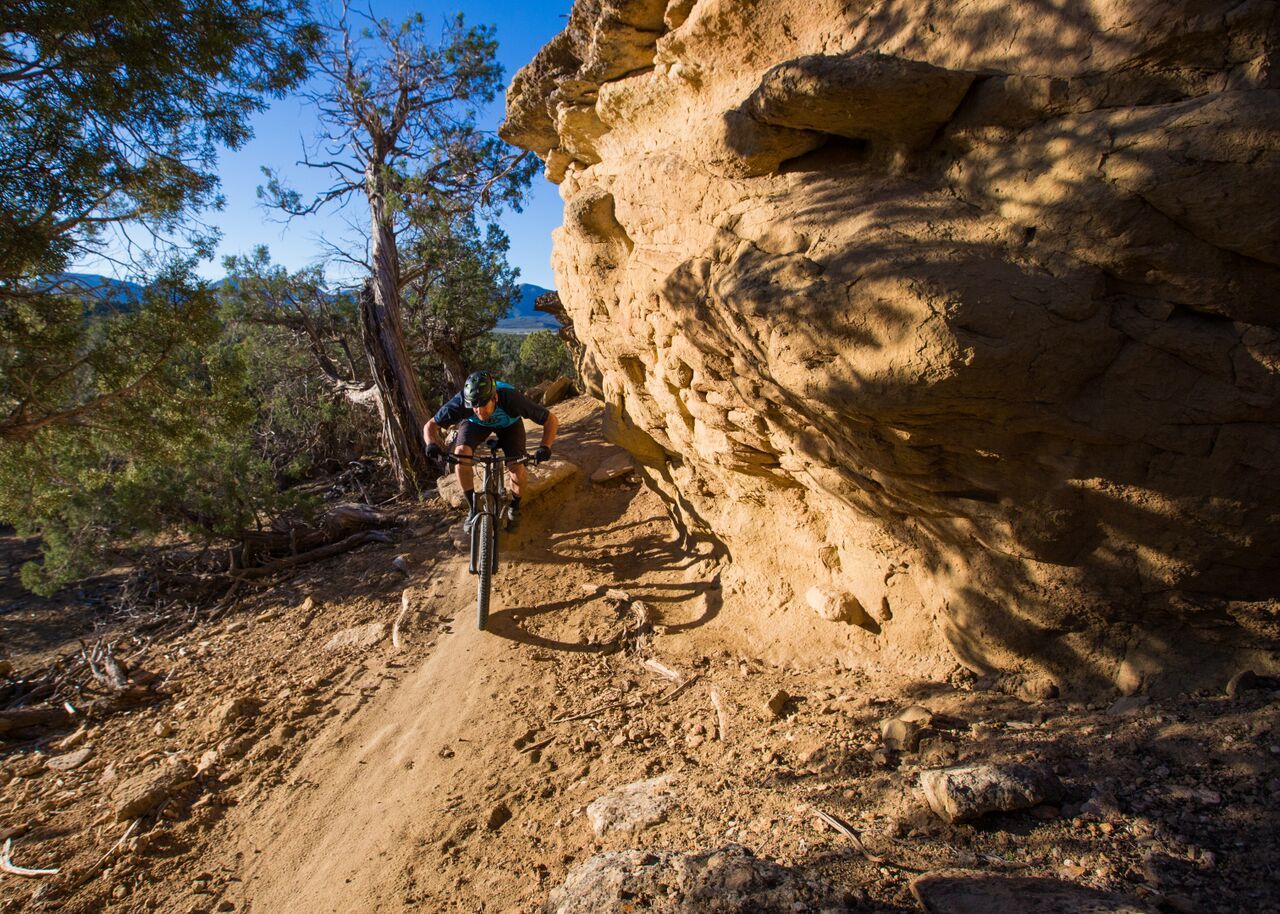
Unforgettable MTB adventures in Colorado's south-west
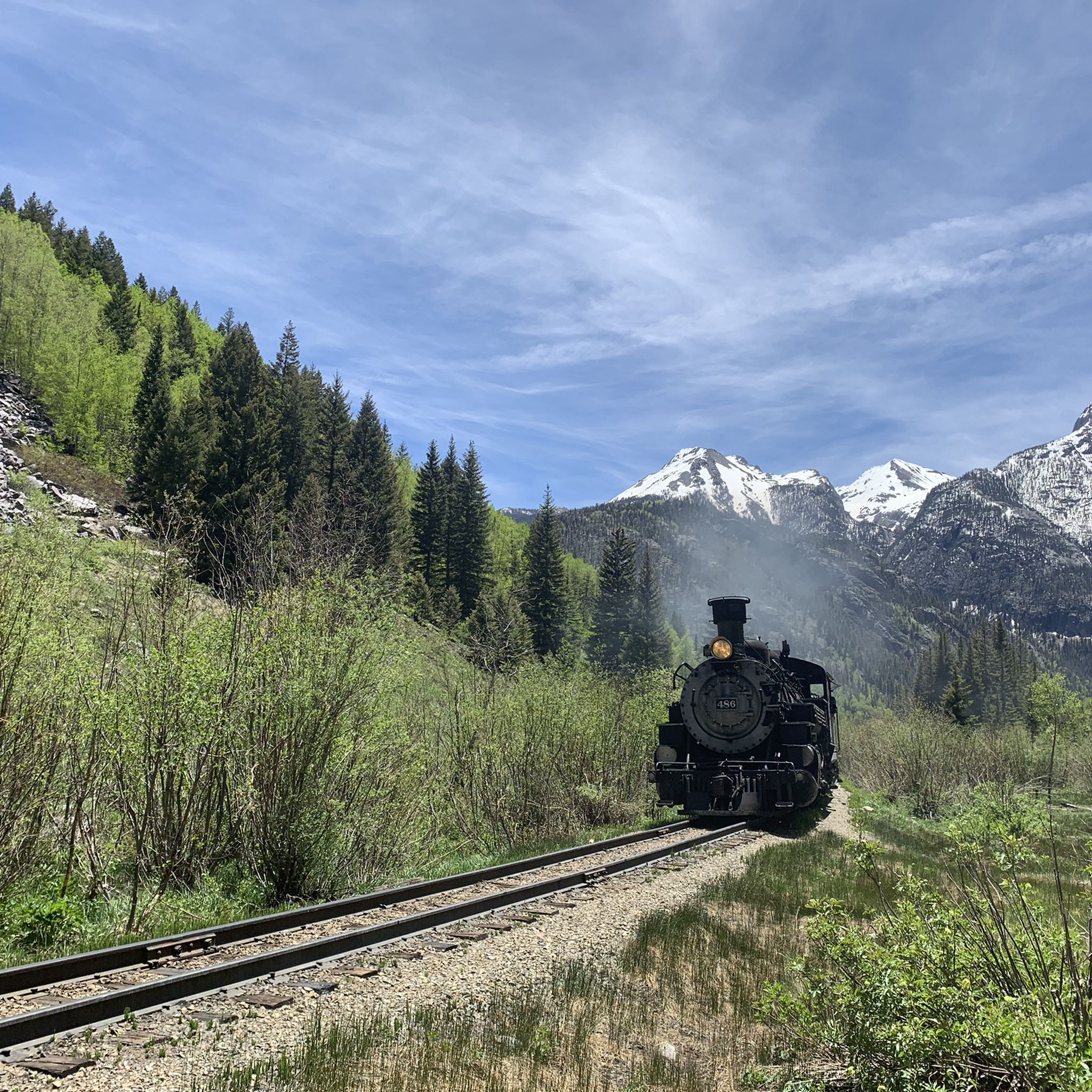
Hiking in the San Juan Mountains
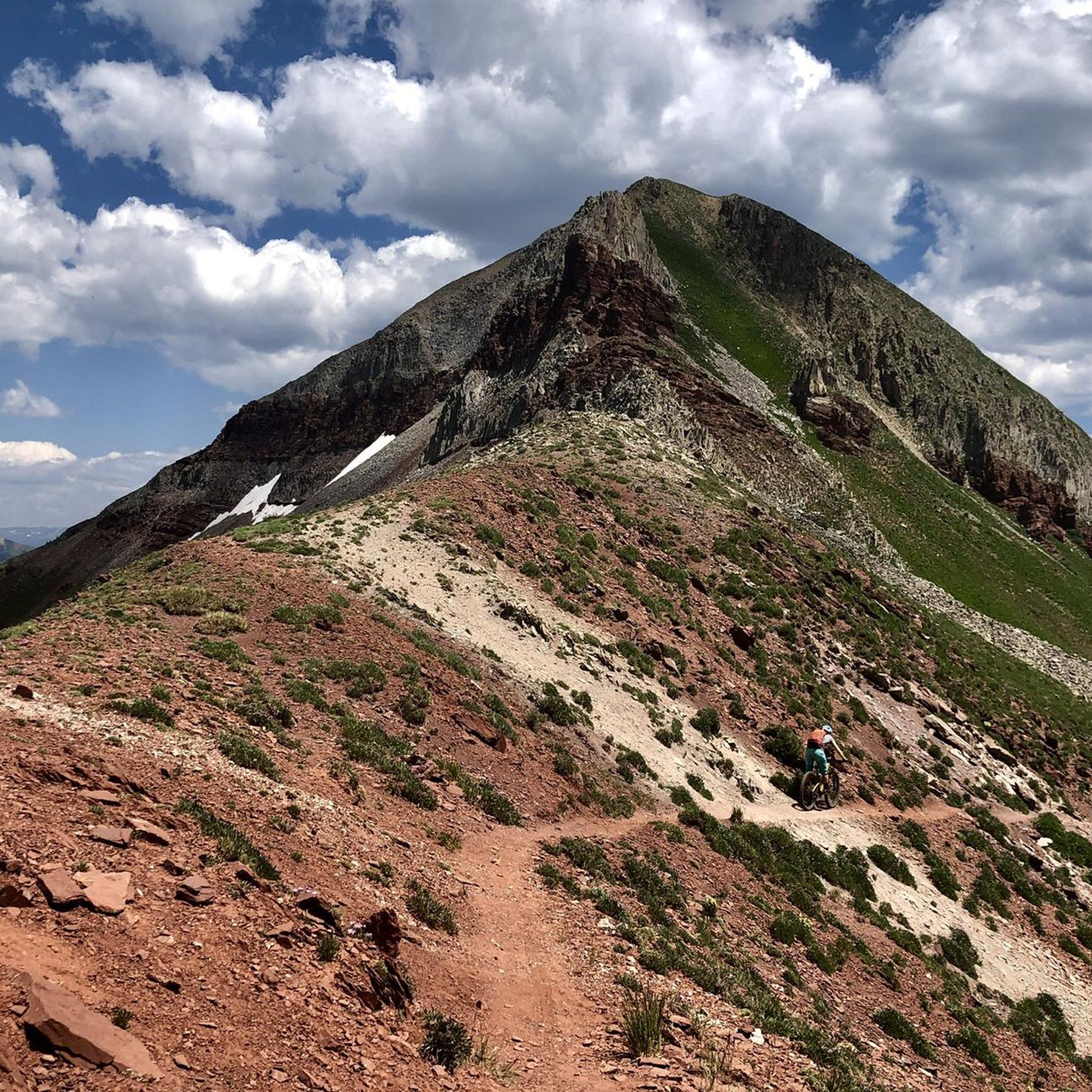
MTB Trails in the San Juan Mountains
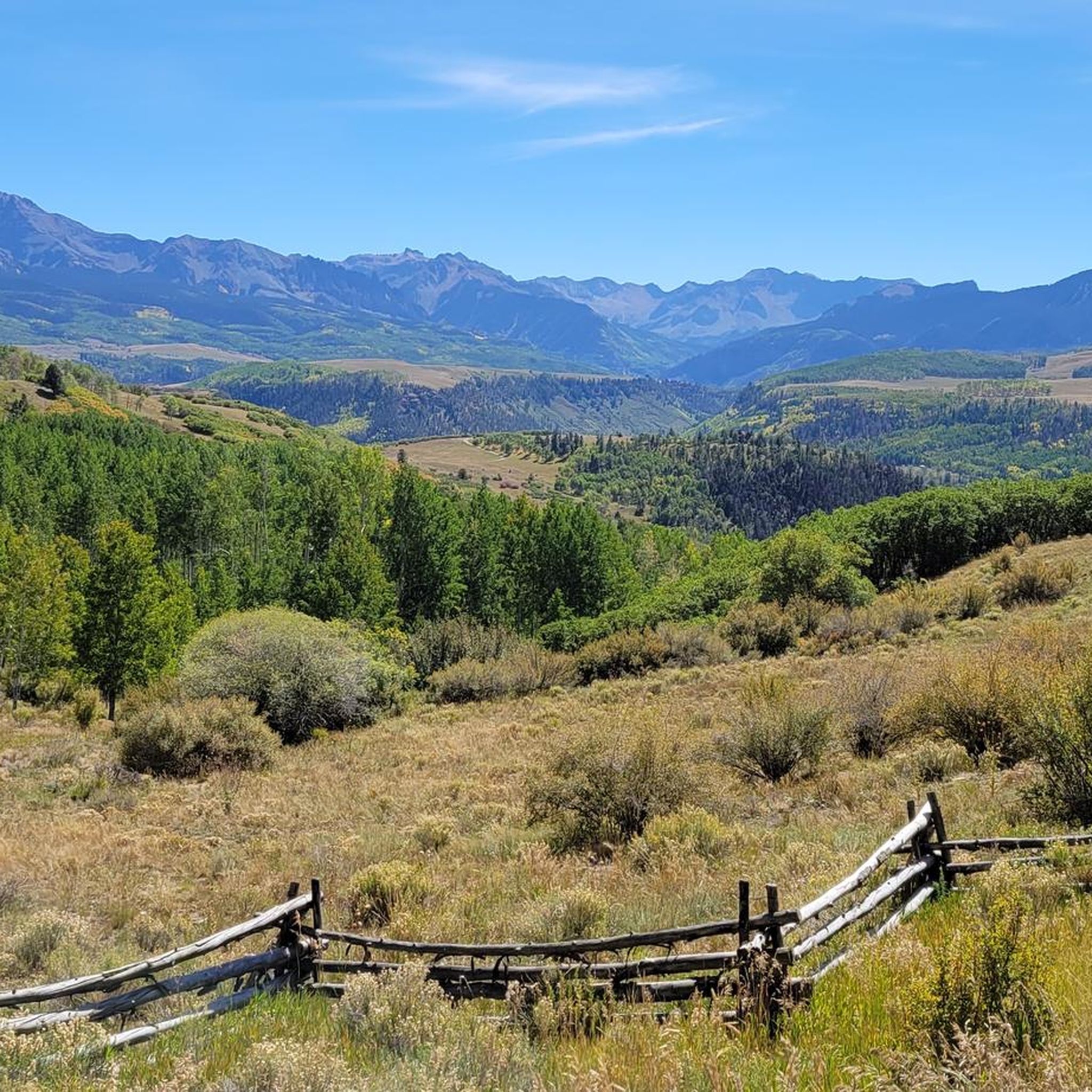
Road Cycling Routes in the San Juan Mountains
Other adventures in the San Juan Mountains


Tips from the Community


At 13,271 feet you reach the official highest point of the Colorado Trail. Neither the ascent nor the descent are particularly steep, so you might think that you didn’t climb up that much. Nevertheless, enjoy the view and celebrate your achievement! If you like, you can hike up to the nearby summit to find a geological marker.
1
0

The view is mind-blowing! Stopp and enjoy it. It can't get any better than this.
1
0

A small sign on a wooden post marks the High Point of the Colorado Trail. This is an amazing place to pause and catch your breath (if you can at 13,271 feet!), take in the stunning panoramic views, and bask in your amazing accomplishment.
1
0
With an elevation of 14,058 feet, Handies Peak is one of the Colorado 14,000ers. You can access the summit either from the American Basin, passing beautiful Sloan Lake or via Grizzly Gulch from Cinnamon Pass Road on the other side of the mountain. The view from the top is spectacular! Keep in mind, that the weather can change quickly and expect thunderstorms especially during the summer months. So start your hike early and descent in the early afternoon at the latest.
3
0

At 12,968 feet, Engineer Mountain doesn't quite qualify as a Colorado 13er. That being said, it is one of the most unique and fun mountains in the San Juans. The ridge up to the summit involves some class 2 and class 3 moves, but the route is clear and easy to follow. This is a great route to introduce someone to class 3 travel, and you are not lacking any views once you reach the summit.
0
0

The trail up to Handies is relatively easy, making this a popular 14'er for beginners. That said, running up is still quite the challenge! The weather can change quickly and you don't want to be caught in a thunderstorm above treeline, so it is best to run up early in the morning and keep an eye on the weather.
0
0
Hogsback is an easily recognizable peak from town. There is a distinctive ridge traveling up to the summit, and the trail itself is as steep as they come. It's easy to get "spooked" when it's time to head downhill because of how steep the slopes are off the sides of the trail. The lookout from the top is worth the efforts to get up and down, though.
0
0
Frequently Asked Questions
What are some of the most popular mountain peaks in the San Juan Mountains?
The San Juan Mountains are home to many impressive peaks. Some popular choices include Animas Mountain Trail, which offers great views over the Hermosa and Animas Valleys, and Hogsback Peak, known for its distinctive ridge and expansive views from the top. For those seeking a 14er, Redcloud Peak is a notable option.
What is the highest peak in the San Juan Mountains?
The highest peak in the San Juan Mountains is Uncompahgre Peak, standing at 14,309 feet. It is also the sixth-highest in the entire Rocky Mountain chain, offering broad slopes and panoramic views. A 4x4 high-clearance vehicle is often recommended to reach its trailhead.
Are there any beginner-friendly 14ers in the San Juan Mountains?
Yes, Handies Peak (14,058 feet) is often considered one of the easier 14ers to climb due to its terrain and relatively direct route. It's a popular choice for those new to 14er summiting, offering spectacular views from the top. Access often requires a 4x4 high-clearance vehicle for the road to the trailhead.
What is the best time of year to hike the mountain peaks in the San Juan Mountains?
The best time to hike most mountain peaks in the San Juan Mountains, especially the 14ers, is during the summer months, typically July and August, to avoid snow. It's always advised to start early in the morning and plan to descend by early afternoon to avoid the common afternoon thunderstorms and lightning risks at high altitudes.
What unique geological features can be found in the San Juan Mountains?
The San Juan Mountains are characterized by their volcanic origins, which have created steep slopes and distinctive U-shaped canyons, such as the iconic box canyon near Telluride. The range also features jagged volcanic summits and alpine lakes, a result of its rich geological history.
What kind of challenges can I expect when hiking peaks in this region?
Many peaks in the San Juan Mountains, particularly the 14ers, present challenging ascents. Peaks like Mount Sneffels are known for their jagged, iconic appearance, while the 'Wilsons' (Mount Wilson, El Diente Peak, and Wilson Peak) offer strenuous climbing challenges. Some routes require a 4x4 high-clearance vehicle to reach trailheads, and hikers should always be prepared for rapidly changing weather conditions and afternoon thunderstorms.
Are there any mountain peaks known for their distinctive shapes?
Yes, Wetterhorn Peak (14,015 feet) is renowned for its distinctive horn-like shape, making it a recognizable landmark in the San Juans. Mount Sneffels also stands out with its jagged, iconic profile, frequently photographed, especially during the fall.
What outdoor activities can I do near the mountain peaks in the San Juan Mountains?
Beyond peak bagging, the San Juan Mountains offer a wide range of outdoor activities. You can explore various cycling routes, including gravel biking and road cycling. For gravel biking, consider routes like the Ouray loop from Ouray County or the Horse Gulch Trailhead loop. For road cycling, options include the Beautiful Valley loop or the Animas River Trail. Find more details on these activities in the Gravel biking in the San Juan Mountains, Cycling in the San Juan Mountains, and Road Cycling Routes in the San Juan Mountains guides.
Which towns serve as good bases for exploring the San Juan Mountains?
Several charming towns are excellent bases for exploring the San Juan Mountains. Lake City is a great starting point for hikes to peaks like Wetterhorn Peak. Telluride, a significant ski resort, is conveniently located for accessing the western San Juans, including the challenging 'Wilsons' peaks. Durango is also a popular hub, with nearby peaks like Baldy Mountain and Animas Mountain Trail.
Are there any peaks that are part of a popular backpacking destination?
Yes, Mount Eolus, Windom Peak, and Sunlight Peak are three 14ers clustered around Chicago Basin, a highly popular backpacking destination within the Weminuche Wilderness. Access to this area is often via the Durango & Silverton Narrow Gauge Railroad, followed by a hike into the basin where basecamps are typically established for climbing these peaks.
What is the historical significance of the San Juan Mountains?
The San Juan Mountains have a rich history rooted in gold and silver mining. The area is highly mineralized, and many old mining camps from this era now serve as tourist attractions, offering a glimpse into the region's past alongside its natural beauty.
Do I need a 4x4 vehicle to access trailheads for some peaks?
Yes, for several peaks in the San Juan Mountains, a 4x4 high-clearance vehicle is recommended or even necessary to reach the trailheads due to rugged road conditions. This applies to peaks like Uncompahgre Peak, Mount Sneffels (for closer trailhead access via Yankee Boy Basin), and Handies Peak.
Most popular routes in the San Juan Mountains
Most popular attractions in the San Juan Mountains

Get inspired with the komoot mobile app


Explore more
See even more amazing summits in the San Juan Mountains with these guides:
