The best cycling routes in Āhihi-Kīna‘U Natural Area Reserve
4.3
(3)
64
riders
4
rides
Touring cycling routes in Āhihi-Kīna‘U Natural Area Reserve offer diverse experiences along the coast of Maui. The region features routes that traverse established roads and trails, providing access to beaches and natural landmarks. Elevations vary, with some routes remaining relatively flat while others include significant climbs. The landscape is characterized by coastal features, including beaches and views of the Pacific Ocean.
Best touring cycling routes in Āhihi-Kīna‘U Natural Area Reserve
- The most popular touring cycling route is Hoapili Trail to…
Last updated: July 9, 2026
1
riders
4.98km
00:28
30m
20m
The Hoapili Trail to Hanomanioa Light is an easy 3.1-mile touring cycling route in Maui's ʻĀhihi-Kīnaʻu Natural Area Reserve.
52.1km
03:36
950m
950m
Cycle the difficult 32.4-mile Piilani Highway via Ulupalakua in Haleakalā National Park, featuring diverse landscapes and ocean views.

Sign up for free
3
riders
11.3km
00:42
90m
90m
Embark on an easy touring bicycle ride through Mākena State Park via Polo Beach, a route that spans 7.1 miles (11.3 km) with a gentle elevation gain of 301 feet…
16
riders
19.2km
01:14
180m
180m
Moderate bike ride. Good fitness required. Mostly paved surfaces. Suitable for all skill levels.
4.3
(3)
37
riders
49.1km
02:58
260m
260m
Moderate bike ride. Good fitness required. Mostly paved surfaces. Suitable for all skill levels.
Our route recommendations are based on thousands of hikes, rides, and runs completed by other people on komoot.
Start today with a free account
Your next adventure awaits.
Login or Signup
Popular around Āhihi-Kīna‘U Natural Area Reserve
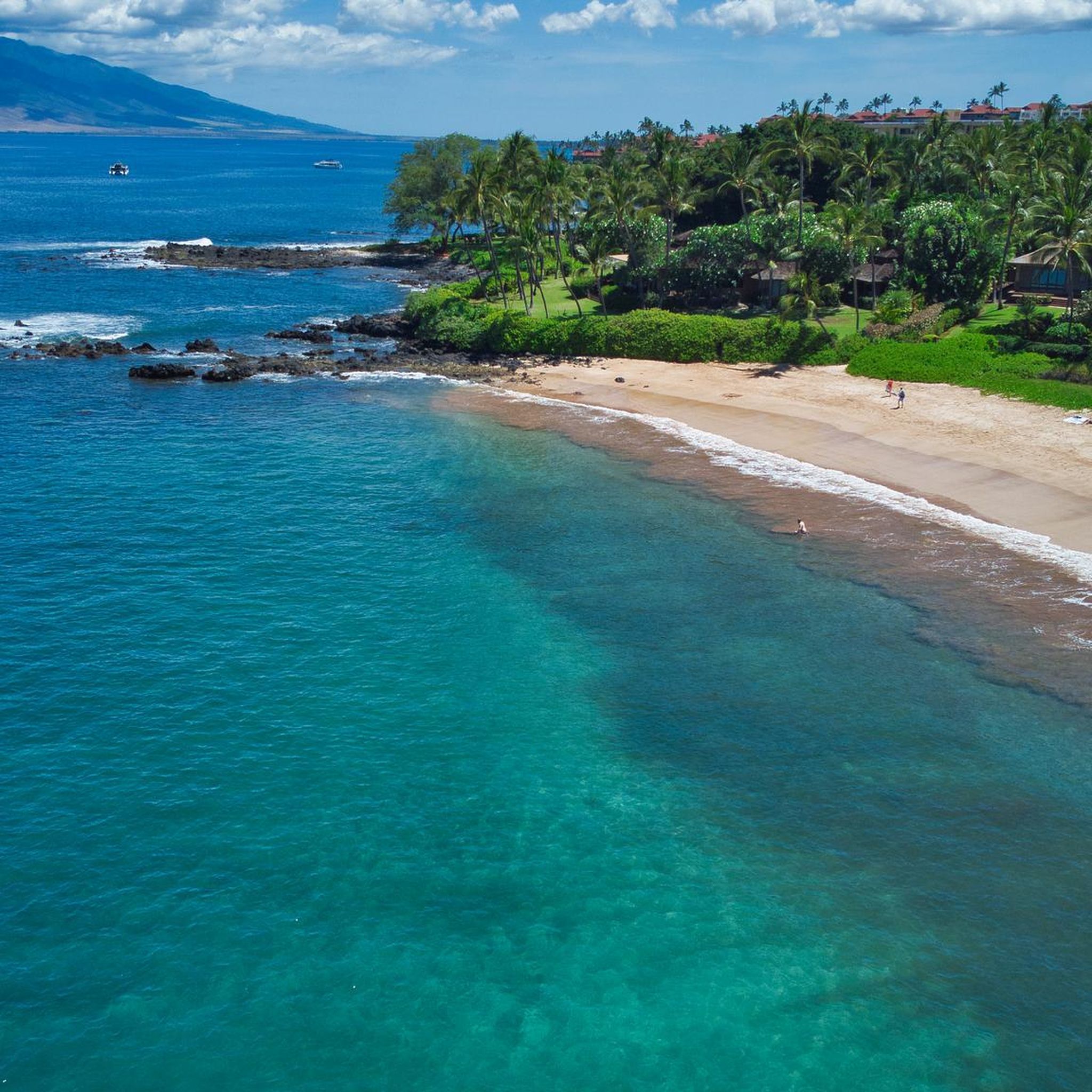
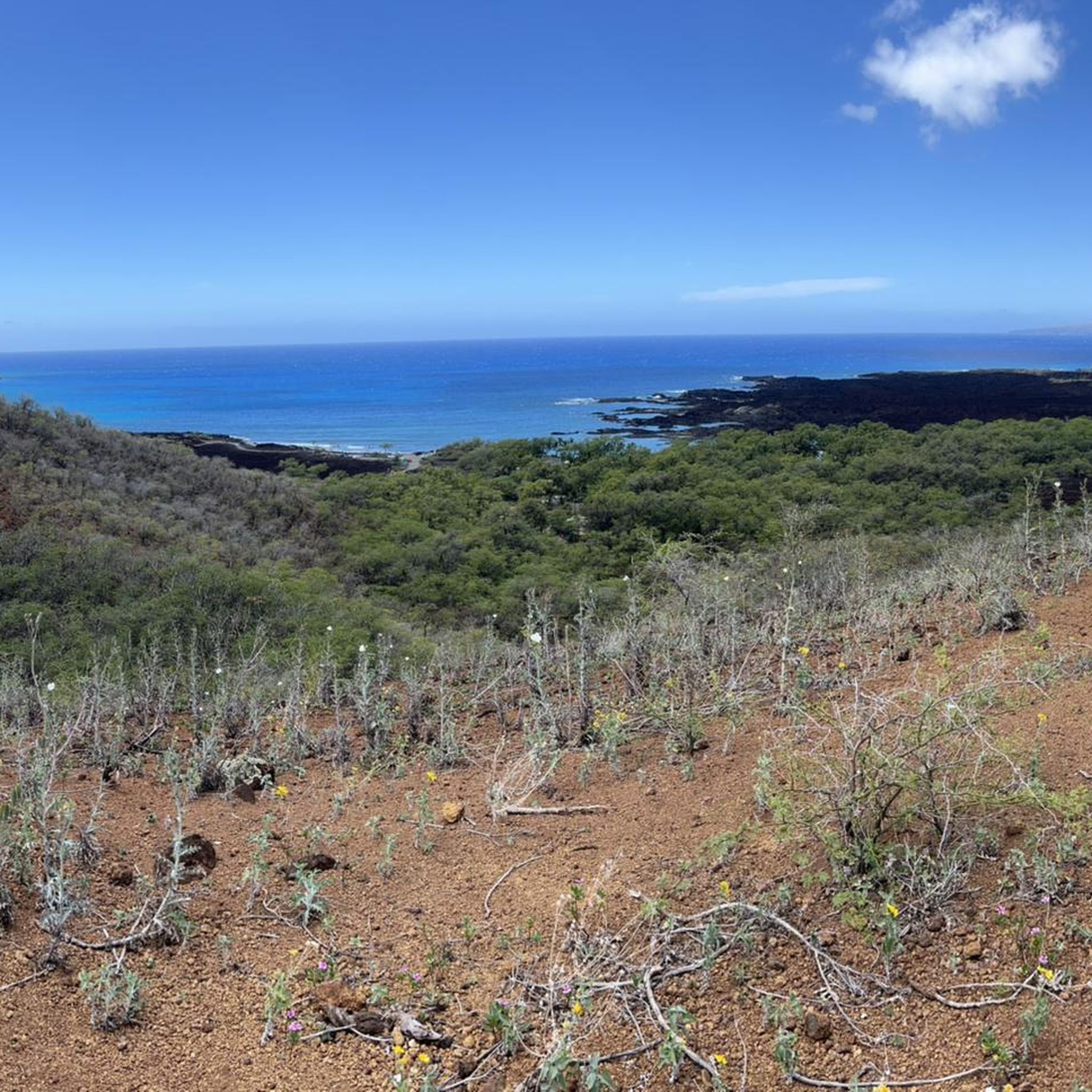
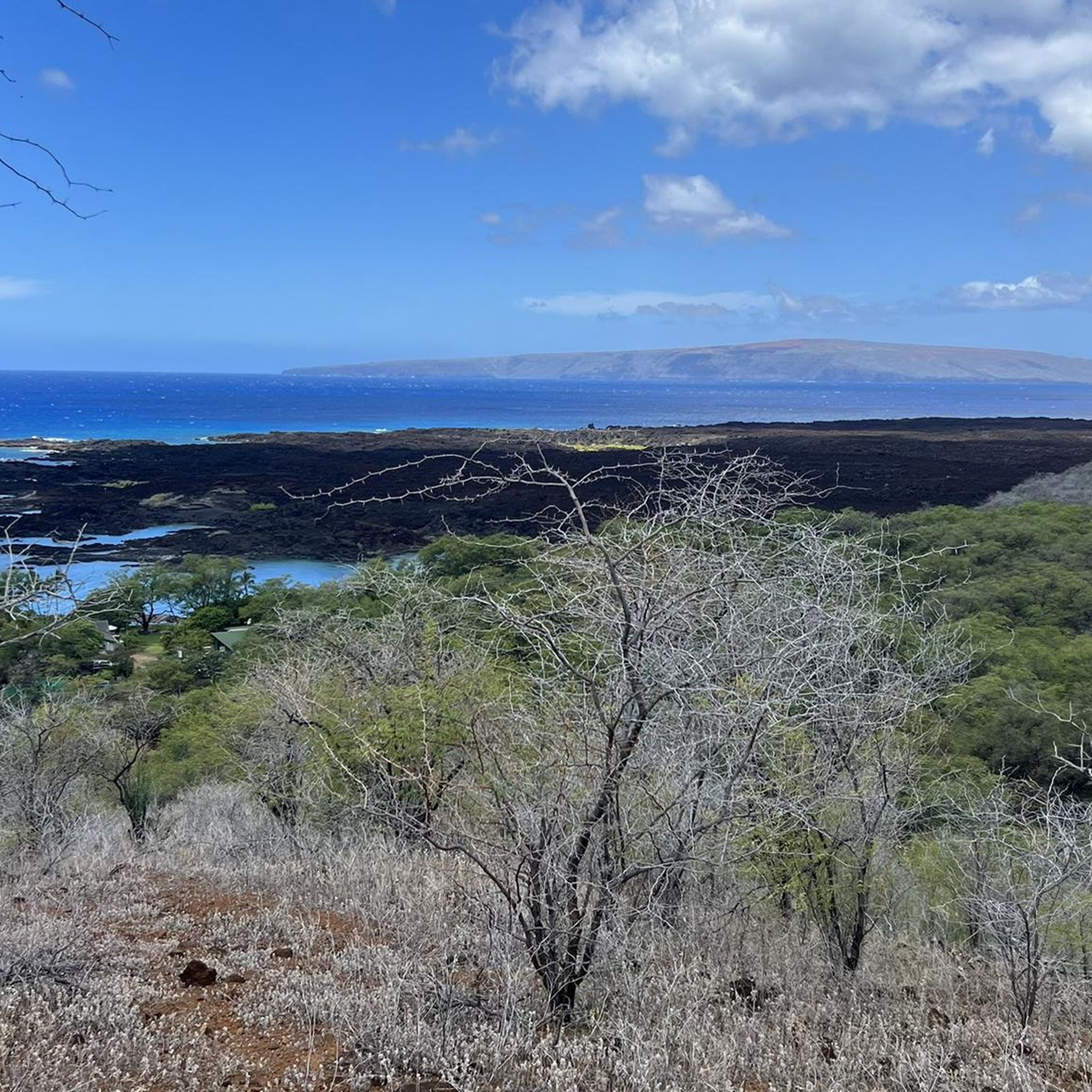
Tips from the Community


Perfect barefoot running beach, as always as early or late in the day as possible.
1
0
Perfect running route for a lap without shoes.
1
0

Ulua Beach Park is a 0.25-mile-long sandy beach known for its excellent swimming, boogie boarding, and beginner to intermediate snorkeling opportunities, with the rocky outcrop on the north end of the beach offering some of the best spots. Ulua Beach is more crowded than its neighboring beach to the north. The beach gets its name from a famous Hawaiian game fish and was initially called "Kaula'uo" by locals before World War II. It was renamed "Little Tarawa" by US Marines during their training mission, which is still the name some locals use. Limited parking is available, so plan to come early if you need a space.
0
0
Kamaole III is one of the last main beaches in Kilhe and is a favorite hangout for locals and visitors. It includes a giant beach park, playground and barbecue facilities, perfect for families to enjoy a full day enjoying the beach. Sunset here is something of a tradition. Locals make this place a habit in the evenings to play bocce ball, eat and watch the sun go down.
0
0
Keawakapu I Beach is a serene and tranquil destination situated behind luxurious multi-million dollar homes. It is a popular spot for those who want to enjoy a peaceful and less crowded beach experience. Visitors can indulge in activities such as yoga, jogging, whale watching, walking their furry friends, or just taking in the stunning sunset views. The name 'Keawakapu' means "forbidden cove" due to the intense storms that can hit the beach. Sometimes, after a storm, the sand may be swept away, revealing lava rock. However, over time, the sand returns gradually, thanks to Mother Nature.
1
0

Keawakapu Beach is a beautiful and popular beach on the southern coast of Maui. It is known for its long sandy shoreline, clear waters, and excellent conditions for swimming, snorkeling, and paddleboarding. The beach is framed by luxury resorts, but it remains accessible to the public and offers great opportunities for a stroll along the beach.
0
0
Mākena State Park is a beautiful scenic area and home to one of Maui's most prominent, undeveloped white sandy beaches, separated by Puʻu Olai, a 360-foot-tall dormant volcanic cinder cone. Mākena Beach (Big Beach) is nestled between two black-lava outcroppings, protecting it from the trade winds and making it a popular destination to relax and enjoy the views of the islands of Molokini and Kahoʻolawe.
0
0
Frequently Asked Questions
What types of touring cycling routes can I find in Āhihi-Kīna‘U Natural Area Reserve?
The reserve offers a variety of touring cycling routes, primarily characterized by coastal paths, beaches, and scenic roads. You'll find options ranging from easy coastal rides to more challenging routes with greater elevation gain. There are 5 touring cycling routes available, with 4 rated as easy and 1 as difficult.
Are there any easy, family-friendly touring cycling routes in the reserve?
Yes, several easy routes are suitable for families. For instance, the Hoapili Trail to Hanomanioa Light is an easy 3.1-mile (5.0 km) path offering coastal views. Another great option is Mākena State Park via Polo Beach, an easy 7.0-mile (11.3 km) route that travels along the coast.
Are there any challenging touring cycling routes for experienced riders?
For experienced touring cyclists seeking a challenge, the Piilani Highway via Ulupalakua route is rated as difficult. This extensive 32.4-mile (52.1 km) route features significant elevation changes, with nearly 3,100 feet (947 meters) of ascent and descent, offering a demanding ride through varied terrain.
Do I need a permit to cycle in Āhihi-Kīna‘U Natural Area Reserve?
As a Natural Area Reserve, Āhihi-Kīna‘U is a protected area. While general access to some areas is permitted, specific regulations may apply to certain trails or activities, including cycling. It's always best to check the official Hawaii Department of Land and Natural Resources (DLNR) website for the most current permit requirements and access rules before your visit.
What is the best time of year to go touring cycling in Āhihi-Kīna‘U Natural Area Reserve?
Maui generally enjoys pleasant weather year-round. However, the dry season from April to October typically offers the most consistent sunny days and lower chances of rain, making it ideal for touring cycling. The cooler, wetter season from November to March can still be enjoyable, but be prepared for occasional showers.
Are there any circular touring cycling routes in the area?
Yes, there are several circular routes available. The Keawakapu Beach – Kamaole III Beach loop from Wailea is a popular 9.3-mile (15.0 km) loop that takes you through coastal areas and beaches. Another option is the Kihei Boat Ramp – Keawakapu Beach loop from Wailea, which is a 11.0-mile (17.8 km) loop.
What kind of wildlife might I see while cycling in Āhihi-Kīna‘U Natural Area Reserve?
The reserve is known for its unique ecosystems. While cycling, especially along coastal routes, you might spot various seabirds. The marine areas are home to diverse fish, corals, and Hawaiian green sea turtles (honu). Remember to observe wildlife from a respectful distance and avoid disturbing their natural habitats.
What should I wear or bring for touring cycling in the reserve?
Given the tropical climate, lightweight, breathable clothing is recommended. Sun protection is crucial, so bring sunscreen, a hat, and sunglasses. Always carry plenty of water to stay hydrated, especially on longer rides. Depending on the route, sturdy cycling shoes and a helmet are also advisable.
Are there places to park near the touring cycling routes?
Parking availability can vary depending on the specific trailhead or starting point. Many coastal areas and beaches in the vicinity of the reserve, such as those near Wailea and Mākena, offer public parking lots. It's advisable to check specific parking options for your chosen route beforehand.
What do other touring cyclists enjoy most about cycling in Āhihi-Kīna‘U Natural Area Reserve?
The komoot community frequently praises the stunning coastal views and the opportunity to explore Maui's unique natural beauty. Cyclists often highlight the scenic roads and paths that lead to beautiful beaches and offer glimpses of the Pacific Ocean, making for a memorable touring experience.
Are there any cafes or places to get refreshments along the touring cycling routes?
While the immediate reserve area is focused on conservation, the routes often pass through or are close to developed areas like Wailea and Mākena. In these towns, you'll find various cafes, restaurants, and convenience stores where you can stop for refreshments and meals.
Most popular routes in Āhihi-Kīna‘U Natural Area Reserve

Get inspired with the komoot mobile app


Explore more
Browse the best Cycling routes in other regions.
