The best walks and hikes in Āhihi-Kīna‘U Natural Area Reserve
4.6
(30)
1,027
hikers
28
hikes
Hiking in Āhihi-Kīna‘U Natural Area Reserve traverses a landscape shaped by Maui's most recent lava flows from the Haleakalā volcano. The terrain features rugged coastal paths over sharp ʻaʻā lava rock fields and smoother pāhoehoe lava, where the volcanic coastline meets the Pacific Ocean. Within these lava fields, pockets of older land called "kīpuka" support native plant communities. The reserve also contains numerous cultural sites, including ancient walls and former garden plots.
Best hiking trails in Āhihi-Kīna‘U Natural Area Reserve
…Last updated: July 7, 2026
1
hikers
1.48km
00:23
10m
10m
Hike the easy Kanahena Trail in Maui's ʻĀhihi-Kīnaʻu Natural Area Reserve, offering coastal views and lava landscapes.
6
hikers
Easy hike. Great for any fitness level. Easily-accessible paths. Suitable for all skill levels.

Sign up for free
34
hikers
Easy hike. Great for any fitness level. Easily-accessible paths. Suitable for all skill levels.
5.0
(1)
28
hikers
2.83km
00:43
10m
10m
Easy hike. Great for any fitness level. Easily-accessible paths. Suitable for all skill levels.
6
hikers
Moderate hike. Good fitness required. Easily-accessible paths. Suitable for all skill levels.
Get access to more routes and recommendations from other explorers.
Sign up for free
Already have an account?
Our route recommendations are based on thousands of hikes, rides, and runs completed by other people on komoot.
Start today with a free account
Your next adventure awaits.
Login or Signup
Popular around Āhihi-Kīna‘U Natural Area Reserve
Tips from the Community

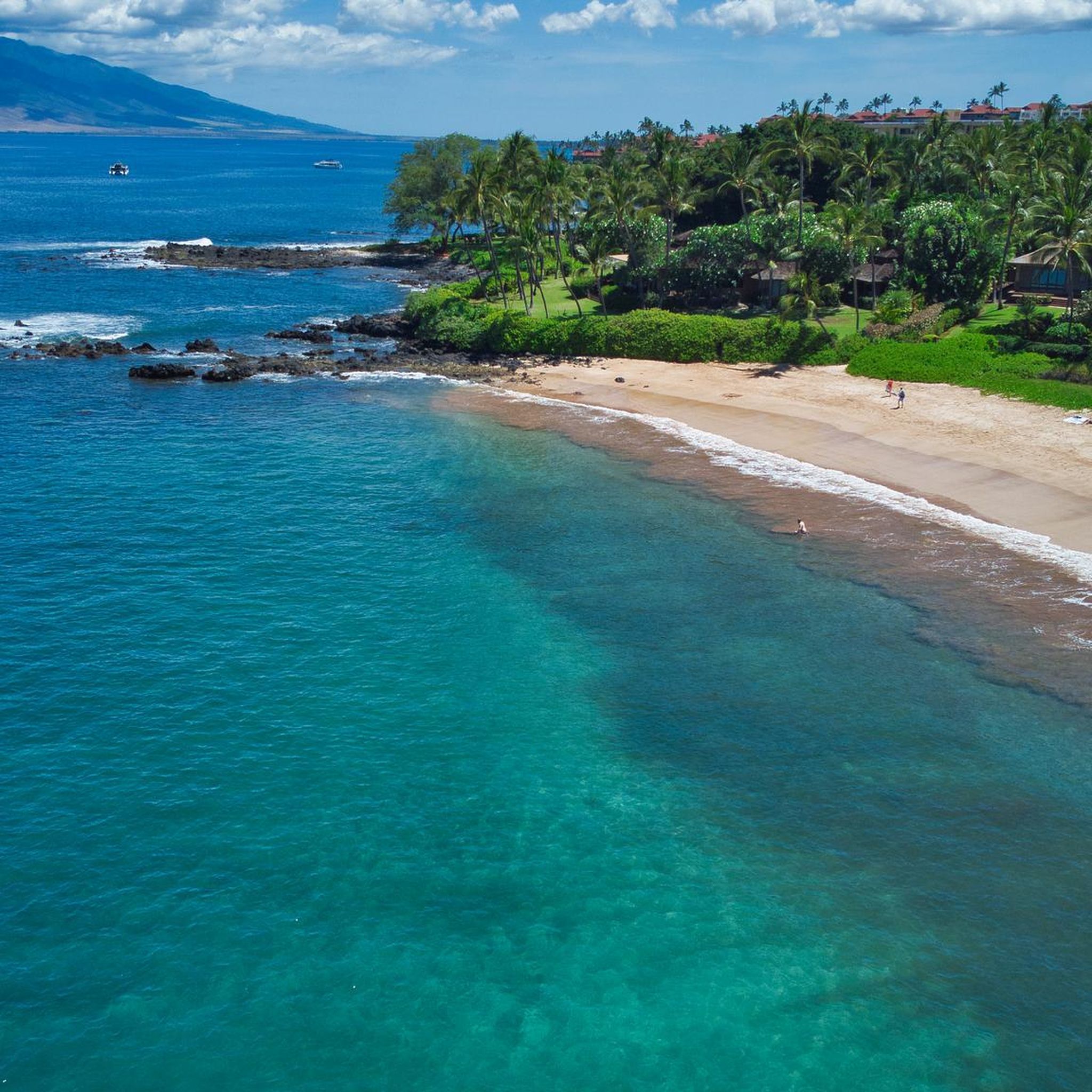
This small beach offers stunning views of La Perouse Bay with opportunities to take a dip to cool off. If you have the time, there are plenty of little coves, rocks, and the bay itself to explore. It's popular for snorkeling, but be careful, as there are no lifeguards around. The beach has no facilities except for a couple of porta-potties.
0
0

Ahihi Bay is located in the south-west of Maui and consists of black lava rocks. You won't find any sand at the beaches around Ahihi Bay what makes the water even more clear. That's one of the reasons why it is a famous spot for snorkeling. But be aware of the rough waves while snorkeling to avoid hitting one of the large boulders.
0
0

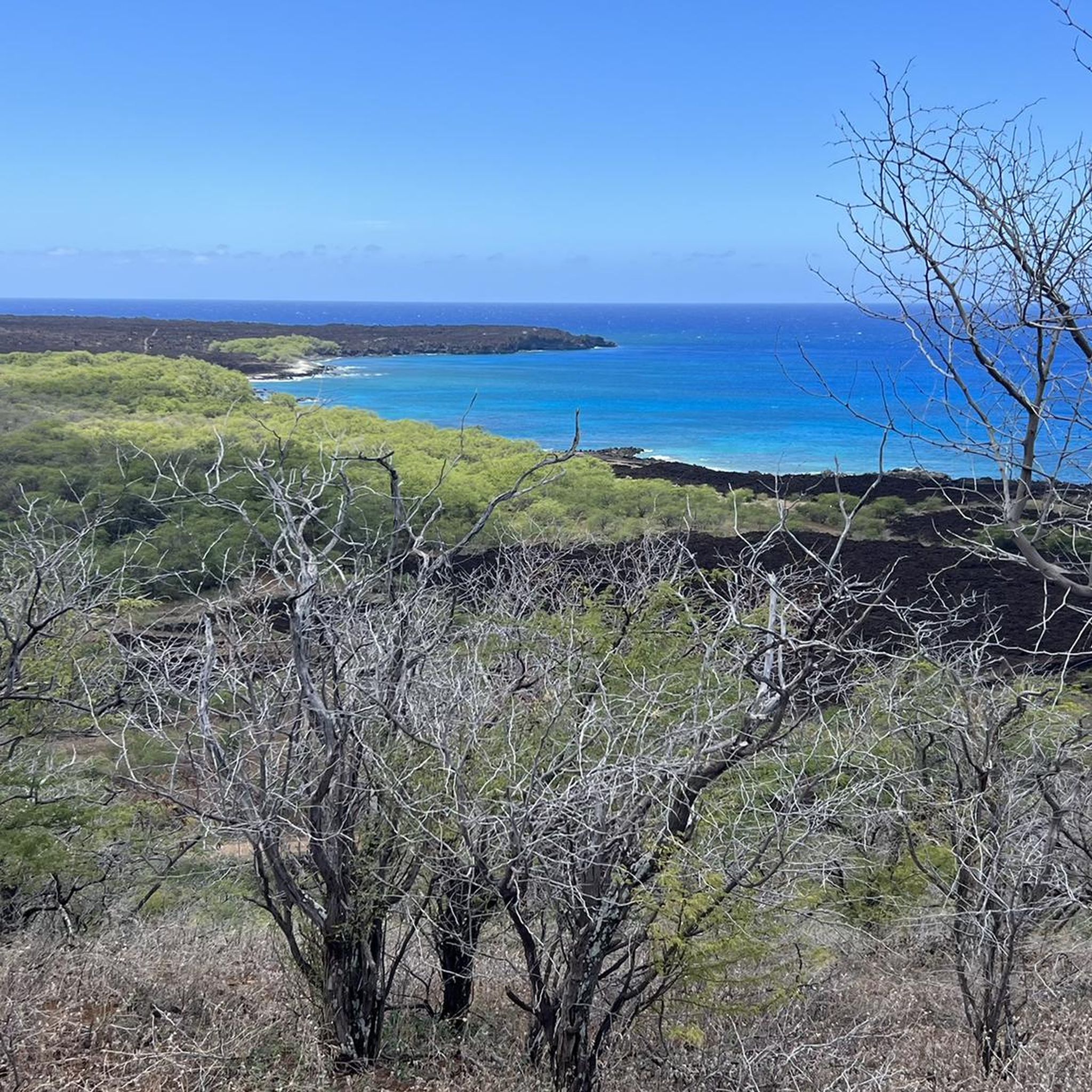
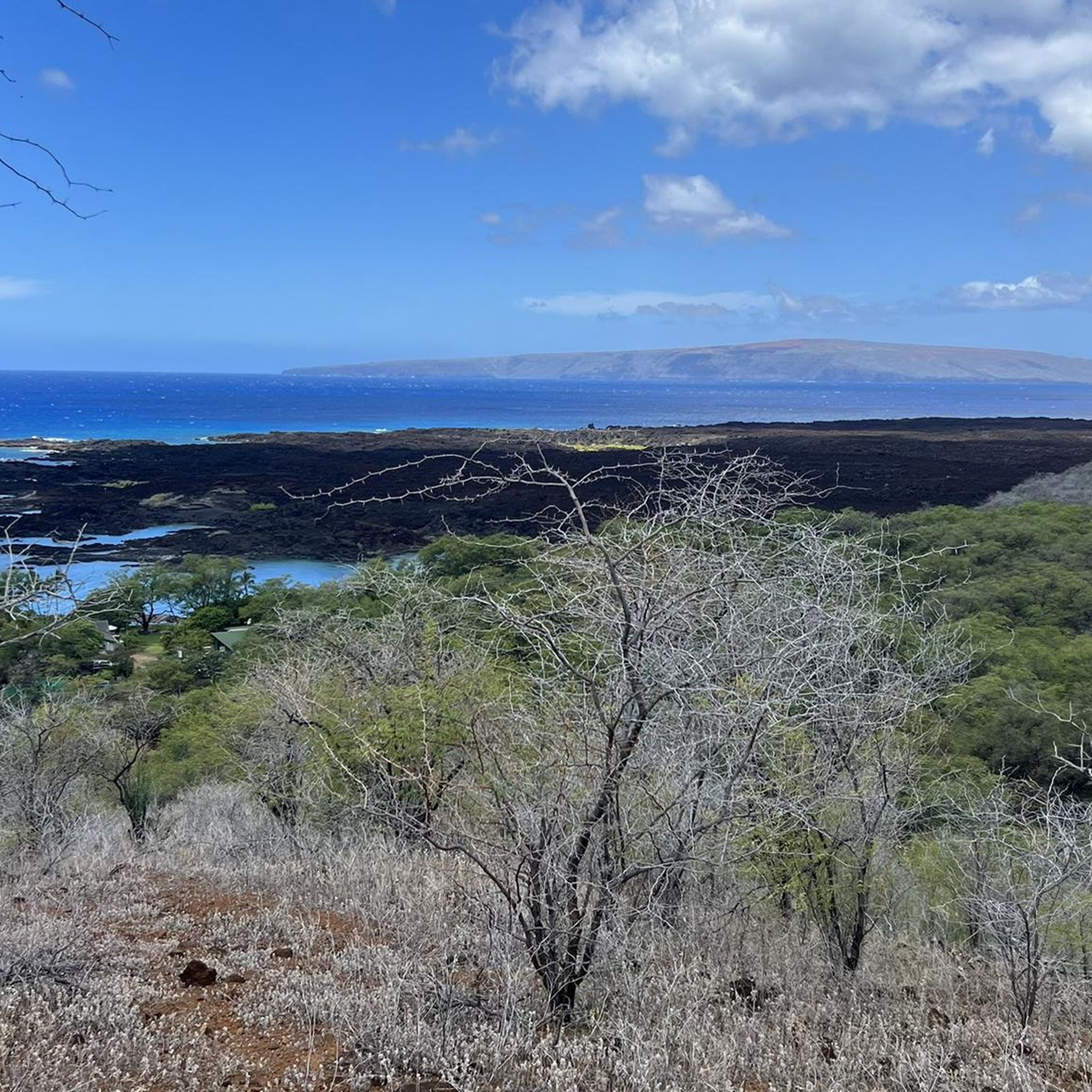
The King’s Trail, also called The King’s Highway is a trail that once extended the entire length of Maui. There are some shaded area and sucluded coves here, but it can get very hot. You can see lots of sharp lava rocks and arches.
0
0
Ahihi Bay is located in the south-west of Maui and consists of black lava rocks. You won't find any sand at the beaches around Ahihi Bay what makes the water even more clear. That's one of the reasons why it is a famous spot for snorkeling. But be aware of the rough waves while snorkeling to avoid hitting one of the large boulders.
0
0

Great view of Big Beach and Small Beach in Makena State Park
4
0

impressively Very hot. There is hardly any shade in the fields. Gravel, sand and lava rocks - flip flops are not a good choice.
1
0
Frequently Asked Questions
What kind of footwear is required for hiking in Āhihi-Kīnaʻu?
Sturdy, closed-toe hiking boots with thick soles are essential. The trails traverse sharp, uneven ʻaʻā lava rock from ancient lava flows. Sandals, flip-flops, or thin-soled shoes are not suitable and can lead to injury.
Are there any easy, short walks available in the area?
Yes, there are several shorter coastal walks. For a very brief stroll through the volcanic landscape, consider the Ahihi Bay — Maui County trail, which is less than a mile long. Another option is the Nice Beach at Perouse Bay loop from 'Āhihi-Kīna‘u Natural Area Reserve, a slightly longer but still easy walk that offers great coastal views.
What are the opening hours and is there a fee for the reserve?
The Āhihi-Kīnaʻu Natural Area Reserve is typically open daily from 5:30 a.m. to 7:30 p.m. There is a daily use fee for parking, which helps fund the protection and maintenance of the reserve. It's always a good idea to check the official website for the most current information on hours and fees before you go.
What should I bring for a hike on the Hoapili Trail (King's Highway)?
Aside from sturdy boots, you must bring plenty of water, as there is no fresh water available and very little shade, making dehydration a serious risk. Sun protection is also critical, so bring a hat, sunglasses, and high-SPF sunscreen. The trail is rugged, so a small first-aid kit is also recommended.
Is it possible to go snorkeling and hiking on the same day?
Absolutely. The area is famous for both. Many visitors hike along the coastal trails and then cool off by snorkeling in the designated areas of the marine reserve, such as ʻĀhihi Bay. Remember that fishing is prohibited, and you should not touch or disturb any marine life or coral.
Are the trails in Āhihi-Kīnaʻu suitable for families with children?
The main trails over the ʻaʻā lava fields, like the Hoapili Trail, are challenging due to the sharp, uneven terrain and may not be suitable for young children. However, the shorter, flatter coastal paths near the parking areas can be enjoyed by families, provided everyone wears appropriate closed-toe shoes.
How difficult is the Hoapili Trail (King's Highway)?
The trail is considered moderately difficult, not because of elevation gain, but because of the challenging terrain. You will be walking over jagged, unstable lava rock for most of the route, which requires careful footing and can be physically demanding. The heat and lack of shade add to the difficulty.
Where can I find a map of the official trails?
For an official map showing the designated trails and reserve boundaries, you can consult the resources provided by Hawaii's Department of Land and Natural Resources. They offer a detailed map online. You can view it here: Official Reserve Map.
What do other hikers say about the trails in Āhihi-Kīnaʻu?
The hiking routes in this area are highly rated by the komoot community, with an average score of 4.7 stars. Reviewers frequently praise the stunning contrast between the black lava rock and the turquoise ocean, as well as the unique experience of walking on a landscape forged by a volcano.
How many hiking trails are there in the Āhihi-Kīnaʻu area?
There are just under 20 designated hiking routes in and around the Āhihi-Kīnaʻu Natural Area Reserve. The network consists of mostly easy and moderate trails that explore the unique volcanic coastline, historic paths, and lead to secluded coves.
Are there any specific rules or regulations I need to know before visiting?
Yes, as a Natural Area Reserve, this is a protected area with strict rules. It is illegal to fish, touch or harm marine life, or remove any rocks or sand. You must stay on marked trails to protect fragile ecosystems and cultural sites. To learn more about the specific regulations, please visit the official Āhihi-Kīnaʻu page on the Hawaii DLNR website.
What is the best way to get to the trailheads?
The main access point is La Perouse Bay, which is located at the very end of Mākena Alanui Road. There is a large gravel parking lot available for visitors. Be aware that the road becomes narrower and rougher as you approach the bay.
Most popular routes in Āhihi-Kīna‘U Natural Area Reserve

Get inspired with the komoot mobile app


Explore more
Browse the best Hikes in other regions.
